
Soar Valley stories
Kegworth
A village of Georgian coaching-road buildings, pub history, medieval stone and paths beside the canalised River Soar.
- Best for
- Pub history and riverside walking
- Give it
- A heritage circuit or a longer day on the Soar
- Don't miss
- St Andrew's octagonal spire
The Fox verdict
Coaching-road history beside the Soar
Kegworth brings together a Georgian High Street, an unusually rich pub story and walks from churchyard to canal lock.
Begin with the volunteer-run museum and the Pubs Past & Present Heritage Walk, see the Decorated stonework of St Andrew's, then choose between a short loop and the 10.1-mile Kegworth Circular. The Red Lion supplies the village's most memorable pub anecdote: a visiting circus left a caged lion in its garden for a period in the 1930s.
Where to go
Places in Kegworth
Every place below is checked against a published source, listed with what it is and how long to give it.
Local signatures
3 placesThe Red Lion
A traditional Georgian pub with real ales, classic pub food, a beer garden and a history that includes a caged circus lion in the garden during the 1930s.
- Visit length
- Editorial estimate: allow around 1 hour
- Locality
- 24 High Street, Kegworth, DE74 2DA
Kegworth Library
A village source for the Pubs Past & Present Heritage Walk leaflet.
- Visit length
- Editorial estimate: allow around 15 minutes
- Locality
- The village library
Kegworth Circular
A 10.1-mile circuit using the canalised River Soar, the Midshires Way to West Leake, Sutton Bonington and the riverside path back to Kegworth.
- Visit length
- Editorial estimate: allow around 4 hours 15 minutes
- Locality
- Public car park by the canal locks on the eastern edge of the village
History & heritage
3 placesSt Andrew's Church
A Grade II* church in local stone, with a tower base dating to about 1250, Decorated work from around 1370 and an octagonal spire.
- Visit length
- Editorial estimate: allow around 30 minutes
- Locality
- Kegworth
Kegworth Museum
A fully accredited local-history museum staffed by volunteers, with a book on Kegworth's pubs whose proceeds support the Patients Comfort Fund at Leicester Royal Infirmary.
- Visit length
- Editorial estimate: allow around 30 minutes
- Locality
- Kegworth
Pubs Past & Present Heritage Walk
A village heritage walk celebrating the former and surviving pubs of a place that had 14 pubs and three breweries in 1901.
- Visit length
- Editorial estimate: allow around 1 hour 30 minutes
- Locality
- Kegworth
No places match this filter. Choose All places to reset the list.
Three ways to explore Kegworth
Signature outings
Kegworth Museum
Explore a volunteer-staffed local-history museum and its account of Kegworth's long pub story.
St Andrew's octagonal spire
See a Grade II* church whose tower base dates to about 1250 and whose later work is Decorated in style.
The Kegworth Circular
Follow the canalised River Soar, then the Midshires Way to West Leake and Sutton Bonington before returning along the riverside.
The village story
Kegworth Village Guide
A Soar Valley village shaped by a coaching road, pub history, riverside paths and medieval stone.
A Lion on the High Street
The Red Lion on Kegworth's High Street once kept a lion in its beer garden. A circus passing through the village left the animal behind — caged, presumably — and for a period in the 1930s the pub's name was more literal than anyone had planned. The lion is gone. The beer garden remains, and so do the real ales. CAMRA's Loughborough branch lists it as a Georgian pub of historic interest, which is one way of putting it.
Kegworth sits in the Soar Valley, six miles north of Loughborough, where the old London-to-Manchester coaching road used to run straight up the High Street and down Packington Hill. That road became the A6. The Georgian buildings along it are the evidence — stone-fronted, flat-faced, built for a village that was on the way to somewhere. The M1 is at Junction 24, and East Midlands Parkway station is about 2.0 miles from Kegworth in a straight line; the road journey is longer. It is on the Midland Main Line to St Pancras.
Pubs, Breweries and the Heritage Walk
The High Street still functions. Soar Trading Co on the Market Place sells provisions and stocks a leaflet for the village's Pubs Past and Present Heritage Walk, a two-mile circuit that takes in the sites of former and surviving pubs. In 1901, Kegworth had a population of roughly 2,100 and fourteen pubs. It also had three breweries. The last of these, Wells Brewery, was bought by Worthington & Co of Burton in 1924, and that was the end of brewing here. The brewery site is now a modern office block.
The walk leaflet was written to accompany guided tours led by Sheila Sharpe, a volunteer at Kegworth Museum. The museum is fully accredited and staffed entirely by volunteers. It sells a book on the history of Kegworth pubs by Bill Wells, with proceeds going to the Patients Comfort Fund at Leicester Royal Infirmary.
River Paths and Medieval Stone
For actual walking — the kind with mud — the ten-mile Kegworth Circular starts from the car park by the canal locks on the eastern edge of the village. It follows the canalised River Soar, picks up the Midshires Way to West Leake, loops through Sutton Bonington, and comes back along the riverside. Shorter options include the Shallow Lock Loop from St Andrew's Church downstream and back, or the Hungary Lane circuit through open farmland to the west.
St Andrew's is Grade II* listed. The tower base dates to about 1250. The rest went up around 1370, when the parish's two manors were unified under one rector, and the whole thing is Decorated style in local stone with an octagonal spire. Earl Harold — the one who died at Hastings — held the manor at the time of the Domesday survey, when the place was recorded as Cachworde. The name means 'enclosure of Kaggi,' from Old English and Old Danish, which tells you something about Kaggi's ambitions for the site.
Lace, Hosiery and Flight 92
Framework knitting and lace were the main industries by the mid-nineteenth century. The village supplied hosiery to Queen Victoria and the Prince of Wales.
On 8 January 1989, British Midland Flight 92 crashed on the M1 embankment near the airport, killing 47 people. The disaster changed cockpit procedures across the aviation industry.
Kegworth's Wider Connections
Kegworth has produced, or claims some connection to, the cartoonist Bill Tidy, the biologist Keith Campbell — who helped clone Dolly the sheep — and the Olympic swimmer Adam Peaty. The Red Lion, for its part, has not kept any further exotic animals.
Stay around Leicestershire
Make a longer stay of it
Travel Fox holiday homes around Leicestershire, linked directly to their property pages.
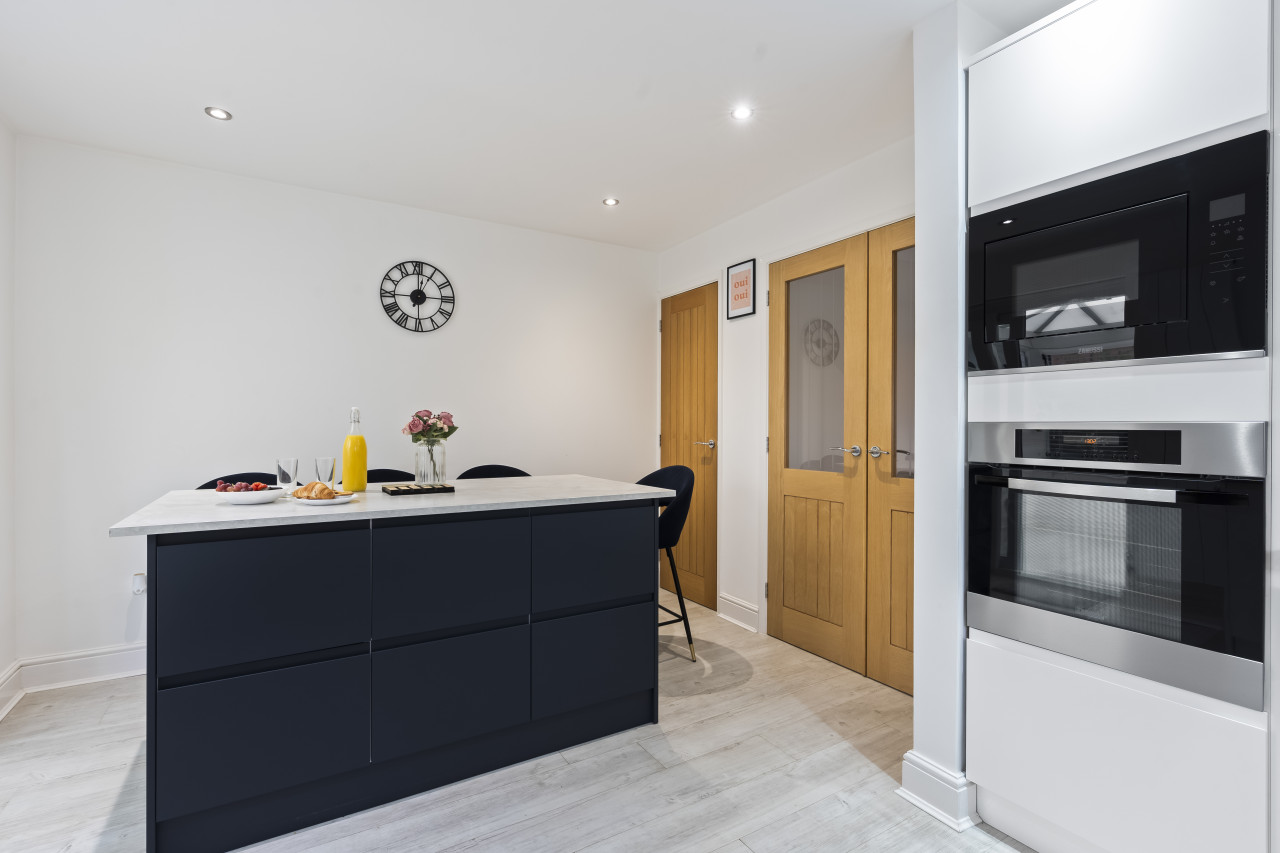
Syston
Tilly's Townhouse with Parking
- Sleeps 4
- 2 bedrooms
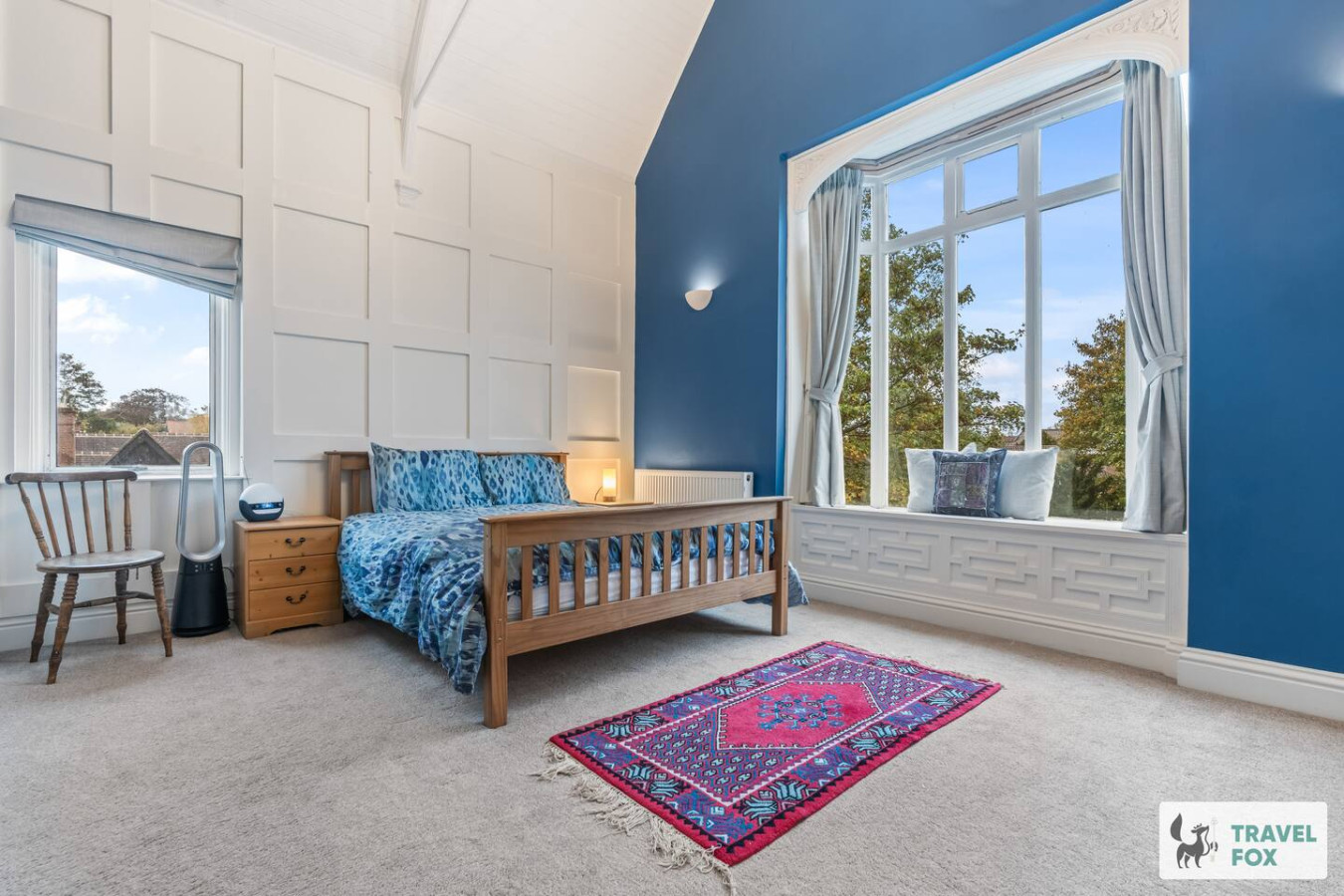
Leicester
Rachel's House with Parking!
- Sleeps 12
- 4 bedrooms
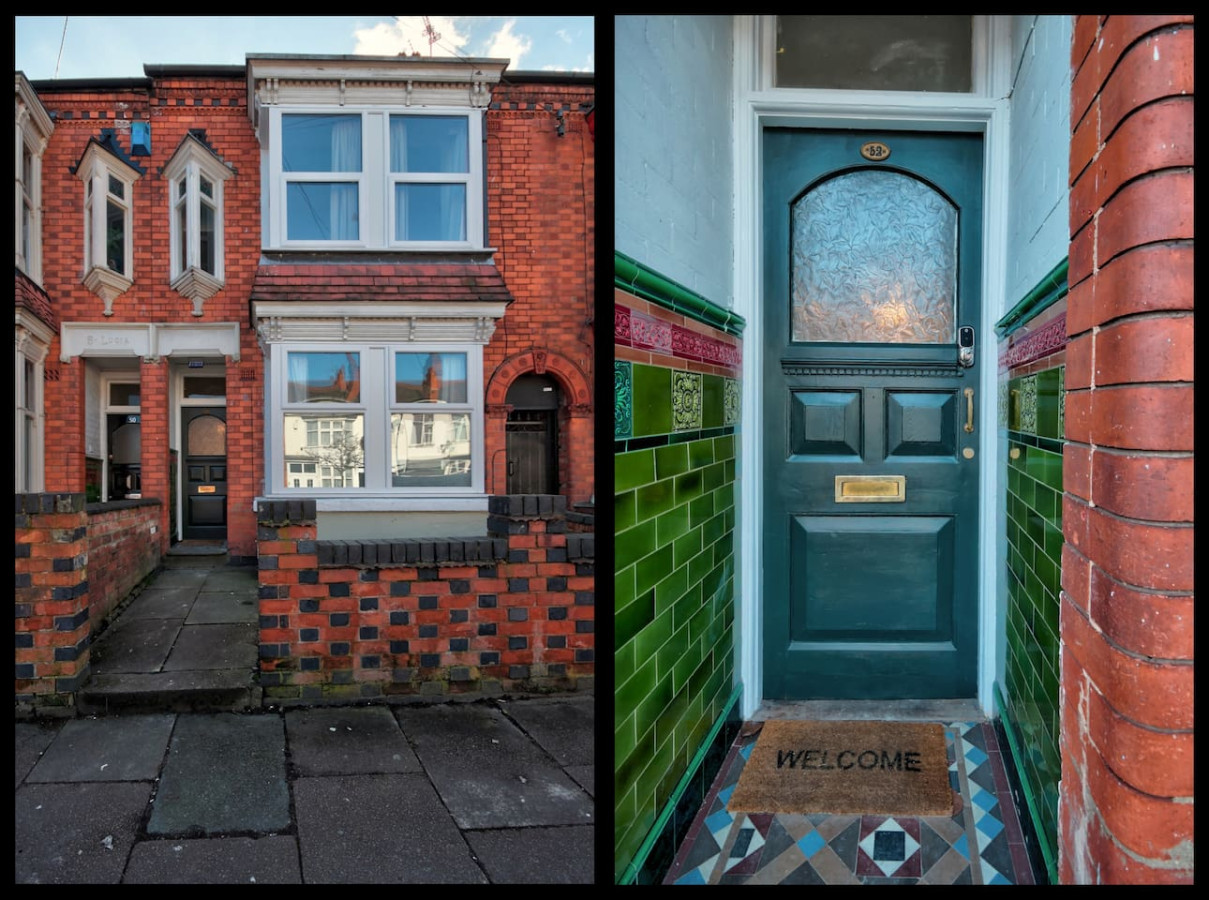
Leicester
Upperton House - Central 5 Bedroom
- Sleeps 9
- 5 bedrooms
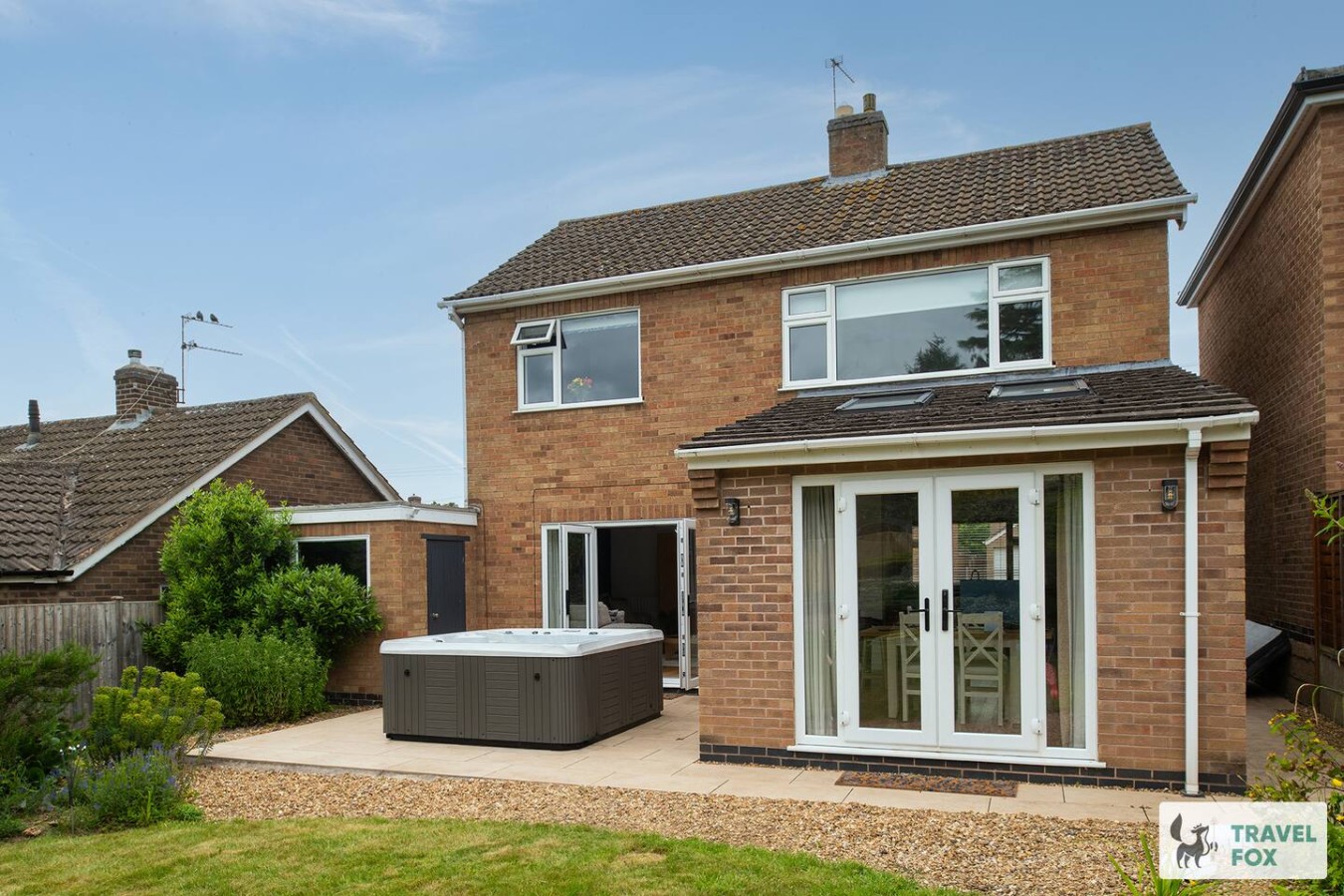
Rearsby
Vanessa's Haven - with hot tub and free parking for 3 cars!!
- Sleeps 5
- 3 bedrooms

Charnwood
UnPoplar House - Free in House Chris
- Sleeps 6
- 3 bedrooms
For homeowners
Own a holiday home near Kegworth?
We manage holiday lets across the UK from 12% commission, charged after cleaning costs, with no lock-in. A co-founder visits before you decide.
How our holiday let management works →
A guide with a point of view
Written from research. Edited for real journeys.
Use the Official site links for live practical details, then use this guide for context, ideas and room to explore.
Sources
Every place on this page is checked against a published source. Each entry links the record we used and names who publishes it.
- The Red Lion — redlionkegworth.co.uk operator, sector body or destination organisation
- St Andrew's Church — historicengland.org.uk statutory register or public authority record not machine-readable; publisher restricts automated access
- Kegworth Museum — kegworthmuseum.org.uk operator, sector body or destination organisation
- Kegworth Library — leicestershire.gov.uk statutory register or public authority record not machine-readable; publisher restricts automated access
- Pubs Past & Present Heritage Walk — onekegworth.co.uk other published source
- Kegworth Circular — kegworthparishcouncil.gov.uk statutory register or public authority