
Two villages, one long story
Kibworth
Pair rolling countryside and the Grand Union Canal with a church over 800 years old and pubs shaped by the turnpike and railway eras.
- Best for
- Village history, country walks and traditional pubs
- Give it
- A half day, or longer with a four-mile walk
- Don't miss
- St Wilfrid's and the Grand Union Canal walk
The Fox verdict
A village pair with unusual historical depth
Kibworth combines useful local stops with open countryside and an exceptionally well-documented past.
Come for a flat walk or the longer countryside-and-canal route, then add St Wilfrid's or one of the village pubs. The surviving details run deep: medieval court rolls, turnpike inns and a railway pub all feature in Kibworth's story.
Where to go
Places in Kibworth
Every place below is checked against a published source, listed with what it is and how long to give it.
Local signatures
3 placesSt Wilfrid's Church
A Grade II* church with thirteenth-century stonework; its tower and spire collapsed in 1825 and the replacement tower was built without a spire.
- Visit length
- Editorial estimate: allow around 45 minutes
- Locality
- Kibworth
The Swan
A traditional village pub serving food, including British pub classics and Sunday roast, with exposed beams, a log fire and a partially covered rear courtyard.
- Visit length
- Editorial estimate: allow around 75 minutes
- Locality
- 5 High Street, Kibworth Beauchamp, LE8 0LR
- Access
- Dogs are welcome.
Coach and Horses Inn
A Grade II-listed eighteenth-century coaching inn with home-cooked meals, low beams, an original inglenook and a pub sign in relief across the frontage.
- Visit length
- Editorial estimate: allow around 90 minutes
- Locality
- 2 Leicester Road, Kibworth Harcourt, LE8 0NN
Walks & outdoors
2 placesKibworth Parish Walk 1
A two-mile parish walk to Smeeton Westerby, described in the research as a flat route.
- Visit length
- Editorial estimate: Allow around 1 hour
- Locality
- to Smeeton Westerby
- Access
- The route is described as flat.
Kibworth Parish Walk 4
A four-mile parish walk through countryside and along the Grand Union Canal.
- Visit length
- Editorial estimate: Allow around 2 hours
- Locality
- countryside and Grand Union Canal
No places match this filter. Choose All places to reset the list.
Three ways to explore Kibworth
Signature outings
Four miles of countryside and canal
Take Parish Walk 4 for a four-mile route through the countryside and along the Grand Union Canal.
The Swan's pub character
Exposed beams, quarry tile floors, a log fire and two snug bars give The Swan its traditional village-pub character.
A parish walk to Smeeton Westerby
Follow Parish Walk 1 on a flat two-mile route from Kibworth towards Smeeton Westerby.
The village story
Kibworth Village Guide
Shops, walks, pubs and an unusually rich documentary record connect Kibworth's everyday village life with more than eight centuries of history.
Shops, landscape and The Swan
Kibworth Books, on the High Street in Kibworth Beauchamp, won Independent Bookseller of the Year for the region in 2012, three years after opening. The High Street also has a Co-op and a post office. A Farley Country Attire, which has been selling country clothing since 1968, has its Kibworth shop at 77 Harborough Road. For a pair of villages with a combined population that's never been enormous, the shopping holds up.
Kibworth is actually two villages — Beauchamp and Harcourt — pressed close enough together that the join is hard to spot. The A6 runs through Harcourt. Rolling arable farmland surrounds both, and the Grand Union Canal marks the southern edge of the parish. Foxton Locks is about three miles south-south-east, which gives you one of the better canal walks in Leicestershire without having to try very hard.
The Swan on the High Street has quarry tile floors, exposed beams, a log fire, and a central servery between two snug bars. There's a partially covered courtyard at the back and picnic tables at the front. They do Sunday roasts and have one regular real ale plus a changing guest. Dogs welcome.
Kibworth's historic pubs
The Coach and Horses in Harcourt is the one to know about for food. It's an eighteenth-century coaching inn, Grade II listed, with an original inglenook and low beamed ceilings. The menu runs from rump steak ciabatta to chicken tikka to fish pie, and the burgers have accumulated the kind of reviews that make you suspicious until you try one. It was a brewpub in the nineteenth century and sits on the old 1726 turnpike road, with a fine pub sign in relief across the frontage.
The Railway Arms on Station Street was built in 1845, before the Midland Railway line actually arrived. The station it was named for closed in 1968. It has a large walled garden and well-kept real ales.
Walks and a documented past
For walks, there's a flat two-mile route to Smeeton Westerby, a four-mile loop taking in the Grand Union Canal, and a circular to Foxton Locks via Saddington Reservoir. The old Roman Gartree Road passes through the parish if you want something with a longer pedigree.
Merton College, Oxford, has owned this parish since 1270, when Walter de Merton bought it from Saer de Harcourt. That means 750 years of continuous records — court rolls, rent books, maps, a letter from the village butcher dated 1447. Michael Wood used the archive for his BBC documentary *Story of England* in 2010, telling the whole of English history through Kibworth alone. Residents dug test pits in their gardens and turned up Roman samian ware and prehistoric flint.
Loss and survival
The Black Death reached Kibworth at the start of 1349. The Merton College court rolls record the first deaths on 29 April. Around two-thirds of the population died — roughly 500 people across Beauchamp, Harcourt, and Smeeton Westerby. The heaviest known losses of any English village.
St Wilfrid's has been standing in some form for over 800 years. The tower and spire collapsed in 1825; the replacement tower, built during the reign of William IV, came back without the spire.
Connections and dissent
There's no railway station anymore, but Market Harborough is six miles south and gets you to London St Pancras in about an hour. The Arriva X3 runs roughly hourly between Leicester and Market Harborough, and there's a FoxConnect on-demand service if the timetable doesn't suit.
Anna Laetitia Barbauld, the poet and pioneer of children's literature, was born at "The Old House" in Harcourt in 1743. Her father ran the Dissenting Academy, which at one point rivalled Oxford and Cambridge — teaching Hebrew, Greek, philosophy, and trigonometry from a village in south Leicestershire.
Stay around Leicestershire
Make a longer stay of it
Travel Fox holiday homes around Leicestershire, linked directly to their property pages.
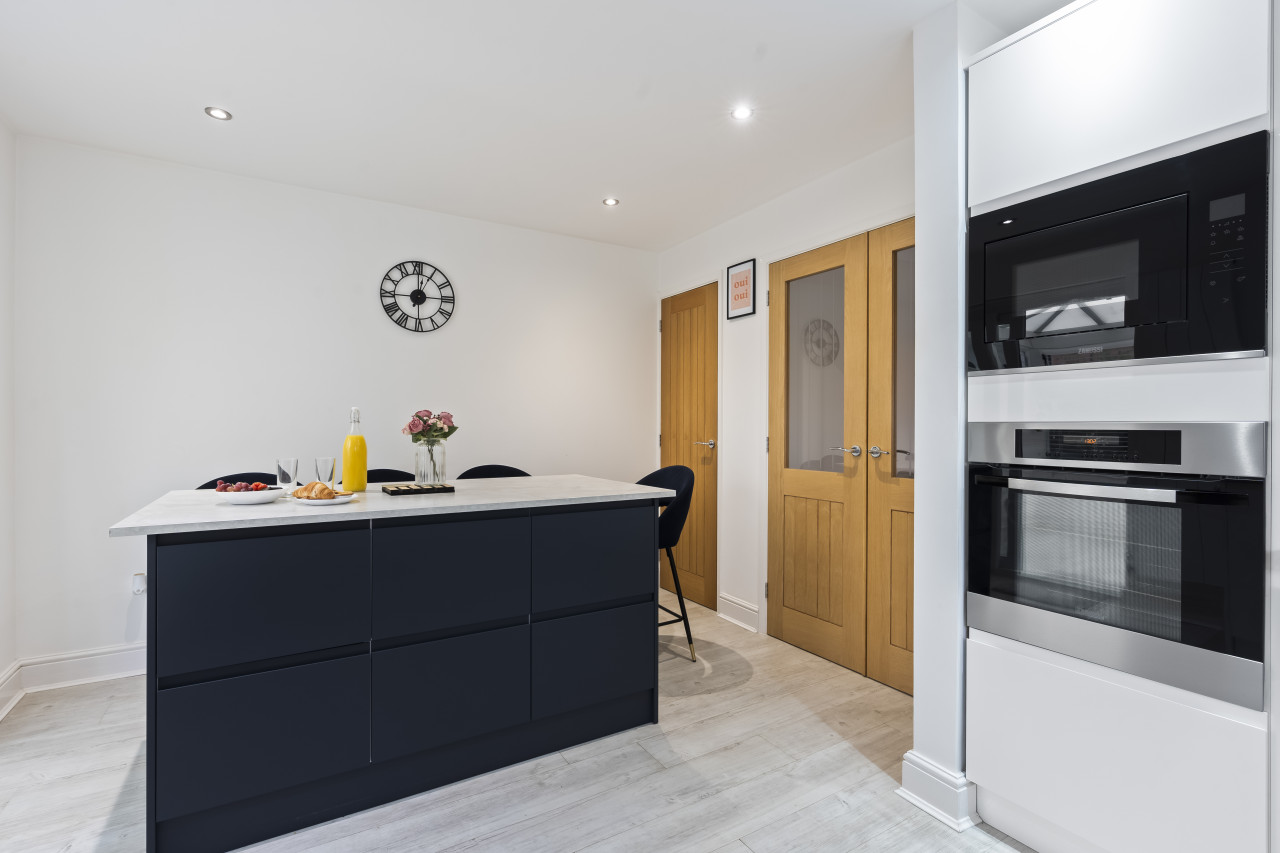
Syston
Tilly's Townhouse with Parking
- Sleeps 4
- 2 bedrooms
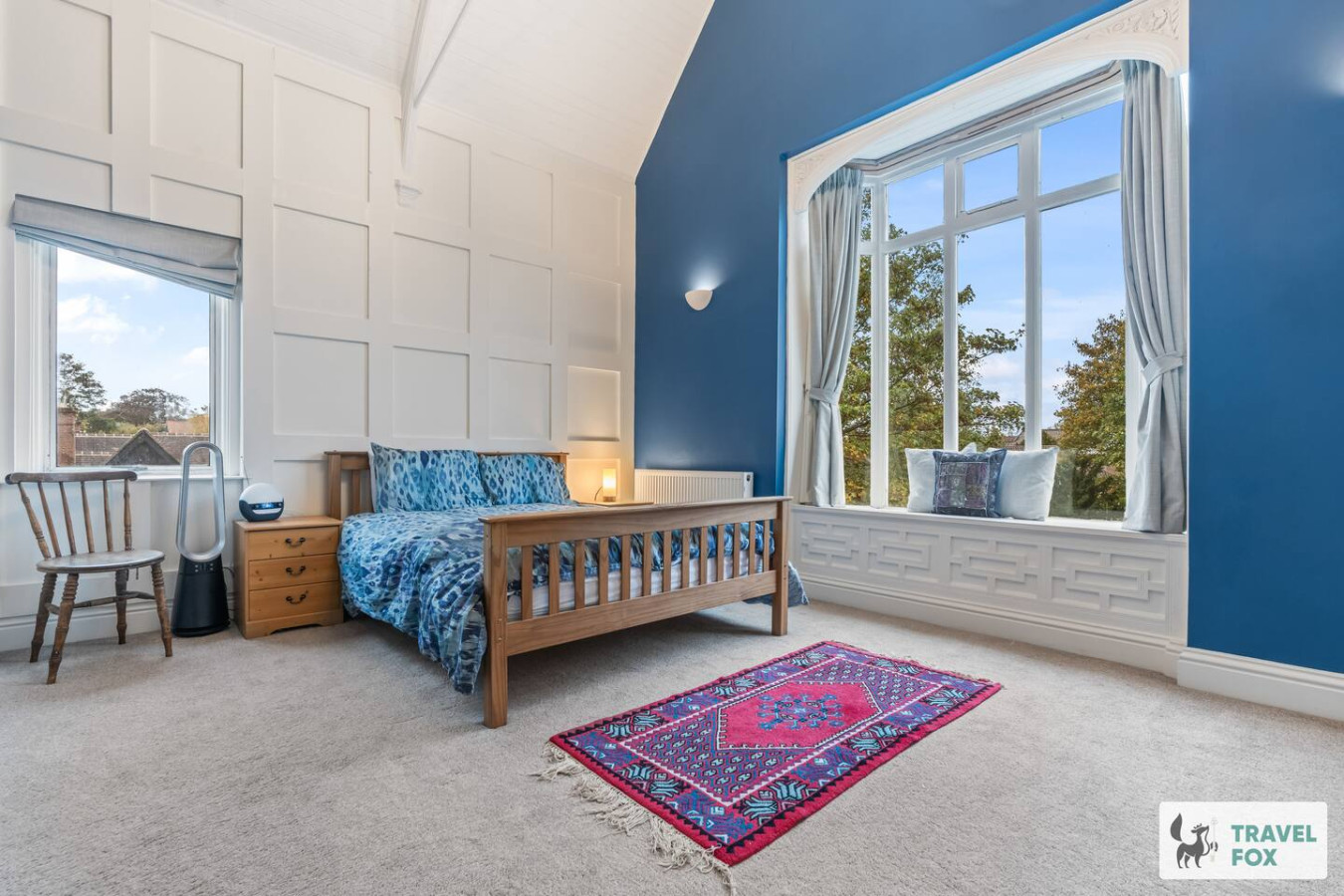
Leicester
Rachel's House with Parking!
- Sleeps 12
- 4 bedrooms
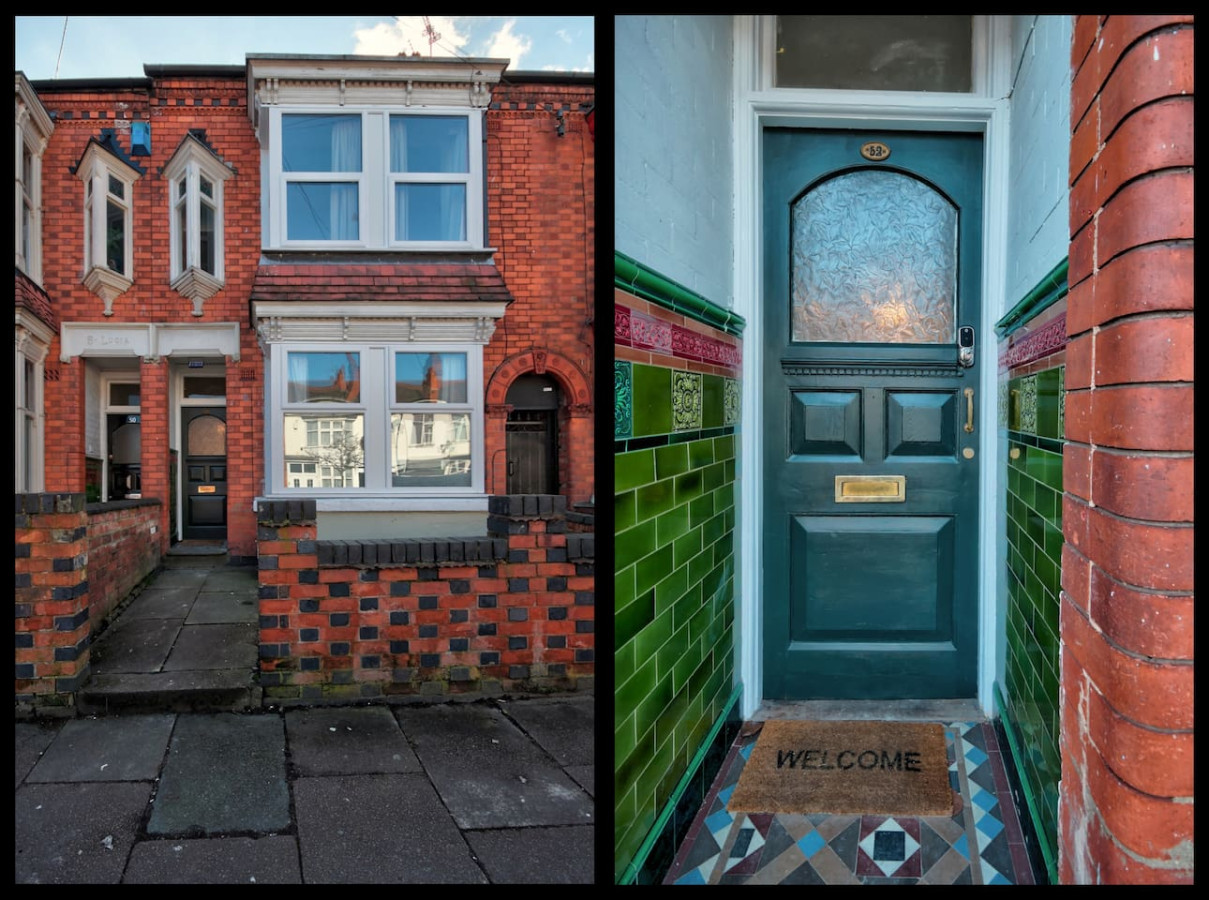
Leicester
Upperton House - Central 5 Bedroom
- Sleeps 9
- 5 bedrooms
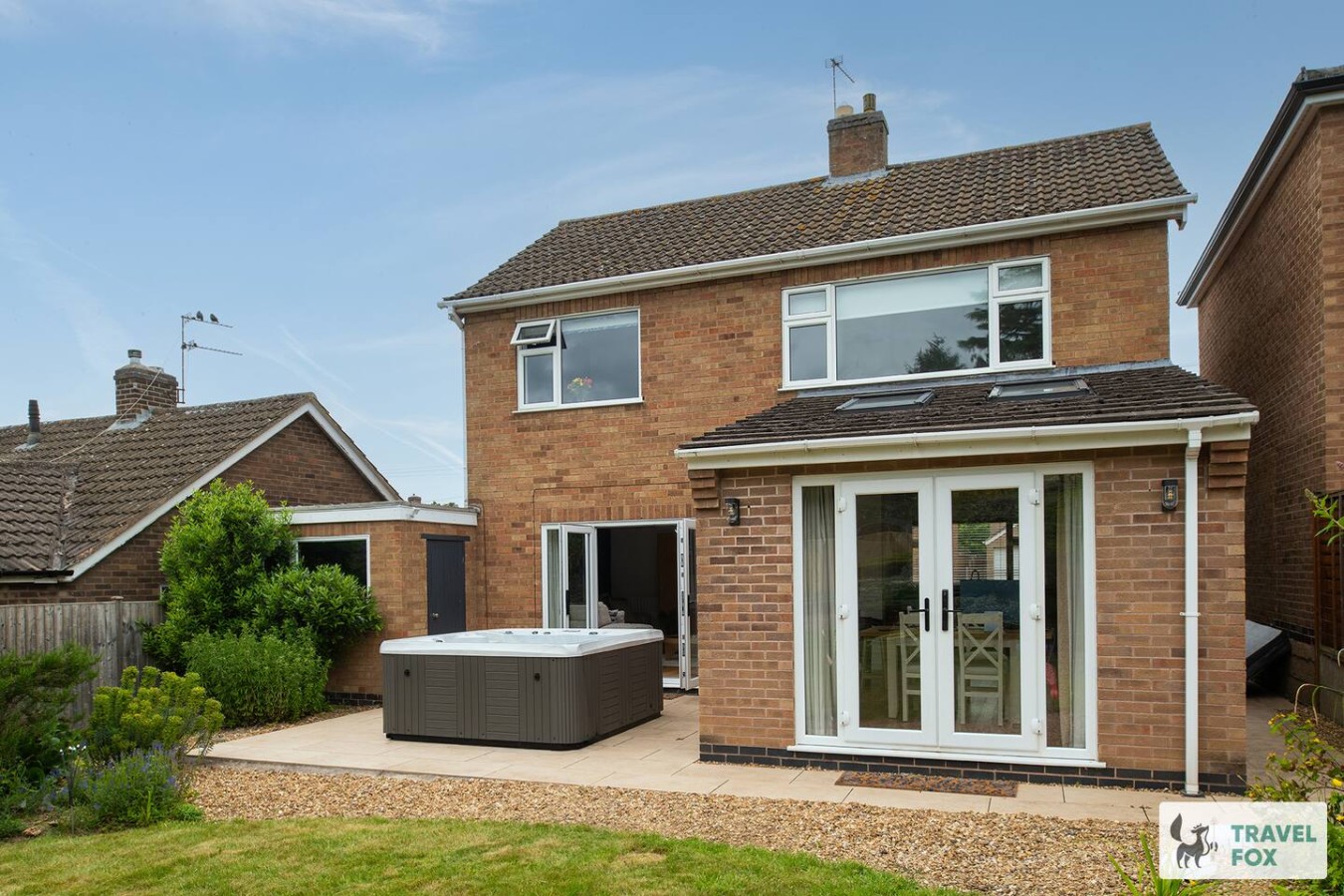
Rearsby
Vanessa's Haven - with hot tub and free parking for 3 cars!!
- Sleeps 5
- 3 bedrooms

Charnwood
UnPoplar House - Free in House Chris
- Sleeps 6
- 3 bedrooms
For homeowners
Own a holiday home near Kibworth?
We manage holiday lets across the UK from 12% commission, charged after cleaning costs, with no lock-in. A co-founder visits before you decide.
How our holiday let management works →
A guide with a point of view
Written from research. Edited for real journeys.
Use the Official site links for live practical details, then use this guide for context, ideas and room to explore.
Sources
Every place on this page is checked against a published source. Each entry links the record we used and names who publishes it.
- Kibworth Parish Walk 1 — choosehowyoumove.co.uk other published source
- Kibworth Parish Walk 4 — choosehowyoumove.co.uk other published source
- St Wilfrid's Church — stwilfridskibworth.co.uk operator, sector body or destination organisation
- The Swan — kibworthswan.co.uk operator, sector body or destination organisation
- Coach and Horses Inn — coachhorseskibworth.co.uk operator, sector body or destination organisation