
Layers beside the Wreake
Kirby Bellars
A small Leicestershire village with a notably large medieval church, surviving priory earthworks, riverside paths and a pub named after an unbeaten racehorse.
- Best for
- Priory earthworks, riverside paths and medieval church architecture
- Give it
- A riverside walk and a pub meal
- Don't miss
- St Peter's tall spire above the flat vale
The Fox verdict
A compact village with deep historical layers
Kirby Bellars brings together an ironstone landmark, the remains of an Augustinian priory and low-lying paths beside the River Wreake.
Come for St Peter's and the priory earthworks, make time for the river meadows, then finish at The Flying Childers for seasonal pub food.
Where to go
Places in Kirby Bellars
Every place below is checked against a published source, listed with what it is and how long to give it.
Local signatures
3 placesThe Flying Childers
A modern-vintage village pub serving seasonal menus, British classics, daily specials and signature homemade kebabs, with dogs welcome in the bar area and a heated patio outside.
- Visit length
- Editorial estimate: Allow around 90 minutes
- Locality
- Kirby Bellars
River Wreake Riverside Paths
Riverside paths follow the River Wreake through low-lying ground and river meadows west of Melton Mowbray.
- Visit length
- Editorial estimate: Allow around 60 minutes
- Locality
- River Wreake through the parish
Kirby Bellars Village Hall
The village hall at 21 Main Street is a community venue used for parish council meetings. Check the hall's programme or arrange a booking before visiting.
- Visit length
- Editorial estimate: Event or booking dependent
- Locality
- Main Street, Kirby Bellars
History & heritage
2 placesSt Peter's Church
A large 13th-century ironstone church with a tall spire, four-bay nave, clerestories and chancel; inside is the alabaster effigy of priory founder Sir Roger de Beler.
- Visit length
- Editorial estimate: Allow around 30 minutes
- Locality
- in the village
Kirby Bellars Priory Earthworks
The surviving earthworks of the dissolved Augustinian priory include a central square moat, broad arms, boundary banks and ditches across an area of almost 200 metres square.
- Visit length
- Editorial estimate: Allow around 45 minutes
- Locality
- north of St Peter's Church
- Access
- The scheduled earthworks lie north of St Peter's Church; public access to the monument is not confirmed.
No places match this filter. Choose All places to reset the list.
Three ways to explore Kirby Bellars
Signature outings
Homemade Kebabs at the Pub
Try the signature homemade kebabs at The Flying Childers, whose seasonal menus also cover British classics and daily specials.
St Peter's at Full Scale
Look up at the tall spire, then find Sir Roger de Beler's alabaster effigy inside the unusually large ironstone church.
Kirby Bellars Priory Earthworks
Find the scheduled remains north of St Peter's Church; public access to the monument is not confirmed.
The village story
Kirby Bellars Village Guide
An unbeaten racehorse, an oversized ironstone church and a low-lying landscape layered with priory remains, water and paths.
The Unbeaten Horse and the Village Pub
The Flying Childers is named after a racehorse. Specifically, a racehorse foaled in 1714 that was never beaten, which is the sort of CV most pubs can only dream of. The pub itself came later — built in 1904 further along the road from the original, which had operated out of a row of cottages before being converted to housing. Inside, bare brick and dark wood, whitewashed walls, ornate mirrors. It looks like someone who reads interiors magazines got hold of a country pub and, unusually, knew when to stop.
The food is the main draw. A rotisserie menu sits alongside twenty-five daily specials, and the kitchen runs from British classics through to what they describe as modern European and global flavours. Homemade kebabs are a signature. Sunday roasts come with the full menu still available, which is generous. Dogs are welcome in the bar area, the beer garden has heating, and there's a children's play area out back. For a village of 369 people, this is a lot of pub.
A Church Out of Scale
It is, in fact, the only pub. Kirby Bellars has no shops to speak of. What it does have is a church substantially larger than a village this size has any right to.
St Peter's is Grade I listed, thirteenth-century ironstone, with a tall spire visible from across the flat vale of the River Wreake. The Augustinian priory that once stood here probably used it as their own chapel, which explains the scale — a four-bay nave, clerestories, chancel, the full set. Inside, there's an alabaster effigy of Sir Roger de Beler, who founded the priory in 1316. The north aisle was demolished in 1670, so the building used to be even bigger.
Priory Traces and Riverside Paths
The priory itself is gone, dissolved in 1536 during the first wave of Henry VIII's programme. But the earthworks survive: a square moat roughly 100 metres to a side, arms 16 to 18 metres wide and up to 3 metres deep, covering an area of almost 200 metres square. It is a scheduled monument north of St Peter's Church; public access to the earthworks is not confirmed.
Walking is the thing here. The River Wreake flows through the parish on low-lying ground, and riverside paths follow it west toward Leicester.
Road Links and a Lost Population
The village sits on the A607, about four kilometres west of Melton Mowbray in a straight line, with bus connections along the same road. It's close enough to Melton to use it for anything Kirby Bellars doesn't provide, which is most things except a good dinner and a long walk.
The Domesday surveyors recorded it as Chirchebi in 1086. Geoffrey of la Guerche held two parcels containing 30 villagers, 100 freemen, and 27 smallholders, valued at £23 10s annually — placing it in the largest 40 per cent of settlements in the survey. The village was considerably bigger then. Enclosure in the early seventeenth century led to deliberate depopulation, and the parish never really recovered.
Elephants, Kennels and the Spire
In 1821, someone found fossil elephant remains here. The Quorn Hunt kennels are on Gaddesby Lane, and the hunt has historically gathered at Park Farm around the eleventh of November each year.
The spire of St Peter's catches the light from a surprising distance across the flat farmland. It was built for a village that no longer exists at that scale, but it still works as a landmark — the kind of thing you navigate by without thinking about it.
Stay around Leicestershire
Make a longer stay of it
Travel Fox holiday homes around Leicestershire, linked directly to their property pages.
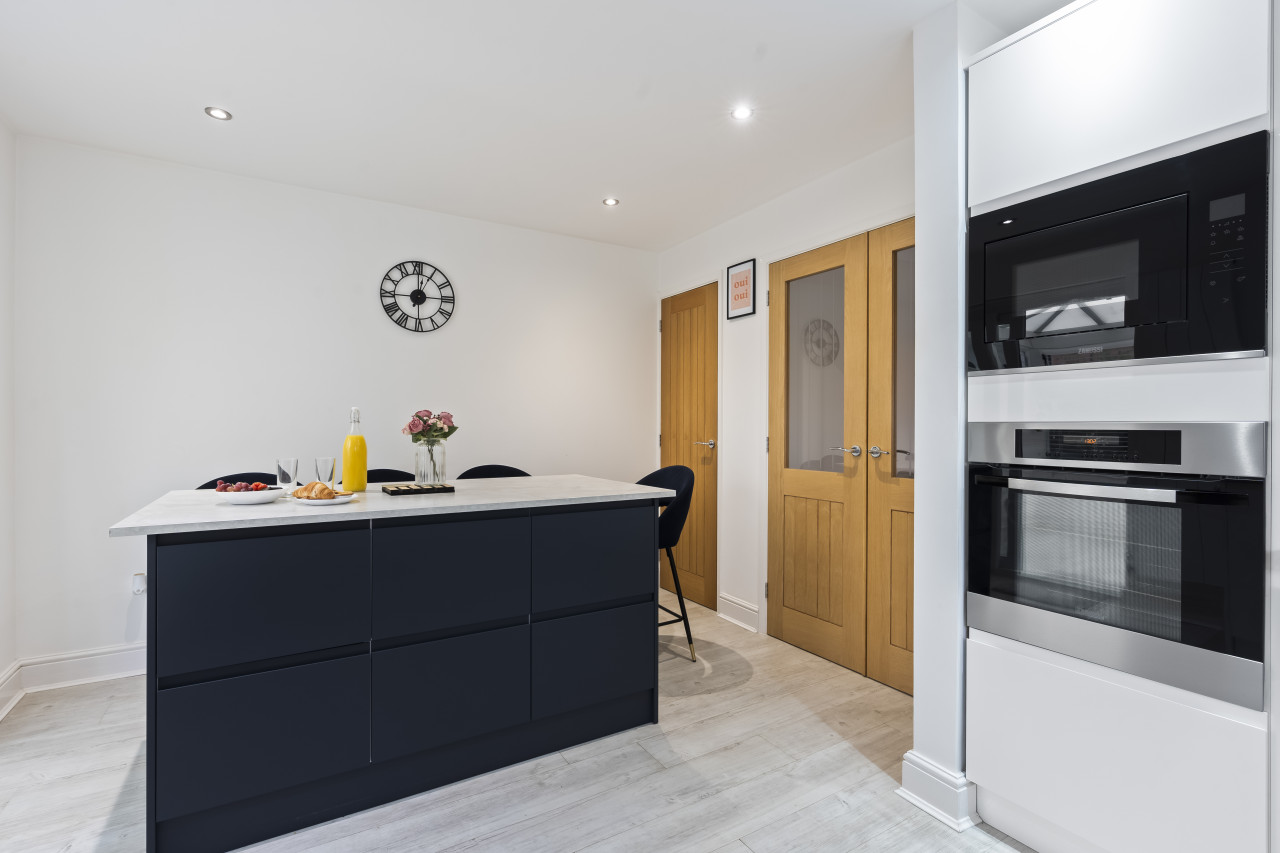
Syston
Tilly's Townhouse with Parking
- Sleeps 4
- 2 bedrooms
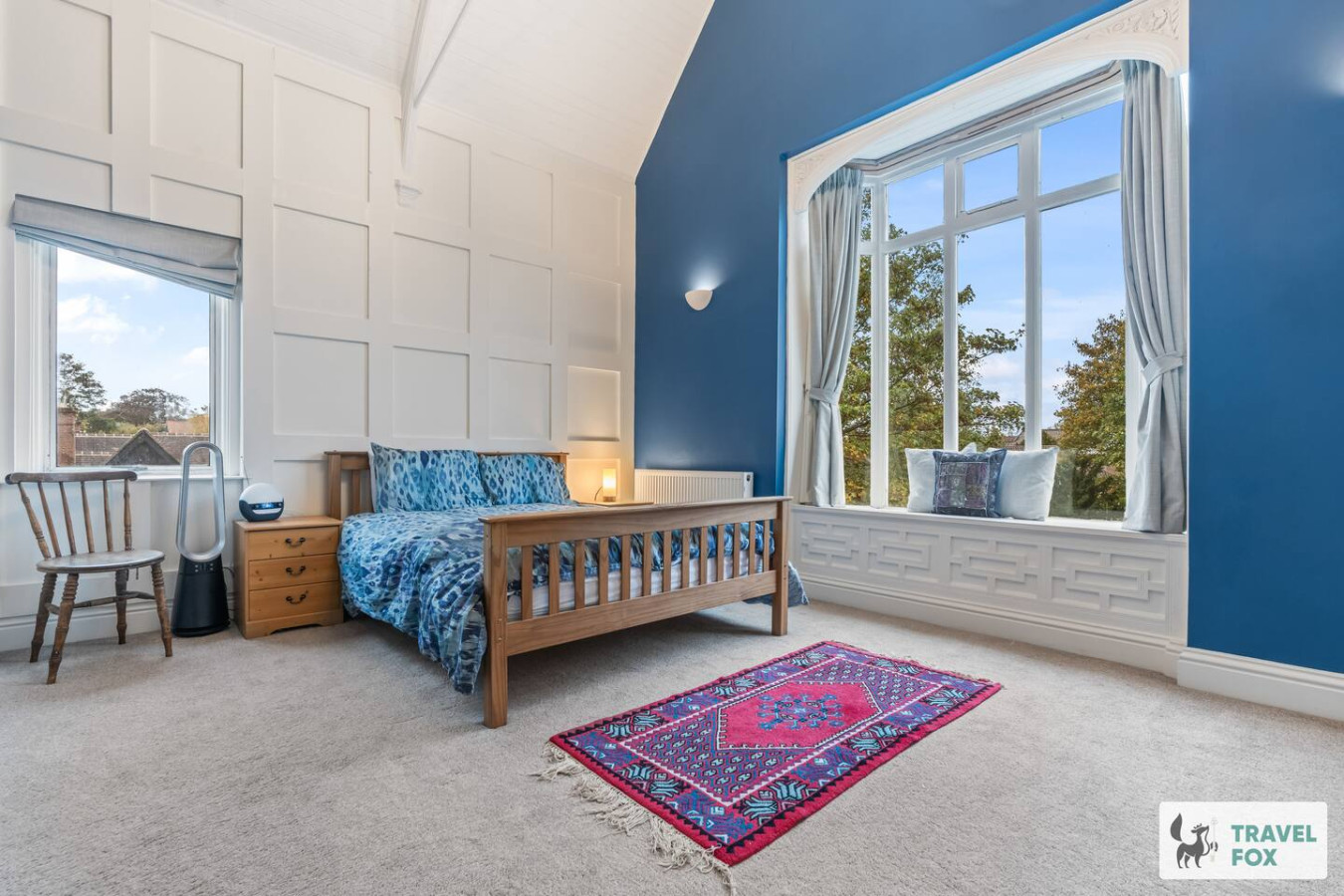
Leicester
Rachel's House with Parking!
- Sleeps 12
- 4 bedrooms
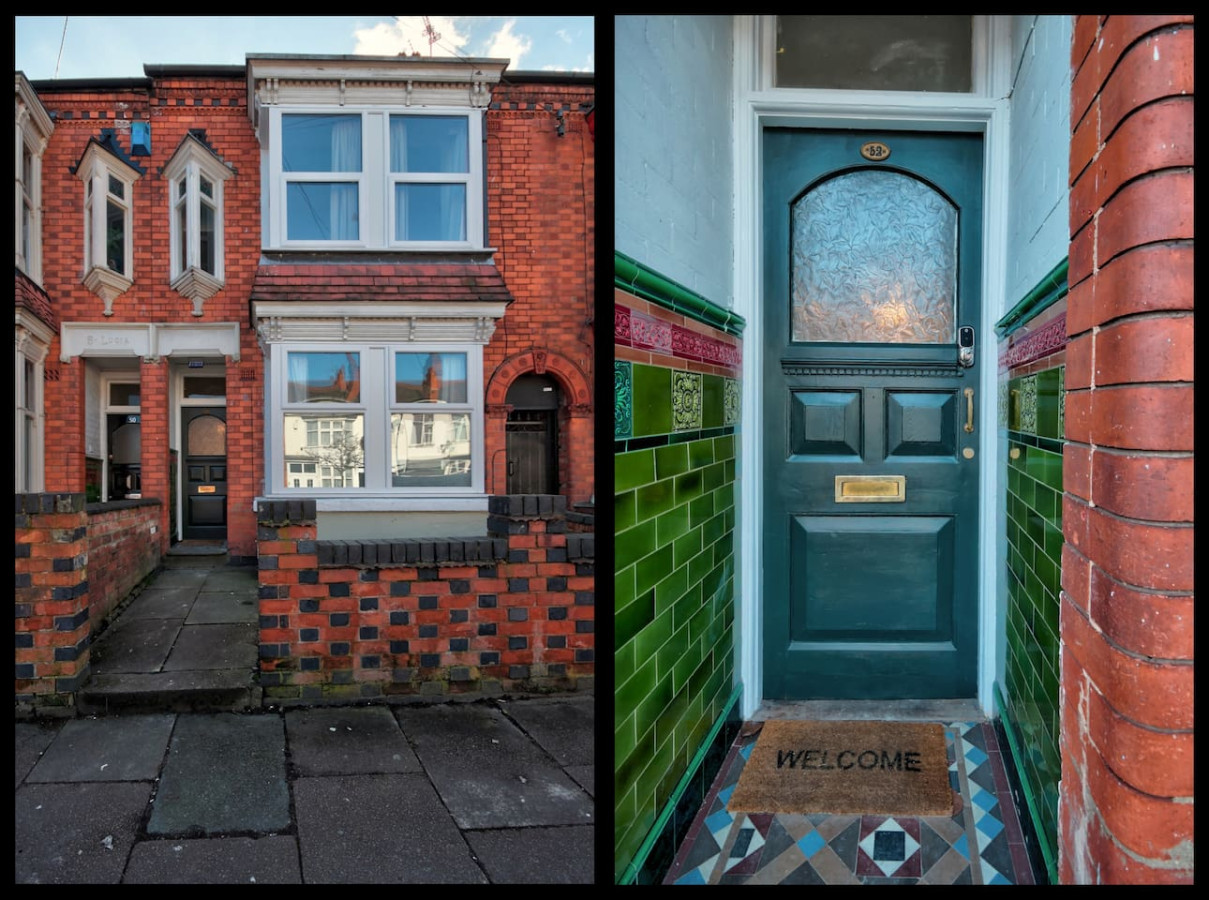
Leicester
Upperton House - Central 5 Bedroom
- Sleeps 9
- 5 bedrooms
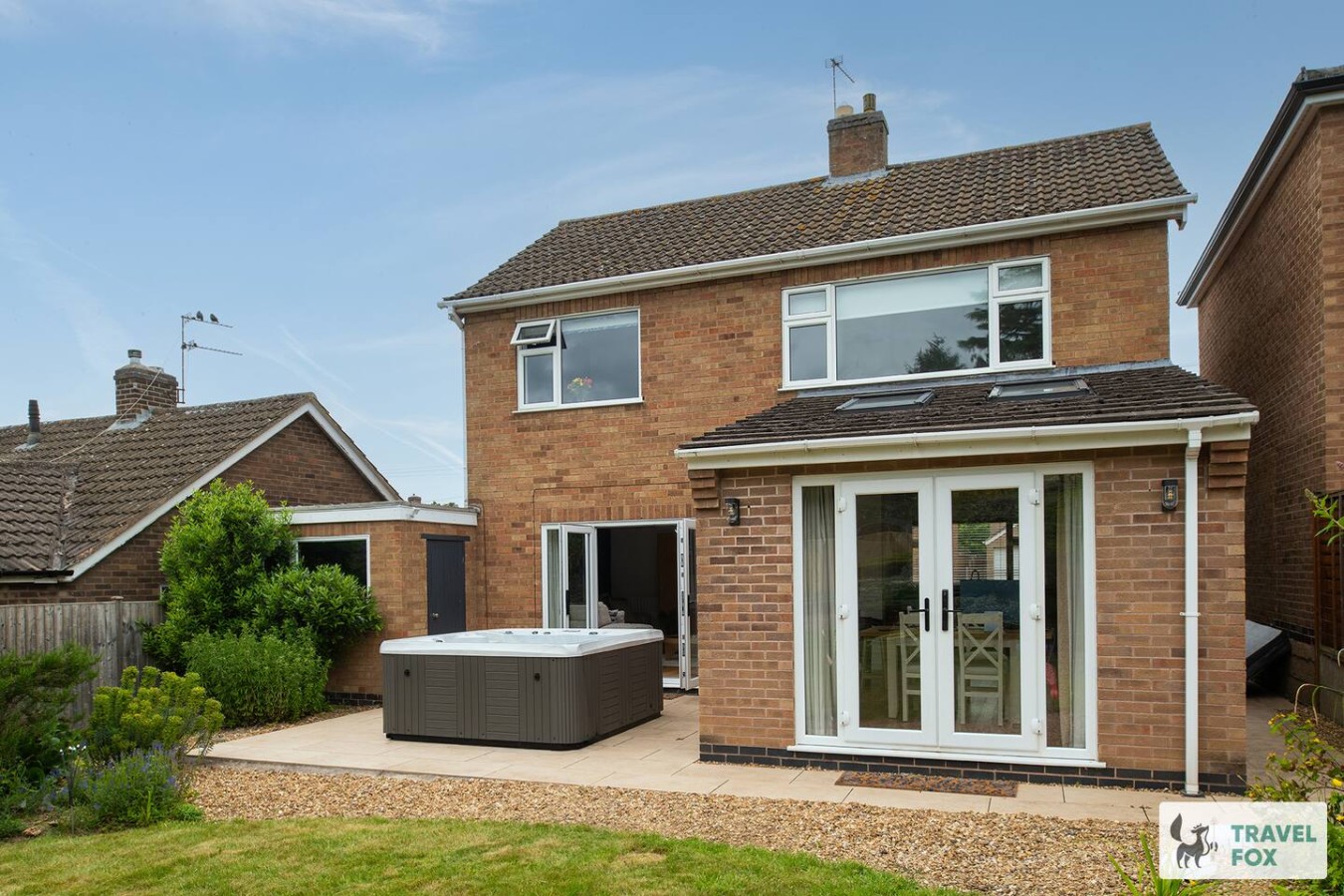
Rearsby
Vanessa's Haven - with hot tub and free parking for 3 cars!!
- Sleeps 5
- 3 bedrooms

Charnwood
UnPoplar House - Free in House Chris
- Sleeps 6
- 3 bedrooms
For homeowners
Own a holiday home near Kirby Bellars?
We manage holiday lets across the UK from 12% commission, charged after cleaning costs, with no lock-in. A co-founder visits before you decide.
How our holiday let management works →
A guide with a point of view
Written from research. Edited for real journeys.
Use the Official site links for live practical details, then use this guide for context, ideas and room to explore.
Sources
Every place on this page is checked against a published source. Each entry links the record we used and names who publishes it.
- The Flying Childers — flyingchilderspub.co.uk operator, sector body or destination organisation
- St Peter's Church — historicengland.org.uk statutory register or public authority record not machine-readable; publisher restricts automated access
- Kirby Bellars Priory Earthworks — historicengland.org.uk statutory register or public authority record not machine-readable; publisher restricts automated access
- River Wreake Riverside Paths — leicestershire.gov.uk statutory register or public authority record not machine-readable; publisher restricts automated access
- Kirby Bellars Village Hall — charitycommission.gov.uk statutory register or public authority