
Belvoir estate village
Knipton
A reopened country-house pub, a medieval church and late-Georgian waterworks give this small estate village unusual depth.
- Best for
- Estate history and waterside walking
- Give it
- A pub visit with walks and heritage stops
- Don't miss
- The 1797 reservoir and its serpentine dam
The Fox verdict
A small village shaped by one great estate
Knipton links a destination pub and medieval church with the engineered landscapes of the Belvoir Estate.
The Manners Arms supplies modern British food and rooms in a refurbished former shooting lodge, while All Saints' and the estate cottages carry the village story into the medieval and picturesque periods. Beyond them, Knipton Reservoir and the Grantham Canal turn late-Georgian water engineering into walking country.
Where to go
Places in Knipton
Every place below is checked against a published source, listed with what it is and how long to give it.
Local signatures
3 placesThe Manners Arms
A Grade II listed former shooting lodge, reopened after refurbishment in spring 2025 as a country house hotel and gastropub serving modern British food made with seasonal local produce.
- Visit length
- Editorial estimate: allow around 90 minutes
- Locality
- Knipton
Knipton Reservoir
A 52-acre reservoir built in 1797 to supply the Grantham Canal, now valued for country-lane walks with views of the water, estate scenery and the combination of functional engineering with picturesque landscape design.
- Visit length
- Editorial estimate: allow around 90 minutes
- Locality
- Knipton Reservoir, southwest of Knipton near Branston
Grantham Canal Towpath
Start at Woolsthorpe Bridge for a towpath walk on the canal corridor supplied by Knipton Reservoir, adding a heritage-transport thread to the wider Vale of Belvoir landscape.
- Visit length
- Editorial estimate: allow around 90 minutes
- Locality
- Woolsthorpe Bridge, Woolsthorpe-by-Belvoir
Walks & outdoors
1 placeBelvoir Castle Grounds
Estate grounds in the Vale of Belvoir walking country, connected to Knipton through the Duke of Rutland's estate and the designed landscape around the reservoir.
- Visit length
- Editorial estimate: allow around 120 minutes
- Locality
- Belvoir Castle estate, north of Knipton
History & heritage
1 placeAll Saints' Church
A Grade II* church with a 13th-century west tower, 14th-century nave and north aisle, a south aisle added in 1869, and two listed table tombs in the churchyard.
- Visit length
- Editorial estimate: allow around 45 minutes
- Locality
- Knipton
No places match this filter. Choose All places to reset the list.
Three ways to explore Knipton
Signature outings
Modern British at The Manners Arms
Settle into the refurbished former shooting lodge for modern British food built around seasonal local produce and Belvoir Estate game.
Medieval fabric at All Saints'
Read the church from its 13th-century west tower through the 14th-century nave to the south aisle added in 1869.
Belvoir's designed landscape
Use the castle grounds to connect Knipton's estate story with the wider Vale of Belvoir walking country.
The village story
Knipton Village Guide
A village of estate ties, strong food and water engineering made picturesque.
The Manners Arms Returns
The Manners Arms reopened in spring 2025 after three years shut, which in village pub terms is long enough for people to have started grieving. It's a Grade II listed former shooting lodge built between 1774 and 1790 for the chaplain to the 5th Duke of Rutland, later earmarked as a dower house for Violet, the 8th Duchess, who took one look and moved to Eastwell Hall instead. The building became a pub in the late twentieth century under the name Red House Inn, was renamed The Manners Arms in 2005 at the 11th Duke's request, and has now emerged from refurbishment as a ten-bedroom country house hotel with an AA 4-Star rating.
The menu is modern British and leans on the Belvoir Estate for its seasonal game. You can get pan-fried foie gras with caramelised apple, seared scallops with crab risotto and porcini foam, or fillet of beef with braised faggot and creamed spinach. There's also chicken Kiev stuffed with smoky bacon, beer-battered fish with hand-cut chips, and a roasted tomato and basil tart for vegetarians. Sunday roast. Light bar meals if you just want to sit and not think about it.
Estate Village and Medieval Church
It is, essentially, the village. Knipton has no shop. It has the pub, the church, and a collection of ironstone estate cottages that belong to the Duke of Rutland's Belvoir Castle estate. The cottages are the ornamental kind — cottages ornées, if you want the term — built in the nineteenth-century picturesque style, which means they look like someone designed them to be painted rather than lived in.
All Saints' Church has a thirteenth-century west tower and a nave from the fourteenth. The south aisle was added in 1869, which makes it the newest thing in the village by some margin. Two listed table tombs sit in the churchyard. Nearby, the old primary school — built 1850, closed 1854, four years of education — is now the village hall. It's Mock Tudor.
Reservoir and Canal Country
For walking, the best thing here is Knipton Reservoir. Fifty-two acres of water built in 1797 to feed the Grantham Canal, which was thought to be the first canal in England to rely on floodwater reservoirs. The serpentine dam is crossed by Croxton Avenue, a riding that cuts through parkland designed in the Capability Brown tradition, with planted views toward church spires. Historic England added the reservoir to the Belvoir Castle registered landscape. It's a functional piece of late-Georgian engineering that someone made beautiful because they could afford to.
For the Grantham Canal towpath, Woolsthorpe Bridge near Woolsthorpe-by-Belvoir is about 2.7 miles from Knipton in a straight line; the road journey is longer. The wider Vale of Belvoir spreads out around you — flat, green, agricultural, and quietly one of the better landscapes in the East Midlands.
Domesday, Quarrying and Connections
Domesday Book recorded Knipton with 33 households, including four slaves, and six mills valued at thirteen shillings and twopence. By 1931 the population was 273. The parish was abolished in 1936 and folded into Belvoir. Iron ore quarrying ran from the 1920s through 1964, which explains a few scars in the landscape if you know where to look.
Three bus services run on weekdays between Melton Mowbray and Grantham. Grantham station is about nine miles east, with East Midlands Railway and LNER services north and south.
The Castle Behind the Village
The 5th Duke bought the Red House and its mortgage for £750 in 1802. The Manners family have held Belvoir Castle since the sixteenth century. The pub, the cottages, the reservoir, the land — it all belongs to the same estate. Knipton isn't a village that happens to be near a castle. It exists because one is there.
Stay around Leicestershire
Make a longer stay of it
Travel Fox holiday homes around Leicestershire, linked directly to their property pages.
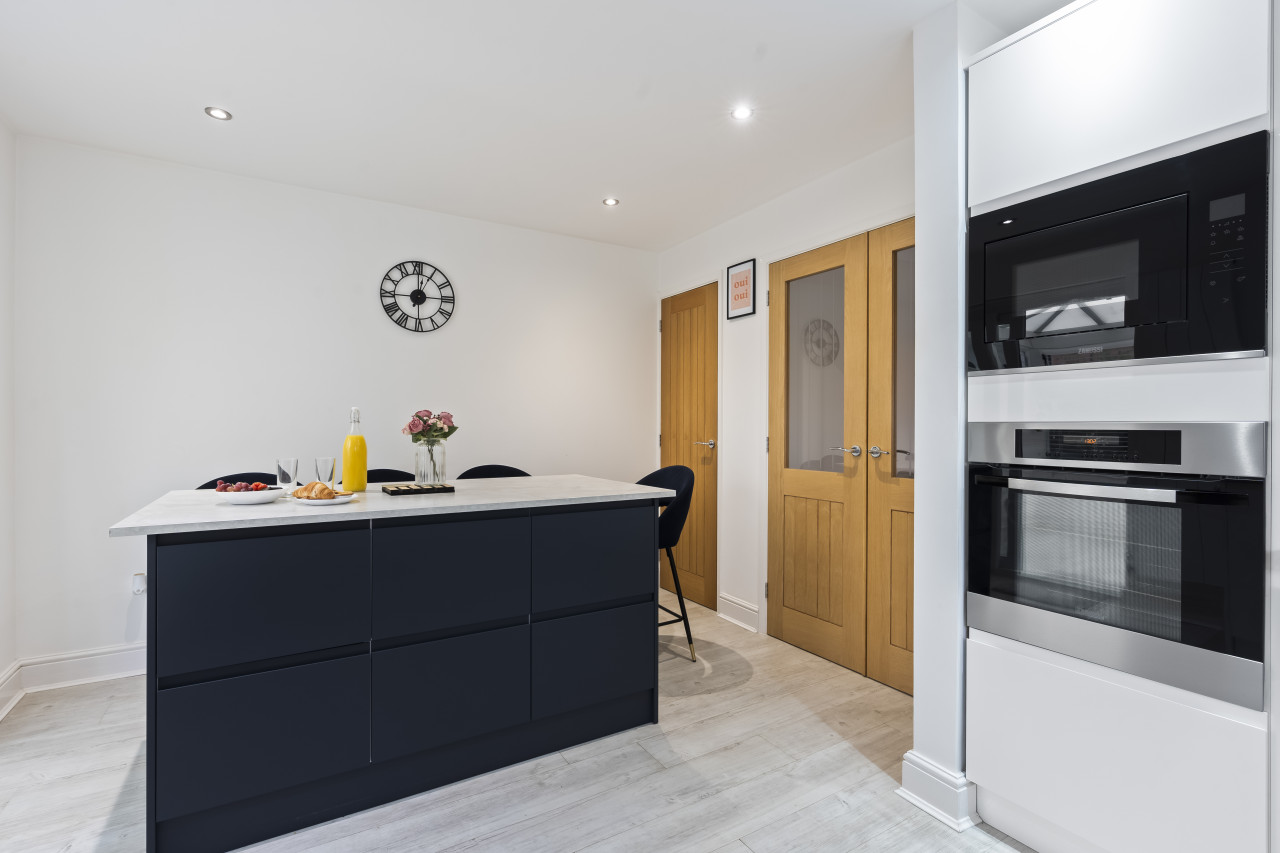
Syston
Tilly's Townhouse with Parking
- Sleeps 4
- 2 bedrooms
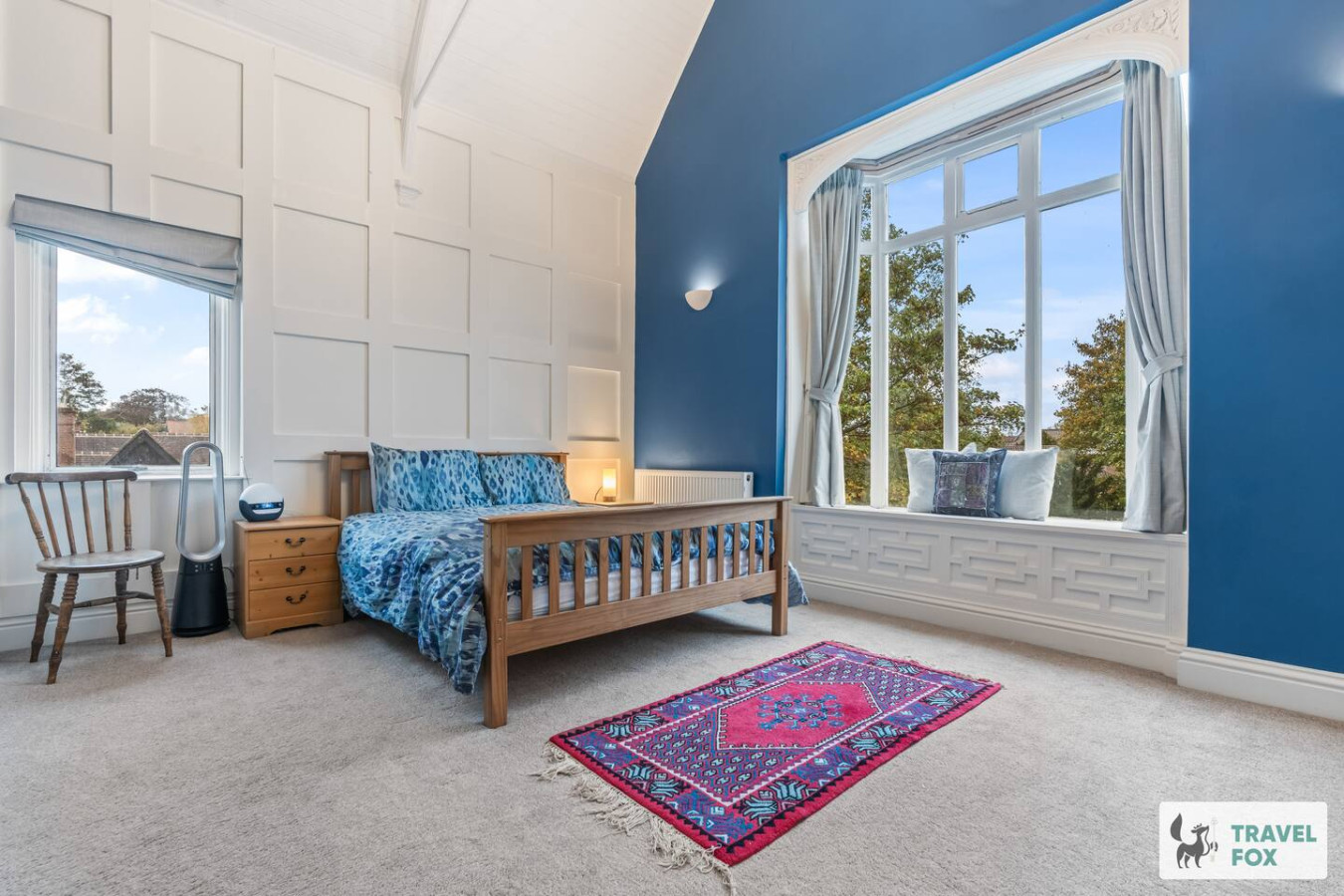
Leicester
Rachel's House with Parking!
- Sleeps 12
- 4 bedrooms
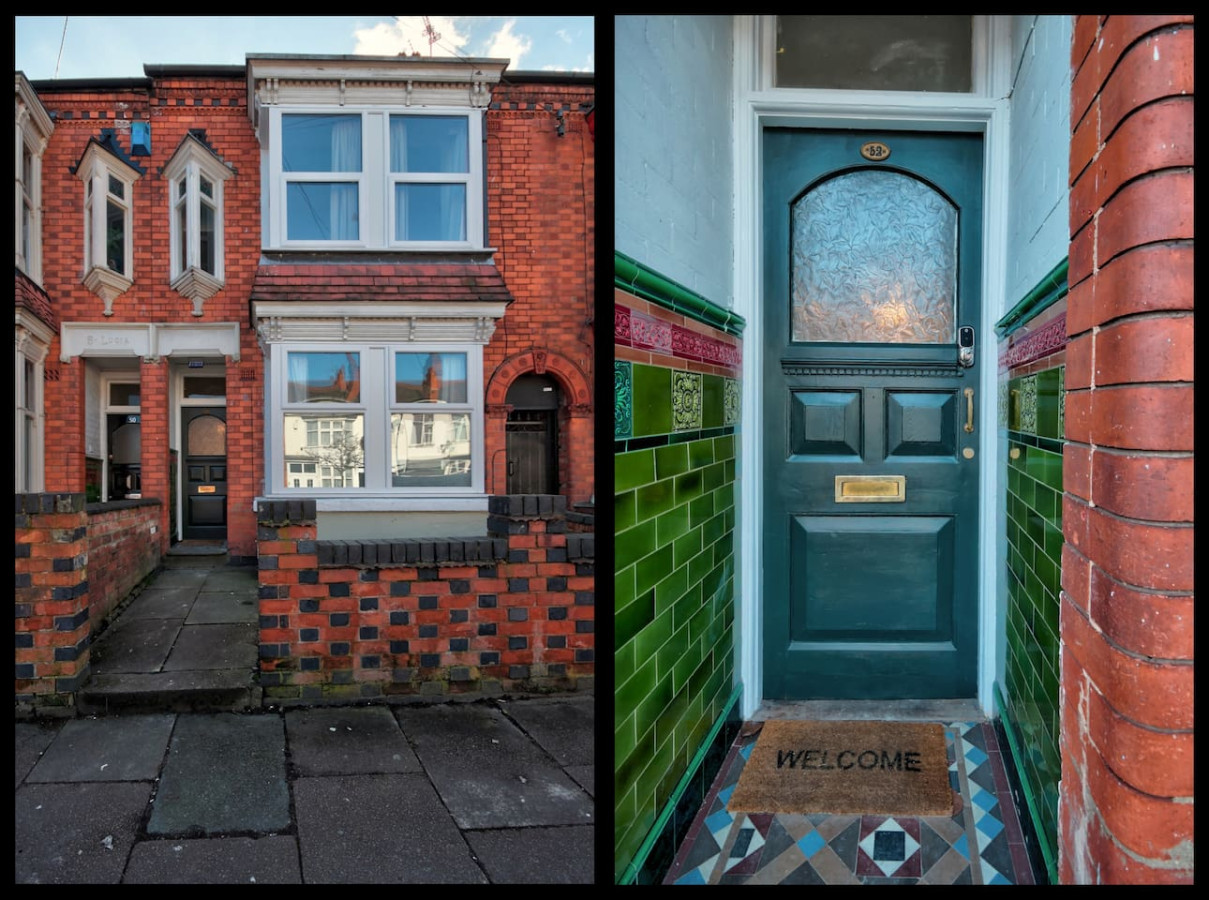
Leicester
Upperton House - Central 5 Bedroom
- Sleeps 9
- 5 bedrooms
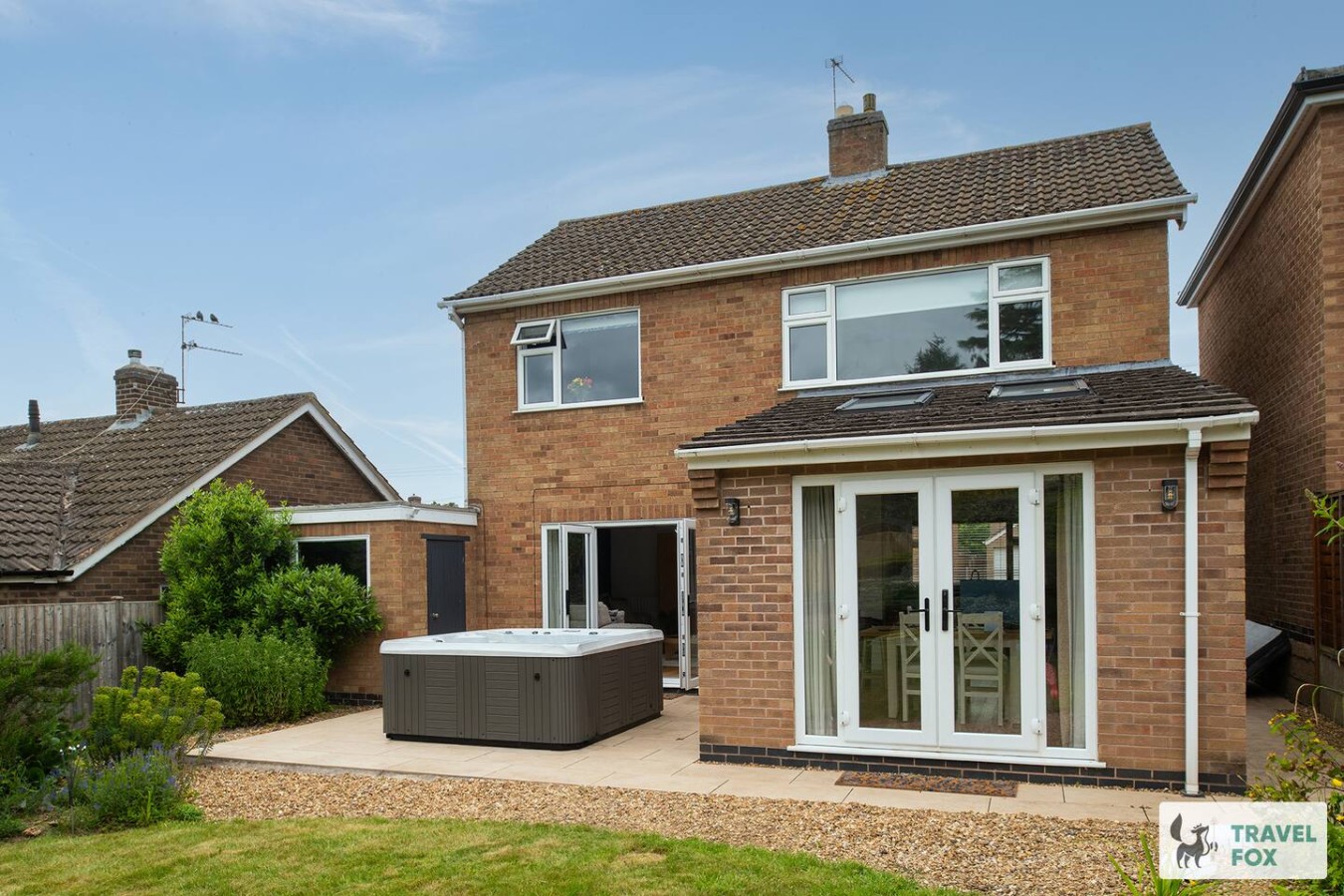
Rearsby
Vanessa's Haven - with hot tub and free parking for 3 cars!!
- Sleeps 5
- 3 bedrooms

Charnwood
UnPoplar House - Free in House Chris
- Sleeps 6
- 3 bedrooms
For homeowners
Own a holiday home near Knipton?
We manage holiday lets across the UK from 12% commission, charged after cleaning costs, with no lock-in. A co-founder visits before you decide.
How our holiday let management works →
A guide with a point of view
Written from research. Edited for real journeys.
Use the Official site links for live practical details, then use this guide for context, ideas and room to explore.
Sources
Every place on this page is checked against a published source. Each entry links the record we used and names who publishes it.
- The Manners Arms — historicengland.org.uk statutory register or public authority record not machine-readable; publisher restricts automated access
- All Saints' Church — historicengland.org.uk statutory register or public authority record not machine-readable; publisher restricts automated access
- Knipton Reservoir — historicengland.org.uk statutory register or public authority record not machine-readable; publisher restricts automated access
- Grantham Canal Towpath — canalrivertrust.org.uk national body or asset manager
- Belvoir Castle Grounds — licensing.melton.gov.uk statutory register or public authority