
Jet history, medieval faith and market-town character
Lutterworth
Follow Frank Whittle and John Wycliffe through a Leicestershire town of church paintings, old inns, independent shops and open-space walks.
- Jet legacy
- Power Jets moved to Lutterworth in 1938
- Wycliffe's parish
- Rector of Lutterworth, 1374–1384
- Don't miss
- The Doom painting in St Mary's
The Fox verdict
Come for two world-changing stories; stay for the town's inns and green edges
Lutterworth brings Frank Whittle's jet-engine work and John Wycliffe's Bible translation into one compact historical narrative.
The museum, Whittle bust in Memorial Gardens and St Mary's give the town unusual historical depth, while a coaching inn, characterful pubs and two contrasting green spaces broaden the visit.
Where to go
Places in Lutterworth
Every place below is checked against a published source, listed with what it is and how long to give it.
Local signatures
3 placesLutterworth Museum
See a Whittle W2/700 jet engine, original correspondence and a copy of his January 1930 patent, alongside displays about John Wycliffe.
- Visit length
- Editorial estimate: Allow around 1 hour
- Locality
- Lutterworth
- Access
- Volunteer-run and free entry.
The Greyhound Coaching Inn
Visit a Grade II listed coaching inn for real ale or coffee in its lounge bar. Its restaurant no longer serves lunch or evening meals except for private functions.
- Visit length
- Editorial estimate: Allow around 1 hour 30 minutes
- Locality
- Market Street
Lutterworth Country Park
Take the 1.2-kilometre Lutterworth Country Park Walk through rough grassland, woodland and wetland.
- Visit length
- Editorial estimate: Allow around 2 hours
- Locality
- West side of town
Food & drink
2 placesReal Ale Classroom
Try craft beer and ale from cask or keg, bottled and canned beers, and real ciders and perries at an award-winning micropub with a large south-facing beer garden.
- Visit length
- Editorial estimate: Allow around 1 hour
- Locality
- Station Road
- Access
- Dogs are welcome.
The Unicorn Inn
Stop at this Church Street pub for beer, cider, wine or spirits, with darts, a pool table and a beer garden.
- Visit length
- Editorial estimate: Allow around 1 hour
- Locality
- 29 Church Street, LE17 4AE
- Access
- Pets are allowed.
Walks & outdoors
1 placeFosse Meadows Nature Area
Explore fifty-seven hectares of ponds, woodland and lake, with a bird hide for a quieter nature stop.
- Visit length
- Editorial estimate: Allow around 2 hours
- Locality
- Fosse Meadows, near Sharnford
History & heritage
2 placesLutterworth Memorial Gardens and Whittle Bust
Visit Lutterworth's Memorial Gardens on Church Street, where a bronze bust of Sir Frank Whittle stands near the war memorial. The gardens also commemorate the town's war dead.
- Visit length
- Editorial estimate: Allow around 20 minutes
- Locality
- In the town
St Mary's Church
Explore a Grade I church with a Doom painting above the chancel arch, the Three Living and Three Dead over the north door, and an alabaster tomb chest. John Wycliffe was rector from 1374 to 1384.
- Visit length
- Editorial estimate: Allow around 45 minutes
- Locality
- Lutterworth
No places match this filter. Choose All places to reset the list.
Three ways to explore Lutterworth
Signature outings
Find Whittle's bust in the Memorial Gardens
Facing Church Street, the bronze bust recalls Whittle's work in Lutterworth.
Find the medieval Doom painting
After seeing the medieval paintings, look at the Lutterworth Tapestry at the church's west end, made with contributions from local residents.
Slow down at Fosse Meadows
About 5.6 miles from Lutterworth in a straight line, Fosse Meadows has a permanent orienteering course, firmer paths and a picnic area.
The town story
Lutterworth: Whittle, Wycliffe and Town Life
Trace Whittle's jet-engine work, John Wycliffe's history, medieval church art and Lutterworth's green edges.
Jet Engines and Wycliffe
A bronze bust of Sir Frank Whittle faces Church Street in Lutterworth's Memorial Gardens. His company, Power Jets, began development and testing in town in 1938, and a W1X test engine was assembled and run here by April 1941. A flight engine powered the Gloster E.28/39 on its first flight the following month. Ladywood Works is listed, and the volunteer-run Lutterworth Museum displays a W2/700 engine, original Whittle correspondence, a copy of his 1930 patent and exhibits about John Wycliffe.
John Wycliffe served as rector of Lutterworth's parish church from 1374 until his death in 1384. He guided the first complete English Bible translation. His bones were exhumed and burned in 1428; local tradition says his ashes were cast into the River Swift, which still runs through town.
Church Art and Coaching History
St Mary's is Grade I listed and contains remarkable medieval paintings. A Doom painting stands above the chancel arch, while the Three Living and Three Dead appears over the north door. Sir George Gilbert Scott restored the church in the nineteenth century, and the Lutterworth Tapestry hangs at its west end.
On Market Street, the Grade II listed Greyhound Coaching Inn retains an early nineteenth-century façade and a restored courtyard. Its lounge bar serves drinks and coffee; the restaurant no longer serves regular lunch or evening meals, except for private functions.
Lutterworth's Pub Character
The Real Ale Classroom on Station Road is a micropub that won Best Pub Experience at the Leicestershire Tourism and Hospitality Awards in 2018. It serves cask ale, craft beer and cider, and has a large south-facing beer garden. Sister pubs are in Leicester and Stoneygate.
The Unicorn Inn on Church Street has darts, a pool table, live sport and a beer garden. Its bar serves beer, cider, wines and spirits, and pets are welcome.
Green Walks
For a short walk, the published Lutterworth Country Park route covers 1.2 kilometres through rough grassland, woodland and wetland. About 5.6 miles from Lutterworth in a straight line, near Sharnford, Fosse Meadows offers woodland paths, a wildlife lake and a bird hide, with a permanent orienteering course for a longer explore.
Arriving and the Long View
The M1's junction 20 gives road access to Lutterworth. Arriva's 84 connects the town with Leicester, while the X84 connects it with Rugby. Lutterworth's railway station closed in 1969.
The Domesday Book recorded twenty-eight households at Lutterworth in 1086. Today, nearby Magna Park is a major logistics and distribution centre, a striking change in scale from the market town's early record.
Stay around Leicestershire
Make a longer stay of it
Travel Fox holiday homes around Leicestershire, linked directly to their property pages.
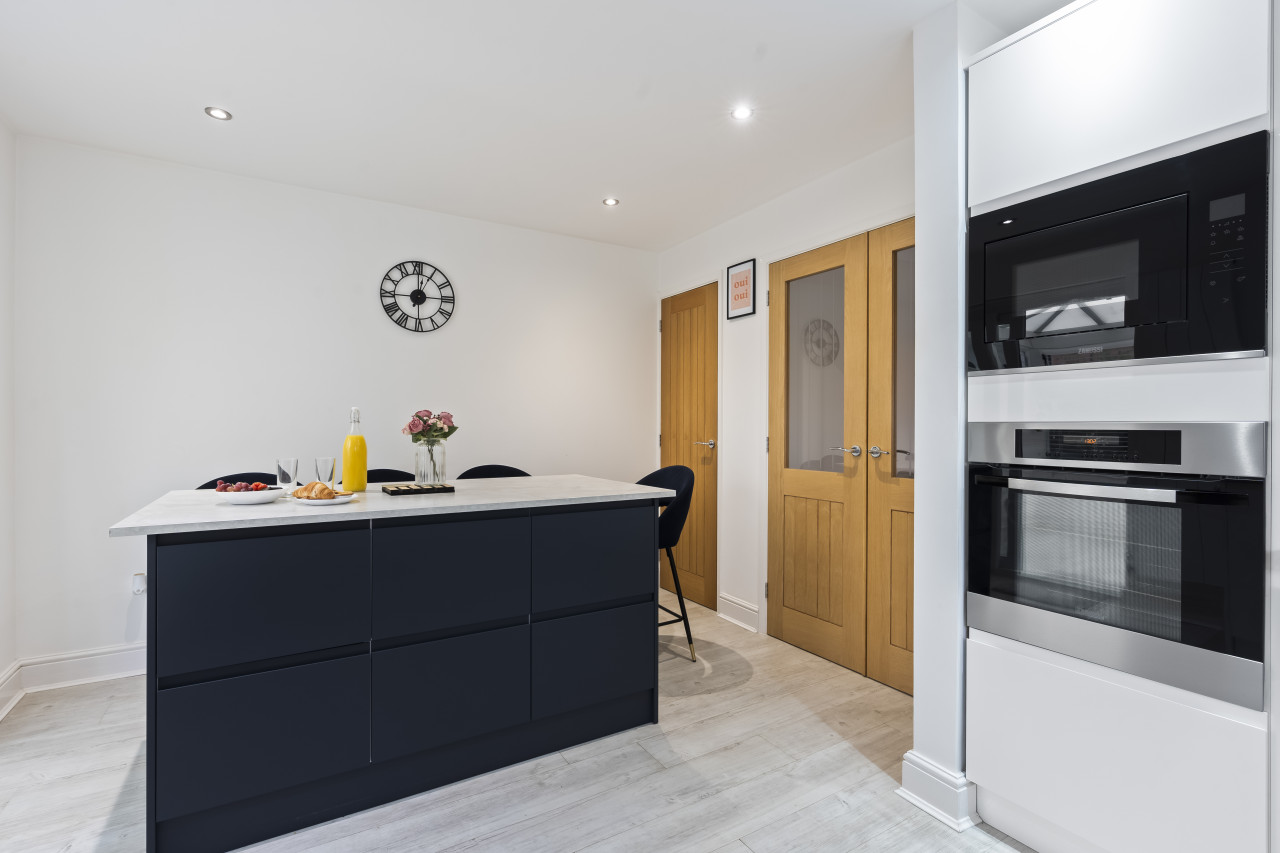
Syston
Tilly's Townhouse with Parking
- Sleeps 4
- 2 bedrooms
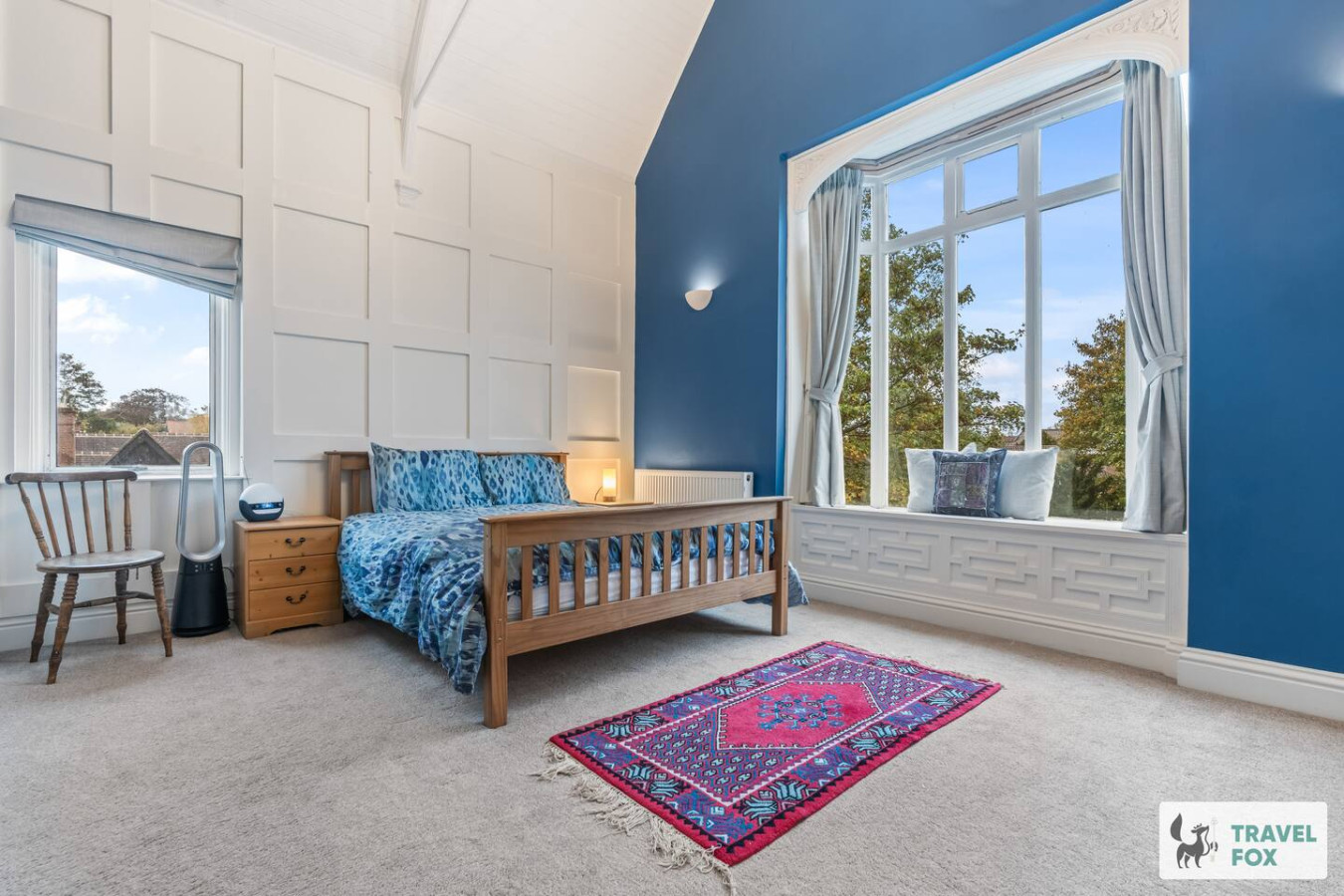
Leicester
Rachel's House with Parking!
- Sleeps 12
- 4 bedrooms
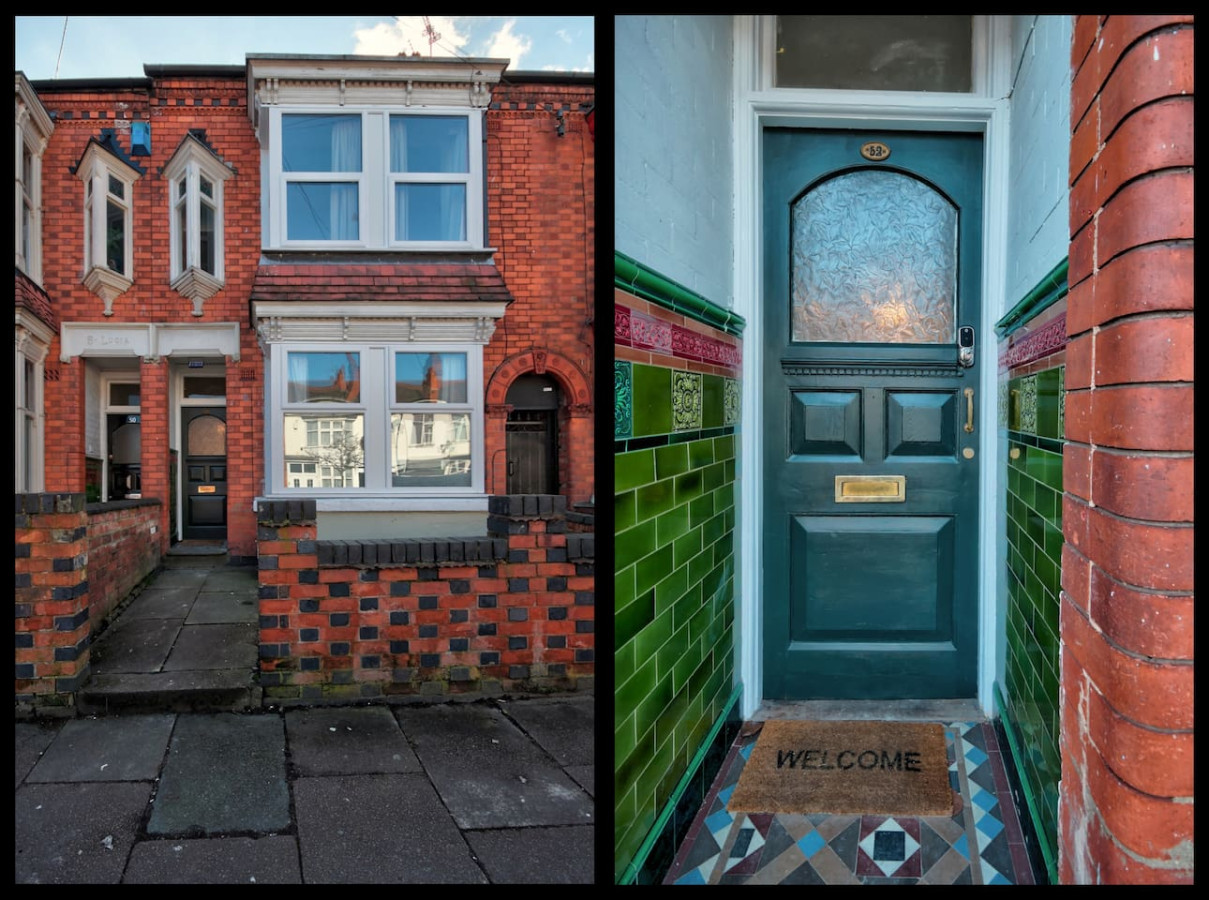
Leicester
Upperton House - Central 5 Bedroom
- Sleeps 9
- 5 bedrooms
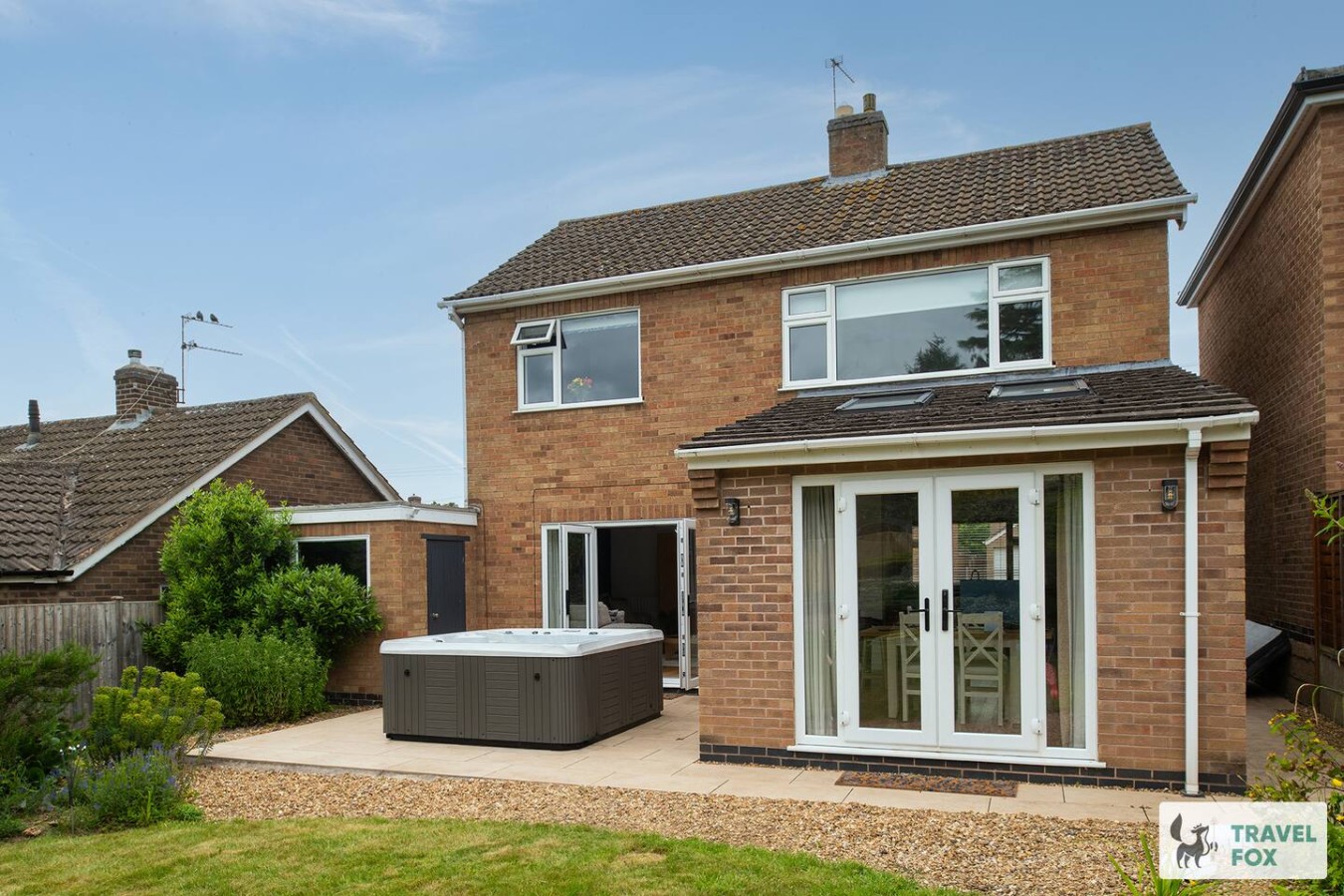
Rearsby
Vanessa's Haven - with hot tub and free parking for 3 cars!!
- Sleeps 5
- 3 bedrooms

Charnwood
UnPoplar House - Free in House Chris
- Sleeps 6
- 3 bedrooms
For homeowners
Own a holiday home near Lutterworth?
We manage holiday lets across the UK from 12% commission, charged after cleaning costs, with no lock-in. A co-founder visits before you decide.
How our holiday let management works →
A guide with a point of view
Written from research. Edited for real journeys.
Use the Official site links for live practical details, then use this guide for context, ideas and room to explore.
Sources
Every place on this page is checked against a published source. Each entry links the record we used and names who publishes it.
- Lutterworth Museum — lutterworthmuseum.org operator, sector body or destination organisation
- Lutterworth Memorial Gardens and Whittle Bust — lutterworth.org.uk statutory register or public authority
- St Mary's Church — lutterworthchurch.org other published source
- The Greyhound Coaching Inn — greyhoundinn.co.uk operator, sector body or destination organisation
- Real Ale Classroom — therealaleclassroom.com operator, sector body or destination organisation
- The Unicorn Inn — unicorninnlutterworth.co.uk operator, sector body or destination organisation
- Lutterworth Country Park — harborough.gov.uk statutory register or public authority
- Fosse Meadows Nature Area — croftleics-pc.gov.uk statutory register or public authority