
Meadow stream, medieval crossing
Medbourne
A small Welland Valley village arranged around a brook, with a thirteenth-century bridge, field walks, an old church and a farm-to-fork inn.
- Best for
- The Packhorse Bridge and Welland Valley circular walks
- Give it
- A bridge crossing, a church visit and a pub meal
- Don't miss
- The four-arched Packhorse Bridge over the brook
The Fox verdict
A brookside village with more than its size suggests
Medbourne brings a medieval bridge, a Grade II* church, open-country walking and a destination inn together in a village of 473 people.
Come for the Packhorse Bridge and the sound of the brook, then choose between the parish circulars, the layered history of St Giles's Church and seasonal food at the Nevill Arms. The village's Welland Valley setting ties the visit together.
Where to go
Places in Medbourne
Every place below is checked against a published source, listed with what it is and how long to give it.
Local signatures
3 placesMedbourne Packhorse Bridge
A thirteenth-century packhorse bridge with four arches, triangular cutwaters and a width of 1.5 metres (five feet).
- Visit length
- Editorial estimate: around 20 minutes
- Locality
- in the village centre
St Giles's Church
A Grade II* listed church with thirteenth- to fifteenth-century origins, a seventeenth-century south porch and a chancel rebuilt in 1876.
- Visit length
- Editorial estimate: around 30 minutes
- Locality
- Medbourne
Medbourne Village Stores and Post Office
Medbourne's village store incorporates the village post office.
- Visit length
- Editorial estimate: around 15 minutes
- Locality
- Medbourne
Food & drink
1 placeThe Nevill Arms
An ironstone coaching inn dating from 1863, now a gastropub with ten rooms, seasonal dining, Sunday roasts and meat supplied from the owners' farm four miles away.
- Visit length
- Editorial estimate: around 90 minutes
- Locality
- 12 Waterfall Way, Medbourne, LE16 8EE
- Access
- Dogs are welcome in the bar and outside areas.
Walks & outdoors
1 placeMedbourne Parish Circular Walks
Two parish circulars offer a choice of 7 km or 14.5 km through streams, surrounding villages and open farmland.
- Visit length
- Editorial estimate: around 2 hours 15 minutes for the 7 km option
- Locality
- around Medbourne and surrounding villages
No places match this filter. Choose All places to reset the list.
Three ways to explore Medbourne
Signature outings
Choose a Medbourne circular
Take the 7 km parish circular through streams, surrounding villages and open Welland Valley farmland.
Centuries at St Giles's
Trace thirteenth- to fifteenth-century origins, a seventeenth-century south porch and the rebuilt 1876 chancel at St Giles's Church.
Farm-to-fork at the Nevill Arms
Choose seasonal dining or a Sunday roast at the coaching inn, whose beef, lamb and pork come from the owners' farm four miles away.
The village story
Medbourne Village Guide
A brook, a medieval crossing and a village whose walks and history reach well beyond its small population.
The Brook and the Bridge
The Packhorse Bridge is four arches wide and five feet across, which means you cross it in single file or not at all. It spans the brook that runs through the middle of Medbourne, and it has been doing so since the thirteenth century. The brook is the village's central feature — everything arranges itself around it, and the sound of water is more or less constant.
Medbourne has 473 people, a pub, a village stores with a post office, and a medieval bridge. For a settlement this size, that counts as well-provisioned.
The Inn and the Valley Walks
The pub is the Nevill Arms, an ironstone coaching inn on Waterfall Way. It was built in 1863, bought in 2021 by the Three Goat's Group, and refurbished into a gastropub with ten rooms. The kitchen runs a seasonal à la carte menu and Sunday roasts, supplied in large part by the owners' own farm four miles away — Belted Galloway beef, lamb and pork, with food miles you could measure with a pedometer. Out in a private courtyard there's a Josper Bar & Grill, which uses a Spanish charcoal oven that gives everything a particular char. The Daily Mail put it in their Best 100 Pubs in Britain list in 2024. Dogs are welcome in the bar and outside areas, where a river terrace runs alongside the brook.
The walking is good. A 4.8-mile circular from the Packhorse Bridge takes you through fields to Nevill Holt and back. The route gains about 230 metres over gentle Welland Valley farmland — moderate, not punishing. The parish also publishes leaflets for two longer circulars, a 4.5-miler and a 10-miler, both taking in surrounding villages and open country. The Harborough Walks group uses Medbourne as a highlight destination, which tells you something about the landscape.
Getting There and St Giles's
Market Harborough is about ten minutes by car along the B664. Uppingham is fifteen minutes the other way. The village had a railway station once, but it closed in 1916, and bus services are the kind described as "limited rural," which in practice means you'll want a car.
St Giles's Church is Grade II* listed, with origins in the thirteenth century and a chancel rebuilt in 1876. A church here is documented from the late twelfth century, when the manor was held by the king. By 1220 it had spawned daughter chapels at Blaston and Holt.
Romans, Domesday and Bottle Kicking
The village name means "Meadow Stream," which is about as literal as place names get. The Romans knew it too — Medbourne sat on the Via Devana, the road from Leicester to Colchester, and was a substantial market settlement. By the time the Domesday surveyors arrived in 1086, they recorded 10 villagers, 73 freemen, and 32 smallholders working 26 and a half plough teams. The annual value was £10 2s 5d, up from one shilling when the Norman lord first acquired it. That is a considerable return on investment.
Each Easter Monday, Medbourne competes against the neighbouring village of Hallaton in the Bottle Kicking — a mass rugby-style contest across open countryside involving small barrels, two of which contain beer and one of which is a wooden dummy. There are no fixed rules, no set number of players, and matches can last several hours. Records go back to the late eighteenth century. Thousands turn up to watch. The day begins in Hallaton with a hare-pie scrambling ceremony, which is exactly what it sounds like.
The Meadow Stream Refrain
The brook keeps running through the middle of it all, under the bridge, past the pub terrace, the same way it has since the meadow got its name.
Stay around Leicestershire
Make a longer stay of it
Travel Fox holiday homes around Leicestershire, linked directly to their property pages.
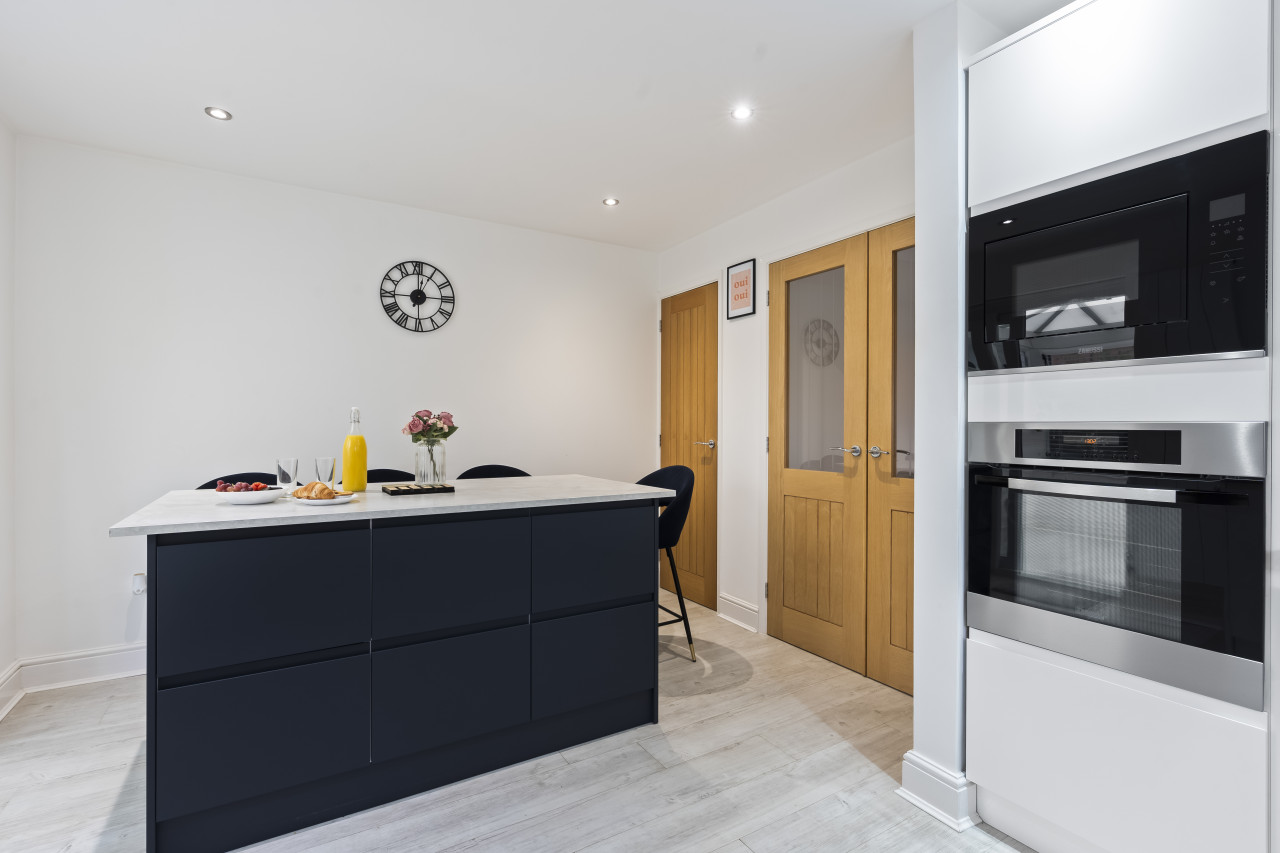
Syston
Tilly's Townhouse with Parking
- Sleeps 4
- 2 bedrooms
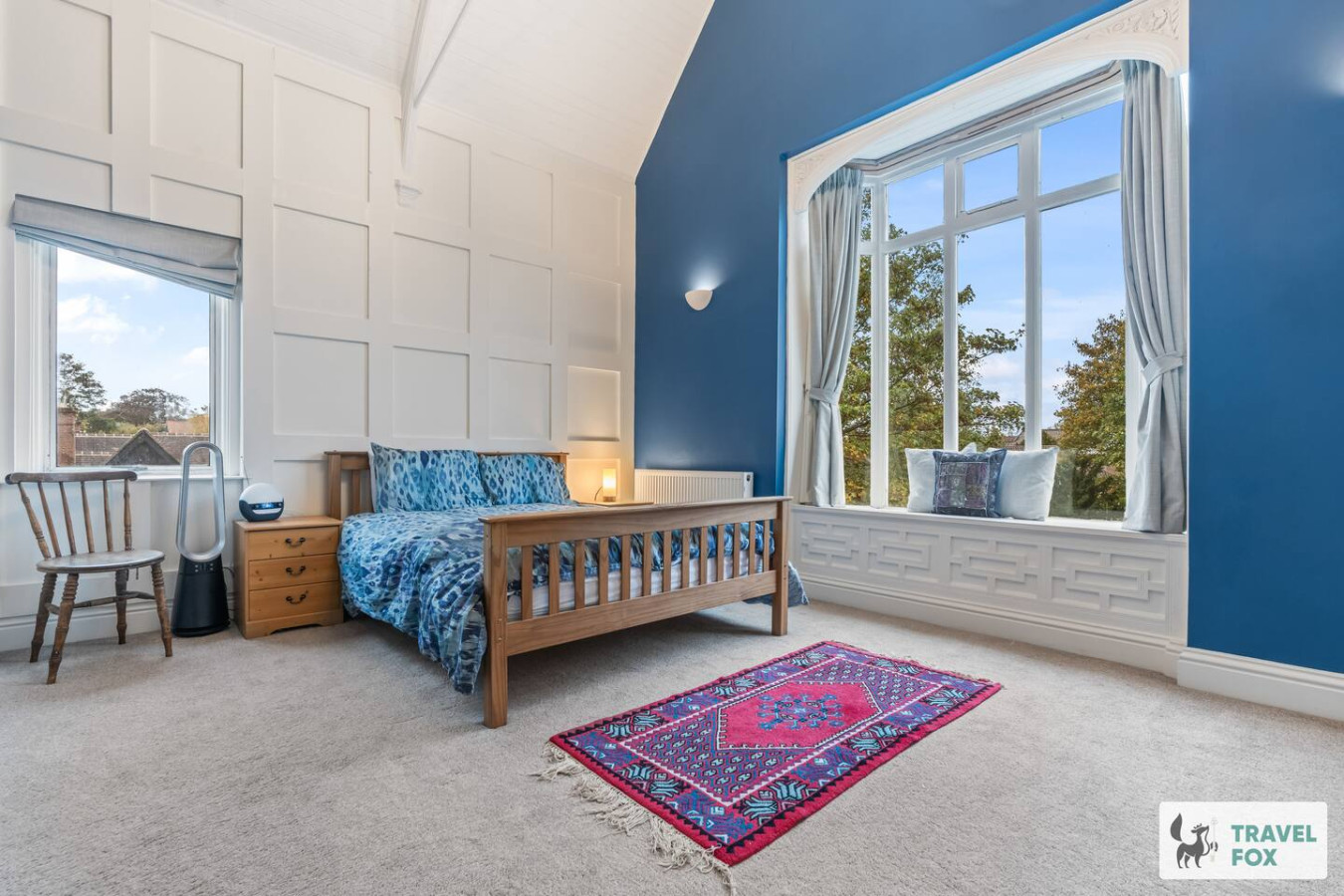
Leicester
Rachel's House with Parking!
- Sleeps 12
- 4 bedrooms
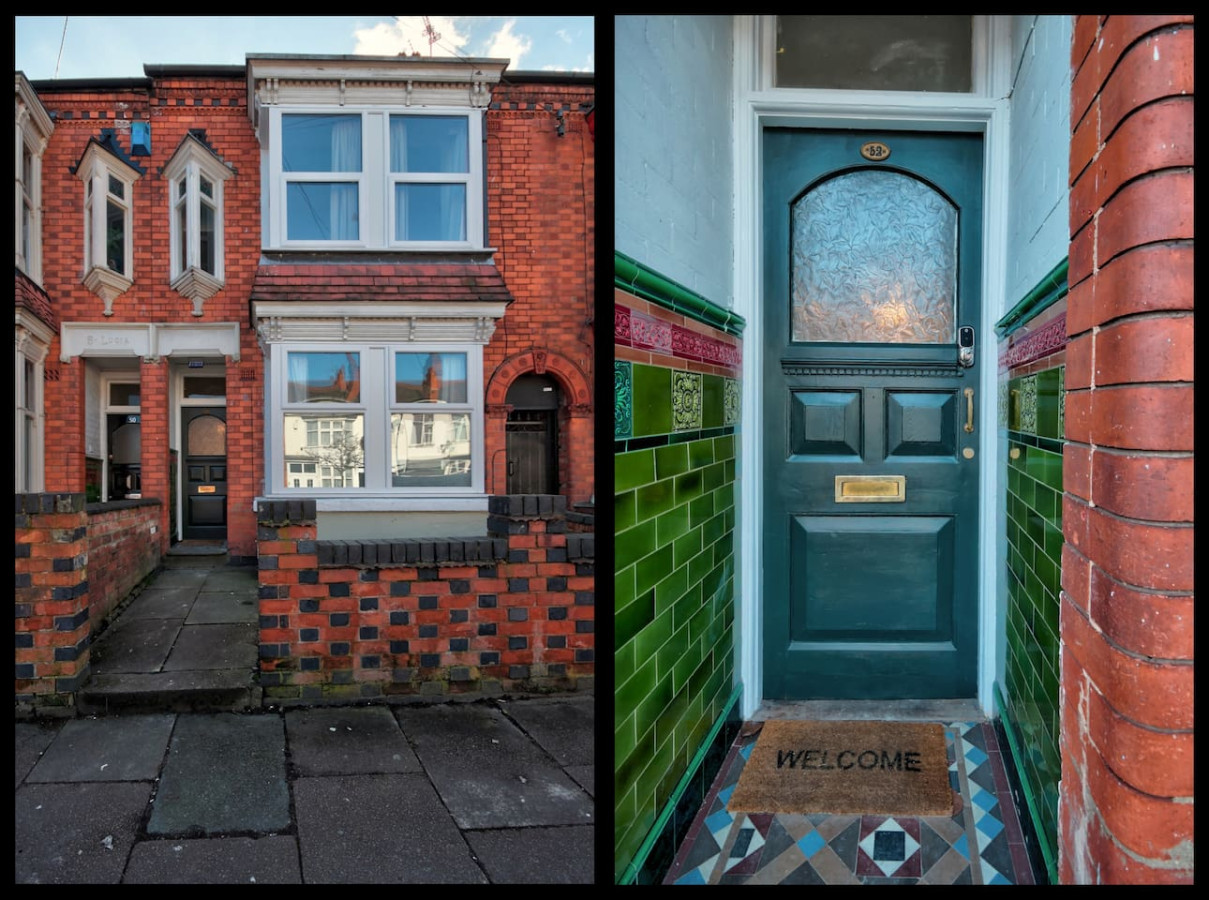
Leicester
Upperton House - Central 5 Bedroom
- Sleeps 9
- 5 bedrooms
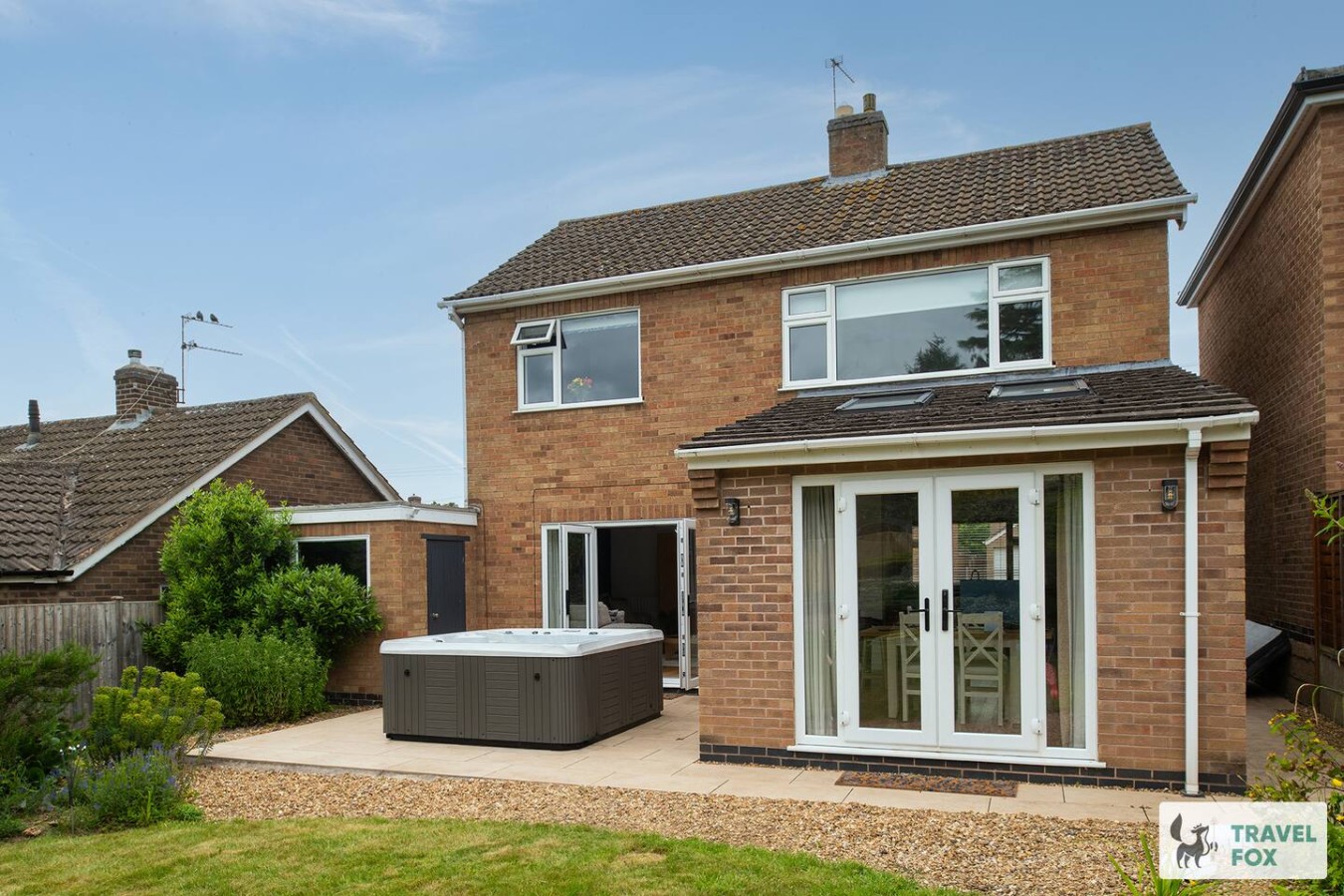
Rearsby
Vanessa's Haven - with hot tub and free parking for 3 cars!!
- Sleeps 5
- 3 bedrooms

Charnwood
UnPoplar House - Free in House Chris
- Sleeps 6
- 3 bedrooms
For homeowners
Own a holiday home near Medbourne?
We manage holiday lets across the UK from 12% commission, charged after cleaning costs, with no lock-in. A co-founder visits before you decide.
How our holiday let management works →
A guide with a point of view
Written from research. Edited for real journeys.
Use the Official site links for live practical details, then use this guide for context, ideas and room to explore.
Sources
Every place on this page is checked against a published source. Each entry links the record we used and names who publishes it.
- Medbourne Packhorse Bridge — historicengland.org.uk statutory register or public authority record not machine-readable; publisher restricts automated access
- St Giles's Church — historicengland.org.uk statutory register or public authority record not machine-readable; publisher restricts automated access
- The Nevill Arms — nevillarms.co.uk operator, sector body or destination organisation record not machine-readable; publisher restricts automated access
- Medbourne Parish Circular Walks — choosehowyoumove.co.uk other published source
- Medbourne Village Stores and Post Office — postoffice.co.uk operator, sector body or destination organisation record not machine-readable; publisher restricts automated access