
Deer park at the village gate
Newtown Linford
A linear Charnwood Forest village beside the River Lin, with Bradgate Park, Tudor history and a five-mile walk on its doorstep.
- Best for
- Bradgate Park walks and Tudor history
- Give it
- About two hours for the park circular
- Don't miss
- The Lady Jane Grey memorial window
The Fox verdict
A village visit shaped by Bradgate Park
Come for deer, ancient oaks and the Tudor ruins, then add the church and the village's only pub.
Newtown Linford pairs a stone-built village in Charnwood Forest with an 850-acre medieval deer park. Bradgate House, Old John Tower and the River Lin give the walking its historical and landscape focus, while All Saints carries the Lady Jane Grey story into the village.
Where to go
Places in Newtown Linford
Every place below is checked against a published source, listed with what it is and how long to give it.
Local signatures
3 placesBradgate House
The roofless ruin of one of England's earliest unfortified great houses, begun after 1490 and associated with Lady Jane Grey.
- Visit length
- Editorial estimate: Allow around 30 minutes
- Locality
- Bradgate Park
Old John Tower
A folly built in 1784 on a hill that was already named Old John on a 1745 map.
- Visit length
- Editorial estimate: Allow around 30 minutes
- Locality
- Bradgate Park
Bradgate Park Circular
A five-mile park circuit following the River Lin past the Tudor house ruins and up to Old John Tower.
- Visit length
- Editorial estimate: Allow around 2 hours
- Locality
- Bradgate Park
Food & drink
1 placeThe Bradgate
The village's only pub is an Everards house serving stone-baked pizzas, homemade pub classics and Sunday roasts, with a large garden and children's pirate ship climbing frame.
- Visit length
- Editorial estimate: Allow around 90 minutes
- Locality
- 37 Main Street
- Access
- Dogs are welcome inside and in the garden; the pub has its own free car park.
Walks & outdoors
1 placeBradgate Park
An 850-acre medieval deer park with red and fallow deer, the River Lin, ancient oaks and rocky Precambrian outcrops.
- Visit length
- Editorial estimate: Allow around 90 minutes
- Locality
- Bradgate Park, Newtown Linford car park entrance
- Access
- Parking at the Newtown Linford entrance is pay-and-display.
History & heritage
2 placesAll Saints
A Grade II* church built around 1400, with an east window showing a young Lady Jane Grey holding a book and Bradgate Park in the background.
- Visit length
- Editorial estimate: Allow around 30 minutes
- Locality
- Newtown Linford
Newtown Linford Police Box
A Grade II listed police box dating from around 1931, one of only two known to survive from Leicestershire.
- Visit length
- Editorial estimate: Allow around 10 minutes
- Locality
- Newtown Linford
No places match this filter. Choose All places to reset the list.
Three ways to explore Newtown Linford
Signature outings
Pizza after the park
Return to The Bradgate for a stone-baked pizza, an Everards Tiger or one of the rotating guest cask ales.
The east-window memorial
Look for the young Lady Jane Grey holding a book, with Bradgate Park shown in the background glass.
Oaks, rock and deer
Follow the River Lin through a medieval park of ancient oaks, Precambrian outcrops and grazing red and fallow deer.
The village story
Newtown Linford Village Guide
A deer-park village where Lady Jane Grey, ancient Charnwood rock and a pub lunch all fit into one visit.
Deer Beyond the Wall
The first thing you notice about Newtown Linford is the deer. Not in the village itself — they stay behind the wall — but you can see them from the car park, grazing across 850 acres of parkland reached from the Newtown Linford entrance, about 0.4 mile from the pub in a straight line. Most villages have a view of other houses. This one has a view of a medieval deer park with 450 red and fallow deer and rocks older than almost anything else on Earth.
The village is a single street, more or less, running alongside the River Lin through Charnwood Forest. Stone-built cottages, narrow lanes, 51 listed buildings within a conservation area that covers 26 hectares. The population is 1,136, which makes it feel more like a hamlet that got slightly above itself.
The Pub and Village Details
The Bradgate is the only pub, which in some villages would be cause for concern. Not here. It's an Everards house, refurbished in 2025, with Everards Tiger on the bar and two rotating guest cask ales. There's a stone-baked pizza oven working in the open kitchen, homemade pub classics, and Sunday roasts served noon to six. The beer garden has a children's pirate ship climbing frame, which is the kind of detail that either matters enormously to you or not at all. Dogs are welcome inside and out. Log fires in winter. It seats 120 and has its own free car park, which matters because Bradgate Park's car park is pay-and-display.
There's a village shop on Main Street, a primary school that celebrated its centenary in 2007, and a Grade II listed police box from around 1931 — one of only two known to survive in Leicestershire. The village hall was built in 1930 by Lindsay Everard, whose family name turns up on stained glass in the church as well.
Lady Jane Grey and the Park
All Saints is fifteenth-century, built from granite and Swithland slate. The east window is the one to look for: a 1915 memorial to Lady Jane Grey by Burlison & Grylls, showing a young girl holding a book, with Bradgate Park visible in the background glass. She was born at Bradgate House, probably in October 1537, and was queen for nine days before being executed at sixteen. The house itself — one of the earliest unfortified great houses in England — is now a roofless ruin in the park, about 1.1 miles from the village centre in a straight line, with a longer walking route.
The walking is the main draw. The Bradgate Park circular runs five miles along the River Lin, past the Tudor ruins and up to Old John Tower, a folly built in 1784 on a hill that already had the name. The ancient oaks along the way are over 500 years old. Local legend claims they were pollarded in mourning for Lady Jane Grey. They weren't — it's standard woodland management — but the story persists.
A Village Made by Displacement
The village exists because of eviction. The Ferrers family enclosed Bradgate as a deer park by 1241, and the people who'd been living there had to go somewhere. They went to the ford on the River Lin and called it New Town. The Grey family later displaced another settlement when they built Bradgate House around 1490. They owned every property in the village until 1925.
The LC15 bus runs to Leicester in about twenty-five minutes, every few hours. The M1 is close. Leicester station is six miles away. But nobody comes to Newtown Linford to leave quickly. They come to walk into the park at nine in the morning, see the deer, climb to Old John, and be back at The Bradgate for a pizza by one.
Stay around Leicestershire
Make a longer stay of it
Travel Fox holiday homes around Leicestershire, linked directly to their property pages.
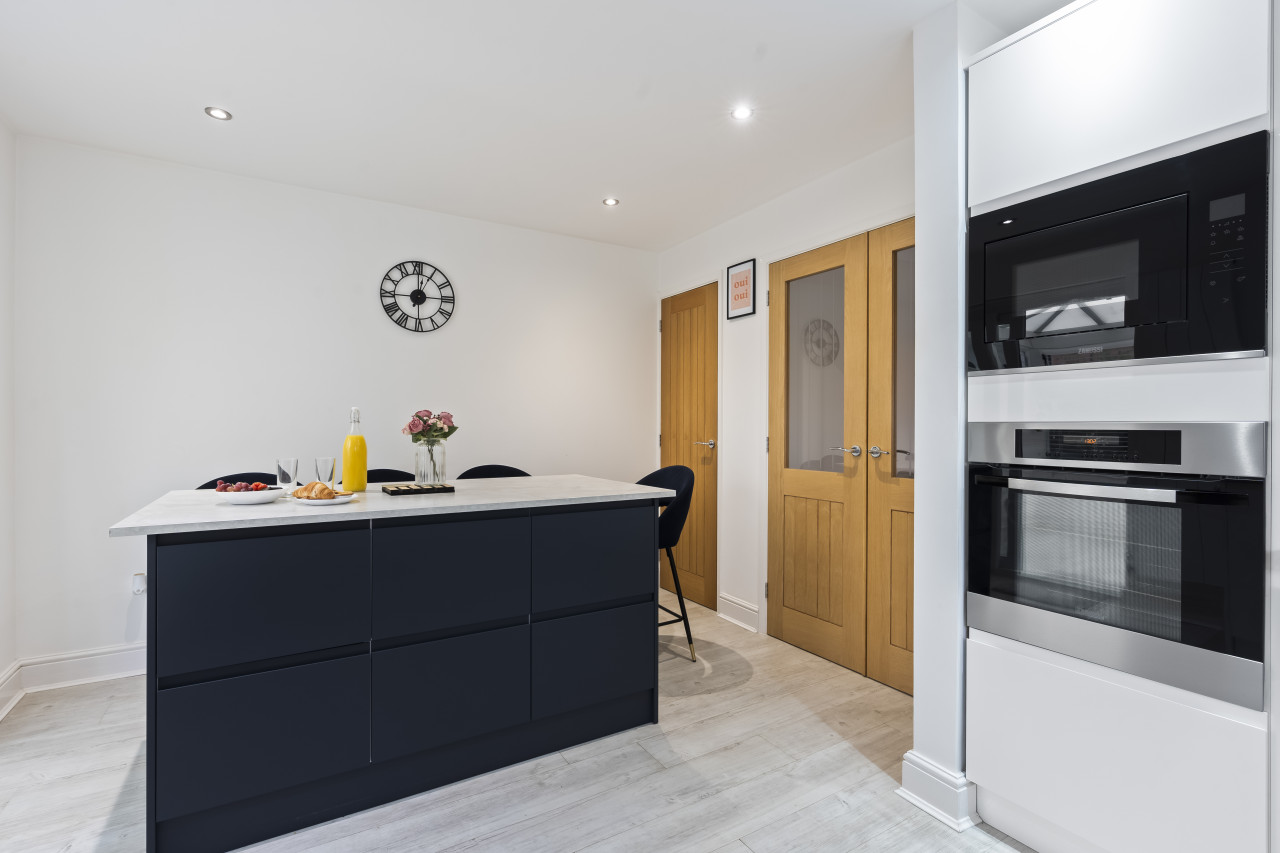
Syston
Tilly's Townhouse with Parking
- Sleeps 4
- 2 bedrooms
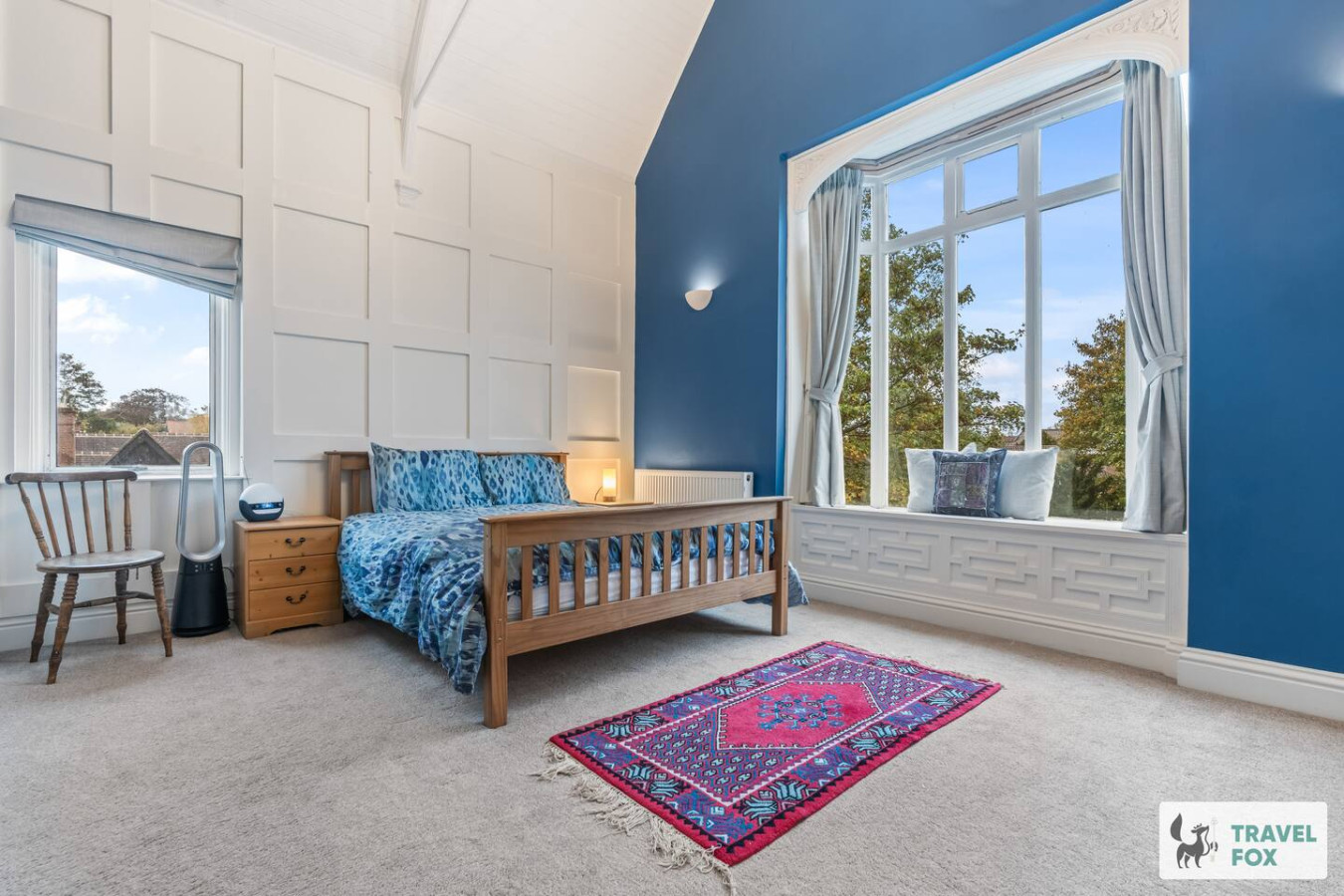
Leicester
Rachel's House with Parking!
- Sleeps 12
- 4 bedrooms
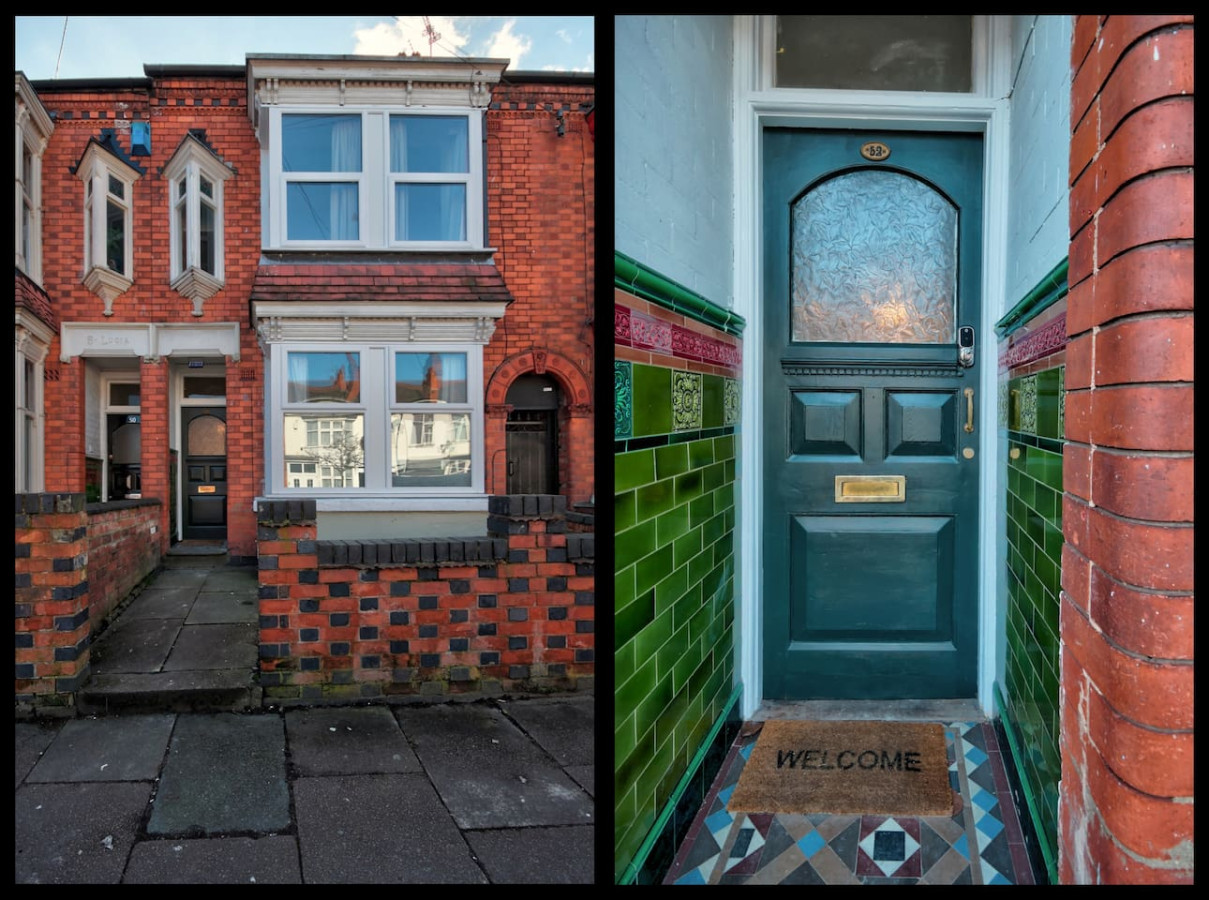
Leicester
Upperton House - Central 5 Bedroom
- Sleeps 9
- 5 bedrooms
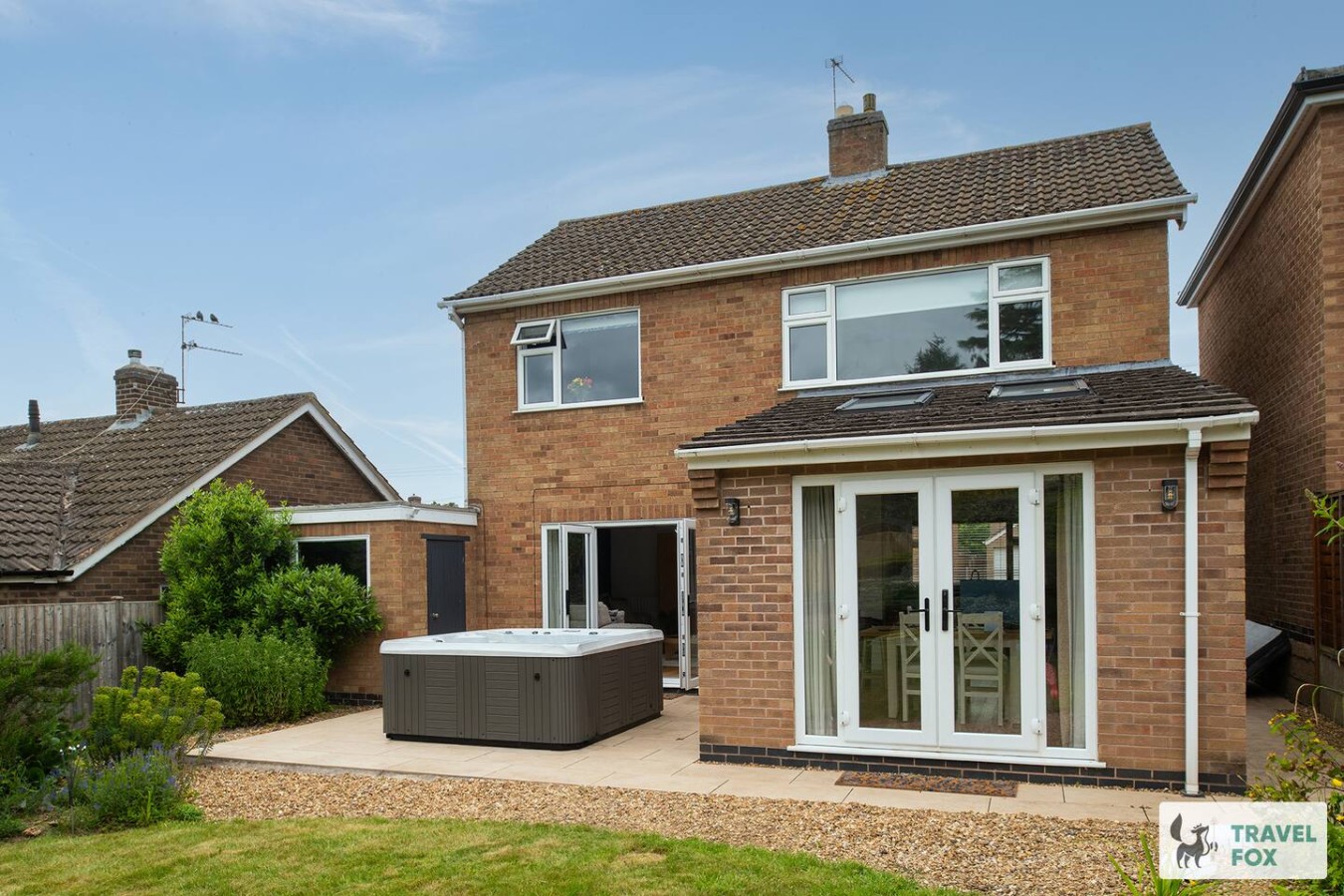
Rearsby
Vanessa's Haven - with hot tub and free parking for 3 cars!!
- Sleeps 5
- 3 bedrooms

Charnwood
UnPoplar House - Free in House Chris
- Sleeps 6
- 3 bedrooms
For homeowners
Own a holiday home near Newtown Linford?
We manage holiday lets across the UK from 12% commission, charged after cleaning costs, with no lock-in. A co-founder visits before you decide.
How our holiday let management works →
A guide with a point of view
Written from research. Edited for real journeys.
Use the Official site links for live practical details, then use this guide for context, ideas and room to explore.
Sources
Every place on this page is checked against a published source. Each entry links the record we used and names who publishes it.
- The Bradgate — everards.co.uk other published source
- All Saints — historicengland.org.uk statutory register or public authority record not machine-readable; publisher restricts automated access
- Bradgate Park — bradgatepark.org operator, sector body or destination organisation
- Bradgate House — bradgatepark.org operator, sector body or destination organisation
- Old John Tower — historicengland.org.uk statutory register or public authority record not machine-readable; publisher restricts automated access
- Bradgate Park Circular — bradgatepark.org operator, sector body or destination organisation
- Newtown Linford Police Box — historicengland.org.uk statutory register or public authority record not machine-readable; publisher restricts automated access