
River, Rail and Charnwood
Quorn
A River Soar village shaped by Norman stone, Great Central Railway history, local pubs and paths towards Swithland Reservoir.
- Best for
- Heritage rail, country walks and village pubs
- Give it
- Choose a village visit or the 9 km reservoir circular
- Don't miss
- St Bartholomew's 12th-century Norman origins
The Fox verdict
A village where rail history meets Charnwood paths
Quorn brings together a preserved heritage line, a Grade I church, established pubs and walks through woodland and open countryside.
The village's Great Central Railway connections run from the 1899 Manor House to Quorn and Woodhouse station, while St Bartholomew's reaches back to the 12th century. Add the Buddon Brook circular to Swithland Reservoir and Quorn works as both a compact heritage visit and a longer walking day.
Where to go
Places in Quorn
Every place below is checked against a published source, listed with what it is and how long to give it.
Local signatures
3 placesThe White Hart Inn
Quorn's oldest pub, dating from 1690, with a history that includes its own brew house and a present-day real-ale focus.
- Visit length
- Editorial estimate: allow around 60 minutes
- Locality
- Quorn
The Blacksmith's Arms
A traditional, cosy village pub that evolved from a farmhouse into an alehouse between 1861 and 1876. It has an open beer garden and a range of international drinks.
- Visit length
- Editorial estimate: allow around 60 minutes
- Locality
- Quorn
The Royal Oak Quorn
A traditional pub in central Quorn, serving local ales and offering a courtyard garden; it has been part of village life since 1856.
- Visit length
- Editorial estimate: allow around 60 minutes
- Locality
- in the village
Food & drink
1 placeThe Manor House
A country pub with an award-winning restaurant, built in 1899 by the Great Central Railway company and serving seasonal menus based on local suppliers.
- Visit length
- Editorial estimate: allow around 90 minutes
- Locality
- Quorn
History & heritage
2 placesSt Bartholomew's Church and Farnham Chapel
A Grade I granite church with fabric from the 12th to 14th centuries, a 19th-century north aisle and the Farnham Chapel.
- Visit length
- Editorial estimate: allow around 45 minutes
- Locality
- quiet, gravestone-scattered churchyard
Quorn and Woodhouse Station
A leisure station on the preserved Great Central Railway heritage steam line, the country's only double-track main-line heritage railway.
- Visit length
- Editorial estimate: allow around 90 minutes
- Locality
- along Quorn's western boundary
No places match this filter. Choose All places to reset the list.
Three ways to explore Quorn
Signature outings
Seasonal Food at the Manor House
Choose from seasonal menus drawing on local suppliers, a practice the Manor House has followed for more than twenty years.
Granite and a 12th-Century Church
From the churchyard, look for zigzag carving around the 12th-century south doorway and the battlements of the later tower.
Steam at Quorn and Woodhouse
Visit the leisure station on the preserved Great Central Railway and watch steam trains on the heritage line.
The village story
Quorn Between the Steam Line and the Soar
Railway history, Norman granite, village pubs and Charnwood walks meet beside the River Soar.
Railway Dining and the Riverside
The Manor House opened beside Quorn and Woodhouse station in 1899, welcoming visitors arriving by rail. Today it is a family-run pub and restaurant whose kitchen changes dishes with the seasons and buys from local suppliers where it can.
Quorn sits on the River Soar, about three miles south of Loughborough, where the Charnwood landscape meets the river valley. Since the A6 bypass opened in 1991, through traffic has skirted the village centre.
Village Pubs and Norman Stone
Quorn had seven pubs in 2010, reflecting a long tradition of village inns. The White Hart Inn dates from 1690 and once had its own brew house. The Blacksmith's Arms began as a farmhouse and became an alehouse between 1861 and 1876; it has a garden and a range of international ales. The Royal Oak has served the village since 1856 and offers local ales and a courtyard garden.
St Bartholomew's is a Grade I listed granite church with work from the 12th to 14th centuries. Its south doorway has Norman spiral-fluted shafts and zigzag carving, while the later tower rises above the churchyard. The Farnham Chapel holds monuments to the family.
Millstones, Names and Country Walks
Quorndon's Old English roots point to a hill and the millstones quarried around Buddon Wood. In 1889, villagers petitioned to shorten the name to Quorn after postal and delivery mix-ups with Quarndon in Derbyshire.
The 9 km Buddon Brook circular follows the brook from Quorn towards Swithland Reservoir and passes near the Great Central Railway. Quorn Fields, Canal and Riverside crosses fields and follows the canal towpath and River Soar towards Barrow upon Soar.
The Hunt and Quorn's Notable Names
Hugo Meynell moved to Quorndon Hall in 1753 and led the Quorn Hunt for 47 years. Known as the Father of English Foxhunting, he bred horses suited to jumping the hedged fields that were replacing open land. The hunt brought work and visitors to Quorn before moving its base to Barrow upon Soar in 1906.
Peter Preston, who went on to edit The Guardian, grew up in Quorn.
Before the Village Began
The Domesday Book does not record a settlement called Quorn in 1086. The area was woodland and pasture within the manor of Barrow upon Soar; the first documented reference to its hamlet and chapel comes from the mid-12th century.
Stay around Leicestershire
Make a longer stay of it
Travel Fox holiday homes around Leicestershire, linked directly to their property pages.
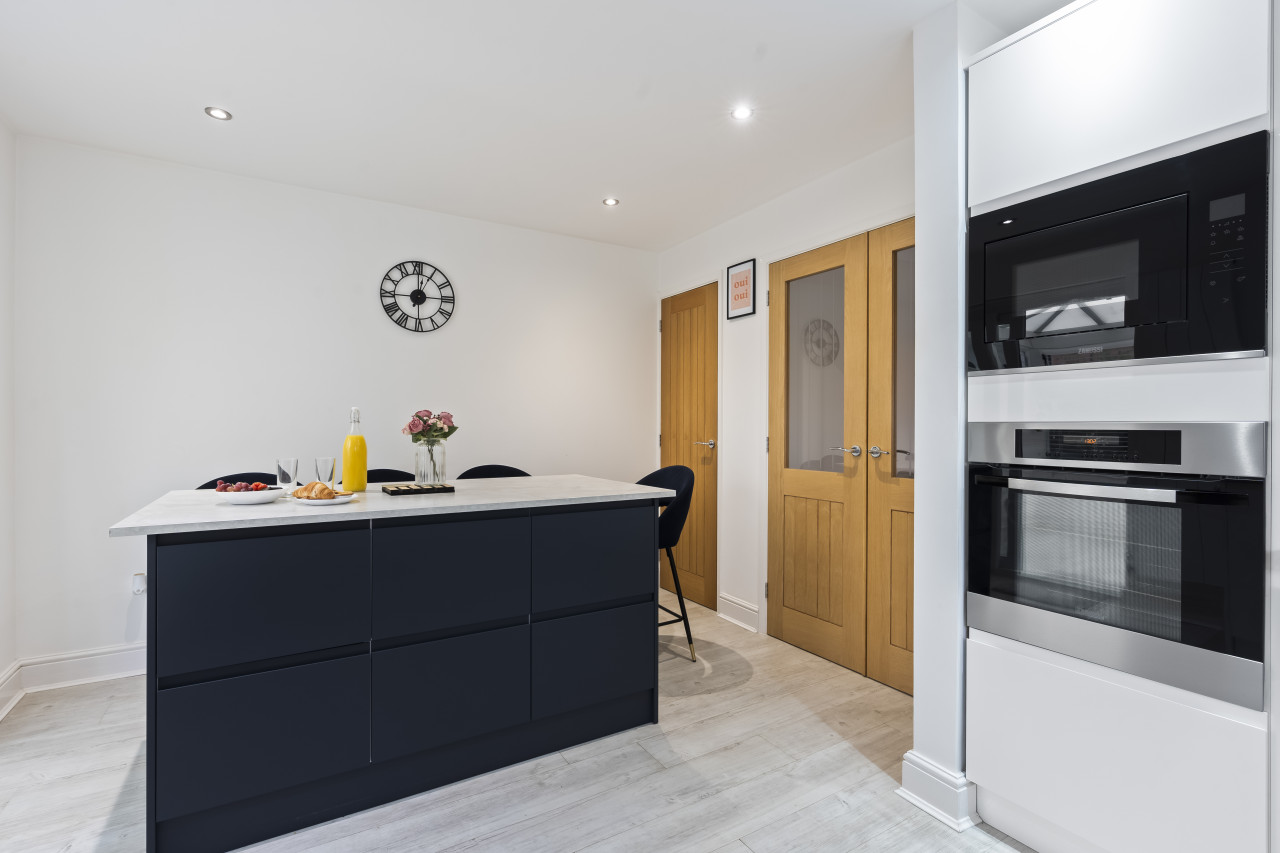
Syston
Tilly's Townhouse with Parking
- Sleeps 4
- 2 bedrooms
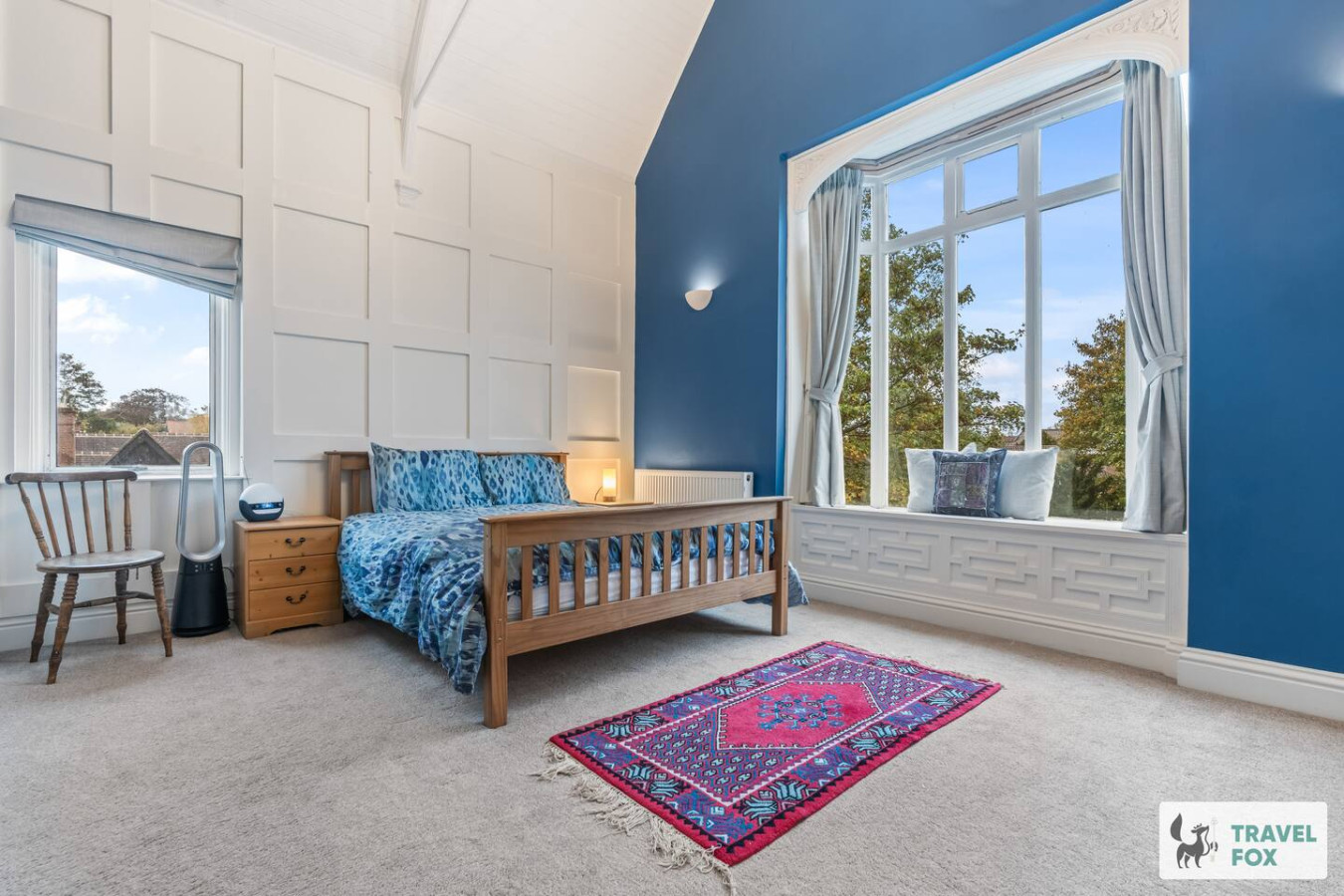
Leicester
Rachel's House with Parking!
- Sleeps 12
- 4 bedrooms
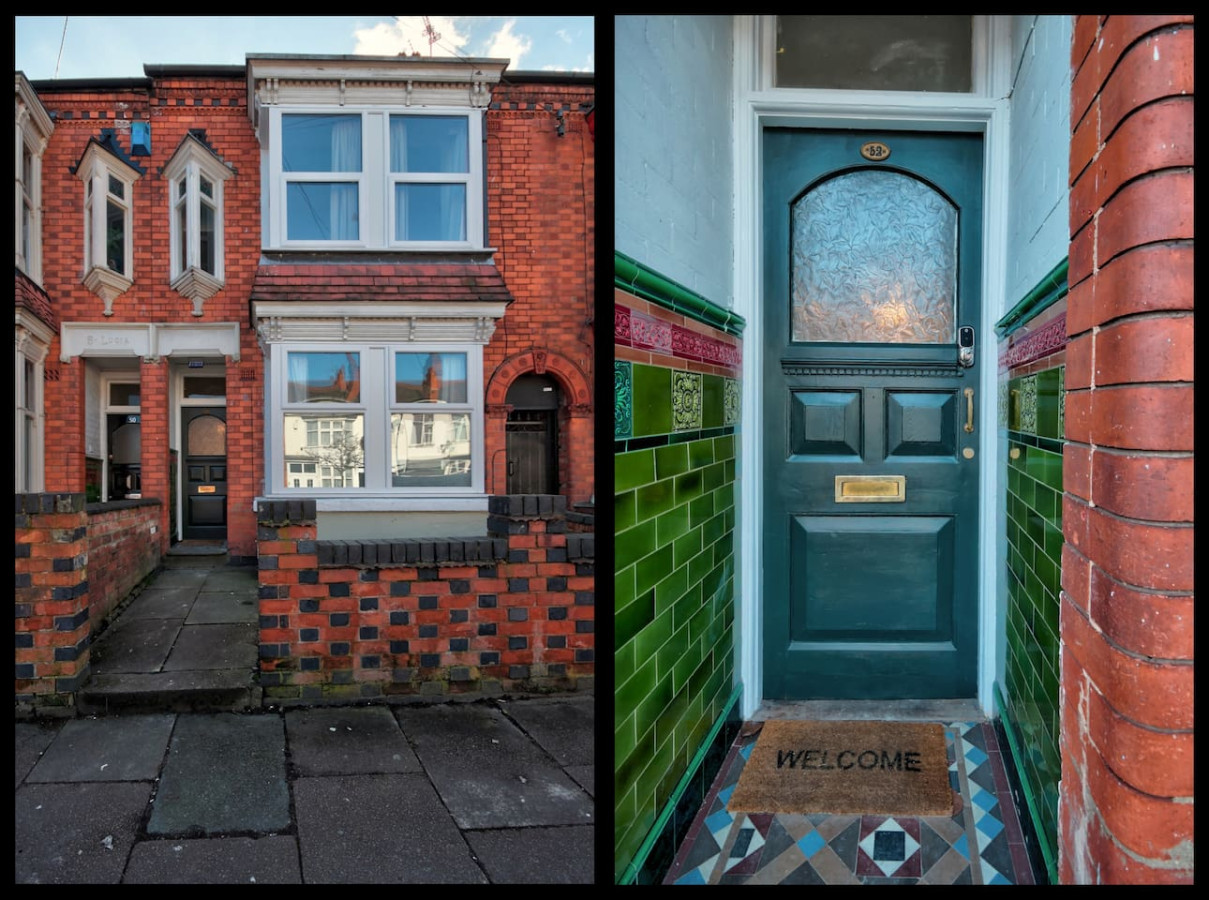
Leicester
Upperton House - Central 5 Bedroom
- Sleeps 9
- 5 bedrooms
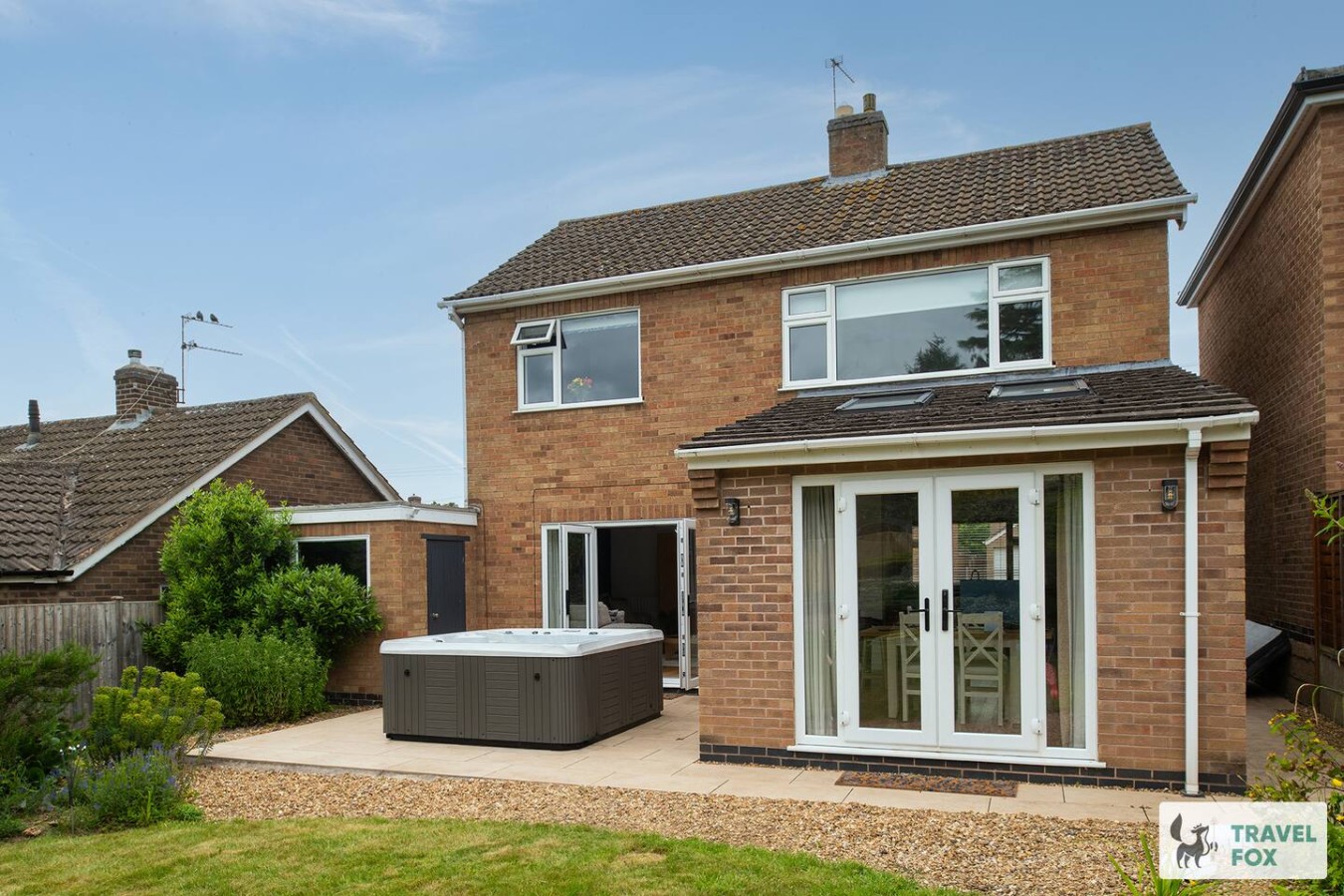
Rearsby
Vanessa's Haven - with hot tub and free parking for 3 cars!!
- Sleeps 5
- 3 bedrooms

Charnwood
UnPoplar House - Free in House Chris
- Sleeps 6
- 3 bedrooms
For homeowners
Own a holiday home near Quorn?
We manage holiday lets across the UK from 12% commission, charged after cleaning costs, with no lock-in. A co-founder visits before you decide.
How our holiday let management works →
A guide with a point of view
Written from research. Edited for real journeys.
Use the Official site links for live practical details, then use this guide for context, ideas and room to explore.
Sources
Every place on this page is checked against a published source. Each entry links the record we used and names who publishes it.
- The Manor House — themanorhouseatquorn.co.uk operator, sector body or destination organisation
- The White Hart Inn — whitehartquorndon.com operator, sector body or destination organisation
- The Blacksmith's Arms — blacksmithsarmsquorn.co.uk operator, sector body or destination organisation
- The Royal Oak Quorn — theroyaloakquorn.co.uk operator, sector body or destination organisation
- St Bartholomew's Church and Farnham Chapel — historicengland.org.uk statutory register or public authority record not machine-readable; publisher restricts automated access
- Quorn and Woodhouse Station — gcrailway.co.uk other published source