
High Leicestershire
Somerby
An ironstone village where a renowned real-ale inn, medieval church and long-distance trail meet rolling agricultural uplands.
- Best for
- Real ale, parish history and walking
- Give it
- About three hours for the six-mile circular
- Don't miss
- The low beam at the Stilton Cheese Inn bar
The Fox verdict
A quiet village with one celebrated pub and serious walking country
Somerby combines the Stilton Cheese Inn, a Grade I-listed church and a place on the Leicestershire Round.
The Stilton Cheese Inn is the main event, while All Saints brings Norman work and a 13th-century font. Walkers can use Somerby as a waypoint on the 100-mile Leicestershire Round or tackle the six-mile Burrough Hill and Somerby circular through farmland and woodland.
Where to go
Places in Somerby
Every place below is checked against a published source, listed with what it is and how long to give it.
Local signatures
3 placesThe Stilton Cheese Inn
A traditional country pub built around 1666 in local ironstone, known for real ale, homemade food, a low bar beam and long-running CAMRA Good Beer Guide recognition.
- Visit length
- Editorial estimate: around 90 minutes
- Locality
- on High Street
Leicestershire Round
A 100-mile circuit devised in 1987 by the Leicestershire Footpath Association, with Somerby serving as a waypoint for long-distance walkers.
- Visit length
- Editorial estimate: around 90 minutes for a local stretch
- Locality
- passing through Somerby
Burrough Hill and Somerby Circular
A six-mile moderate circuit with 219 metres of ascent, descending through farmland, passing through woodland and returning via Burrough Court and Burrough on the Hill.
- Visit length
- Editorial estimate: Approximately 2.5 to 3.5 hours
- Locality
- Burrough Hill Country Park to Somerby and back
History & heritage
2 placesAll Saints Church
A Grade I-listed church with 12th-century Norman work, local ironstone walls, limestone dressings, an embattled central tower and spire, and a noted 13th-century font.
- Visit length
- Editorial estimate: around 40 minutes
- Locality
- Somerby
Burrough Hill Country Park
The country-park start for the six-mile circular, centred on an Iron Age hillfort whose escarpment gives long views across the Wreake Valley.
- Visit length
- Editorial estimate: around 60 minutes
- Locality
- Burrough Hill
No places match this filter. Choose All places to reset the list.
Three ways to explore Somerby
Signature outings
The inn that defines the stop
Settle into a local-ironstone pub built around 1666, with two regular real ales, three changing guests and homemade food.
Norman work and a spire
Look for 12th-century Norman fabric, ironstone and limestone masonry, the embattled central tower and a 13th-century font.
The hillfort outlook
Make Burrough Hill the outdoor landmark: an Iron Age hillfort on an escarpment with long views across the Wreake Valley.
The village story
Somerby Village Guide
A quiet High Leicestershire village of ironstone, real ale, parish history and long views.
The inn as the main event
The low beam at the bar of the Stilton Cheese Inn has been catching the unwary since roughly 1666. The pub doesn't warn you about it — you learn, or you learn again. Built in local ironstone on the High Street, it has horse brasses on the walls, copper pots, a taxidermied pike and a taxidermied badger, and a reputation for real ale that has kept it in the CAMRA Good Beer Guide every year since 2004. They were named Branch Pub of the Year three times in five years. The regulars are Grainstore Ten Fifty and Wadworth 6X, with three guest ales rotating through. It is, by some margin, the main event in Somerby.
The food is homemade and unfussy. Somerby sausages, steak and kidney pie, salmon with mash, roast chicken, fish and chips, quiche. Sunday lunches come with traditional trimmings. Reviews tend to use phrases like "home cooked, beautifully prepared," which is about the highest compliment a Leicestershire pub can receive. Dogs are welcome. There's a beer garden for the months when Leicestershire decides to cooperate with the concept of summer.
Stilton connections and High Leicestershire
The pub's name has a story behind it. Cooper Thornhill, an 18th-century innkeeper at the Bell Inn in Stilton, Cambridgeshire, sourced his famous cheese from Leicestershire farmers' wives. Under current Protected Designation of Origin rules, Stilton cheese cannot actually be made in the village of Stilton. It must be produced in Leicestershire, Nottinghamshire, or Derbyshire. Somerby has a stronger claim to the cheese than the place it's named after.
Beyond the pub, the village has a combined shop and post office, which covers the essentials. There's an equestrian centre operating in the parish. Somerby sits in what's called High Leicestershire — rolling ironstone uplands several hundred feet above sea level, largely agricultural, with long views across the Wreake Valley. The stone in the buildings matches the stone in the ground. It looks like it grew here rather than being built.
Walking country and All Saints
If you walk, Somerby is a waypoint on the Leicestershire Round, the hundred-mile circuit devised in 1987 by the Leicestershire Footpath Association. A good circular route starts at Burrough Hill Country Park — six miles, moderate difficulty, about three hours. You descend steeply through farmland, pass through woodland, reach Somerby at the halfway mark, then return via Burrough on the Hill. Ridge-and-furrow patterns in the fields. Brown hares. Skylarks. The kind of walk where you stop to look at things without being entirely sure why.
All Saints Church is Grade I listed, with Norman work from the 12th century and a 13th-century font. The ironstone walls and limestone dressings, the embattled central tower and spire, the Early English and Decorated styles — it has been added to and restored over centuries in the way that English parish churches accumulate time rather than displaying it.
Village history and connections
The Domesday surveyors recorded Somerby in 1086: five villagers, one plough team, ten acres of meadow, valued at three pounds. During the Second World War, the village served as a base station and testing ground for Operation Market Garden, the airborne assault on Arnhem. John Major's daughter married here in 2000. These facts sit next to each other without explanation, which is roughly how village history works.
There's no railway station in Somerby. Melton Mowbray has rail services and bus links to the village.
The appeal of quiet
On a weekday afternoon, the village is quiet in the way that places with more sheep than people tend to be. The pub opens. The shop is there. The views are doing what they've always done. Somerby doesn't ask much of you, which is most of what makes it worth the visit.
Stay around Leicestershire
Make a longer stay of it
Travel Fox holiday homes around Leicestershire, linked directly to their property pages.
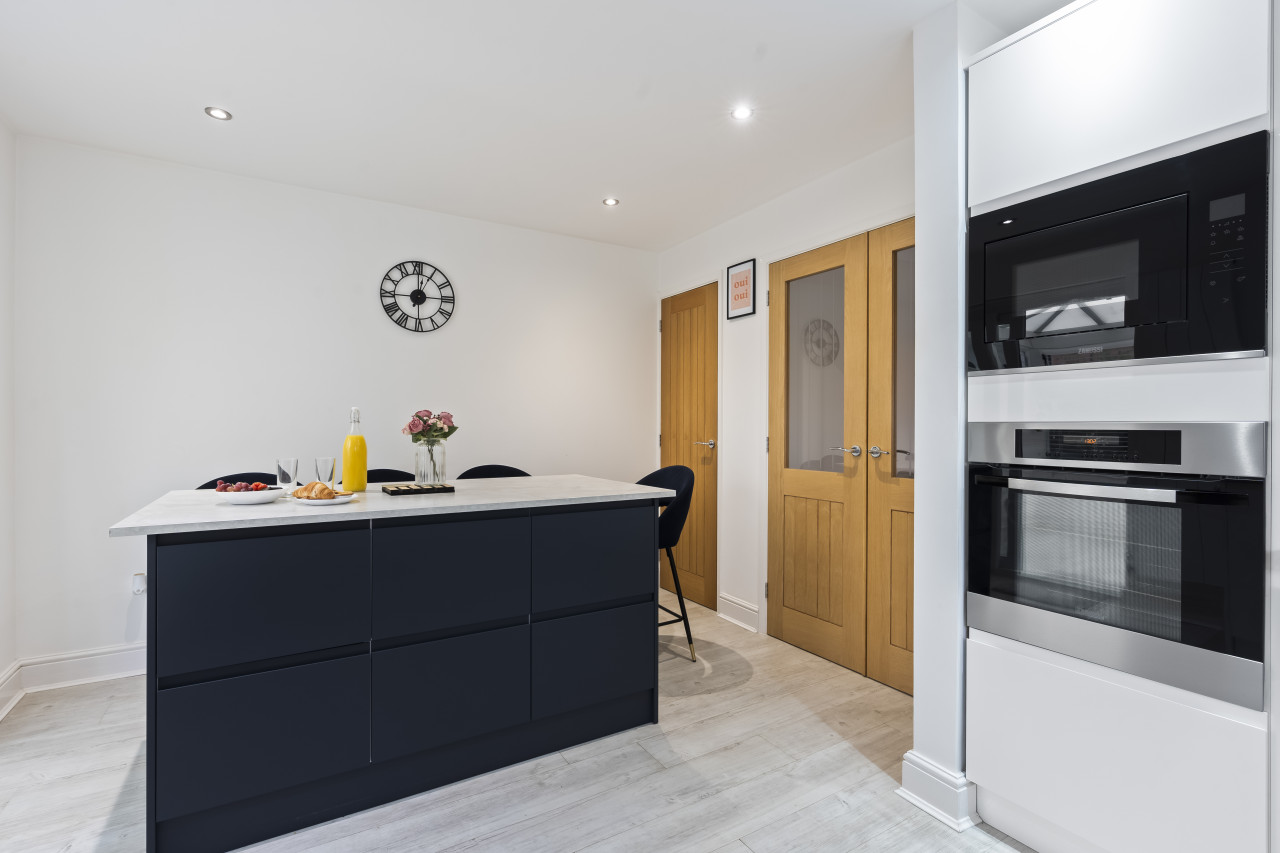
Syston
Tilly's Townhouse with Parking
- Sleeps 4
- 2 bedrooms
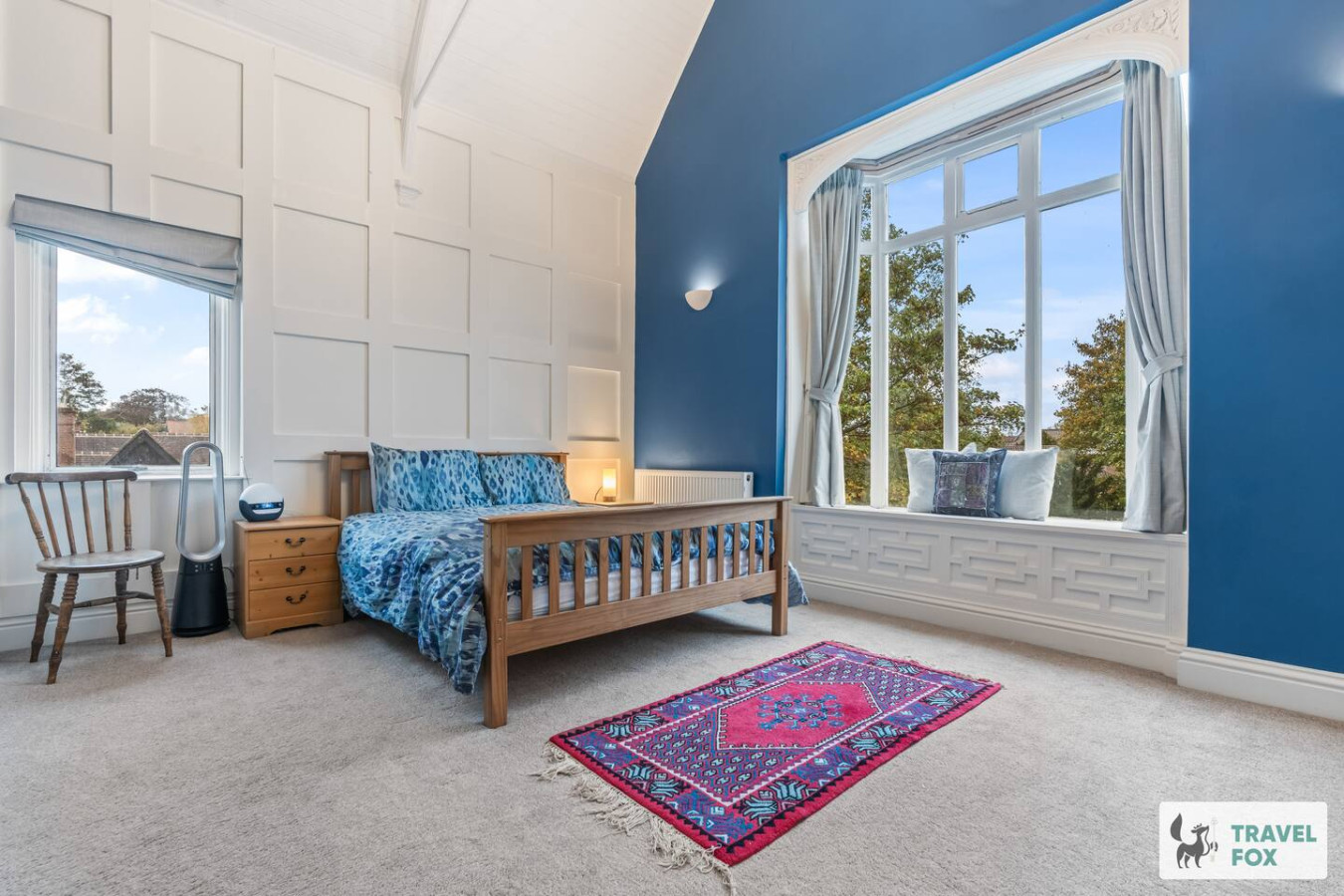
Leicester
Rachel's House with Parking!
- Sleeps 12
- 4 bedrooms
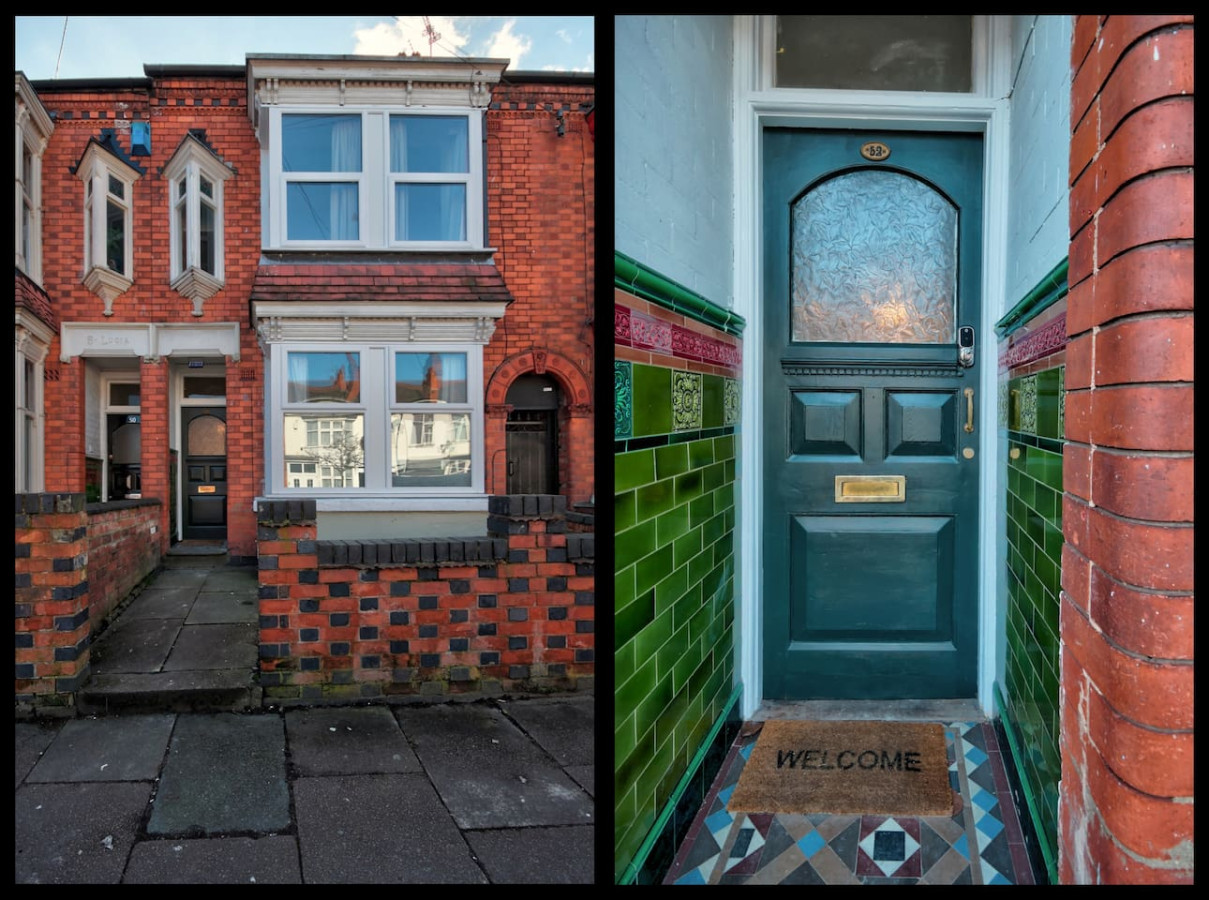
Leicester
Upperton House - Central 5 Bedroom
- Sleeps 9
- 5 bedrooms
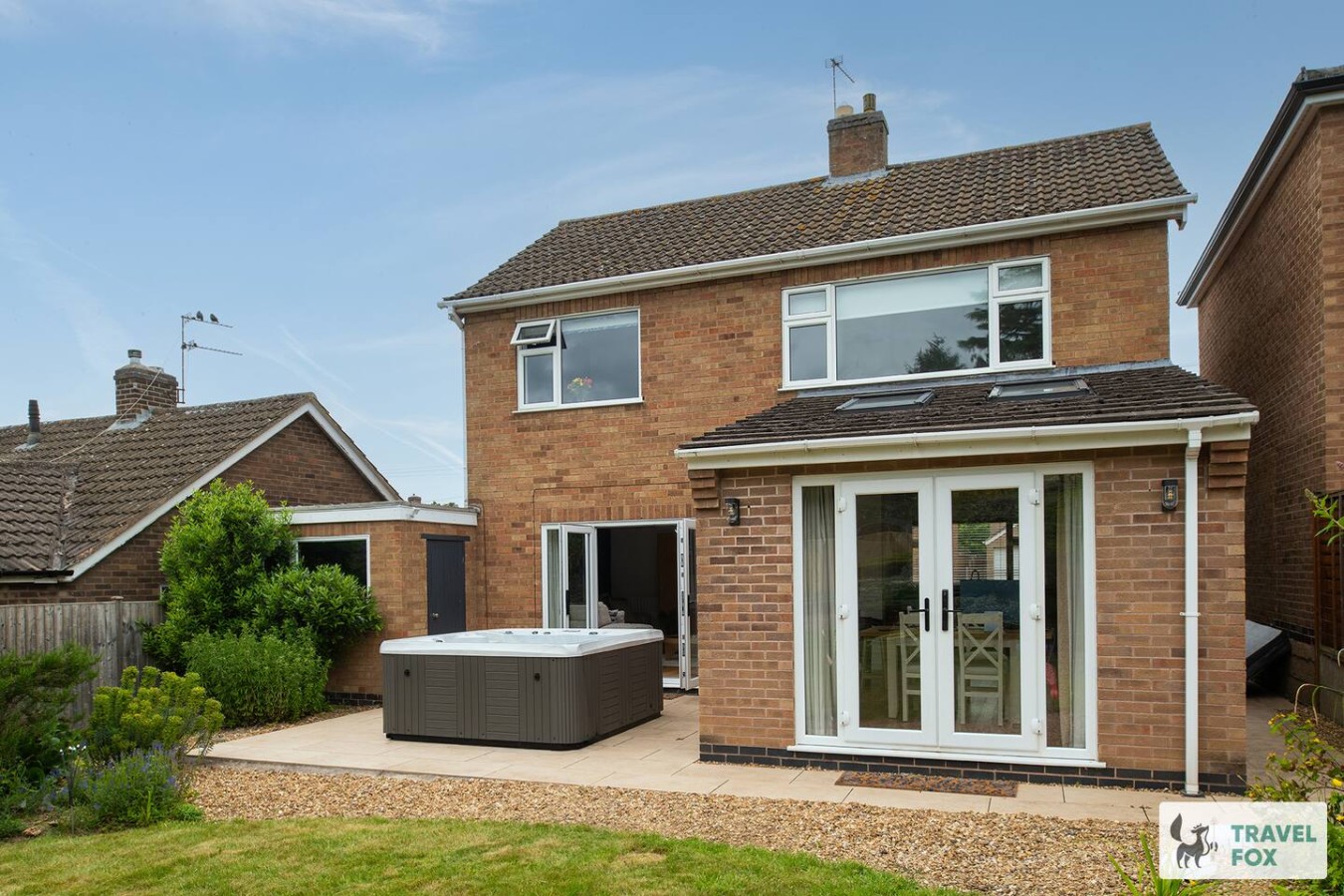
Rearsby
Vanessa's Haven - with hot tub and free parking for 3 cars!!
- Sleeps 5
- 3 bedrooms

Charnwood
UnPoplar House - Free in House Chris
- Sleeps 6
- 3 bedrooms
For homeowners
Own a holiday home near Somerby?
We manage holiday lets across the UK from 12% commission, charged after cleaning costs, with no lock-in. A co-founder visits before you decide.
How our holiday let management works →
A guide with a point of view
Written from research. Edited for real journeys.
Use the Official site links for live practical details, then use this guide for context, ideas and room to explore.
Sources
Every place on this page is checked against a published source. Each entry links the record we used and names who publishes it.
- The Stilton Cheese Inn — stiltoncheeseinn.co.uk operator, sector body or destination organisation
- All Saints Church — achurchnearyou.com national body or asset manager
- Leicestershire Round — visitleicester.info operator, sector body or destination organisation
- Burrough Hill and Somerby Circular — visitleicester.info operator, sector body or destination organisation
- Burrough Hill Country Park — leicscountryparks.org.uk operator, sector body or destination organisation