
Vale of Belvoir
Stathern
An ironstone village with an 800-year-old church, a surviving freehouse and two contrasting Vale walks.
- Best for
- Church history, canal wildlife and ridge walks
- Village curiosity
- A Grade II* ironstone church
- Walk choice
- Canal towpath or the Jubilee Way
The Fox verdict
A small village with two very different walks
Stathern pairs its ironstone centre and historic church with walks beside the Grantham Canal and through Belvoir Estate woodland.
The Plough and St Guthlac's give the village a practical centre. Bridge 45 joins the Grantham Canal towpath; the signed approach from Toft's Lane reaches the Jubilee Way and a bridleway through the Belvoir Estate woodland.
Where to go
Places in Stathern
Every place below is checked against a published source, listed with what it is and how long to give it.
Local signatures
3 placesThe Plough Inn
Stathern's surviving freehouse serves as a central village stop for food and drink.
- Visit length
- Editorial estimate: allow around 75 minutes
- Locality
- 12 Main Street, LE14 4HW
St Guthlac's Church
An ironstone church with medieval fabric, an unusual dedication to the Lincolnshire hermit-saint Guthlac and a long connection to Peterhouse, Cambridge.
- Visit length
- Editorial estimate: allow around 45 minutes
- Locality
- Church Lane, Stathern
Grantham Canal at Bridge 45
Bridge 45 gives access to a public footpath on the canal's north side, with walks towards Harby or Plungar; the restored towpath is also a walking and cycling route.
- Visit length
- Editorial estimate: allow around 90 minutes
- Locality
- Grantham Canal at Bridge 45
Food & drink
1 placeDavid Cox Butchers
A village butcher on Main Street; David Cox’s sausages also feature on The Plough’s menu.
- Visit length
- Editorial estimate: allow around 15 minutes
- Locality
- 27 Main Street, Stathern
Walks & outdoors
1 placeStathern Wood and the Jubilee Way
The signed Jubilee Way approach runs from Toft's Lane to a bridleway through the Belvoir Estate woodland.
- Visit length
- Editorial estimate: allow around 2 hours
- Locality
- Toft's Lane and the Belvoir Estate woods
No places match this filter. Choose All places to reset the list.
Three ways to explore Stathern
Signature outings
St Guthlac's in ironstone
Visit the village's Grade II* church, whose unusual dedication recalls the Lincolnshire hermit-saint Guthlac.
The Jubilee Way
Follow the signed approach from Toft's Lane into the Belvoir Estate woodland on the Jubilee Way.
David Cox Butchers
Call at the Main Street butcher whose sausages feature on the village pub menu.
The village story
Stathern Village Guide
A compact Vale village of ironstone, church history, a surviving pub and footpath connections around the Belvoir ridge.
The pub that carries the village
The Plough Inn on Main Street doubles as Stathern's post office three days a week, which tells you most of what you need to know about the village's approach to efficiency. It's also the only pub left. The Red Lion, a seventeenth-century inn that once held a Michelin Bib Gourmand and a place in The Times' 25 best country pubs for food, closed suddenly in 2017. There were campaigns. There were petitions. Last anyone heard, someone wanted to turn it into six houses.
So The Plough carries the village now, and it does the job. It's a freehouse pouring Belvoir Brewery Star ale — brewed a few miles up the road — alongside a menu that runs from David Cox's sausages with creamed potatoes to steak and Star ale pie to an Indian-style chicken curry. Wednesdays are fish and chip suppers. Fridays are pie day. Sunday brings a proper carvery: roast beef with Yorkshire pudding or pork. There's a pool table, a darts board, and BT Sport on the big screen if you need it.
Ironstone and the Belvoir ridge
The village is built of local ironstone, warm and orange-brown, sitting in the Vale of Belvoir about ten miles north of Melton Mowbray. It's walking country — the Belvoir ridge runs along the skyline and footpaths connect Stathern to the surrounding ironstone villages. The Stathern Heritage group publishes a visitors' guide if you want structure, though most of the vale rewards aimless wandering just as well.
St Guthlac's stands at the centre, Grade II* listed, consecrated around 1200. The dedication is unusual — Guthlac was a seventh-century Lincolnshire hermit-saint, patron of Crowland Abbey, which suggests the site may predate the Norman Conquest. The church is ironstone like the rest of the village. In 1925 it became the first church in Leicestershire to get electricity. Peterhouse, Cambridge has been its sole patron since 1530.
St Guthlac, George Crabbe and Colonel Hacker
The poet George Crabbe served as curate here from 1785 to 1789. Three of his children were baptised at St Guthlac's, and it was during his time in Stathern that he began writing seriously. His poem "The Village" drew on what he saw in the vale — not always flatteringly.
Stathern's other historical claim involves Colonel Francis Hacker, a Parliamentarian who lived at the seventeenth-century Stathern Hall. Local legend says the execution warrant for Charles I was signed at the Red Lion. This has never been proved. What is established is that Hacker guarded the King during his trial and supervised the execution on 30 January 1649. The Domesday surveyors recorded about 35 households here in 1086, putting it in the largest fifth of Leicestershire settlements. The population in 2011 was 728. Nine centuries of modest but persistent growth.
The Red Lion's long shadow
Bottesford station, on the East Midlands Railway line, is about 5.5 miles from Stathern in a straight line; the road journey is longer. An hourly weekday bus connects to Melton Mowbray if you'd rather not drive.
The Enclosure Plan for Stathern was agreed at a meeting in the Red Lion in August 1790. The building where they carved up the common land, where a regicide may or may not have signed a king's death warrant, where the Good Pub Guide once sent people for peppered beef salad with Colston Bassett Stilton — that building might become houses now. The Plough, meanwhile, keeps pulling pints and selling stamps.
Stay around Leicestershire
Make a longer stay of it
Travel Fox holiday homes around Leicestershire, linked directly to their property pages.
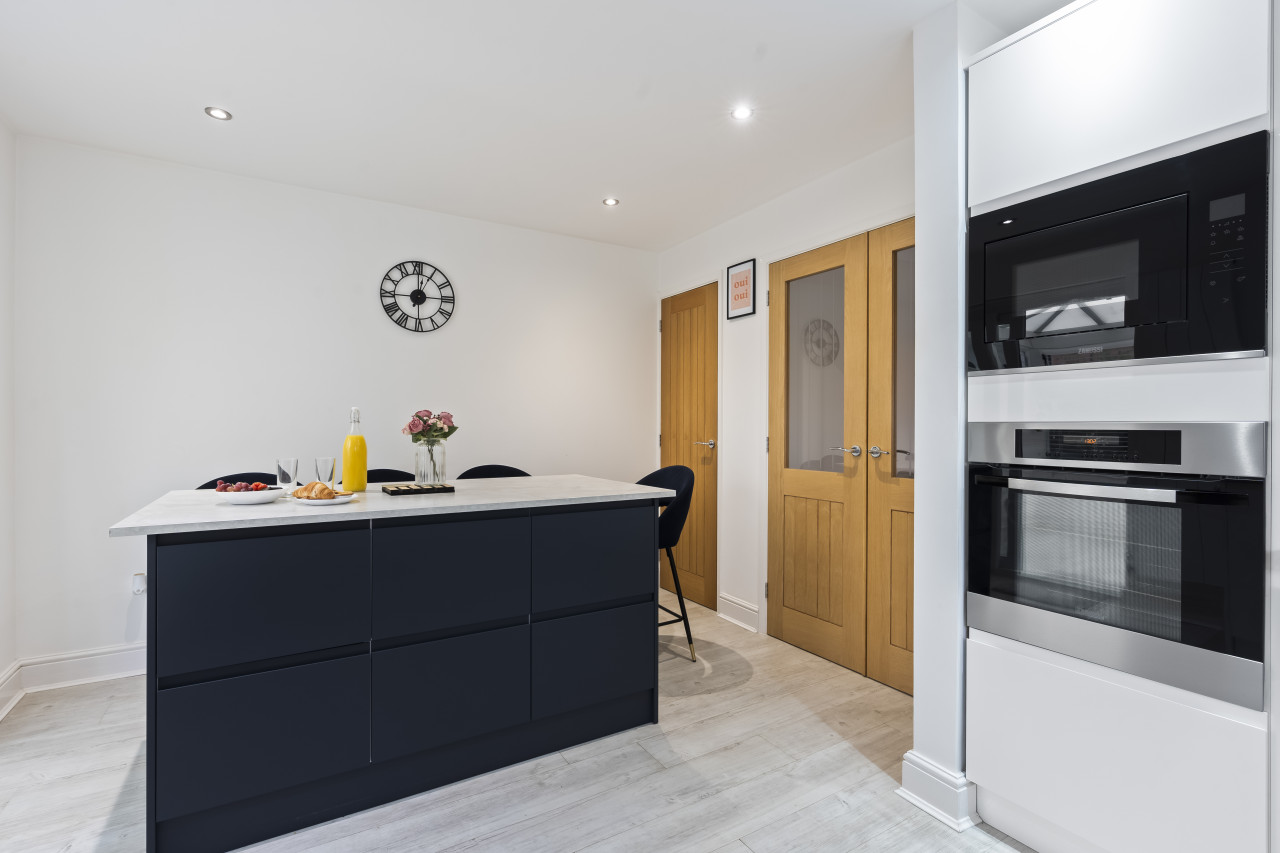
Syston
Tilly's Townhouse with Parking
- Sleeps 4
- 2 bedrooms
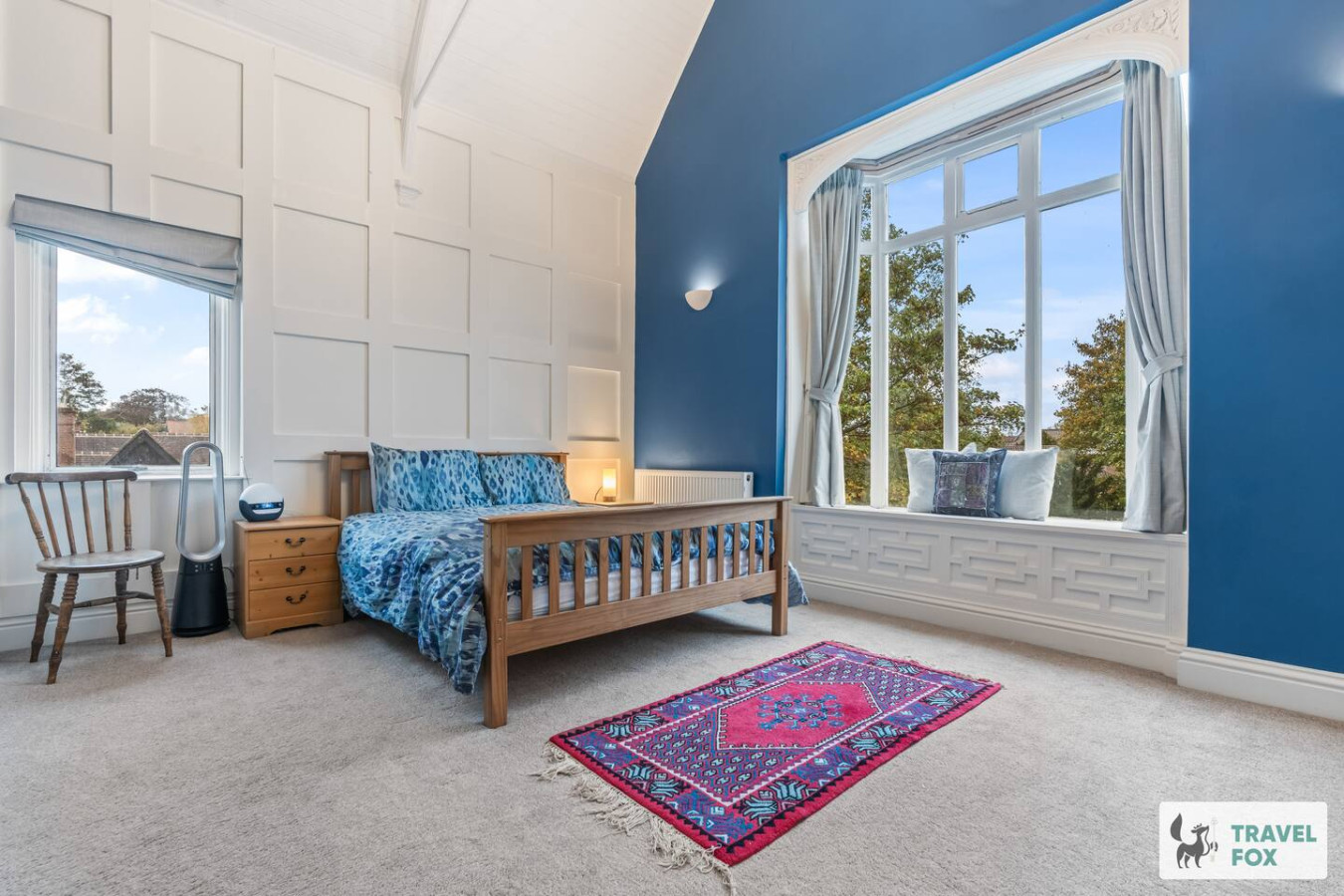
Leicester
Rachel's House with Parking!
- Sleeps 12
- 4 bedrooms
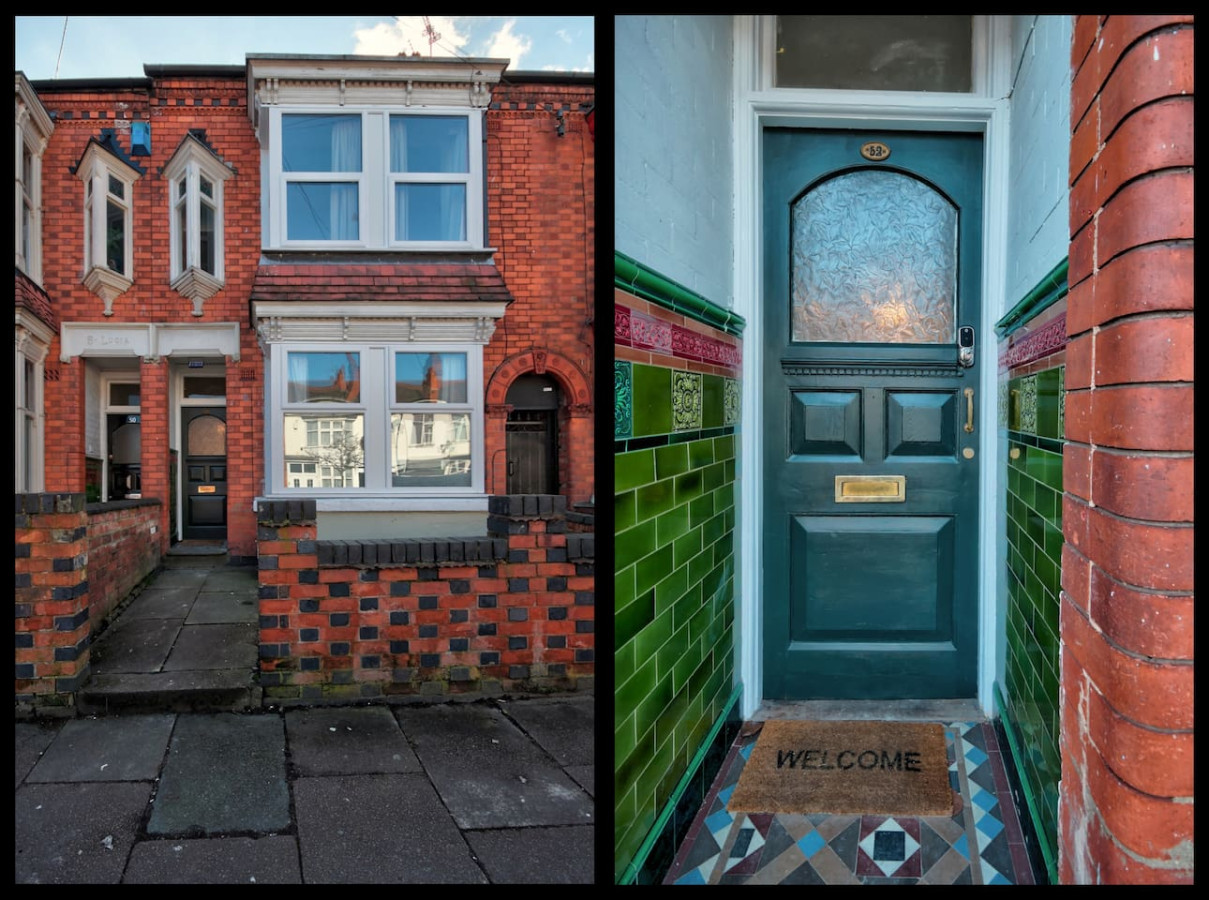
Leicester
Upperton House - Central 5 Bedroom
- Sleeps 9
- 5 bedrooms
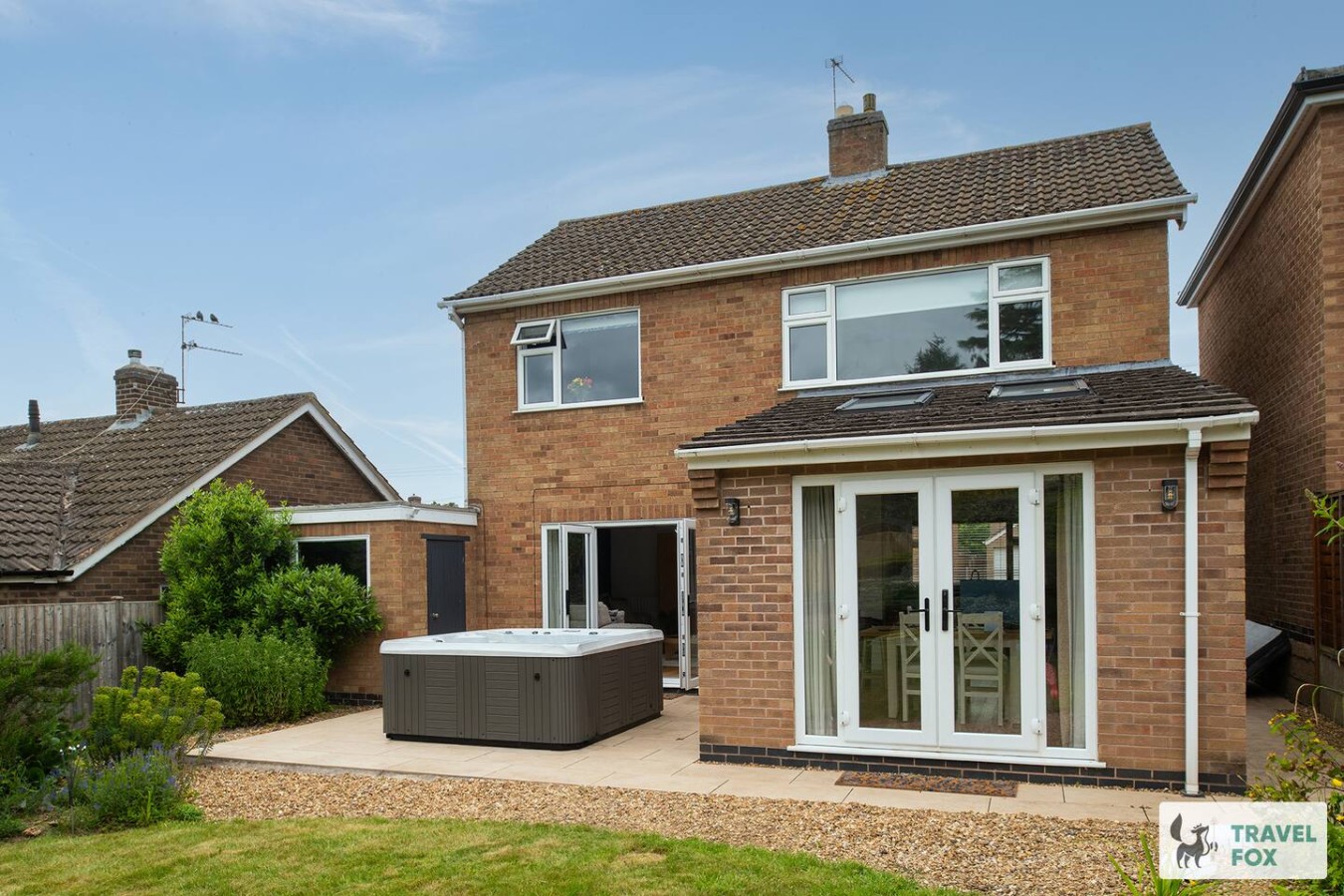
Rearsby
Vanessa's Haven - with hot tub and free parking for 3 cars!!
- Sleeps 5
- 3 bedrooms

Charnwood
UnPoplar House - Free in House Chris
- Sleeps 6
- 3 bedrooms
For homeowners
Own a holiday home near Stathern?
We manage holiday lets across the UK from 12% commission, charged after cleaning costs, with no lock-in. A co-founder visits before you decide.
How our holiday let management works →
A guide with a point of view
Written from research. Edited for real journeys.
Use the Official site links for live practical details, then use this guide for context, ideas and room to explore.
Sources
Every place on this page is checked against a published source. Each entry links the record we used and names who publishes it.
- The Plough Inn — theploughstathern.com operator, sector body or destination organisation
- St Guthlac's Church — achurchnearyou.com national body or asset manager
- Grantham Canal at Bridge 45 — canalrivertrust.org.uk national body or asset manager
- Stathern Wood and the Jubilee Way — visitbelvoir.co.uk operator, sector body or destination organisation
- David Cox Butchers — stathern.org.uk operator, sector body or destination organisation