
Brook, bells and Charnwood paths
Thurcaston
A ridge village north of Leicester where a four-century crossroads inn, an ancient church and footpaths through water meadows lead into Charnwood Forest countryside.
- Best for
- Brookside and Charnwood Forest walks
- Give it
- A pub meal and a connected countryside walk
- Don't miss
- The Norman South Door at All Saints
The Fox verdict
A village visit built around walking
Thurcaston pairs its single historic pub and ancient parish church with paths through Rothley Brook's water meadows and onward into Charnwood Forest.
Begin with the Wheatsheaf's home-cooked food or the surviving Norman doorway at All Saints, then follow the landscape out towards Bradgate Park, Cropston Reservoir and Swithland Wood. The contrast between Leicester's nearby edge and the village's brook, ridge and open countryside is the heart of the visit.
Where to go
Places in Thurcaston
Every place below is checked against a published source, listed with what it is and how long to give it.
Local signatures
3 placesThe Wheatsheaf Inn
An Everards tied house dating from around 1600, with a central bar, small panelled rooms, home-cooked meals, Everards Tiger and a guest beer.
- Visit length
- Editorial estimate: allow around 90 minutes
- Locality
- 203 Leicester Road, Thurcaston
All Saints church
A church site with Anglo-Saxon origins, a surviving Norman South Door, an early chancel screen, stone roof grotesques and a memorial to Hugh Latimer.
- Visit length
- Editorial estimate: allow around 45 minutes
- Locality
- Thurcaston
Bradgate Park
Charnwood Forest terrain of granite outcrops, dry-stone walls and ancient deer park, with red and fallow deer and the ruins of Bradgate House.
- Visit length
- Editorial estimate: allow around 120 minutes
- Locality
- Bradgate Park, west of Cropston
Walks & outdoors
1 placeSwithland Wood
A woodland stop on the broader walking network, linked by a popular circuit over characteristic Charnwood Forest terrain.
- Visit length
- Editorial estimate: allow around 90 minutes
- Locality
- Swithland Wood, north-west of Thurcaston
History & heritage
1 placeBradgate House Ruins
The remains of the house where Lady Jane Grey grew up, set within Bradgate Park's ancient deer-park landscape.
- Visit length
- Editorial estimate: allow around 45 minutes
- Locality
- Bradgate Park, Newtown Linford
No places match this filter. Choose All places to reset the list.
Three ways to explore Thurcaston
Signature outings
Home cooking in a four-century inn
Settle into the Wheatsheaf for home-cooked food among the small panelled rooms arranged around its central bar.
See the ruins of Bradgate House
Pause at the ruins of Bradgate House, where Lady Jane Grey grew up, within Bradgate Park's ancient deer-park landscape.
Thread through Swithland Wood
Use the broader walking network through Swithland Wood to experience characteristic Charnwood Forest terrain.
The village story
Thurcaston Village Guide
A crossroads inn, a Norman doorway and a brook-led route from Leicester's edge into Charnwood countryside.
Four centuries at the crossroads
The Wheatsheaf Inn has been standing at Thurcaston's only crossroads for about 400 years, which is long enough to have seen the thatched roof replaced with tiles and the coaching trade replaced with Saturday morning breakfasts. It started life as two cottages around 1600 and is now an Everards tied house with a central bar, several small panelled rooms arranged around it, and a skittle alley that doubles as a function room. Everards Tiger is the permanent fixture on the pumps, with a guest beer alongside it.
The food is home-cooked and, by multiple accounts, generously portioned. The mini fish and chips, sausage and mash, and scampi and fries come up repeatedly in reviews, with phrases like "serious flavour" attached to them. Dogs are welcome in the tap room. There are patios at the rear. Soar Valley Life named it Pub of the Month in October 2023, which for a village with one pub is either redundant or well deserved.
A ridge above Leicester
Thurcaston sits about five miles north of Leicester, on a gentle ridge where the suburbs give way to proper countryside. The A46 bypass draws a line between the two. There are no specialist food shops in the village — it's residential, and Leicester is close enough that nobody seems to mind. A Centrebus 154 runs roughly hourly into the city if you don't have a car.
The walking, though, is the thing. Rothley Brook flows through the village, and footpaths follow it through water meadows that feel considerably further from a city of 350,000 than five miles. A wider outing takes you west through Cropston towards Bradgate Park; the walking distance depends on which entrance you use. Eight hundred and fifty acres of Charnwood Forest terrain — granite outcrops, dry-stone walls, ancient deer park, herds of red and fallow deer wandering through the ruins of Bradgate House, where Lady Jane Grey grew up before her nine days as queen. Cropston Reservoir, built in 1870, is visible from higher ground to the north-west. The walks connect into a broader network through Swithland Wood, all of it on characteristic Charnwood ground: acid-heath grassland and the kind of landscape that looks bleak in February and extraordinary in May.
A Norman doorway and a reformer
All Saints church has been here in some form since before the Normans arrived. The original building may have been wooden. What survives from the Norman rebuild is the South Door, still used as the main entrance, which means you walk through a doorway that has been admitting parishioners for the best part of a thousand years. Inside, the north aisle holds one of the earliest surviving chancel screens in England, repositioned from its original location. The nave roof has stone grotesques at the principals, which is unusual for this part of the Midlands.
The village's most famous son is Hugh Latimer, born here around 1485 to a yeoman farmer. He became Bishop of Worcester, chaplain to Edward VI, and one of the most influential preachers of the English Reformation. In 1555, Mary I had him burned at the stake outside Balliol College, Oxford. His words to Nicholas Ridley as the flames were lit — "we shall this day light such a candle by God's grace in England as I trust shall never be put out" — became one of the most quoted sentences of the sixteenth century. A memorial in the chancel at All Saints commemorates him. He had come back to Thurcaston in retirement in 1550, five years before his death.
Turchitelestone in Domesday
The Domesday surveyors recorded the place as Turchitelestone — a farmstead associated with a man called Þórketill, which is Old Norse grafted onto Old English, the kind of name that tells you the Vikings settled here but didn't bother renaming everything. In 1086 it had thirty households, four ploughlands, a mill, and four slaves.
The bell and the brook
The oldest bell in the tower dates to 1525. It still rings over a village where the crossroads pub is older than most cities, and the brook still runs through the meadows as if nobody built a bypass at all.
Stay around Leicestershire
Make a longer stay of it
Travel Fox holiday homes around Leicestershire, linked directly to their property pages.
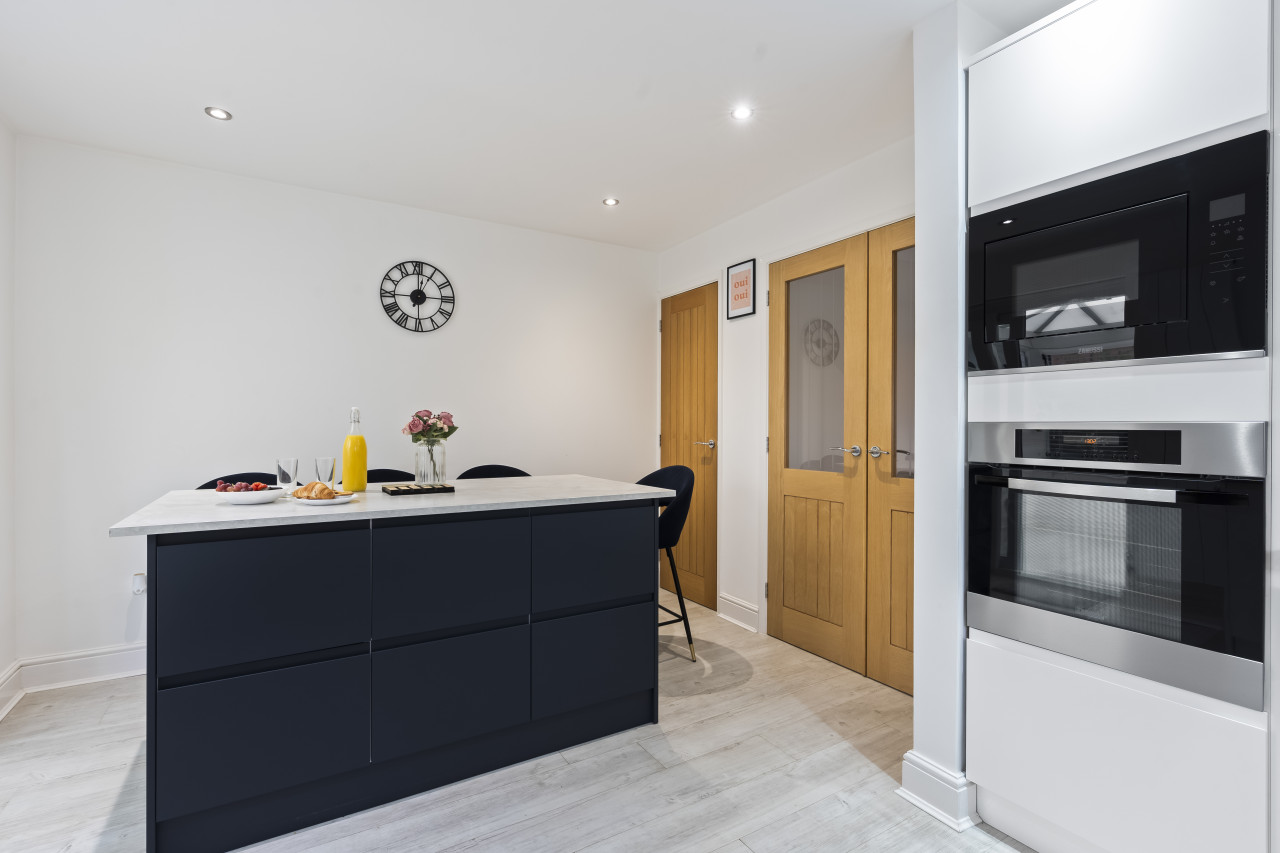
Syston
Tilly's Townhouse with Parking
- Sleeps 4
- 2 bedrooms
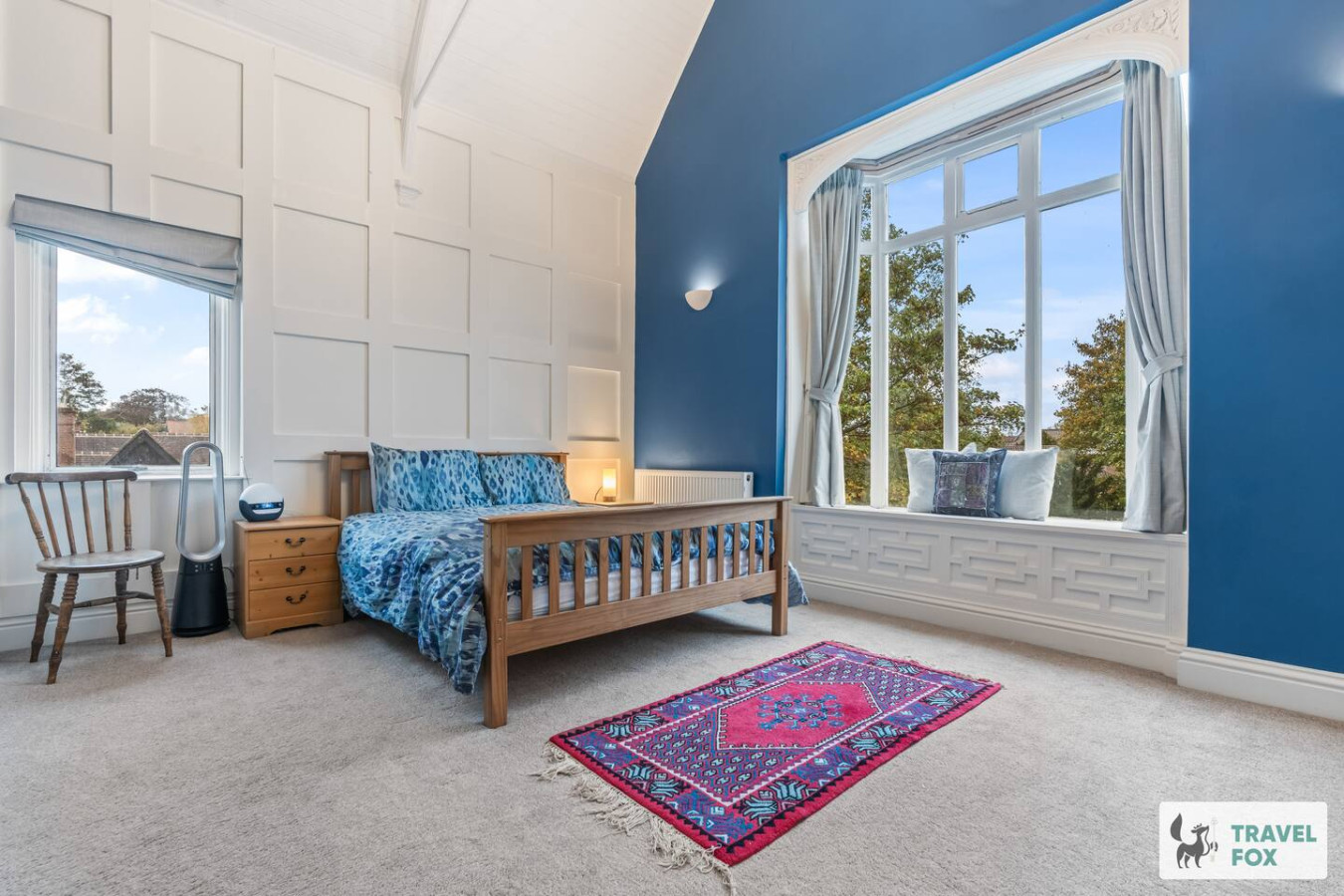
Leicester
Rachel's House with Parking!
- Sleeps 12
- 4 bedrooms
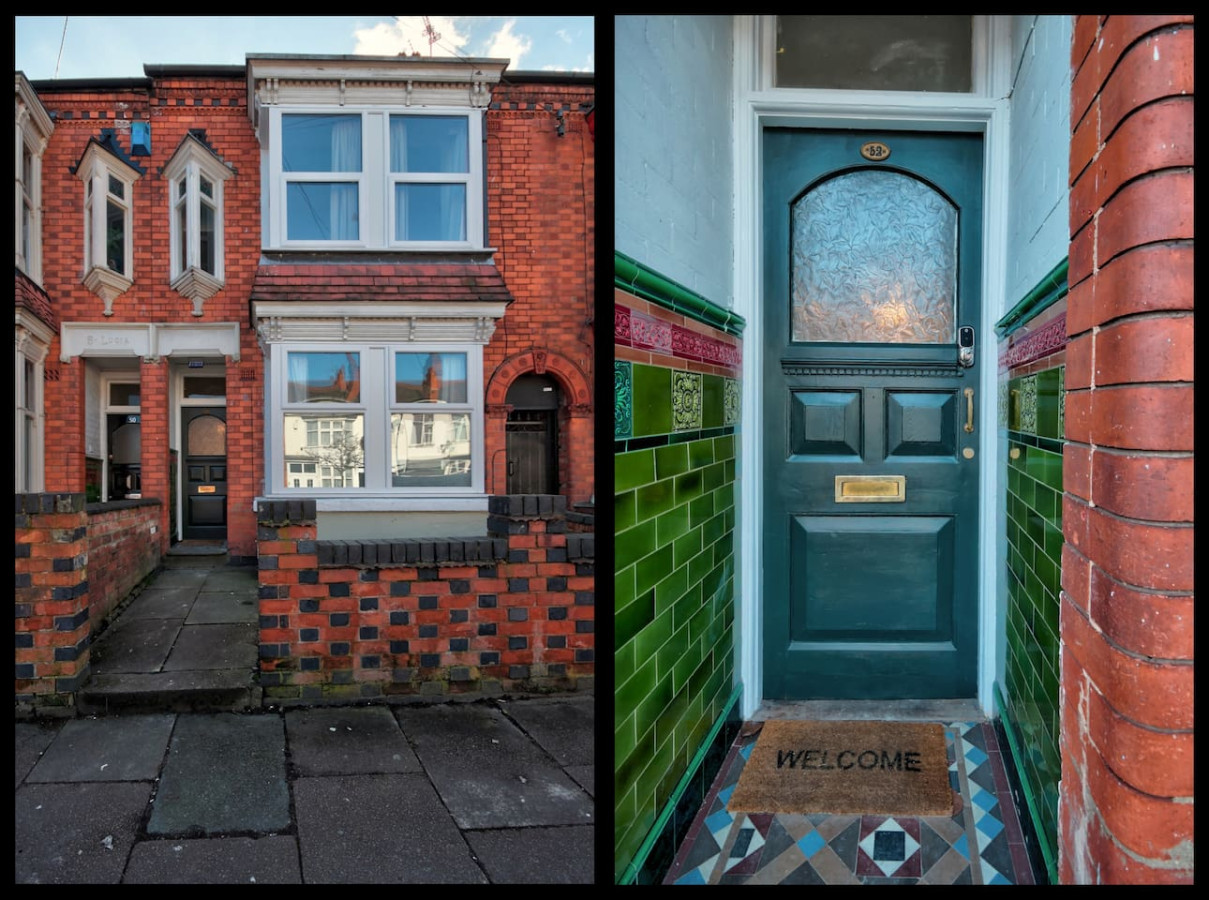
Leicester
Upperton House - Central 5 Bedroom
- Sleeps 9
- 5 bedrooms
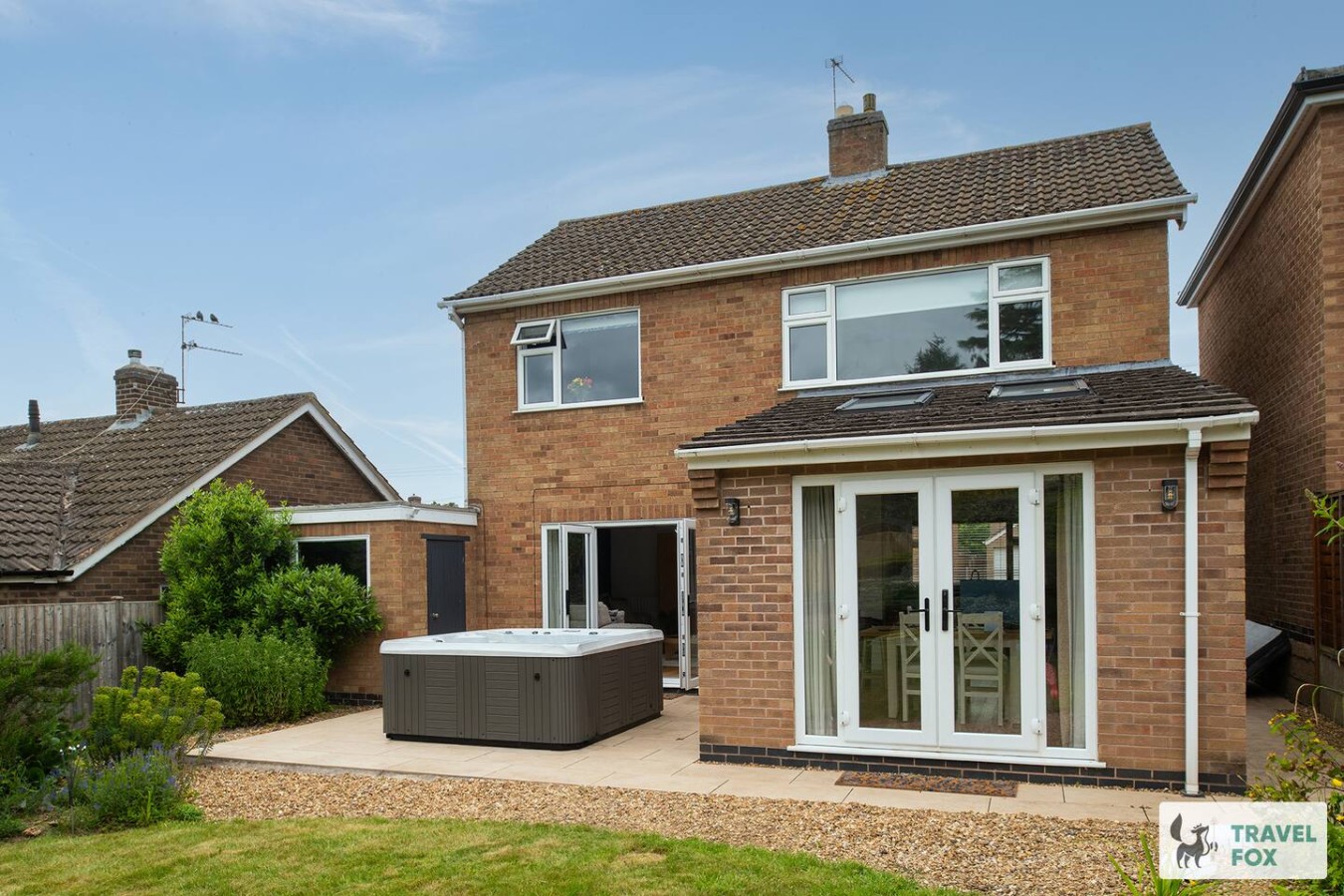
Rearsby
Vanessa's Haven - with hot tub and free parking for 3 cars!!
- Sleeps 5
- 3 bedrooms

Charnwood
UnPoplar House - Free in House Chris
- Sleeps 6
- 3 bedrooms
For homeowners
Own a holiday home near Thurcaston?
We manage holiday lets across the UK from 12% commission, charged after cleaning costs, with no lock-in. A co-founder visits before you decide.
How our holiday let management works →
A guide with a point of view
Written from research. Edited for real journeys.
Use the Official site links for live practical details, then use this guide for context, ideas and room to explore.
Sources
Every place on this page is checked against a published source. Each entry links the record we used and names who publishes it.
- The Wheatsheaf Inn — historicengland.org.uk statutory register or public authority record not machine-readable; publisher restricts automated access
- All Saints church — stmarysandallsaints.co.uk operator, sector body or destination organisation
- Bradgate Park — bradgatepark.org operator, sector body or destination organisation
- Swithland Wood — bradgatepark.org other published source
- Bradgate House Ruins — bradgatepark.org operator, sector body or destination organisation