
On the slopes of Beacon Hill
Woodhouse Eaves
A Charnwood Forest village shaped by ancient volcanic rock, hillside walks, long-lived pubs and a granite church.
- Best for
- Beacon Hill walks and ancient geology
- Give it
- A half day for hill, woodland and village stops
- Don't miss
- Beacon Hill's heathland and rocky outcrops
The Fox verdict
A hillside base for Charnwood walks
Woodhouse Eaves pairs the open summit of Beacon Hill and nearby ancient woodland with a compact collection of pubs and a distinctive nineteenth-century church.
Come for the 700-million-year-old Precambrian rock and views across the Soar Valley, then return to the village for St Paul's granite and Swithland-slate architecture or a meal in one of its traditional pubs.
Where to go
Places in Woodhouse Eaves
Every place below is checked against a published source, listed with what it is and how long to give it.
Local signatures
3 placesThe Curzon Arms
A traditional village pub more than 350 years old, with seasonal menus built around trusted local suppliers and a choice of pub classics, steaks and vegetable dishes.
- Visit length
- Editorial estimate: Allow around 90 minutes for a meal
- Locality
- Maplewell Road in the village centre
- Access
- Dogs are welcome.
The Old Bulls Head
A large traditional pub and dining venue serving seasonal pub food, breakfast and Sunday roasts, with a real fire, beer garden and live music.
- Visit length
- Editorial estimate: Allow around 90 minutes for a meal
- Locality
- on the main road close to Beacon Hill
- Access
- Dogs are welcome.
The Wheatsheaf Inn
An eighteenth-century traditional community pub and restaurant serving home-cooked food, with the same head chef running its kitchen for more than 25 years.
- Visit length
- Editorial estimate: Allow around 90 minutes for a meal
- Locality
- in Woodhouse Eaves
- Access
- Dogs are welcome and children are welcome.
Walks & outdoors
2 placesBeacon Hill Country Park
An open-access country park whose 248-metre summit combines open heathland and rocky outcrops of Precambrian volcanic rock with views across Charnwood Forest to the Soar Valley.
- Visit length
- Editorial estimate: Allow around 2 hours
- Locality
- right above the village
Swithland Woods
Ancient semi-natural woodland with streams and bluebells in spring.
- Visit length
- Editorial estimate: Allow around 90 minutes
- Locality
- near Woodhouse Eaves
History & heritage
1 placeSt Paul's Church
A Grade II* church built in 1837 to William Railton's design in granite and Swithland slate, then extended in 1894 by Ewan Christian.
- Visit length
- Editorial estimate: Allow around 45 minutes
- Locality
- on the village slope
No places match this filter. Choose All places to reset the list.
Three ways to explore Woodhouse Eaves
Signature outings
Rock above the village
Beacon Hill's 248-metre summit brings open heathland and rocky outcrops over 700-million-year-old Precambrian volcanic rock.
Railton in granite and slate
St Paul's was built in 1837 to a design by William Railton, using granite and Swithland slate.
Bluebells and streams
Nearby Swithland Woods is ancient semi-natural woodland, with streams and bluebells in spring.
The village story
Woodhouse Eaves Village Guide
Ancient rock, a sloping Charnwood village and the people and industries that shaped it.
Ancient Rock and a Hillside Village
The rock under Woodhouse Eaves is seven hundred million years old. This is not a figure of speech. The Precambrian volcanic outcrops that push through the heathland on Beacon Hill are among the oldest exposed geology in England, and the village sits on the slopes as if it arrived recently and decided to stay.
You notice the gradient first. Woodhouse Eaves is built on the side of a hill, four miles south of Loughborough, and the main road through the village has a purpose about it. The B5330 climbs from the Soar Valley into Charnwood Forest, and the houses, pubs, and St Paul's Church arrange themselves along the slope like they're keeping an eye on the lowlands.
Three Pubs, Few Shops
Three pubs for a village of 1,693 people is a decent ratio. The Curzon Arms is the oldest, over 350 years on Maplewell Road, named after the Curzon family who owned much of the land around here. It runs seasonal menus — duck pâté with thin toast, homemade pies, steaks — built around local suppliers, and dogs are welcome. The Old Bulls Head is the larger operation, closer to Beacon Hill, doing two courses for £21.95 or three for £25.95 at lunch, Sunday roasts, and breakfast. It has a real fire, a beer garden, and live music. The Wheatsheaf Inn is the one where the head chef, Liz, has run the kitchen for over twenty-five years, which tells you something about either the pub or Liz or both. Home-cooked food, eighteenth-century building, free Wi-Fi.
There are no notable shops to speak of. You'll need Loughborough for that.
Hill Walks and St Paul's
The walking, though, is the thing. Beacon Hill Country Park sits right above the village — 248 metres, the second highest point in Leicestershire, which admittedly is not a county famous for its altitude. The summit is open heathland and rocky outcrops, and on a clear day you can see Lincoln Cathedral. Swithland Woods, nearby, is ancient semi-natural woodland that fills with bluebells in spring. There's a decent eight-kilometre circular that takes in Quorn, Woodhouse, and stretches of the Great Central Railway heritage line.
St Paul's Church was designed by William Railton, who also designed Nelson's Column. He built it in 1837 for William Perry Herrick of Beaumanor Hall, in granite and Swithland slate. An almost identical church went up at Copt Oak at the same time, consecrated within days of each other, which suggests Herrick liked the design enough to order two.
Industry, Clean Air and Charnia
The village name means what it sounds like — the houses at the edge of the wood, the eaves of Charnwood Forest. Framework knitting was the main domestic industry in the eighteenth and nineteenth centuries, alongside quarrying Swithland slate. By the late 1800s, someone noticed the air was clean up here and the village reinvented itself as a health resort, with convalescent homes on the hillside.
In 1956, a fifteen-year-old girl called Tina Negus found a fossil in the rocks near here. Her teacher dismissed it. A year later Roger Mason found the same thing, and it turned out to be Charnia masoni — a 560-million-year-old organism and the first Precambrian fossil ever scientifically recognised. The genus is named after the forest.
Residents, Roads and Rail Links
Peter Shilton, England's most capped goalkeeper, lived here. Katie Boulter, the tennis player, is from the area. The village has no railway station — Loughborough is the nearest — and buses connect the two. But the walk down Breakback Road toward Nanpantan, with the Soar Valley opening up below you, is the kind of journey where arriving feels like the least interesting part.
Stay around Leicestershire
Make a longer stay of it
Travel Fox holiday homes around Leicestershire, linked directly to their property pages.
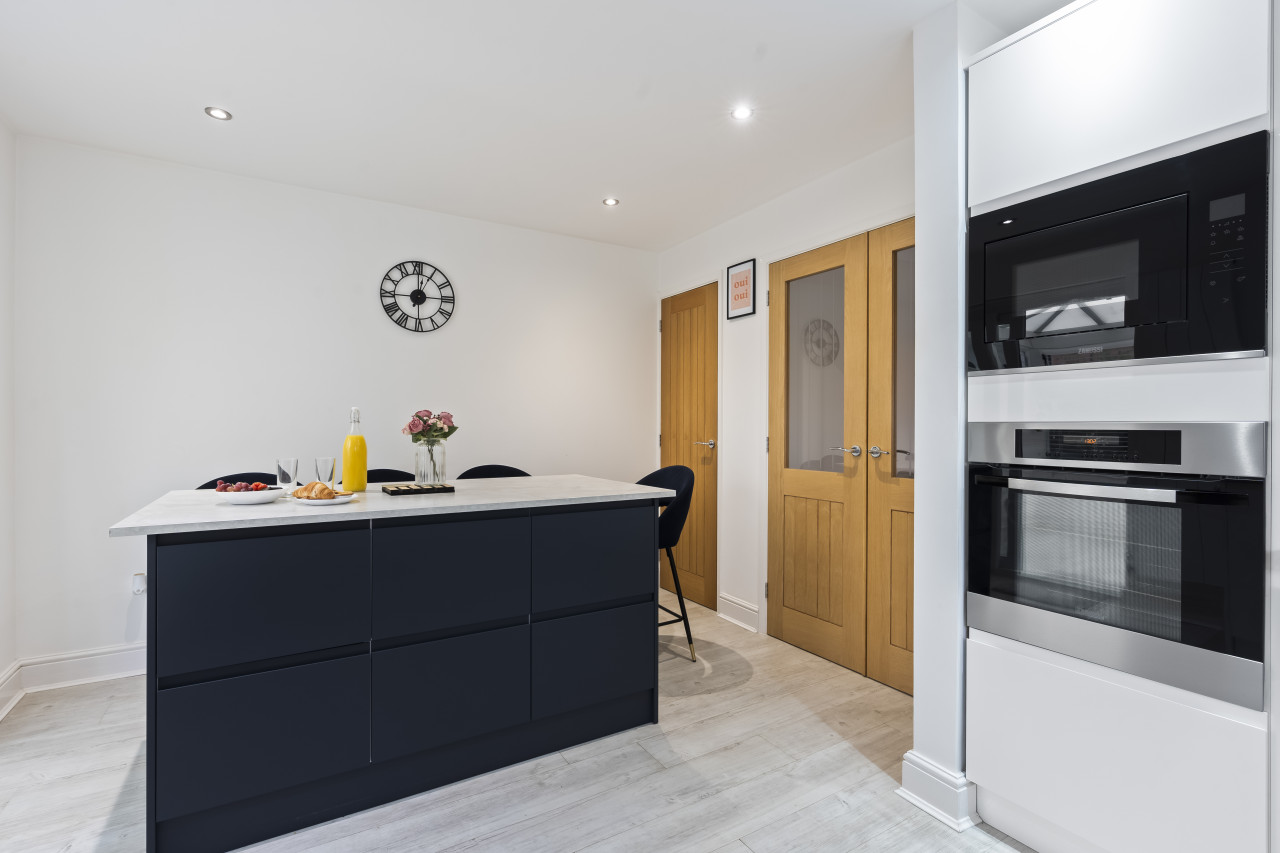
Syston
Tilly's Townhouse with Parking
- Sleeps 4
- 2 bedrooms
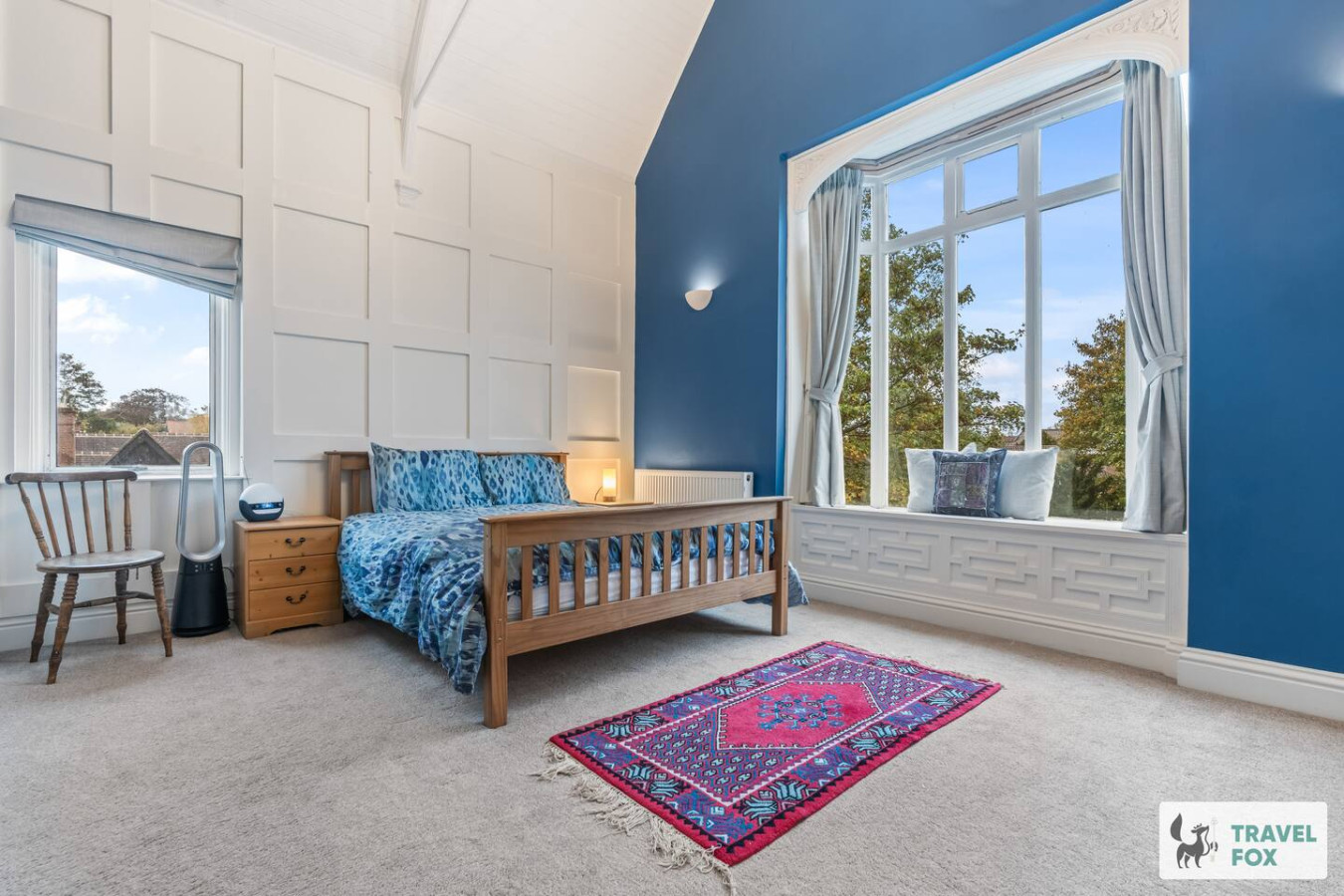
Leicester
Rachel's House with Parking!
- Sleeps 12
- 4 bedrooms
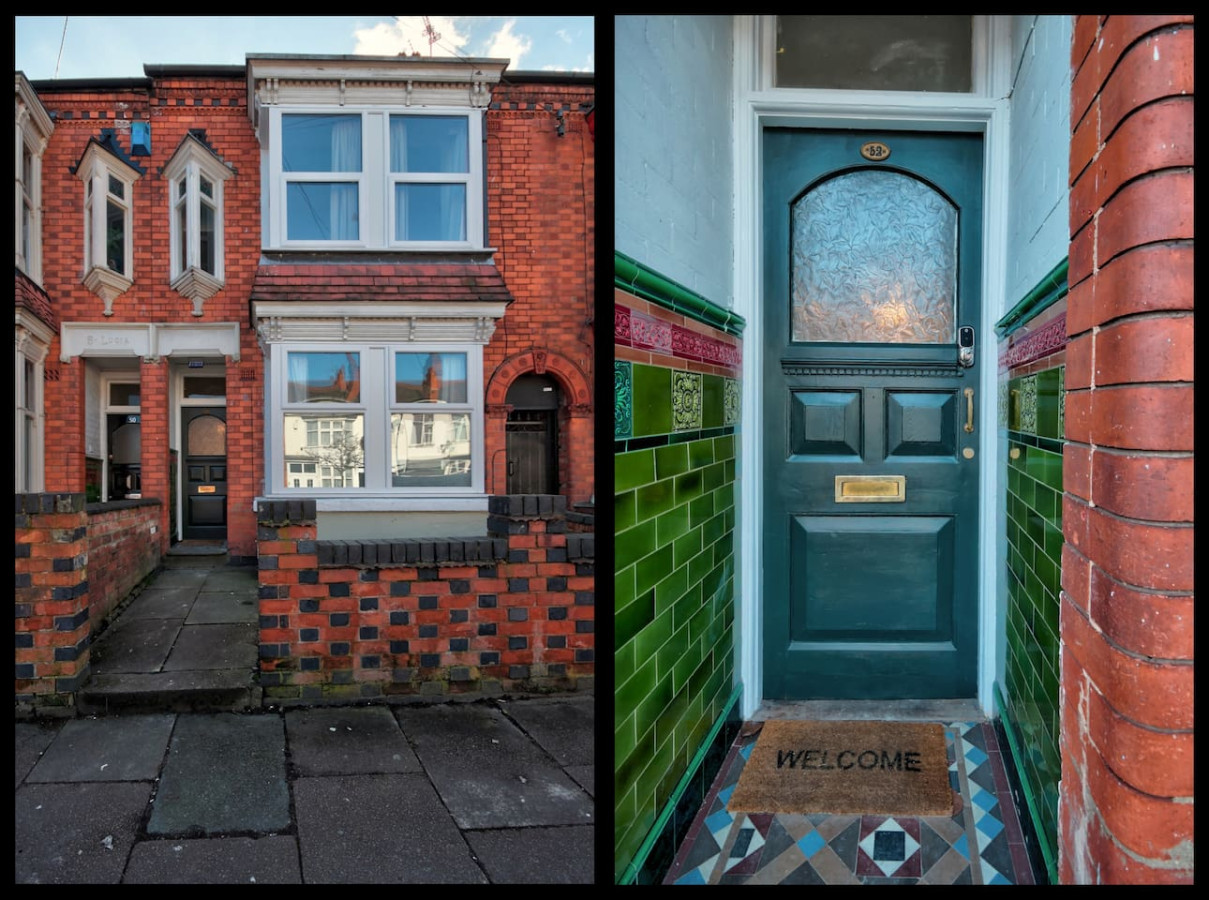
Leicester
Upperton House - Central 5 Bedroom
- Sleeps 9
- 5 bedrooms
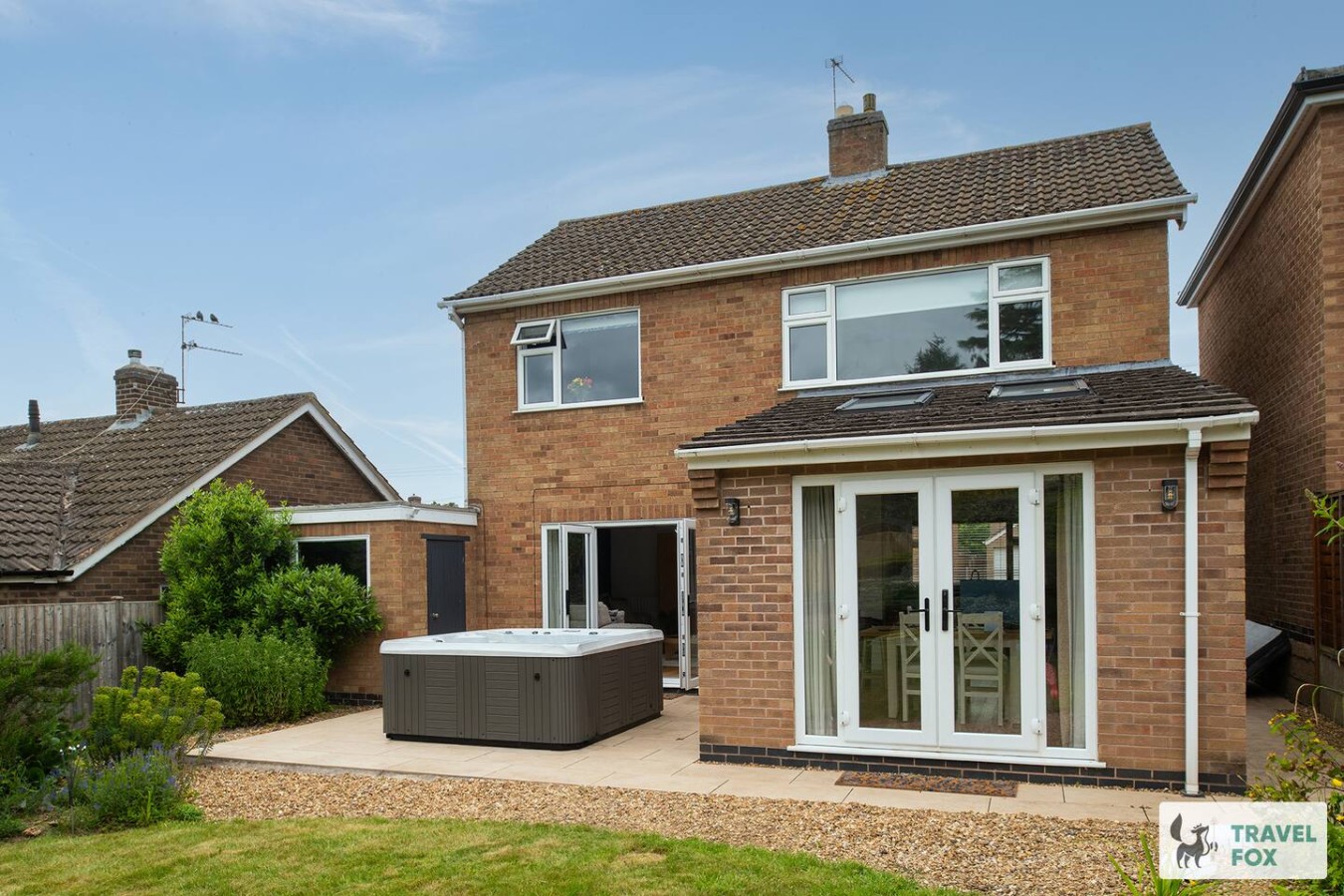
Rearsby
Vanessa's Haven - with hot tub and free parking for 3 cars!!
- Sleeps 5
- 3 bedrooms

Charnwood
UnPoplar House - Free in House Chris
- Sleeps 6
- 3 bedrooms
For homeowners
Own a holiday home near Woodhouse Eaves?
We manage holiday lets across the UK from 12% commission, charged after cleaning costs, with no lock-in. A co-founder visits before you decide.
How our holiday let management works →
A guide with a point of view
Written from research. Edited for real journeys.
Use the Official site links for live practical details, then use this guide for context, ideas and room to explore.
Sources
Every place on this page is checked against a published source. Each entry links the record we used and names who publishes it.
- The Curzon Arms — thecurzonarms.co.uk operator, sector body or destination organisation
- The Old Bulls Head — theoldbullshead.co.uk operator, sector body or destination organisation
- The Wheatsheaf Inn — wheatsheafinn.net operator, sector body or destination organisation
- St Paul's Church — historicengland.org.uk statutory register or public authority record not machine-readable; publisher restricts automated access
- Beacon Hill Country Park — leicscountryparks.org.uk operator, sector body or destination organisation
- Swithland Woods — bradgatepark.org other published source