
Windmill country
Wymondham
A quiet agricultural village shaped by a restored tower mill, ironstone landscape and an unusually rich local history.
- Best for
- Windmill heritage and countryside walking
- Give it
- A relaxed half day
- Don't miss
- The five-storey windmill and its woodland trail
The Fox verdict
A small village with a landmark mill
Wymondham pairs a conserved early-19th-century windmill with gentle walking, a welcoming tearoom and a medieval church.
The windmill site brings together the conserved mill, a tearoom and a woodland puzzle trail. St Peter's Church adds centuries of village history.
Where to go
Places in Wymondham
Every place below is checked against a published source, listed with what it is and how long to give it.
Local signatures
3 placesWymondham Windmill
A five-storey tower mill built around 1814 from local ironstone and topped with brick, conserved and partially restored in 2017 after its commercial working life and later dereliction.
- Visit length
- Editorial estimate: Around 60 minutes
- Locality
- Wymondham Windmill site
Wymondham Windmill Tearoom
An award-winning, dog-friendly tearoom serving breakfast, brunch, lunch, homemade cakes and coffee throughout the year.
- Visit length
- Editorial estimate: Around 75 minutes
- Locality
- within the windmill site
Woodland Trail at Wymondham Windmill
A woodland puzzle trail through two acres of native British trees at Wymondham Windmill.
- Visit length
- Editorial estimate: Around 45 minutes
- Locality
- on the windmill site
Walks & outdoors
1 placeFormer Midland and Great Northern Joint Railway Route
A walking option along the former railway corridor near Wymondham. The Melton Round directions follow part of the old railway alignment; check that published route for access.
- Visit length
- Editorial estimate: Allow 60 minutes for a short section
- Locality
- north of Wymondham
History & heritage
1 placeSt Peter's Church
A 13th-century cruciform church in the Early English style, with a later Perpendicular third storey and spire and a late-13th-century stone effigy of a cross-legged knight.
- Visit length
- Editorial estimate: Around 45 minutes
- Locality
- Wymondham
No places match this filter. Choose All places to reset the list.
Three ways to explore Wymondham
Signature outings
See the Restored Mill
Take in the five-storey ironstone-and-brick tower mill, conserved and partially restored after falling derelict.
Trace the Former Railway
Use the published Melton Round directions to follow a section of the former railway near Wymondham.
See St Peter's Church
Take in the medieval tower and spire; a late-13th-century knight's effigy is housed inside.
The village story
Wymondham Village Guide
A restored windmill, medieval church and railway history give this quiet ironstone-country village an outsized story.
Windmill and Ironstone Country
Wymondham Windmill is a five-storey tower mill of local ironstone topped with brick, built around 1814 and once fitted with six patent sails. Funding from the Heritage Lottery Fund and East Leicestershire LEADER supported conservation and restoration work completed in 2017. The site also has a barn venue.
Wymondham sits in the Borough of Melton, east of Melton Mowbray, amid Leicestershire's ironstone countryside. Its civil parish includes the nearby hamlet of Edmondthorpe.
Tearoom and Railway Heritage
Wymondham Windmill Tearoom serves breakfast, brunch, lunch and homemade cakes, and welcomes dogs. On Main Street, the Berkeley Arms serves food and real ales.
The former Midland and Great Northern Joint Railway passed north of Wymondham; Edmondthorpe and Wymondham station closed to passengers in 1959. An early-1890s railway workers' cottage on Butt Lane survives as a reminder of the line.
Church, Manor and Chantry
St Peter's Church is Grade I listed, with fabric dating from the 13th to 15th centuries. It has a west tower and spire, nave, transepts and chancel; inside is a large late-13th-century stone effigy of a knight.
Wymondham appears in Domesday Book in 1086, with about 37 households. A royal licence dated 19 June 1293 authorised William Hamelyn to grant land in Wymondham, Saxby and Thorp Edmer to support a chaplain serving the chapel of St Mary.
Stilton and the Woodland Trail
Frances Pawlett of Wymondham helped shape the eighteenth-century Stilton trade by setting quality standards and selecting cheese from other dairies for sale at Stilton. She is often credited with inventing Stilton, but the cheese also grew out of a wider regional trade.
The visitor site on Butt Lane has a woodland puzzle trail through two acres of native British trees, with a play area nearby.
Stay around Leicestershire
Make a longer stay of it
Travel Fox holiday homes around Leicestershire, linked directly to their property pages.
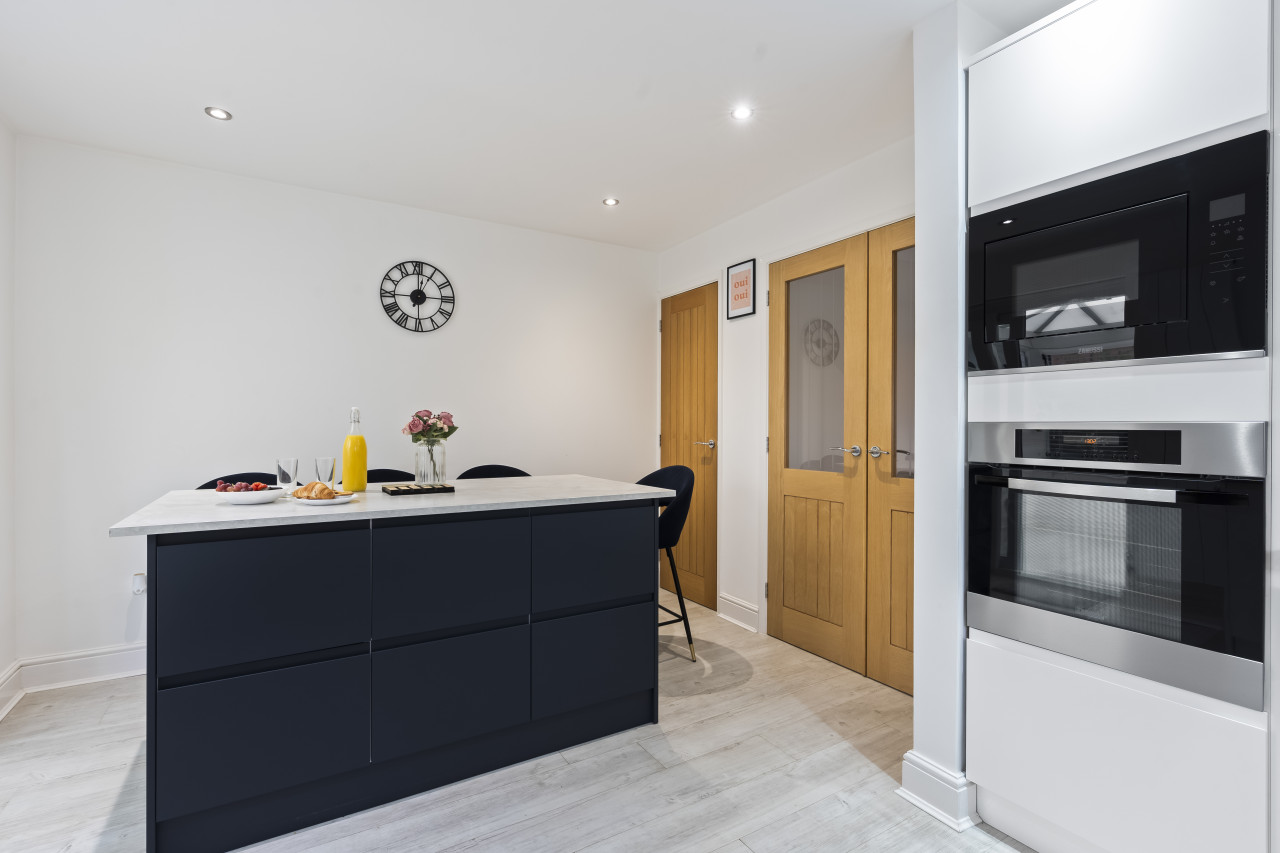
Syston
Tilly's Townhouse with Parking
- Sleeps 4
- 2 bedrooms
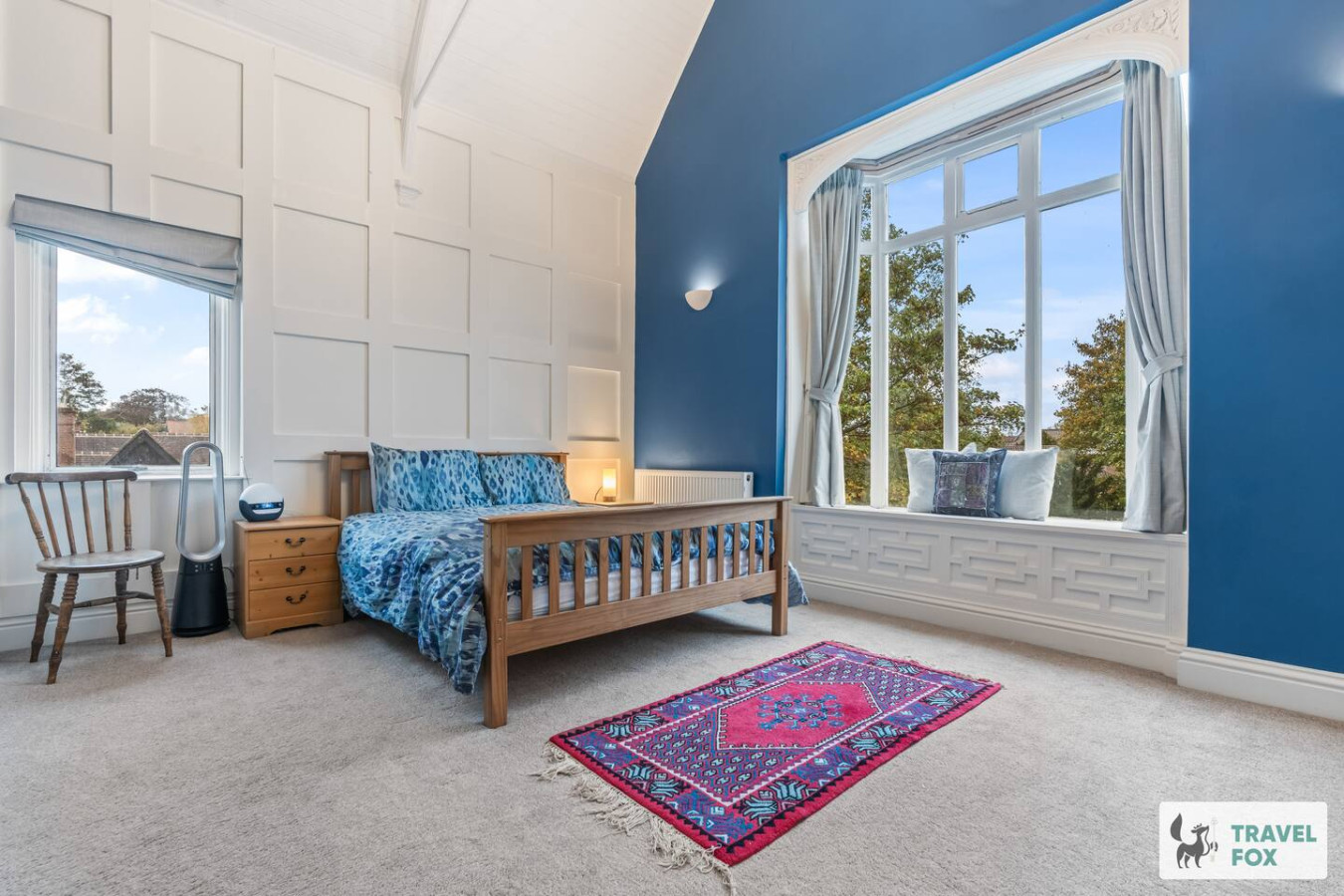
Leicester
Rachel's House with Parking!
- Sleeps 12
- 4 bedrooms
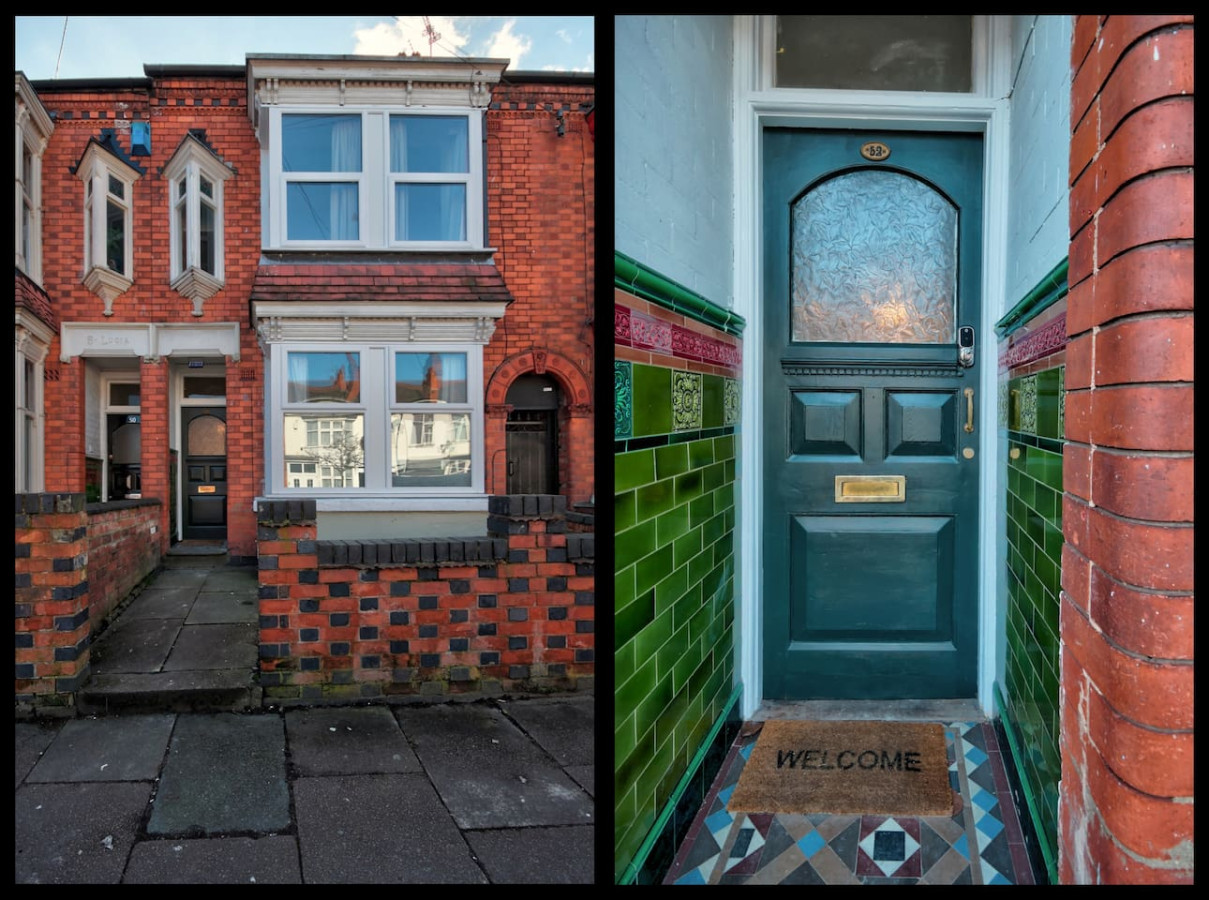
Leicester
Upperton House - Central 5 Bedroom
- Sleeps 9
- 5 bedrooms
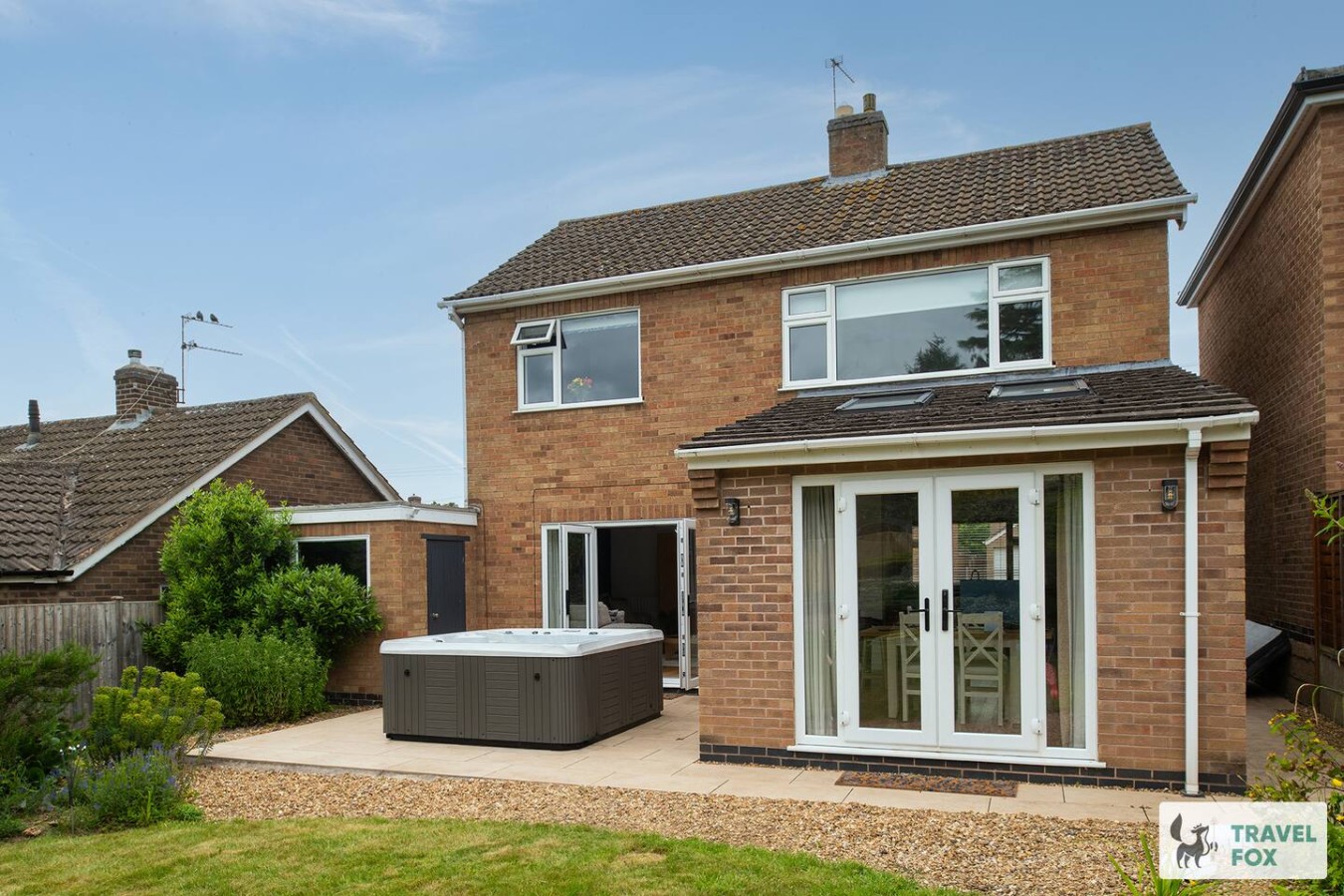
Rearsby
Vanessa's Haven - with hot tub and free parking for 3 cars!!
- Sleeps 5
- 3 bedrooms

Charnwood
UnPoplar House - Free in House Chris
- Sleeps 6
- 3 bedrooms
For homeowners
Own a holiday home near Wymondham?
We manage holiday lets across the UK from 12% commission, charged after cleaning costs, with no lock-in. A co-founder visits before you decide.
How our holiday let management works →
A guide with a point of view
Written from research. Edited for real journeys.
Use the Official site links for live practical details, then use this guide for context, ideas and room to explore.
Sources
Every place on this page is checked against a published source. Each entry links the record we used and names who publishes it.
- Wymondham Windmill — wymondhamwindmill.co.uk operator, sector body or destination organisation
- Wymondham Windmill Tearoom — discover-rutland.co.uk operator, sector body or destination organisation
- Woodland Trail at Wymondham Windmill — discover-rutland.co.uk operator, sector body or destination organisation
- Former Midland and Great Northern Joint Railway Route — discover-rutland.co.uk operator, sector body or destination organisation
- St Peter's Church — historicengland.org.uk statutory register or public authority