
High Leicestershire
Ab Kettleby
A small ironstone village north of Melton Mowbray, pairing home-cooked pub food with field-path walks and layers of history.
- Best for
- Home-cooked pub food and field-path walks
- Give it
- A relaxed half day
- Don't miss
- The Norman font and Everard Digby monument at St James
The Fox verdict
Pub comforts and open-country views
Ab Kettleby is a small village with a good dining pub, a history-rich church and walking routes into rolling agricultural country.
Come for home-cooked food at the Sugar Loaf, then give time to St James the Greater and the field paths leading into High Leicestershire. A listed telephone box adds one more small but distinctive piece of local history.
Where to go
Places in Ab Kettleby
Every place below is checked against a published source, listed with what it is and how long to give it.
Local signatures
3 placesSt James the Greater
A 13th-century church with a spire, Norman font and three bells, as well as a 1628 wall monument to Everard Digby.
- Visit length
- Editorial estimate: Allow around 45 minutes
- Locality
- in Ab Kettleby
Ab Kettleby Field Paths
Field-path routes cross the rolling High Leicestershire countryside, with views towards Beacon Hill and, reportedly on a clear day, Boston Stump.
- Visit length
- Editorial estimate: Allow around 2 hours
- Locality
- from the village into the agricultural landscape
Ab Kettleby Listed Telephone Box
A listed public telephone box, protected as an example of a rapidly disappearing piece of British street furniture.
- Visit length
- Editorial estimate: Allow around 15 minutes
- Locality
- in Ab Kettleby
Food & drink
1 placeThe Sugar Loaf
A village pub with a dining focus, home-cooked food and a large conservatory, plus a decking and garden area.
- Visit length
- Editorial estimate: Allow around 90 minutes
- Locality
- on the A606 Nottingham Road
Walks & outdoors
1 placeBeacon Hill
Beacon Hill in Charnwood Forest is a dependable distant landmark in the wide views from elevated ground near Ab Kettleby.
- Visit length
- Editorial estimate: Allow around 90 minutes
- Locality
- in Charnwood Forest
No places match this filter. Choose All places to reset the list.
Three ways to explore Ab Kettleby
Signature outings
Home-cooked pub favourites
The Sugar Loaf serves home-cooked food, including generously filled meat pies, hand-cut chips and sticky toffee pudding with custard.
Church stone and Roman ground
See the spire, Norman font and Digby monument at St James, above a churchyard where Roman mosaic tiles and pavement were discovered.
Beacon Hill on the horizon
Beacon Hill in Charnwood Forest is the dependable distant landmark in the wide views from elevated ground near Ab Kettleby.
The village story
Ab Kettleby Village Guide
A north Leicestershire village of hearty pub food, open-country walks and history layered from Roman ground to ironstone workings.
The Pub at the Heart of the Village
The Sugar Loaf sits on the A606 where it passes through Ab Kettleby, named after Sugarloaf Mountain in Rio de Janeiro, which is not the kind of reference you expect from a pub in north Leicestershire. It is probably seventeenth century in origin and looks it — stone walls, a conservatory bolted on the back, a decking area for when the weather cooperates. The food is home-cooked and the portions are not polite. Reviewers mention meat pies overflowing with filling, hand-cut chips made from actual potatoes, and sticky toffee pudding with custard. The belly pork and the ham and Stilton ploughman's both get mentioned often enough to suggest they're reliable. It's open seven days a week, noon to ten.
That is, essentially, the village's commercial offering. There are no specialist shops. Ab Kettleby has 529 people and a pub, and the pub is good, which is the right way round.
Field Paths, Views and Getting Here
The village sits three miles north of Melton Mowbray on gently rolling ironstone country — elevated ground with long views across the Wreake Valley. On a clear day you can supposedly see Boston Stump in Lincolnshire, which is forty-odd miles away and sounds improbable until you stand up here and realise there's nothing in the way. Beacon Hill in Charnwood Forest is the more reliable landmark. Walking routes run out across field paths in most directions, through the kind of quiet agricultural landscape where the main hazard is mud.
If you need a railway station, Melton Mowbray is the nearest. Bus services exist but are limited in the way that rural Leicestershire bus services tend to be limited.
Church Stone and Roman Ground
St James the Greater has a spire, a Norman font, and three bells, two of which have been ringing since 1653. There is a wall monument to Everard Digby, dated 1628, decorated with heraldic shields of the Digby and Sacheverell families and an inscription in verse. A kinsman of the same Digby family was involved in the Gunpowder Plot. The church closed in 2006 after subsurface problems — Roman remains beneath the churchyard were undermining the foundations — and didn't reopen until 2013, after the village raised the money itself.
Those Roman remains are worth a sentence. Mosaic tiles and pavement were uncovered during a burial in the 1930s, strong evidence of a villa complex directly beneath the churchyard. The pattern is common enough — a Christian church planted on a Roman site — but knowing it's there, under your feet, changes the way the place feels.
From Chetelbi to the Ironstone Years
The Domesday surveyors recorded the village as Chetelbi in 1086: Ketil's homestead, from the Old Norse. The "Ab" was tacked on later, after a subsequent landowner, to avoid confusion with Eye Kettleby down the road. The whole settlement amounted to about nine households — seven villagers, six freemen, four smallholders — placing it in the smallest forty per cent of recorded communities. It has not, in fairness, grown enormously since.
From the 1870s to the 1960s, iron ore was extracted from the land around Ab Kettleby, Holwell, and Wartnaby, carried out on mineral railways. The landscape still shows traces if you know what to look for.
A Champion Horse and a Listed Kiosk
The village's most famous resident was a horse. Desert Orchid, the grey steeplechaser who won the Cheltenham Gold Cup in 1989, spent his summers here with the Burridge family — quiet rest between racing campaigns. There is also a listed telephone box, which is a protected example of a rapidly disappearing piece of British street furniture. Between the horse and the phone box, the village has its monuments.
Stay around Leicestershire
Make a longer stay of it
Travel Fox holiday homes around Leicestershire, linked directly to their property pages.
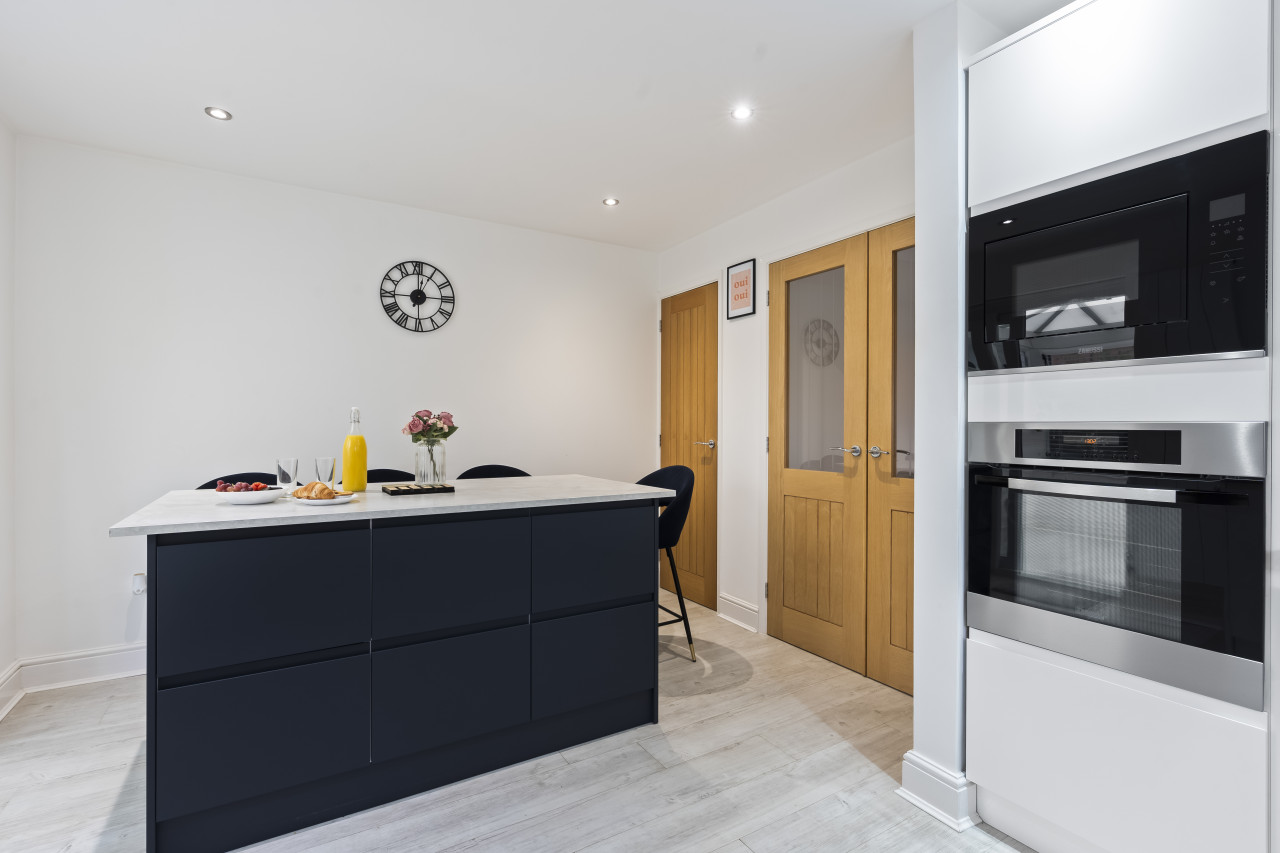
Syston
Tilly's Townhouse with Parking
- Sleeps 4
- 2 bedrooms
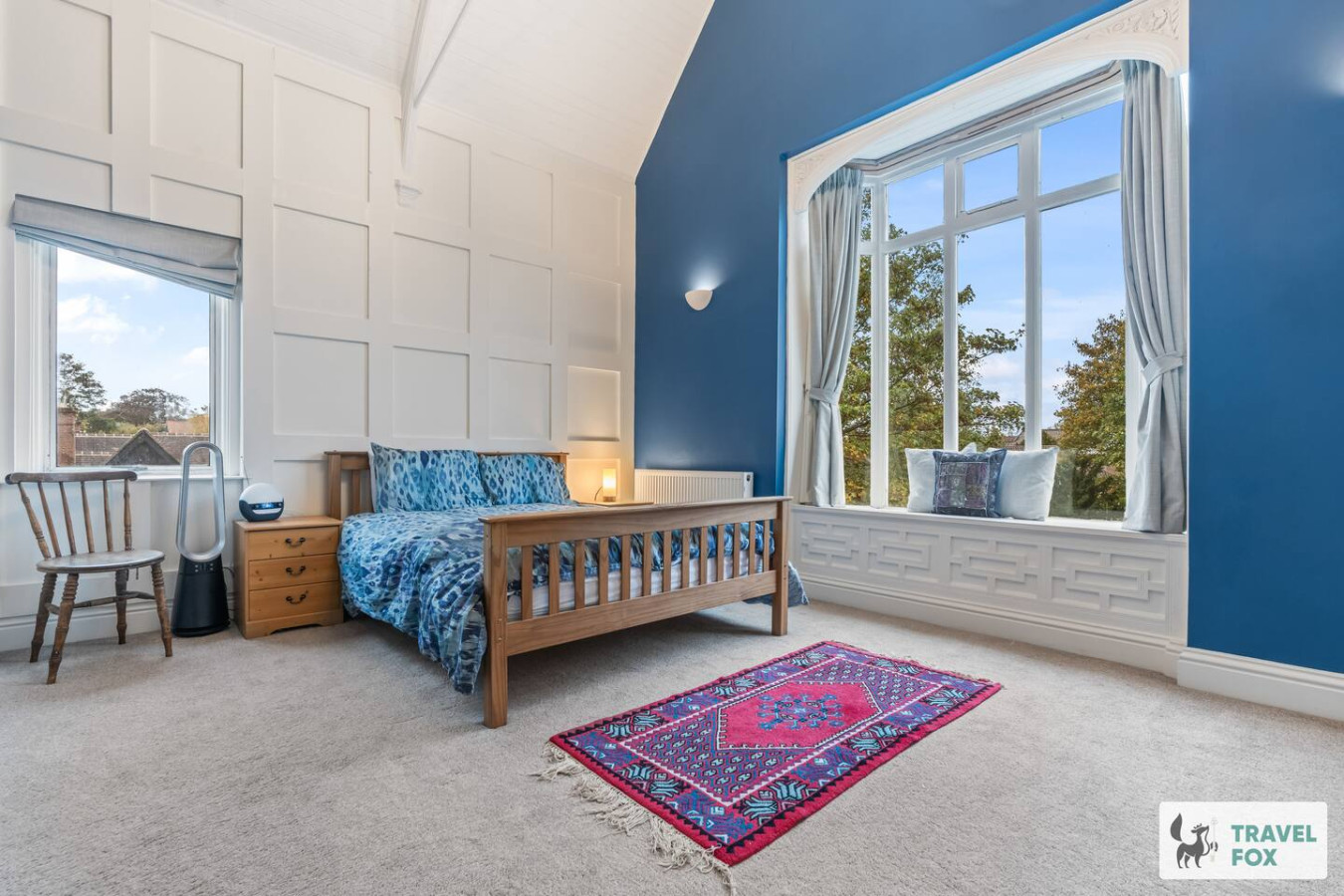
Leicester
Rachel's House with Parking!
- Sleeps 12
- 4 bedrooms
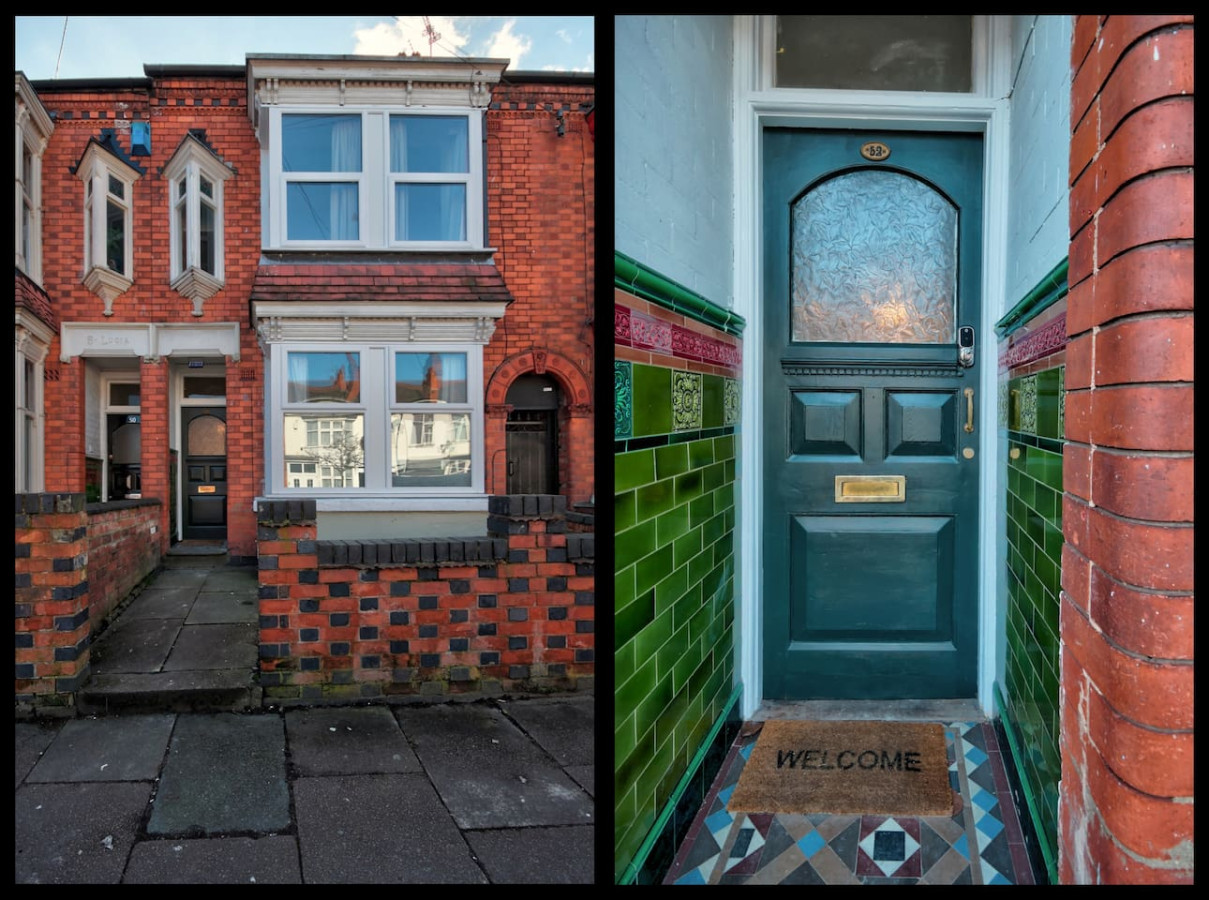
Leicester
Upperton House - Central 5 Bedroom
- Sleeps 9
- 5 bedrooms
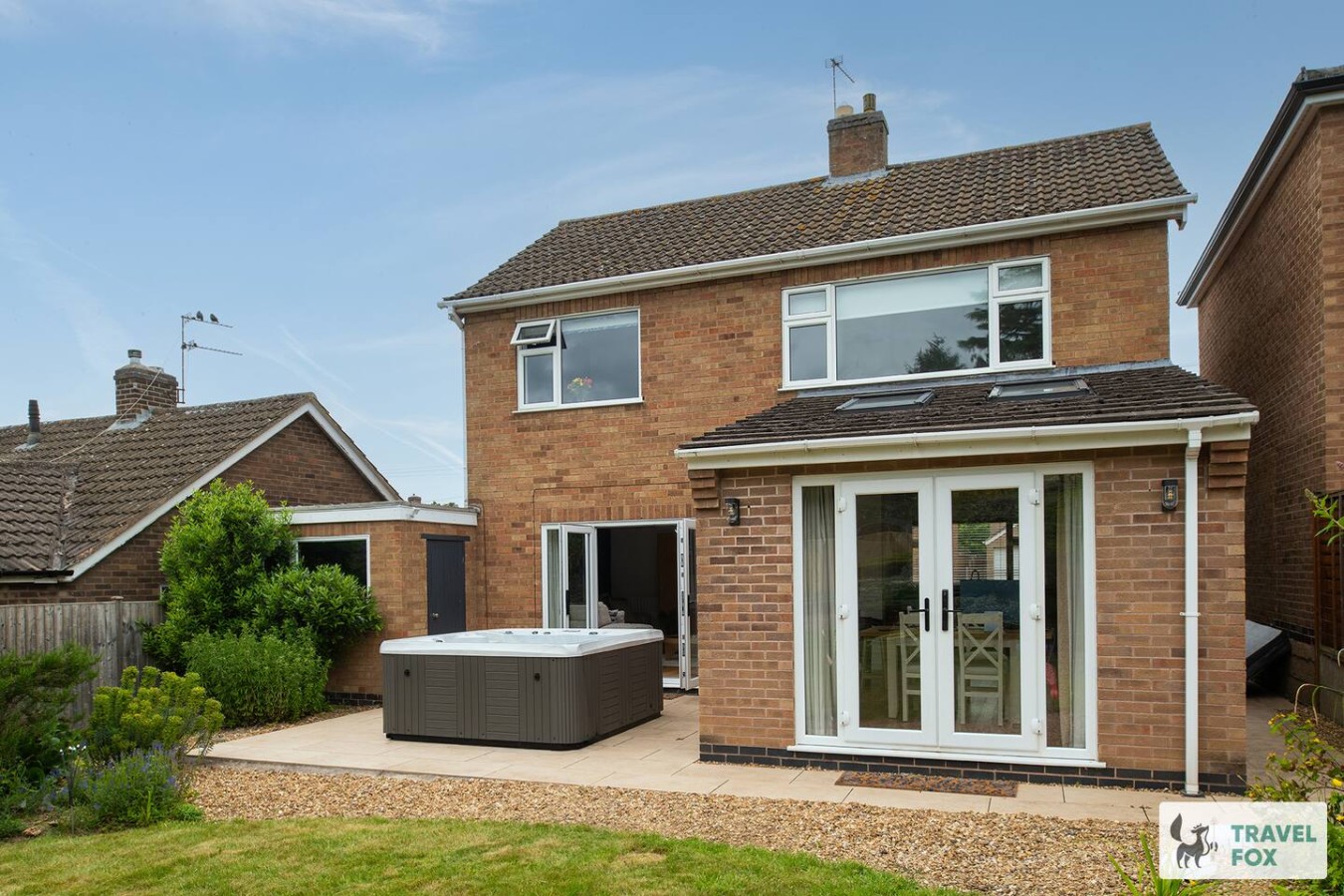
Rearsby
Vanessa's Haven - with hot tub and free parking for 3 cars!!
- Sleeps 5
- 3 bedrooms

Charnwood
UnPoplar House - Free in House Chris
- Sleeps 6
- 3 bedrooms
For homeowners
Own a holiday home near Ab Kettleby?
We manage holiday lets across the UK from 12% commission, charged after cleaning costs, with no lock-in. A co-founder visits before you decide.
How our holiday let management works →
A guide with a point of view
Written from research. Edited for real journeys.
Use the Official site links for live practical details, then use this guide for context, ideas and room to explore.
Sources
Every place on this page is checked against a published source. Each entry links the record we used and names who publishes it.
- The Sugar Loaf — licensing.melton.gov.uk statutory register or public authority
- St James the Greater — historicengland.org.uk statutory register or public authority record not machine-readable; publisher restricts automated access
- Ab Kettleby Field Paths — ramblers.org.uk operator, sector body or destination organisation record not machine-readable; publisher restricts automated access
- Ab Kettleby Listed Telephone Box — historicengland.org.uk statutory register or public authority record not machine-readable; publisher restricts automated access
- Beacon Hill — leicestershire.gov.uk statutory register or public authority record not machine-readable; publisher restricts automated access