
Bridges, brook and parkland
Anstey
A Leicestershire village where two ancient crossings, a medieval church tower and Bradgate Park bring several centuries into one visit.
- Best for
- Medieval crossings and Bradgate Park walks
- Give it
- A morning in Bradgate Park
- Don't miss
- The Packhorse Bridge on The Lower Green
The Fox verdict
Two ancient crossings beside 830 acres of parkland
Anstey pairs a surviving packhorse bridge and medieval church tower with direct access to Bradgate Park.
The Lower Green bridge dates to around 1500, St Mary's retains its fourteenth- or fifteenth-century tower, and Bradgate Park holds the ruins of Bradgate House and the Old John folly.
Where to go
Places in Anstey
Every place below is checked against a published source, listed with what it is and how long to give it.
Local signatures
3 placesKing William's Bridge
One of two ancient packhorse bridges surviving in Anstey, King William's Bridge crosses Rothley Brook.
- Visit length
- Editorial estimate: allow around 20 minutes
- Locality
- spanning Rothley Brook
St Mary's Church
A Grade II-listed church with a fourteenth- or fifteenth-century three-stage tower; its churchyard contains the remains of a fifteenth-century preaching cross.
- Visit length
- Editorial estimate: allow around 30 minutes
- Locality
- Anstey
The Bradgate
A country pub serving pub classics, sandwiches, sharing platters, stone-baked pizzas and Sunday roasts, with vegan and gluten-free options.
- Visit length
- Editorial estimate: allow around 75 minutes
- Locality
- Newtown Linford
Food & drink
1 placeThe Crown Inn
A lively community pub with pub food, real ale, a beer garden, WiFi and Sky Sports; children and dogs are welcome.
- Visit length
- Editorial estimate: allow around 75 minutes
- Locality
- 148 Bradgate Road, Anstey, LE7 7FB
- Access
- Dog and child friendly; disabled access is noted.
Walks & outdoors
1 placeBradgate Park
An 830-acre medieval hunting ground and deer park containing the ruins of Bradgate House, the Old John folly and walking routes towards Beacon Hill and Swithland Wood.
- Visit length
- Editorial estimate: allow around 180 minutes
- Locality
- Bradgate Park, northwest of Anstey
- Access
- Free to enter.
History & heritage
1 placeAnstey Packhorse Bridge
Dating to around 1500, this well-preserved packhorse bridge carried the original road from Leicester across Rothley Brook without using the ford.
- Visit length
- Editorial estimate: allow around 20 minutes
- Locality
- The Lower Green
No places match this filter. Choose All places to reset the list.
Three ways to explore Anstey
Signature outings
The Lower Green bridge
Walk over the bridge built around 1500 to carry the original road from Leicester across Rothley Brook without using the ford.
Bradgate Park on foot
Explore Bradgate Park's walking paths to Old John and the ruins of Bradgate House within the medieval deer park.
The Crown's many lanes
Choose from wings, pizza, burgers or a Sunday roast at a village pub with real ale, a beer garden and a welcome for children and dogs.
The village story
Anstey Village Guide
Follow Rothley Brook between ancient crossings, then look outward to Bradgate Park and back through Anstey's making-and-breaking history.
The Bridge That Outlasted the Ford
The packhorse bridge on The Lower Green is still there. Five centuries of feet, hooves, and weather, and the thing stands over Rothley Brook as if it has nowhere else to be. It dates to around 1500, built on the original road from Leicester so travellers could cross without wading the ford — which, remarkably, remained in use until after the First World War. Some people preferred wet feet, apparently.
Anstey sits on Leicester's northern fringe, with Bradgate Park's deer and ruins beyond the village to the northwest. The A46 runs to the south. There is no railway station. The number 74 bus connects to Leicester city centre, and that is your lot for public transport.
Two Pubs, Two Personalities
The Crown Inn on Bradgate Road is the sort of pub that picks a lane and then picks three more. Buffalo chicken wings come in Bull's Eye Original BBQ, Hoisin, or Spicy Firecracker sauce. There's macaroni cheese in crispy crumb with BBQ sauce and dressed salad. Mondays are two-for-one burgers, Tuesdays two-for-one pizzas, Wednesdays and Thursdays two-for-one cocktails, and Fridays half-price prosecco and gin. Dogs are welcome. Children are welcome. There is a beer garden, real ale, Sky Sports, and WiFi. Food runs from noon to nine daily.
The Bradgate, in nearby Newtown Linford about 2.2 miles from Anstey in a straight line, takes its name from the park and plays it straighter — stone-baked pizzas, Sunday roasts, pub classics, with fresh local produce and vegan and gluten-free options. It serves seven days a week.
Bradgate Park and St Mary's
Bradgate Park itself is free to enter and hard to leave. An 830-acre medieval deer park, it contains the ruins of Bradgate House, ancestral home of Lady Jane Grey, who was queen of England for nine days. The Old John folly tower sits on the high ground, visible from half the county. Walking routes climb to Beacon Hill or wind through into Swithland Wood. You could spend a morning. You could spend a week of mornings.
St Mary's Church has a medieval tower from the fourteenth or fifteenth century, three stages with gargoyles and battlements. The rest was rebuilt in 1846. The churchyard holds the remains of a fifteenth-century preaching cross — socket stone and part of the shaft — which has its own Grade II listing. Until 1867, Anstey wasn't even a proper parish; it was a chapel annexed to Thurcaston.
From Hanstige to Ned Ludd
The Domesday Book records the village under Hugh de Grandmesnil. The name comes from the Old English "Hanstige," meaning a narrow forest track, which tells you what this place looked like before anyone built on it.
Anstey is also, by long tradition, the birthplace of Ned Ludd — the man, possibly imaginary, who smashed two stocking frames in 1779 and gave his name to an entire movement. No documentary evidence of him survives, but the village has Ned Ludd Close, and by 1845 three hundred of its residents were framework knitters themselves. The first boot and shoe manufacturer arrived in 1863. The village has always made things, or broken them.
Rothley Brook's Second Crossing
Rothley Brook still runs through the lower part of the village, under both the packhorse bridge and King William's Bridge. Two medieval crossings in one village. Most places would be pleased with one.
Stay around Leicestershire
Make a longer stay of it
Travel Fox holiday homes around Leicestershire, linked directly to their property pages.
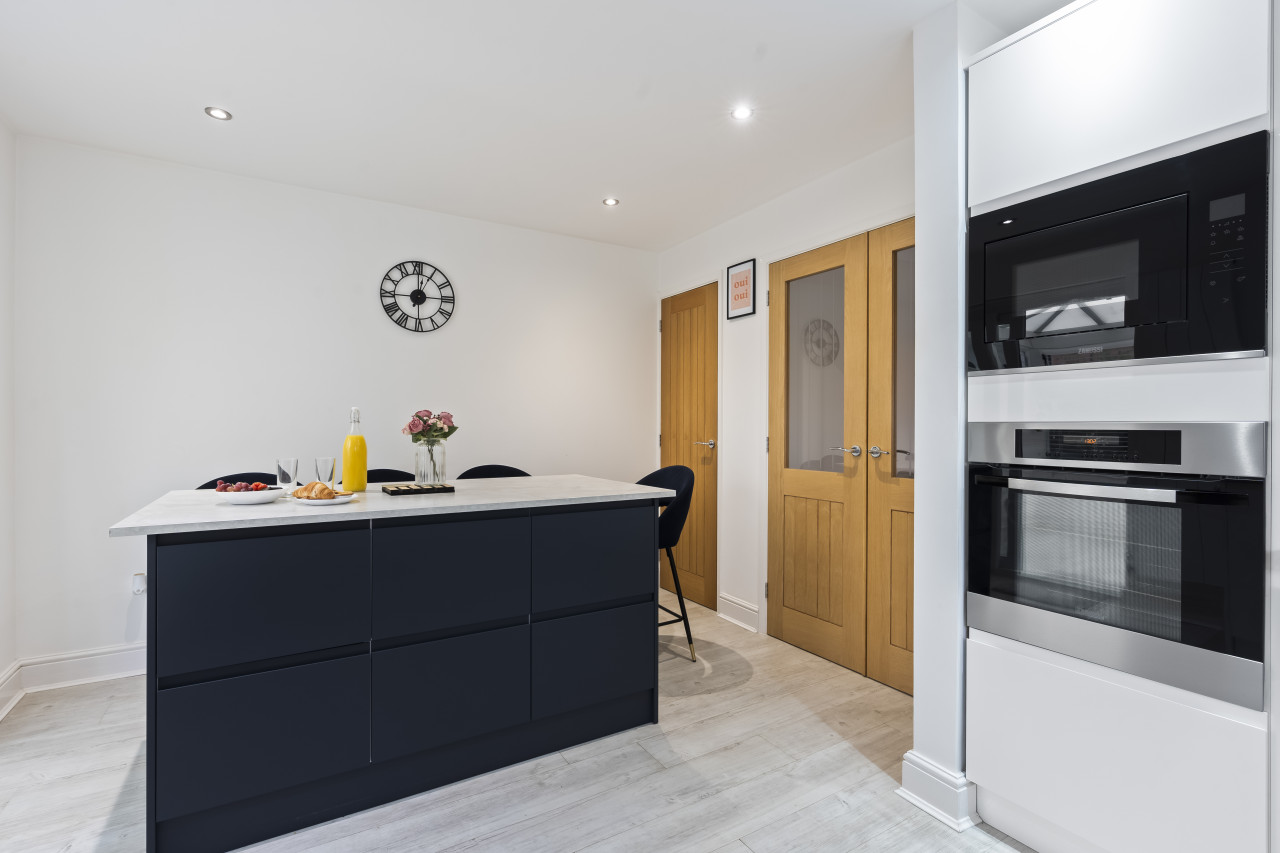
Syston
Tilly's Townhouse with Parking
- Sleeps 4
- 2 bedrooms
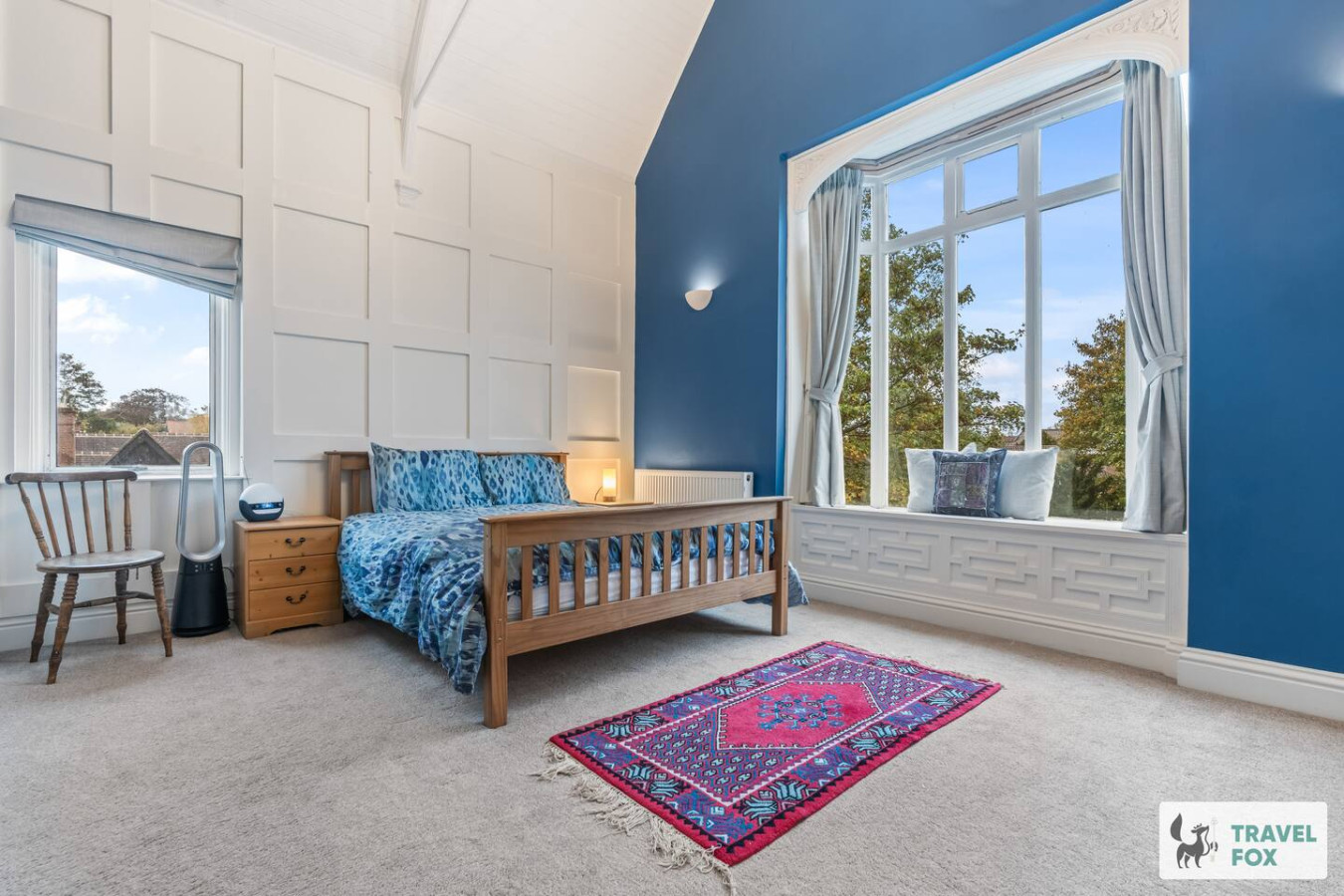
Leicester
Rachel's House with Parking!
- Sleeps 12
- 4 bedrooms
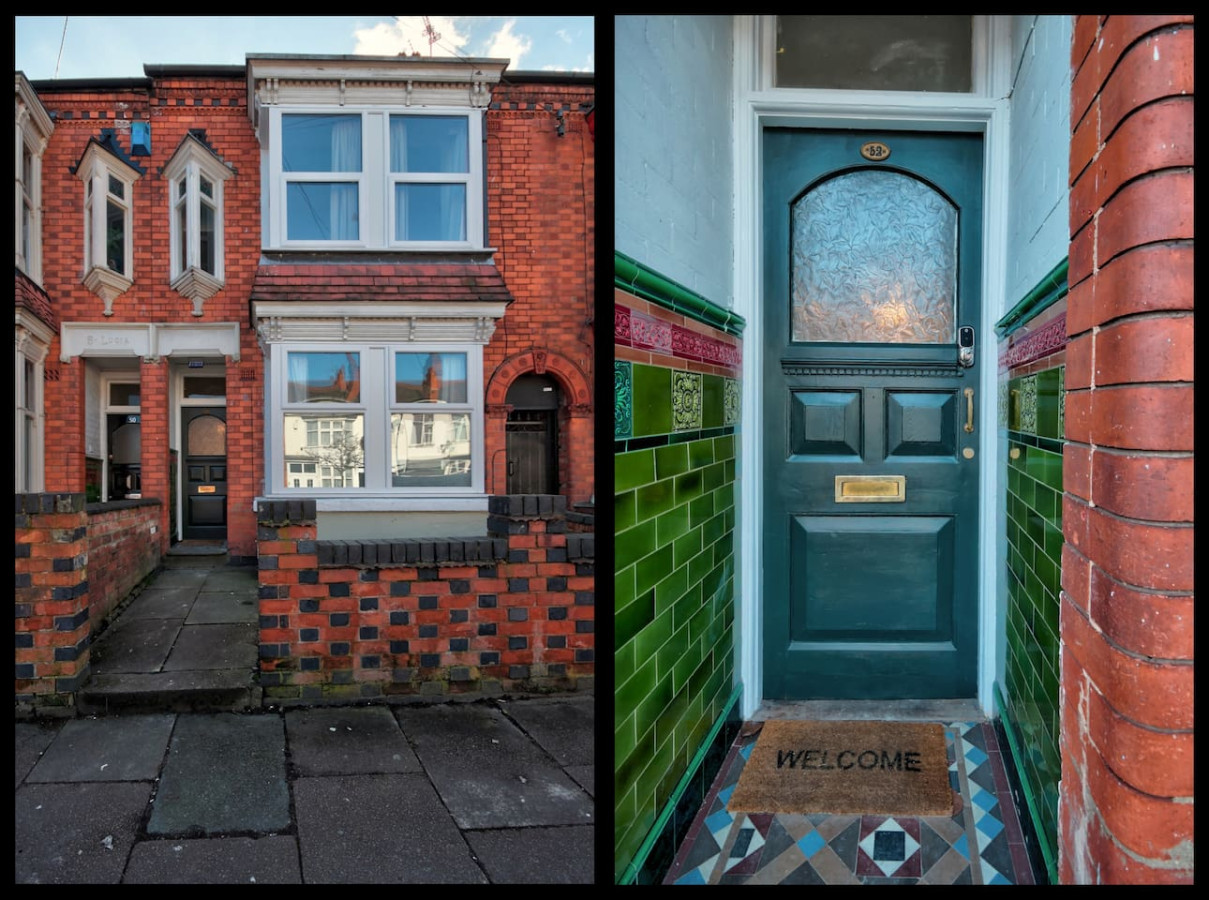
Leicester
Upperton House - Central 5 Bedroom
- Sleeps 9
- 5 bedrooms
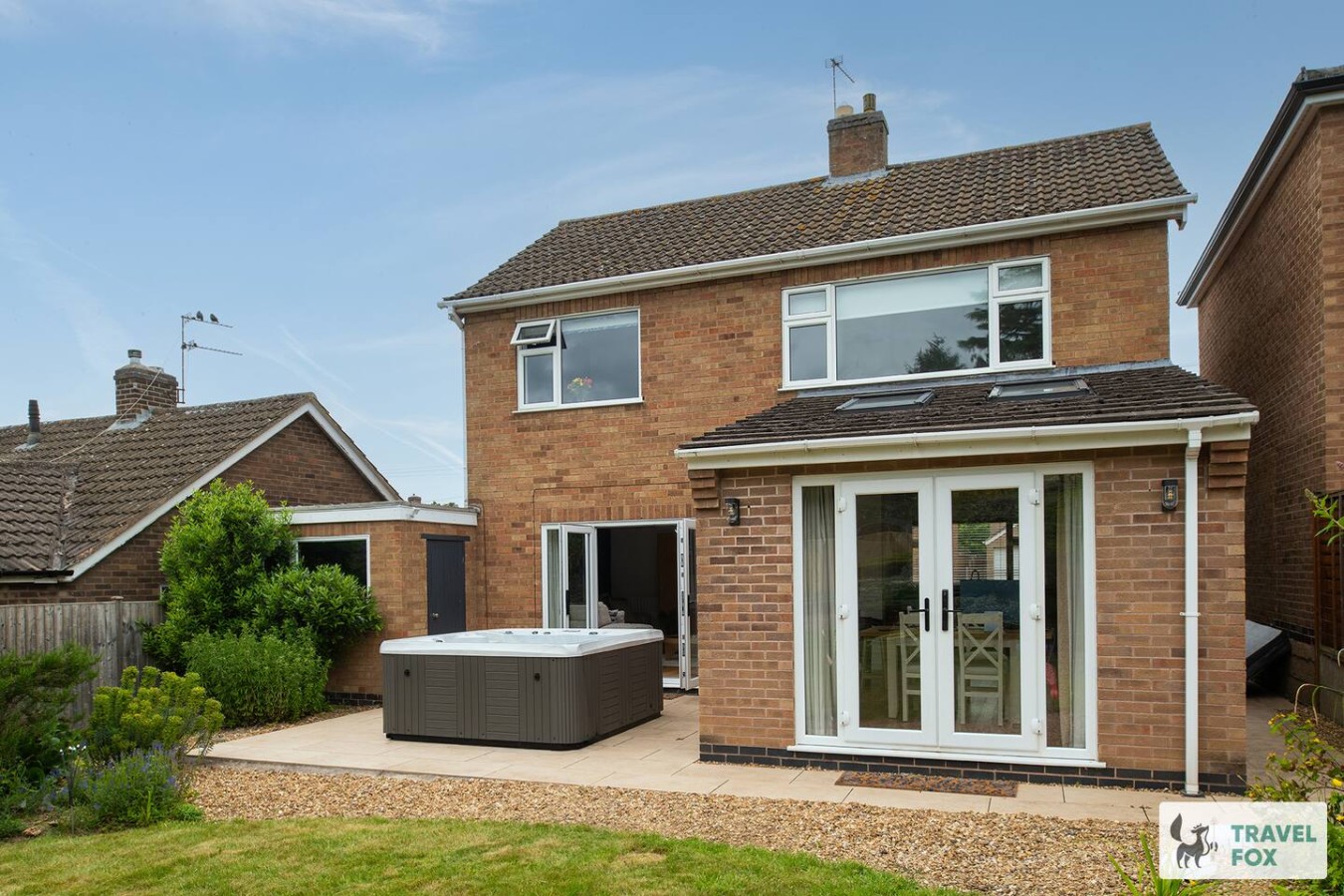
Rearsby
Vanessa's Haven - with hot tub and free parking for 3 cars!!
- Sleeps 5
- 3 bedrooms

Charnwood
UnPoplar House - Free in House Chris
- Sleeps 6
- 3 bedrooms
For homeowners
Own a holiday home near Anstey?
We manage holiday lets across the UK from 12% commission, charged after cleaning costs, with no lock-in. A co-founder visits before you decide.
How our holiday let management works →
A guide with a point of view
Written from research. Edited for real journeys.
Use the Official site links for live practical details, then use this guide for context, ideas and room to explore.
Sources
Every place on this page is checked against a published source. Each entry links the record we used and names who publishes it.
- Anstey Packhorse Bridge — historicengland.org.uk statutory register or public authority record not machine-readable; publisher restricts automated access
- King William's Bridge — historicengland.org.uk statutory register or public authority record not machine-readable; publisher restricts automated access
- St Mary's Church — historicengland.org.uk statutory register or public authority record not machine-readable; publisher restricts automated access
- The Crown Inn — crownanstey.co.uk operator, sector body or destination organisation
- The Bradgate — thebradgate.co.uk operator, sector body or destination organisation
- Bradgate Park — bradgatepark.org operator, sector body or destination organisation