
Stream, fields and long memory
Appleby Magna
A village of medieval field patterns, layered church history and a one-room local, with National Forest walking nearby.
- Best for
- Parish walking, church history and a traditional village local
- Give it
- A half day, or longer with nearby Sence Valley Forest Park
- Don't miss
- The published Appleby Magna parish walk from Mawby's Lane
The Fox verdict
A village best read in layers
Follow the parish walk through Top Street and Church Street, then take in the war memorial and surviving medieval field patterns.
The county's Appleby Magna circular walk starts off Mawby's Lane and returns by St Michael's Church. Make time for the Crown, or add woodland and lakeside walking at Sence Valley Forest Park.
Where to go
Places in Appleby Magna
Every place below is checked against a published source, listed with what it is and how long to give it.
Local signatures
3 placesAppleby Magna War Memorial, Church Street
A Grade II listed granite Celtic cross unveiled in 1920, commemorating local losses in the First and Second World Wars and in Cyprus.
- Visit length
- Editorial estimate: Allow around 15 minutes
- Locality
- St Michael's Churchyard extension, Church Street
St Michael and All Angels
This Grade II* church has mainly 14th-century stonework, a 14th-century alabaster tomb and a 19th-century west gallery with box pews.
- Visit length
- Editorial estimate: Allow around 45 minutes
- Locality
- next to The Crown Inn
Sence Valley Forest Park
Part of the National Forest, with short walks around a lake through mixed woodland.
- Visit length
- Editorial estimate: Allow around 90 minutes
- Locality
- Sence Valley, near Ibstock
Food & drink
2 placesThe Crown Inn
A traditional one-room village local with a real fire, Marston's Pedigree, two rotating guest ales, a large beer garden and a dog-friendly welcome.
- Visit length
- Editorial estimate: Allow around 60 minutes
- Locality
- 23 Church Street, Appleby Magna, DE12 7BB
The Black Horse Inn
A traditional two-room pub in a Grade II listed building of 17th-century origin, with seating in a small courtyard.
- Visit length
- Editorial estimate: Allow around 45 minutes
- Locality
- 2 Top Street, Appleby Magna, DE12 7AH
No places match this filter. Choose All places to reset the list.
Three ways to explore Appleby Magna
Signature outings
Ales by the real fire
At the Crown, dominoes, darts and pool add to the social life around the bar; the Pigeon Club meets here too.
The Black Horse's long story
Pause at the Black Horse on Top Street, a two-room pub in a Grade II listed building of 17th-century origin with a small courtyard.
Chapel to medieval nave
Trace the older de Appleby Chapel, which may date to around 1300, then look for its alabaster effigies and the church's later west gallery and box pews.
The village story
Appleby Magna Between the Moat and the Fields
Pubs, parish paths and deep layers of village history beside the stream.
Village bearings and the Crown
Begin at the 1920 Appleby Magna War Memorial in the Church Street cemetery opposite the churchyard. The granite Celtic cross commemorates local losses in both world wars and in Cyprus. Footpaths beyond the village lead towards pasture where medieval ridge and furrow survives.
The Crown Inn is a one-room village local beside the church, with a real fire, Marston's Pedigree and two changing guest ales. It has a large garden and welcomes dogs; cobs are served at weekends, with occasional pop-up pizza nights. Dominoes, darts, pool and the Pigeon Club give it a social life beyond the bar.
Pubs and sacred history
The Black Horse stands at 2 Top Street in a timber-framed building of 17th-century origin. The Appleby Inn is in nearby Appleby Parva.
St Michael and All Angels is Grade II* listed, with stonework mainly from the 14th century and an 1837 west gallery with box pews. The older de Appleby Chapel may date to around 1300; its alabaster effigies mark the tombs of Sir Edmund de Appleby and Dame Joan.
Parish paths and the medieval manor
For a village walk, follow the county's Appleby Magna circular route from Mawby's Lane, then through Top Street, Church Street and field paths. For a longer outing, Sence Valley Forest Park is about 5.5 miles from Appleby Magna in a straight line, with a longer road journey; it has woodland trails and a short loop around Horseshoe Lake.
The Moat House brings the village's medieval history into focus. Its stone gatehouse dates to the 15th century; a 16th-century timber-framed hall stands behind it. The parish walk passes the site on a public footpath.
Wren's school and village origins
Sir John Moore, a London merchant who became Lord Mayor, commissioned Christopher Wren to prepare drawings for an Appleby school. Local architect William Wilson took over the work, and the school opened in 1697. Its Grade I listed building now houses the village primary school and community spaces.
Appleby's name combines Old English 'aepel' for apple tree and Old Danish 'by' for village. Domesday records the settlement as Aplebi, and the parish once crossed the Derbyshire–Leicestershire boundary. Orchards remained in the village centre until the 1960s.
Arriving and last light
The M42's Junction 11 is close to Appleby Magna. FoxConnect Zone 9 and the 19A serve the settlement, and FoxConnect journeys can be booked by app or phone.
After the field-path leg, the loop returns to the church. Follow the road in front of it, then turn right at the junction to complete the walk.
Stay around Leicestershire
Make a longer stay of it
Travel Fox holiday homes around Leicestershire, linked directly to their property pages.
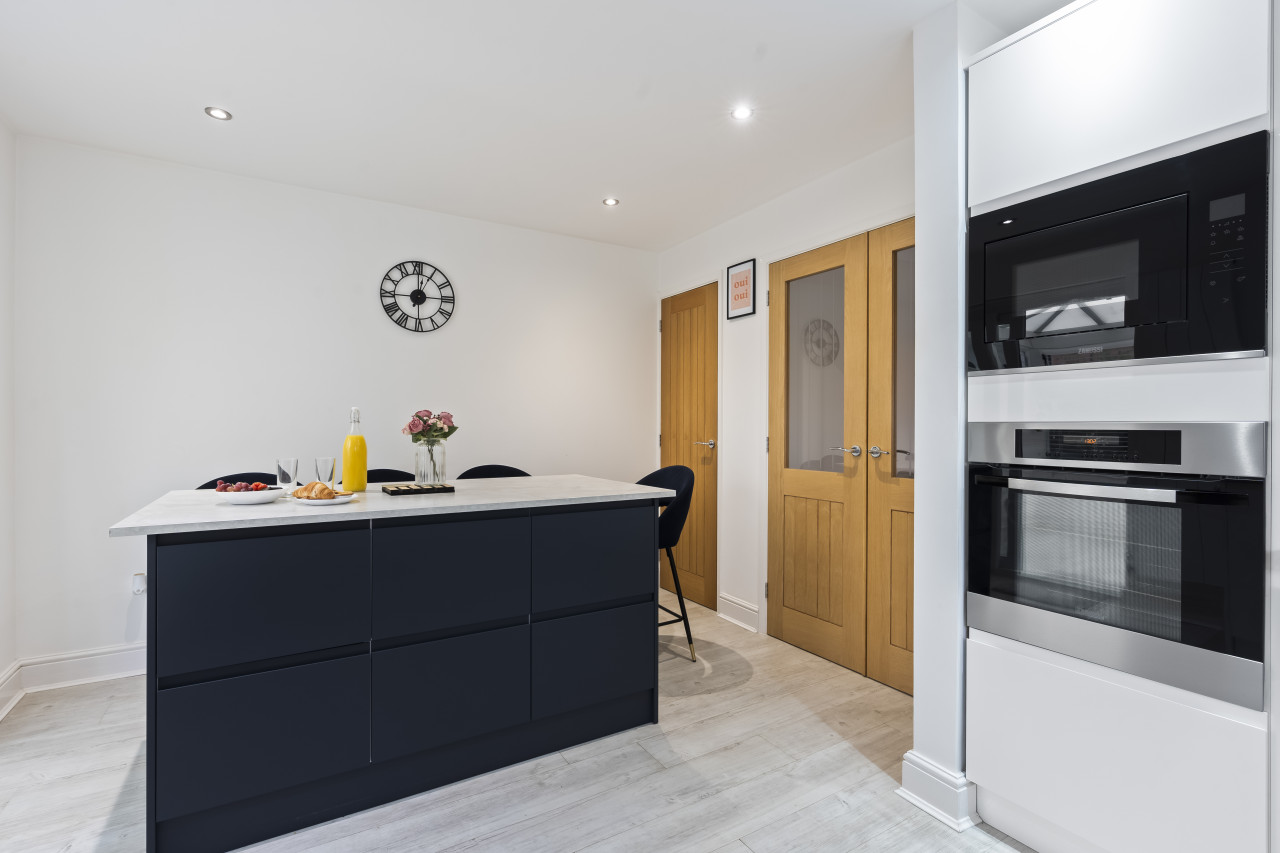
Syston
Tilly's Townhouse with Parking
- Sleeps 4
- 2 bedrooms
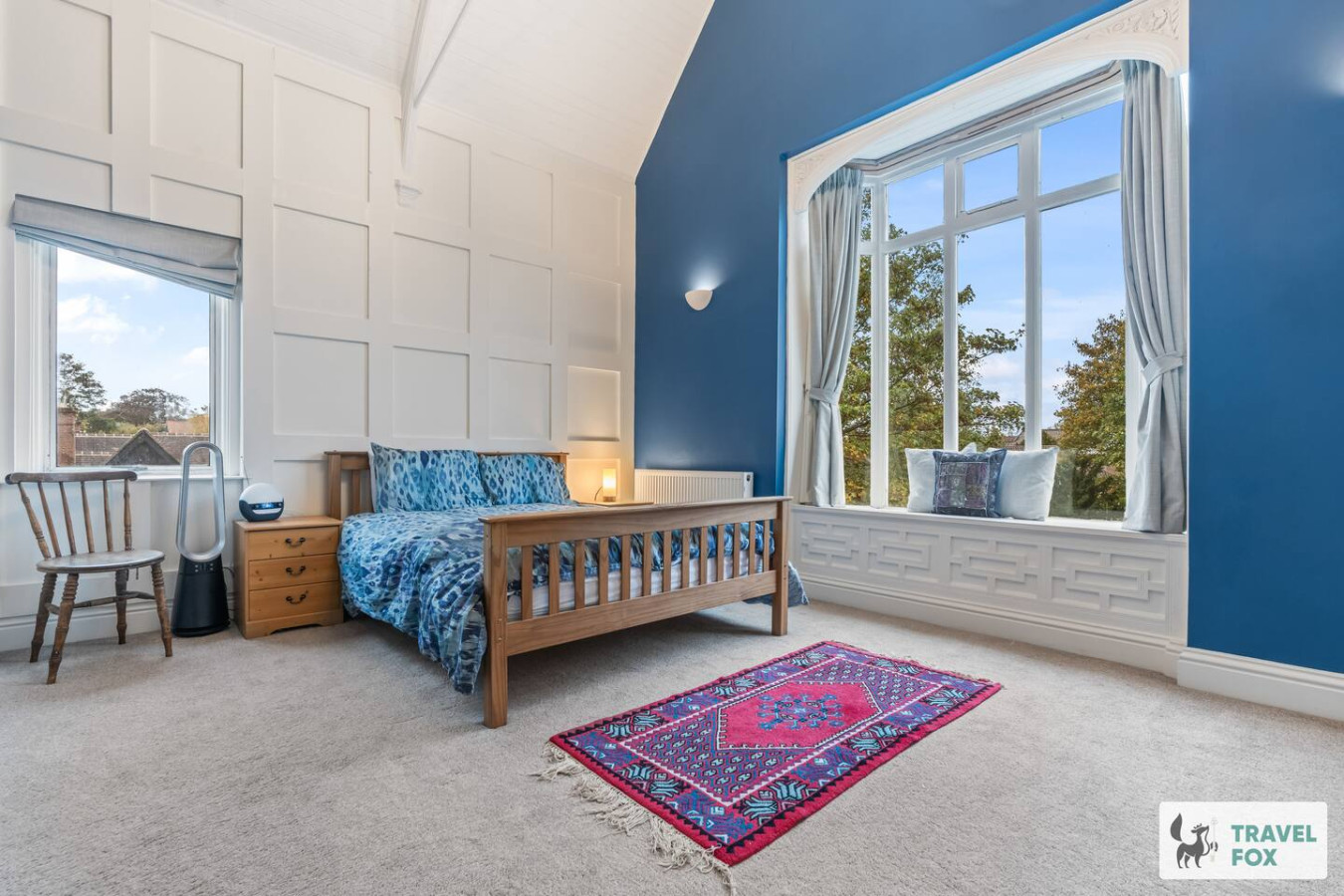
Leicester
Rachel's House with Parking!
- Sleeps 12
- 4 bedrooms
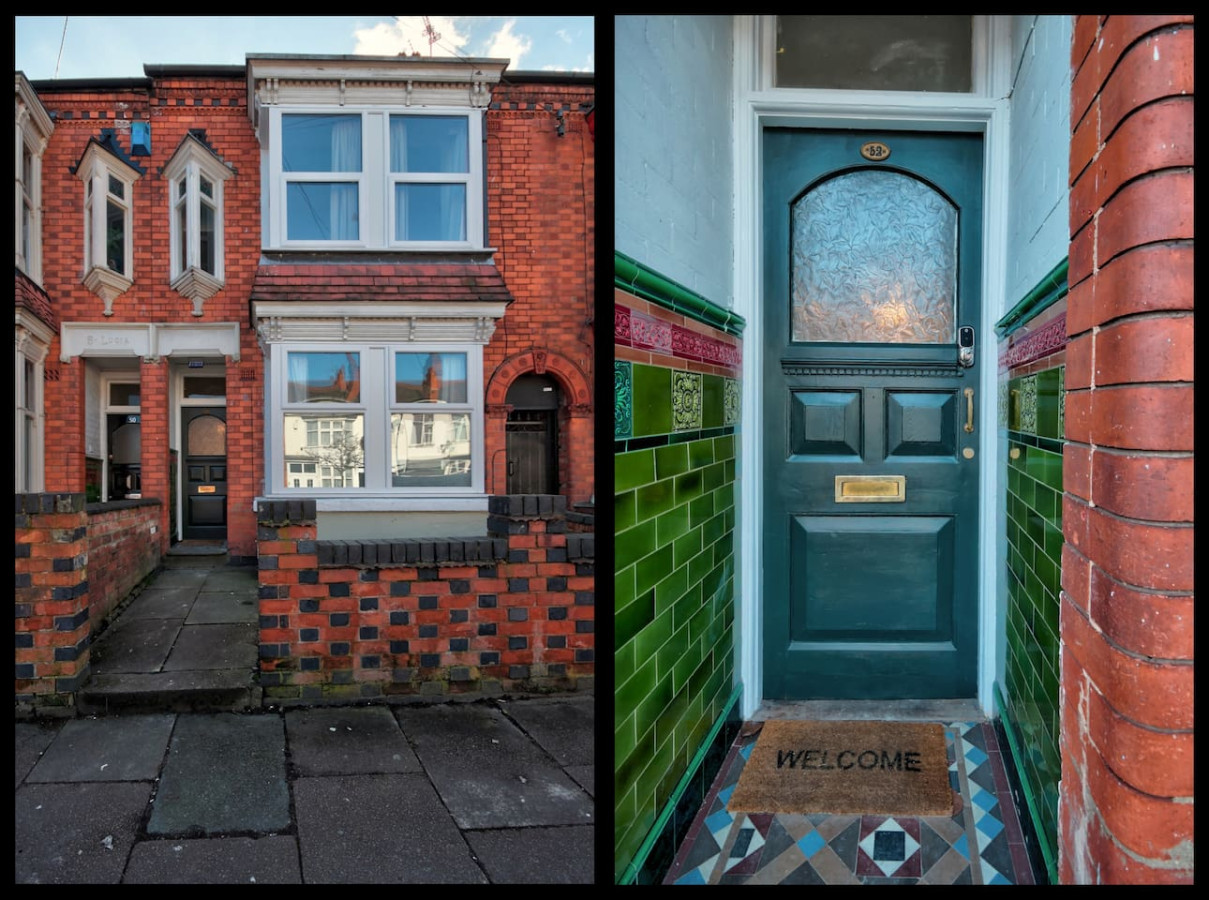
Leicester
Upperton House - Central 5 Bedroom
- Sleeps 9
- 5 bedrooms
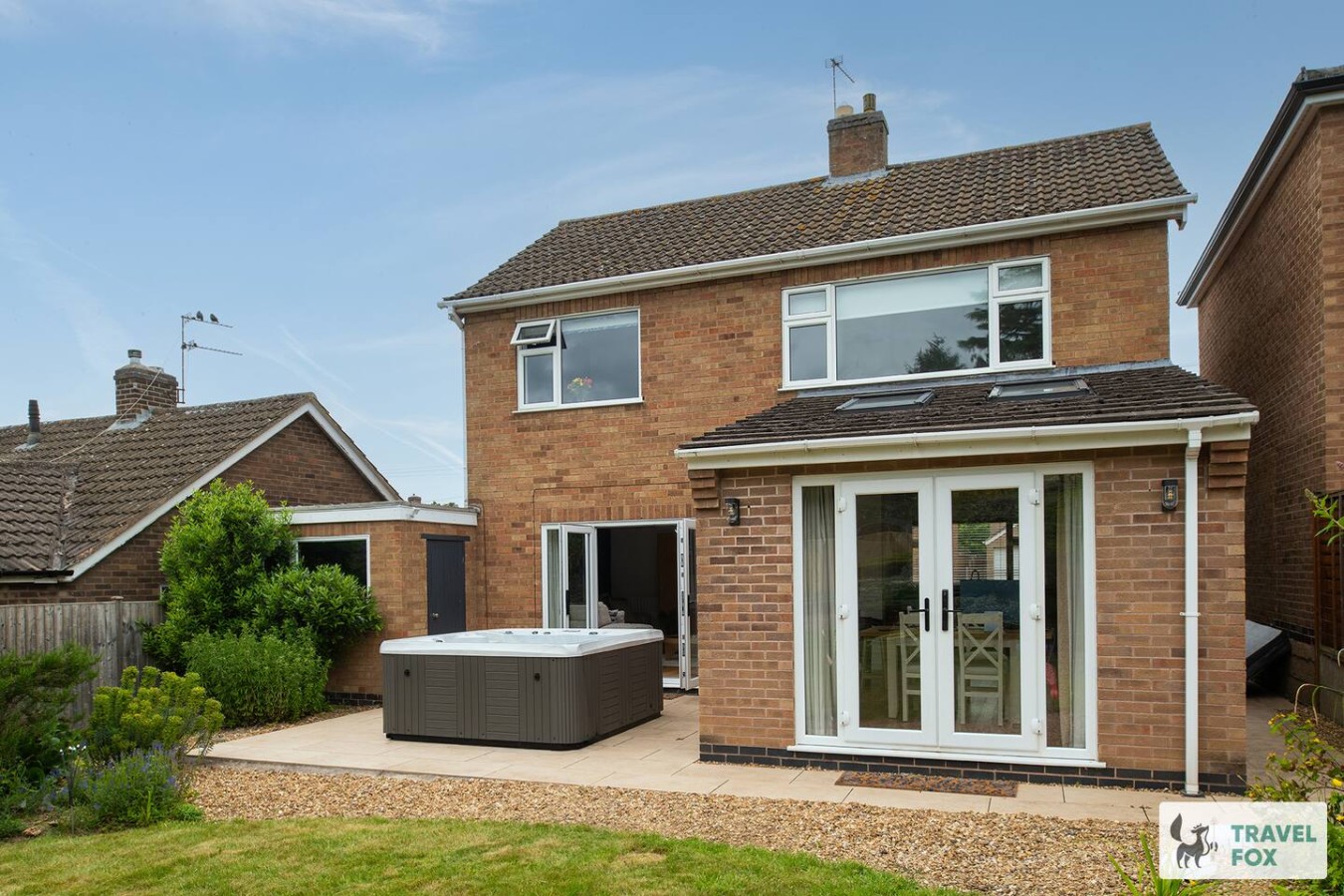
Rearsby
Vanessa's Haven - with hot tub and free parking for 3 cars!!
- Sleeps 5
- 3 bedrooms

Charnwood
UnPoplar House - Free in House Chris
- Sleeps 6
- 3 bedrooms
For homeowners
Own a holiday home near Appleby Magna?
We manage holiday lets across the UK from 12% commission, charged after cleaning costs, with no lock-in. A co-founder visits before you decide.
How our holiday let management works →
A guide with a point of view
Written from research. Edited for real journeys.
Use the Official site links for live practical details, then use this guide for context, ideas and room to explore.
Sources
Every place on this page is checked against a published source. Each entry links the record we used and names who publishes it.
- Appleby Magna War Memorial, Church Street — historicengland.org.uk statutory register or public authority
- The Crown Inn — camra.org.uk operator, sector body or destination organisation
- St Michael and All Angels — historicengland.org.uk statutory register or public authority record not machine-readable; publisher restricts automated access
- Sence Valley Forest Park — forestryengland.uk national body or asset manager
- The Black Horse Inn — camra.org.uk operator, sector body or destination organisation