
Castle, market street and forest
Ashby de la Zouch
A compact market town where a slighted tower, an old coaching street and the regenerating National Forest shape the day.
- Best for
- Castle history, independent food and forest walks
- Give it
- A full day for the town and one nearby stop
- Don't miss
- The climb up Hastings Tower and views over Ashby
The Fox verdict
A market town with more than one reason to linger
Ashby pairs its castle and church with a notably strong run of independent food and drink, then opens onto National Forest trails.
Start with the Hastings story at the castle and St Helen's, take the Bath Grounds at an easier pace, then choose between Market Street's old pubs and the nearby walking, cycling and industrial-heritage sites.
Where to go
Places in Ashby de la Zouch
Every place below is checked against a published source, listed with what it is and how long to give it.
Local signatures
3 placesAshby de la Zouch Castle
Climb Hastings Tower for views over Ashby and explore the underground passage between the kitchen and tower.
- Visit length
- Editorial estimate: Allow around 1 hour 45 minutes
- Locality
- Ashby de la Zouch
- Access
- The tower and passage involve historic steps; wheelchair access is limited to the grounds.
Bath Grounds
Parkland laid out for spa visitors in the 1820s, with the Gilwiskaw Brook running through the town.
- Visit length
- Editorial estimate: Allow around 45 minutes
- Locality
- between the Royal Hotel and castle ruins
Hicks Lodge Trail Centre
Follow the approximately 2 km shared-use circuit around the lake on foot. The separate Shell Brook trail is for mountain bikes only.
- Visit length
- Editorial estimate: Allow around 45 minutes for the shared-use lake circuit
- Locality
- Willesley Woodside, near Moira
Food & drink
2 placesThe Bulls Head
One of Ashby's oldest pubs, with timber-framed walls and ceiling surviving in the snug and changing cask ales.
- Visit length
- Editorial estimate: Allow around 1 hour 15 minutes
- Locality
- 67 Market Street, LE65 1AH
The Tap at No. 76
An Elizabethan-era building serving up to six cask and keg beers, including the signature Ashby Pale.
- Visit length
- Editorial estimate: Allow around 1 hour
- Locality
- 76 Market Street, LE65 1AP
Walks & outdoors
1 placeNational Forest Way
A 75-mile route between the National Memorial Arboretum and Beacon Hill, with consecutive stages meeting at Ashby.
- Visit length
- Editorial estimate: Allow around 2 hours
- Locality
- Stage 4 ends at Ashby; Stage 5 leaves toward Ticknall and Calke Abbey
History & heritage
3 placesParish Church of St Helen
A church with a fourteenth-century core, Hastings family monuments, a rare finger pillory and ancient stained glass.
- Visit length
- Editorial estimate: Allow around 45 minutes
- Locality
- Ashby de la Zouch
Calke Abbey
The National Trust's 'un-stately home' preserves peeling paint and abandoned rooms that tell the story of a country house in decline.
- Visit length
- Editorial estimate: Allow around 1 hour 45 minutes
- Locality
- Calke Park, Derbyshire
- Access
- House admission is separate from park and garden admission.
Moira Furnace
A nineteenth-century blast furnace and museum beside the Ashby Canal, with takeaway refreshments from the museum shop and heritage boat trips on selected dates.
- Visit length
- Editorial estimate: Allow around 1 hour 15 minutes
- Locality
- Moira, Leicestershire
No places match this filter. Choose All places to reset the list.
Three ways to explore Ashby de la Zouch
Signature outings
Lord Hastings's unfinished castle
See how Lord Hastings turned a manor into a status symbol, then trace how Scott's Ivanhoe brought visitors back to its ruins.
The Hastings monuments
Find the Hastings Chapel, the alabaster tomb of the 2nd Earl of Huntingdon and the rare finger pillory at St Helen's.
A pint at No. 76
Try Ashby Pale in an Elizabethan-era building that now houses Tollgate Brewery's micropub.
The town story
Ashby de la Zouch: ale, ruins and a forest remade
Follow Ashby's old high street to Hastings's castle, the former spa grounds and paths through the National Forest.
An old high street still at work
The Bull's Head occupies a Grade II* listed sixteenth-century timber-framed building at 67 Market Street. Its exposed framing brings Ashby's older high street into view before the walk has properly begun.
Ashby de la Zouch is a market town in north-west Leicestershire where centuries of trade still show in the buildings along the old main street.
Market Street is the spine of the town and still works as a high street. W Taylor Butchers occupies number 8, while the covered Market Hall adds another place to browse. The historic sites south of the centre are close enough to shape the rest of a visit on foot.
The older buildings along Market Street make a clear route through the centre before turning towards the castle.
Ashby's independent taps and tables
The Tap at No. 76 occupies a Grade II listed former farmhouse on Market Street. Now a Tollgate Brewery micropub, it serves real ales and ciders, with pork pies at the bar.
At 106B Market Street, Brew is a bottle shop and tap room with street-food pop-ups and acoustic sessions. Its changing selection gives the high street another independent drinking stop.
Further along Market Street, the White Hart adds a seventeenth-century coaching inn to the town's pub run. Its bear-in-the-cellar story remains part of its local identity, and dogs are welcome throughout.
At the bottom of Market Street, the Grade II listed Shoulder of Mutton has a terracotta mantelpiece around carved timber panels, traditionally attributed to French prisoners of war during the Napoleonic period. Ashby was a town where prisoners were held on parole. The inn appears in butcher Samuel Adams's 1757 will and remained in his family until 1838.
From Market Street to Hastings Tower
Walk south from Market Street and you reach Ashby de la Zouch Castle. Visitors can climb the 24-metre Hastings Tower and explore the underground passage between the kitchen and tower, probably made during the Civil War siege. Historic steps and uneven ground require care, and wheelchair access is limited to the grounds.
William, Lord Hastings began transforming the existing manor in 1472–73 and obtained a licence to fortify it in 1474. His great tower was designed as a self-contained residence within a much larger scheme that included a 3,000-acre hunting park. Hastings was executed in 1483 with only about half his grand design realised.
Mary, Queen of Scots was briefly held at Ashby in November 1569 under Henry Hastings, 3rd Earl of Huntingdon. Later generations of the family received James I in 1617 and Charles I with Henrietta Maria in 1634. During the Civil War the castle became a Royalist base; its garrison surrendered on 28 February 1646 and marched out with trumpets, drums and colours. Demolition of the defences was directed later that year. Hastings Tower was partly demolished in 1648, probably with gunpowder. The ruins are now in English Heritage's care.
Monuments, spa grounds and a forest remade
Beside the castle, Grade I listed St Helen's Church has a fourteenth-century core and an outstanding group of Hastings family monuments. Its south chapel holds the alabaster tomb of Francis Hastings, 2nd Earl of Huntingdon, and his wife. A wall monument to the 9th Earl was designed by William Kent and carved by Joseph Pickford; Michael Rysbrack made the figure of the earl's widow, Selina. The church also preserves a rare wooden finger pillory.
Between the historic centre and the ruins lie the Bath Grounds, parkland created for visitors to the Ivanhoe Baths. The grounds remain a link between Ashby's spa history and its castle.
The manor of Ascebi appears in the Domesday survey of 1086. It later passed from the Earls of Leicester to the Breton le Zouch family, whose name means 'stock' or 'stem'. Their manor preceded Lord Hastings's building work, and parts of it may survive within the later castle.
Ashby sits in the National Forest, where new woodland has reshaped former industrial and agricultural land. Hicks Lodge, once a coal mining site, now has a Forestry England trail centre and café. Walkers can take the approximately 2 km shared-use circuit around the lake; the separate Shell Brook trail is for mountain bikes only. The National Forest Way passes through Ashby, and its 7.5-mile Stage 5 heads towards Ticknall through the Calke landscape.
Trails, nearby landmarks and the way home
At Smisby, Bluebell Arboretum and Nursery offers a nine-acre woodland garden of unusual trees and shrubs. The nursery began in 1979 beside the Bluebell pub in Blackfordby, which gave it its name. Grass paths can be difficult in wet or frozen weather.
Calke Abbey is the National Trust's 'un-stately home', where peeling paint and abandoned rooms tell the story of a country house in decline. House admission is separate from a park-and-garden visit. At Moira Furnace, the nineteenth-century ironworks museum stands beside the Ashby Canal; heritage boat trips run on selected dates.
Ashby has no passenger railway station. Burton-on-Trent, about nine miles from the castle, is a rail approach for visitors continuing by road.
The walk back through the centre follows the street linking shops and pubs with the historic sites to the south. Ashby's compact layout makes an evening meal a natural end to a day among ruins and forest paths.
Stay around Leicestershire
Make a longer stay of it
Travel Fox holiday homes around Leicestershire, linked directly to their property pages.
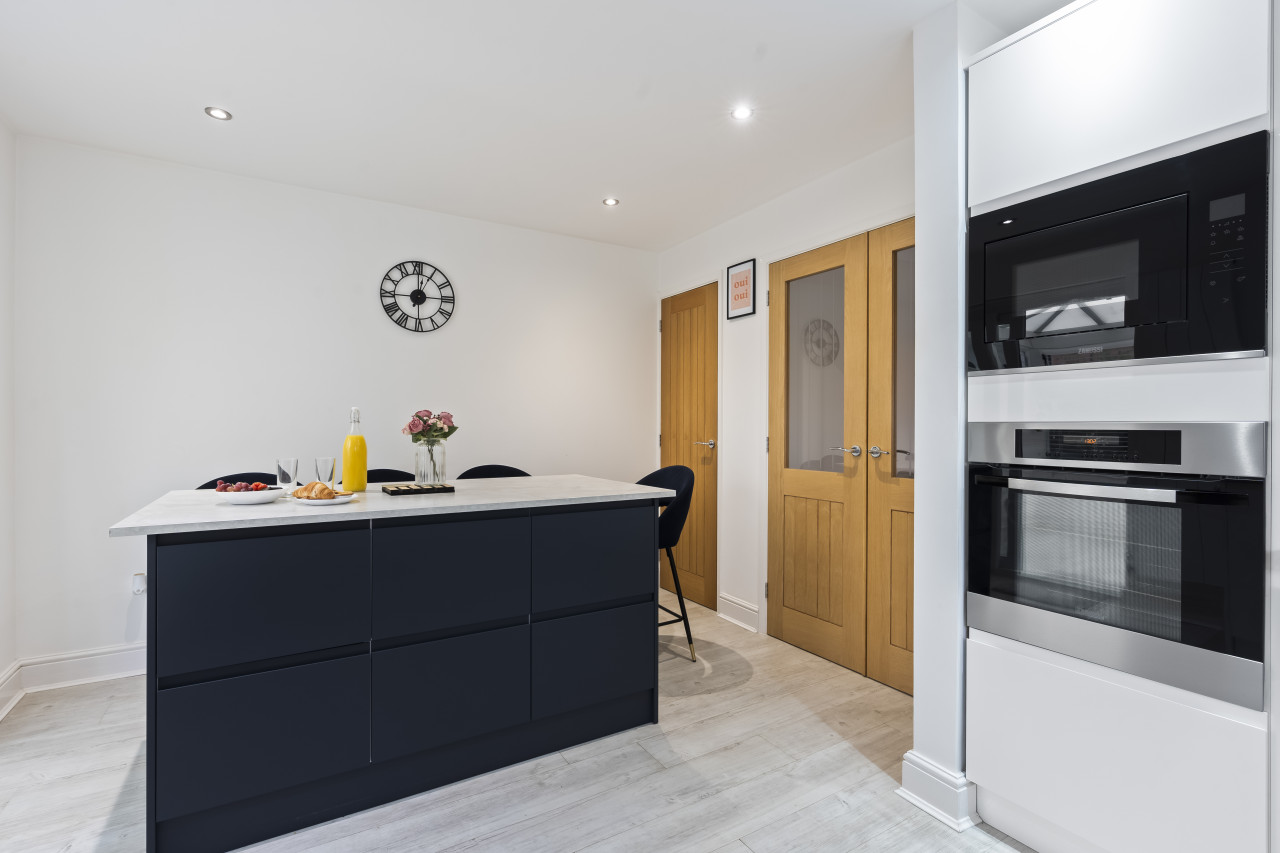
Syston
Tilly's Townhouse with Parking
- Sleeps 4
- 2 bedrooms
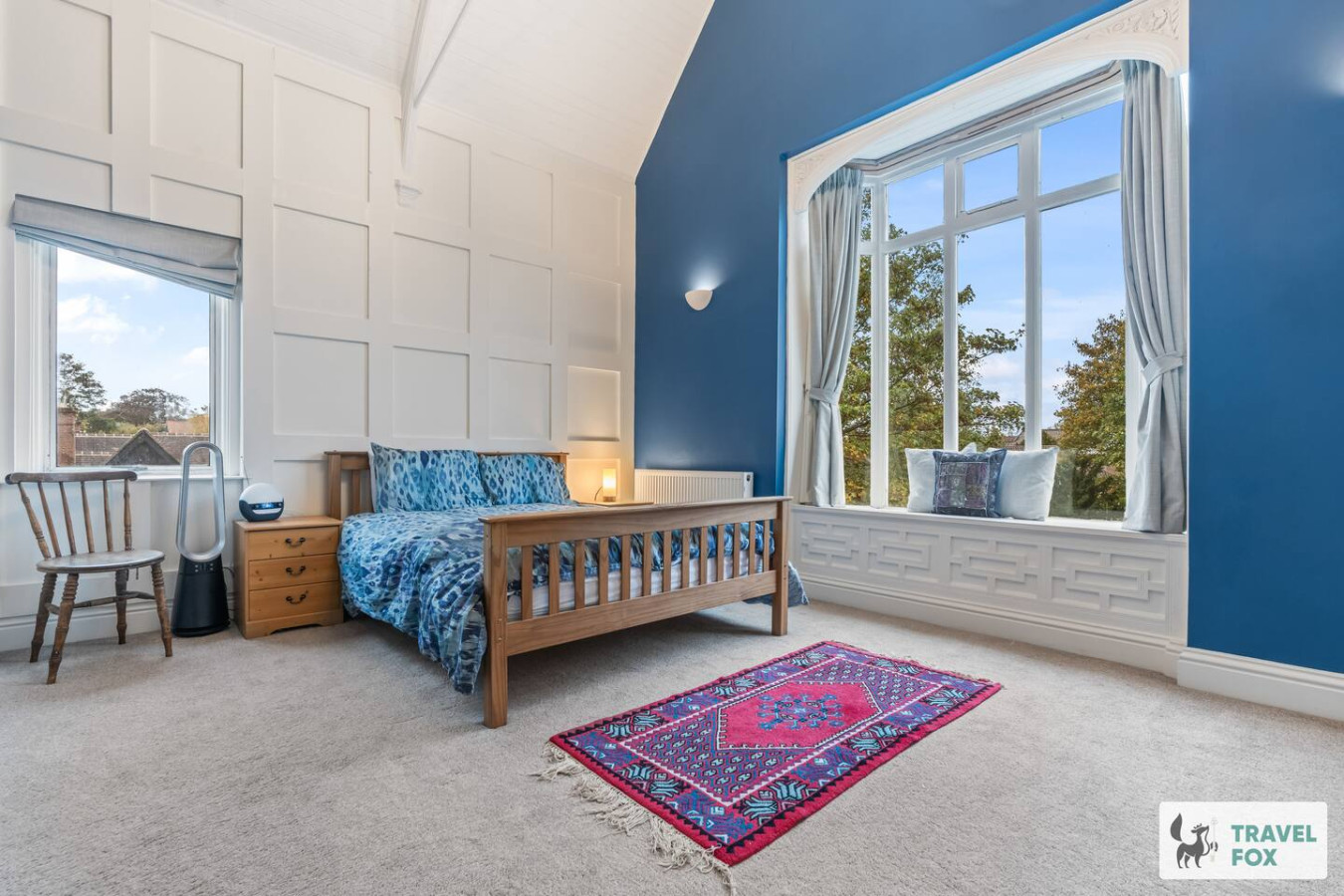
Leicester
Rachel's House with Parking!
- Sleeps 12
- 4 bedrooms
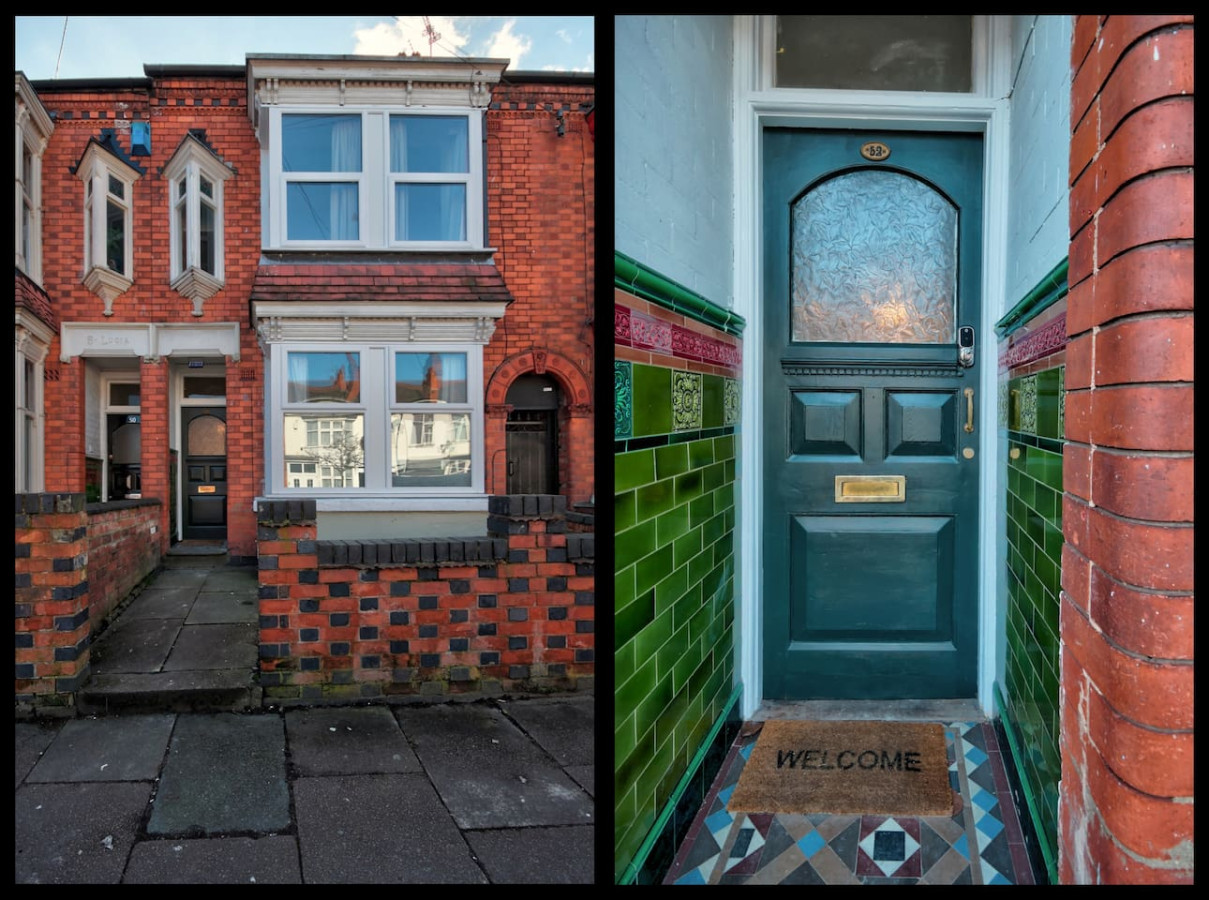
Leicester
Upperton House - Central 5 Bedroom
- Sleeps 9
- 5 bedrooms
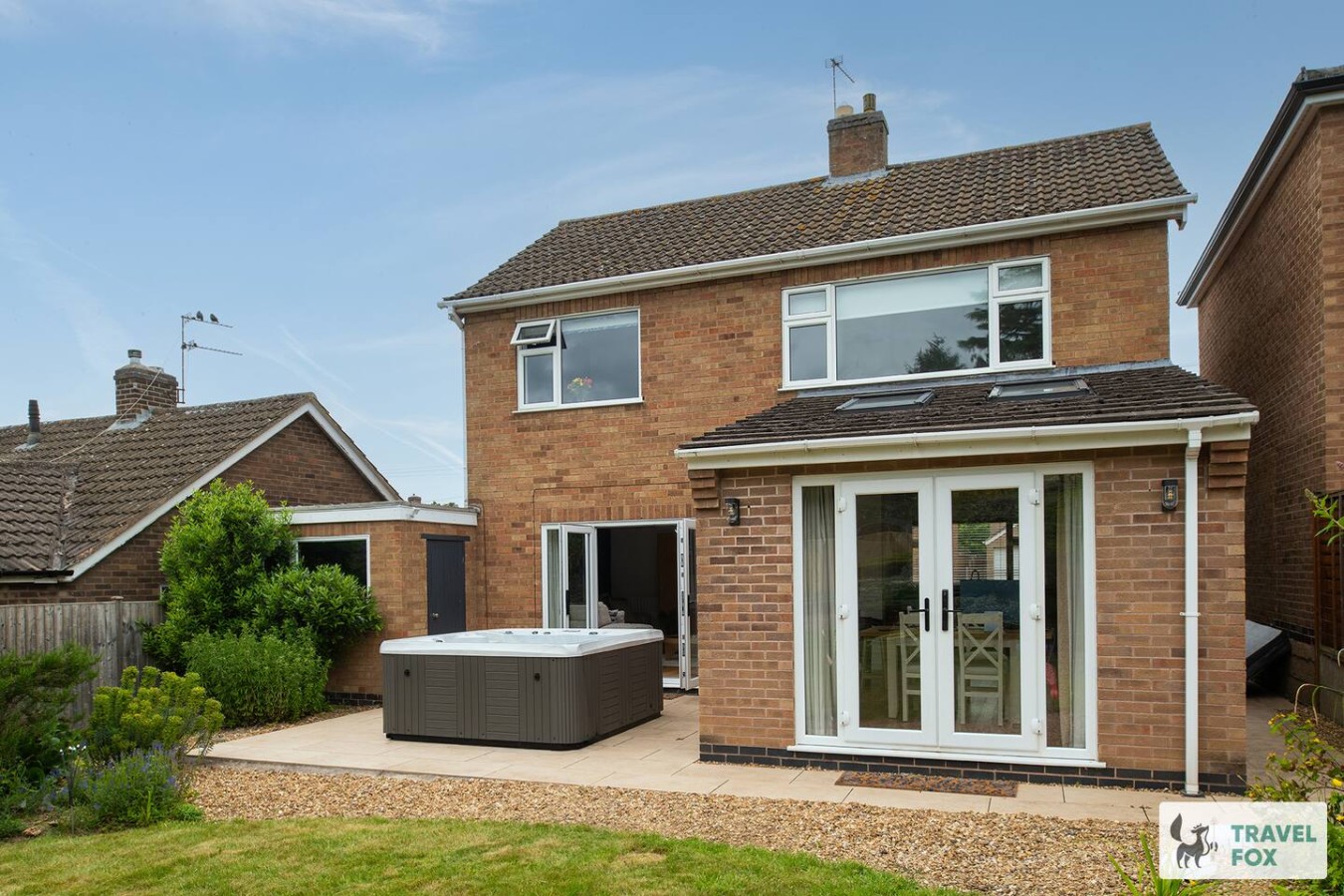
Rearsby
Vanessa's Haven - with hot tub and free parking for 3 cars!!
- Sleeps 5
- 3 bedrooms

Charnwood
UnPoplar House - Free in House Chris
- Sleeps 6
- 3 bedrooms
For homeowners
Own a holiday home near Ashby de la Zouch?
We manage holiday lets across the UK from 12% commission, charged after cleaning costs, with no lock-in. A co-founder visits before you decide.
How our holiday let management works →
A guide with a point of view
Written from research. Edited for real journeys.
Use the Official site links for live practical details, then use this guide for context, ideas and room to explore.
Sources
Every place on this page is checked against a published source. Each entry links the record we used and names who publishes it.
- Ashby de la Zouch Castle — english-heritage.org.uk national body or asset manager
- Parish Church of St Helen — historicengland.org.uk statutory register or public authority record not machine-readable; publisher restricts automated access
- Bath Grounds — ashbytowncouncil.gov.uk statutory register or public authority
- National Forest Way — nationalforest.org operator, sector body or destination organisation
- Hicks Lodge Trail Centre — forestryengland.uk national body or asset manager
- Calke Abbey — nationaltrust.org.uk national body or asset manager
- Moira Furnace — moirafurnace.org operator, sector body or destination organisation
- The Bulls Head — historicengland.org.uk statutory register or public authority record not machine-readable; publisher restricts automated access
- The Tap at No. 76 — camra.org.uk operator, sector body or destination organisation