
Castle ridge, canal paths and serious pubs
Belvoir
Belvoir is a tiny estate village beneath a conspicuous castle, with its walking, food and drink spread across the Vale's neighbouring villages.
- Best for
- Castle history, walking and independent food
- Getting around
- A car, realistically
- Don't miss
- Castle views from the Grantham Canal
The Fox verdict
A castle-led day of Vale walks, estate food and proper pubs
Come for the ridge-top landmark, then use the Engine Yard and surrounding estate villages as the practical stops around it.
Belvoir village is small and short on facilities, but the wider estate area brings together exceptional walking, independent shopping, historic churches, canal scenery and pubs that take their beer seriously.
Where to go
Places in Belvoir
Every place below is checked against a published source, listed with what it is and how long to give it.
Local signatures
3 placesBelvoir Castle
The Grade I castle has Norman origins, Tudor and seventeenth-century rebuilding, and a present form shaped largely by nineteenth-century Gothic Revival work.
- Visit length
- Editorial estimate: Allow around 2 hours
- Locality
- Belvoir
The Engine Yard
Belvoir's former estate workshops now house a retail village with a farm shop, a pet shop, alongside bistro dining and woodfired pizza.
- Visit length
- Editorial estimate: Allow around 1 hour 15 minutes
- Locality
- Belvoir
St Mary the Virgin, Bottesford
Known as the Lady of the Vale, this Grade I church holds monuments to the first eight Earls of Rutland and a family memorial linked to the Belvoir witchcraft accusations.
- Visit length
- Editorial estimate: Allow around 45 minutes
- Locality
- Bottesford
Food & drink
2 placesThe Chequers Inn
A country pub in Woolsthorpe by Belvoir serving three real ales, with a permanent cider hand-pull, restaurant dining and a garden.
- Visit length
- Editorial estimate: Allow around 1 hour 15 minutes
- Locality
- Woolsthorpe by Belvoir
The Wheel Inn
A sensitively refurbished ironstone pub more than 200 years old, with three changing cask beers, local micros and generous outside space.
- Visit length
- Editorial estimate: Allow around 1 hour 15 minutes
- Locality
- Branston
Walks & outdoors
1 placeGrantham Canal Towpath
A flat towpath route with views of Belvoir Castle and three locks at Woolsthorpe being restored.
- Visit length
- Editorial estimate: Allow around 2 hours
- Locality
- Redmile through Woolsthorpe
No places match this filter. Choose All places to reset the list.
Three ways to explore Belvoir
Signature outings
The castle on the scarp
Combine Belvoir Castle's State Rooms with its gardens for a fuller visit. Dogs are welcome in the gardens on leads.
A pub in Woolsthorpe
The Chequers Inn in Woolsthorpe by Belvoir serves meals and real ale after a walk across the Vale.
Towpath to Woolsthorpe
Approach Woolsthorpe Locks from Duck Lane. Parking is limited, and the canal is a place to watch for dragonflies and swallows.
The village story
Belvoir beneath the castle
From a hilltop castle and its gardens to canal walks and village pubs, Belvoir rewards a day exploring the Vale.
Castle, Village and First Pint
Belvoir Castle stands on a hill above the Vale, visible across the surrounding landscape. A Norman stronghold was followed by Tudor and seventeenth-century rebuilding, then the Gothic Revival castle seen today. The small estate settlement of Belvoir sits below it. The name means “beautiful view” in Norman French; from the castle gardens, the meaning is easy to grasp.
Belvoir village is small, and its strongest draw is the landscape around it. The castle looks across the Vale, while walking routes lead towards Woolsthorpe, Redmile and the canal. Plan food and shopping as separate stops around the estate and neighbouring villages.
The Engine Yard, Belvoir's retail village below the castle, is the practical stop for shopping or a meal. A farm shop and a pet shop sit alongside bistro dining and woodfired pizza. The retail village car park offers up to 2.5 hours free parking.
Country pubs in the surrounding villages offer cask beer, gardens and dining after a walk across the Vale.
The Chequers Inn at Woolsthorpe by Belvoir serves three real ales and keeps a permanent cider hand-pull. It offers bar and restaurant dining as well as a garden. Dogs are welcome in the bar and garden, but not the restaurant; reserve a bar table if you plan to eat with one.
Pubs Around the Vale
The Wheel Inn at Branston is a traditional ironstone pub more than 200 years old. It selects cask ales from local microbreweries and larger producers and serves food made with local ingredients. It has won the Vale of Belvoir CAMRA Leicestershire Pub of the Year award.
The Canal Towpath
Between Belvoir's hilltop and the canal, the land slopes into the low-lying clay Vale. From the towpath, the castle stands out against the ridge.
At Woolsthorpe Locks, three locks are part of the work to restore the canal to full navigation. Duck Lane is the visitor approach, with limited parking off the lane.
From Woolsthorpe, the towpath offers an easier outing through the Vale. For a longer walk, the Jubilee Way heads towards the castle and the Viking Way also passes through Woolsthorpe. Allow for a climb when leaving the canal for the castle.
Walking the Vale and Rebuilding the Castle
The 14-mile Woolsthorpe circuit follows the canal to Longmoor Bridge, takes the Viking Way back to the village, then follows the Jubilee Way through Old Park Wood, Plungar Wood and Stathern Wood to Stathern before returning to Woolsthorpe. Expect moderate climbs; for an easier outing, walk a shorter stretch of towpath.
The Vale of Belvoir is low-lying clay country, drained by the River Devon and the Smite. Broad river valleys, large hedged fields and gentle slopes reflect its strong dairying tradition. The castle stands on a conspicuous scarp visible across the Vale.
Robert de Todeni established a Norman castle at Belvoir and founded a priory below the hill. After the medieval castle fell into ruin, Thomas Manners, the 1st Earl of Rutland, began rebuilding soon after 1523; the work was completed by the 2nd Earl in 1555. Parliament ordered the castle's demolition in 1649 after the Civil War.
Rebuilding began again in 1654 under John Webb and was completed in 1668. Early nineteenth-century work under James Wyatt created much of the present Grade I castle. A fire in 1816 destroyed two fronts, the grand staircase and picture gallery, including about thirty paintings; the Reverend Sir John Thoroton led the reconstruction.
Witches, Churches and Practicalities
Belvoir's witchcraft story reaches beyond the castle. In 1619, women remembered as the Belvoir Witches were hanged at Lincoln Castle after accusations surrounding the death of a Rutland child. A family monument in Bottesford's parish church still records the witchcraft claim.
In Bottesford, Grade I St Mary the Virgin, known as the Lady of the Vale, holds monuments to the first eight Earls of Rutland and a memorial linked to the witchcraft accusations.
A car makes it easier to connect the castle, canal and outlying villages. Drivers can reach the estate from the A1 and A52, while buses from Grantham to nearby villages are limited. Grantham station is the rail connection, with a taxi onward to the estate.
The castle has a changing programme of visits and events. For a quieter finish, Woolsthorpe's canal towpath brings the hilltop landmark back into view across the Vale.
Stay around Leicestershire
Make a longer stay of it
Travel Fox holiday homes around Leicestershire, linked directly to their property pages.
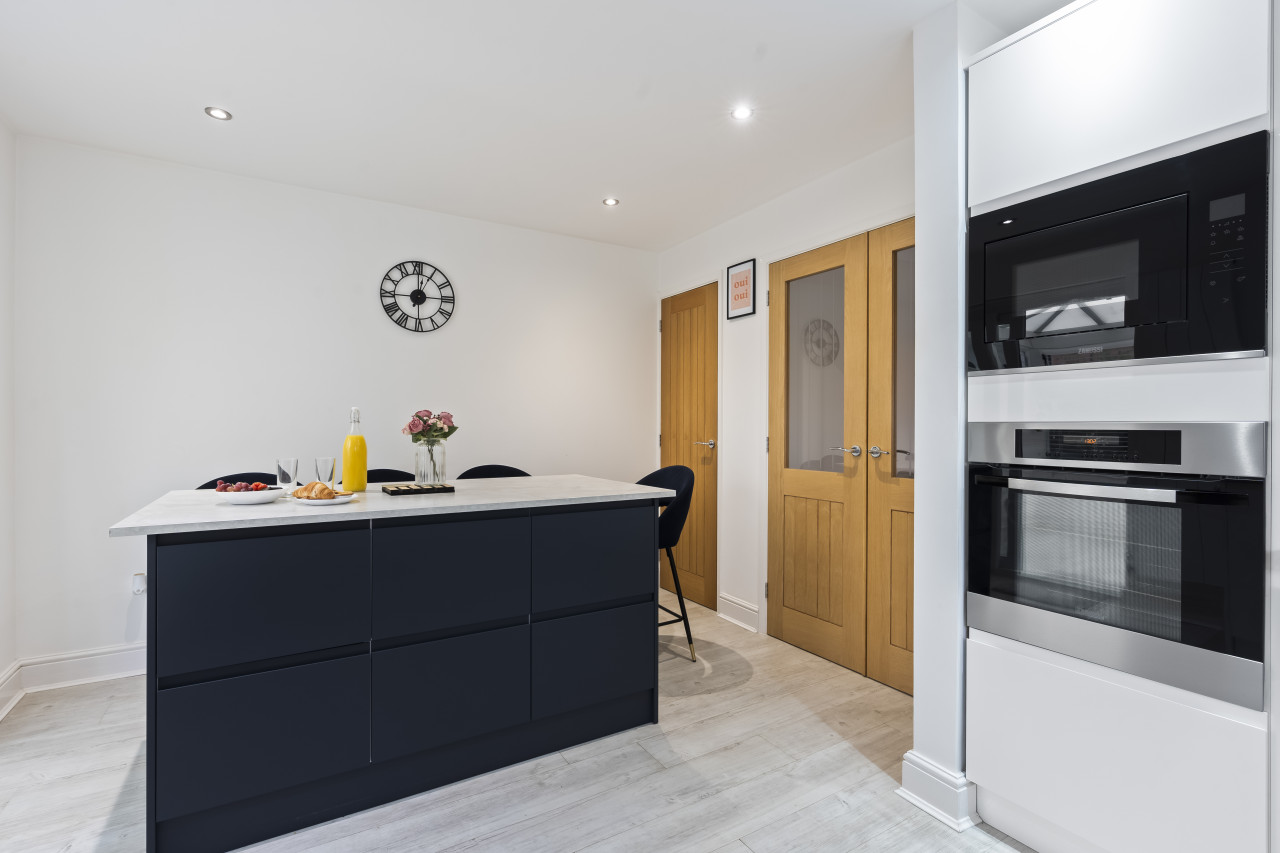
Syston
Tilly's Townhouse with Parking
- Sleeps 4
- 2 bedrooms
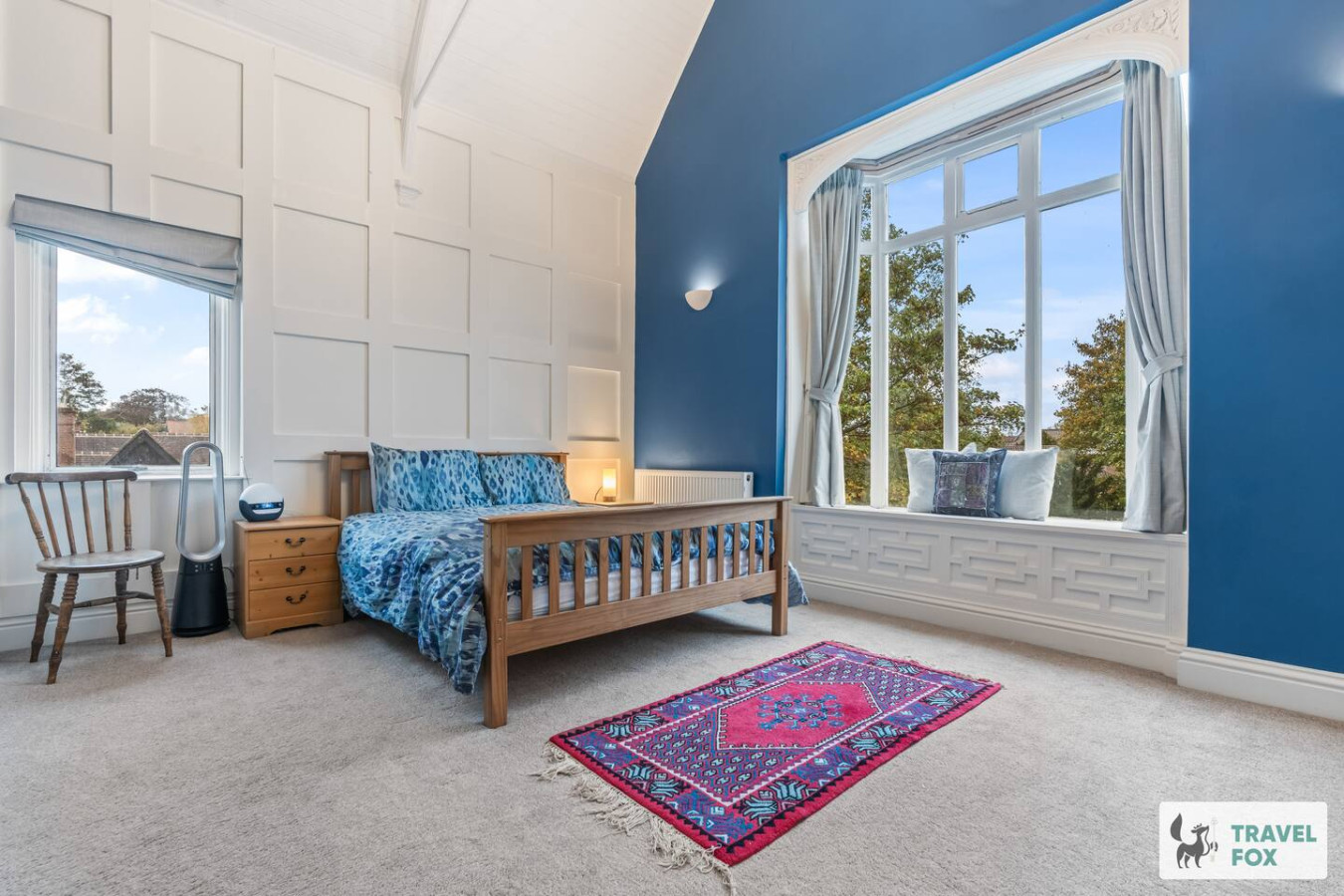
Leicester
Rachel's House with Parking!
- Sleeps 12
- 4 bedrooms
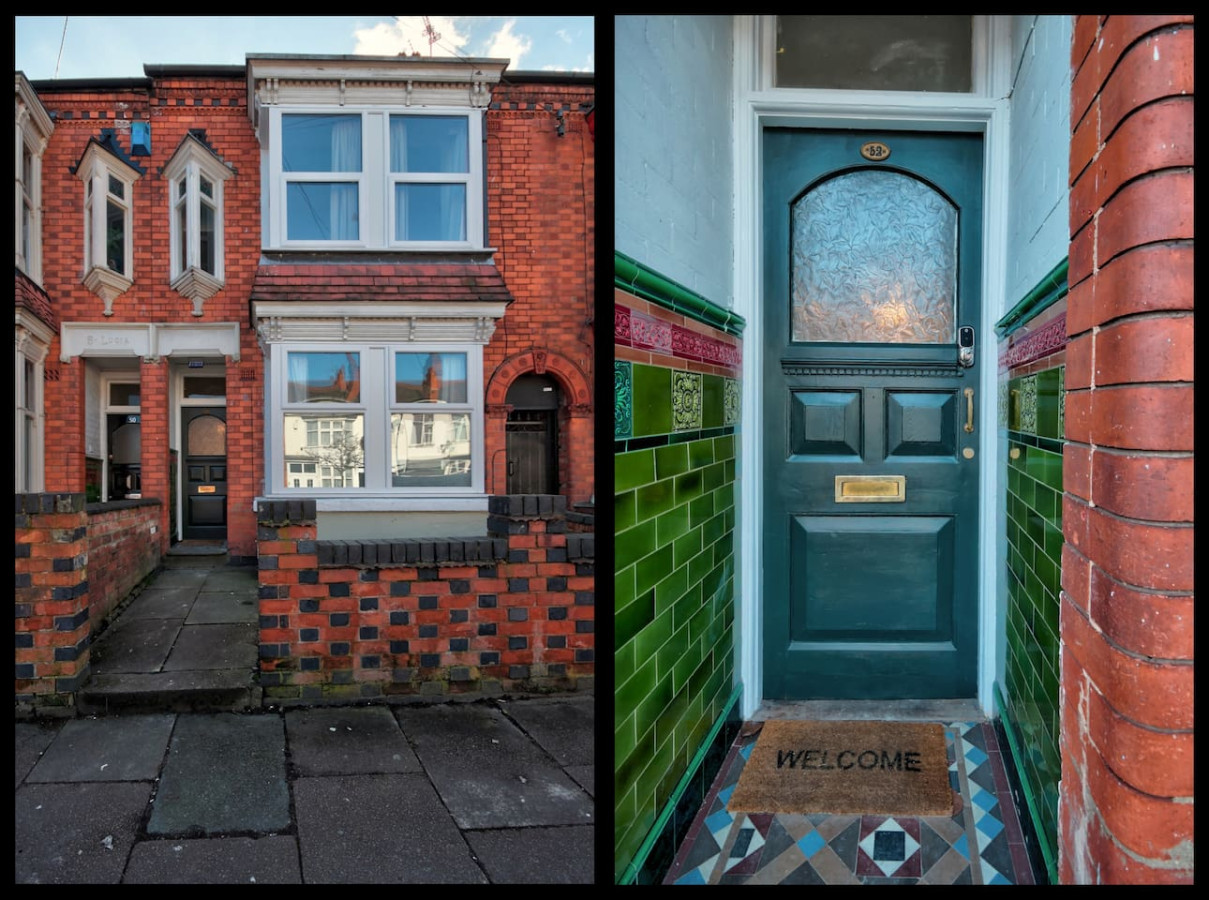
Leicester
Upperton House - Central 5 Bedroom
- Sleeps 9
- 5 bedrooms
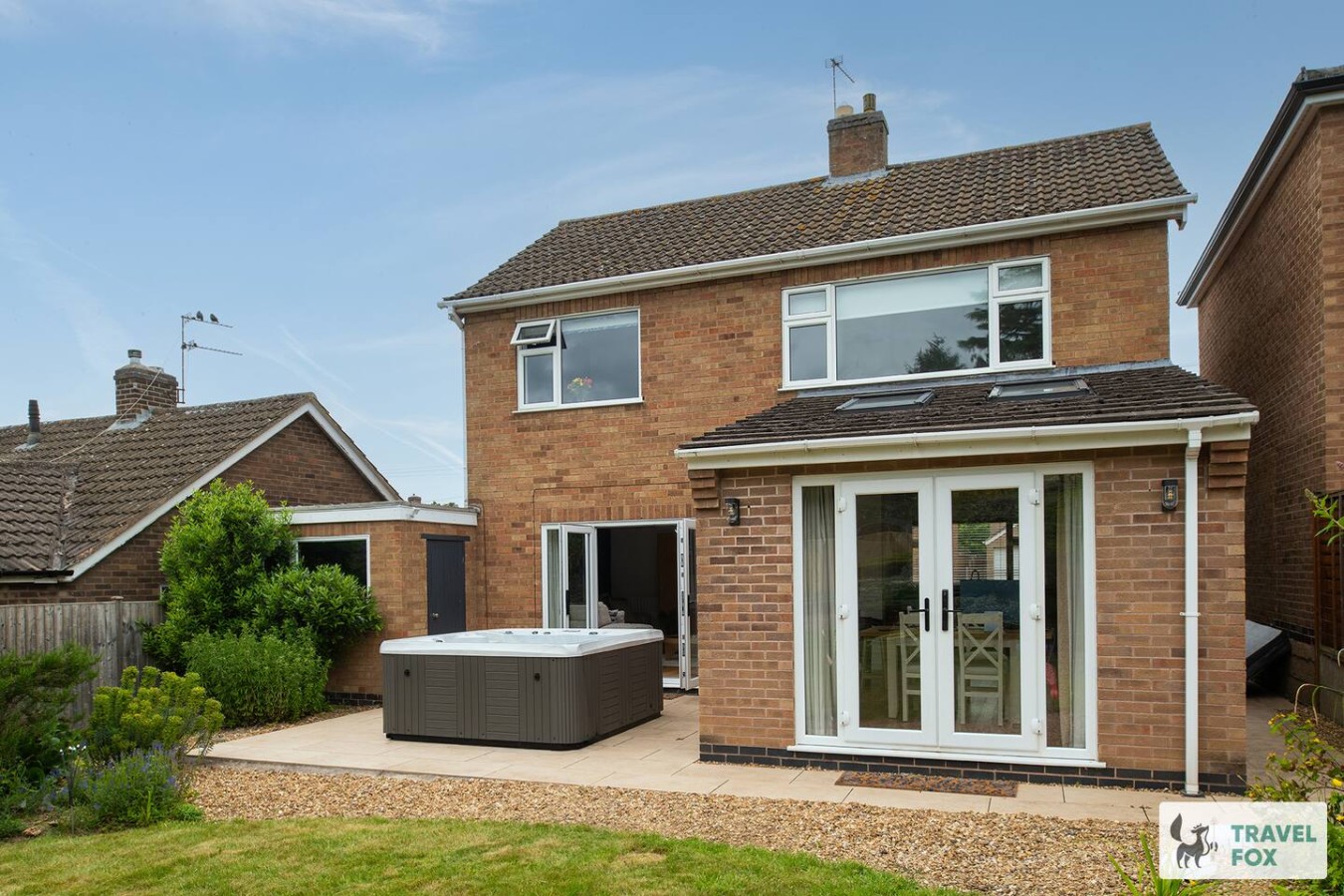
Rearsby
Vanessa's Haven - with hot tub and free parking for 3 cars!!
- Sleeps 5
- 3 bedrooms

Charnwood
UnPoplar House - Free in House Chris
- Sleeps 6
- 3 bedrooms
For homeowners
Own a holiday home near Belvoir?
We manage holiday lets across the UK from 12% commission, charged after cleaning costs, with no lock-in. A co-founder visits before you decide.
How our holiday let management works →
A guide with a point of view
Written from research. Edited for real journeys.
Use the Official site links for live practical details, then use this guide for context, ideas and room to explore.
Sources
Every place on this page is checked against a published source. Each entry links the record we used and names who publishes it.
- Belvoir Castle — belvoircastle.com operator, sector body or destination organisation
- The Engine Yard — visitbelvoir.co.uk operator, sector body or destination organisation
- Grantham Canal Towpath — canalrivertrust.org.uk national body or asset manager
- The Chequers Inn — chequersinn.net operator, sector body or destination organisation
- The Wheel Inn — thewheelinn.uk operator, sector body or destination organisation
- St Mary the Virgin, Bottesford — historicengland.org.uk statutory register or public authority record not machine-readable; publisher restricts automated access