
Birthplace of the Tudor Dynasty
Stoke Golding
Follow Stoke Golding from a lock-free canal and traditional pubs to Crown Hill, where Henry Tudor was informally crowned after Bosworth.
- Best for
- Tudor history, canal walks and traditional pubs
- Give it
- A half-day historical circuit
- Don't miss
- St Margaret's richly carved capitals and circa-1340–50 font
The Fox verdict
Tudor history beside a lock-free canal
Stoke Golding brings together Crown Hill, a medieval church and towpath walking beside the Ashby Canal.
The village's strongest thread runs from Henry Tudor's informal coronation at Crown Hill to St Margaret of Antioch and the nearby Bosworth battlefield. The Ashby Canal adds flat walking and cycling.
Where to go
Places in Stoke Golding
Every place below is checked against a published source, listed with what it is and how long to give it.
Local signatures
3 placesThe George and Dragon
Church End Brewery owns this village freehouse. It usually serves six Church End cask ales and up to two guest ales, alongside home-cooked lunches and bar snacks. The pub has a garden and welcomes dogs.
- Visit length
- Editorial estimate: around 1 hour
- Locality
- Stoke Golding
St Margaret of Antioch
This Grade I church was enlarged around 1290–1340. Its nave arcade has richly carved capitals, and its octagonal font dates to about 1340–50. Village tradition links grooves in the window sills to soldiers before Bosworth.
- Visit length
- Editorial estimate: around 45 minutes
- Locality
- Stoke Golding
Bosworth Battlefield Heritage Centre
The heritage centre at Ambion Hill tells the story of Henry Tudor's victory over Richard III. Its exhibition explains how archaeological work located the battlefield southwest of the centre.
- Visit length
- Editorial estimate: around 2 hours
- Locality
- Sutton Cheney, CV13 0AD
Food & drink
1 placeThe Three Horseshoes
A traditional pub that is also home to the Mango Tree Indian restaurant.
- Visit length
- Editorial estimate: around 1 hour
- Locality
- 3 High Street, Stoke Golding, CV13 6HE
Walks & outdoors
1 placeAshby Canal Towpath
A lock-free stretch used for recreational walking and cycling, with narrowboats and anglers along the waterway.
- Visit length
- Editorial estimate: around 1 hour 30 minutes
- Locality
- along one side of the village
History & heritage
1 placeCrown Hill and Stoke Golding Heritage Trail
Crown Hill, on the village's western edge, marks the traditional site of Henry Tudor's impromptu coronation after Bosworth. The heritage trail links it with other historic points; a circlet was said to have been found beneath a hawthorn bush.
- Visit length
- Editorial estimate: around 1 hour 30 minutes
- Locality
- Crown Hill, west of Stoke Golding
- Access
- The local Blue Plaque Walk recommends viewing Crown Hill from the canal towpath, walking from Station Road bridge towards Dadlington.
No places match this filter. Choose All places to reset the list.
Three ways to explore Stoke Golding
Signature outings
Decorated Gothic Richness
Study St Margaret's richly carved nave arcade and its octagonal font, dated about 1340–50, with panels depicting saints and window tracery.
The Lock-free Ashby Canal
Watch for herons and kingfishers along the level towpath; the canal also touches the western edge of Bosworth Field.
Henry Tudor's Crown Hill
Look for the Crown Hill plaque at the entrance to Crown Hill Bungalow on Station Road before heading towards the canal bridge.
The village story
Stoke Golding: Crown Hill, Church and Canal
Church End ales, a lock-free canal and Crown Hill, where Henry Tudor was informally crowned after Bosworth.
Village Pubs and Church End Ales
Church End Brewery owns the George and Dragon, a village freehouse with a garden that welcomes dogs. It usually pours six Church End cask ales and up to two guest ales. Home-cooked lunches use local produce, and bar snacks are made on the premises.
The Three Horseshoes combines three pub rooms with a separate Mango Tree Indian restaurant. Darts and a pool table are available in the pub.
Farmland and the Lock-free Canal
Stoke Golding sits on a ridge above rolling farmland. Its historic centre is where High Street, Main Street and Station Road meet, an area once known as the Bull Ring.
The lock-free Ashby Canal skirts the village. Its level towpath follows a gentle route through hedgerows and reeds, and the waterway touches the western edge of Bosworth Field.
Crown Hill and St Margaret's
Crown Hill lies on the village's western edge and can be viewed from the canal towpath after Station Road bridge, walking towards Dadlington. Henry Tudor was informally crowned there after defeating Richard III at Bosworth in 1485; a circlet was said to have been found beneath a hawthorn bush. The Bosworth Battlefield Heritage Centre tells the battle's story at Ambion Hill, while archaeological work located the battlefield southwest of the centre.
St Margaret of Antioch is a Grade I church with an early thirteenth-century core, enlarged around 1290–1340. Its nave arcade has richly carved capitals, and its octagonal font dates to about 1340–50. Village tradition links grooves in the window sills to soldiers sharpening swords before Bosworth and recalls people watching the battle from the church battlements.
The Bus and the Former Railway
Arriva's route 7 links Stoke Golding with Hinckley and Nuneaton. The village's former railway station closed to regular passenger trains in 1931.
A local blue plaque marks the former station and stationmaster's house. The old goods shed still stands, giving the village's railway history a visible trace.
Stay around Leicestershire
Make a longer stay of it
Travel Fox holiday homes around Leicestershire, linked directly to their property pages.
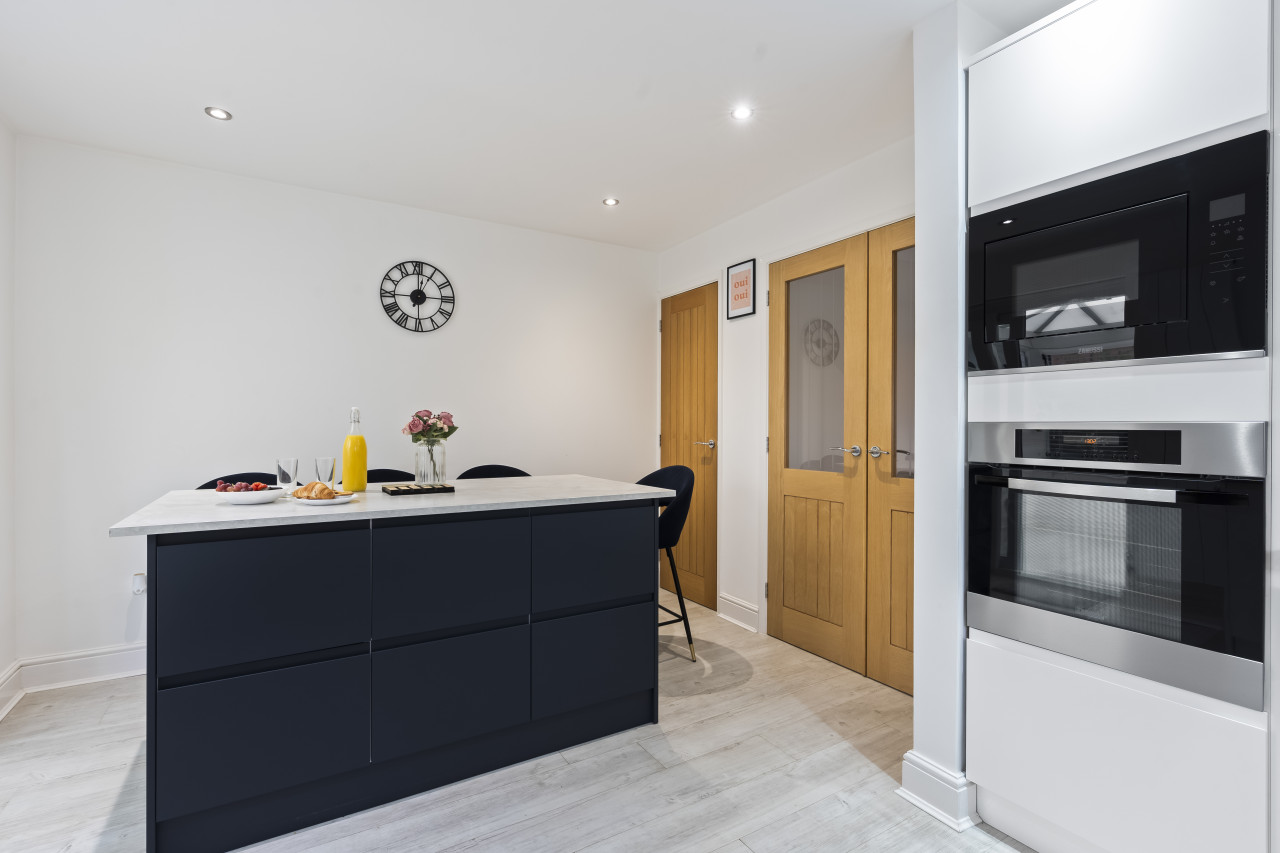
Syston
Tilly's Townhouse with Parking
- Sleeps 4
- 2 bedrooms
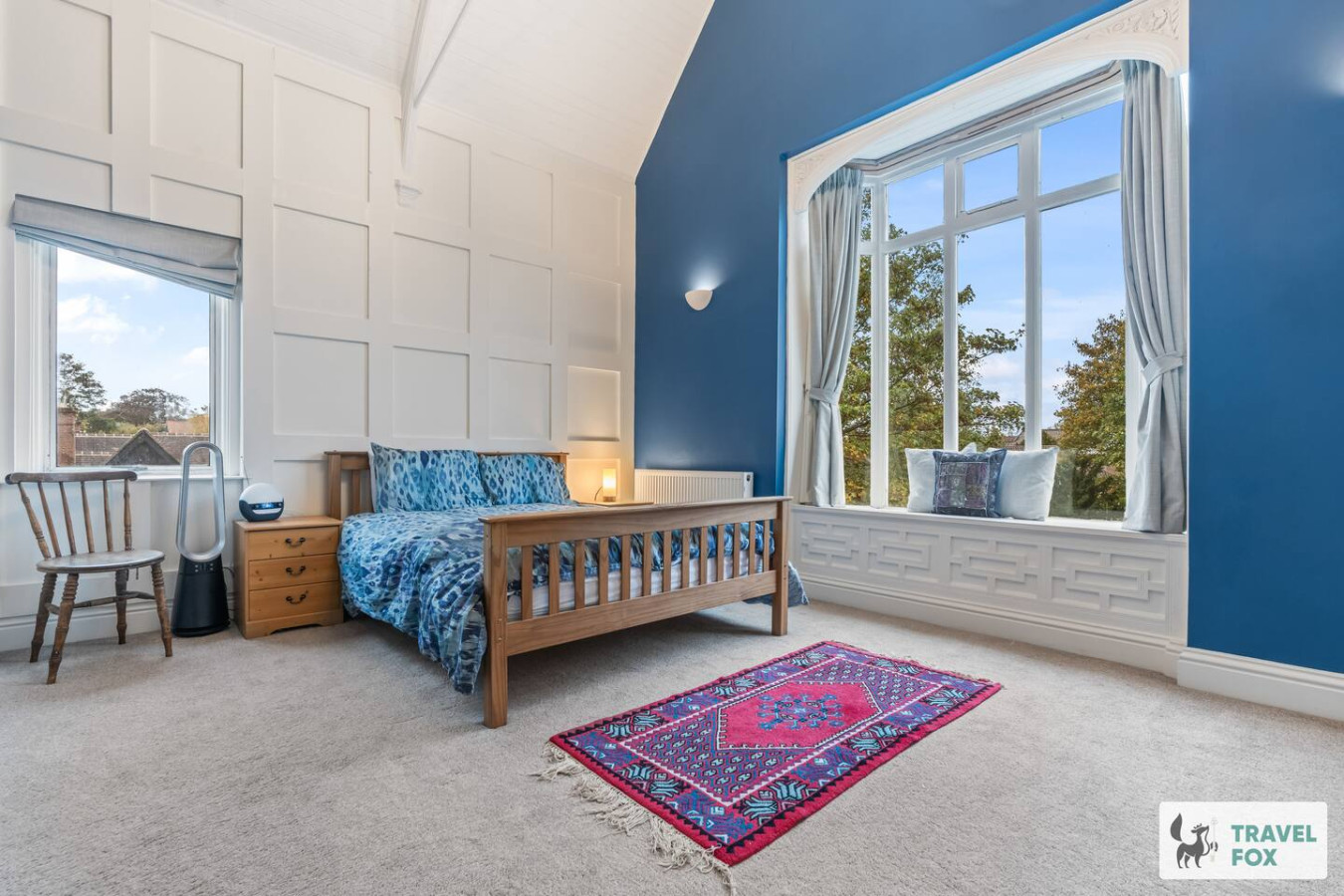
Leicester
Rachel's House with Parking!
- Sleeps 12
- 4 bedrooms
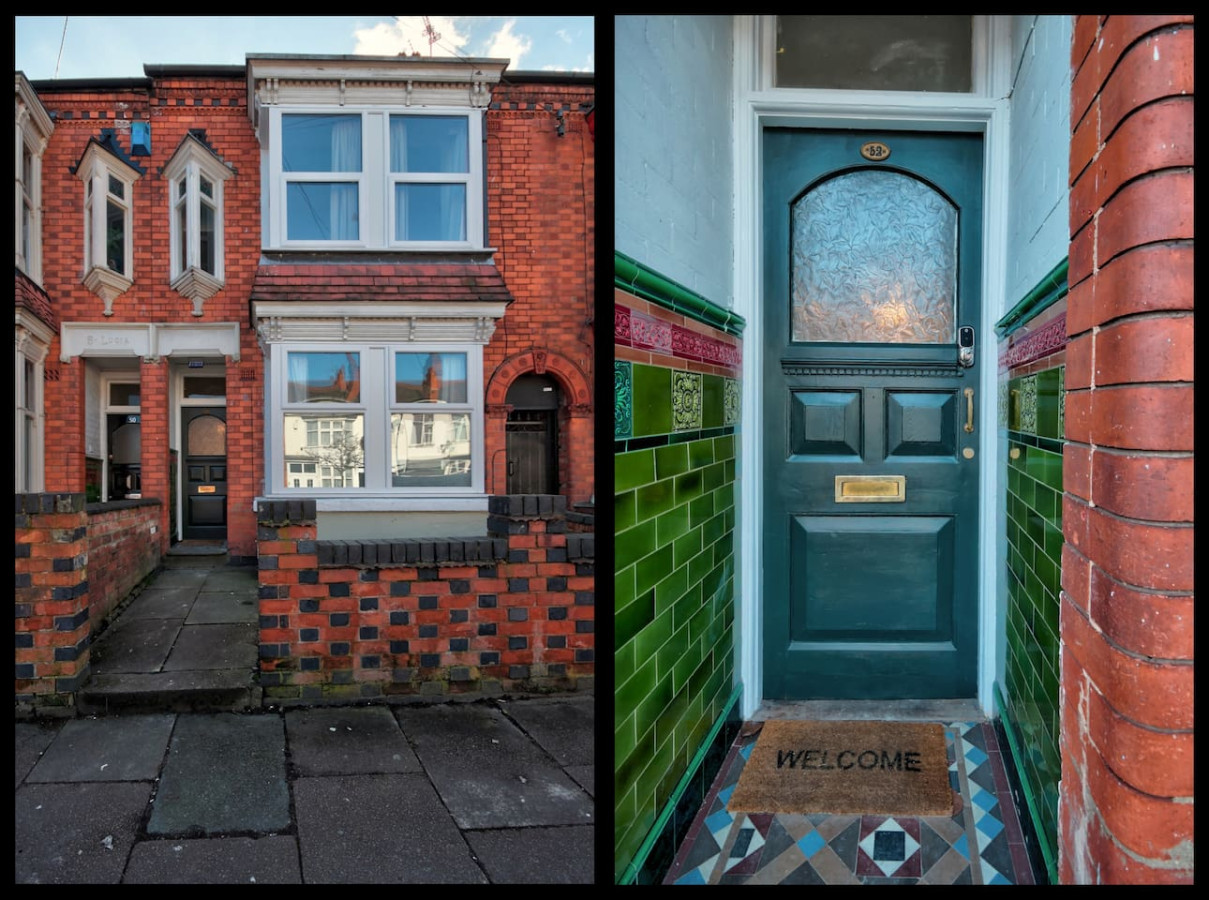
Leicester
Upperton House - Central 5 Bedroom
- Sleeps 9
- 5 bedrooms
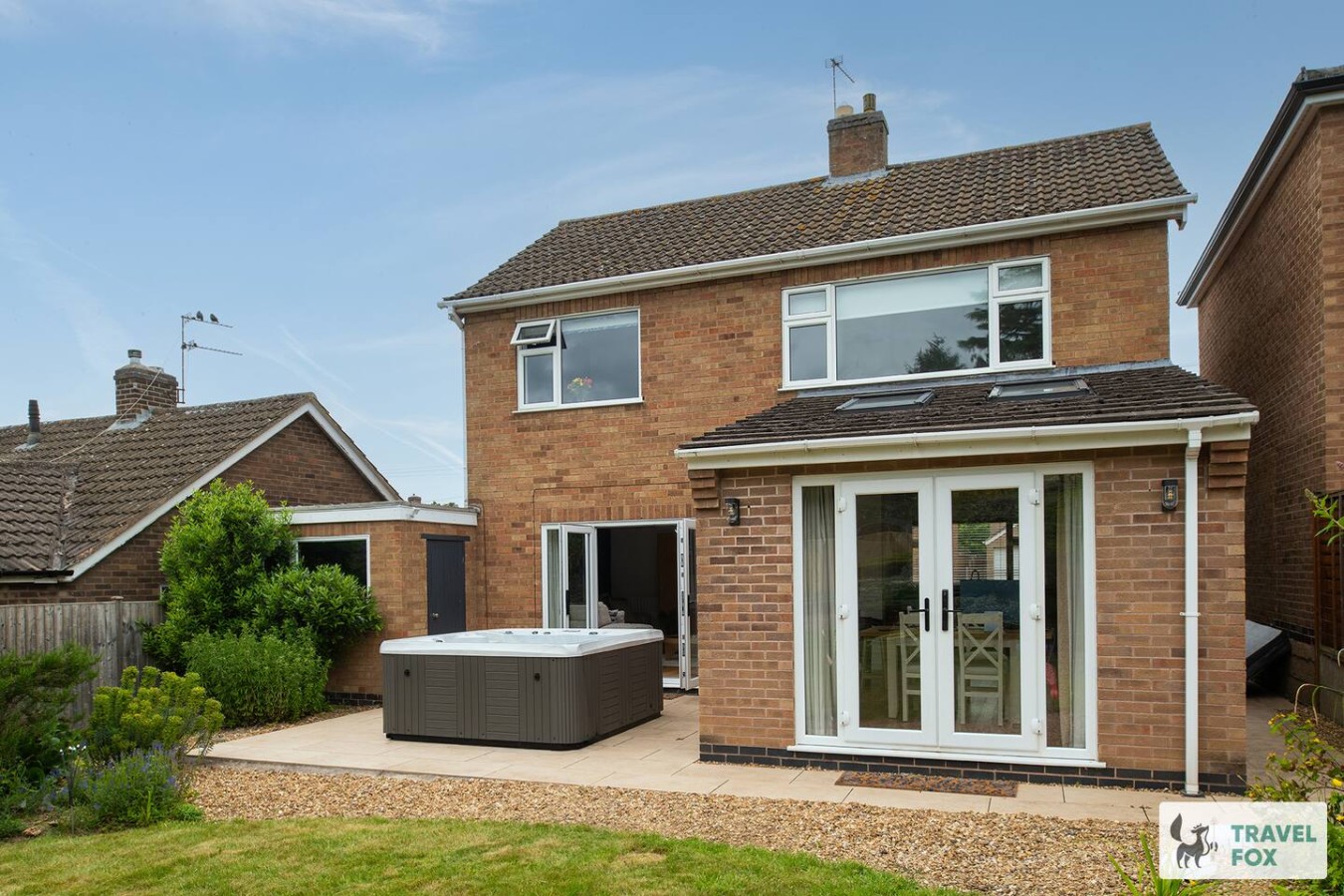
Rearsby
Vanessa's Haven - with hot tub and free parking for 3 cars!!
- Sleeps 5
- 3 bedrooms

Charnwood
UnPoplar House - Free in House Chris
- Sleeps 6
- 3 bedrooms
For homeowners
Own a holiday home near Stoke Golding?
We manage holiday lets across the UK from 12% commission, charged after cleaning costs, with no lock-in. A co-founder visits before you decide.
How our holiday let management works →
A guide with a point of view
Written from research. Edited for real journeys.
Use the Official site links for live practical details, then use this guide for context, ideas and room to explore.
Sources
Every place on this page is checked against a published source. Each entry links the record we used and names who publishes it.
- The George and Dragon — camra.org.uk operator, sector body or destination organisation
- The Three Horseshoes — camra.org.uk operator, sector body or destination organisation
- St Margaret of Antioch — historicengland.org.uk statutory register or public authority
- Ashby Canal Towpath — canalrivertrust.org.uk national body or asset manager
- Crown Hill and Stoke Golding Heritage Trail — hinckley-bosworth.gov.uk statutory register or public authority
- Bosworth Battlefield Heritage Centre — bosworthbattlefield.org.uk operator, sector body or destination organisation