
Slate and woodland
Swithland
A Charnwood Forest village shaped by blue-grey slate, with a historic church, ancient woodland, a reservoir path and one pub.
- Best for
- Slate history, woodland and reservoir walks
- Give it
- A relaxed half day
- Don't miss
- The Danvers and Butler monuments at St Leonard's
The Fox verdict
A small village with a deep slate story
Swithland brings together carved slate, ancient woodland, reservoir walking and a gastropub with several centuries of history.
The village's character comes from the same blue-grey slate that built its walls, roofed its buildings and supplied finely carved gravestones across Leicestershire and Nottinghamshire. St Leonard's preserves the Danvers and Butler monuments, while Swithland Wood and the reservoir provide the two principal walking options. The Griffin Inn supplies the food, drink and almost all of the village's amenities.
Where to go
Places in Swithland
Every place below is checked against a published source, listed with what it is and how long to give it.
Local signatures
3 placesThe Griffin Inn
A British gastropub serving classic pub favourites and modern dishes, with Sunday roasts and a weather-dependent pizza kitchen on the lawn.
- Visit length
- Editorial estimate: allow around 90 minutes
- Locality
- Swithland
- Access
- Wheelchair ramp, accessible toilet, baby changing and car park.
St Leonard's Church
A Grade II* church with thirteenth-century origins, granite and slate rubble construction, Danvers and Butler monuments and an organ inscribed John Snetzler 1765.
- Visit length
- Editorial estimate: allow around 45 minutes
- Locality
- Swithland
Swithland Reservoir
Completed in 1896, the reservoir has a peaceful lakeside path popular with walkers and cyclists.
- Visit length
- Editorial estimate: allow around 60 minutes
- Locality
- Surrounding Swithland
Walks & outdoors
1 placeSwithland Wood
Ancient semi-natural woodland managed by the Bradgate Park Trust, with bluebells in spring, streams, ponds and worked slate outcrops.
- Visit length
- Editorial estimate: allow around 90 minutes
- Locality
- Surrounding Swithland
History & heritage
1 placeThe Mountsorrel Cross
A Grade I medieval market cross from around 1500, relocated from Mountsorrel to the Swithland Hall estate in 1793 as an ornamental feature.
- Visit length
- Editorial estimate: allow around 15 minutes
- Locality
- Swithland
No places match this filter. Choose All places to reset the list.
Three ways to explore Swithland
Signature outings
Ancient woodland
Walk through Swithland Wood among streams, ponds and worked slate outcrops, with bluebells in spring.
The Mountsorrel Cross
The medieval Mountsorrel Cross was relocated from Mountsorrel to the Swithland Hall estate in 1793 as an ornamental feature.
The Griffin Inn
Settle in for modern and classic pub dishes, Sunday roasts or the weather-dependent pizza kitchen on the lawn.
The village story
Swithland Village Guide
A village of blue-grey slate, carved monuments, ancient woodland and one industrious pub.
The Griffin's Many Lives
The Griffin Inn has been, at various points in its three centuries, a brewery, a bakery, and the village mortuary. It is now a gastropub owned by Stuart Broad and Harry Gurney, the England and Nottinghamshire cricketers, which is not the obvious career pivot but seems to be working. It won Leicestershire Pub of the Year in both 2023 and 2024.
The menu does what you'd expect and then a bit more. Venison pie, chicken and ham pie, pan-fried seabass, hake, a tofu and sweet potato Malay curry. On Fridays and Saturdays they run a pizza kitchen on the lawn, weather permitting, which in Leicestershire is a brave business model. Weekday lunches are two courses for twenty pounds. The Sunday roasts get mentioned repeatedly in the reviews, as does the pricing, which is on the ambitious side. Dogs are welcome on the hard floors. Muddy boots too.
One Pub and Thirty-One Listed Buildings
That is, essentially, the village's amenities. There are no shops. The Griffin is doing the heavy lifting.
Swithland sits in the Charnwood Forest, between Cropston and Woodhouse Eaves, and it is built almost entirely from the stuff it's standing on. Stone walls, slate roofs, slate gravestones — thirty-one listed buildings within a conservation area designated in 1993. The slate here is blue-grey, heavier and coarser than Welsh slate, but the locals carved it with a precision that made the material famous across two counties. You can still read Swithland slate headstones in churchyards throughout Leicestershire and Nottinghamshire, the lettering as sharp as the day it was cut.
Slate, the Danvers Family and St Leonard's
The quarrying goes back to Roman times. By the thirteenth century it was a serious industry, and the Danvers family, who bought the entire village in 1509, profited from it handsomely for nearly three hundred years.
St Leonard's Church is where the Danvers money ended up. It's Grade II* listed, built from granite and slate rubble with a tower that starts in the thirteenth century and finishes in the fifteenth. Inside, the slate monuments to the Danvers and Butler families are the main event. Pevsner singled out a mid-eighteenth-century memorial to the children of Sir John Danvers, calling it "a tour de force of the slate workers." There's also an organ inscribed John Snetzler 1765 — Snetzler was George III's preferred organ builder, which is not the commission you'd expect to find in a village this size.
Woodland, Reservoir and the Hall Estate
For walking, you have two good options. Swithland Wood is ancient semi-natural woodland managed by the Bradgate Park Trust, thick with bluebells in spring, with streams and old slate outcrops still visible among the trees. Swithland Reservoir, completed in 1896, has a quiet lakeside path that draws walkers and cyclists. The Great Central Railway — now a heritage steam line — runs through the area, though a station was planned for Swithland and never built. Only the exchange sidings were constructed. The village remains accessible primarily by car, via the B5330 toward Woodhouse Eaves and Loughborough.
On the estate of Swithland Hall stands the Mountsorrel Cross, a Grade I listed medieval market cross from around 1500, relocated here in 1793 as an ornamental feature. The original hall burned down in 1822. The current one, built on a different site in 1852, survived.
A Summer Evening at the Griffin
On a Friday evening in summer, the pizza kitchen is running on the Griffin's lawn, and the tables fill with walkers who've come down through the wood. It's a village that quarried its own stone, built its own walls, carved its own gravestones, and now has exactly one pub doing everything else.
Stay around Leicestershire
Make a longer stay of it
Travel Fox holiday homes around Leicestershire, linked directly to their property pages.
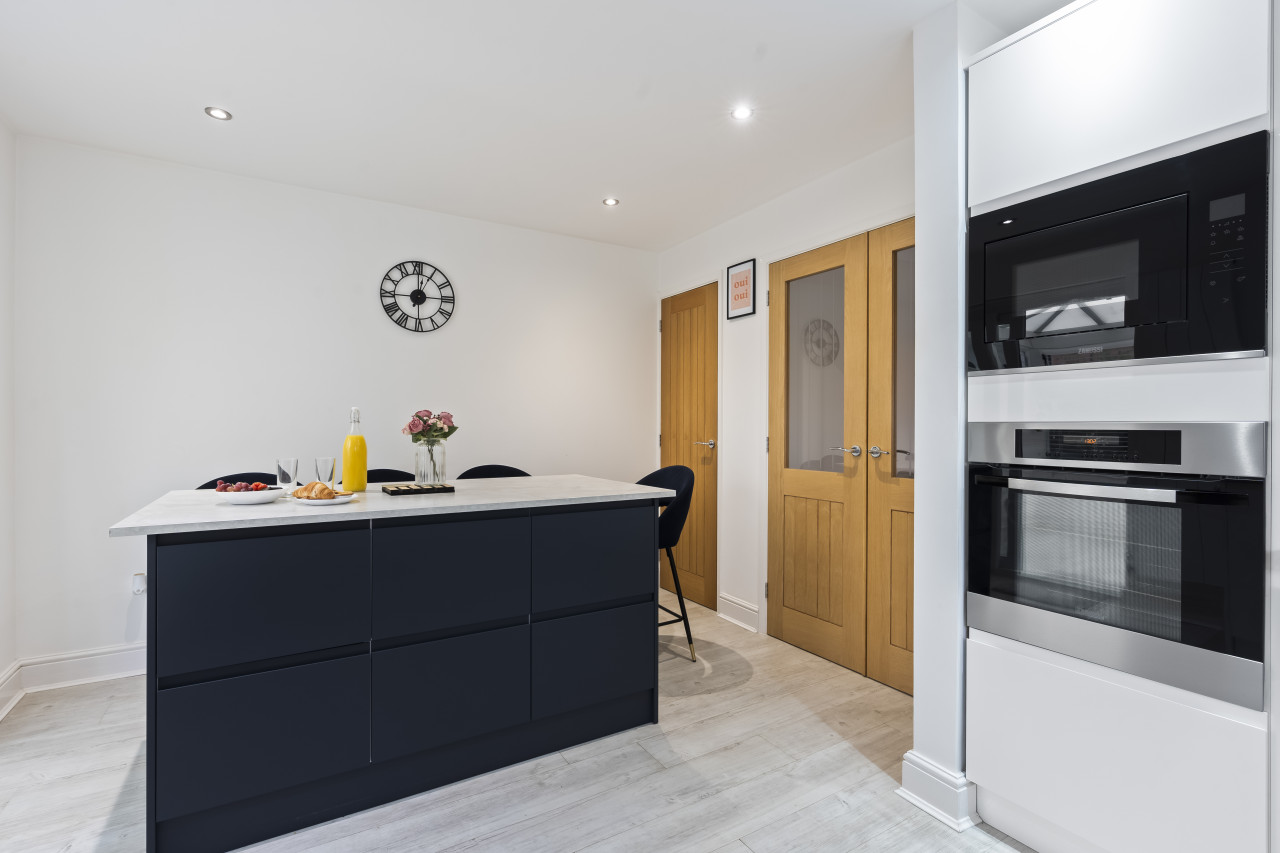
Syston
Tilly's Townhouse with Parking
- Sleeps 4
- 2 bedrooms
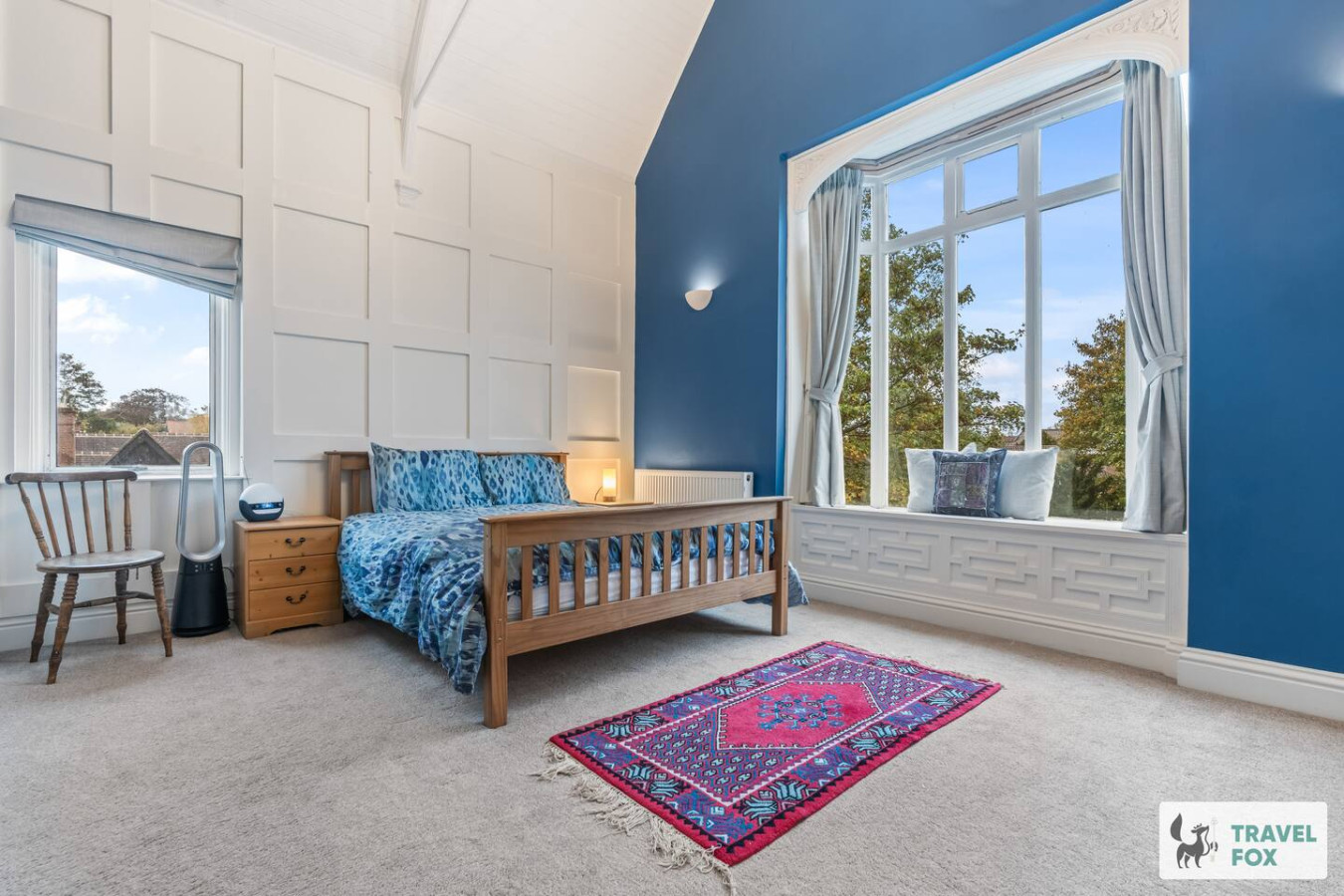
Leicester
Rachel's House with Parking!
- Sleeps 12
- 4 bedrooms
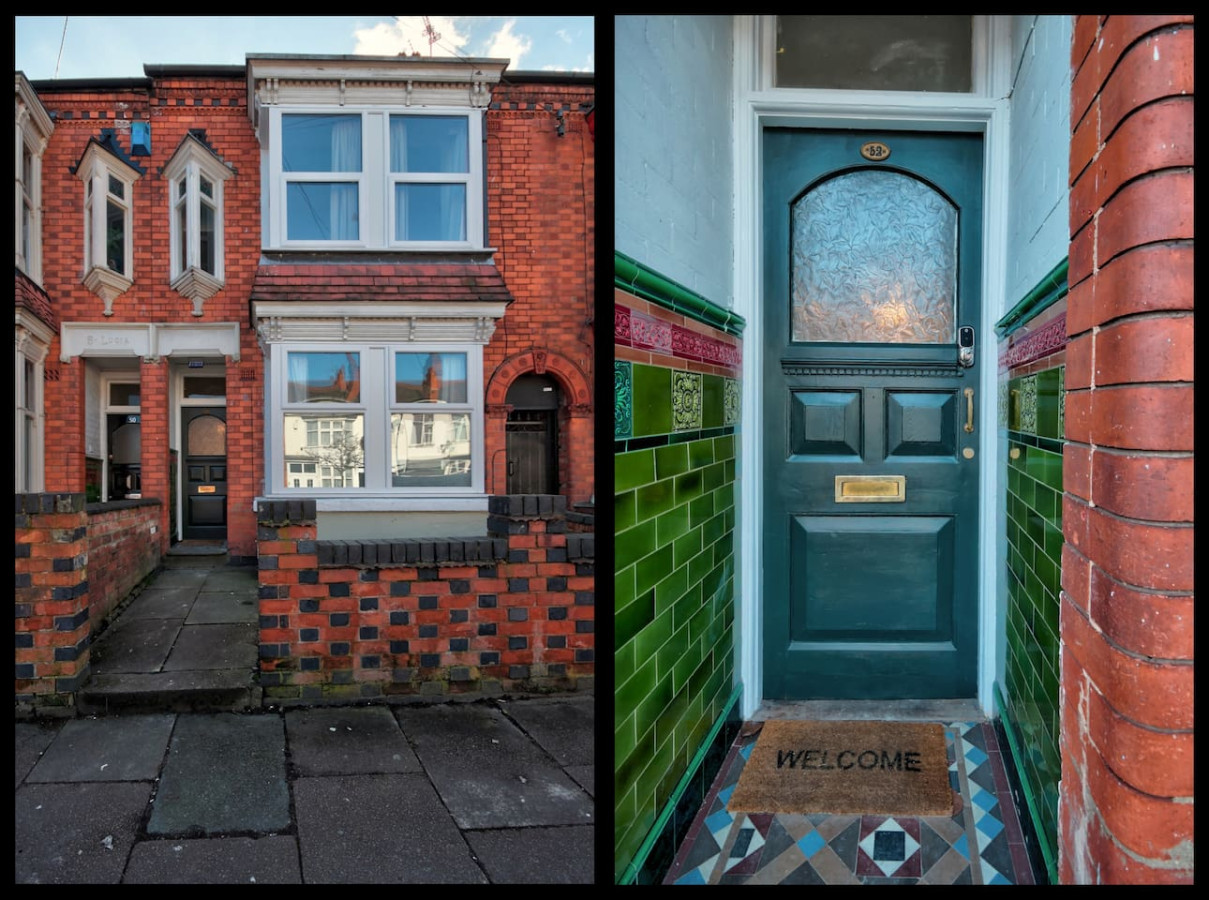
Leicester
Upperton House - Central 5 Bedroom
- Sleeps 9
- 5 bedrooms
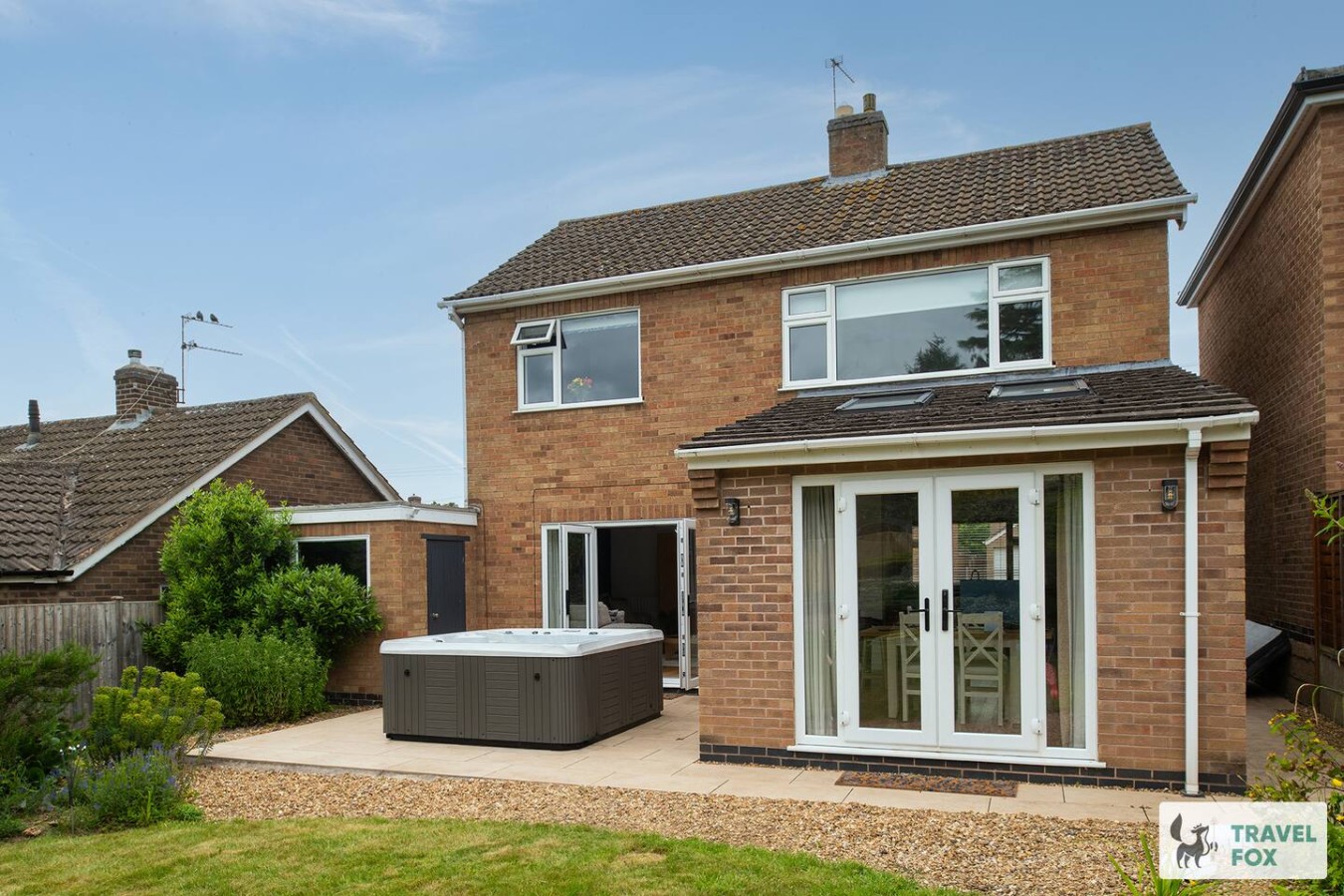
Rearsby
Vanessa's Haven - with hot tub and free parking for 3 cars!!
- Sleeps 5
- 3 bedrooms

Charnwood
UnPoplar House - Free in House Chris
- Sleeps 6
- 3 bedrooms
For homeowners
Own a holiday home near Swithland?
We manage holiday lets across the UK from 12% commission, charged after cleaning costs, with no lock-in. A co-founder visits before you decide.
How our holiday let management works →
A guide with a point of view
Written from research. Edited for real journeys.
Use the Official site links for live practical details, then use this guide for context, ideas and room to explore.
Sources
Every place on this page is checked against a published source. Each entry links the record we used and names who publishes it.
- The Griffin Inn — griffininnswithland.com operator, sector body or destination organisation
- St Leonard's Church — historicengland.org.uk statutory register or public authority record not machine-readable; publisher restricts automated access
- Swithland Wood — bradgatepark.org other published source
- Swithland Reservoir — my.charnwood.gov.uk statutory register or public authority
- The Mountsorrel Cross — historicengland.org.uk statutory register or public authority record not machine-readable; publisher restricts automated access