
Vale of Belvoir village
Scalford
A small village where a singular hilltop church, the Jubilee Way and a surviving pub bring landscape and local history together.
- Best for
- Church history and a Jubilee Way stop
- Give it
- A half day at an unhurried pace
- Don't miss
- England's only church dedicated to St Egelwin the Martyr
The Fox verdict
A singular church, a long-distance path and a surviving village pub
Scalford is a compact Vale of Belvoir stop with an unusual dedication at its heart and walking country on every side.
The church dates from around 1100 and once carried Leicestershire's fourth-highest spire, while the Jubilee Way passes through between Melton Mowbray and Belvoir Castle. The Kings Arms supplies the village-pub pause with traditional English food, homemade pies and a rear beer garden.
Where to go
Places in Scalford
Every place below is checked against a published source, listed with what it is and how long to give it.
Local signatures
3 placesSt Egelwin the Martyr
A Grade II* church dating from around 1100, with thirteenth- and fifteenth-century features and the only dedication to St Egelwin the Martyr in England.
- Visit length
- Editorial estimate: allow around 45 minutes
- Locality
- on a small hill at the centre of the village
- Access
- Services are held on the first and third Sundays of each month.
The Kings Arms
A rustic village pub serving traditional English food made with locally sourced produce, including praised homemade pies and a classic Sunday roast.
- Visit length
- Editorial estimate: allow around 90 minutes
- Locality
- in Scalford
- Access
- Dogs are welcome, and B&B rooms are available.
Jubilee Way
A long-distance footpath linking Melton Mowbray and Belvoir Castle, with Scalford serving as a stop-off point on the route.
- Visit length
- Editorial estimate: allow around 120 minutes
- Locality
- passing through Scalford
Food & drink
1 placeScalford Post Office
The village's kitchen-based post office also operates with limited groceries.
- Visit length
- Editorial estimate: allow around 15 minutes
- Locality
- in Scalford
- Access
- A limited range of groceries is available.
Walks & outdoors
1 placeScalford Parish Walk 2: Walking Country
A published four-mile circular walk through open pasture and arable countryside around Scalford.
- Visit length
- Editorial estimate: allow around two hours
- Locality
- countryside around Scalford
- Access
- Consult the published route before setting out; no specific starting point is identified here.
No places match this filter. Choose All places to reset the list.
Three ways to explore Scalford
Signature outings
Find St Egelwin's only church
Visit the only church in England dedicated to St Egelwin the Martyr, standing on its small hill at the centre of Scalford.
Call at Scalford Post Office
The kitchen-based village post office pairs postal services with a limited range of groceries.
Follow Scalford Parish Walk 2
Take the published four-mile circular route through open pasture and arable countryside around Scalford.
The village story
Scalford Village Guide
A hilltop church, a long-distance path and the traces of Stilton, rail and brickmaking shape Scalford's story.
Church and walking country
St Egelwin the Martyr sits on a small hill at the centre of Scalford, which is appropriate for a church that is the only one in England dedicated to this particular saint. Nobody is entirely sure who St Egelwin was. The church itself dates from around 1100 AD, with bits added in the thirteenth and fifteenth centuries, and it once had the fourth-highest spire in Leicestershire. That spire collapsed on 19 January 1636, taking part of the vicarage with it. The tower was rebuilt three years later. Services are held on the first and third Sundays of each month.
Scalford is a small village four miles north of Melton Mowbray, at the southern end of the Vale of Belvoir. The landscape rolls. The Jubilee Way long-distance footpath passes through on its route from Melton Mowbray to Belvoir Castle, which makes the village a natural stopping point if you're walking between the two.
The surviving village local
The Kings Arms is the surviving pub, and it earns its survival. It's a rustic village local doing traditional English food with locally sourced produce — the homemade pies come up repeatedly in reviews, and the Sunday roast is a proper one. They stock Belvoir Presse soft drinks, which is a nice local touch. There's a heated beer garden to the rear, dogs are welcome, and they do B&B rooms if you'd rather not drive home. It scores 4.2 out of 5 on TripAdvisor, which for a village pub in north Leicestershire is quietly impressive.
The village once supported three pubs. The Black Horse was trading from at least 1747; The Plough was the third. Both have closed.
Trades, shops and Stilton
In fact, quite a lot has closed. The Old Bakery operated from 1906 to 1997. William Wright's grocery and drapery store, which doubled as the post office from 1879, is gone. In the Victorian and Edwardian period, Scalford had three bakers, a blacksmith, stonemasons, builders, a shoe-mender, multiple shops, garages and two pubs. There is now a kitchen-based post office with limited groceries.
The most significant loss was the Scalford Dairy. The Scalford Farmer's Co-operative established it in 1906, and for ninety years it produced Blue Stilton cheese. EU hygiene modernisation requirements closed it in May 1996, and production moved to Hartington in Derbyshire. The site has been redeveloped. Four of the licensed Stilton dairies are based in the Vale of Belvoir, and Scalford's was among the most significant.
From Domesday to the railway
The Domesday surveyors split the estate between Countess Judith and Robert of Bucy. Judith's portion was valued at three pounds annually, Robert's at one pound and two shillings. The total recorded population was approximately 32.5 households, which raises questions about what half a household looked like in 1086.
There's no railway. The GNR and LNWR Joint Line lost its passenger services in 1953 and closed entirely in 1962. Buses run to Melton Mowbray, and the B676 connects you to Grantham.
Villa, ford and brickworks
Below the village, archaeologists have found evidence of a substantial Roman villa — mosaics, painted wall plaster, hypocaust heating. The Romans, it seems, also thought this was a reasonable spot. The name Scalford comes from the Old English for "the shallow ford," referring to a crossing of the River Scald. Christopher Saxton spelled it this way on his 1576 atlas, and the spelling stuck.
The brickyards ran from about 1875 to 1930. The master's residence, Lion House, still stands, named after the brickyard company. It's one of those details that tells you more about a village's past than any plaque could — that there was enough clay, enough demand, and enough ambition here to name a house after the enterprise.
Stay around Leicestershire
Make a longer stay of it
Travel Fox holiday homes around Leicestershire, linked directly to their property pages.
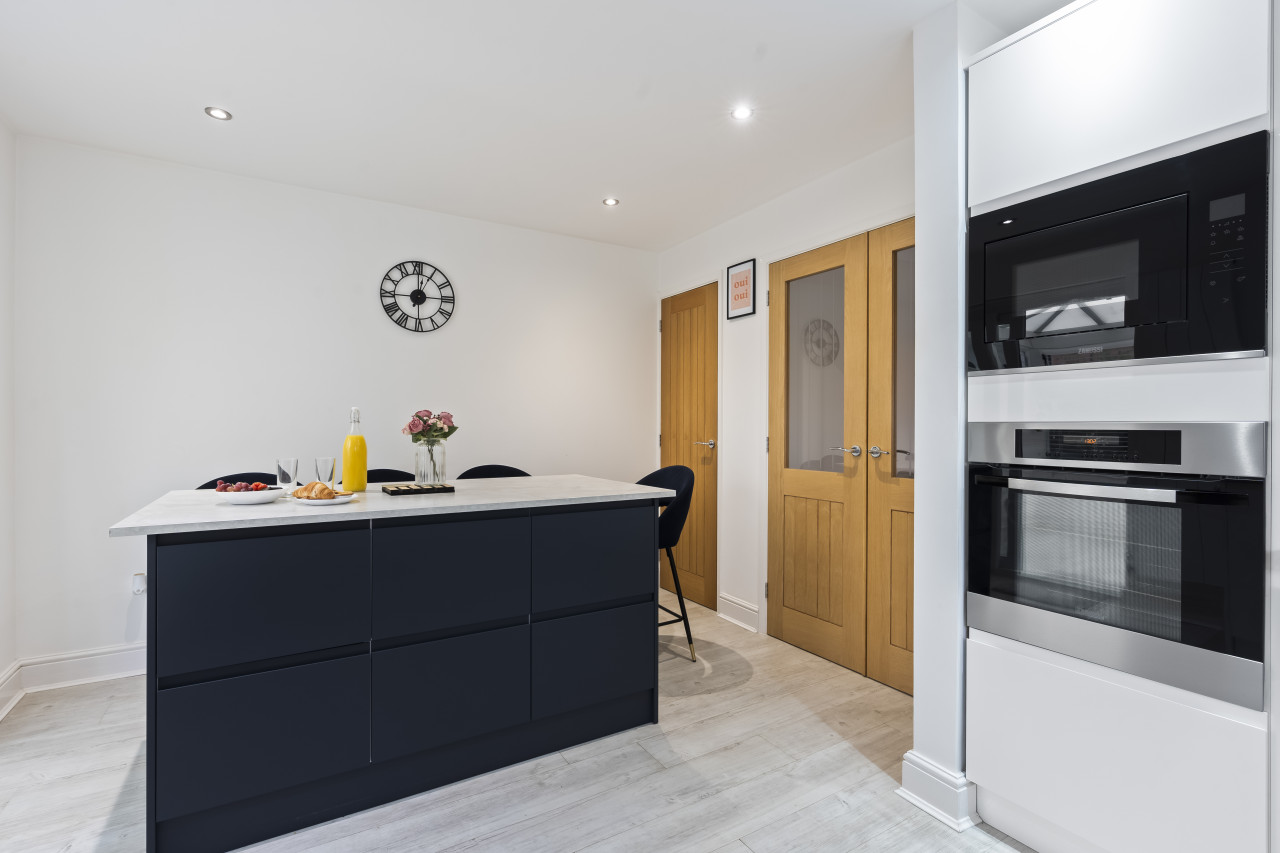
Syston
Tilly's Townhouse with Parking
- Sleeps 4
- 2 bedrooms
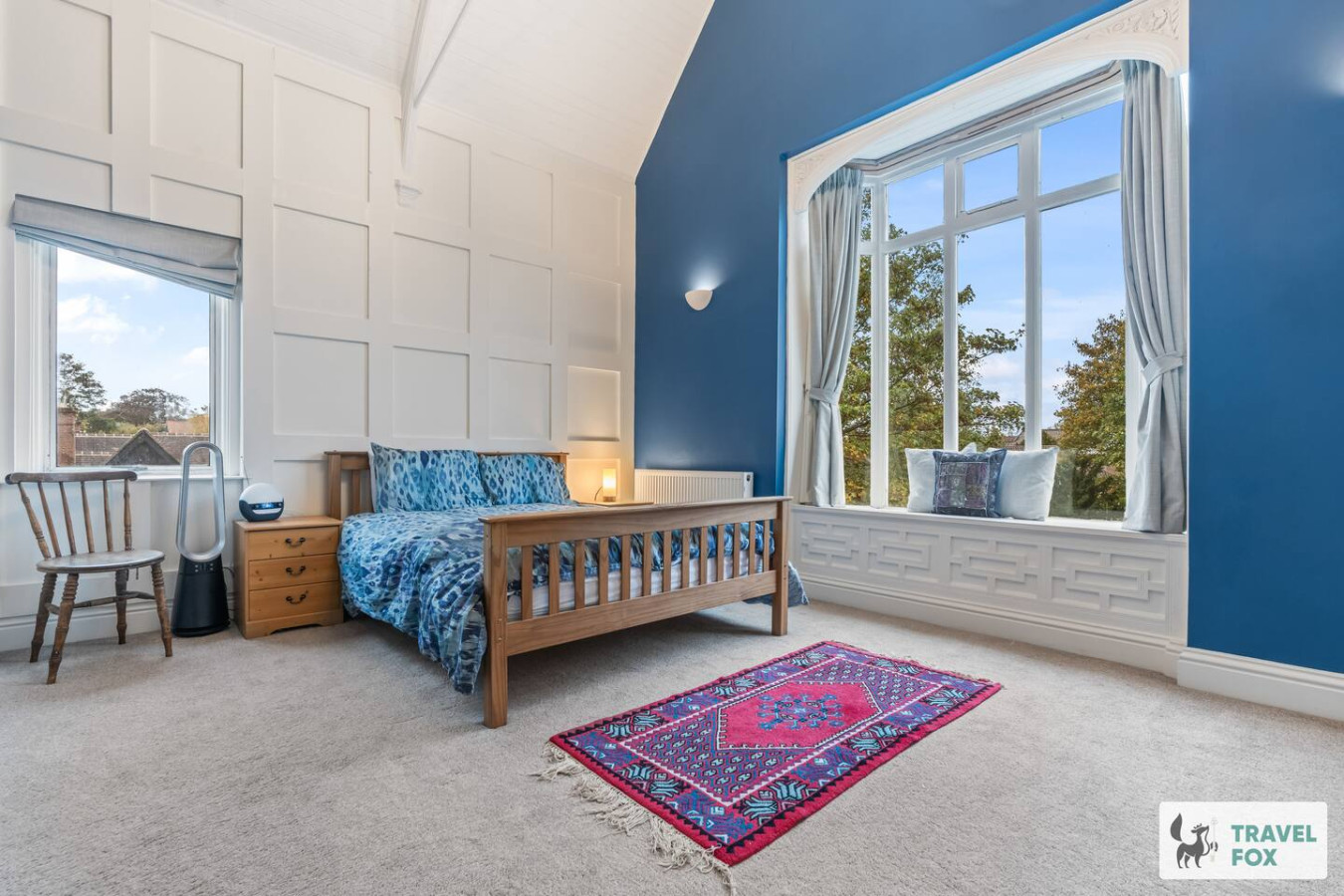
Leicester
Rachel's House with Parking!
- Sleeps 12
- 4 bedrooms
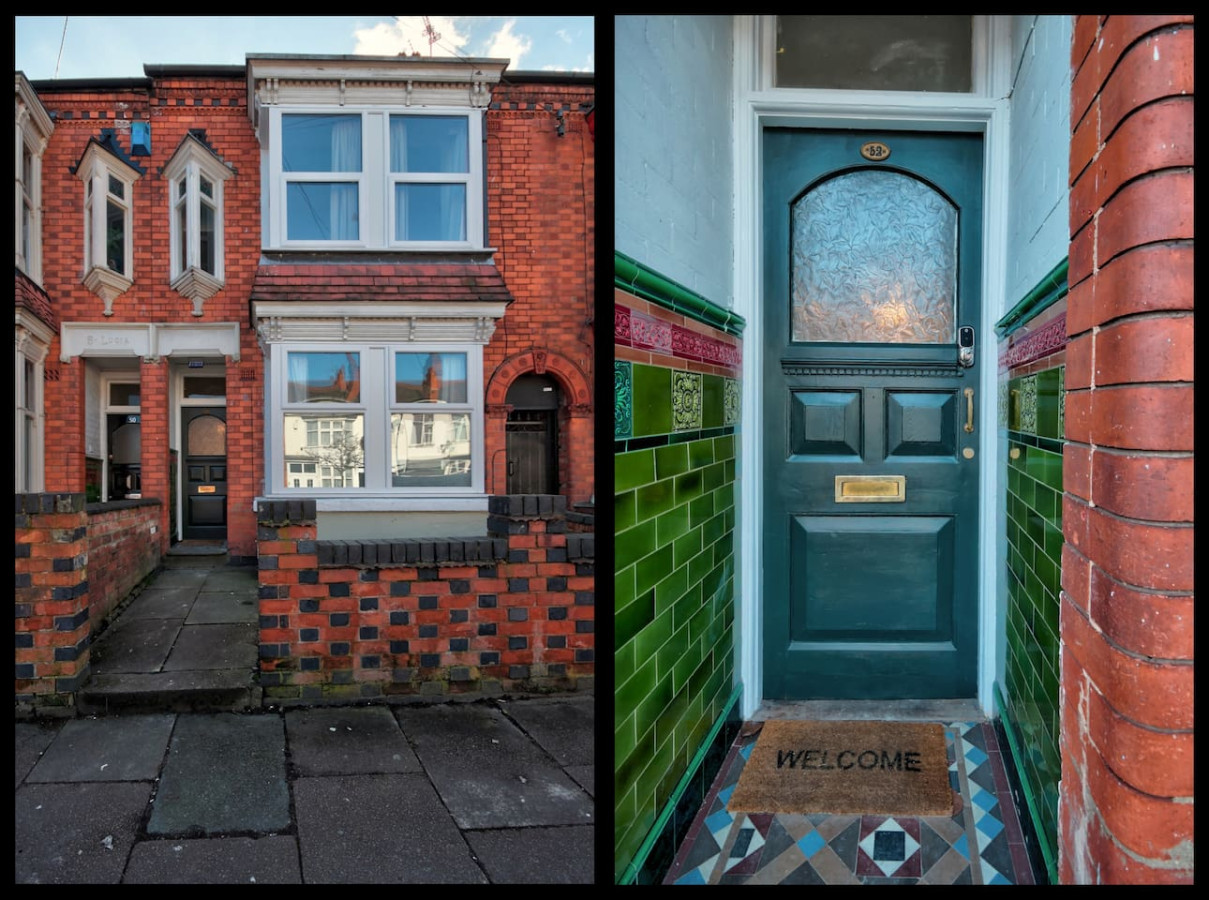
Leicester
Upperton House - Central 5 Bedroom
- Sleeps 9
- 5 bedrooms
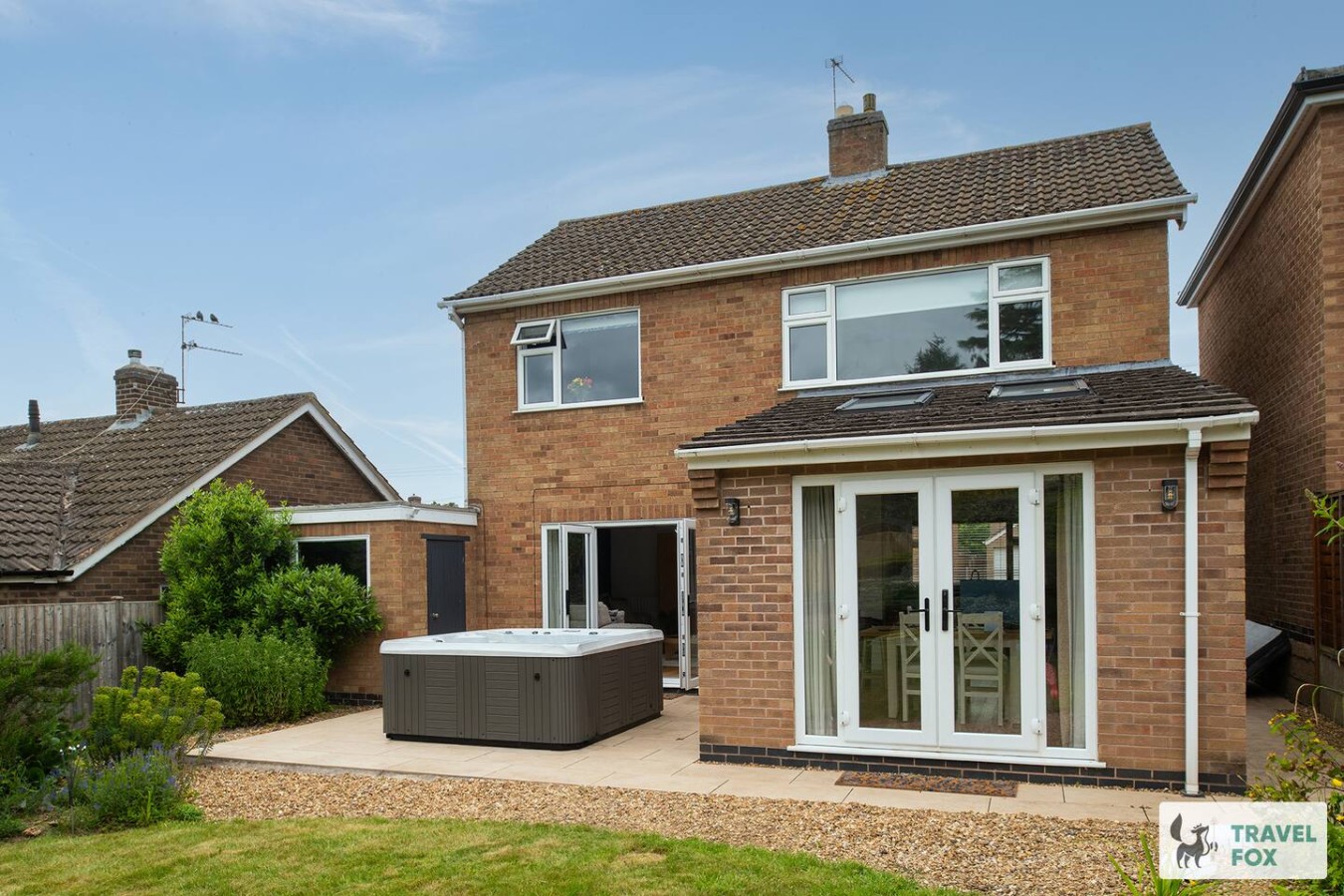
Rearsby
Vanessa's Haven - with hot tub and free parking for 3 cars!!
- Sleeps 5
- 3 bedrooms

Charnwood
UnPoplar House - Free in House Chris
- Sleeps 6
- 3 bedrooms
For homeowners
Own a holiday home near Scalford?
We manage holiday lets across the UK from 12% commission, charged after cleaning costs, with no lock-in. A co-founder visits before you decide.
How our holiday let management works →
A guide with a point of view
Written from research. Edited for real journeys.
Use the Official site links for live practical details, then use this guide for context, ideas and room to explore.
Sources
Every place on this page is checked against a published source. Each entry links the record we used and names who publishes it.
- St Egelwin the Martyr — historicengland.org.uk statutory register or public authority record not machine-readable; publisher restricts automated access
- The Kings Arms — kingsarms-scalford.co.uk operator, sector body or destination organisation
- Jubilee Way — leicestershire.gov.uk statutory register or public authority record not machine-readable; publisher restricts automated access
- Scalford Post Office — postoffice.co.uk operator, sector body or destination organisation record not machine-readable; publisher restricts automated access
- Scalford Parish Walk 2: Walking Country — choosehowyoumove.co.uk operator, sector body or destination organisation