
Leicestershire Wolds
Old Dalby
An Old Dalby day can pair open Wolds countryside with a village pub and a red-sandstone church.
- Best for
- Wolds walks and village history
- Give it
- A few unhurried hours
- Don't miss
- St John the Baptist church
The Fox verdict
A small village with unusually deep layers
Come for the higher, open landscape and stay for a historic church and a community-saved pub.
Old Dalby suits visitors who enjoy putting a village's details together slowly: the Wolds setting and red-sandstone church both reward attention, while the Crown gives the visit a natural pause.
Where to go
Places in Old Dalby
Every place below is checked against a published source, listed with what it is and how long to give it.
Local signatures
3 placesThe Crown Inn
A traditional pub serving steaks, homemade pies, pizzas, burgers and vegetable dishes made with local ingredients, with a large beer garden and a community-led rescue story.
- Visit length
- Editorial estimate: Allow around 1 hour 15 minutes
- Locality
- Old Dalby village
- Access
- Dogs and muddy boots are welcome.
Old Dalby Village Green
Start at Old Dalby Village Hall and take in the nearby village green, a community open space in the historic core. The map pin marks the named hall start, not a point on the green.
- Visit length
- Editorial estimate: Allow around 20 minutes
- Locality
- Old Dalby village green
Old Dalby Village Hall
The village hall occupies a former schoolhouse more than 150 years old. Its operator describes it as a community hub beside the church and village green.
- Visit length
- Editorial estimate: Allow around 20 minutes
- Locality
- Old Dalby village
- Access
- View the former schoolhouse from Main Road; check the hall calendar for public events before entering.
Walks & outdoors
1 placeOld Dalby Wolds Walks
Walking around Old Dalby leads into the higher, open and rolling landscape of the Leicestershire Wolds between Melton Mowbray and Nottingham.
- Visit length
- Editorial estimate: Allow around 2 hours
- Locality
- Wolds countryside surrounding Old Dalby
History & heritage
1 placeSt John the Baptist Church
A Grade II-listed church believed to have Norman origins, rebuilt by Thomas Winter in 1835 in Perpendicular style using red sandstone ashlar, with a west tower and four bells.
- Visit length
- Editorial estimate: Allow around 30 minutes
- Locality
- Old Dalby
No places match this filter. Choose All places to reset the list.
Three ways to explore Old Dalby
Signature outings
A pub the village saved
The Crown returned in 2015 after villagers campaigned for its survival and secured Asset of Community Value status.
Red sandstone and four bells
St John the Baptist was rebuilt by Thomas Winter in 1835 using red sandstone ashlar rather than local ironstone.
Walk the higher ground
The countryside around Old Dalby belongs to the higher, open and rolling landscape of the Leicestershire Wolds.
The village story
Old Dalby, in its own words
The original Travel Fox account moves from the Crown through Wolds history to the railway test track and back again.
The Crown
The Crown Inn is the main event here. It's a traditional pub of considerable age that nearly wasn't — it fell into decline, the village campaigned to save it, got it registered as an Asset of Community Value, and it reopened in August 2015 after extensive refurbishment. It does bold, honest food: steaks, homemade pies, authentic pizzas, something called The Crown Burger, and vibrant vegetable dishes, all made with local ingredients. The beer garden is described by visitors as beautiful and enormous. Dogs and muddy boots are welcome, which is useful given the walking country around here.
The Wolds
Old Dalby sits in the Leicestershire Wolds — the higher, open, rolling ground between Melton Mowbray and Nottingham. The village was formerly called Wold Dalby, or Dalby on the Wolds, which tells you everything about the landscape. You're on rural roads, with bus connections into Melton Mowbray.
Church and Domesday
St John the Baptist church is Grade II listed, originally Norman but rebuilt in 1835 by Thomas Winter in Perpendicular style. He used red sandstone ashlar rather than local ironstone, on the grounds that ironstone weathers badly. It has a west tower with four bells. Pevsner gave it a couple of pages.
The Domesday Book recorded Old Dalby in 1086 with 24 households, including 13 villagers and 2 freemen. That put it in the largest 40 per cent of settlements at the time. By 1931 the population was 315, and in 1936 the parish was abolished and merged into Broughton and Old Dalby, which is the kind of administrative indignity small places learn to absorb.
The Railway Test Track
On the edge of the village, there's a railway test track established in 1970. It was originally built for testing Advanced Passenger Trains and has since been used for London Underground Jubilee Line rolling stock and Eurostar test runs. Some of the most significant trains in British railway history have done their first miles here, in a village of a few hundred people.
A Summer Evening
The Crown's beer garden fills up on summer evenings. People bring their dogs.
Stay around Leicestershire
Make a longer stay of it
Travel Fox holiday homes around Leicestershire, linked directly to their property pages.
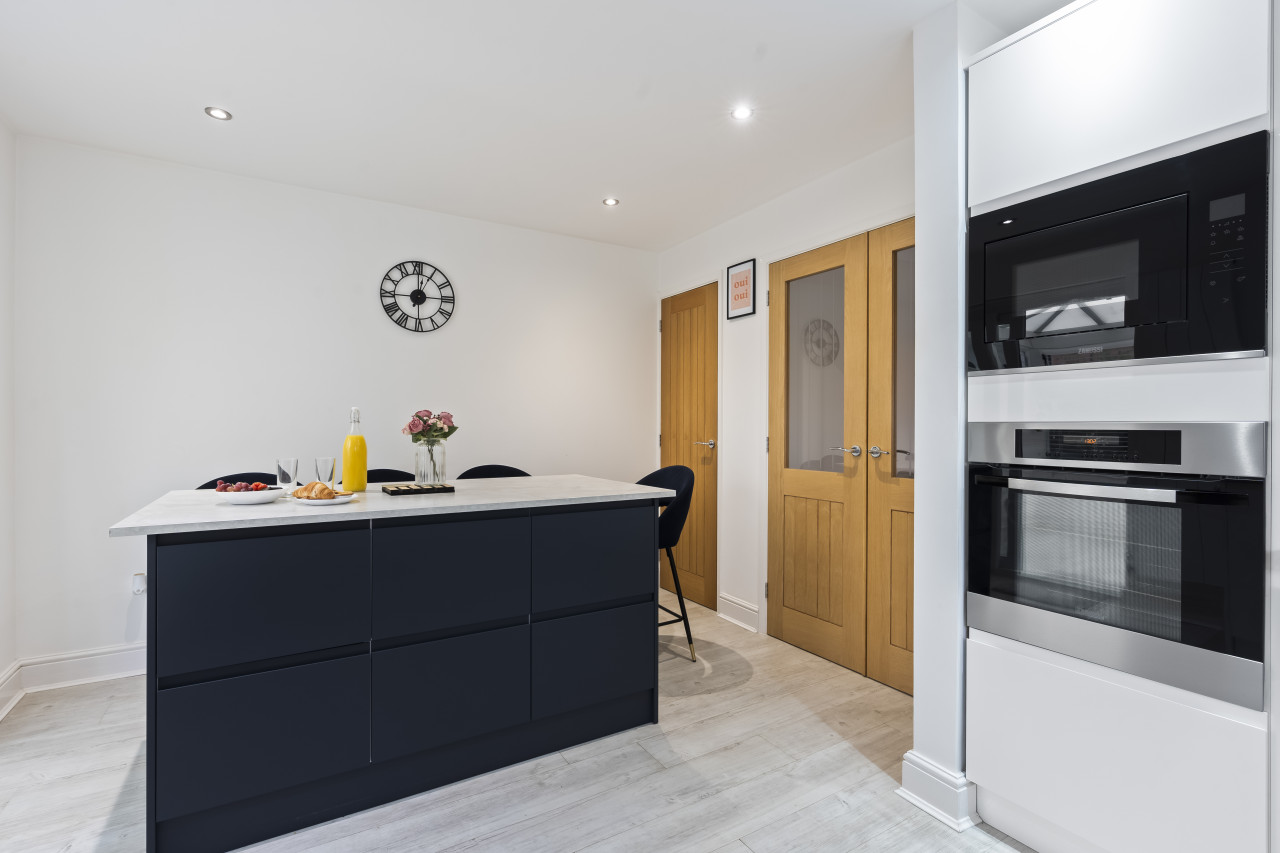
Syston
Tilly's Townhouse with Parking
- Sleeps 4
- 2 bedrooms
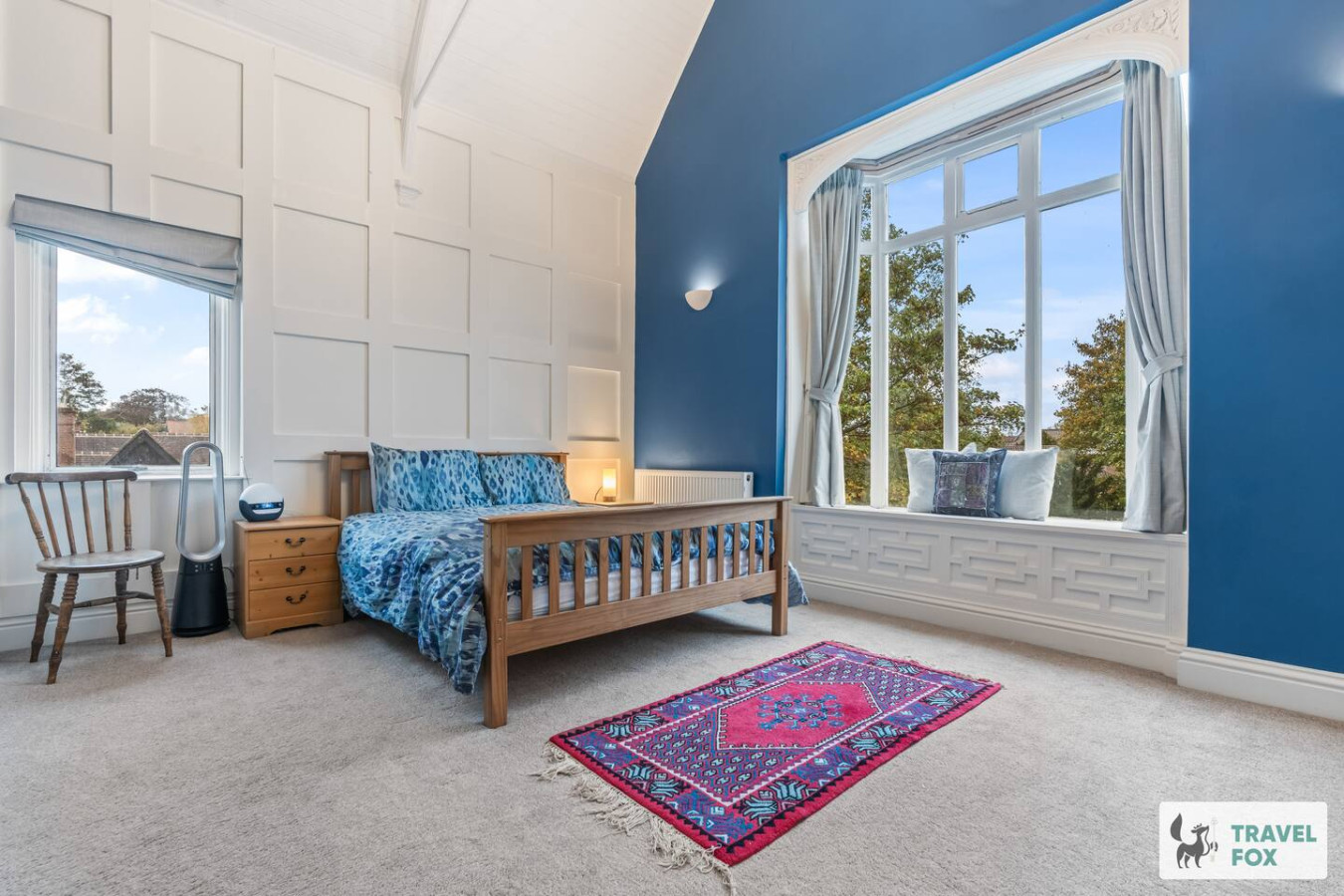
Leicester
Rachel's House with Parking!
- Sleeps 12
- 4 bedrooms
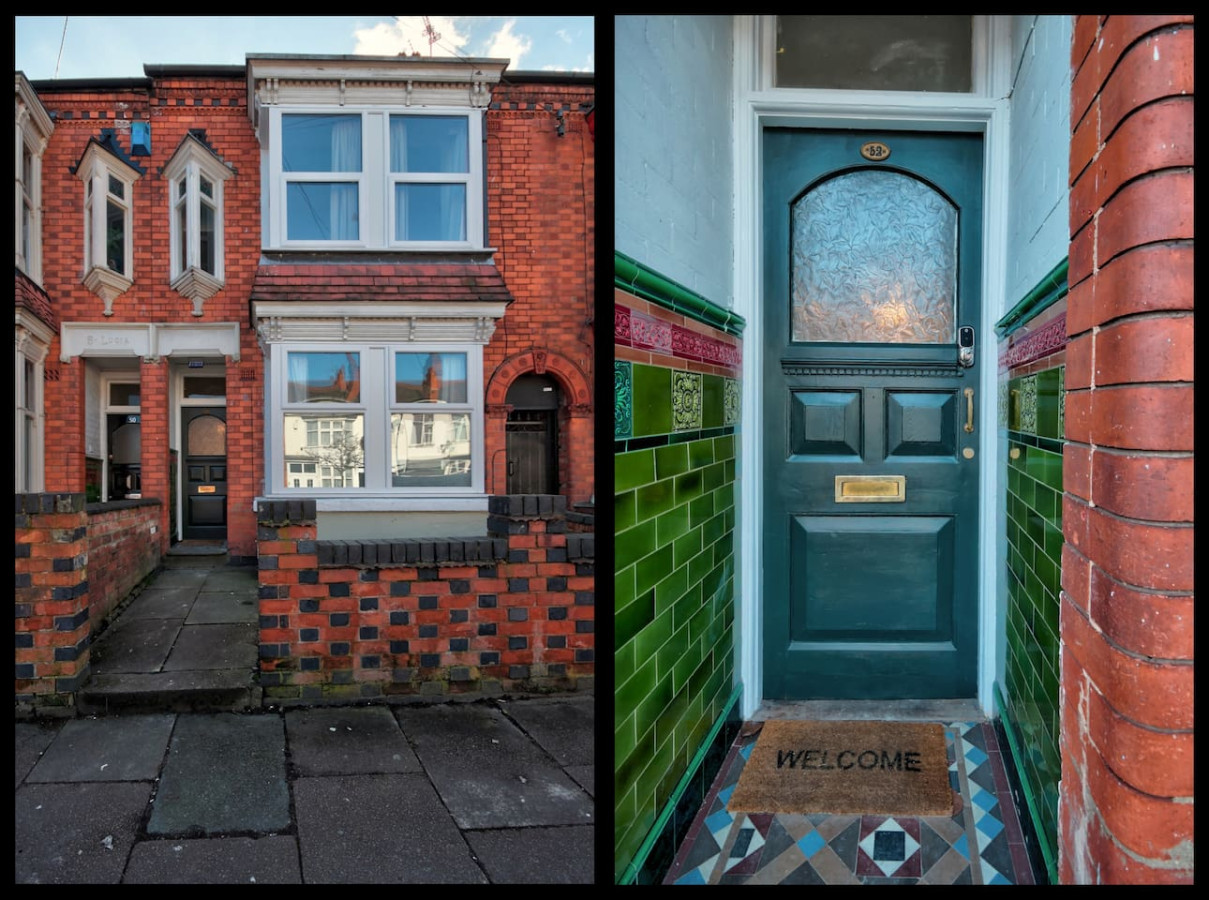
Leicester
Upperton House - Central 5 Bedroom
- Sleeps 9
- 5 bedrooms
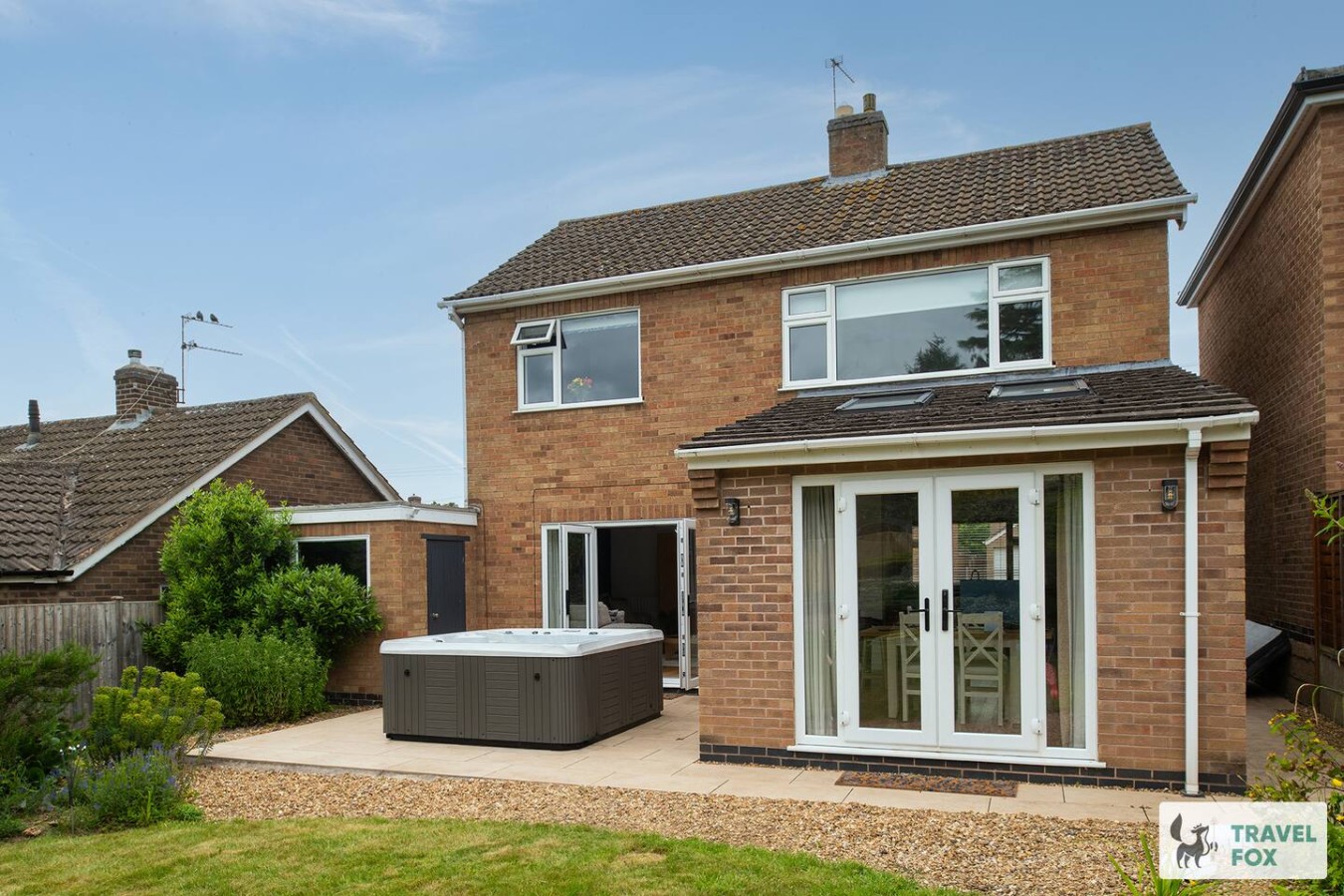
Rearsby
Vanessa's Haven - with hot tub and free parking for 3 cars!!
- Sleeps 5
- 3 bedrooms

Charnwood
UnPoplar House - Free in House Chris
- Sleeps 6
- 3 bedrooms
For homeowners
Own a holiday home near Old Dalby?
We manage holiday lets across the UK from 12% commission, charged after cleaning costs, with no lock-in. A co-founder visits before you decide.
How our holiday let management works →
A guide with a point of view
Written from research. Edited for real journeys.
Use the Official site links for live practical details, then use this guide for context, ideas and room to explore.
Sources
Every place on this page is checked against a published source. Each entry links the record we used and names who publishes it.
- The Crown Inn — thecrownolddalby.com operator, sector body or destination organisation
- St John the Baptist Church — historicengland.org.uk statutory register or public authority record not machine-readable; publisher restricts automated access
- Old Dalby Wolds Walks — leicestershire.gov.uk statutory register or public authority record not machine-readable; publisher restricts automated access
- Old Dalby Village Green — broughtondalbyparishcouncil.gov.uk statutory register or public authority
- Old Dalby Village Hall — odvh.co.uk operator, sector body or destination organisation