
Markets, spires and canal country
Market Harborough
A market town shaped by an unusual stilted school, a medieval spire, local food and the Grand Union Canal.
- Best for
- Market history, local food and canal walks
- Give it
- A day, with longer for the five-mile towpath to Foxton Locks
- Don't miss
- The Old Grammar School above its former butter market
The Fox verdict
A market town with a memorable silhouette
Market Harborough brings its old market, stilted school and church spire together with food stops and a canal route to Foxton Locks.
The Old Grammar School and St Dionysius supply the historic core, while Harborough Museum displays the Hallaton Treasure. The market, farm shop and Three Swans add a food thread, and the Grand Union Canal towpath leads west towards Foxton Locks.
Where to go
Places in Market Harborough
Every place below is checked against a published source, listed with what it is and how long to give it.
Local signatures
3 placesSt Dionysius
A Grade I church with thirteenth-century origins and a tall, slender broach spire dating from soon after 1300.
- Visit length
- Editorial estimate: around 45 minutes
- Locality
- Market Harborough
Harborough Museum
Harborough Museum's Hallaton Treasure Gallery displays more than 2,500 coins and a first-century Roman cavalry helmet. More than 5,000 coins were discovered at the Hallaton site.
- Visit length
- Editorial estimate: around 60 minutes
- Locality
- Market Harborough
Canal Towpath to Foxton Locks
Follow the Grand Union Canal towpath west from Market Harborough towards Foxton Locks. The lock-free Market Harborough Arm follows the hillsides through countryside.
- Visit length
- Editorial estimate: around 180 minutes
- Locality
- Grand Union Canal to Foxton Locks
Food & drink
4 placesThe Three Swans Hotel
A 500-year-old coaching inn serving modern British food, seasonal dishes, pub classics, afternoon tea and Sunday roast.
- Visit length
- Editorial estimate: around 90 minutes
- Locality
- 21 High Street, LE16 7NJ
Farndon Fields Farm Shop
Farndon Fields grew from potatoes sold at the farmhouse into a farm shop with home-grown produce, locally sourced meat, a bakery, the Farmer's Kitchen and a garden area.
- Visit length
- Editorial estimate: around 75 minutes
- Locality
- Market Harborough
Harborough Indoor Market
Harborough Market is an indoor market on Northampton Road with a food hall, general stalls and vintage, retro and antiques markets.
- Visit length
- Editorial estimate: around 60 minutes
- Locality
- Market Harborough
The Roebuck
A family pub on Rockingham Road serving pub classics, burgers, curries and Sunday roasts, with an outdoor dining area.
- Visit length
- Editorial estimate: around 75 minutes
- Locality
- Rockingham Road, LE16 7XY
History & heritage
2 placesOld Grammar School
A timber-framed school built in 1614 above an open ground floor that once sheltered butter market traders.
- Visit length
- Editorial estimate: around 30 minutes
- Locality
- Market Harborough
Foxton Locks
A Grade II* flight of ten locks in two groups of five, reached along the canal towpath from Market Harborough. The climb to the top locks is steep and some ground is uneven.
- Visit length
- Editorial estimate: around 90 minutes
- Locality
- Foxton Locks
No places match this filter. Choose All places to reset the list.
Three ways to explore Market Harborough
Signature outings
The School on Stilts
Pause beneath the Old Grammar School to examine its ten octagonal posts and the painted foundation inscription above them.
Five Centuries at the Three Swans
Inside the Three Swans, look for low beams and an open fireplace; the inn also has a courtyard for warmer weather.
Ten Locks at Foxton
Watch boats work through Britain's longest staircase lock flight, then take care on the steep climb and uneven ground near the top locks.
The town story
Market Harborough: The School on Stilts and the Spire
A long-form guide to Market Harborough's stilted school, church spire, markets, food, canal routes and remarkable local stories.
School, Spire and High Street
The Old Grammar School stands in Church Square. Built in 1614, its first-floor schoolroom rests on ten octagonal posts above an open ground floor formerly used for market functions. Look up at the painted inscription recording Robert Smythe's foundation and endowment.
Beside it, the Grade I Church of St Dionysius began in the early thirteenth century. Much of the present building dates from the fourteenth and fifteenth centuries, including the tower and its crocketed broach spire. A large sundial faces south from the tower.
The High Street makes an easy link from Church Square into Market Harborough's older commercial centre.
From the High Street, continue towards the town's markets and food stops.
Markets, Farm Shop and Coaching Inns
Harborough Market stands on Northampton Road, with a food hall, general stalls and vintage, retro and antiques markets. The town received a royal market charter in 1204, and its Tuesday market began in 1221. The present indoor market was built in the 1990s.
Farndon Fields began with potatoes and vegetables sold from the farmhouse and has grown into a farm shop on the edge of town. Its own produce shares the shelves with locally sourced meat and British food; the Farmer's Kitchen and garden area make it a longer stop.
At the Three Swans, an ornate sign combines Georgian wrought iron with an earlier gallows-style structure, and the inn has welcomed travellers for at least 500 years. Low beams and an open fireplace recall its coaching-inn character. Two restaurants, a coffee house and a bar serve Modern British menus shaped by seasonal produce, while a courtyard offers another place to sit in warmer weather.
The Roebuck on Rockingham Road offers another pub meal, with burgers, curries and Sunday roasts on its menus. It has outdoor seating and welcomes dogs in its bar and beer garden.
High Street and the Canal Arm
The Sugar Loaf on the High Street occupies Thomas Goward's former grocery shop. Founded in 1810, the business cut sugar by hand from conical loaves and prepared tea, coffee and spices in a warehouse behind the shop.
The Market Harborough Arm is lock-free for just under six miles from town to Foxton. The canal follows the hillsides through east Leicestershire countryside.
Locks, Railway Paths and Great Bowden
At Foxton, ten locks form two groups of five and lift boats about 75 feet. This Grade II* flight is Britain's longest staircase flight. Beside it are the remains of the inclined plane, built in 1900 to carry boats in water-filled caissons; the canal museum tells more of its story. Expect a steep climb towards the top locks and patches of uneven ground.
For a different outing, the Brampton Valley Way follows a former railway for more than fourteen miles between Market Harborough and Northampton. Its hard-surfaced track is used by walkers, cyclists and horse riders, so a shorter out-and-back section is an option if the full route is too long.
Great Bowden, immediately north of Market Harborough, has an older story. Recorded as Bugedone in Domesday Book, it was the centre of a royal estate before the neighbouring market town grew. Its houses still gather around several greens, giving the village a distinct centre.
Treasure, Trains and Thomas Cook
Harborough Museum occupies the Symington Building on Adam and Eve Street. Its Hallaton Treasure Gallery displays more than 2,500 coins and a reconstructed first-century Roman cavalry helmet. The wider find, discovered near Hallaton in 2000, contained more than 5,000 coins.
Market Harborough station is served by East Midlands Railway, with links to Leicester and London. It is a short walk from the town centre, so a visit can begin with Church Square and continue to the market or canal.
Thomas Cook lived in Market Harborough when, during a walk to Leicester in June 1841, he conceived an idea for group travel by rail. Later that year he organised an excursion from Leicester to a temperance rally in Loughborough. Harborough District Council has announced plans for a statue and heritage trail to mark his connection to the town.
Stay around Leicestershire
Make a longer stay of it
Travel Fox holiday homes around Leicestershire, linked directly to their property pages.
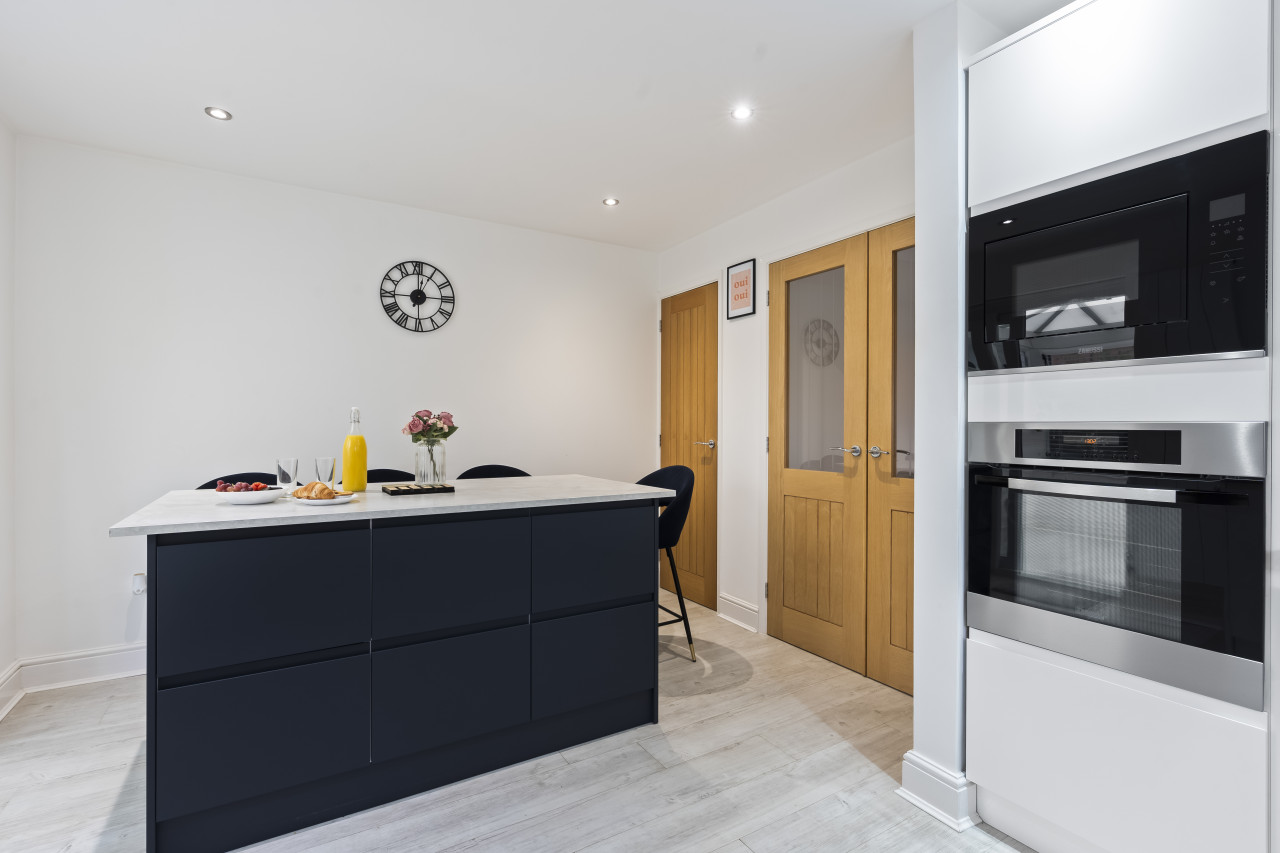
Syston
Tilly's Townhouse with Parking
- Sleeps 4
- 2 bedrooms
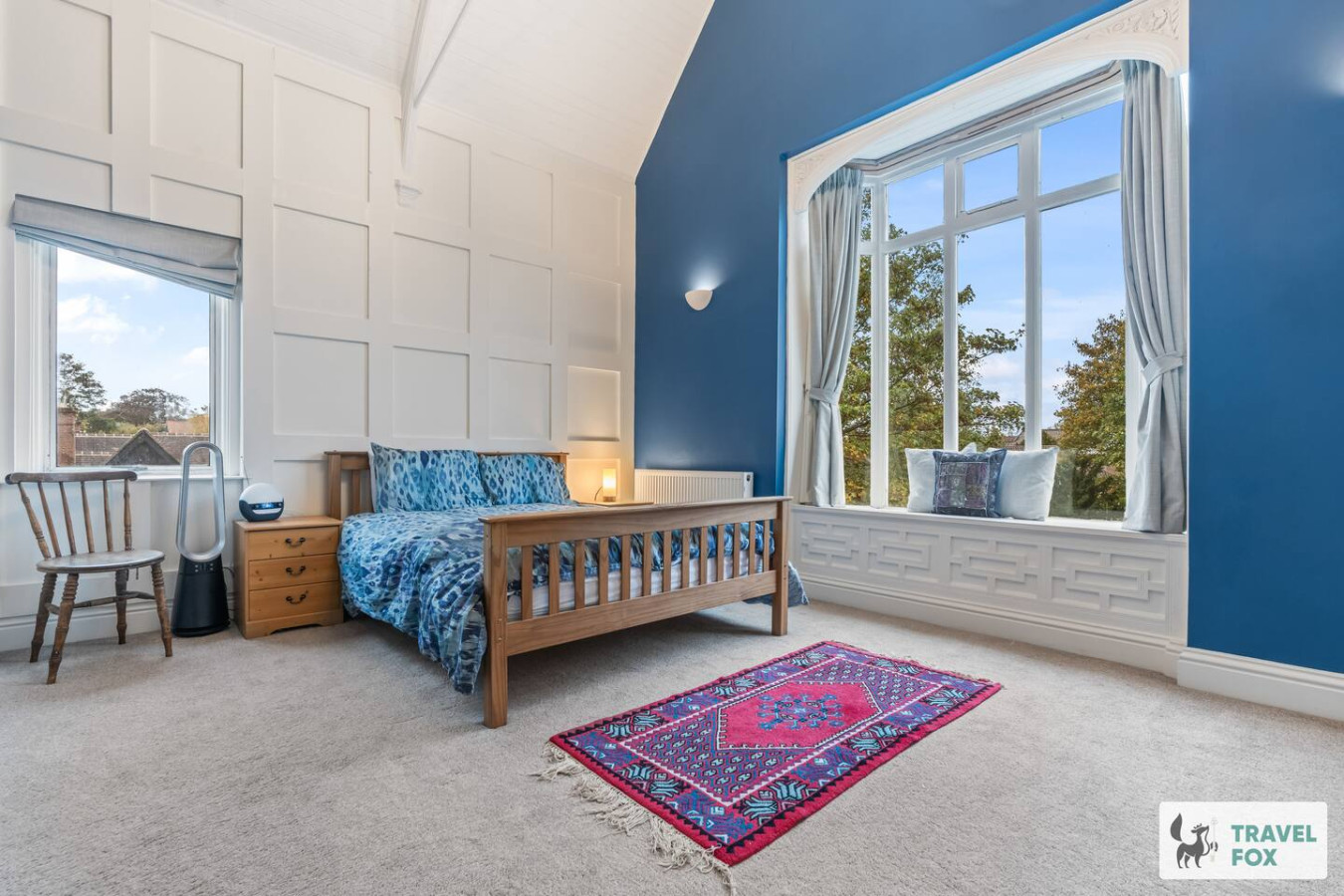
Leicester
Rachel's House with Parking!
- Sleeps 12
- 4 bedrooms
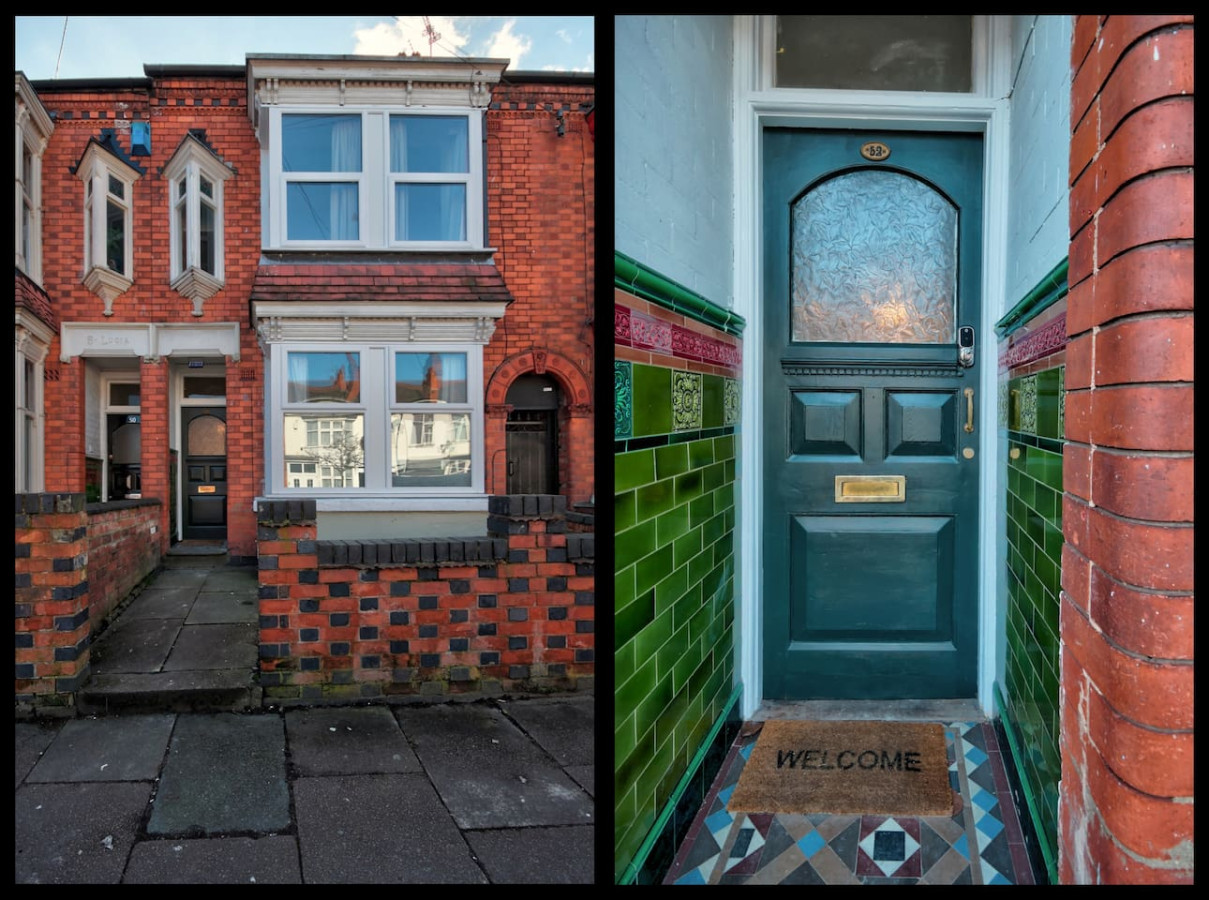
Leicester
Upperton House - Central 5 Bedroom
- Sleeps 9
- 5 bedrooms
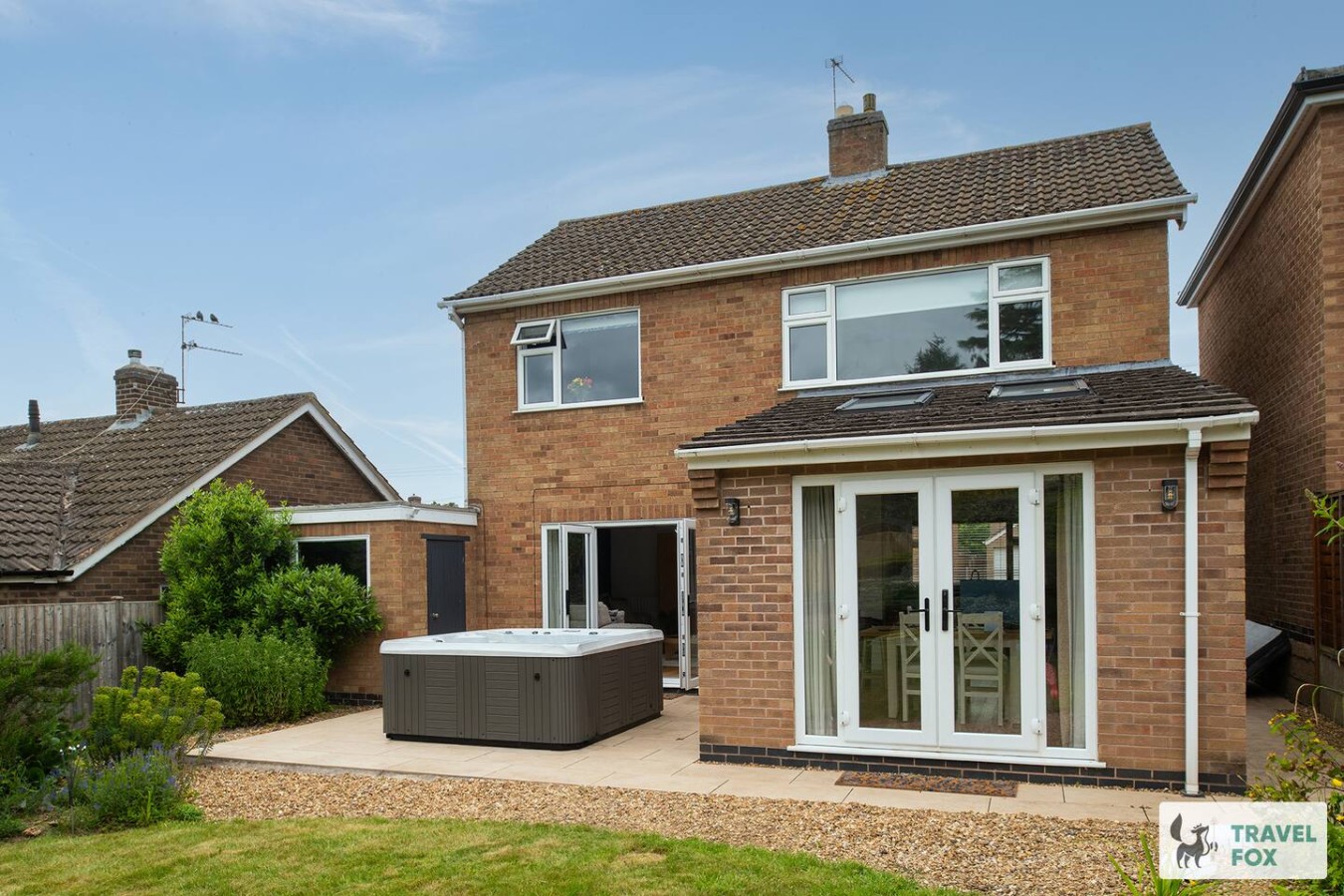
Rearsby
Vanessa's Haven - with hot tub and free parking for 3 cars!!
- Sleeps 5
- 3 bedrooms

Charnwood
UnPoplar House - Free in House Chris
- Sleeps 6
- 3 bedrooms
For homeowners
Own a holiday home near Market Harborough?
We manage holiday lets across the UK from 12% commission, charged after cleaning costs, with no lock-in. A co-founder visits before you decide.
How our holiday let management works →
A guide with a point of view
Written from research. Edited for real journeys.
Use the Official site links for live practical details, then use this guide for context, ideas and room to explore.
Sources
Every place on this page is checked against a published source. Each entry links the record we used and names who publishes it.
- Old Grammar School — historicengland.org.uk statutory register or public authority record not machine-readable; publisher restricts automated access
- St Dionysius — achurchnearyou.com national body or asset manager
- The Three Swans Hotel — threeswans.co.uk operator, sector body or destination organisation
- Farndon Fields Farm Shop — farndonfields.co.uk operator, sector body or destination organisation
- Harborough Museum — harboroughmuseum.org.uk operator, sector body or destination organisation
- Harborough Indoor Market — harborough.gov.uk statutory register or public authority
- Canal Towpath to Foxton Locks — canalrivertrust.org.uk national body or asset manager
- Foxton Locks — canalrivertrust.org.uk national body or asset manager
- The Roebuck — roebuckpubmarketharborough.co.uk operator, sector body or destination organisation