
Market heritage, parkland and battlefield history
Market Bosworth
A Leicestershire market town with a 1285 charter, historic parkland, a heritage railway and the landscape of the Battle of Bosworth close by.
- Market tradition
- Wednesday market chartered in 1285
- Country park
- 35 hectares with Bow Pool and an arboretum
- Heritage railway
- Five miles from Shackerstone to Shenton
The Fox verdict
A compact base for food, parkland and Bosworth history
Market Bosworth brings together a long-running market, three historic pubs, a medieval church and easy choices for a park, railway or battlefield visit.
The useful contrast is between the town itself and the nearby visitor sites: begin with the Grade II* Church of St Peter or one of the researched food stops, then choose the country park, the five-mile Battlefield Line or the exhibition and trail at Ambion Hill.
Where to go
Places in Market Bosworth
Every place below is checked against a published source, listed with what it is and how long to give it.
Local signatures
3 placesThe Black Horse
A Grade II listed gastropub serving breakfast, coffee, lunch and evening meals, with locally sourced ingredients and weekly specials alongside its evening menu.
- Visit length
- Editorial estimate: allow around 90 minutes
- Locality
- 17 Market Place, CV13 0LF
- Access
- Dogs are welcome in the large outdoor seating area under its canopy with heaters.
Market Bosworth Country Park
Historic parkland covering 35 hectares, with mature specimen trees, an arboretum of coast redwoods and Japanese maples, Bow Pool, wildflower meadows and community woodland.
- Visit length
- Editorial estimate: allow around 90 minutes
- Locality
- Market Bosworth
- Access
- Surfaced paths around Bow Pool are accessible.
Bosworth Battlefield Heritage Centre
A heritage centre on Ambion Hill with a two-kilometre battlefield trail, an exhibition and interactive activities about the Battle of Bosworth.
- Visit length
- Editorial estimate: allow around 150 minutes
- Locality
- Ambion Hill, Sutton Cheney
- Access
- The researched visitor offer includes an exhibition, interactive activities, re-enactments and events.
Food & drink
1 placeDixie Arms Hotel
A Grade II listed traditional pub with bar meals and an evening Italian restaurant whose pizzas are cooked in an authentic pizza oven.
- Visit length
- Editorial estimate: allow around 90 minutes
- Locality
- Main Street, CV13 0JW
- Access
- The research records the pub as dog friendly and having a beer garden.
History & heritage
2 placesChurch of St Peter
A primarily 14th- and 15th-century limestone church with a recessed spire, a wide five-light east window, fan-vaulted sedilia, Kempe glass and Dixie family memorials.
- Visit length
- Editorial estimate: allow around 45 minutes
- Locality
- Market Bosworth
The Battlefield Line Railway
A five-mile heritage railway from Shackerstone to Shenton via Market Bosworth, using part of the former Ashby and Nuneaton Joint Railway route.
- Visit length
- Editorial estimate: allow around 120 minutes
- Locality
- Market Bosworth station, Station Road
- Access
- The research records steam and diesel trains every weekend and bank holiday from March to December.
No places match this filter. Choose All places to reset the list.
Three ways to explore Market Bosworth
Signature outings
Five miles of heritage rail
Travel the former Ashby and Nuneaton Joint Railway route between Shackerstone and Shenton, with Market Bosworth as one of its three stations.
Medieval stone and Kempe glass
See the Church of St Peter's recessed spire, broad east window, fan-vaulted sedilia, Kempe stained glass and Dixie family memorials.
The Dixie Arms
Choose traditional pub food or the evening Italian restaurant, where pizzas are made in an authentic pizza oven.
The village story
Market Bosworth Village Guide
The original Travel Fox article, preserved verbatim and grouped into five sequential sections.
The Market Place and the Black Horse
The Black Horse on Market Bosworth's square is Grade II listed. So is the Dixie Arms across the way, and Ye Olde Red Lion round the corner on Park Street, and St Peter's Church at the top of Main Street. You could stand in the middle of the Market Place, turn slowly, and point at listed buildings like a weathervane in a heritage gale.
Market Bosworth has a population of about 2,100 and a square that looks like it was built for a town three times that size. The Market Place is a proper square — stone, open, with cars parked around the edges — and nearly every building on it is doing something useful. There are three places to eat within sixty seconds' walk in any direction, a boutique café, a Turkish grill, and a fine dining restaurant in what used to be a coaching inn. The Wednesday market has been running since Edward I granted the charter in 1285. A farmers' market takes over on the fourth Sunday of each month.
The Black Horse is where you go for a special meal. The building has a sixteenth-century core behind its rendered façade, and the kitchen takes the setting seriously. The evening menu runs from pan-seared pigeon breast with black pudding sausage roll and apple cider chutney to sous vide venison with creamed horseradish mash and juniper berry and port jus. There's a cumin-roasted rump of lamb in a Madras sauce that reads like it shouldn't work and apparently does. The set menu is two courses for £28.50, three for £32. Monday is pie and wine night. Dogs are welcome in the bar and garden but not the restaurant, which is fair enough given the tablecloths.
Across the square, the Dixie Arms has a wood-fired pizza oven in its Italian restaurant, which takes a moment to process when you're standing outside a Grade II listed Leicestershire pub. Spaghetti carbonara, proper pizzas, steak with homemade peppercorn sauce. The bar side is more traditional — Marston's Bitter, Theakston's, open fire, pool table. Seven rooms upstairs if you want to stay above the shop, as it were. The pub is named after the Dixie family, who more or less owned Market Bosworth for three hundred years, a point we'll come back to.
Pubs, Restaurants and Cafes
Ye Olde Red Lion on Park Street is the oldest of the three, possibly fourteenth century, certainly sixteenth. Oak beams, horse brasses, a roaring fire in winter. The menu is simpler — cottage pie, fish and chips, roast beef rolls with gravy — and the portions are described by reviewers with a consistency that suggests genuine surprise. Marston's Pedigree and Banks' Amber on the pumps. Four-poster beds in two of the five letting rooms, if you're feeling medieval.
Softleys, on the square, is a restaurant rather than a pub — a 1600s building with a 1794 façade, where some of the seating is old pews from Barwell Methodist Church, installed by a former Methodist minister whose name the place now carries. Head chef James Davis does a complimentary taster soup before starters, which is the kind of small gesture that explains why it sits at number one on TripAdvisor. Grilled salmon in sauce vierge. Melting chocolate sphere with homemade honeycomb. Saturday champagne brunch for £30 including a glass of fizz. The fish comes in daily.
For something different, Istanbul BBQ Kitchen on the Market Place cooks everything over a live charcoal mangal grill. The Yogurtlu Adana Lamb gets particular attention in reviews. Nothing is stored from the previous day, which is either a quality commitment or a storage issue, but the results speak for themselves.
Maison Rose, also on the square, opened in 2021 and does the kind of brunch that photographs well — shakshuka, avocado and poached eggs, flatbreads, a Spanish pistachio latte that regulars seem to talk about more than is strictly normal for a coffee. Afternoon tea is available. Booking is advised even midweek.
Markets, Parkland, Canal and Railway
The town doesn't have a butcher or a bakery on the high street. The Wednesday market and the monthly farmers' market fill the gap, and Bosworth Pharmacy on Main Street covers prescriptions. The post office operates out of St Peter's Church Hall on Tuesdays and Thursdays only. Whitemoors, near Shenton about 2.3 miles southwest of Market Bosworth in a straight line, is an antiques and crafts centre with up to thirty dealers, a tea room, and Victorian gardens. Dealers come from London, Holland, and France, which is a lot of traffic for a village you need a B-road to reach.
Market Bosworth Country Park lies east of the square — eighty-five acres of parkland with a lake called Bow Pool, an arboretum with coast redwoods and Japanese maples, wildflower meadows, and surfaced paths accessible to wheelchairs and pushchairs. A parkrun starts here every Saturday. It's the kind of park that doesn't announce itself but rewards people who actually walk through it rather than glancing at the car park and driving on.
The Ashby Canal runs about a mile west of the town, and the towpath is one of the better flat walks in the area. The canal is entirely lock-free — twenty miles of level water from Bedworth to Snarestone — so the walking is easy and the scenery is hedgerows, reeds, and open farmland with medieval ridge-and-furrow patterns still visible in the fields. Head south along the towpath towards Sutton Cheney. Head north and you're into Shackerstone.
The Battlefield Line runs steam and diesel trains on weekends from March through December. Market Bosworth station is on the edge of town, near the Country Park. Five miles of track run through open countryside between Shackerstone and Shenton. Station Glass is a glassblowing studio near Shenton.
Bosworth Battlefield and the Dixie Legacy
Walking south from Market Bosworth, you cross rolling green farmland toward Ambion Hill and the Bosworth Battlefield Heritage Centre, just under three miles on foot according to the centre’s directions. The Battle of Bosworth Field was fought here on 22 August 1485 — the last significant battle of the Wars of the Roses, where Henry Tudor killed Richard III and started the Tudor dynasty. Richard was the last English king to die in battle. Between 2005 and 2009, archaeologists proved the actual fighting happened about a mile southwest of where everyone had assumed for five centuries, on marshy ground straddling a Roman road called Fenn Lane. They found the largest collection of medieval round shot ever recovered from a European battlefield, and a silver-gilt boar badge — Richard's personal emblem — near a medieval marsh where the chronicles say his horse became stuck.
The Heritage Centre has a battlefield trail with interpretation boards and views across the site. A longer option is the Bosworth 1485 Sculpture Trail, a twelve-mile route launched on the 540th anniversary in August 2025, linking four sculptures between Market Bosworth, Sutton Cheney, the battlefield, and Dadlington.
Sutton Cheney itself, south of Market Bosworth, has St James' Church — where Richard III reputedly heard his last Mass the night before the battle. In 2015, his funeral cortège paused here on the way to Leicester Cathedral, five hundred and thirty years late.
The Dixie family threaded through Market Bosworth's history for three centuries. Sir Wolstan Dixie was Lord Mayor of London in 1585 and bought the Bosworth parkland in 1589. His will endowed the grammar school, re-founded in 1601, where Samuel Johnson taught as a twenty-two-year-old in 1732. Johnson lasted four months. He later recalled the experience with "aversion and horror," which is strong language from the man who wrote the Dictionary but perhaps understandable given the pay. Thomas Hooker, one of the school's first pupils after the re-founding, went on to found Hartford, Connecticut and draft what is sometimes called America's first written constitution.
Domesday, Davey Graham and Getting Here
Bosworth Hall, the Dixie family seat, was built around 1690. The eleventh baronet lost it to gambling debts in 1885. It became a county hospital, then a Britannia hotel. The Dixie baronetcy lasted thirteen generations and went extinct in 1975.
The Domesday surveyors recorded thirty-four households in 1086, held by Hugh de Grandmesnil, one of the Conqueror's principal Leicestershire men. Ten villagers, seven freemen, seven smallholders, two slaves. The whole place was worth a pound.
Davey Graham, the folk and blues guitarist who popularised DADGAD tuning and whose instrumental "Anji" influenced everyone from Bert Jansch to Jimmy Page, was born at Bosworth Park Infirmary — the building that became Bosworth Hall — in 1940. A blue plaque went up in 2016.
Getting here is straightforward. The town is signed off the A447 via the B585, about fifteen miles from Leicester and twenty-nine from Birmingham. Hinckley station is about 6.4 miles away in a straight line, with a longer road journey, with trains to Leicester in twenty minutes. The 153 bus runs hourly from Leicester on weekdays, taking about fifty minutes to reach the square.
On Wednesday mornings, the market traders set up their stalls in the same square where they've been trading since 1285. The church spire rises behind the rooftops. Someone is walking a dog across the square. The whole scene looks as though it has been gently maintained by people who understand that not everything needs to be improved — just kept going.
Stay around Leicestershire
Make a longer stay of it
Travel Fox holiday homes around Leicestershire, linked directly to their property pages.
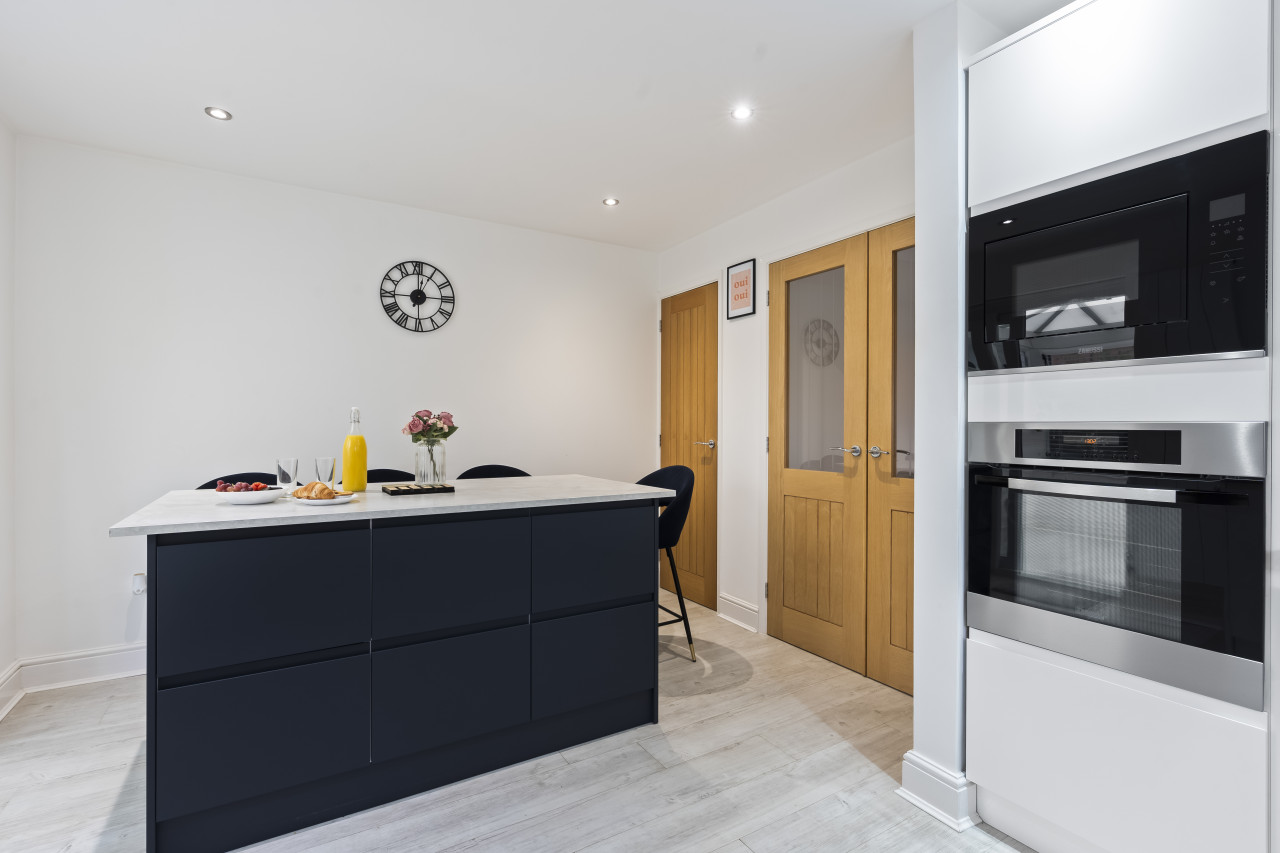
Syston
Tilly's Townhouse with Parking
- Sleeps 4
- 2 bedrooms
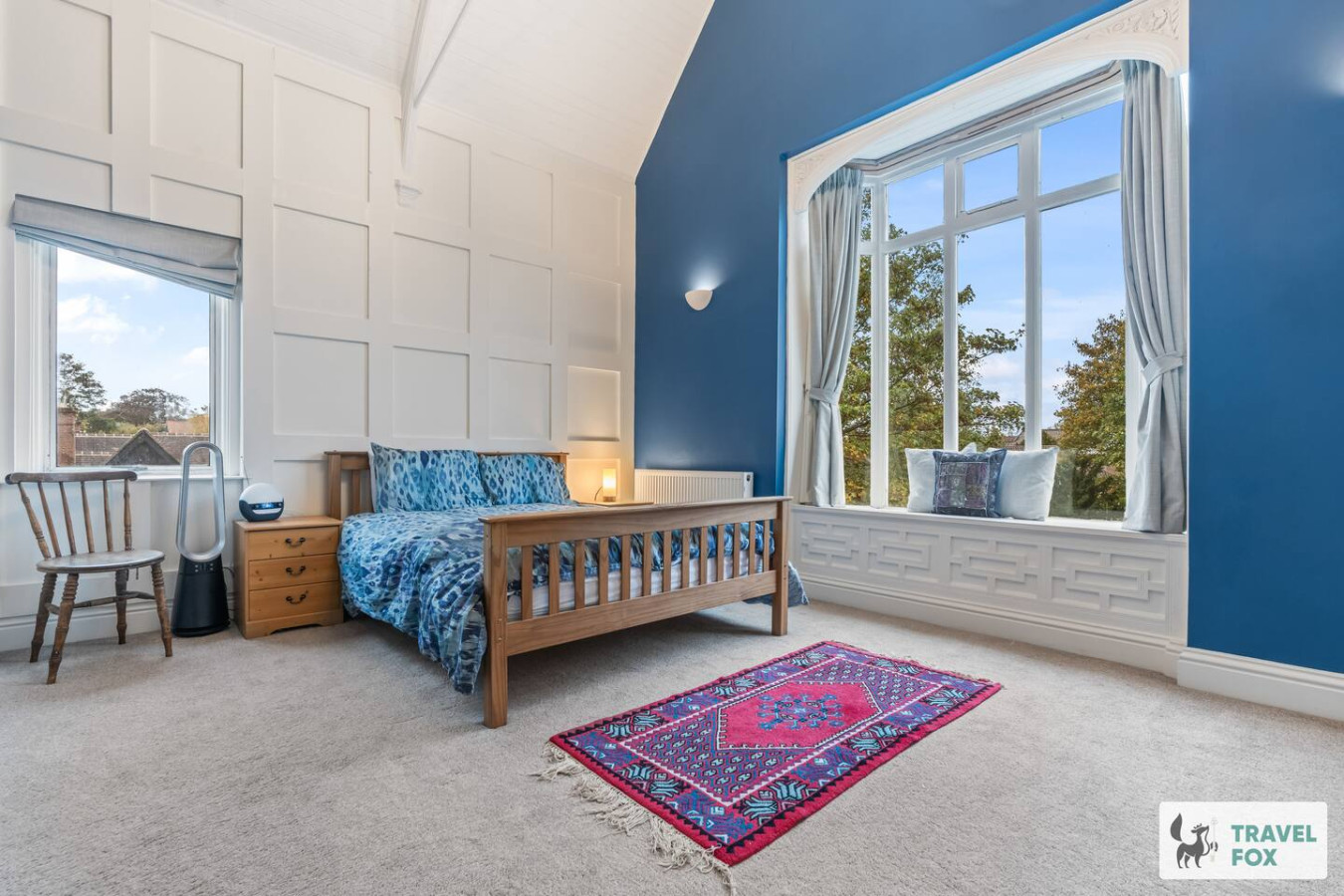
Leicester
Rachel's House with Parking!
- Sleeps 12
- 4 bedrooms
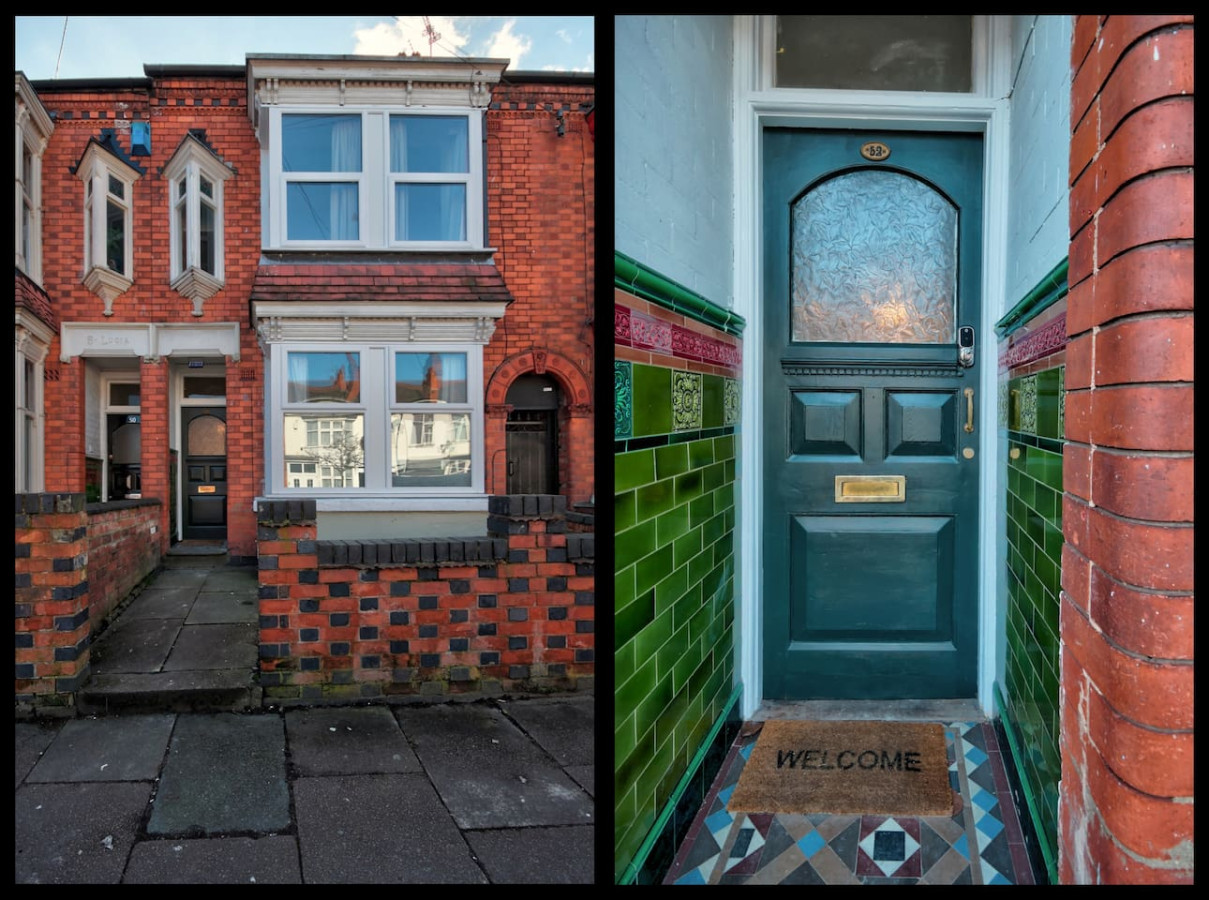
Leicester
Upperton House - Central 5 Bedroom
- Sleeps 9
- 5 bedrooms
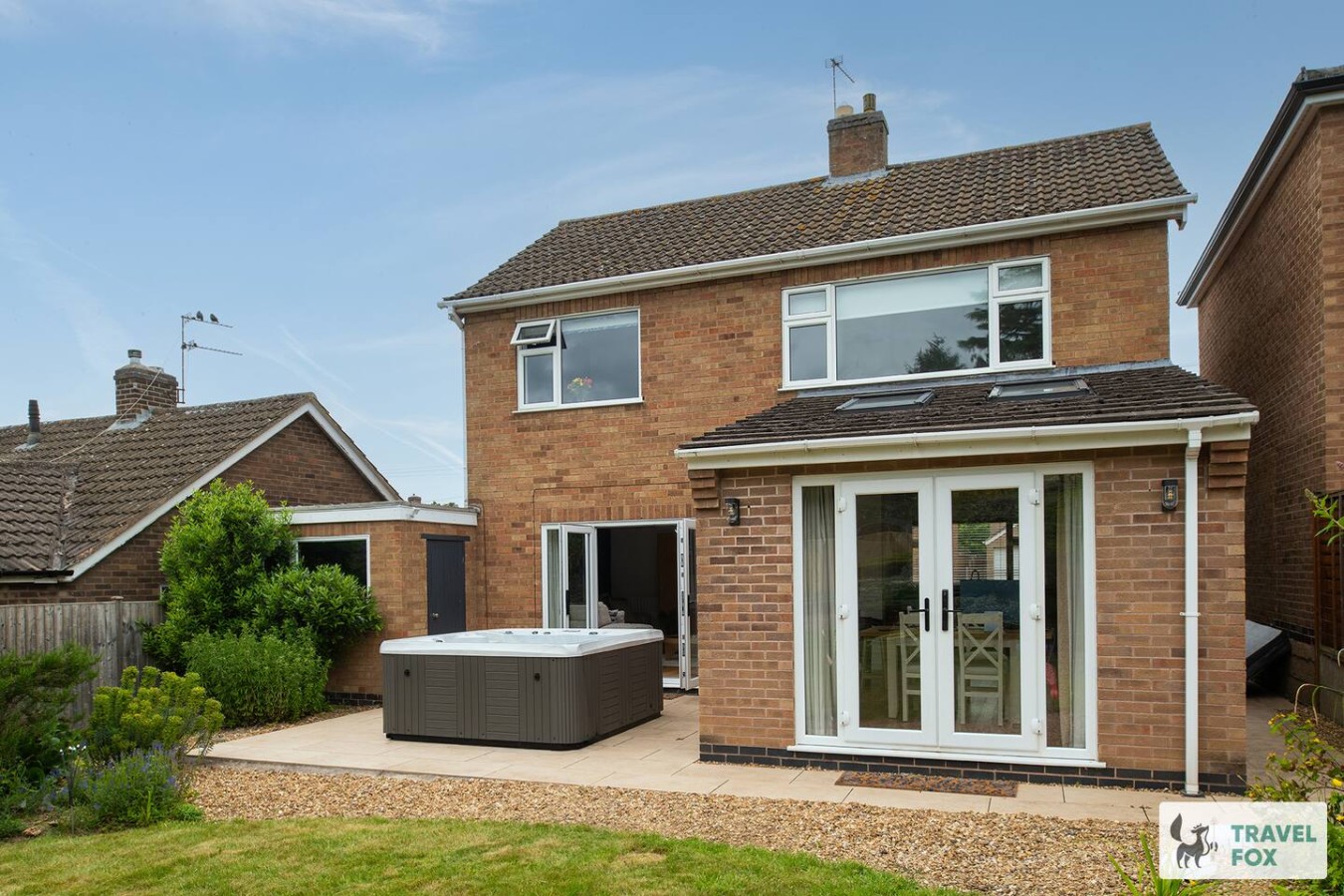
Rearsby
Vanessa's Haven - with hot tub and free parking for 3 cars!!
- Sleeps 5
- 3 bedrooms

Charnwood
UnPoplar House - Free in House Chris
- Sleeps 6
- 3 bedrooms
For homeowners
Own a holiday home near Market Bosworth?
We manage holiday lets across the UK from 12% commission, charged after cleaning costs, with no lock-in. A co-founder visits before you decide.
How our holiday let management works →
A guide with a point of view
Written from research. Edited for real journeys.
Use the Official site links for live practical details, then use this guide for context, ideas and room to explore.
Sources
Every place on this page is checked against a published source. Each entry links the record we used and names who publishes it.
- The Black Horse — theblackhorserestaurant.co.uk operator, sector body or destination organisation
- Dixie Arms Hotel — dixiearmshotel.co.uk operator, sector body or destination organisation
- Church of St Peter — historicengland.org.uk statutory register or public authority record not machine-readable; publisher restricts automated access
- Market Bosworth Country Park — marketbosworth-pc.gov.uk statutory register or public authority
- The Battlefield Line Railway — battlefieldline.co.uk operator, sector body or destination organisation
- Bosworth Battlefield Heritage Centre — bosworthbattlefield.org.uk operator, sector body or destination organisation