
Ales, bells and Charnwood
Loughborough
A market town where a formidable cask-ale line-up meets Britain's last working bell foundry, a 47-bell carillon and ancient woodland.
- Best for
- Cask ale, bellmaking heritage and woodland walks
- Give it
- A full day across the town and Charnwood Forest
- Don't miss
- A two-hour tour of John Taylor's working bell foundry
The Fox verdict
Britain's bellmaking town has a formidable pub line-up
Loughborough combines an exceptional concentration of serious cask-ale pubs with a working bell foundry, a landmark carillon and easy access to Charnwood's ancient landscape.
Start with nine cask ales at the Organ Grinder, follow the town's bell story from John Taylor & Co to the Carillon Tower and All Saints, then choose between ancient woodland, a Bronze Age hill-fort summit and the country's only double-track main-line heritage railway.
Where to go
Places in Loughborough
Every place below is checked against a published source, listed with what it is and how long to give it.
Local signatures
3 placesOrgan Grinder
A Blue Monkey brewery tap in a former coaching inn, with an 18th-century coach house, original features, a stable bar, nine cask ales, a beer garden and dogs welcome.
- Visit length
- Editorial estimate: allow around 60 minutes
- Locality
- 4 Woodgate
John Taylor & Co Bell Foundry
The UK's last remaining working bell foundry, with a Grade II* site, a Casting Hall viewing platform and an interactive museum with two immersive galleries.
- Visit length
- Editorial estimate: allow 2 hours for the foundry tour
- Locality
- Freehold Street
- Access
- Foundry tours last two hours and are for children aged nine and over.
Beacon Hill
A 248-metre Bronze Age hill-fort site with a craggy summit and sweeping views across north Leicestershire.
- Visit length
- Editorial estimate: allow around 60 minutes
- Locality
- Near Woodhouse Eaves, outside Loughborough
Walks & outdoors
1 placeThe Outwoods
A 110-acre ancient woodland with late-April and early-May bluebells, an easy-access path, bird feeding station, children's play area and cafe.
- Visit length
- Editorial estimate: allow around 60 minutes for a gentle stroll
- Locality
- Near Nanpantan, outside Loughborough
History & heritage
4 placesThe Carillon Tower
A 152-foot Grade II listed war memorial whose 47 bells, cast at the town's foundry, can be heard during free recitals in Queen's Park.
- Visit length
- Editorial estimate: allow around 1 hour for a recital
- Locality
- Queen's Park
- Access
- Hear the recitals from Queen's Park. The tower museum is closed to visitors.
All Saints Church
One of England's largest parish churches, with a 14th-century core, 15th-century tower and a ring of ten bells cast at John Taylor between 1897 and 1899.
- Visit length
- Editorial estimate: allow around 45 minutes
- Locality
- Beside the Old Rectory
Loughborough Retail Market
An outdoor retail market held every Thursday and Saturday, central to Loughborough for more than 800 years and named Best Large Outdoor Market in 2017.
- Visit length
- Editorial estimate: allow around 45 minutes
- Locality
- Central Loughborough
- Access
- The outdoor retail market occupies central Loughborough, continuing a market tradition of more than 800 years.
Great Central Railway
The UK's only double-track main-line heritage railway and the only place where full-size steam engines pass each other, running for 8.25 miles through four period stations.
- Visit length
- Editorial estimate: allow around 2 hours
- Locality
- Loughborough Central
No places match this filter. Choose All places to reset the list.
Three ways to explore Loughborough
Signature outings
A 47-bell park recital
Listen in Queen's Park as the 47 John Taylor bells of England's first four-octave carillon sound from the 152-foot memorial tower.
Bluebells in The Outwoods
Take an hour's gentle stroll through 110 acres of ancient woodland, with bluebell carpets in late April and early May.
Double-track railway theatre
See full-size steam engines pass on the country's only double-track main-line heritage railway, starting at 1950s-style Loughborough Central.
The village story
Loughborough Village Guide
A town of serious cask ale, world-travelling bells, ancient Charnwood landscapes and main-line steam.
Loughborough's Cask-Ale Circuit
The Organ Grinder on Woodgate pours nine cask ales in an 18th-century coach house that was once the Pack Horse inn. Blue Monkey renovated the building in 2012, retaining original features including the stable bar. It won local Pub of the Year honours in four straight years, from 2023 to 2026. Dogs are welcome, and there is a beer garden.
Loughborough has an unusually dense cask-ale circuit for a town of about 65,000 people. The Swan in the Rushes occupies the former Charnwood Inn on The Rushes, built in 1932. Its nationally significant historic interior retains a glazed stone frontage, original lobby layout, fireplaces and fixed seating. The pub has food, a first-floor outdoor terrace and a changing cask selection.
On Moira Street, Moonface Brewery & Tap brews on site and serves gravity-fed real ales; it won Pub of the Year in 2021. It appeared in the Good Beer Guide 2025.
The White Hart on Churchgate pours changing guest ales from Leatherbritches, Charnwood and other local breweries, with a secluded patio and garden behind the pub. The Jam Garden on Bedford Square won a Rover award as the East Midlands' most dog-friendly pub. It serves pizza but no longer sells cask ale, making it a food stop after the ale circuit.
Market, Bells and Medieval Stone
Loughborough's market tradition stretches back more than 800 years: Henry III granted the first charter in 1221. Loughborough Retail Market fills the town centre on Thursdays and Saturdays and won Best Large Outdoor Market in 2017. A farmers' and craft market takes place on the second Wednesday of each month. Ward's End Quarter has more than 20 independent shops, delis and cafes, with another cluster along Churchgate and through the Mews. The centre rewards a walk between the market stalls and independent shops.
Bellmaking gives Loughborough its most distinctive industry. John Taylor & Co on Freehold Street is the United Kingdom's last remaining working bell foundry. It continues a bellfounding tradition reaching back to medieval Leicester. Robert Taylor took over the St Neots foundry in 1784; the family established its Loughborough operation in 1839, and by 1859 it had expanded into the present Grade II* listed foundry. Since then it has cast more than 25,000 bells for over 100 countries. Great Paul, cast here in 1881 for St Paul's Cathedral, weighs 17,002 kilograms and remains the largest bell cast in Britain. Great Abel, the more than eight-tonne hour bell for Manchester Town Hall, followed in 1882. The foundry also cast the 53-bell carillon for Washington National Cathedral and Yale University's 54-bell carillon. A consortium rescued the business after it entered administration in 2009. A two-hour tour includes a viewing platform over the Casting Hall and an interactive museum with two immersive galleries. Tours are for children aged nine and over and include an annual pass.
Beyond the foundry, the Carillon Tower rises 152 feet above Queen's Park. Designed by Sir Walter Tapper and completed in 1923, the Grade II listed war memorial holds 47 locally cast bells, from a 6-kilogram treble to a 4,211-kilogram bourdon. It was England's first four-octave carillon. Edward Elgar composed "Memorial Chimes" for its dedication on 22 July 1923; the lost manuscript resurfaced in 2012. Free recitals carry the bells' music across the park.
All Saints Church — formerly St Peter and St Paul — is Grade I listed, with a 14th-century core, a 15th-century tower and a late 15th- or early 16th-century nave clerestory. One of England's largest parish churches, it reflects the wealth of the medieval wool trade. Its ring of ten bells was cast at the town's foundry between 1897 and 1899. The adjacent Old Rectory is a medieval manor house with records dating to 1228.
Ancient Woods, Hills and Deer Park
The Outwoods, with its mapped centre about 2.4 miles in a straight line from Loughborough town centre, covers 110 acres of ancient woodland, with bluebells in late April and early May, an easy-access path, a bird feeding station, a children's play area and a cafe. Beacon Hill, about 3.5 miles in a straight line from the town centre, rises to 248 metres, with a Bronze Age hill-fort site, a craggy summit and views across north Leicestershire. A 7.9-kilometre circular links the woodland and summit, climbing 280 metres and taking roughly two and a half to three hours.
For something longer, the Charnwood Forest Peaks Walk covers 15 miles and four peaks through gnarled oak trees, historic deer parks, and some of the oldest rocks in Britain. The geological story here is extraordinary. Charnwood Forest sits on volcanic rocks dating back 600 million years — Precambrian, which in practical terms means they were already ancient when most of life on Earth hadn't got round to existing yet. Near Woodhouse Eaves, schoolchildren Tina Negus and Roger Mason independently discovered Charnia masoni, one of the oldest known animal fossils. The landscape reflects this age: craggy hilltops, dry stone walls, fast-flowing streams threading through ancient woodland.
Bradgate Park, with its mapped centre about 5.8 miles from Loughborough town centre in a straight line, deserves its own mention. The road journey is longer. Eight hundred and fifty acres, enclosed as a deer park over 800 years ago, with herds of red and fallow deer still roaming it. Old John Tower sits on the high ground, about 5.3 miles from Loughborough town centre in a straight line; the road journey is longer. It's one of those places that feels as though it hasn't been consulted about the passage of time.
Steam, Industry and Town History
The Great Central Railway runs from Loughborough Central station — done up in 1950s livery — through Quorn & Woodhouse in its 1940s wartime dress, past Edwardian Rothley, down to Leicester North in 1960s trim. From Loughborough town centre, Rothley station is about 5.2 miles away in a straight line and Leicester North station about 7.9 miles; road journeys are longer. It's the UK's only double-track main line heritage railway and the only place in the world where full-size steam engines pass each other on parallel tracks. The working double track covers 5.25 miles of an 8.25-mile total. It's been kept going since 1969 by around 700 volunteers and a small permanent staff.
The Domesday surveyors recorded the place as Lucteburne, in the Hundred of Goscote. Thirty-nine households — eight villagers, fifteen freemen, sixteen smallholders — with five lord's plough teams and twelve and a half men's. Forty-five acres of meadow, woodland measuring seven by three furlongs, and two mills worth ten shillings. Earl Hugh of Chester held it as tenant-in-chief. By the 17th century, framework knitting had become the major industry. By 1812 there were 12,183 knitting frames in the area. John Heathcoat patented his bobbinet lace machine in 1809 at nearby Hathern. The Luddites attacked his factory on 28 June 1816.
Thomas Cook organised his first package excursion here — a temperance trip to Loughborough in 1841, which launched the entire modern tourism industry from a platform in the East Midlands. Loughborough University, founded in 1909 and granted its Royal Charter in 1966 as the first technological university, is now top-ranked in the world for sports. Paula Radcliffe and Lord Coe are alumni. The annual November fair, originally granted for the Feast of All Souls, is one of the largest travelling fairs in Europe. Loughborough Grammar School has been running since 1495.
Arriving in Loughborough and Hearing the Bells
Loughborough station sits on the Midland Main Line, 111 miles from London St Pancras. East Midlands Railway links the town with Nottingham and with London via Leicester. The M1 is two miles away at Junction 23.
In Queen's Park, the sound of 47 bells reaches the paths around the memorial. A carillonneur plays them by hand, carrying the town's bellmaking craft beyond the workshop and into public space.
That connection between industrial craft, civic memory and an ordinary walk through the park gives Loughborough a sound of its own.
Stay around Leicestershire
Make a longer stay of it
Travel Fox holiday homes around Leicestershire, linked directly to their property pages.
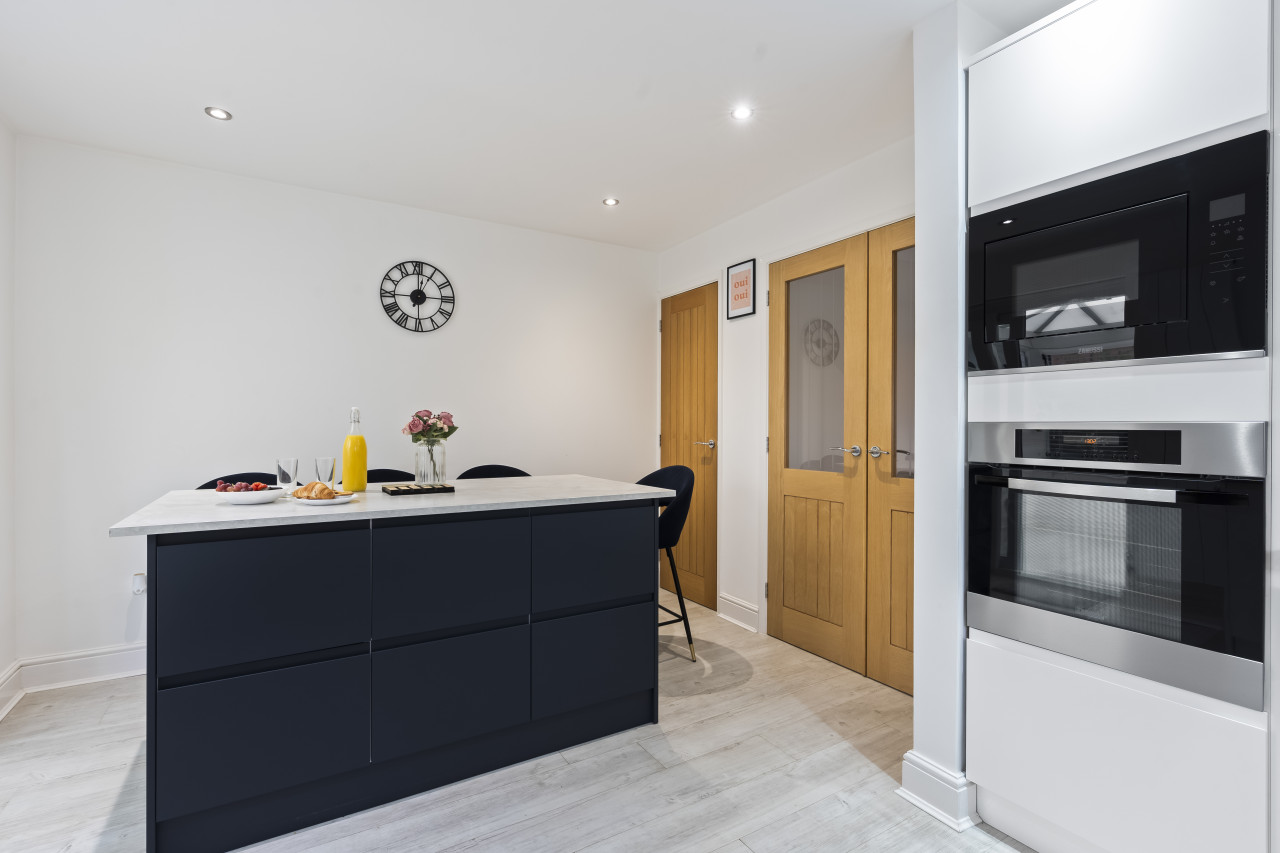
Syston
Tilly's Townhouse with Parking
- Sleeps 4
- 2 bedrooms
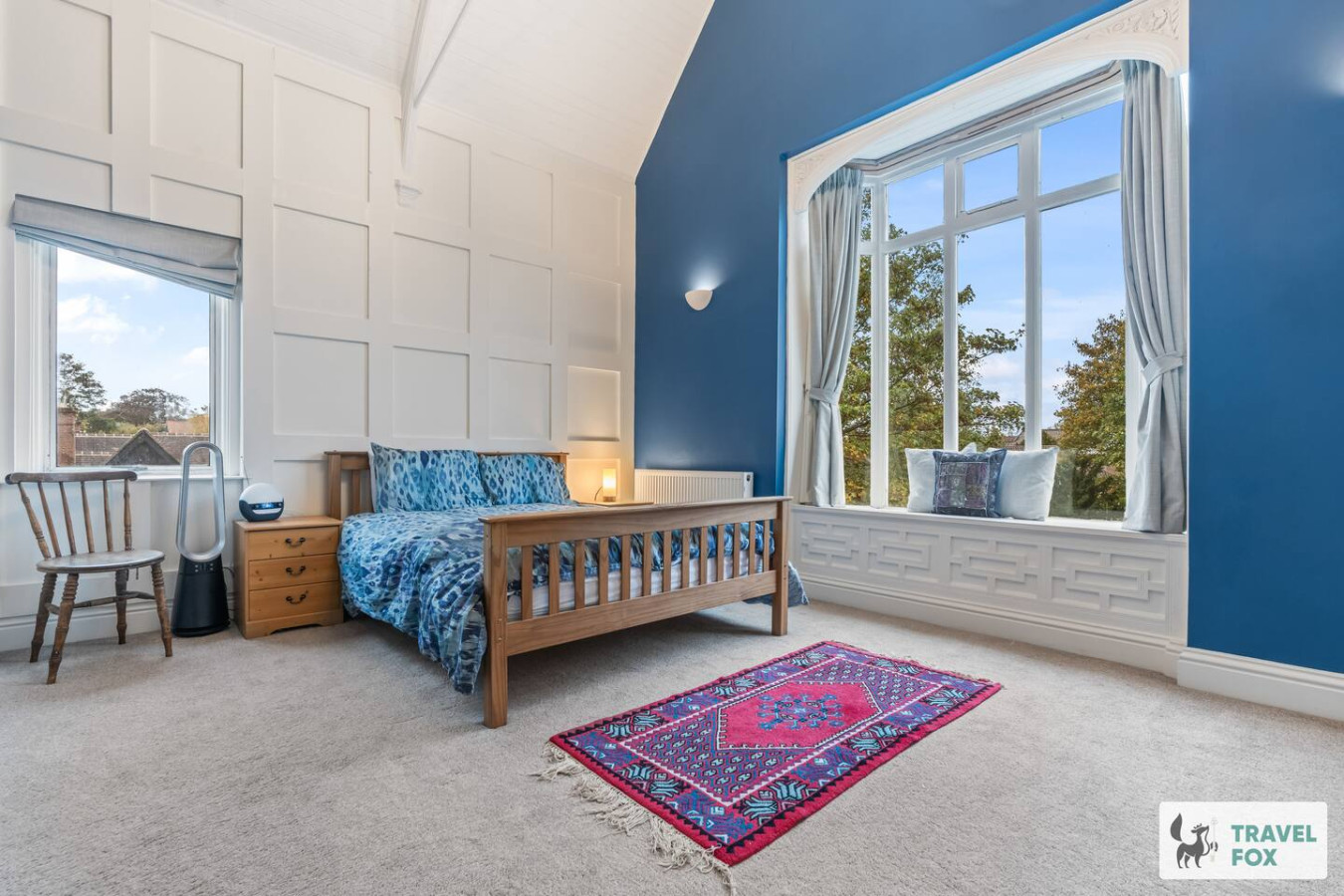
Leicester
Rachel's House with Parking!
- Sleeps 12
- 4 bedrooms
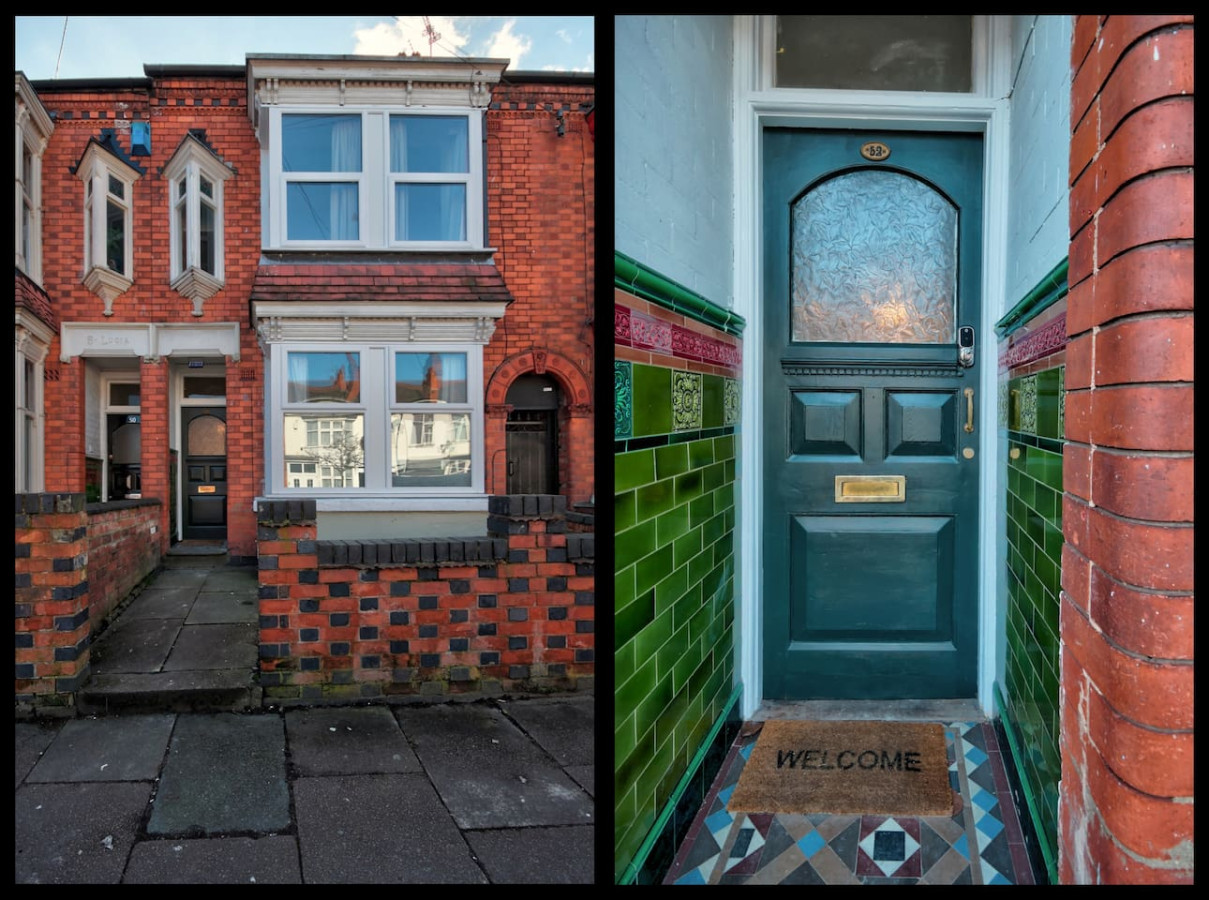
Leicester
Upperton House - Central 5 Bedroom
- Sleeps 9
- 5 bedrooms
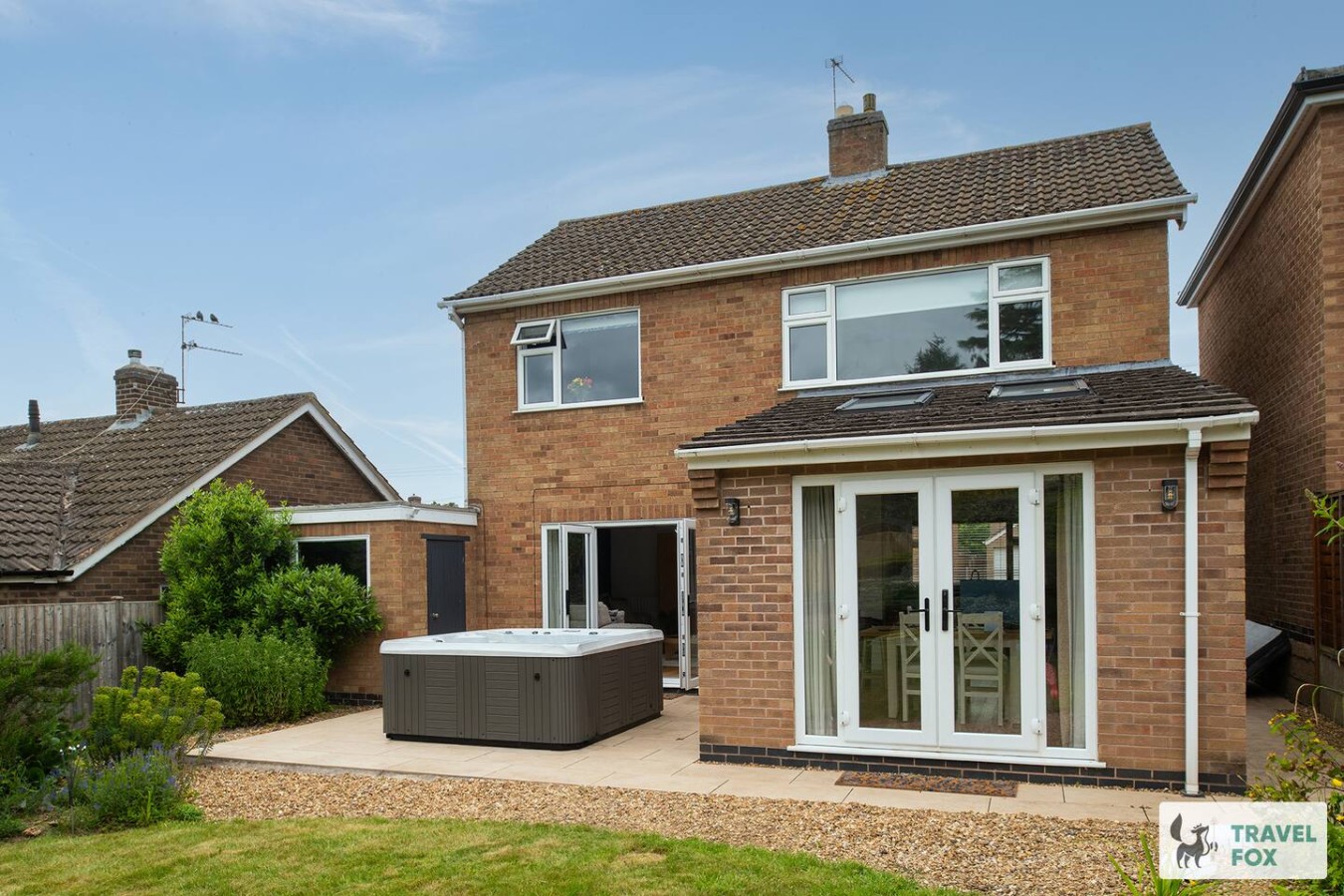
Rearsby
Vanessa's Haven - with hot tub and free parking for 3 cars!!
- Sleeps 5
- 3 bedrooms

Charnwood
UnPoplar House - Free in House Chris
- Sleeps 6
- 3 bedrooms
For homeowners
Own a holiday home near Loughborough?
We manage holiday lets across the UK from 12% commission, charged after cleaning costs, with no lock-in. A co-founder visits before you decide.
How our holiday let management works →
A guide with a point of view
Written from research. Edited for real journeys.
Use the Official site links for live practical details, then use this guide for context, ideas and room to explore.
Sources
Every place on this page is checked against a published source. Each entry links the record we used and names who publishes it.
- Organ Grinder — camra.org.uk operator, sector body or destination organisation
- John Taylor & Co Bell Foundry — belltrust.co.uk operator, sector body or destination organisation
- The Carillon Tower — carillontower.org.uk operator, sector body or destination organisation
- All Saints Church — allsaintsloughborough.org.uk operator, sector body or destination organisation
- Loughborough Retail Market — discovercharnwood.co.uk operator, sector body or destination organisation
- The Outwoods — discovercharnwood.co.uk operator, sector body or destination organisation
- Beacon Hill — historicengland.org.uk statutory register or public authority record not machine-readable; publisher restricts automated access
- Great Central Railway — gcrailway.co.uk operator, sector body or destination organisation