
Canal, church and flying history
Husbands Bosworth
A South Leicestershire crossroads village with a canal tunnel to the north, the nearby Welford Arm for waterside walks and a former RAF airfield still used for gliding.
- Best for
- Canal walking, pubs and history
- Landscape
- Gently rolling farmland and waterways
- Village thread
- A 1,166-yard canal tunnel north of the village
The Fox verdict
A large crossroads village with unusually deep layers
Husbands Bosworth combines a canal-side walk and two pubs with medieval church architecture, the story of John Cook and an airfield shaped by wartime and post-war history.
Come for the quiet Welford Arm towpath, pause at All Saints and choose between a village pub and a canal-side pub. The former RAF station adds a distinct aviation thread, with The Gliding Centre continuing to use the airfield.
Where to go
Places in Husbands Bosworth
Every place below is checked against a published source, listed with what it is and how long to give it.
Local signatures
3 placesThe Bell Inn
A former coaching inn on Kilworth Road with a small walled garden, picnic tables, accommodation and a dog-friendly welcome.
- Visit length
- Editorial estimate: Allow around 1 hour 15 minutes
- Locality
- Kilworth Road, Husbands Bosworth
The Wharf Inn
A canal-side pub and hotel serving canal boaters, towpath walkers and the marina community around Welford Marina & Boatyard.
- Visit length
- Editorial estimate: Allow around 1 hour 15 minutes
- Locality
- Welford Wharf, on the Welford Arm
Welford Arm Towpath
Follow the towpath along the Welford Arm, built as a navigable feeder linking Welford and Sulby reservoirs with the Grand Union Canal. Welford Wharf offers further country walks and wildlife spotting.
- Visit length
- Editorial estimate: Allow around 2 hours
- Locality
- Welford Arm, towards Welford Wharf
History & heritage
2 placesAll Saints Church
All Saints has late-12th- or early-13th-century origins, a 14th-century tower and broach spire, and a peal of six bells. Much of the church was restored in the 1860s.
- Visit length
- Editorial estimate: Allow around 45 minutes
- Locality
- Husbands Bosworth
The Gliding Centre
The continuation of the former RAF airfield's flying story: the club has operated here since 1965, after the station trained Wellington bomber crews and later housed displaced Polish families.
- Visit length
- Editorial estimate: Allow around 1 hour
- Locality
- Husbands Bosworth Airfield, southeast of the village
No places match this filter. Choose All places to reset the list.
Three ways to explore Husbands Bosworth
Signature outings
Follow the Welford Arm
Follow the arm to Welford Wharf, where the remains of lime kilns recall the canal's working past.
Read the church in stone
Look from the church's medieval fabric to its 14th-century tower and broach spire.
See the airfield's second life
On a clear day, look for gliders above the former RAF station where the club has operated since 1965.
The village story
A crossroads near the canal
From the Grand Union Canal tunnel north of the village and the nearby Welford Arm towpath to All Saints, John Cook and the wartime airfield, Husbands Bosworth layers waterway, faith and aviation history.
Crossroads life and the two pubs
Husbands Bosworth sits at a South Leicestershire crossroads where the A5199 meets the A4304. To the north, the Grand Union Canal passes through the 1,166-yard Bosworth Tunnel. The village and the waterway are close neighbours, even though the tunnel does not run beneath the houses.
The Bell Inn on Kilworth Road is a former coaching inn at the village crossroads, with a rear courtyard, a small walled garden, picnic tables, accommodation, games and a dog-friendly welcome.
The Wharf Inn stands beside Welford Wharf at the end of the Welford Arm. Its castellated appearance recalls its canal-side history, while its rooms and nearby walking routes give visitors reasons to linger.
The Welford Arm and All Saints
The Welford Arm makes for a waterside walk. Opened in 1814, it was built as a navigable feeder linking Welford and Sulby reservoirs with the Grand Union Canal. Follow the towpath towards Welford Wharf, where the remains of lime kilns recall the wharf's working past. Nearby footpaths offer routes towards the reservoirs.
The earliest parts of All Saints Church date from the late twelfth or early thirteenth century. Its tower and broach spire date from the fourteenth century, and the church has a peal of six bells. Lightning damaged the spire in 1755; extensive restoration followed in the 1860s.
John Cook, Domesday and the village name
John Cook was baptised in the village church on 18 September 1608. He became Solicitor General and led the prosecution of King Charles I, then was executed as a regicide in 1660.
Domesday recorded 71 households in Husbands Bosworth under five owners in 1086. The settlement's early name may have meant Bar's farm; the later 'Husbands' prefix refers to husbandmen, or farmers, and helped distinguish it from Market Bosworth.
The airfield and onward connections
RAF Husbands Bosworth opened in 1943 and trained Wellington crews. After the war, the station's camp buildings housed displaced Polish families; more than 500 people lived there in 1950, and the buildings remained in use for this purpose in 1958. The Gliding Centre has been based at the former airfield since 1965. The National Police Air Service also has a base at Husbands Bosworth.
Market Harborough is the nearest railway station. Centrebus's LC10 links Husbands Bosworth with Lutterworth and Market Harborough.
Stay around Leicestershire
Make a longer stay of it
Travel Fox holiday homes around Leicestershire, linked directly to their property pages.
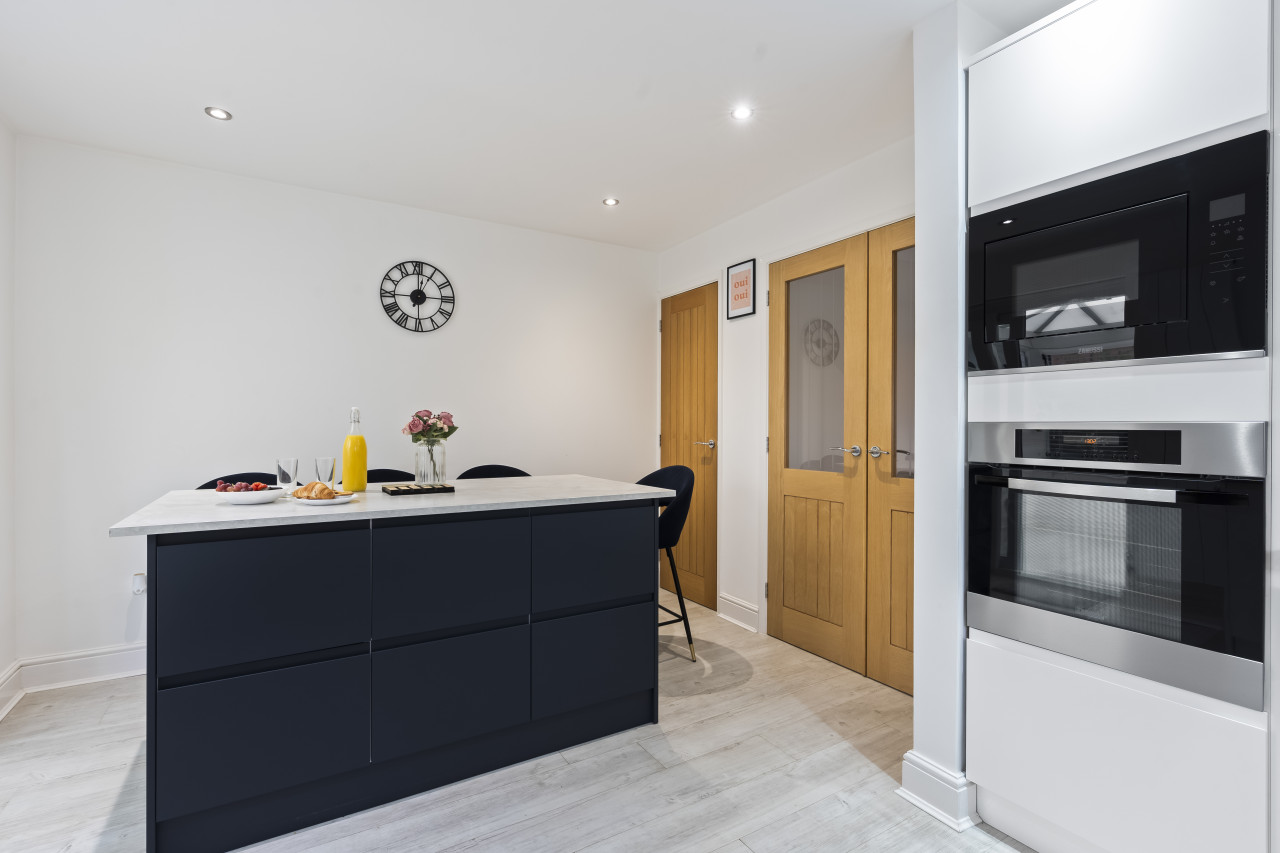
Syston
Tilly's Townhouse with Parking
- Sleeps 4
- 2 bedrooms
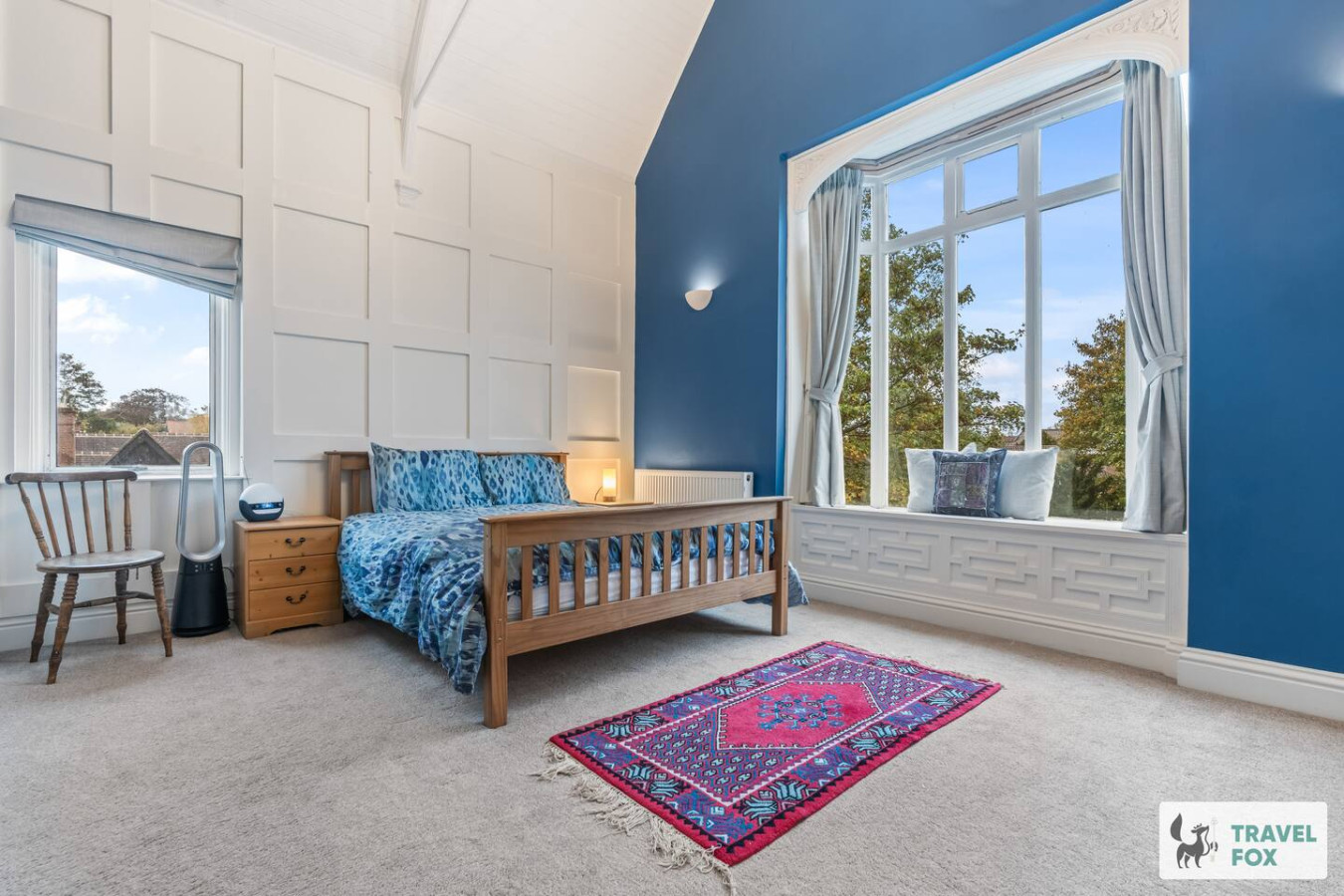
Leicester
Rachel's House with Parking!
- Sleeps 12
- 4 bedrooms
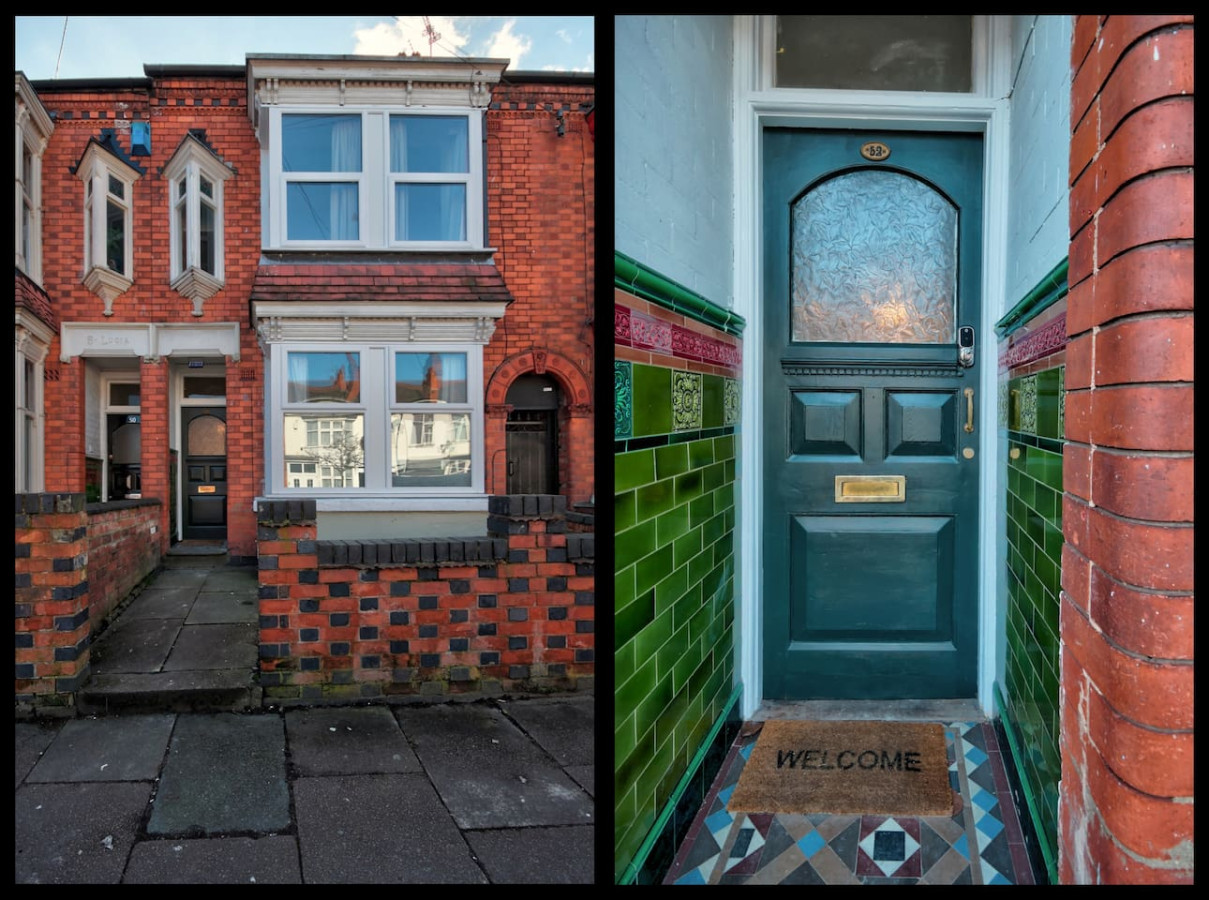
Leicester
Upperton House - Central 5 Bedroom
- Sleeps 9
- 5 bedrooms
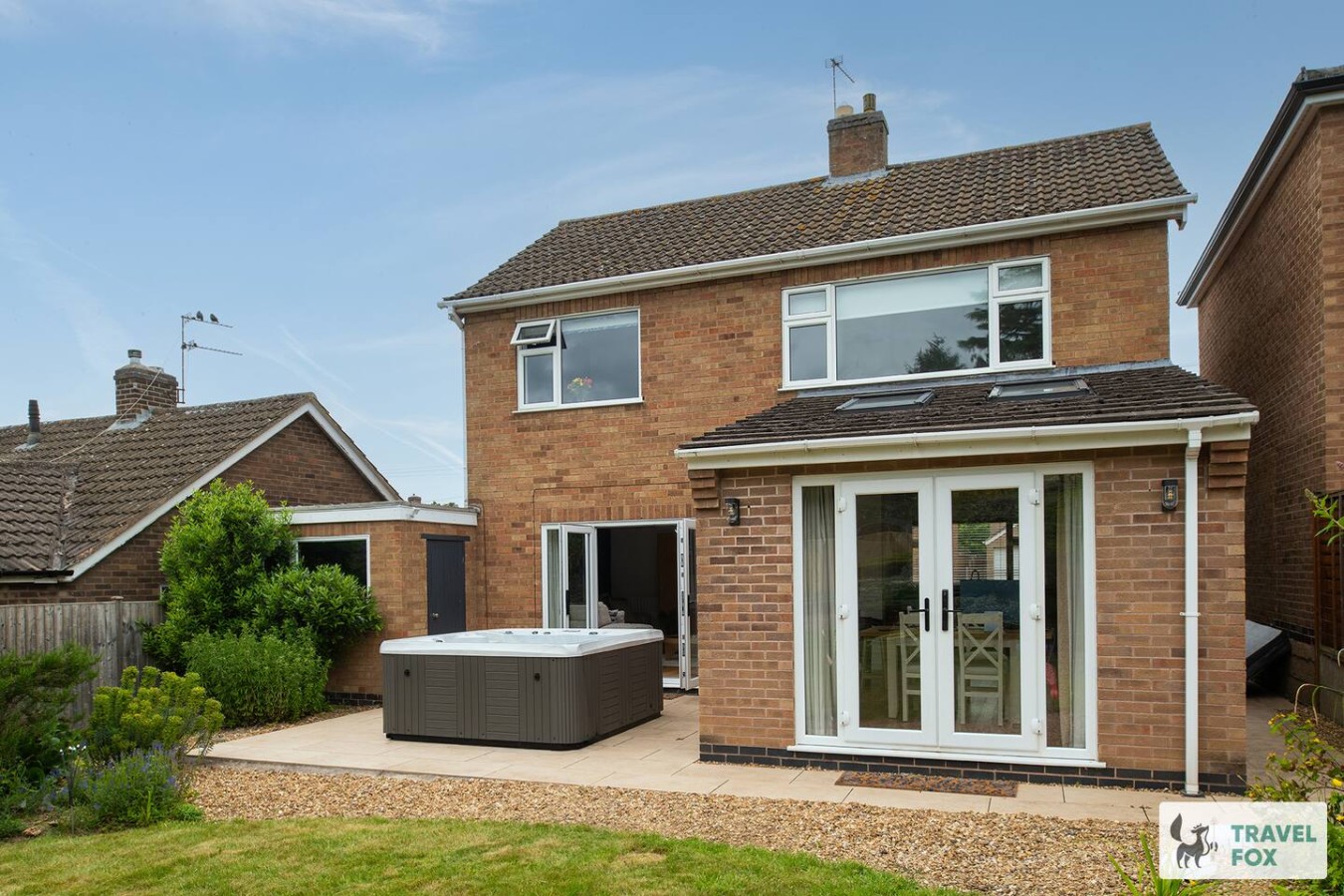
Rearsby
Vanessa's Haven - with hot tub and free parking for 3 cars!!
- Sleeps 5
- 3 bedrooms

Charnwood
UnPoplar House - Free in House Chris
- Sleeps 6
- 3 bedrooms
For homeowners
Own a holiday home near Husbands Bosworth?
We manage holiday lets across the UK from 12% commission, charged after cleaning costs, with no lock-in. A co-founder visits before you decide.
How our holiday let management works →
A guide with a point of view
Written from research. Edited for real journeys.
Use the Official site links for live practical details, then use this guide for context, ideas and room to explore.
Sources
Every place on this page is checked against a published source. Each entry links the record we used and names who publishes it.
- The Bell Inn — camra.org.uk operator, sector body or destination organisation
- The Wharf Inn — thewharfinnwelford.co.uk operator, sector body or destination organisation
- Welford Arm Towpath — canalrivertrust.org.uk national body or asset manager
- All Saints Church — allsaintschurchhusbandsbosworth.co.uk operator, sector body or destination organisation
- The Gliding Centre — theglidingcentre.co.uk operator, sector body or destination organisation