
Vale of Belvoir
Harby
A village of ironstone buildings, a medieval church, a historic inn and walking country in the flat, fertile Vale of Belvoir.
- Setting
- Flat, fertile Vale of Belvoir
- Local walk
- Footpaths connect Harby with neighbouring villages
- Historic landmark
- St Mary the Virgin, built around 1475
The Fox verdict
Village history in the Vale
Harby brings together an old village inn, a late-medieval church and a 3.4-mile local loop in the Vale of Belvoir.
The Nags Head carries centuries of alterations in timber frame and ironstone, St Mary the Virgin adds bells and a historic pipe organ, while paths through the Vale of Belvoir lead into the surrounding walking country. The former Grantham Canal corridor and the war memorial add further layers to the village story.
Where to go
Places in Harby
Every place below is checked against a published source, listed with what it is and how long to give it.
Local signatures
3 placesThe Nags Head
A traditional village inn with seasonal menus, traditional classics with modern twists and locally sourced ingredients.
- Visit length
- Editorial estimate: around 75 minutes
- Locality
- Harby
- Access
- Dog friendly, with a spacious beer garden.
Grantham Canal corridor
The canal corridor that crosses the surrounding landscape recalls the former wharf near Harby, from which grain was shipped into the wider waterway network.
- Visit length
- Editorial estimate: around 45 minutes
- Locality
- the surrounding area
Belvoir Castle
Belvoir Castle is a historic castle at Belvoir, about 4.9 miles east of Harby in a straight line.
- Visit length
- Editorial estimate: around 90 minutes
- Locality
- Belvoir, east of Harby
Walks & outdoors
1 placeHarby Round
An easy 3.4-mile loop through Harby and the surrounding countryside, passing near St Mary the Virgin church.
- Visit length
- Editorial estimate: around 80 minutes
- Locality
- Harby
History & heritage
2 placesSt Mary the Virgin
A Grade II* rural church built around 1475, with five bells dating from 1610 to 1887, a Thomas Elliot pipe organ installed in 1874 and a font from the Decorated period.
- Visit length
- Editorial estimate: around 30 minutes
- Locality
- Harby
- Access
- A place of private worship within the Vale of Belvoir benefice.
Harby War Memorial
A memorial erected in 1920, honouring 19 soldiers killed in the First World War and two in the Second World War.
- Visit length
- Editorial estimate: around 15 minutes
- Locality
- Harby
No places match this filter. Choose All places to reset the list.
Three ways to explore Harby
Signature outings
Harby in a 3.4-mile circle
Follow the easy 3.4-mile Harby Round through the village and surrounding countryside, passing near St Mary the Virgin along the way.
Harby's former canal link
Trace Harby's waterway history through the Grantham Canal corridor and the former wharf near the village, from which grain was shipped.
Names carried forward
Pause at the 1920 memorial to remember the 19 soldiers killed in the First World War and the two killed in the Second World War.
The village story
Harby Village Guide
An old inn, a late-medieval church, walking country and the historical layers of the Vale of Belvoir.
The Last Pub Standing
The Nags Head has a possible priest hole. Nobody seems entirely sure where it is, which is probably how priest holes are supposed to work. The pub itself is Grade II listed, timber-framed at its core, with coursed ironstone additions layered on over the centuries — fifteenth century originally, extended in the 1600s, again in 1722, touched up in the twentieth century. It looks like a building that has never quite finished deciding what it wants to be. Four chefs have worked the kitchen together for over six years, which in pub terms is practically a marriage. The menu leans seasonal, locally sourced, with an extensive burger list and a standing offer on Tuesdays: one main course for £6.50, two for twelve pounds, the theme changing weekly. On Fridays, something called Jeff's Love Shack opens up and starts turning out freshly made pizzas and kebabs, eat in or takeaway. The Sunday lunches get particular praise. There's a spacious beer garden and they take dogs.
It is, for the record, the last pub standing. Harby once had three. The Marquis of Granby closed sometime between 1871 and 1881. The White Hart held on longer but was demolished in 2010. The Nags Head, possibly the oldest pub in Leicestershire, outlasted them both.
Vale and Walking Country
Harby sits in the Vale of Belvoir, nine miles north of Melton Mowbray. The landscape is flat, fertile, and agricultural, with the ridge of Belvoir rising to the north and east. The buildings are ironstone — that warm, ochre-brown local stone that makes even a shed look like it has opinions about planning permission. Bus 24 connects the village to Melton Mowbray and Bottesford. There was a railway station from 1879 to 1962, but that's gone now.
The Harby Round is a 3.4-mile loop that takes about an hour and twenty minutes, rated easy, passing near St Mary the Virgin church on the way. Beyond that, the Vale of Belvoir opens up into proper walking country. Belvoir Castle is about 4.9 miles from Harby in a straight line, with a longer journey by road or on foot. The county council publishes a walks leaflet if you want a route drawn out for you.
Church and Early Harby
St Mary the Virgin was built around 1475 and is open daily. It has five bells, the oldest cast in 1610, and a Thomas Elliot pipe organ from 1874 that carries its own Grade II Historic certification. The font dates to the Decorated period, which puts it somewhere in the thirteenth or fourteenth century — older than the building it sits in.
The village name is Old Scandinavian. Danish settlers arrived around 850 AD and called the place something meaning "village of the herdsmen" — *hiorth* for herd, *by* for settlement. By 1086, Robert de Tosny held seventeen carucates here. The Domesday surveyors recorded eight slaves and valued the annual output at five pounds.
Poetry and the Canal
George Crabbe, the poet, served as chaplain to the Duke of Rutland at Belvoir Castle in the 1780s. His poem "The Village," published in 1783, drew on what he saw in and around Harby. It's considered one of the founding works of literary realism in English poetry. He came to write about rural life as it actually was, not as pastoral convention said it should be. The Vale of Belvoir gave him the material.
The Grantham Canal once had a wharf near the village, shipping grain out to the wider network. The canal corridor still crosses the surrounding landscape, though the barges are long gone.
Memorial and School
The war memorial went up in 1920. It names nineteen soldiers from the First World War and two from the Second. The village school, established around 1827, was ranked in the top one percent nationally for attainment in 2017. For a settlement founded by Danish herdsmen, that's not bad going.
Stay around Leicestershire
Make a longer stay of it
Travel Fox holiday homes around Leicestershire, linked directly to their property pages.
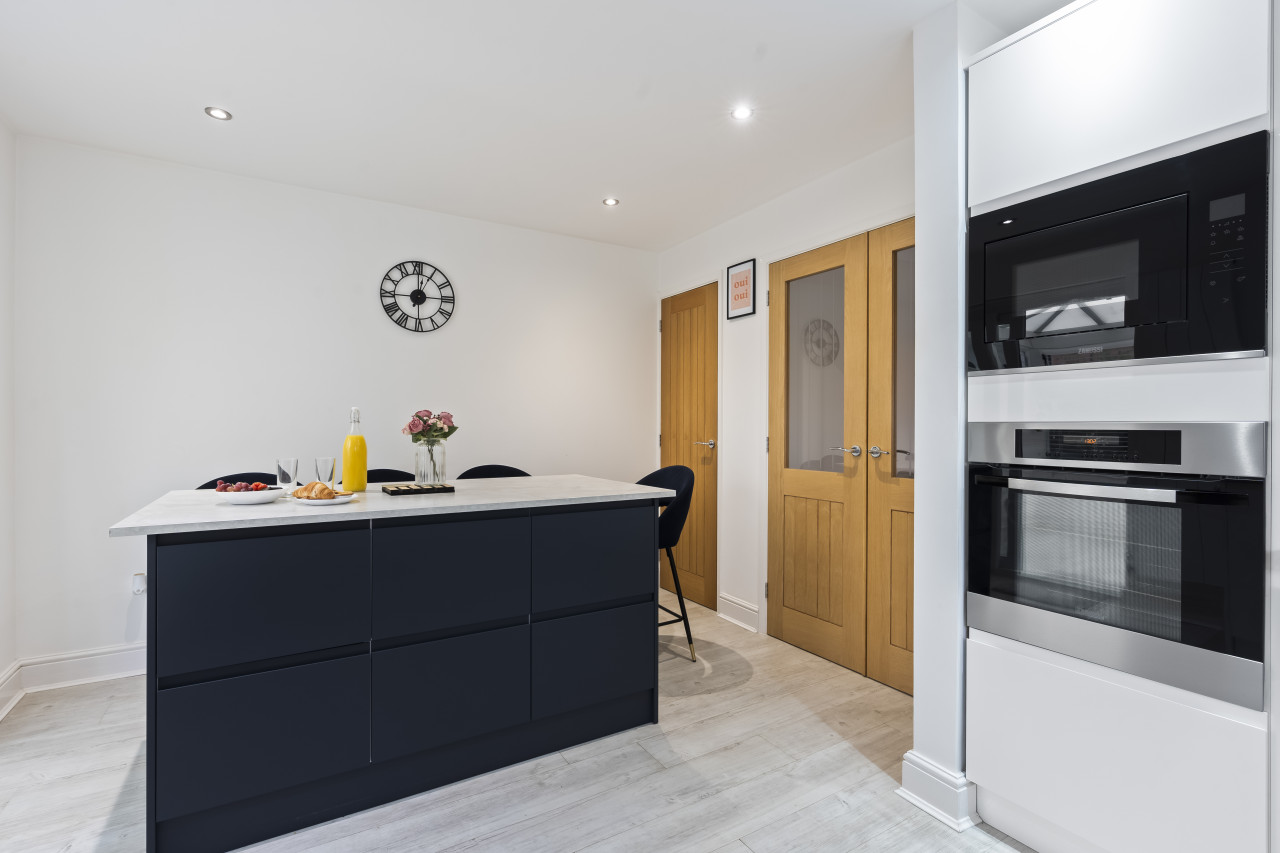
Syston
Tilly's Townhouse with Parking
- Sleeps 4
- 2 bedrooms
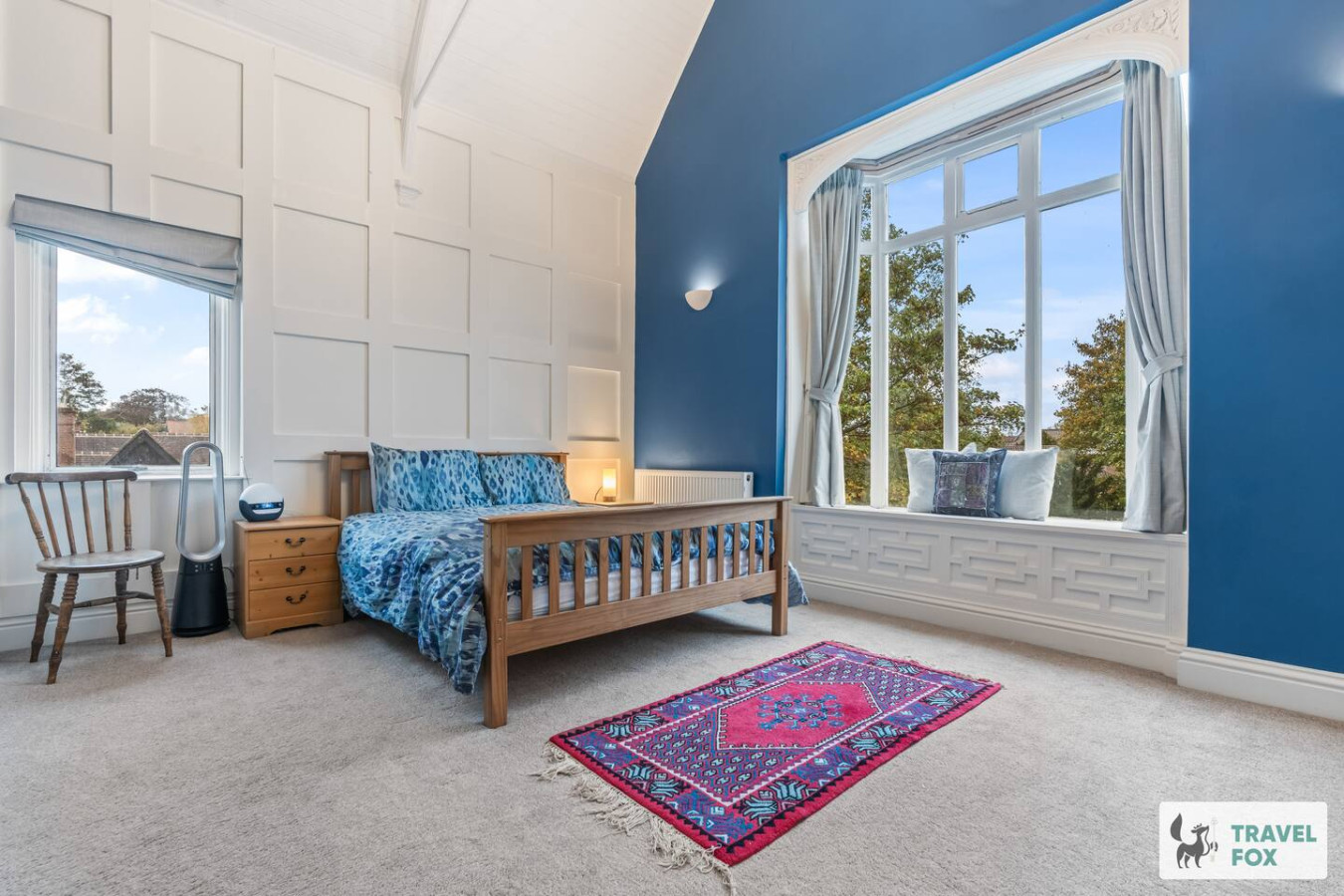
Leicester
Rachel's House with Parking!
- Sleeps 12
- 4 bedrooms
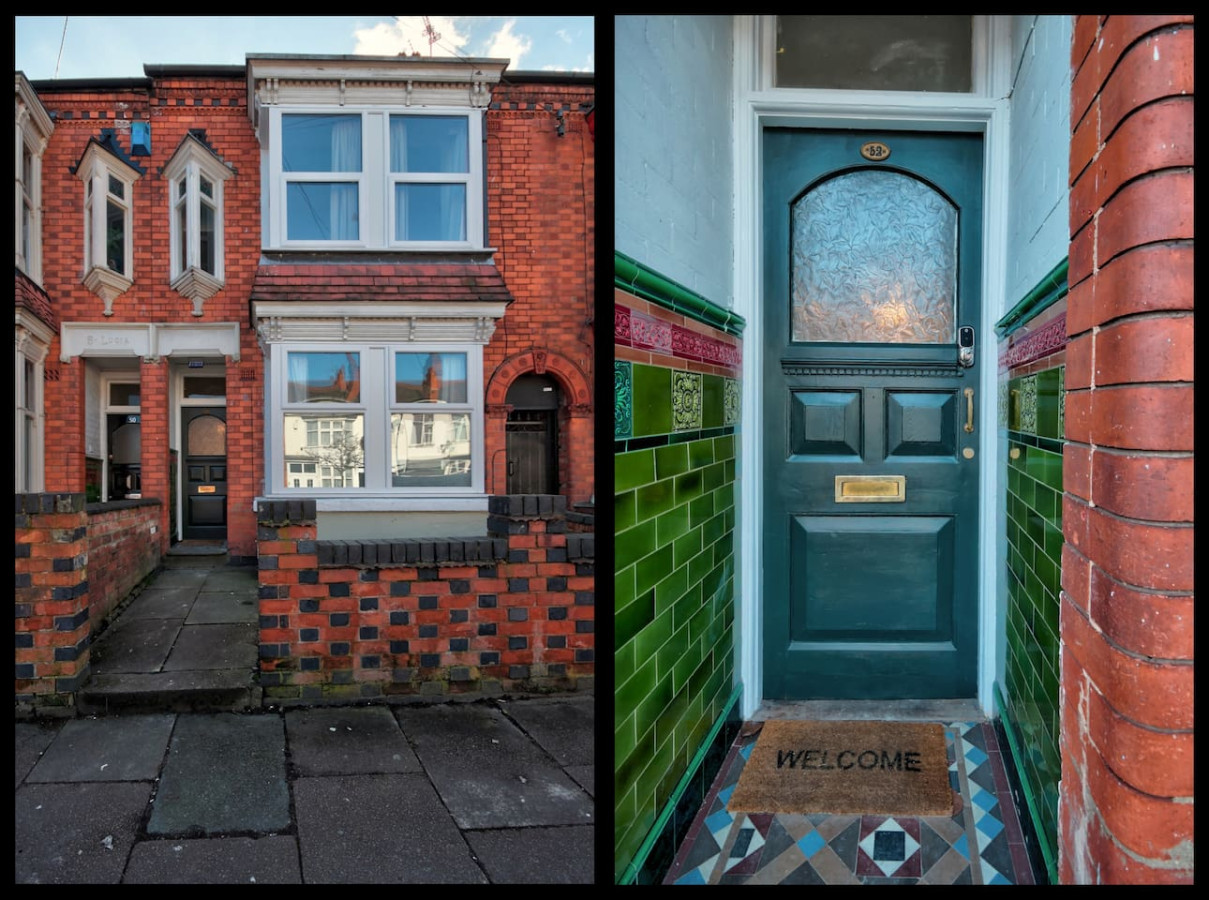
Leicester
Upperton House - Central 5 Bedroom
- Sleeps 9
- 5 bedrooms
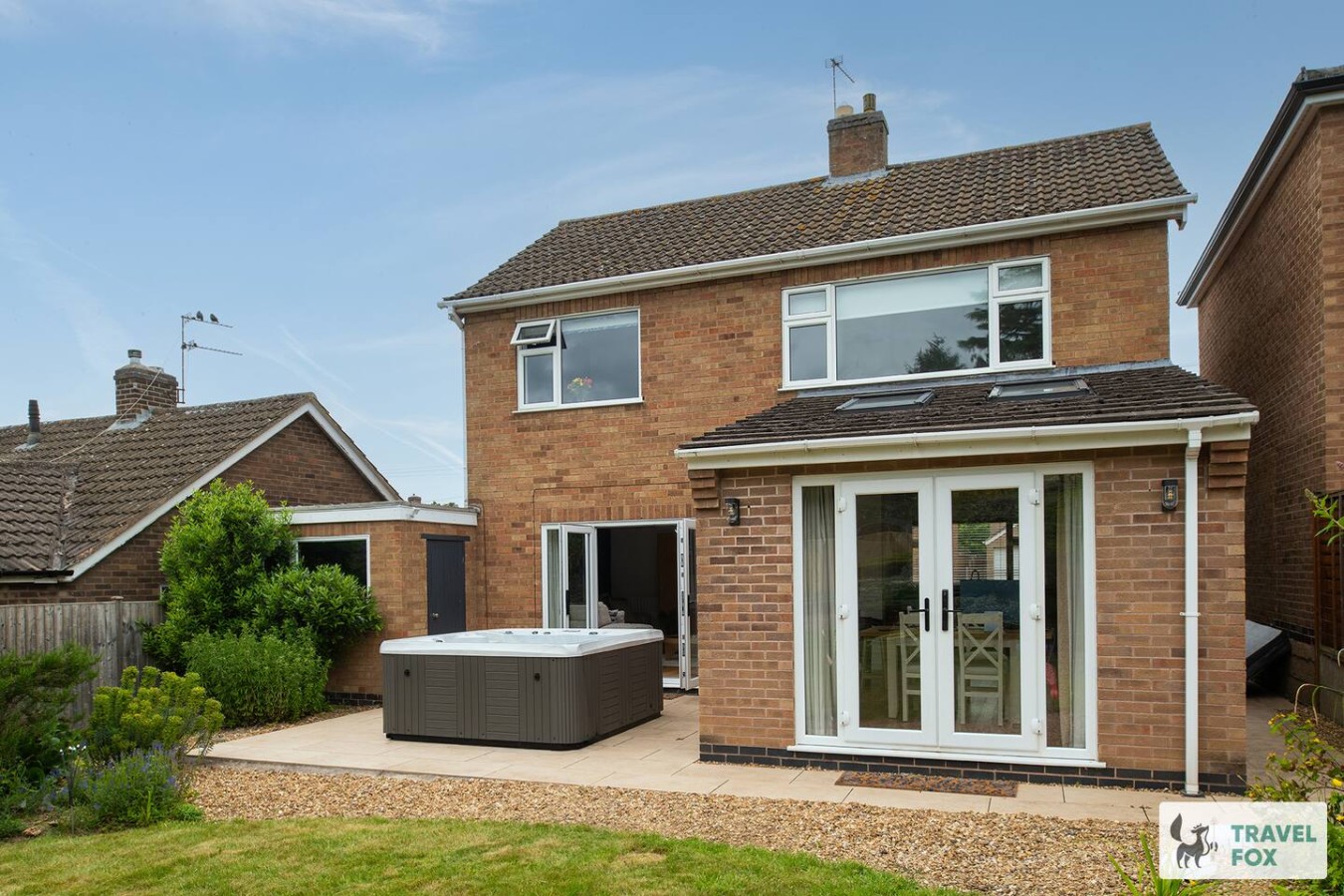
Rearsby
Vanessa's Haven - with hot tub and free parking for 3 cars!!
- Sleeps 5
- 3 bedrooms

Charnwood
UnPoplar House - Free in House Chris
- Sleeps 6
- 3 bedrooms
For homeowners
Own a holiday home near Harby?
We manage holiday lets across the UK from 12% commission, charged after cleaning costs, with no lock-in. A co-founder visits before you decide.
How our holiday let management works →
A guide with a point of view
Written from research. Edited for real journeys.
Use the Official site links for live practical details, then use this guide for context, ideas and room to explore.
Sources
Every place on this page is checked against a published source. Each entry links the record we used and names who publishes it.
- The Nags Head — historicengland.org.uk statutory register or public authority record not machine-readable; publisher restricts automated access
- St Mary the Virgin — historicengland.org.uk statutory register or public authority record not machine-readable; publisher restricts automated access
- Grantham Canal corridor — rushcliffe.gov.uk statutory register or public authority
- Harby War Memorial — historicengland.org.uk statutory register or public authority record not machine-readable; publisher restricts automated access
- Belvoir Castle — belvoircastle.com operator, sector body or destination organisation
- Harby Round — alltrails.com other published source