
A Wolds village with a walking heart
Grimston
Signed footpaths, a long-distance trail and a community-owned pub shape a small Leicestershire village surrounded by open fields, hedgerows and copses.
- Best for
- Walking, village history and home-cooked pub food
- Give it
- A footpath outing followed by a pub stop
- Don't miss
- The footpath map at the Black Horse entrance
The Fox verdict
A small village built around paths and its pub
Grimston suits visitors who want Wolds walking and a community pub rather than a long list of formal attractions.
The Midshires Way and parish footpaths provide the outing; the community-owned Black Horse offers food and cask ale beside the village green. Saxelbye's medieval St Peter's and Melton Mowbray's town market extend the day beyond Grimston.
Where to go
Places in Grimston
Every place below is checked against a published source, listed with what it is and how long to give it.
Local signatures
3 placesThe Black Horse
A community-owned village pub serving meals and cask ale, with a parish footpath map at the entrance.
- Visit length
- Editorial estimate: allow around 75 minutes
- Locality
- on the village green
- Access
- Dogs are welcome.
Midshires Way
A 230-mile long-distance footpath and bridleway that passes through Grimston and brings walkers and cyclists to the Black Horse.
- Visit length
- Editorial estimate: allow around 2 hours for a local section
- Locality
- passes through Grimston
Melton Town Market
Melton Mowbray provides the celebrated market and the specialist pork pie and Stilton producers for which the town is known.
- Visit length
- Editorial estimate: allow around 60 minutes
- Locality
- Market Place, Melton Mowbray
Walks & outdoors
1 placeGrimston Parish Footpaths
Signed paths cross the rolling Leicestershire Wolds around the parish, through open fields, hedgerows and small copses.
- Visit length
- Editorial estimate: allow around 90 minutes
- Locality
- around the parish
History & heritage
1 placeSt Peter's Church, Saxelbye
St Peter's in Saxelbye is a Grade II* medieval church with a recessed crocketed spire above its west tower.
- Visit length
- Editorial estimate: allow around 30 minutes
- Locality
- Church Lane, Saxelbye
No places match this filter. Choose All places to reset the list.
Three ways to explore Grimston
Signature outings
A pub the village brought back
The community bought the Black Horse after its closure and reopened it as the parish's pub, with home-cooked food and cask ales.
Details beneath the spire
A late medieval pulpit inside St Peter's retains traces of painted decoration. Churchwardens can arrange access for visitors.
Paths through the Wolds
A footpath map at the Black Horse entrance helps walkers choose a local route.
The village story
Where the Midshires Way Meets the Black Horse
Follow parish paths through the Wolds, then return to Grimston's village green and community-owned pub.
The Green and Its Community Pub
A parish footpath map at the community pub's entrance gives walkers a starting point for Grimston. The pub overlooks the village green, while the Church of St John the Baptist stands along Main Street, its west tower topped with crocketed pinnacles. Signed paths lead towards the fields, hedgerows and small copses of the Leicestershire Wolds.
The Black Horse is the parish's only pub and has served the community for nearly 400 years. Its earliest surviving licence, from 1753, names Thomas Hill as alehouse keeper. His widow Elizabeth succeeded him, followed by their son and grandson, both named John.
The Black Horse Returns
The pub closed in January 2020 and remained shut for four years. Local fundraising and a £245,395 government Community Ownership Fund award helped the Black Horse Community Group buy the pub on 9 May 2023. It reopened on 3 February 2024. Inside, one room spans three sections on two levels.
Traditional pub food includes a Tuesday pizza, burger or pie night. Draught Bass is the regular beer, alongside two changing cask ales, at least one locally sourced. Dogs are welcome, and there is a garden.
Walking the Wolds and Reaching Melton
The Midshires Way, a 230-mile footpath and bridleway, runs through Grimston and past the village green. It brings walkers and cyclists to the village, while other signed parish paths branch across the Wolds. In nearby Saxelbye, St Peter's is a Grade II* medieval church with a crocketed spire.
Melton Town Market on Market Place is about 4.5 miles south-east of Grimston in a straight line; the road journey is longer. The town also has the nearest rail station. Bookable FoxConnect journeys link Grimston with the town within the Charnwood and Melton zone.
Grimston in the Domesday Book
In 1086, Grimston had an estimated 29.9 households. Its name combines the Old Norse personal name Grimr with Old English tūn, meaning a farm or settlement.
Grimston, Saxelbye and Shoby became one civil parish in 1936. Paths through the surrounding farmland still connect the village with its neighbours.
Stay around Leicestershire
Make a longer stay of it
Travel Fox holiday homes around Leicestershire, linked directly to their property pages.
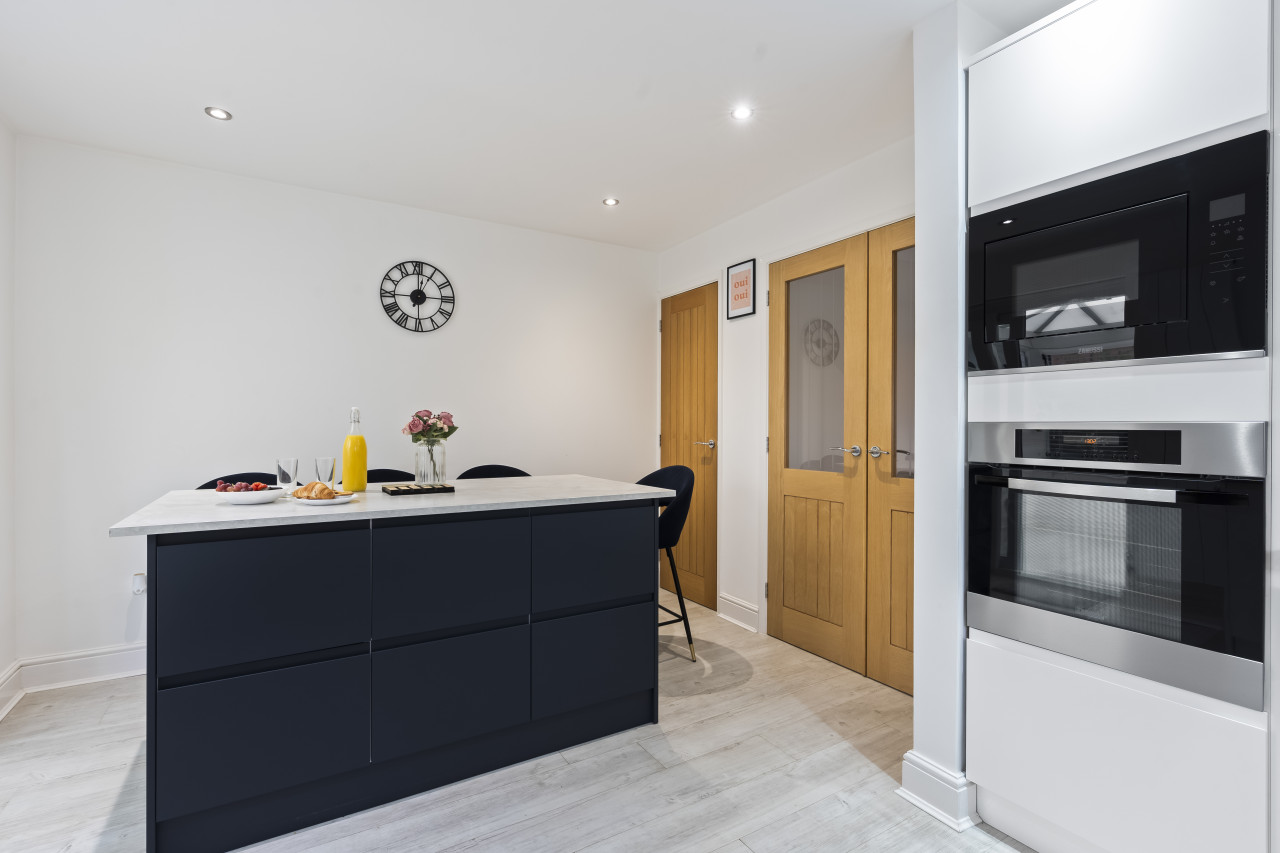
Syston
Tilly's Townhouse with Parking
- Sleeps 4
- 2 bedrooms
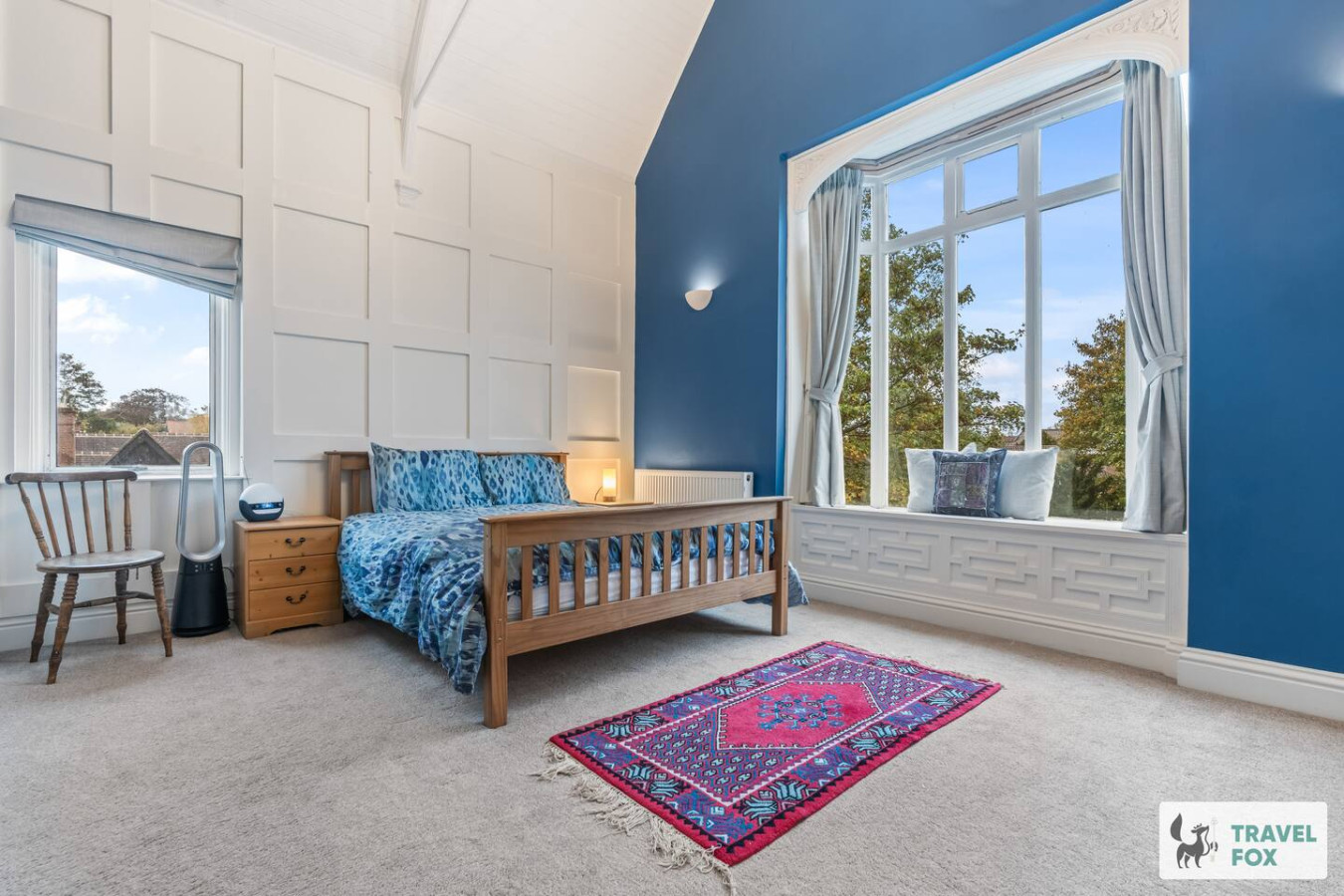
Leicester
Rachel's House with Parking!
- Sleeps 12
- 4 bedrooms
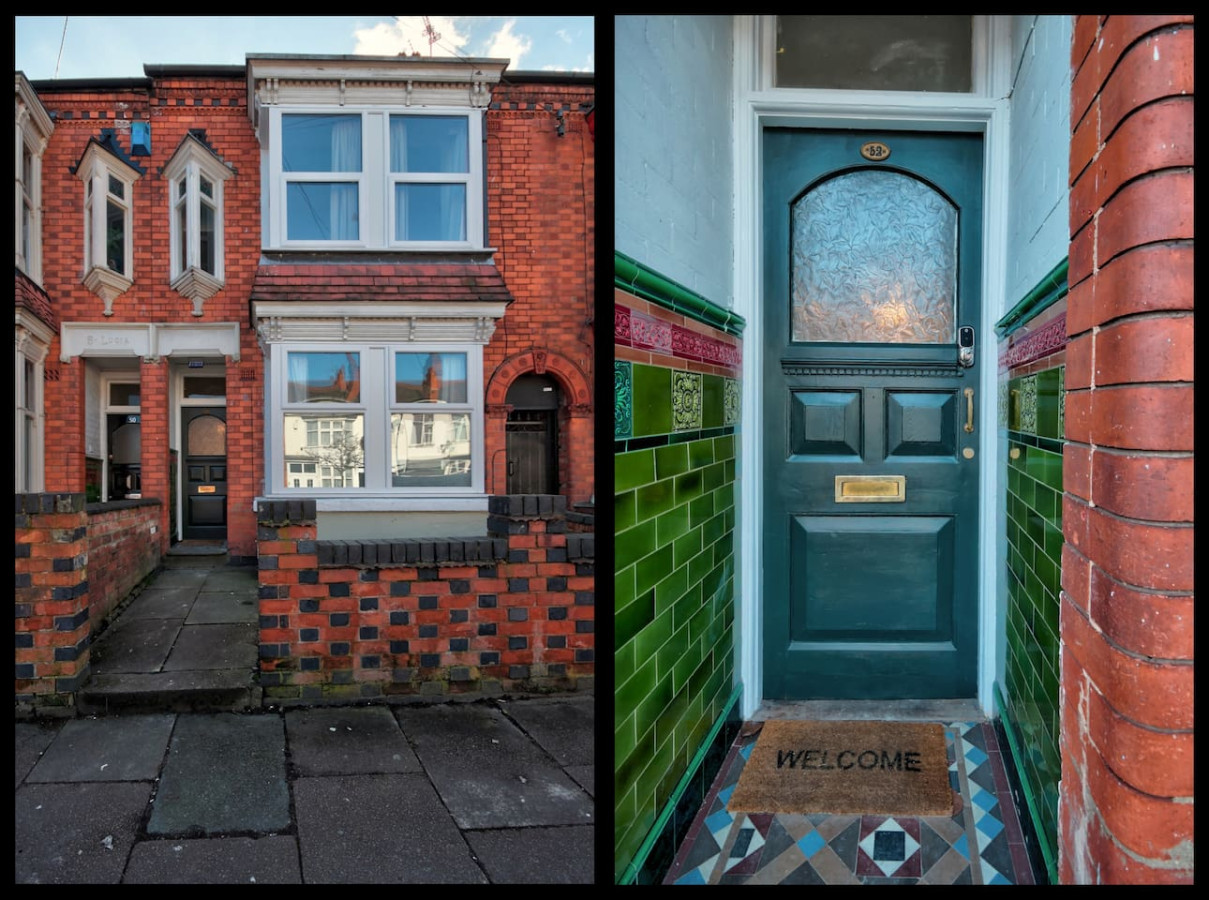
Leicester
Upperton House - Central 5 Bedroom
- Sleeps 9
- 5 bedrooms
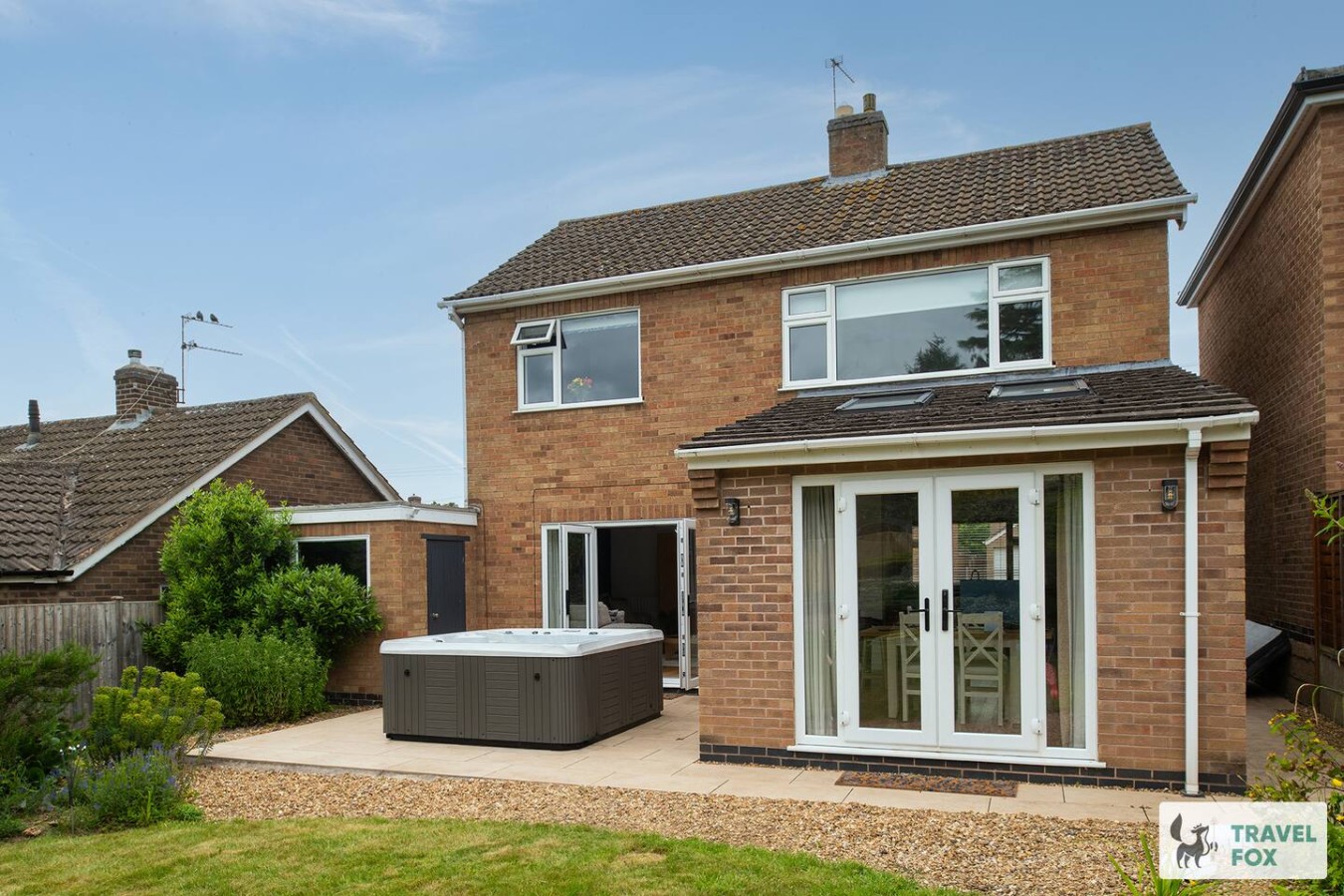
Rearsby
Vanessa's Haven - with hot tub and free parking for 3 cars!!
- Sleeps 5
- 3 bedrooms

Charnwood
UnPoplar House - Free in House Chris
- Sleeps 6
- 3 bedrooms
For homeowners
Own a holiday home near Grimston?
We manage holiday lets across the UK from 12% commission, charged after cleaning costs, with no lock-in. A co-founder visits before you decide.
How our holiday let management works →
A guide with a point of view
Written from research. Edited for real journeys.
Use the Official site links for live practical details, then use this guide for context, ideas and room to explore.
Sources
Every place on this page is checked against a published source. Each entry links the record we used and names who publishes it.
- The Black Horse — blackhorsecommunitygroup.com operator, sector body or destination organisation
- Midshires Way — leicestershire.gov.uk statutory register or public authority record not machine-readable; publisher restricts automated access
- Grimston Parish Footpaths — leicestershire.gov.uk statutory register or public authority record not machine-readable; publisher restricts automated access
- St Peter's Church, Saxelbye — achurchnearyou.com national body or asset manager
- Melton Town Market — meltonmowbraytownestate.com operator, sector body or destination organisation