
Coaching inns and valley walks
Great Glen
An old Leicestershire settlement where a Celtic place-name, coaching-road history and the River Sence landscape meet.
- Best for
- Coaching-inn history and countryside walks
- Local landmark
- St Cuthbert's medieval parish church
- Long walk
- The approximately eight-mile Burton Overy circular
The Fox verdict
A coaching-road village with deep roots
Great Glen combines an ancient valley settlement, a historic coaching inn and two contrasting ways into the surrounding countryside.
Start with the Italian Greyhound's coaching-inn history, see St Cuthbert's fourteenth-century tower, then choose between the Burton Overy circular and the Grand Union Canal towpath south of the village.
Where to go
Places in Great Glen
Every place below is checked against a published source, listed with what it is and how long to give it.
Local signatures
3 placesThe Italian Greyhound
An Italian restaurant and gastropub in a Grade II listed former coaching inn, serving hand-stretched pizzas, pasta and pub classics, with a garden terrace and marquee.
- Visit length
- Editorial estimate: around 90 minutes
- Locality
- 14 London Road, Great Glen
Great Glen Methodist Church
A Grade II listed Methodist church built in 1827 at the Stretton Road and Oaks Road junction in the village centre.
- Visit length
- Editorial estimate: around 30 minutes
- Locality
- at the Stretton Road / Oaks Road T-junction in the village centre
Grand Union Canal Towpath
A towpath walking option on the Grand Union Canal, reached by connecting footpaths south of Great Glen.
- Visit length
- Editorial estimate: around 90 minutes
- Locality
- south of the village
Walks & outdoors
1 placeGreat Glen to Burton Overy Circular
A circular route through Little Stretton, King's Norton and Burton Overy, passing the site of deserted medieval Stretton Magna and following the River Sence corridor over fields, bridleways and footpaths with some road walking.
- Visit length
- Editorial estimate: around 3 hours 30 minutes
- Locality
- starting at the recreation ground off Bindleys Lane
History & heritage
1 placeSt Cuthbert's Church
A medieval parish church with a fourteenth-century tower; the rest was substantially restored and rebuilt in 1876.
- Visit length
- Editorial estimate: around 40 minutes
- Locality
- at the southwestern corner of the village
No places match this filter. Choose All places to reset the list.
Three ways to explore Great Glen
Signature outings
Dinner and a room next door
Guest rooms next door to the Italian Greyhound offer an overnight stay after dinner or a village walk.
A medieval tower and later details
Beside the medieval tower, look for a probably twelfth-century font and stained-glass windows dated 1910 and 1926.
An eight-mile circuit to Burton Overy
The field shortcut near Little Stretton can be muddy, and the return from Burton Overy crosses several fields; wear suitable footwear.
The village story
Coaching Roads and Valley Walks in Great Glen
Coaching inns, valley walks and a place-name older than the village's surviving buildings.
The Italian Greyhound and its garden
The Italian Greyhound faces Great Glen's village green on London Road. Its Grade II listed building has stood for more than 400 years and was previously known as The Old Greyhound and The Pug and Greyhound. The Greyhound name recalls the three greyhound heads on the Nele family's coat of arms, and coaches stopped here by the mid-eighteenth century. Today it serves hand-stretched pizza, pasta and pub classics, with guest rooms next door.
For a longer meal or a gathering, the pub has a garden terrace, a marquee and a separate dining room.
Coaching inns and the valley
A turnpike bridge built across the River Sence in 1751 carried the Leicester–London coaching road through Great Glen. In neighbouring Burton Overy, the circular walk passes The Bell on Main Street.
Great Glen lies about six miles south-east of Leicester in the River Sence valley, amid rolling farmland. The A6 bypass opened in 2003, making London Road and Main Street quieter, although Church Road and Stretton Road became busier routes into Leicester.
Walks and St Cuthbert's
The approximately eight-mile Burton Overy circular starts at the recreation ground off Bindleys Lane. It passes the site of medieval Stretton Magna, then goes through Little Stretton, King's Norton and Burton Overy before returning across fields to Great Glen. The walk includes footpaths, roads and a potentially muddy shortcut near Little Stretton. Footpaths south of the village also lead towards the Grand Union Canal towpath.
St Cuthbert's church stands near the edge of Great Glen. A Saxon predecessor was replaced by a Norman church in the early twelfth century, followed by another rebuild in the early fourteenth century. In 1876, the church was substantially reconstructed apart from its medieval tower. A probably twelfth-century font and stained-glass windows dated 1910 and 1926 are among its details.
An ancient name and modern connections
Great Glen's name preserves an ancient British name associated with the River Sence valley. The Domesday Book records Glen and a corn mill that survives as the village's oldest building. In the sixteenth century, Henry Grey, 1st Duke of Suffolk and father of Lady Jane Grey, held the manor. After his execution for treason in 1554, his lands were seized by the Crown.
Bus services run to Leicester and Market Harborough along the A6 corridor. Leicester station is six miles away, Market Harborough nine.
The return from Burton Overy
From Burton Overy's Main Street, the walk turns onto Bell Lane and Beadswell Lane, then crosses fields back towards Great Glen.
Stay around Leicestershire
Make a longer stay of it
Travel Fox holiday homes around Leicestershire, linked directly to their property pages.
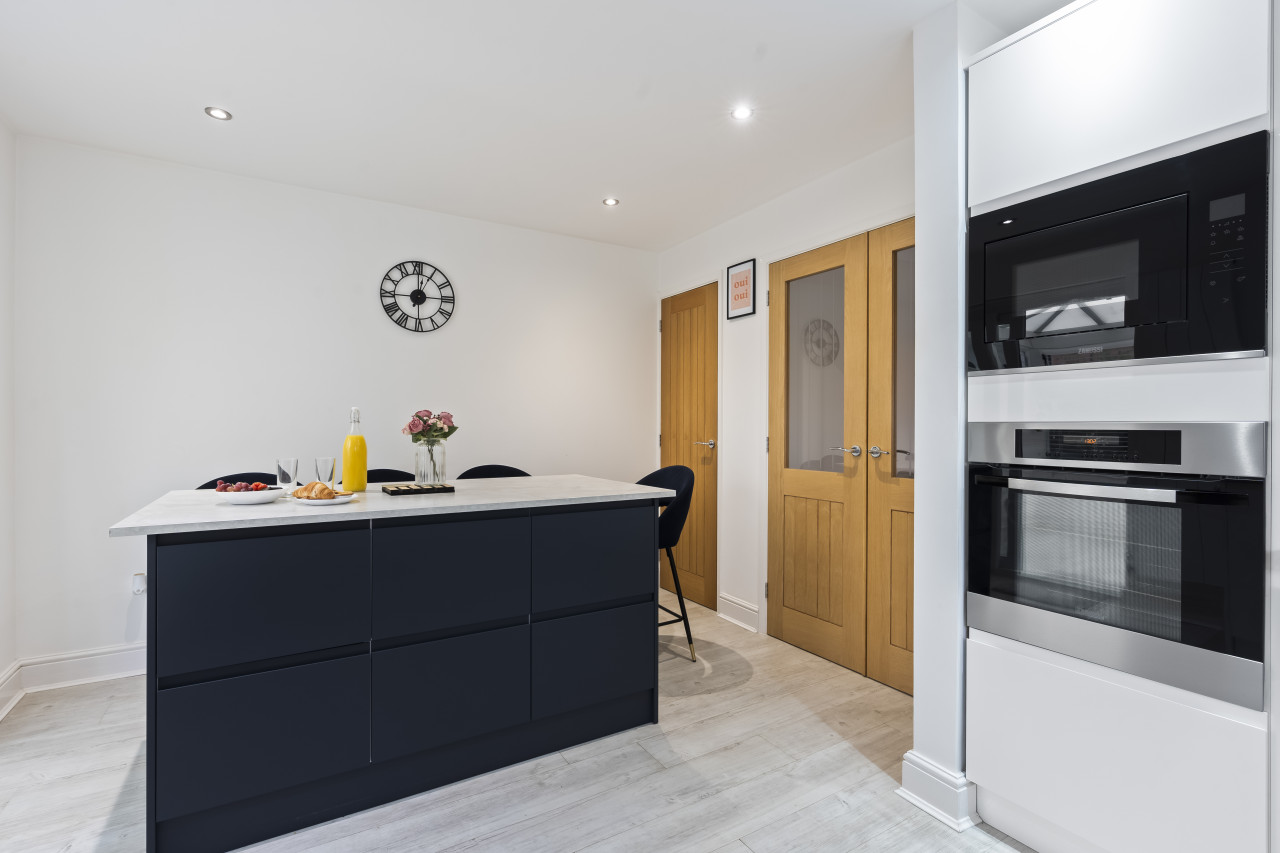
Syston
Tilly's Townhouse with Parking
- Sleeps 4
- 2 bedrooms
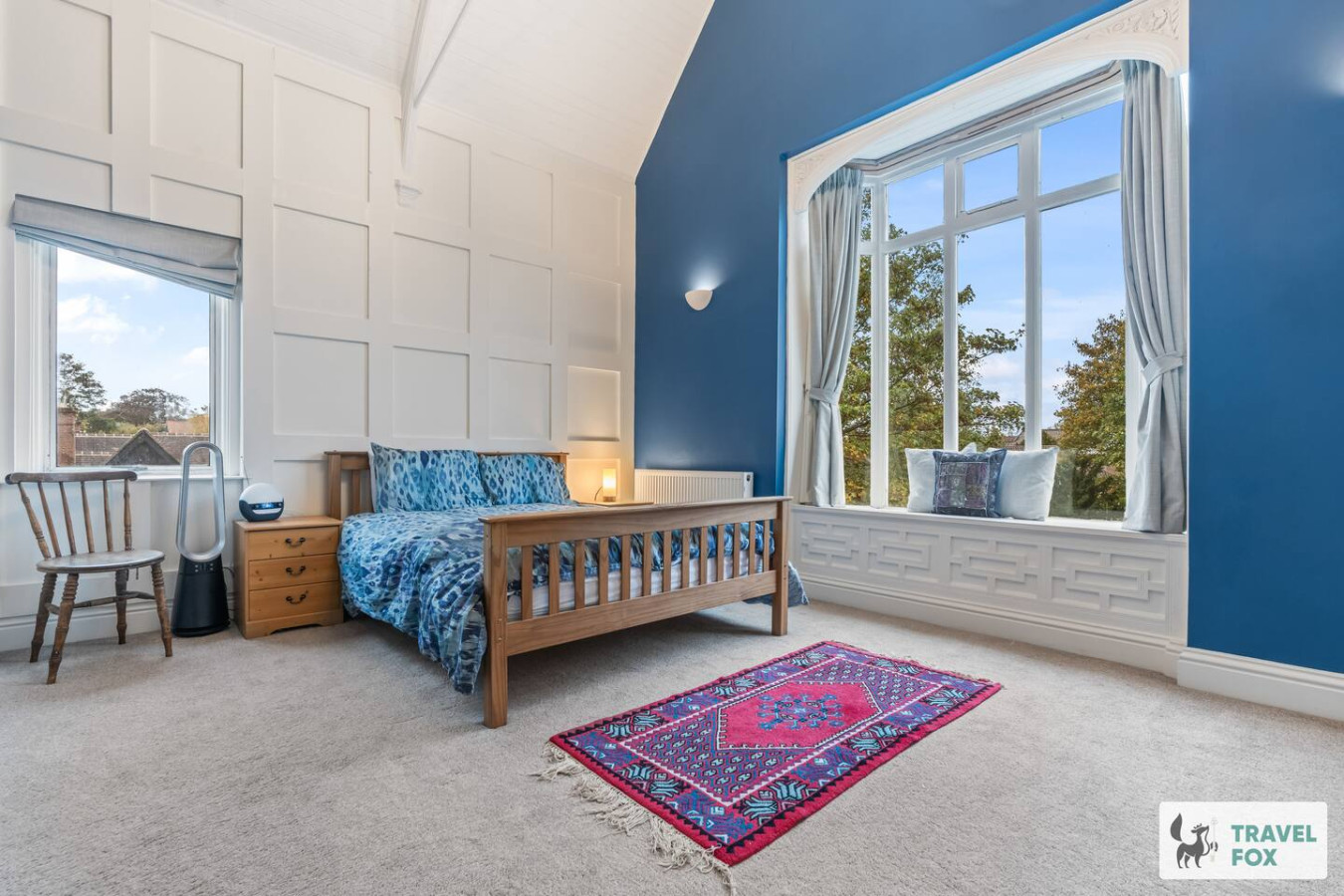
Leicester
Rachel's House with Parking!
- Sleeps 12
- 4 bedrooms
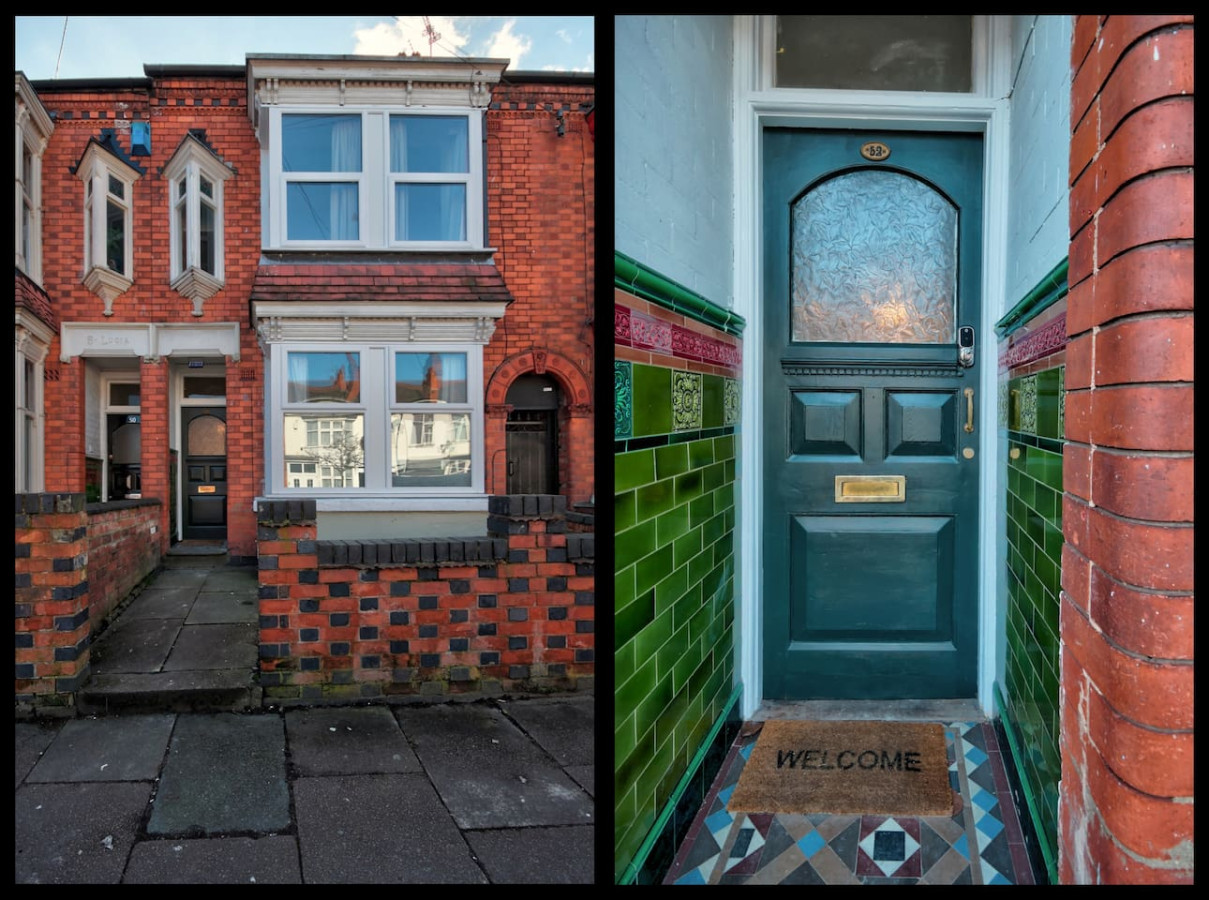
Leicester
Upperton House - Central 5 Bedroom
- Sleeps 9
- 5 bedrooms
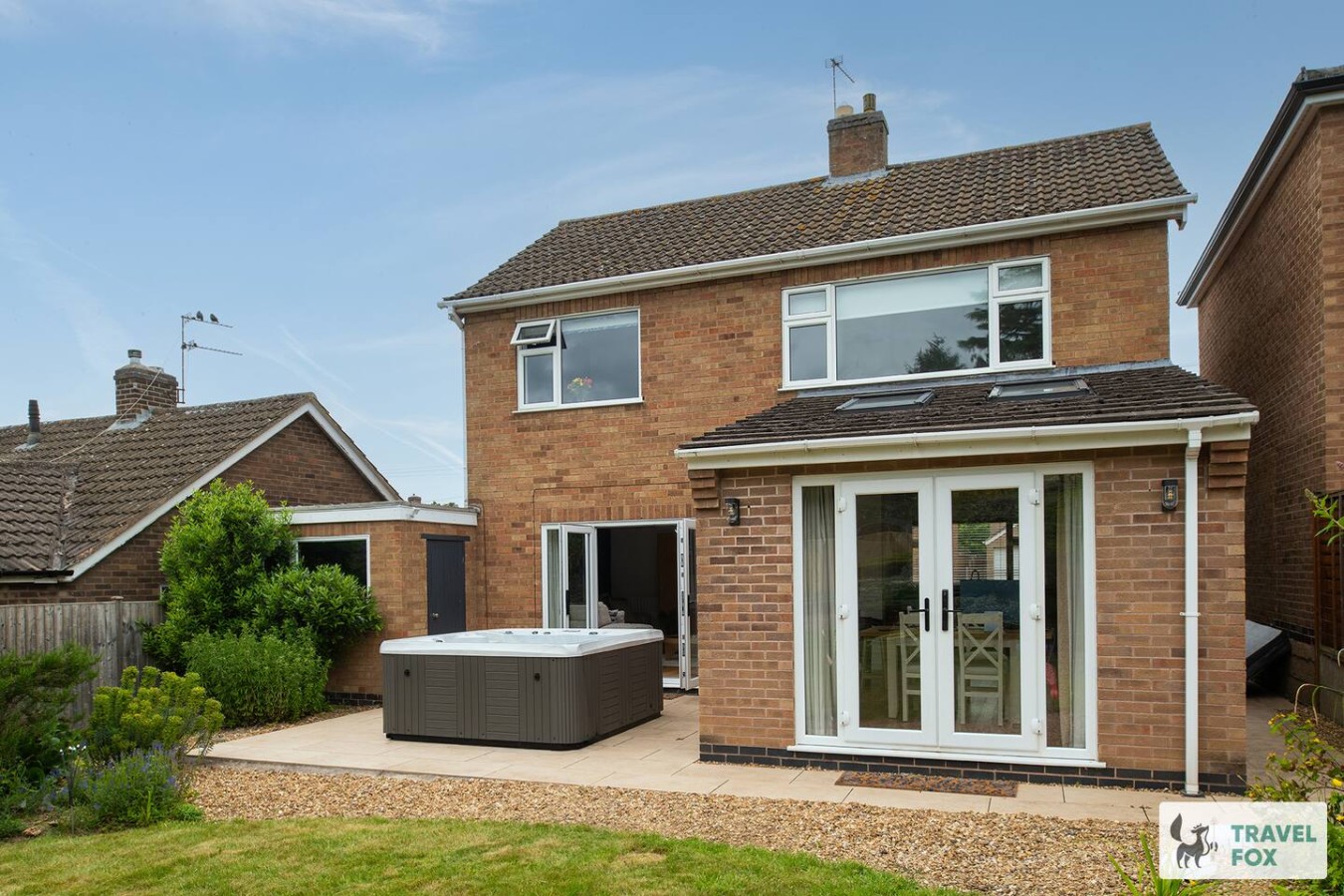
Rearsby
Vanessa's Haven - with hot tub and free parking for 3 cars!!
- Sleeps 5
- 3 bedrooms

Charnwood
UnPoplar House - Free in House Chris
- Sleeps 6
- 3 bedrooms
For homeowners
Own a holiday home near Great Glen?
We manage holiday lets across the UK from 12% commission, charged after cleaning costs, with no lock-in. A co-founder visits before you decide.
How our holiday let management works →
A guide with a point of view
Written from research. Edited for real journeys.
Use the Official site links for live practical details, then use this guide for context, ideas and room to explore.
Sources
Every place on this page is checked against a published source. Each entry links the record we used and names who publishes it.
- The Italian Greyhound — theitaliangreyhound.uk operator, sector body or destination organisation
- St Cuthbert's Church — greatglenbeneficechurches.co.uk other published source
- Great Glen Methodist Church — historicengland.org.uk statutory register or public authority record not machine-readable; publisher restricts automated access
- Great Glen to Burton Overy Circular — coolasleicester.co.uk other published source
- Grand Union Canal Towpath — canalrivertrust.org.uk national body or asset manager