
Wreake Valley walks
Frisby on the Wreake
A riverside Leicestershire village shaped by community ownership, old paths and ironstone history.
- Best for
- Riverside walking and a community-owned pub
- Give it
- A walk, church visit and pub meal
- Don't miss
- Old mill channels in the northwest fields
The Fox verdict
A walking village with a pub worth rooting for
Frisby pairs Wreake Valley footpaths with an old ironstone church and a community-owned inn.
The walking is the main draw beyond The Bell: the Leicestershire Round passes through the area, the Villages of the Wreake route follows the river, and a parish walks leaflet covers another local option. St Thomas of Canterbury adds twelfth-century fabric and Norman windows to a visit.
Where to go
Places in Frisby on the Wreake
Every place below is checked against a published source, listed with what it is and how long to give it.
Local signatures
3 placesThe Bell
A community-owned traditional pub with three beamed rooms, an enclosed stove, a conservatory and outdoor seating, serving British food and locally sourced changing ales.
- Visit length
- Editorial estimate: Allow around 90 minutes
- Locality
- Frisby on the Wreake
- Access
- Dogs are welcome; a bowl of water and a cosy spot by the fire are provided.
St Thomas of Canterbury
An ironstone church whose oldest parts date from the twelfth century, with Norman round-headed windows in the lower west tower stage and later medieval work.
- Visit length
- Editorial estimate: Allow around 30 minutes
- Locality
- Frisby on the Wreake
Leicestershire Round
A long-distance footpath that passes through the Frisby area and offers one of the village's main walking options.
- Visit length
- Editorial estimate: Allow around 2 hours for a local section
- Locality
- passing through the area
Walks & outdoors
2 placesVillages of the Wreake
A walking route that follows the River Wreake through a sequence of Wreake Valley villages including Frisby on the Wreake.
- Visit length
- Editorial estimate: Allow around 2 hours for a local section
- Locality
- through Frisby on the Wreake
Frisby on the Wreake Parish Walk
A parish walking option documented in a leaflet produced by Leicestershire County Council.
- Visit length
- Editorial estimate: Allow around 90 minutes
- Locality
- Frisby on the Wreake parish
- Access
- A parish walks leaflet is available from Leicestershire County Council.
No places match this filter. Choose All places to reset the list.
Three ways to explore Frisby on the Wreake
Signature outings
Back the Village Pub
Eat or drink at The Bell, the village's community-owned pub with locally sourced changing ales and British food.
Follow the Parish Walk
Use the parish walks leaflet produced by Leicestershire County Council to explore the footpaths around Frisby on the Wreake.
Walk the Wreake Villages
Take the Villages of the Wreake route as it follows the river through Frisby and neighbouring Wreake Valley settlements.
The village story
Frisby on the Wreake Village Guide
A community-owned pub, riverside paths and layers of Danish, Domesday and medieval history.
The Community-Owned Bell
The Bell Inn has been open since 1759, closed once, and was bought by the village. That last part is the important bit. When the pub shut, residents raised the money to purchase it themselves, making it the first community-owned pub in Melton Borough. It reopened on 28 April 2022. There are three rooms with wooden beams, an enclosed stove, and a conservatory that opens onto an outdoor seating area. Dogs are welcome and get a bowl of water and a spot by the fire.
The food is good. Fish and chips with crispy batter, scampi, tapas — the Sunday roasts have a local reputation that seems to be earned rather than inherited. Everything is locally sourced where possible, and CAMRA lists the pub, which keeps one regular real ale on and two changing guest ales from local breweries.
Practical Village Essentials
It is, at present, the only pub. There are no shops.
This matters less than it might, because Melton Mowbray, about 3.6 miles (5.8 km) away in a straight line, has everything you'd need. Buses 5A and 8 stop near the village. The nearest railway station is at Melton.
River, Meadows and Mill Channels
Frisby sits on the River Wreake in a valley that does very little dramatically and does it well — water meadows, a meandering river, ironstone villages spaced along its course. The buildings here are ironstone too, that warm brown-orange that looks different every hour depending on the light.
The walking is the main draw beyond the pub. The Leicestershire Round long-distance path passes through, and a dedicated Villages of the Wreake route follows the river through Asfordby, Frisby, Brooksby, Thrussington, and Ratcliffe on the Wreake. You can pick up a parish walks leaflet from the county council. The riverside footpaths northwest of the village pass old mill channels — cuts dug to divert the Wreake to Frisby Mill, which was working at the time of Domesday and rebuilt several times before falling quiet at the start of the twentieth century. The channels are still visible in the fields if you know to look for them.
Church and Danish Origins
The church is St Thomas of Canterbury, which is an unusual dedication for a rural Midlands parish — Thomas Becket's cult was widespread but his name stuck more often to urban churches. The oldest parts are twelfth century. Norman round-headed windows survive in the lower west tower stage, and much of the rest is fourteenth and fifteenth century work, built from the same ironstone rubble as the village around it.
The name Frisby is Old Danish — a settlement of the Frisians, planted here by Danish settlers in the ninth or tenth century. The Wreake itself comes from a Danish word meaning twisting or meandering, which is accurate. In 1086 the Domesday surveyors recorded it as Frisebie: roughly ten households, forty acres of meadow, six mills valued at two pounds twelve shillings and twopence. Part of the entry is marked as waste, suggesting the Conquest had not been kind to it.
Gretna Green and a Quieter Present
The village had a second moment of fame in the eighteenth century, when the parish priest — a man named William Brecknock Wragg — agreed to marry couples who had travelled some distance, at a time when the church and state kept tight control over who could wed and where. Frisby became known as the Gretna Green of the Midlands.
These days the village is quieter than that. But the pub is open, the river is still meandering, and if you walk the fields to the northwest in the right light you can trace where the mill channels ran nine hundred years ago.
Stay around Leicestershire
Make a longer stay of it
Travel Fox holiday homes around Leicestershire, linked directly to their property pages.
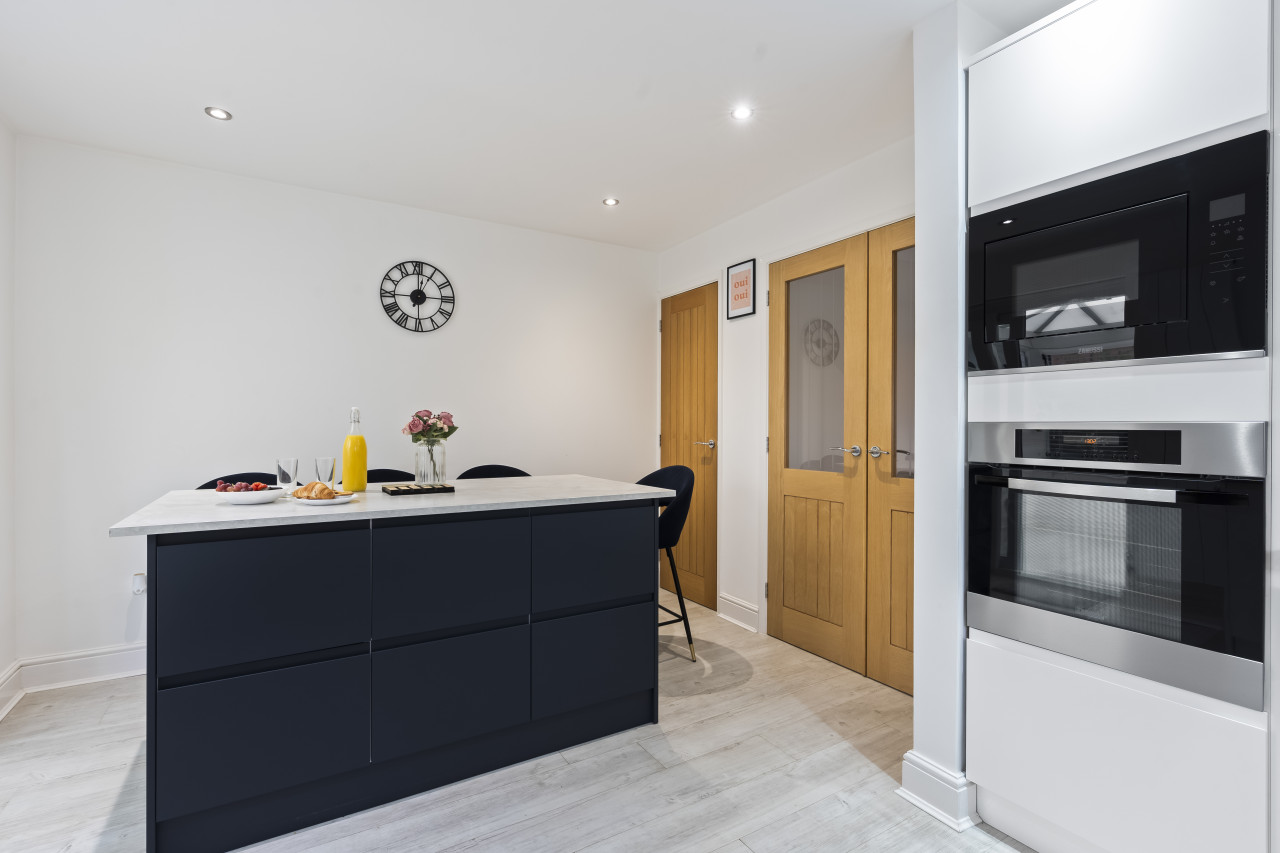
Syston
Tilly's Townhouse with Parking
- Sleeps 4
- 2 bedrooms
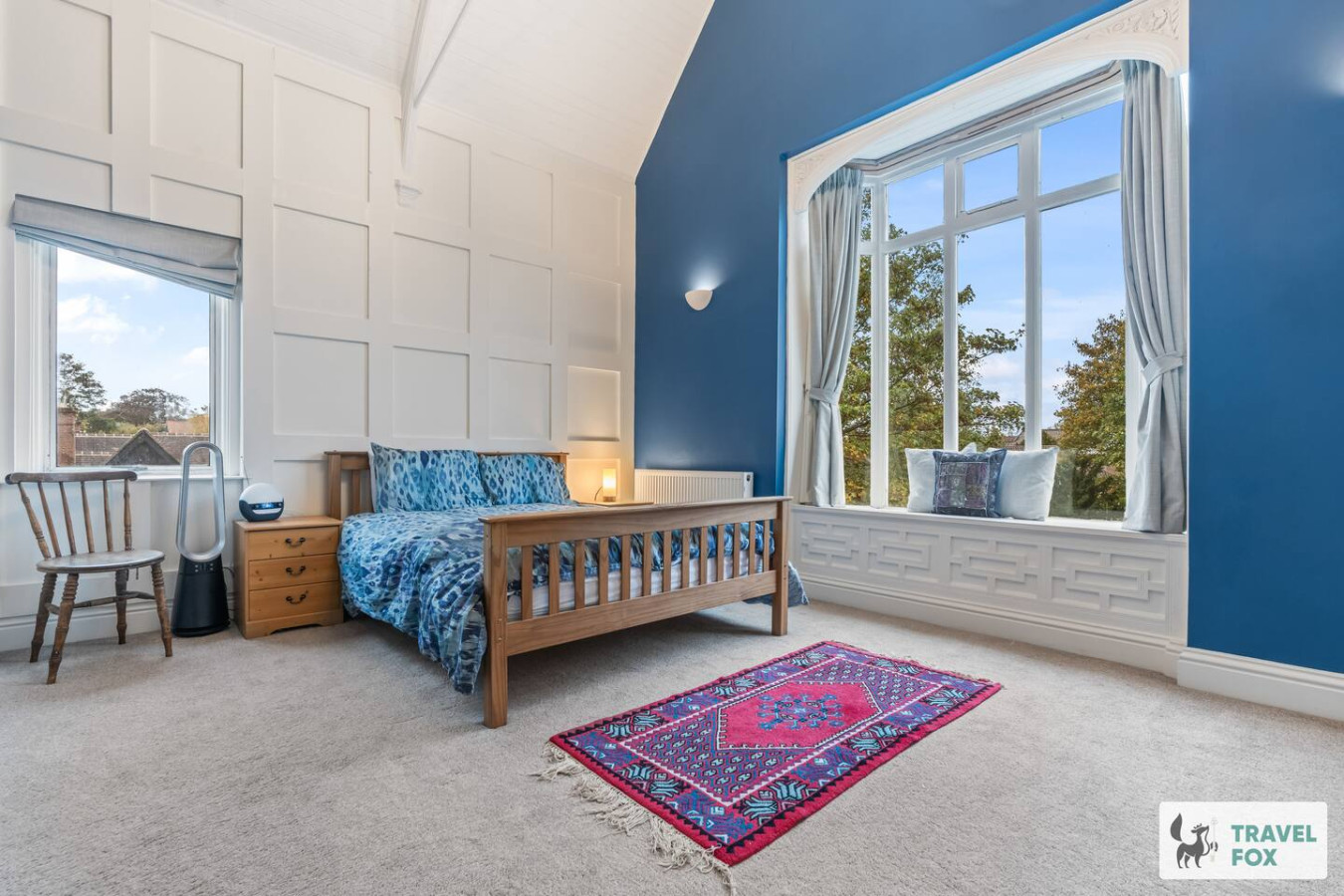
Leicester
Rachel's House with Parking!
- Sleeps 12
- 4 bedrooms
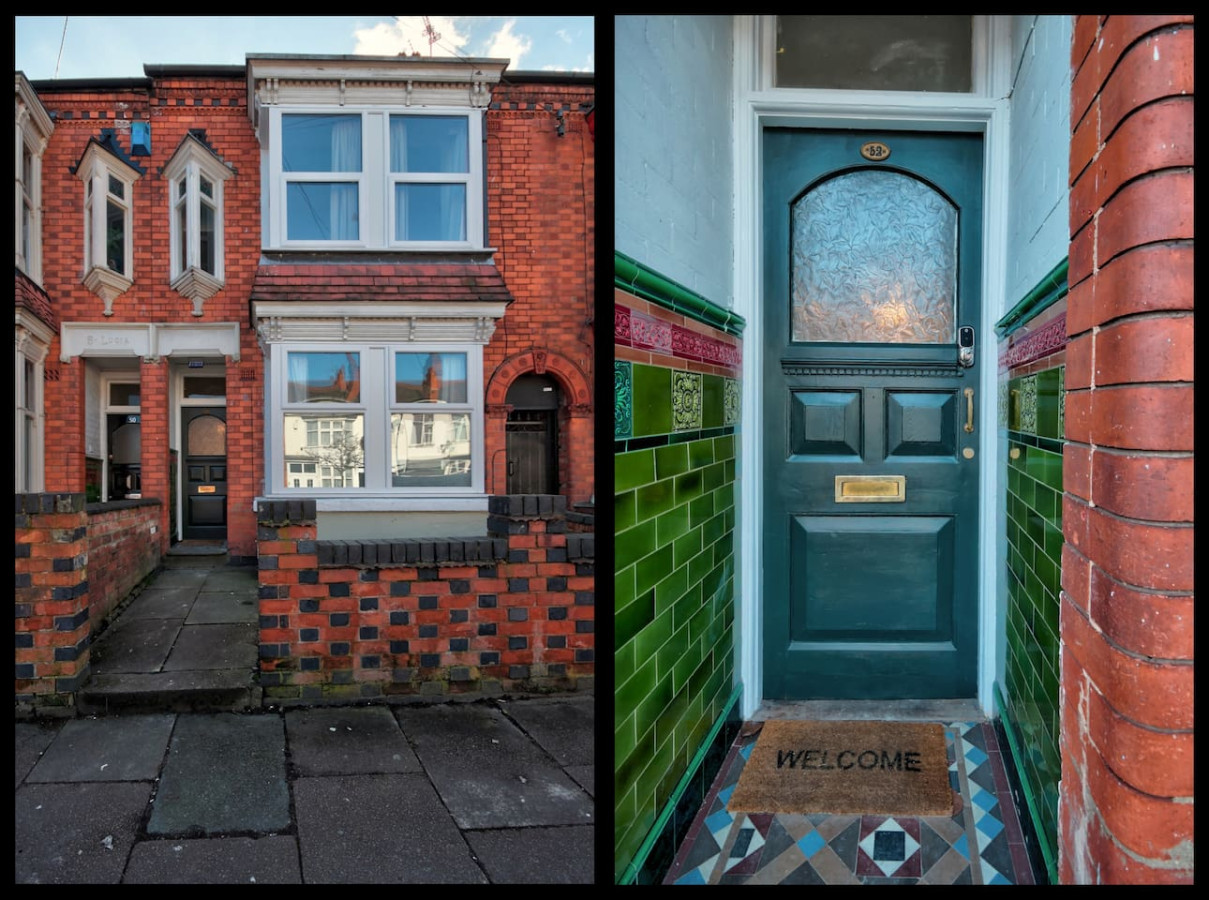
Leicester
Upperton House - Central 5 Bedroom
- Sleeps 9
- 5 bedrooms
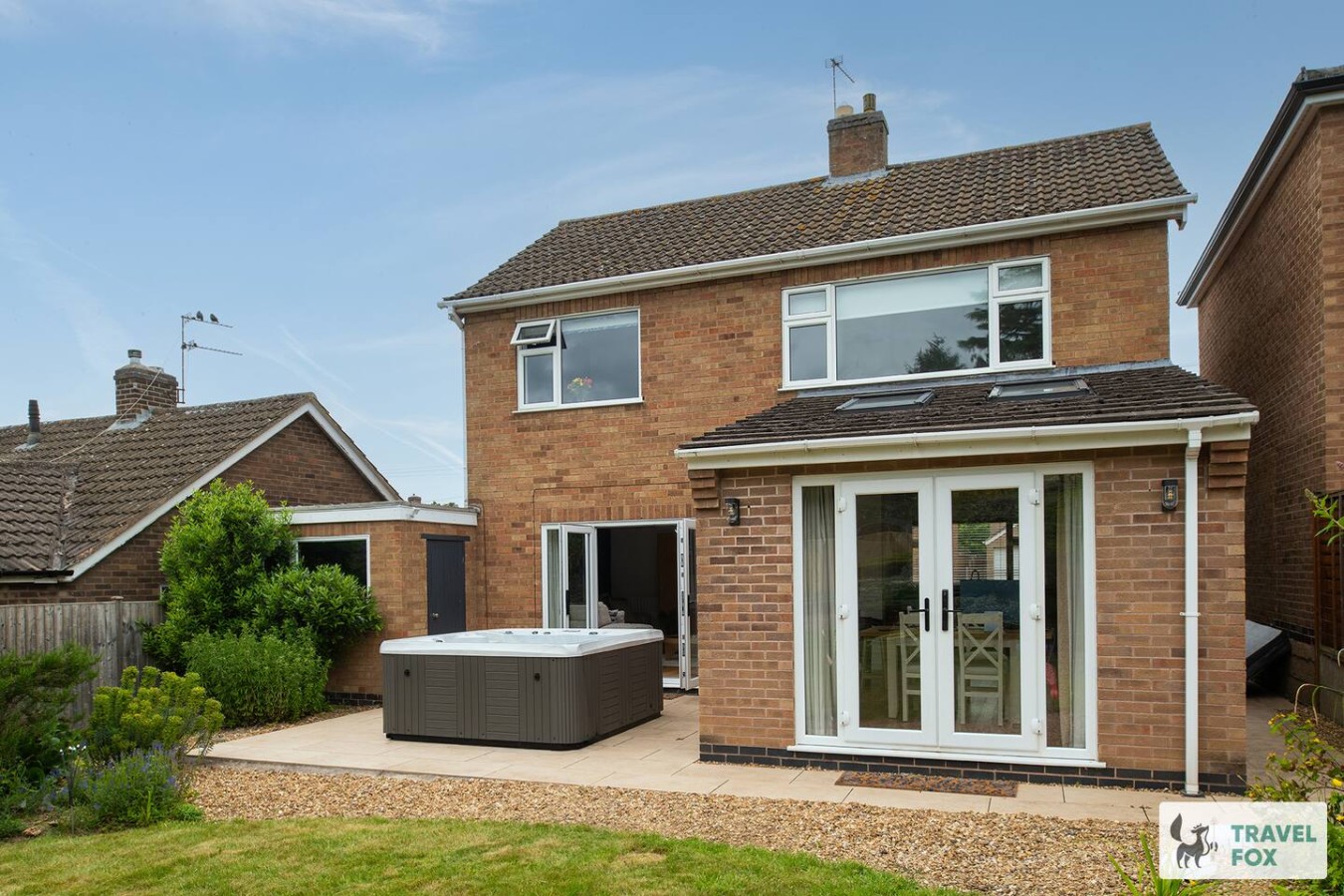
Rearsby
Vanessa's Haven - with hot tub and free parking for 3 cars!!
- Sleeps 5
- 3 bedrooms

Charnwood
UnPoplar House - Free in House Chris
- Sleeps 6
- 3 bedrooms
For homeowners
Own a holiday home near Frisby on the Wreake?
We manage holiday lets across the UK from 12% commission, charged after cleaning costs, with no lock-in. A co-founder visits before you decide.
How our holiday let management works →
A guide with a point of view
Written from research. Edited for real journeys.
Use the Official site links for live practical details, then use this guide for context, ideas and room to explore.
Sources
Every place on this page is checked against a published source. Each entry links the record we used and names who publishes it.
- The Bell — thebellfrisby.com operator, sector body or destination organisation
- St Thomas of Canterbury — achurchnearyou.com national body or asset manager
- Leicestershire Round — leicestershire.gov.uk statutory register or public authority record not machine-readable; publisher restricts automated access
- Villages of the Wreake — leicestershire.gov.uk statutory register or public authority record not machine-readable; publisher restricts automated access
- Frisby on the Wreake Parish Walk — choosehowyoumove.co.uk other published source