
The five Langtons
East Langton
An ironstone village on the southern slope of the Langtons ridge, with a historic inn, two country walks and the mother church nearby.
- Best for
- Ironstone village walking and a traditional inn
- Give it
- A country walk and a meal
- Don't miss
- The Bell Inn's award-winning garden
The Fox verdict
A small village with strong reasons to linger
A late-17th-century ironstone inn anchors walks through the Langton villages, with wide views toward the Welland Valley.
The Bell Inn is the village's dominant historic building, while the Leicestershire Round passes directly in front of it. Church Langton's medieval mother church and the longer circuit through all five Langton villages broaden a visit beyond the pub.
Where to go
Places in East Langton
Every place below is checked against a published source, listed with what it is and how long to give it.
Local signatures
3 placesThe Bell Inn
A traditional village inn and restaurant in a Grade II listed ironstone building dating from the late 17th century, with an award-winning garden and a dog-friendly bar.
- Visit length
- Editorial estimate: Allow around 75 minutes
- Locality
- The Langton villages
Church of St Peter, Church Langton
The ancient mother church for the five Langton villages, with a tower on the ridge at approximately 400 feet and an organ given by the Revd William Hanbury.
- Visit length
- Editorial estimate: Allow around 30 minutes
- Locality
- Church Langton
The Langtons Walk
A circuit through all five Langton villages, combining ironstone village walking with rolling countryside and wide views south across the Welland Valley.
- Visit length
- Editorial estimate: Allow around 150 minutes
- Locality
- Across the five Langton villages
Walks & outdoors
2 placesLeicestershire Round from East Langton
A section of the long-distance footpath with a circular route through Thorpe Langton and Church Langton.
- Visit length
- Editorial estimate: Allow around 90 minutes
- Locality
- Directly in front of The Bell Inn
Welland Valley
Gently rolling ironstone countryside seen from the Langtons walking routes, with wide views south toward the Welland and Northamptonshire.
- Visit length
- Editorial estimate: Allow around 45 minutes
- Locality
- South of the Langton villages
No places match this filter. Choose All places to reset the list.
Three ways to explore East Langton
Signature outings
A late-17th-century inn
The Bell Inn combines a Grade II listed ironstone building with an award-winning garden of roses and lavender.
The Welland Valley
Gently rolling ironstone countryside opens into wide views south toward the Welland and Northamptonshire.
The Leicestershire Round
The long-distance footpath passes directly in front of The Bell Inn and provides a circular route through three Langton villages.
The village story
The Langtons Village Guide
A source-locked journey from a historic ironstone inn to the footpaths, church and older stories of the five Langtons.
The Inn and the Village
The Bell Inn is built from ironstone the colour of strong tea. It's Grade II listed, late 17th century, and the northern end used to be the village smithy — which explains the proportions, if not the roses. The garden out the back has won awards, and in summer it fills with the kind of quiet contentment that only lavender and a pint of real ale can produce.
East Langton is a small village four miles north of Market Harborough, set on the southern slope of a ridge that runs through the five Langton parishes. There are no shops. There is one pub. The pub is very good.
Food and Footpaths
Head Chef Stefan runs a kitchen that takes itself seriously without making a fuss about it. Lunch is pizza, pasta, or salad. Dinner is another matter: Saddle of Venison with fondant potatoes and seasonal vegetables, or Lemon Sole in Caper Butter. The bar is dog-friendly, stocks local and international beers, and has the kind of unhurried atmosphere that suggests nobody here is in a rush to be anywhere else. CAMRA lists it. The reviews are consistent.
If you walk, the Leicestershire Round passes directly in front of the pub door, which is either good planning or evidence that long-distance footpaths were designed by people who understood priorities. You can pick up a circular route through Thorpe Langton and Church Langton without needing to consult a map for more than a minute or two. The longer option takes in all five Langton villages — Church Langton, East Langton, West Langton, Thorpe Langton, and Tur Langton — a circuit of ironstone cottages and rolling countryside with wide views south across the Welland Valley toward Northamptonshire.
Ironstone and the Mother Church
The landscape is gently hilly, green, and built on ironstone that gives everything — buildings, walls, the pub — a warm amber tone. It's not dramatic country. It's the kind of landscape where you walk for an hour and realise you've been staring at the middle distance the whole time.
Church Langton, about 0.6 miles from East Langton village centre in a straight line, has the mother church for all five villages. St Peter's tower sits at about 400 feet and serves as a landmark across the valley — you can see it from the south long before you arrive. The organ inside was given by the Reverend William Hanbury, vicar for 25 years from 1753, a man described as both eccentric and philanthropic, which in an 18th-century clergyman usually meant he spent a lot of money on things other people hadn't asked for.
From Langtone to the Iron Age Hoard
In Domesday, the whole place was recorded as Langtone, held by Hugh de Grandmesmill. The surveyors counted land for eight ploughs, three slaves, seventeen men, a priest, a knight, and a mill. Total value: forty shillings. Church Langton was the original Saxon settlement; East and West Langton grew up later as daughter villages when the open fields were divided.
In 2000, an Iron Age coin hoard of roughly 5,000 coins was found in the Welland Valley nearby — one of the most significant such discoveries in the country. Someone buried a fortune here two millennia ago and never came back for it.
Arriving and Staying
Market Harborough is the nearest station, on the Midland Main Line to London St Pancras. The Bell Inn, improbably, is listed as an overnight motorhome stop. So you can park up, eat venison, walk the Leicestershire Round in the morning, and leave without having seen another tourist. Most villages would kill for less.
Stay around Leicestershire
Make a longer stay of it
Travel Fox holiday homes around Leicestershire, linked directly to their property pages.
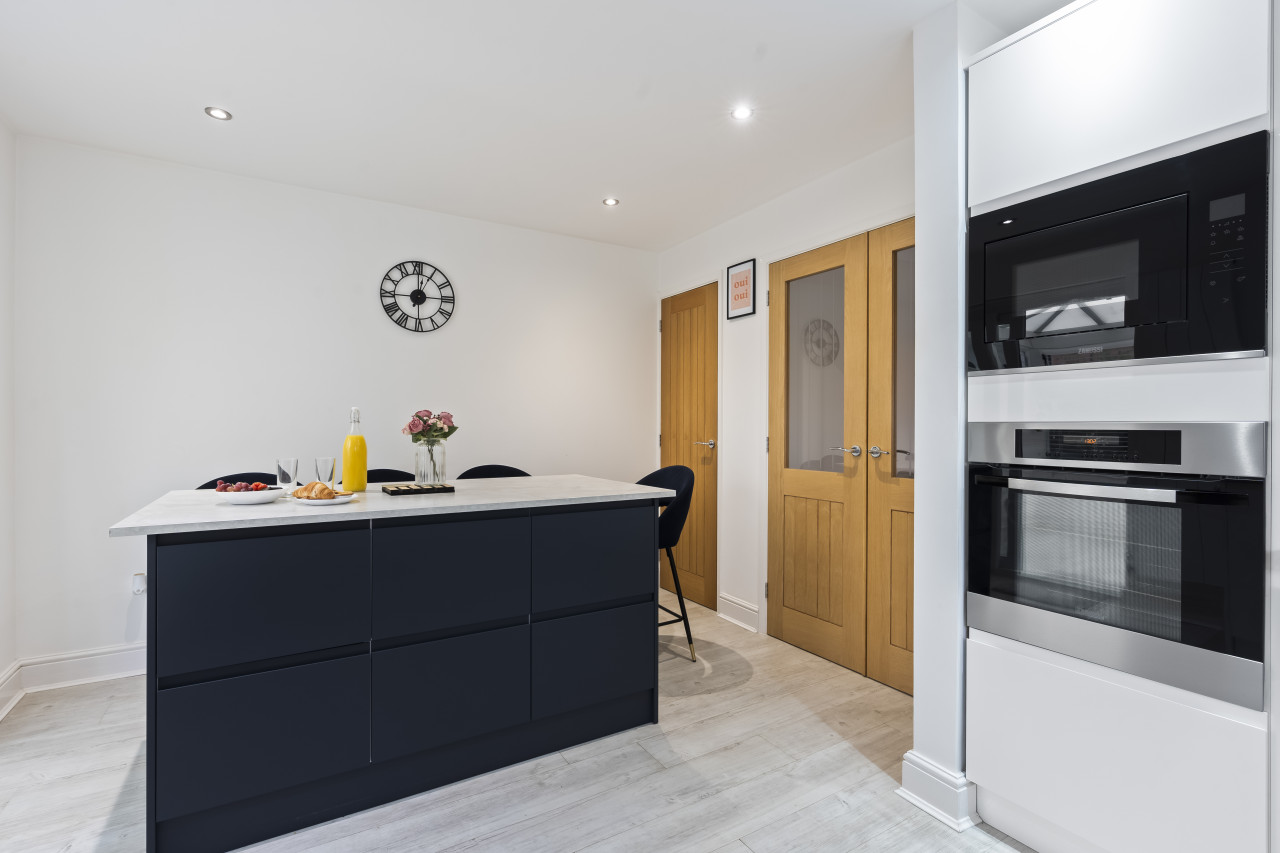
Syston
Tilly's Townhouse with Parking
- Sleeps 4
- 2 bedrooms
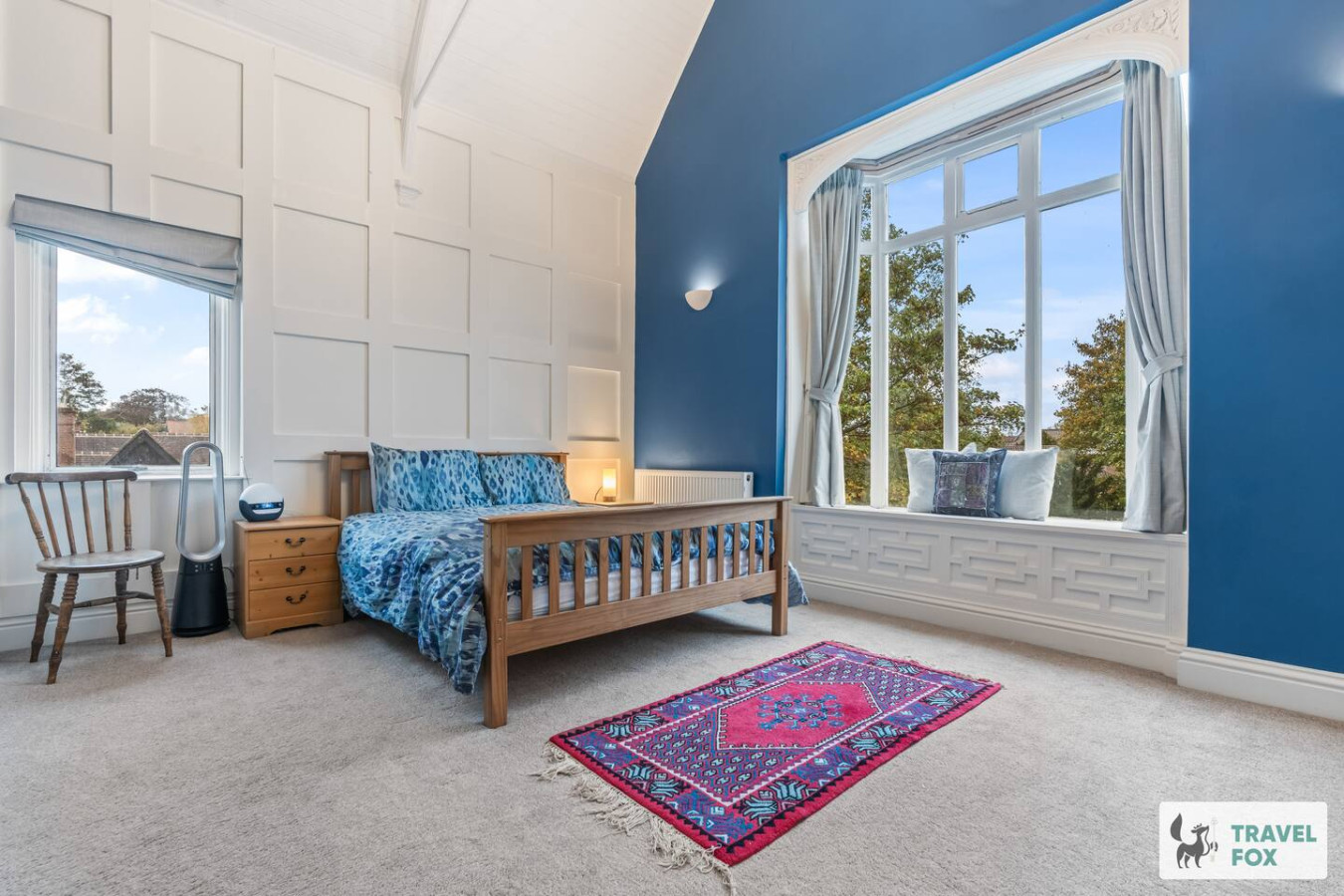
Leicester
Rachel's House with Parking!
- Sleeps 12
- 4 bedrooms
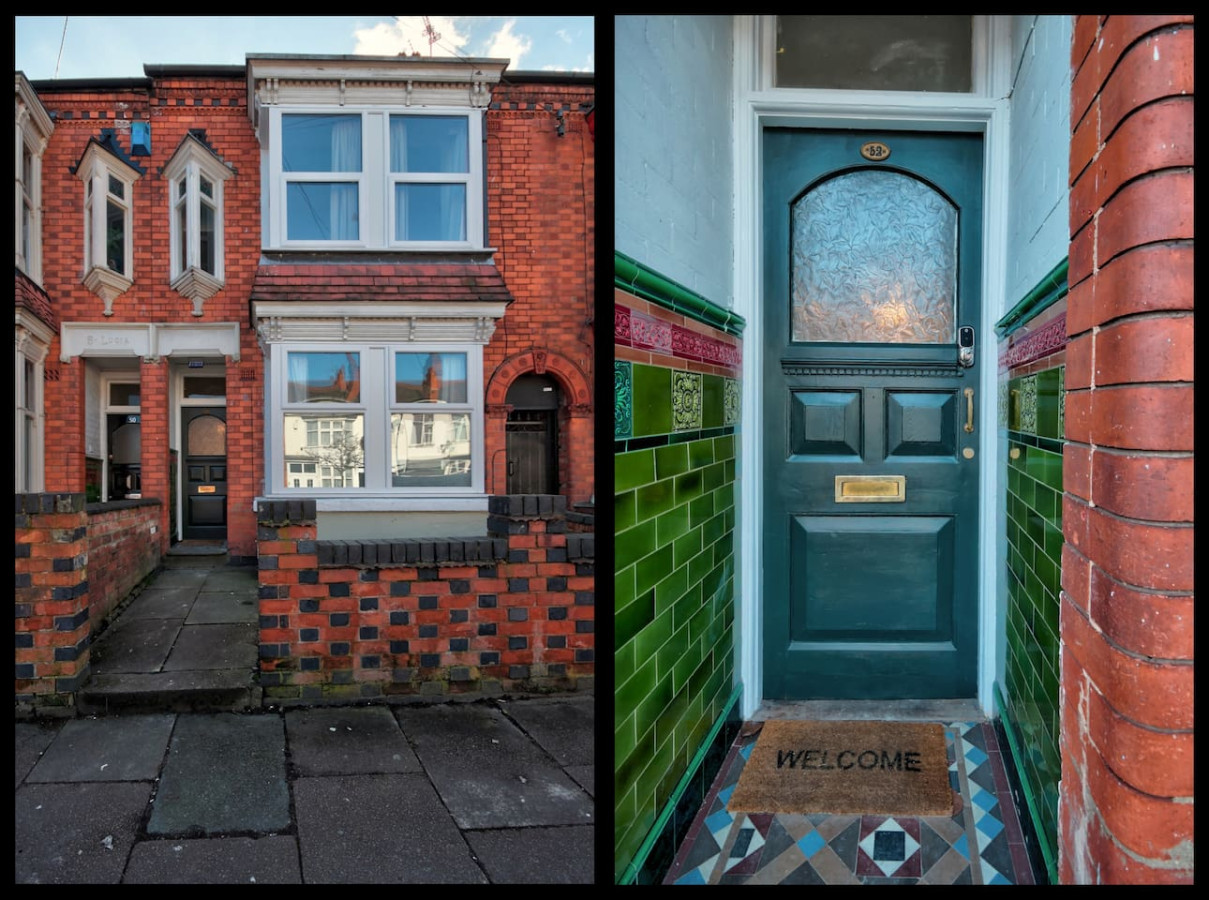
Leicester
Upperton House - Central 5 Bedroom
- Sleeps 9
- 5 bedrooms
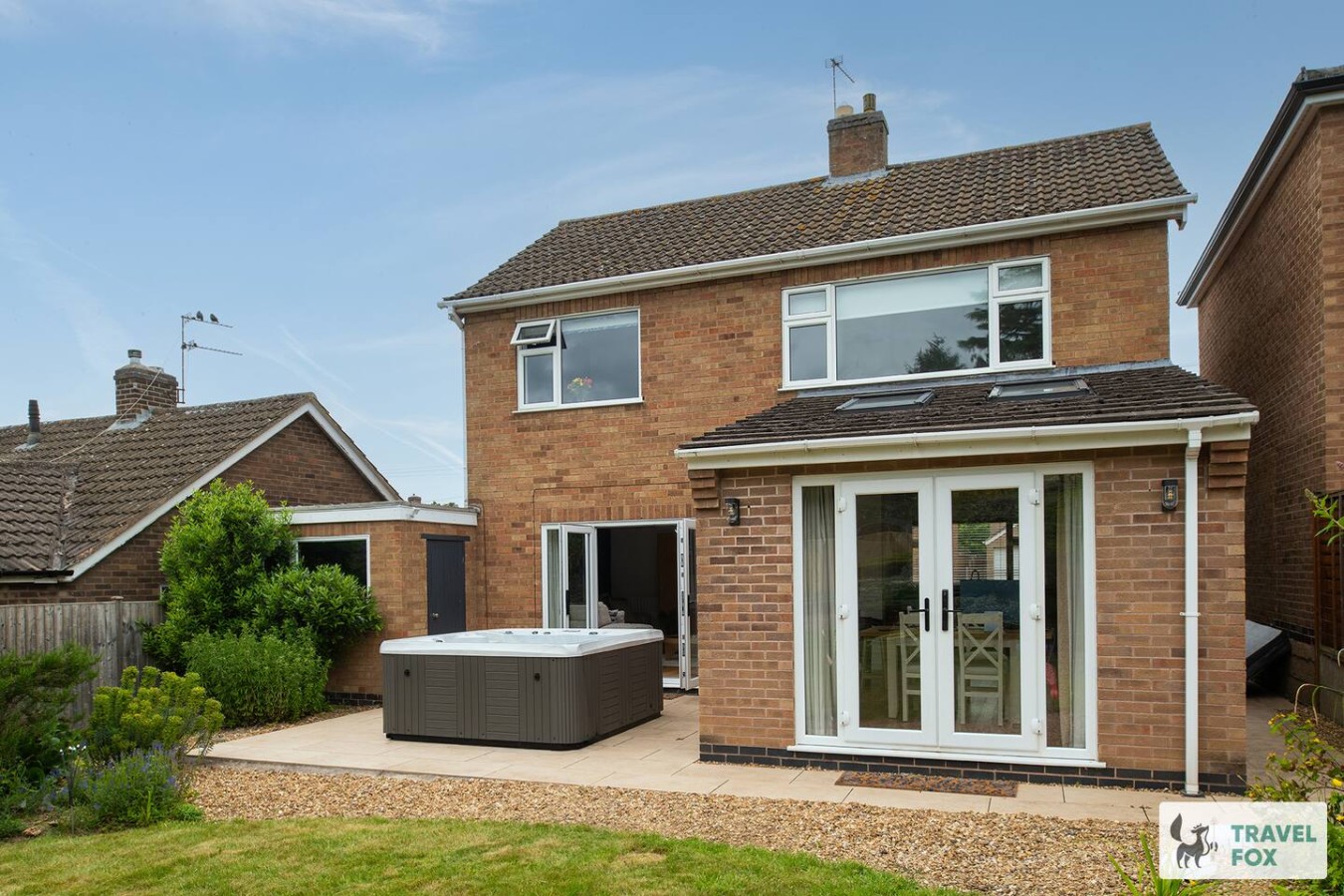
Rearsby
Vanessa's Haven - with hot tub and free parking for 3 cars!!
- Sleeps 5
- 3 bedrooms

Charnwood
UnPoplar House - Free in House Chris
- Sleeps 6
- 3 bedrooms
For homeowners
Own a holiday home near East Langton?
We manage holiday lets across the UK from 12% commission, charged after cleaning costs, with no lock-in. A co-founder visits before you decide.
How our holiday let management works →
A guide with a point of view
Written from research. Edited for real journeys.
Use the Official site links for live practical details, then use this guide for context, ideas and room to explore.
Sources
Every place on this page is checked against a published source. Each entry links the record we used and names who publishes it.
- The Bell Inn — thebelleastlangton.co.uk operator, sector body or destination organisation
- Church of St Peter, Church Langton — achurchnearyou.com national body or asset manager
- Leicestershire Round from East Langton — lfa.org.uk other published source record not machine-readable; publisher restricts automated access
- The Langtons Walk — leicestershire.gov.uk statutory register or public authority record not machine-readable; publisher restricts automated access
- Welland Valley — harborough.gov.uk statutory register or public authority