
Norfolk marshes, village food and old-port stories
Cley-next-the-Sea
Buy smoked fish on the High Street, visit St Margaret's, then choose between reedbed birdwatching, the shingle beach and a 7.5-mile circuit through Wiveton and Blakeney.
- Best for
- Birdwatching, local food and walking
- Give it
- A village day; longer for the circular
- Don't miss
- Cley Marshes and St Margaret's
The Fox verdict
A small village shaped by trade, marsh and birds
Cley combines smoked seafood and village pubs with a great medieval church, a landmark nature reserve and long walks beside the Glaven and the coast.
The old harbour has vanished, but the Flemish gables, church and windmill keep its trading past visible. The marshes now draw birdwatchers to the sanctuary founded by Dr Sydney Long in 1926.
Where to go
Places in Cley-next-the-Sea
Every place below is checked against a published source, listed with what it is and how long to give it.
Local signatures
3 placesCley Smokehouse
A traditional smokehouse, fishmonger and deli selling fish, shellfish, cured meats and home-made pates, with produce smoked on site without artificial colours or dyes.
- Visit length
- Editorial estimate: Allow around 30 minutes.
- Locality
- High Street
The George and Dragon
An 18th-century village inn with restaurant and bar, serving light lunches, pub classics, Sunday roasts and seasonal dinners using local and seasonal produce.
- Visit length
- Editorial estimate: Allow around 75 minutes.
- Locality
- In the heart of Cley
Cley Beach and shingle ridge
A long shingle beach and ridge for coastal walks towards Blakeney Point.
- Visit length
- Editorial estimate: Allow around 60 minutes.
- Locality
- Cley beach
Food & drink
1 placeThe Three Swallows
A traditional food-oriented pub serving British classics, modern bistro dishes, wood-fired pizzas and small plates, with a garden containing a children's play area, pond and aviary.
- Visit length
- Editorial estimate: Allow around 75 minutes.
- Locality
- Newgate, on the edge of the village green near St Margaret's Church
Walks & outdoors
2 placesNWT Cley Marshes
A nature reserve with a visitor centre, viewing areas, exhibition space, hides and trails; more than 300 bird species have been recorded here.
- Visit length
- Editorial estimate: Allow around 120 minutes.
- Locality
- Cley-next-the-Sea
Cley-Wiveton-Blakeney circular
A roughly 7.5-mile circuit using sea-defence walls, roads and rights of way, with the Norfolk Coast Path above the marshes and an inland return.
- Visit length
- Editorial estimate: Allow around four hours.
- Locality
- Cley, Wiveton and Blakeney
History & heritage
1 placeChurch of St Margaret of Antioch
A Grade I-listed church, largely rebuilt around 1320, with a Seven Sacrament font and particularly opulent window tracery in its ruined south transept.
- Visit length
- Editorial estimate: Allow around 45 minutes.
- Locality
- Cley-next-the-Sea
No places match this filter. Choose All places to reset the list.
Three ways to explore Cley-next-the-Sea
Signature outings
Look for Cley's marsh birds
Use the visitor centre, viewing areas, hides and trails at the reserve where more than 300 bird species have been recorded.
Find the unfinished medieval church
Look for the Seven Sacrament font and the opulent window tracery in the ruined south transept of St Margaret's.
Walk the three-village circuit
Follow the 7.5-mile circular through Cley, Wiveton and Blakeney and cross ancient Wiveton Bridge over the River Glaven.
The village story
Cley between old harbour and living marsh
High Street smoke and pottery lead into village pubs, medieval trade, the windmill and the bird sanctuary created on the marsh in 1926.
Smoke, clay and High Street browsing
The Cley Smokehouse has been smoking fish on the High Street for over forty-five years, using no artificial colours or dyes, and it lands its own lobster and Cromer crab from its own boat. You can buy kippers, smoked salmon, dressed crab and home-made pâté, and if you want more of the same there's a second deli and café two miles down the road in Glandford. A few doors along, Picnic Fayre sells local cheeses, wines and baked goods out of a converted forge, which is the shop to raid before you walk the marshes.
The village runs along a narrow High Street between salt marsh and reedbed, near the mouth of the River Glaven. Made in Cley is a working pottery shared by around ten artists, throwing stoneware on site; Pinkfoot Gallery hangs oil paintings and prints; there's a bookshop and tea shops besides. For a place with a population of 401, it keeps a lot of things open.
Two pubs, two village settings
The George and Dragon sits in the heart of it, an imposing 18th-century inn that had closed and reopened, which the East Anglian Daily Times called "the once-closed pub now making waves on the Norfolk coast." Food runs all day, every day — venison ragù, fish and chips, sticky toffee pudding, year-round Sunday roasts — and there's Woodforde's Wherry on regularly. Dogs are welcome throughout. The large beer garden is across the narrow High Street from the pub, which becomes a matter of some concern to summer traffic.
The Three Swallows stands over at Newgate, in front of the parish church and the village green, with views across the Glaven Valley. Wood-fired pizzas and small plates now, from an outdoor oven added in 2022, alongside the usual blackboard specials. Its bar front is 400 years old, made from furniture salvaged from a Dutch ship. The garden has a play area, an ornamental pond and an aviary.
A church and a vanished port
St Margaret of Antioch is Grade I listed and mostly early 14th century, built for the mercantile de Vaux family before the Black Death arrived in 1349 and the work simply stopped. It never fully restarted. The ruined south transept still carries particularly opulent window tracery, and there's a Seven Sacrament font, the kind found almost only in East Anglia.
Cley was once one of the busiest ports in England, shipping wool and grain out to the Low Countries — hence the Flemish gables you keep noticing. It has not been next the sea since the 17th century, when land reclamation and an ill-fated dam silted up the Glaven. The Customs House closed in 1853.
The mill on the old harbour line
The five-storey tower windmill still marks the old harbour line, and is where James Blunt spent much of his childhood; his father owned it before the family sold up in 2005. It's a hotel now.
The marsh circuit and its sanctuary
The Cley–Wiveton–Blakeney circular is about seven and a half miles of sea walls and rights of way, crossing the ancient Wiveton Bridge. In 1926 Dr Sydney Long bought the marsh here for £5,100, to hold "in perpetuity as a bird breeding sanctuary." The birdwatchers still come, and the George caters to them by name.
Stay around Norfolk
Make a longer stay of it
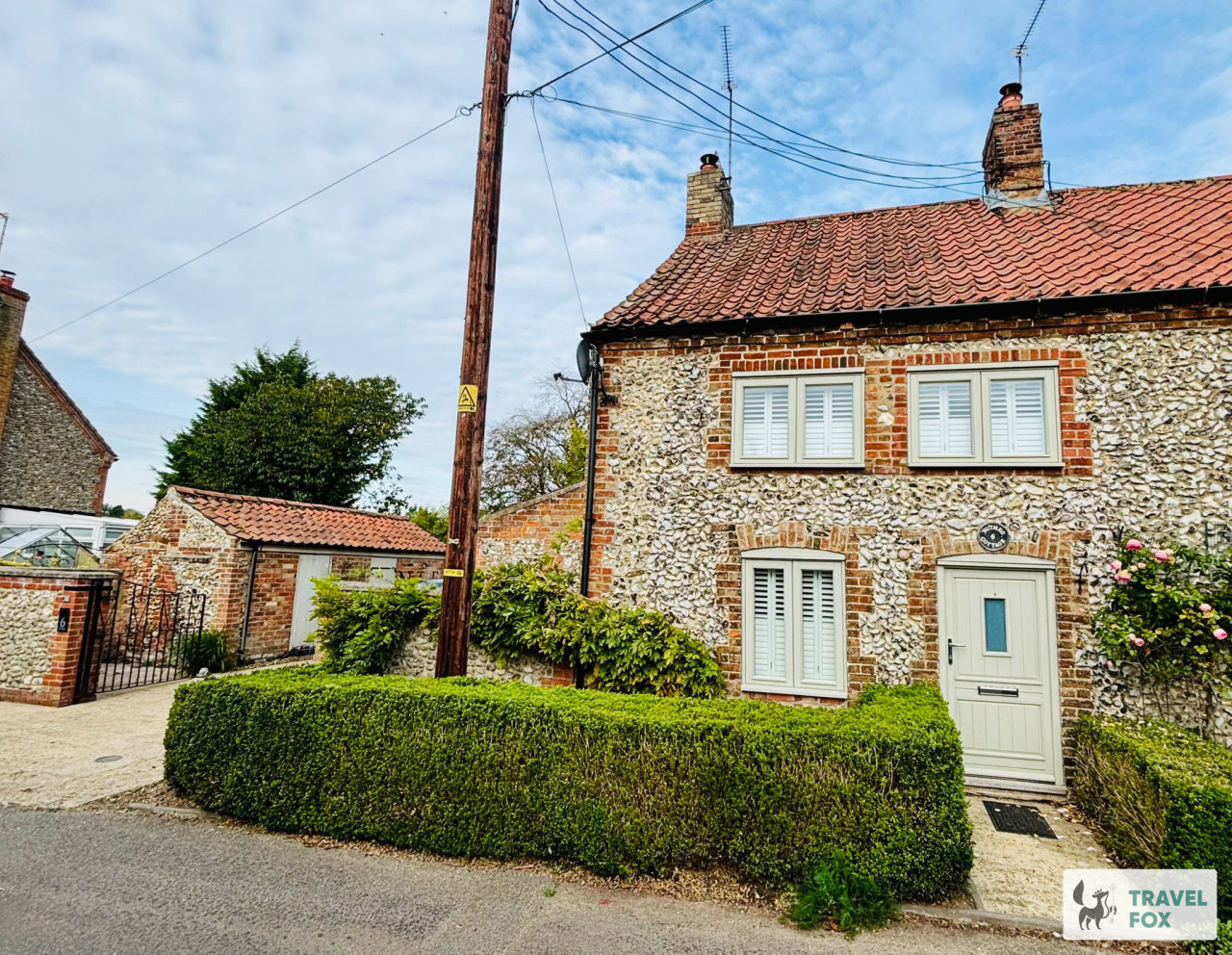
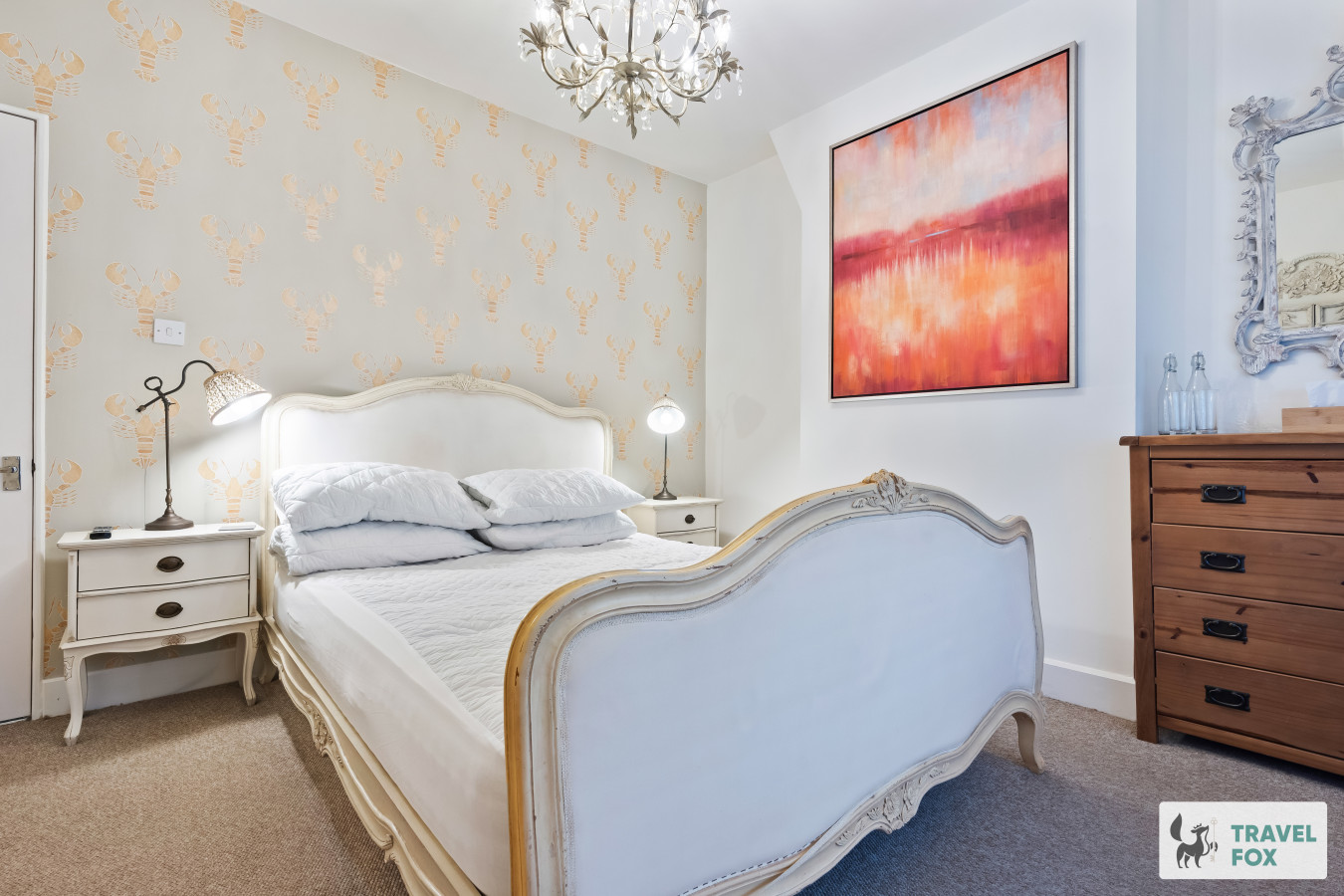
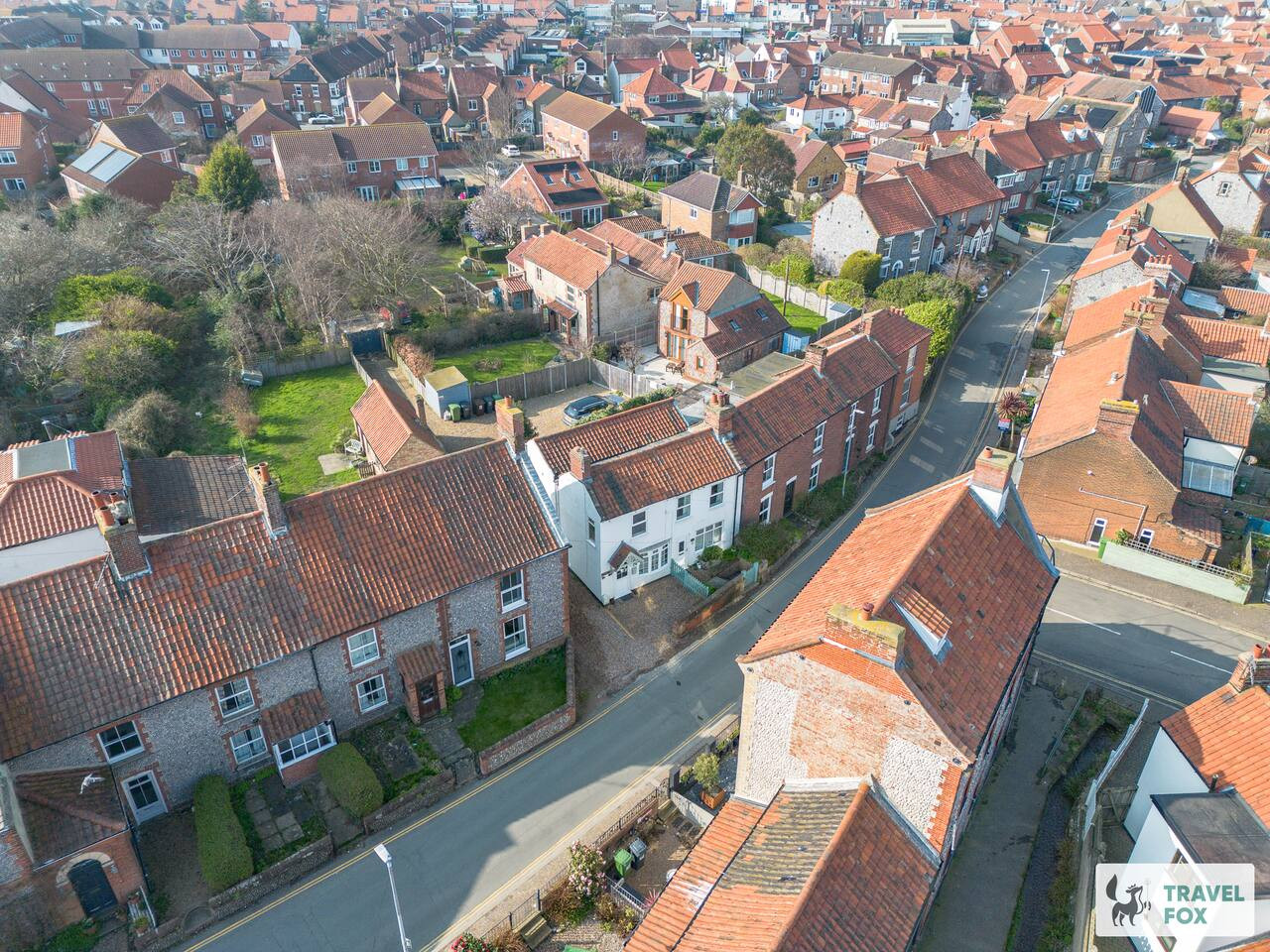
Travel Fox holiday homes around Norfolk, linked directly to their property pages.
A guide with a point of view
Written from research. Edited for real journeys.
Use the Official site links for live practical details, then use this guide for context, ideas and room to explore.
Sources
Every place on this page is checked against a published source. Each entry links the record we used and names who publishes it.
- Cley Smokehouse — cleysmokehouse.com operator, sector body or destination organisation
- The George and Dragon — georgeanddragoncley.co.uk operator, sector body or destination organisation
- The Three Swallows — thethreeswallows.co.uk operator, sector body or destination organisation
- Church of St Margaret of Antioch — historicengland.org.uk statutory register or public authority record not machine-readable; publisher restricts automated access
- NWT Cley Marshes — norfolkwildlifetrust.org.uk national body or asset manager
- Cley Beach and shingle ridge — visitnorfolk.co.uk operator, sector body or destination organisation
- Cley-Wiveton-Blakeney circular — visitnorthnorfolk.com operator, sector body or destination organisation