
Pub, plateau and limestone dales
Biggin
A small farming village where a long-standing country pub, a historic hall and paths into the dales give visitors clear reasons to stop.
- Best for
- Dry-dale walking and a country-pub stop
- Give it
- Three to three and a half hours for the three-dales circular
- Don't miss
- Biggin Dale's spring wildflowers
The Fox verdict
A small village with a strong pub-and-dales pairing
Come for the Waterloo Inn, then make the limestone landscape the main event.
Biggin has no independent shops, but it does offer two village food stops, a listed church and direct context for walks through Biggin, Wolfscote and Beresford Dales. The nearby Tissington Trail adds a flat, traffic-free option for walking and cycling.
Where to go
Places in Biggin
Every place below is checked against a published source, listed with what it is and how long to give it.
Local signatures
3 placesBiggin Hall
A 17th-century hall with a 1642 datestone, now operating as a restaurant and holiday accommodation; it is Grade II* listed and retains stone-mullioned windows, some blocked in the 1790s.
- Visit length
- Editorial estimate: allow around 90 minutes
- Locality
- Biggin
Biggin Dale
A dry limestone dale where a stream appears only in the lower section, forming part of a National Nature Reserve and carrying rich displays of spring wildflowers.
- Visit length
- Editorial estimate: allow around 75 minutes
- Locality
- Biggin Dale
Biggin, Wolfscote and Beresford Dales Circular
A roughly 9.8-kilometre circuit through three interconnecting dales, with Wolfscote's high rocky cliffs and River Dove giving way to gentler, tree-lined Beresford Dale.
- Visit length
- Editorial estimate: Allow around 3–3.5 hours
- Locality
- Biggin, Wolfscote Dale and Beresford Dale
Food & drink
1 placeThe Waterloo Inn
A traditional country pub with home-cooked food, rotating local real ales, a large front-facing beer garden overlooking farmland, an open fire and a dog-friendly interior.
- Visit length
- Editorial estimate: allow around 90 minutes
- Locality
- Main Street, Biggin
History & heritage
1 placeSt Thomas' Church
A Grade II listed church built in 1844–1848 by E.H. Shellard in Early Gothic style, with a five-bay nave, chancel, south porch, embattled west tower and an 1880 stained-glass window.
- Visit length
- Editorial estimate: allow around 30 minutes
- Locality
- Biggin
- Access
- The church no longer holds regular services.
Things to do
1 placeTissington Trail
A 13-mile former railway line for walking and cycling; the trail is flat and traffic-free.
- Visit length
- Editorial estimate: allow around 120 minutes
- Locality
- Former railway line from Parsley Hay to Ashbourne
No places match this filter. Choose All places to reset the list.
Three ways to explore Biggin
Signature outings
A proper village pub stop
Order home-cooked food or a rotating local real ale at the dog-friendly Waterloo Inn, with its front beer garden looking across farmland.
Early Gothic detail
See E.H. Shellard's limestone church, built in 1844–1848 with an embattled west tower, a single bell and a two-dial clock.
Into the dry dale
Descend from Dale End into Biggin Dale for a dry limestone landscape known for spring wildflowers.
The village story
Biggin Village Guide
A locked Travel Fox story of the Waterloo Inn, limestone dales, old routes and Biggin's farming history.
The Waterloo Inn
The Waterloo Inn has stood on Main Street for more than two centuries, serving the farming village and travellers on the old turnpike road, and it remains the main reason to stop in Biggin. It is a traditional country pub with a large front-facing beer garden that looks out over farmland, an open fire for colder days, and a caravan and campsite round the back with hard standings, electric hook-ups and around twenty pitches. Under new ownership since November 2025, it does home-cooked food that reviewers describe as not overpriced.
The pies are the thing to know about. There are three, all homemade, all available gluten-free, including a cottage pie called "Napoleon's Retreat." There's also a game pie, a sausage of the week, a hot double spicy chicken burger, a beef and blue ciabatta, and farm-to-table lamb from Longditch Farm. Afterwards, Belgian waffle with ice cream, or apple crumble with custard. The real ales rotate — usually local, from Wincle, Peak Ales and Hartington. Dogs are welcome inside, and the staff often offer them treats. One TripAdvisor reviewer called it "a cosy dog friendly village pub," which is about right.
Biggin Hall and the Dales
That's most of the commerce. Biggin is a small farming village on a limestone plateau over a thousand feet up, two miles southeast of Hartington and just off the A515, and it has no independent shops. The nearest food beyond the pub is Biggin Hall, a 17th-century house with a 1642 datestone, Grade II* listed, some of its stone-mullioned windows blocked in the 1790s to dodge the window tax. It now operates as a restaurant and holiday accommodation.
The reason to come here is what the ground does at the edge of the fields. Biggin Dale is a dry limestone dale — a stream only appears in its lower reaches — part of a National Nature Reserve and full of wildflowers in spring. A grassy track descends from Dale End to meet the River Dove at Wolfscote Dale. A circular of five or six miles links Biggin, Wolfscote and Beresford Dales, taking in high rocky cliffs, the Dove running between steep banks, and gentler tree-lined country beyond.
Cotton and The Compleat Angler
The fishing here has literary previous. Charles Cotton, the 17th-century poet, was born at nearby Beresford Hall and taught his friend Izaak Walton to fly-fish on the Dove; the river and its Pike Pool feature in Walton's *The Compleat Angler*.
Trails and Transport
You'll want a car. There is no station — the Ashbourne–Buxton railway closed, and its trackbed is now the Tissington Trail, thirteen flat, traffic-free miles for walking and cycling on a route that passes just east of the village. Buses along the A515 are limited. National Cycle Network routes 68 and 548 come through.
Newbiggin and the Sheep Trade
Biggin does not appear in Domesday because it did not yet exist; it was first recorded in 1223 as Newbiggin, "new building," when Cistercian monks ran a sheep ranch here. One outbuilding of the grange survives. The sheep stayed important for a long time: in October 1985 more than twenty thousand of them were entered at the autumn sales. Farming, as the parish still puts it, remains important to the village.
Stay around Peak District
Make a longer stay of it
Travel Fox holiday homes around Peak District, linked directly to their property pages.
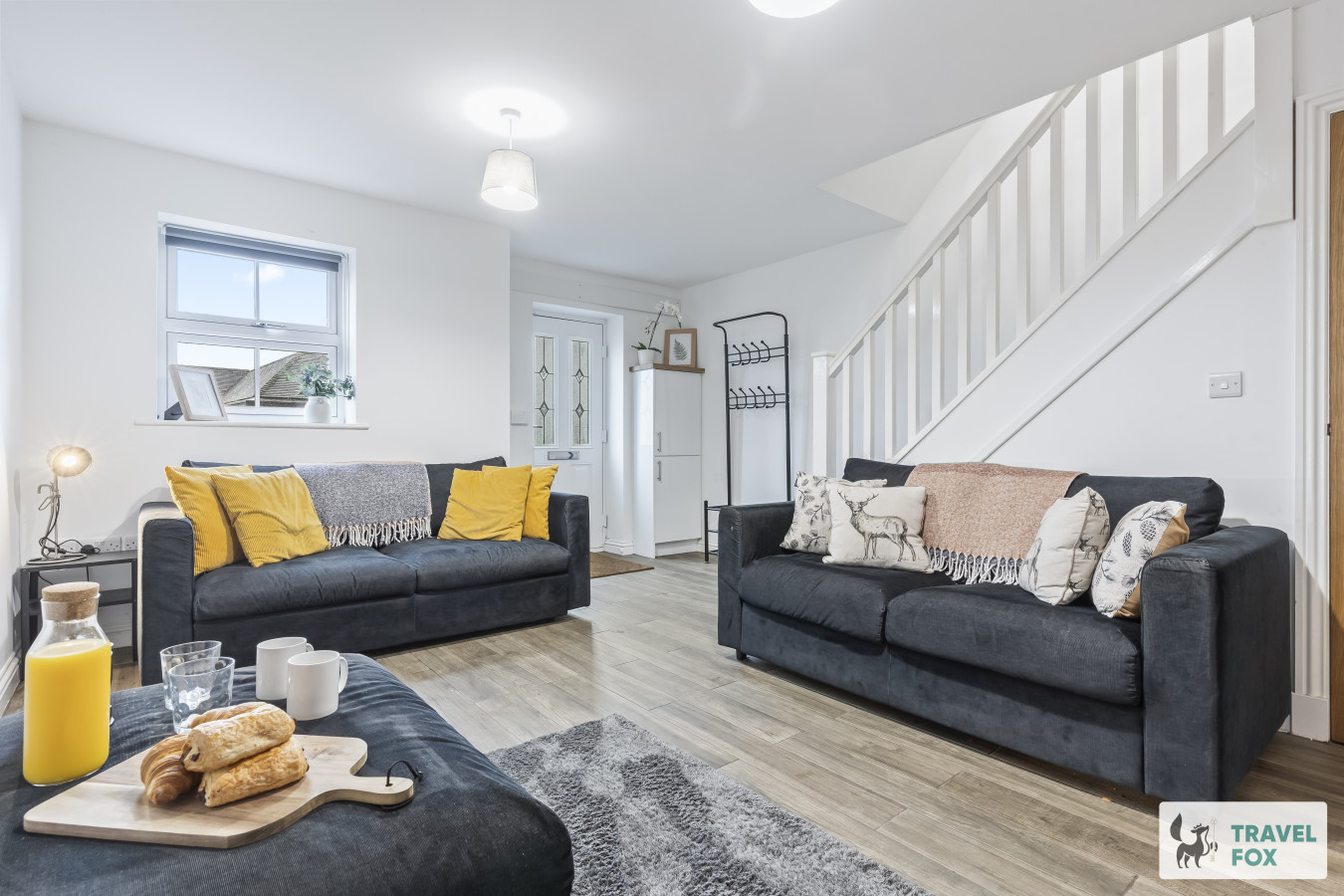
Leek
Lisa's House Leek: 20mins Alton Towers
- Sleeps 6
- 2 bedrooms
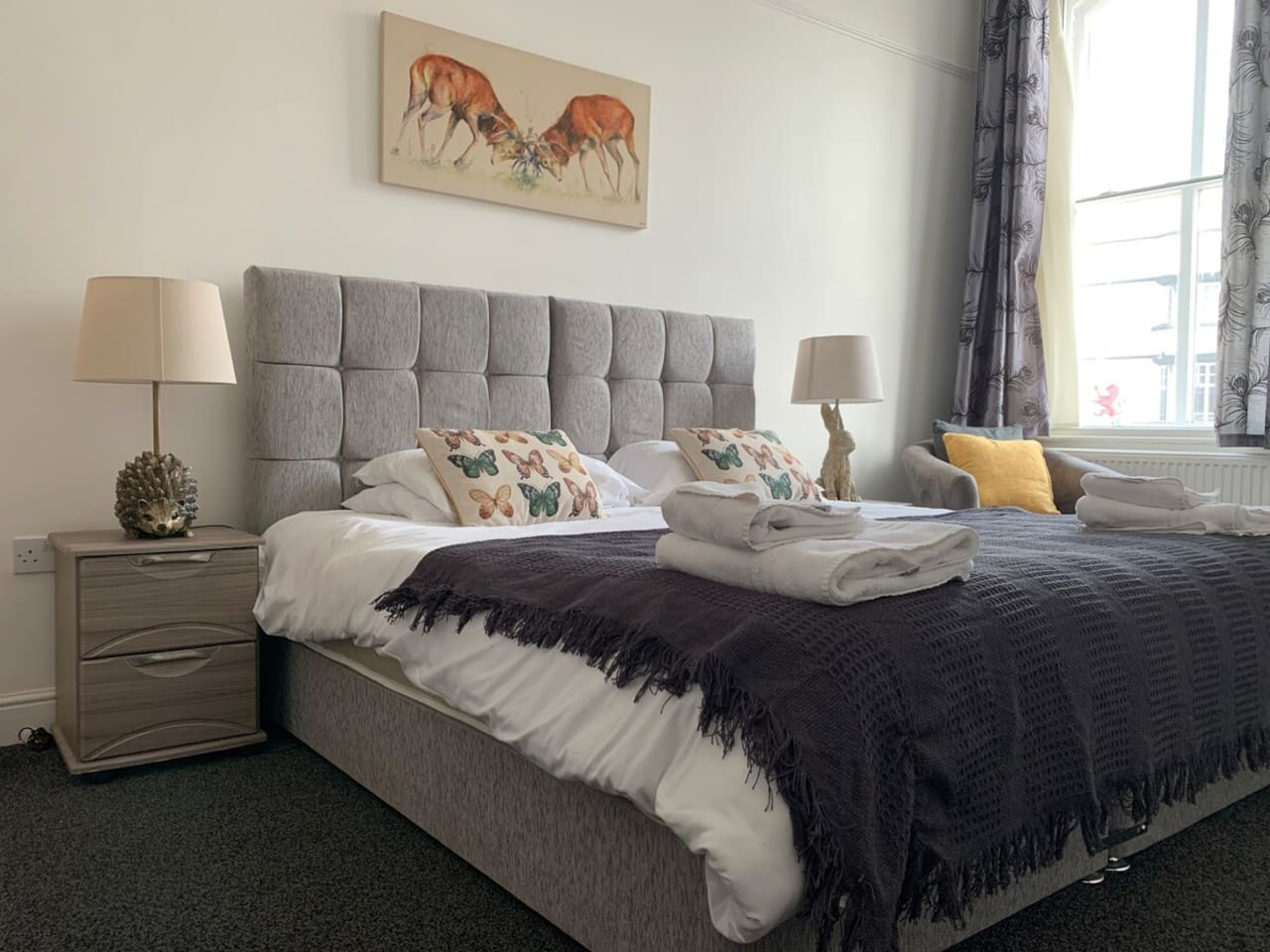
Leek
The Rudyard Suite - Large 1 Bed Apartment
- Sleeps 5
- 1 bedroom
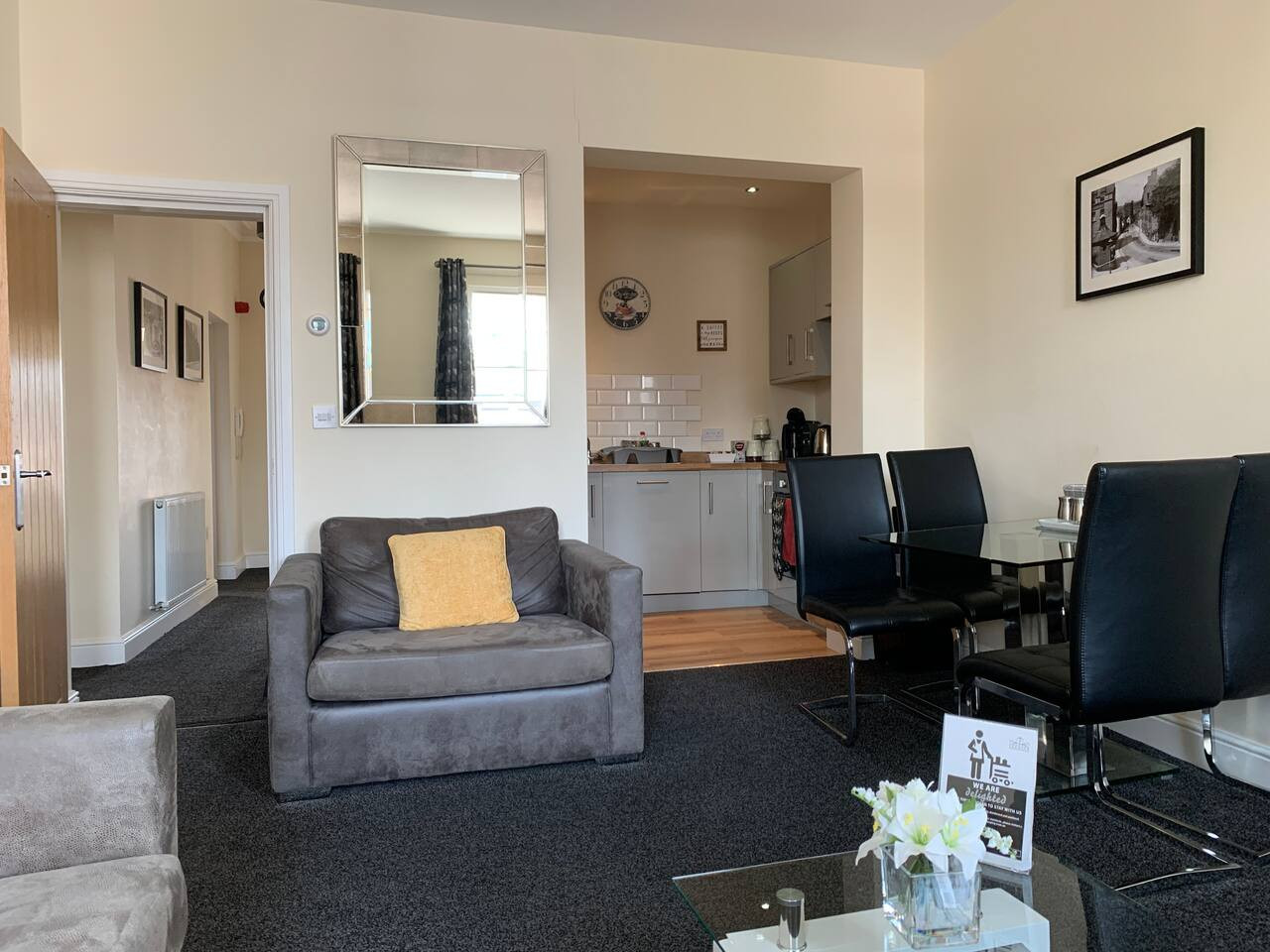
Leek
The Roaches Suite - Large 2 Bedroom Apartment
- Sleeps 7
- 2 bedrooms
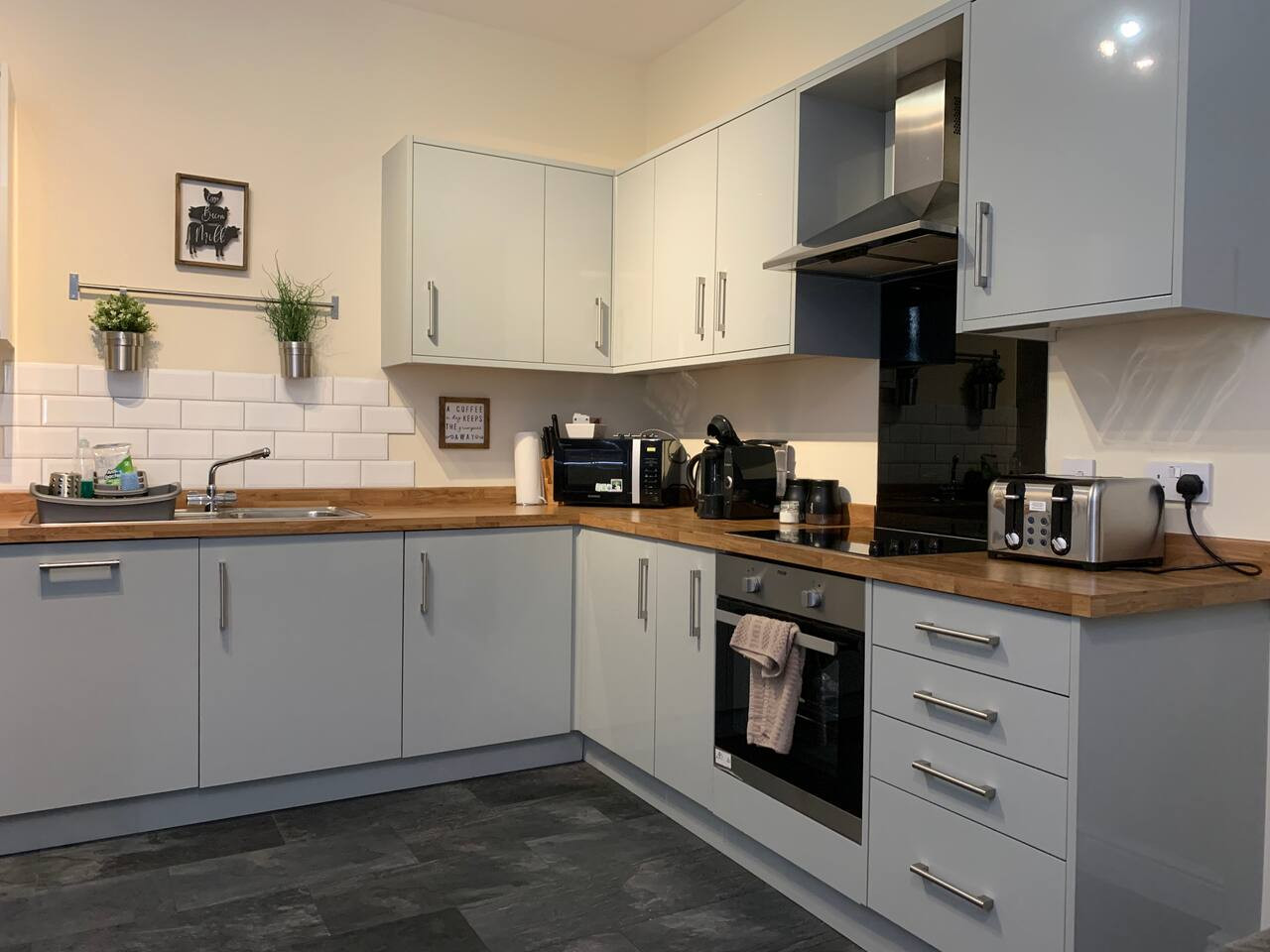
Leek
The Moorlands Suite - 1 Bed Apartment
- Sleeps 4
- 1 bedroom
Leek
Amy's House: 20mins Alton Towers
- Sleeps 6
- 2 bedrooms
For homeowners
Own a holiday home near Biggin?
We manage holiday lets across the Peak District from 12% commission, charged after cleaning costs, with no lock-in. A co-founder visits before you decide.
Holiday let management in the Peak District →
A guide with a point of view
Written from research. Edited for real journeys.
Use the Official site links for live practical details, then use this guide for context, ideas and room to explore.
Sources
Every place on this page is checked against a published source. Each entry links the record we used and names who publishes it.
- The Waterloo Inn — waterlooinnbiggin.com operator, sector body or destination organisation
- Biggin Hall — bigginhall.co.uk operator, sector body or destination organisation
- St Thomas' Church — historicengland.org.uk statutory register or public authority record not machine-readable; publisher restricts automated access
- Biggin Dale — gov.uk statutory register or public authority
- Biggin, Wolfscote and Beresford Dales Circular — gov.uk statutory register or public authority
- Tissington Trail — peakdistrict.gov.uk statutory register or public authority record not machine-readable; publisher restricts automated access