
Valley floor, quarry edge
Chinley
A rail-linked Peak District village where gritstone quarry crags, a 16th-century inn and canal history sit within one compact break.
- Best for
- Moorland walks, cask ale and railway history
- Give it
- Editorial estimate: a full day
- Don't miss
- Cracken Edge's rust-coloured quarry crags
The Fox verdict
A railway village with the hills at its door
Chinley brings together high walking, a long-lived inn, nonconformist history and the surviving canal port at nearby Buxworth.
Come for the rust-coloured remains of the gritstone quarries on Cracken Edge, then follow the village's story through the 1711 independent chapel and the railway that turned scattered farms into a junction settlement. The Old Hall Inn and Bugsworth Basin give the day two very different places to pause.
Where to go
Places in Chinley
Every place below is checked against a published source, listed with what it is and how long to give it.
Local signatures
3 placesThe Old Hall Inn
A Grade II-listed 16th-century inn with cask ales, seasonal locally sourced pub food and a restaurant extending into neighbouring Whitehough Hall through a minstrels' gallery.
- Visit length
- Editorial estimate: around 90 minutes
- Locality
- Whitehough
Cracken Edge / Chinley Churn
A steep, panoramic walk among rust-coloured crags left by gritstone quarries that produced flagstones and roofing slates until around 1900.
- Visit length
- Editorial estimate: around 2 hours
- Locality
- hillside rising to the north toward Chinley Churn
Chinley Independent Chapel
A Grade II* independent chapel built in 1711 from coursed gritstone, with congregational roots reaching back to the Rev. William Bagshawe in 1662.
- Visit length
- Editorial estimate: around 30 minutes
- Locality
- Chapel Milton
History & heritage
2 placesChinley station
The working Hope Valley line station links present-day Chinley to the railway junction that drove the village's growth from 1867.
- Visit length
- Editorial estimate: around 15 minutes
- Locality
- in the village
Bugsworth Basin
The surviving terminus of the Peak Forest Canal, once Britain's largest and busiest inland narrow-canal port, with a small museum and navigation restored in 2005.
- Visit length
- Editorial estimate: around 75 minutes
- Locality
- Buxworth
No places match this filter. Choose All places to reset the list.
Three ways to explore Chinley
Signature outings
Cask ale in a 16th-century inn
Choose from the Old Hall Inn's cask ales before seasonal pub food in the inn or its adjoining minstrels' gallery.
The railway that made Chinley
Pause at Chinley station, where the Hope Valley line carries on the railway story that transformed scattered farms into a junction village from 1867.
Britain's surviving inland port
Follow the story of the Peak Forest Canal terminus where around seventy boats left each day at its height.
The village story
Chinley Village Guide
An inn, a quarry edge, a chapel and two transport revolutions tell the story of this deep-valley village.
Ale, food and village trades
The Old Hall Inn keeps seven or eight cask ales on at a time, and once a year it runs a three-day beer festival that has grown to 140 beers and ciders — one weekend drew 2,500 people. It stands at Whitehough, a short walk from the centre of Chinley, a 16th-century inn with eight bedrooms and a restaurant that runs through into the neighbouring Elizabethan manor house along a minstrels' gallery. The food is seasonal and local: hearty classics and Sunday roasts alongside more careful small plates. Dogs are welcome in the snug and tap rooms by the bar, and the landlord, Daniel Capper, used to be a business consultant. Its sister pub, the Paper Mill Inn, does hand-stretched, wood-fired pizza.
Chinley itself sits on a flat valley floor with hills rising to the north. Its centre is a parade of independent shops under carefully restored arcades — a post office, a newsagents, a launderette, a deli, an Indian restaurant, a hairdressing salon, a pharmacy, a general store, and a hypnotherapist's. That is a good range of trades for a village this size.
Quarry crags and hill paths
Walking routes from Chinley lead up into the hills. Cracken Edge rises above the village in rust-coloured crags, the remains of gritstone quarries that produced flagstones and roofing slate until they closed around 1900. A longer circuit takes in Mount Famine and South Head, three summits on the Pennine Bridleway, past a green sign pointing "Edale via Kinder Valley." You can also walk station to station over the moors to Edale, above the tunnel the train runs through underneath.
Chapel stone and railway change
At Chapel Milton, sandwiched between two railway viaducts, stands the Chinley Independent Chapel, built in 1711 from coursed gritstone. Its congregation traces back to 1662, when the Rev. William Bagshawe — the Apostle of the Peak — was ejected from the church and took to preaching from a converted barn at Malcoffe Farm. A Great British Life feature called the chapel "a singularly beautiful building."
Chinley barely existed before the railway. It grew from a scatter of isolated farms once known as Four Lane Ends, and became a village when the line arrived in 1867 and made the place a junction of two main lines. Passenger numbers climbed from 11,000 in 1892 to 67,000 by 1922. The direct London line closed in 1968, but the station is still in the village, on the Hope Valley line, about ten minutes' walk from the Old Hall Inn.
Canal memory and village character
About 1.4 miles from Chinley centre in a straight line, at Buxworth, is Bugsworth Basin, the terminus of the Peak Forest Canal and once "the largest and busiest inland port on Britain's narrow canal system and the only one to survive intact." Around seventy boats left it a day at its peak. Buxworth was Bugsworth until 1930, when the schoolmaster and the vicar renamed it as "less ugly"; a referendum in 2000 declined to change it back, and locals still call it Buggy.
Mabel Bamford, who wrote and illustrated the village's history, played tennis into her nineties.
Stay around Peak District
Make a longer stay of it
Travel Fox holiday homes around Peak District, linked directly to their property pages.
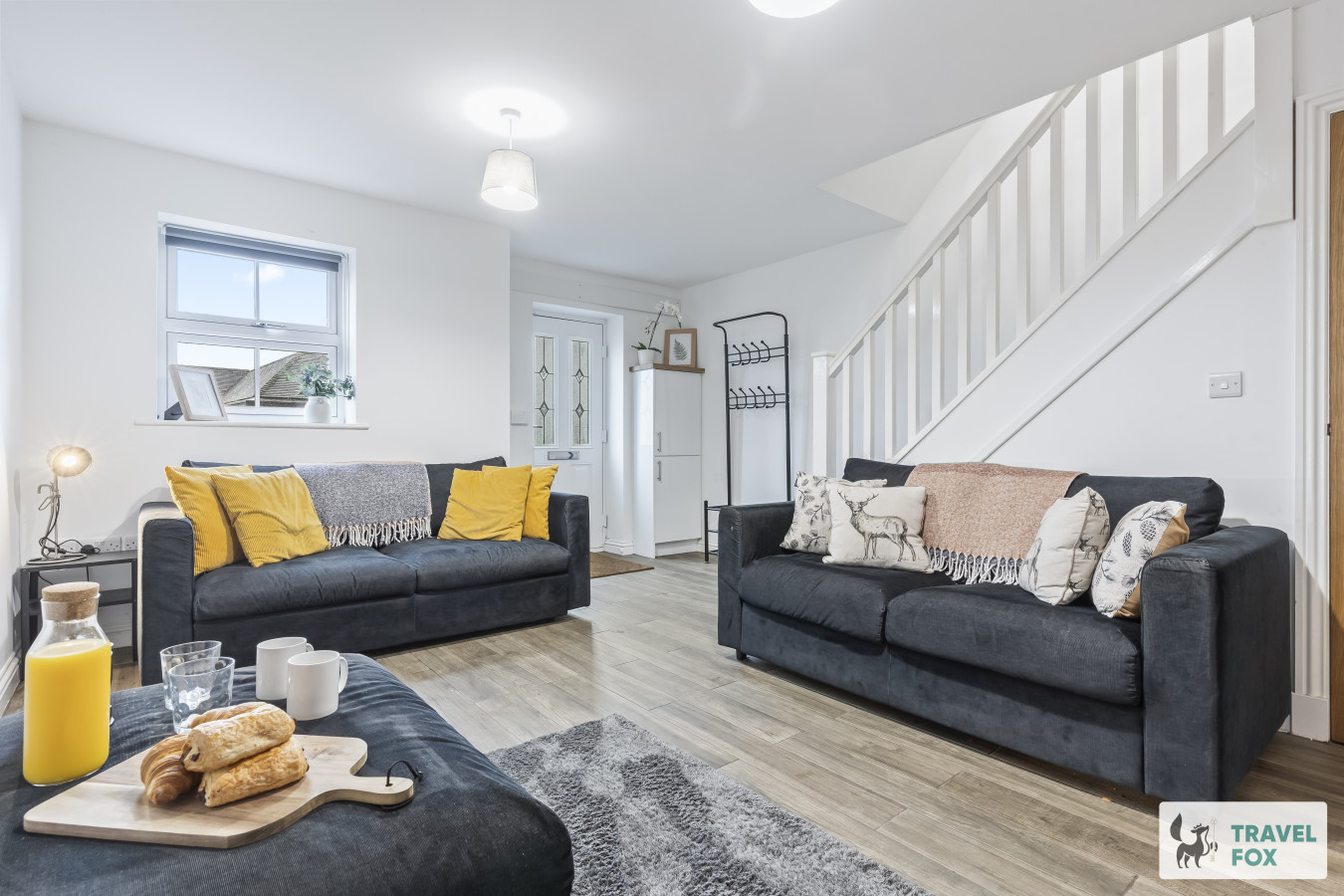
Leek
Lisa's House Leek: 20mins Alton Towers
- Sleeps 6
- 2 bedrooms
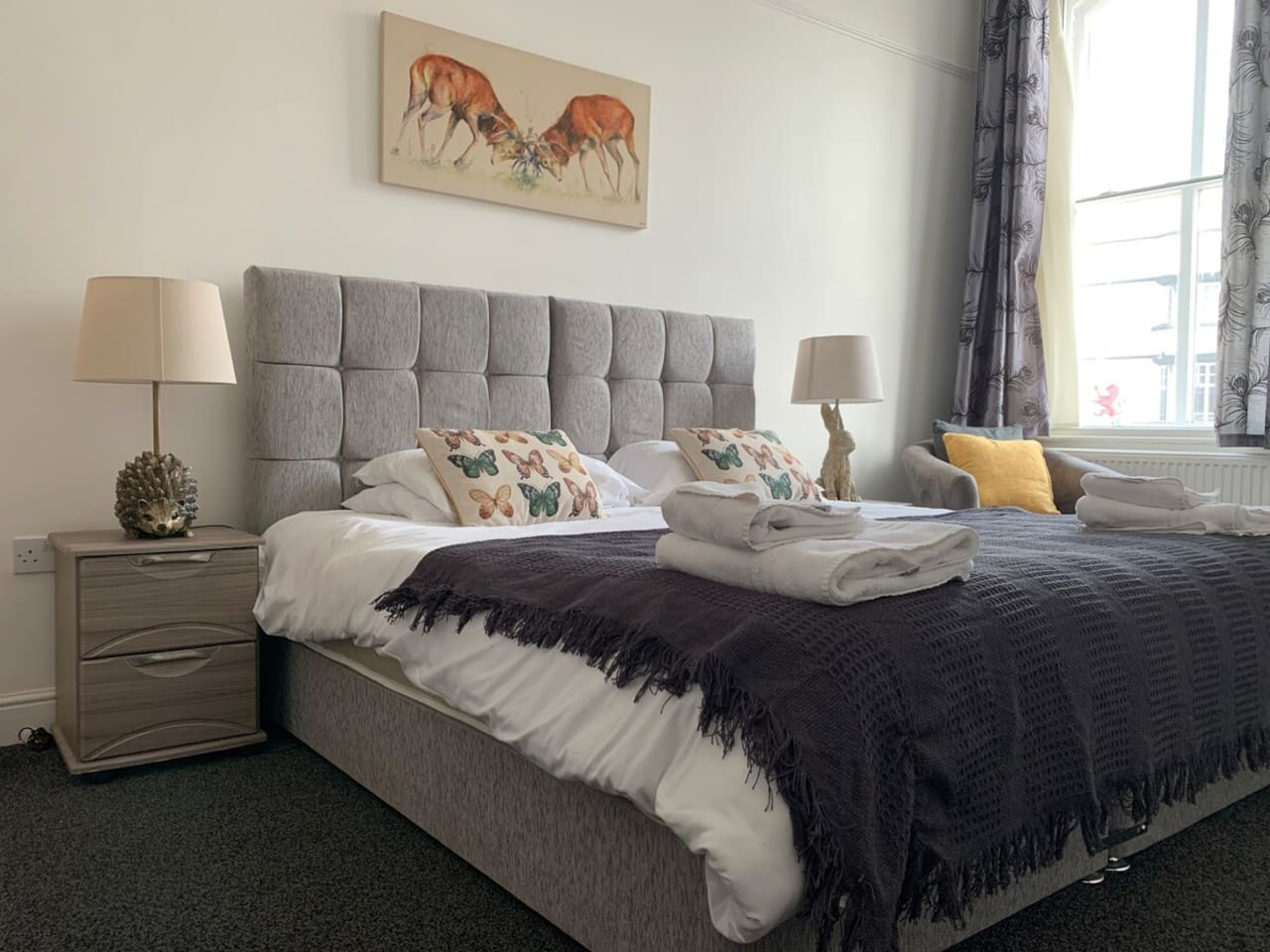
Leek
The Rudyard Suite - Large 1 Bed Apartment
- Sleeps 5
- 1 bedroom
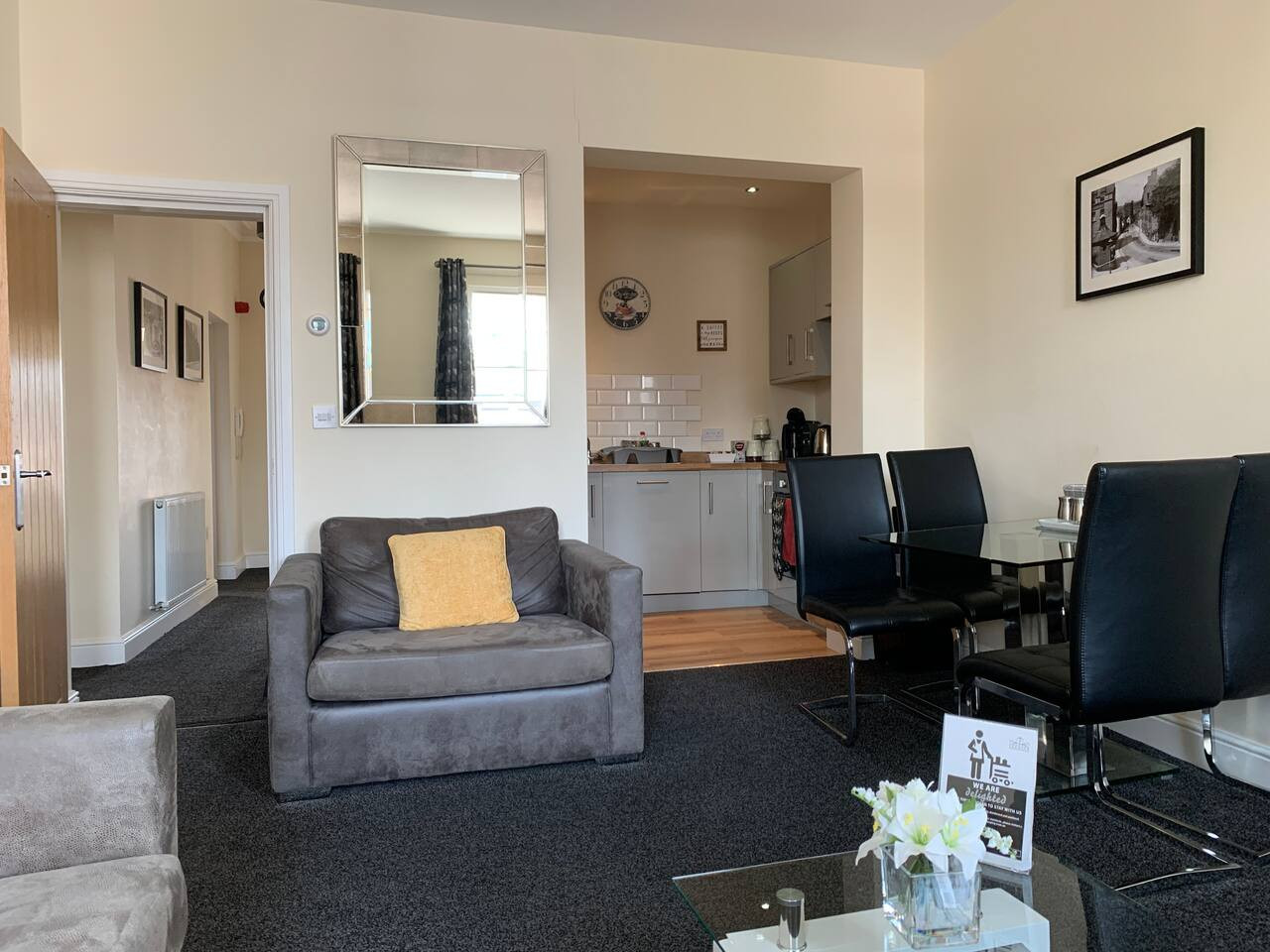
Leek
The Roaches Suite - Large 2 Bedroom Apartment
- Sleeps 7
- 2 bedrooms
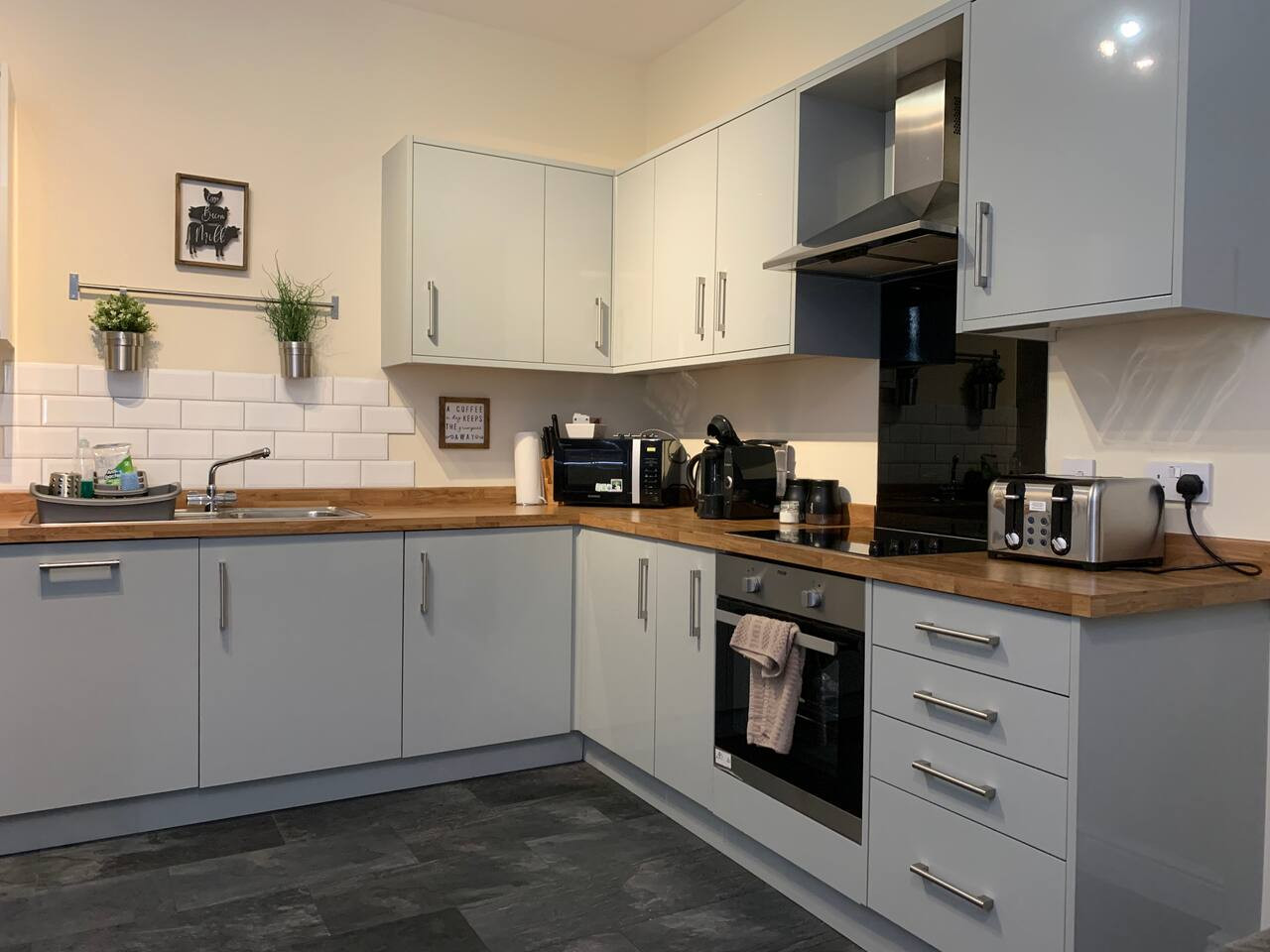
Leek
The Moorlands Suite - 1 Bed Apartment
- Sleeps 4
- 1 bedroom
Leek
Amy's House: 20mins Alton Towers
- Sleeps 6
- 2 bedrooms
For homeowners
Own a holiday home near Chinley?
We manage holiday lets across the Peak District from 12% commission, charged after cleaning costs, with no lock-in. A co-founder visits before you decide.
Holiday let management in the Peak District →
A guide with a point of view
Written from research. Edited for real journeys.
Use the Official site links for live practical details, then use this guide for context, ideas and room to explore.
Sources
Every place on this page is checked against a published source. Each entry links the record we used and names who publishes it.
- The Old Hall Inn — historicengland.org.uk statutory register or public authority record not machine-readable; publisher restricts automated access
- Cracken Edge / Chinley Churn — her.derbyshire.gov.uk statutory register or public authority
- Chinley Independent Chapel — historicengland.org.uk statutory register or public authority record not machine-readable; publisher restricts automated access
- Chinley station — northernrailway.co.uk other published source
- Bugsworth Basin — canalrivertrust.org.uk national body or asset manager