
Cheshire Peak country
Kettleshulme
A high Todd Brook village where long views, reservoir paths and the last surviving pub on this stretch of the B5470 shape the visit.
- Best for
- Moorland viewpoints and a village pub
- Give it
- Four hours for the main walking circuit
- Don't miss
- Taxal Edge, Windgather Rocks and Todd Brook
The Fox verdict
A walking village with one remarkable survivor
Kettleshulme is strongest as a base for ridges, rocks and the secluded Todd Brook valley, with the resident-saved Swan Inn waiting afterwards.
The village sits at about 1,000 feet below Whaley Moor, with Windgather Rocks, Pym Chair, Sponds Hill and Taxal Edge nearby. Its compact visitor offer is balanced by a four-hour circuit, reservoir walking in the Goyt Valley and a footpath to Lyme Park.
Where to go
Places in Kettleshulme
Every place below is checked against a published source, listed with what it is and how long to give it.
Local signatures
3 placesThe Swan Inn
An 18th-century family-owned free house known for fresh fish and seafood, three rotating guest ales and the story of the twenty-one residents who saved it in 2004.
- Visit length
- Editorial estimate: Allow around 60 minutes
- Locality
- Kettleshulme
- Access
- Booking is advisable because the pub is small.
Taxal Edge, Windgather Rocks and Todd Brook Valley Walk
A moderate Ramblers circuit climbing to viewpoints before dropping into the secluded Todd Brook valley past Jenkin Chapel and hay meadows.
- Visit length
- Editorial estimate: Allow around 4 hours
- Locality
- From Kettleshulme village
Lyme Park
A grand house and deer park linked to Kettleshulme by footpaths.
- Visit length
- Editorial estimate: Allow around 2 hours
- Locality
- Lyme Park, near Disley
- Access
- The National Trust manages the historic house and surrounding deer park.
Walks & outdoors
1 placeGoyt Valley, Errwood and Fernilee Reservoirs
Reservoir walking at Errwood and Fernilee, paired with panoramic viewpoints in the Goyt Valley.
- Visit length
- Editorial estimate: Allow around 90 minutes
- Locality
- Goyt Valley
History & heritage
2 placesBugsworth Basin
Canal heritage near Whaley Bridge, the nearest town with a station.
- Visit length
- Editorial estimate: Allow around 75 minutes
- Locality
- Buxworth, near Whaley Bridge
Three Shires Head
A Grade II listed packhorse bridge and waterfalls at the meeting of Cheshire, Staffordshire and Derbyshire.
- Visit length
- Editorial estimate: Allow around 90 minutes
- Locality
- Where Cheshire, Staffordshire and Derbyshire meet
Things to do
1 placeKettleshulme Village Memorial Hall
The village's community hub hosts events and touring arts and serves as the start of the annual fell race organised by the primary school.
- Visit length
- Editorial estimate: Allow around 30 minutes
- Locality
- Kettleshulme
- Access
- The hall hosts community events and rural touring arts.
No places match this filter. Choose All places to reset the list.
Three ways to explore Kettleshulme
Signature outings
Walk the reservoir valley
Pair the panoramic Goyt Valley viewpoints with trails beside Errwood and Fernilee reservoirs.
Eat at the pub residents saved
Book at the Swan for fresh fish or seafood and one of three rotating guest ales.
Find the packhorse bridge
See the Grade II listed bridge and waterfalls where Cheshire, Staffordshire and Derbyshire meet.
The village story
Kettleshulme Village Guide
A resident-saved pub, high-country walking and traces of a candlewick past in the Todd Brook valley.
The pub the village saved
The Swan Inn is the last pub standing on this stretch of the B5470. There were once five along the road between Macclesfield and Whaley Bridge — the Rising Sun, the Robin Hood, the Highwayman, the Bull's Head and the Swan — and Kettleshulme itself had two. The Bull's Head became houses in 2010. The Swan is what's left, and the reason it's still a pub at all is that in 2004 twenty-one residents bought it to stop it being turned into someone's private home. Great British Life called it "a pioneering former community pub."
It's an 18th-century family-owned free house with a log fire and a conservatory dining extension bolted on the back. The speciality is fish and seafood, delivered six days a week, which is why the menus are printed fresh each day — they reflect whatever actually arrived. There are home-made puddings, freshly ground coffee, Sunday lunch, and three rotating guest ales that tend to come from Bowland, Storm or Wincle. It was a finalist in the 2023 Cheshire Life Food & Drink Awards. Two patios out back, dogs welcome, and three en-suite bedrooms if you want to stay above the pub. Book a table; the place is small.
Floodwater and high-country walking
The Swan flooded in August 2019 and reopened that December. This is the sort of village where you know the exact date the pub came back.
Kettleshulme sits at around 1,000 feet in the valley of Todd Brook, on the Cheshire–Derbyshire border, below the steep slopes of Whaley Moor. Windgather Rocks, Pym Chair, Sponds Hill and Taxal Edge all rise nearby, which means the walking is the main reason to be here. The Ramblers' 6.5-mile Taxal Edge and Windgather circular climbs to the viewpoints and drops into the Todd Brook valley past what they describe as "cute Jenkin Chapel and breeze-riffled haymeadows." There are reservoir trails at Errwood and Fernilee, a footpath to Lyme Park's deer park (about 2.3 miles from the village in a straight line, with a longer walking route), and another to Whaley Bridge.
Community life and candlewick history
There is no shop. The Village Memorial Hall does the community work — events, touring theatre, the start line of the annual Fell Race, which the primary school organises and keeps the profits from.
The industry here was candlewick, until the mills fell silent in 1937. Lumbhole Mill, also called Grove Mill, is the survivor — Grade II* listed and, in English Heritage's words, "the last example of a mill where water-powered and steam machinery were used together and survive intact." Up on the hilltops there's a Bronze Age standing stone known as the Murder Stone, and the Dipping Stone, a gritstone boulder with two rainwater basins that once formed the base of a cross.
Waste, beards and well dressing
Kettleshulme barely registers in the record. When the Domesday surveyors reached this corner of upland Cheshire in 1086 they marked eight townships in the parish as "Waste" — no value, no people, no livestock, still emptied out after the harrying of the north.
For a place with a seven-foot beard in its history — Amos Broadhurst, a 19th-century villager, grew one — the modern flourish is quieter: the Women's Institute makes the well dressing each spring, pictures built from flower petals.
Stay around Peak District
Make a longer stay of it
Travel Fox holiday homes around Peak District, linked directly to their property pages.
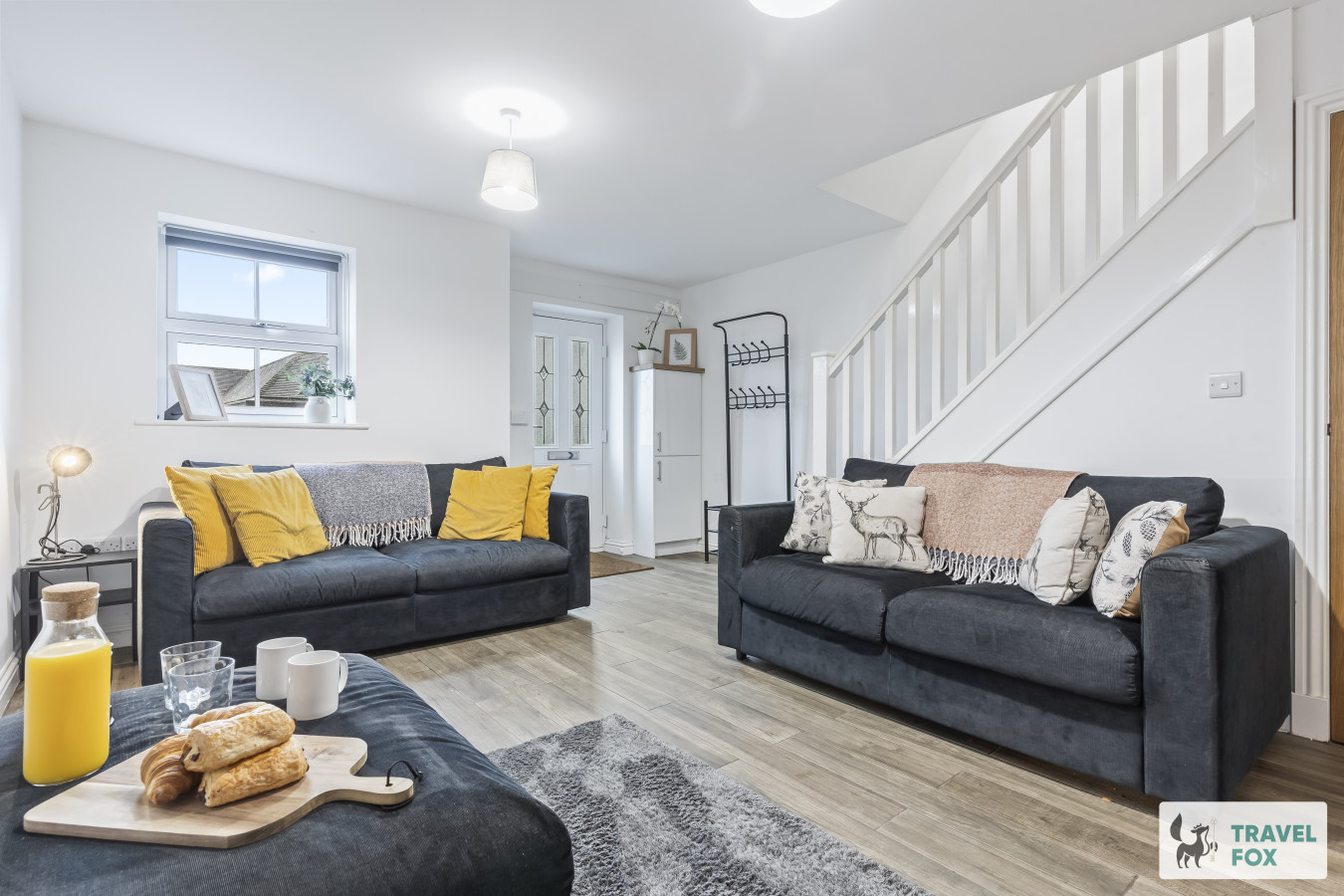
Leek
Lisa's House Leek: 20mins Alton Towers
- Sleeps 6
- 2 bedrooms
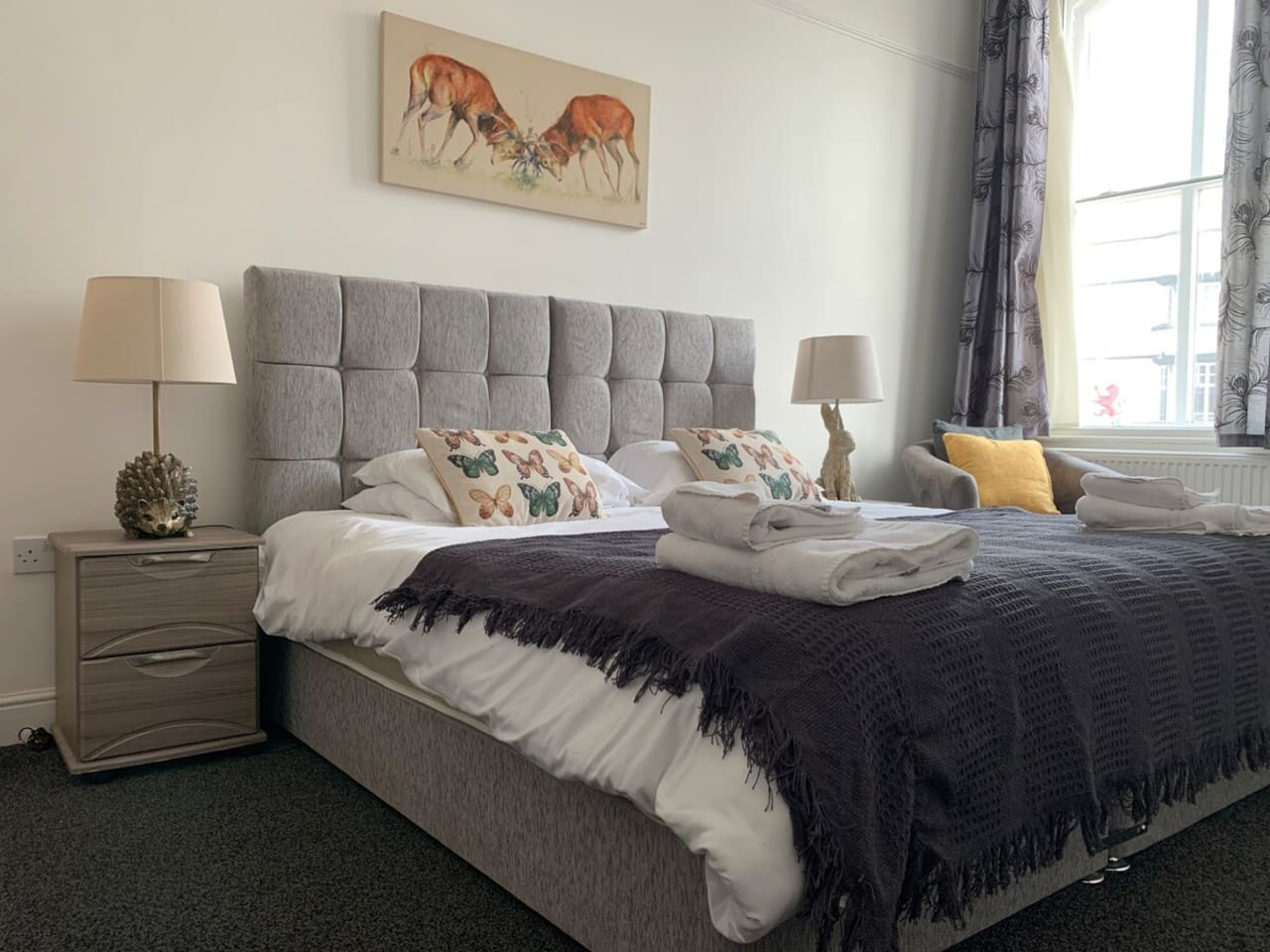
Leek
The Rudyard Suite - Large 1 Bed Apartment
- Sleeps 5
- 1 bedroom
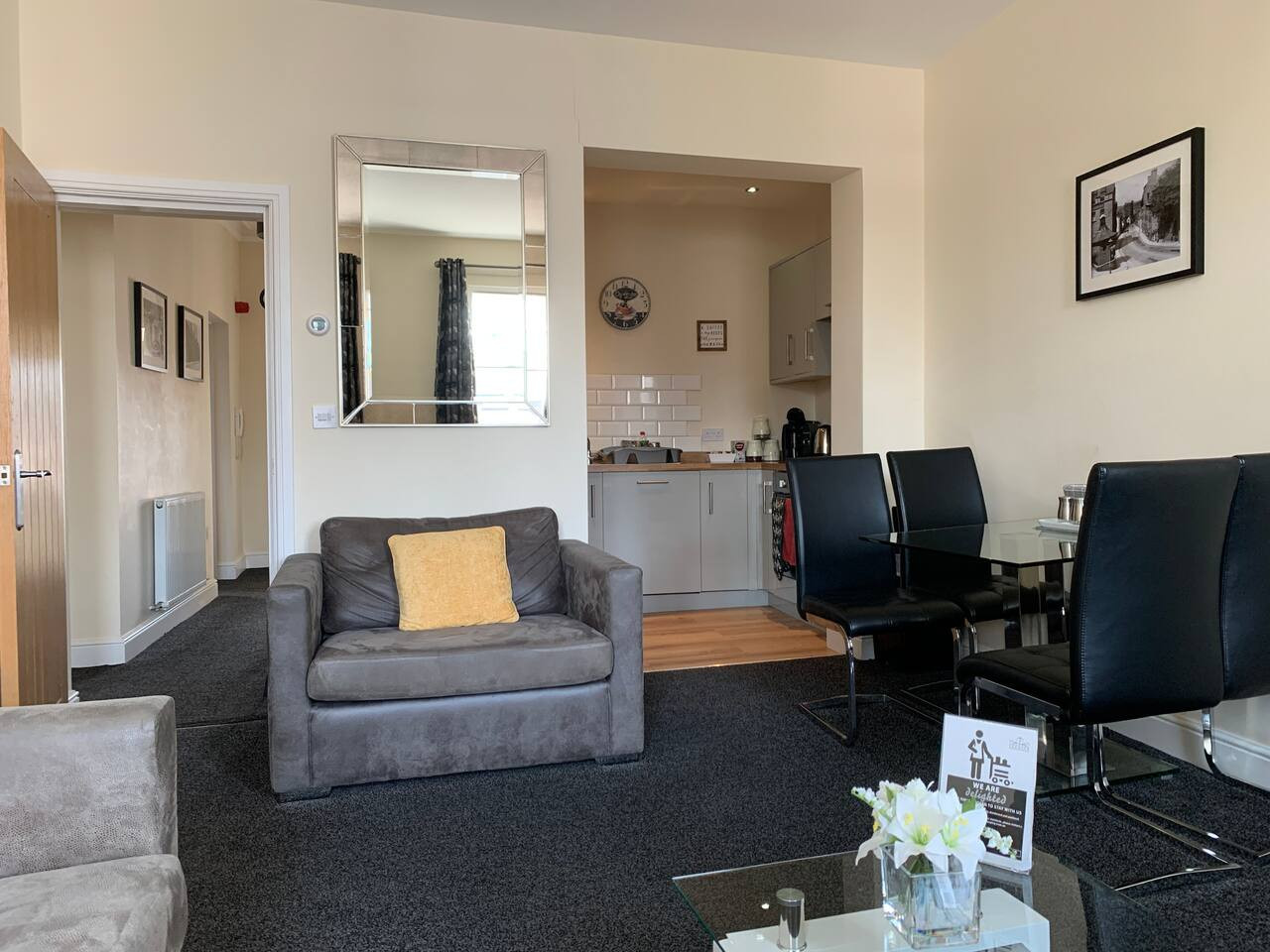
Leek
The Roaches Suite - Large 2 Bedroom Apartment
- Sleeps 7
- 2 bedrooms
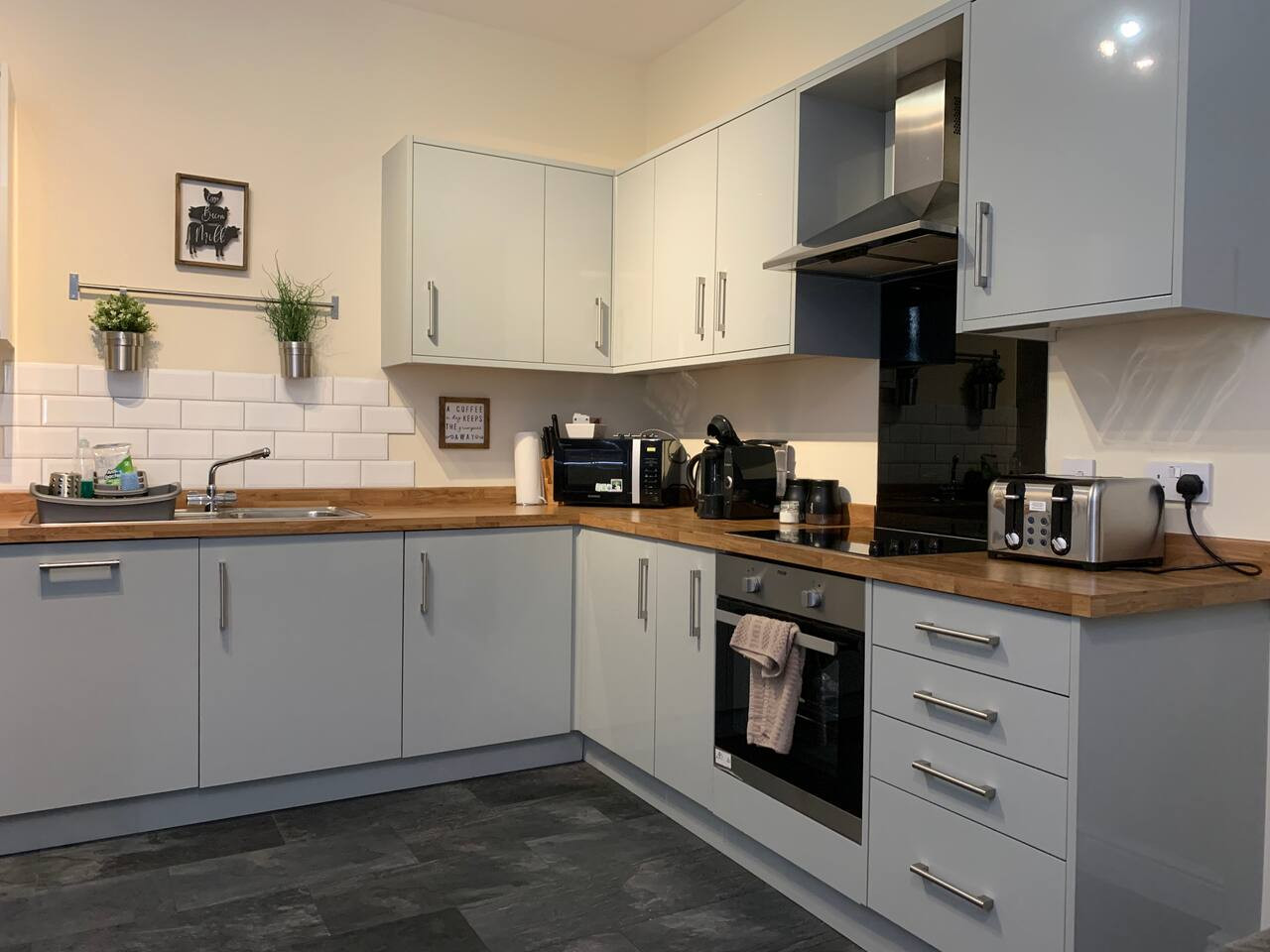
Leek
The Moorlands Suite - 1 Bed Apartment
- Sleeps 4
- 1 bedroom
Leek
Amy's House: 20mins Alton Towers
- Sleeps 6
- 2 bedrooms
For homeowners
Own a holiday home near Kettleshulme?
We manage holiday lets across the Peak District from 12% commission, charged after cleaning costs, with no lock-in. A co-founder visits before you decide.
Holiday let management in the Peak District →
A guide with a point of view
Written from research. Edited for real journeys.
Use the Official site links for live practical details, then use this guide for context, ideas and room to explore.
Sources
Every place on this page is checked against a published source. Each entry links the record we used and names who publishes it.
- The Swan Inn — swaninnkettleshulme.com operator, sector body or destination organisation
- Kettleshulme Village Memorial Hall — kettleshulmeparishcouncil.gov.uk statutory register or public authority
- Taxal Edge, Windgather Rocks and Todd Brook Valley Walk — ramblers.org.uk operator, sector body or destination organisation record not machine-readable; publisher restricts automated access
- Lyme Park — nationaltrust.org.uk national body or asset manager
- Goyt Valley, Errwood and Fernilee Reservoirs — forestryengland.uk national body or asset manager
- Bugsworth Basin — canalrivertrust.org.uk national body or asset manager
- Three Shires Head — historicengland.org.uk statutory register or public authority record not machine-readable; publisher restricts automated access