
Markets, silk and moorland
Leek
A hill town of centuries-old markets, real-ale pubs, silk heritage, The Roaches and nearby reservoirs.
- Best for
- Markets, real ale and upland walks
- Give it
- A town visit or a nearby circular walk
- Don't miss
- Morris & Co. glass at St Edward's
The Fox verdict
A market town with the moors close by
Leek combines a long-running market, silk-town history and a deep choice of ale houses with nearby reservoir and escarpment walks.
Start with the Victorian market hall and St Edward the Confessor's Church, where Morris & Co. windows and Leek School of Embroidery work connect the town to its silk history. Then choose between the gritstone Roaches, Tittesworth Reservoir and Rudyard Lake for a longer walk.
Where to go
Places in Leek
Every place below is checked against a published source, listed with what it is and how long to give it.
Local signatures
3 placesBrough Park
A large Victorian park opened in 1924, with a children's play area, bowling green, tennis courts, a bandstand and a lake.
- Visit length
- Editorial estimate: Allow around 60 minutes
- Locality
- Leek
Tittesworth Reservoir
A roughly 4.8-mile reservoir loop with watersports, walking and wildlife.
- Visit length
- Editorial estimate: Allow around 2 hours
- Locality
- Tittesworth Reservoir, Leekfrith
Rudyard Lake
A roughly 5.5-mile flat circuit of the water alongside the Leek & Rudyard Lake narrow-gauge steam railway, with lakeside walks and boat hire.
- Visit length
- Editorial estimate: Allow around 3 hours
- Locality
- Rudyard Lake, Rudyard
Food & drink
1 placeLeek Markets
A market tradition dating to King John's 1207 charter, with weekly markets, a monthly farmers' and craft market, the Sunday Supplement and a refurbished Victorian hall for produce and hot food.
- Visit length
- Editorial estimate: Allow around 75 minutes
- Locality
- Leek
Walks & outdoors
1 placeThe Roaches
A gritstone escarpment rising to 1,657 feet, with a roughly four-mile circular taking in Hen Cloud and the trig point and far-reaching clear-day views.
- Visit length
- Editorial estimate: Allow around 2 hours 30 minutes
- Locality
- The Roaches, Leekfrith
History & heritage
1 placeSt Edward the Confessor's Church
A Grade II* church with a thirteenth-century core, Morris & Co. windows and examples of the Leek School of Embroidery founded by Lady Elizabeth Wardle.
- Visit length
- Editorial estimate: Allow around 45 minutes
- Locality
- Leek
No places match this filter. Choose All places to reset the list.
Three ways to explore Leek
Signature outings
A market since 1207
Follow Leek's market tradition from the weekly Wednesday market to the refurbished Victorian Butter Market hall.
Morris glass and embroidery
See Morris & Co. windows and examples of the Leek School of Embroidery at St Edward the Confessor's Church.
The Roaches and Hen Cloud
Take the roughly four-mile circular over Hen Cloud and The Roaches for far-reaching views on a clear day.
The town story
Leek Town Guide
Markets, silk, ale houses and moorland walks shape this hill town at the edge of the Peak District.
Ale houses and local plates
The Roebuck sells a burger made entirely from ingredients sourced within a hundred yards of the pub. It's called the Totally Locally Leek Burger, and it comes out of a Tudor-style building that has stood since 1626. Behind the bar are somewhere between ten and thirteen cask ale pumps, said to be the most in the Staffordshire Moorlands. If a burger with a hundred-yard supply chain isn't your thing, there is a toasted bacon, brie and cranberry sandwich that a reviewer summed up as "What perfect sandwiches. Toasted bacon, brie and cranberry mmm."
Leek does not run short of places to drink. The Fountain Inn keeps up to eight real ales and was CAMRA's Staffordshire Moorlands Urban Pub of the Year in 2023.
Bars and markets
The Earl Grey Inn started life as a registered "Beer-House" in 1831.
The town's market has been running on Wednesdays since King John granted the charter in 1207, and it hasn't stopped since. There are Friday and Saturday markets too, a farmers' and craft market on the third Saturday with sixty-plus stalls, and a Totally Locally Sunday Supplement of up to eighty. The refurbished Victorian Butter Market hall holds fresh produce and four hot-food outlets. Getliffe's Yard is a courtyard of early-nineteenth-century cottages turned over to independent shops. The local speciality to eat is the Staffordshire oatcake.
Silk, stained glass and high country
St Edward the Confessor's Church is Grade II* listed, thirteenth-century at its core and rebuilt after a fire. It holds windows by Morris & Co. — a north-aisle east window by Edward Burne-Jones — and examples of the Leek School of Embroidery, founded in 1879 by Lady Elizabeth Wardle. Leek was a silk town: William Morris himself came to Thomas Wardle's dyeworks between 1875 and 1878 to learn natural dyeing, drawn by a "raven-black" dye made with water from the River Churnet.
Leek is built on the slope and crown of a hill, above 600 feet, and it calls itself the Gateway to the Peak District without much exaggeration. The Roaches escarpment rises to 1,657 feet, its summit about 4.7 miles from Leek in a straight line; a four-mile circular over Hen Cloud has views on a clear day as far as Snowdon. Tittesworth Reservoir is about 2.1 miles from Leek in a straight line; Rudyard Lake, about 3.3 miles away by the same measure, has a flat circuit and a narrow-gauge steam railway. Road journeys are longer.
Getting there and the Double Sunset
There is no station. The old one closed in 1965 and is now a Morrisons; you arrive by the A523 or A53, or on a First Potteries bus.
Around the summer solstice the sun sets behind a hill six miles off, slips into a hollow, and sets a second time. Robert Plot recorded this Double Sunset in 1686, and people still climb up to the churchyard to watch it happen.
Stay around Peak District
Make a longer stay of it
Travel Fox holiday homes around Peak District, linked directly to their property pages.
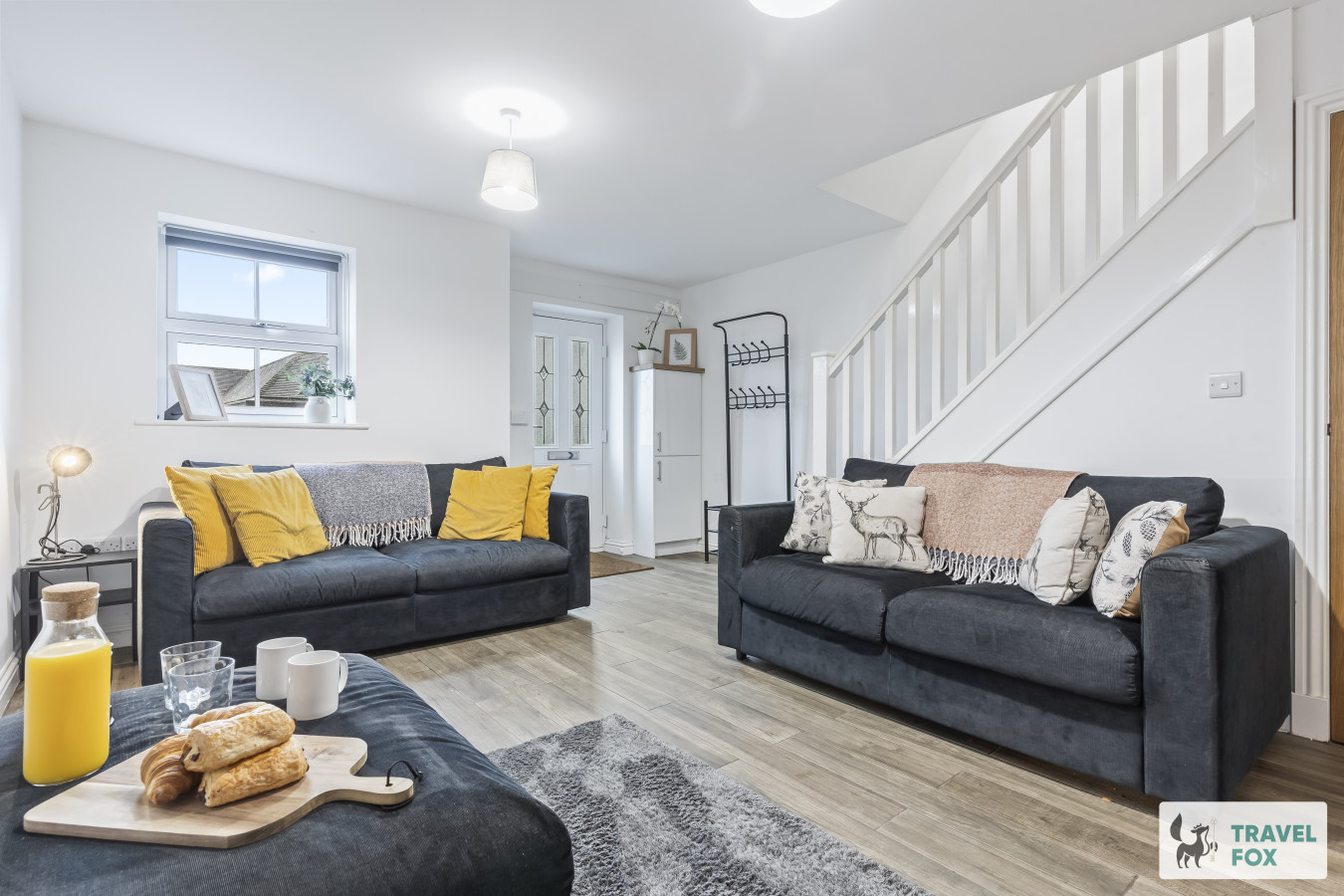
Leek
Lisa's House Leek: 20mins Alton Towers
- Sleeps 6
- 2 bedrooms
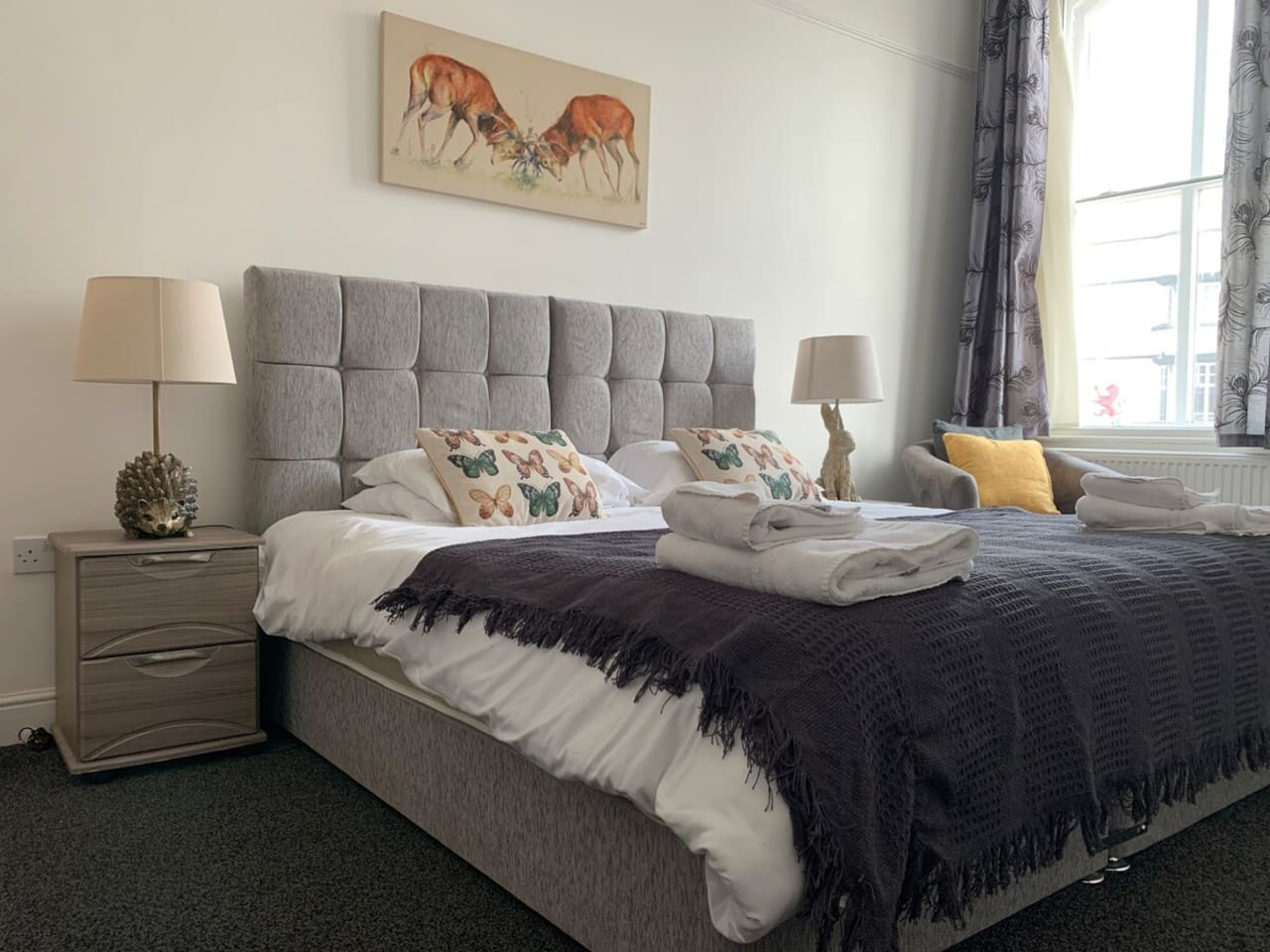
Leek
The Rudyard Suite - Large 1 Bed Apartment
- Sleeps 5
- 1 bedroom
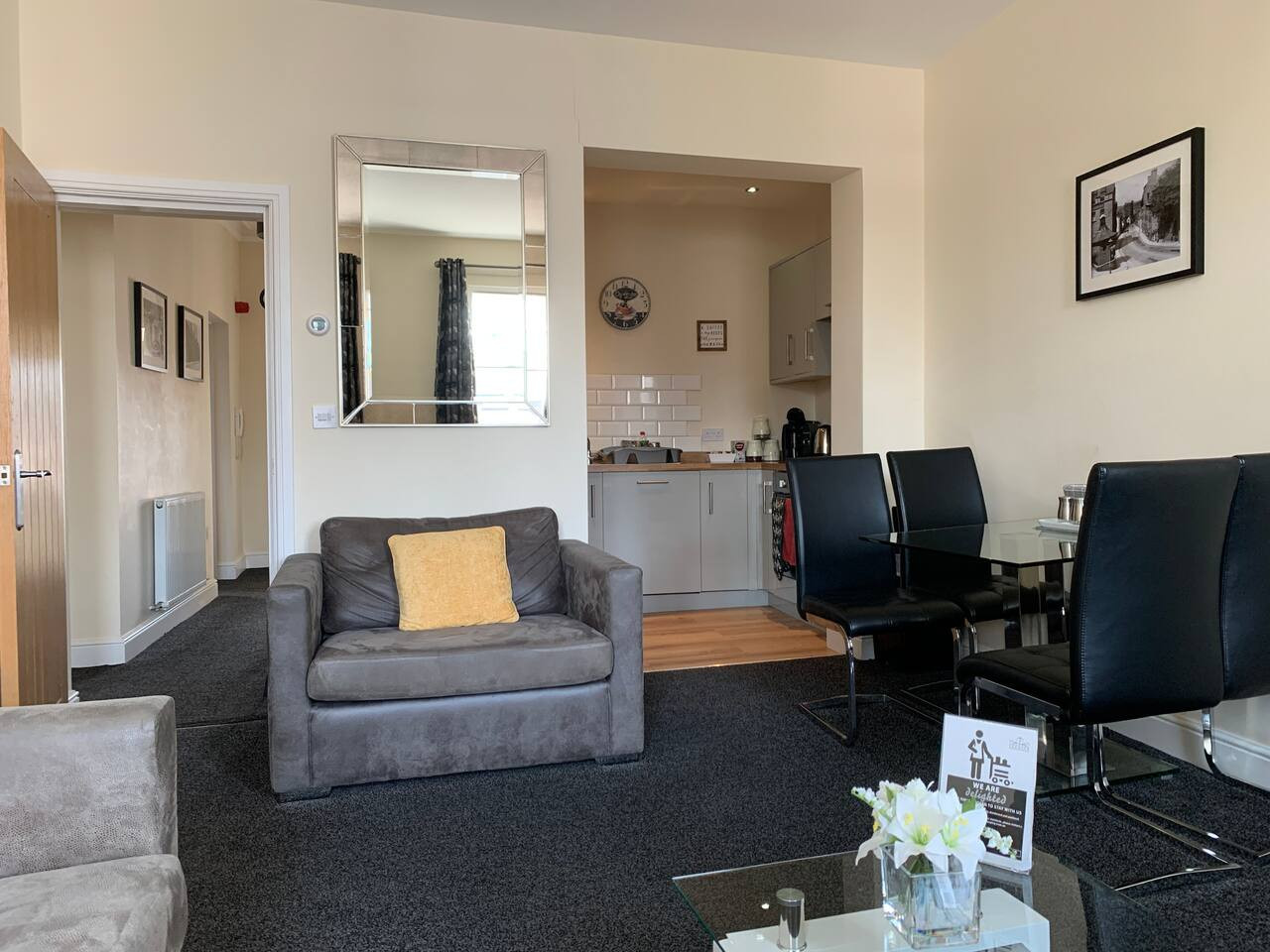
Leek
The Roaches Suite - Large 2 Bedroom Apartment
- Sleeps 7
- 2 bedrooms
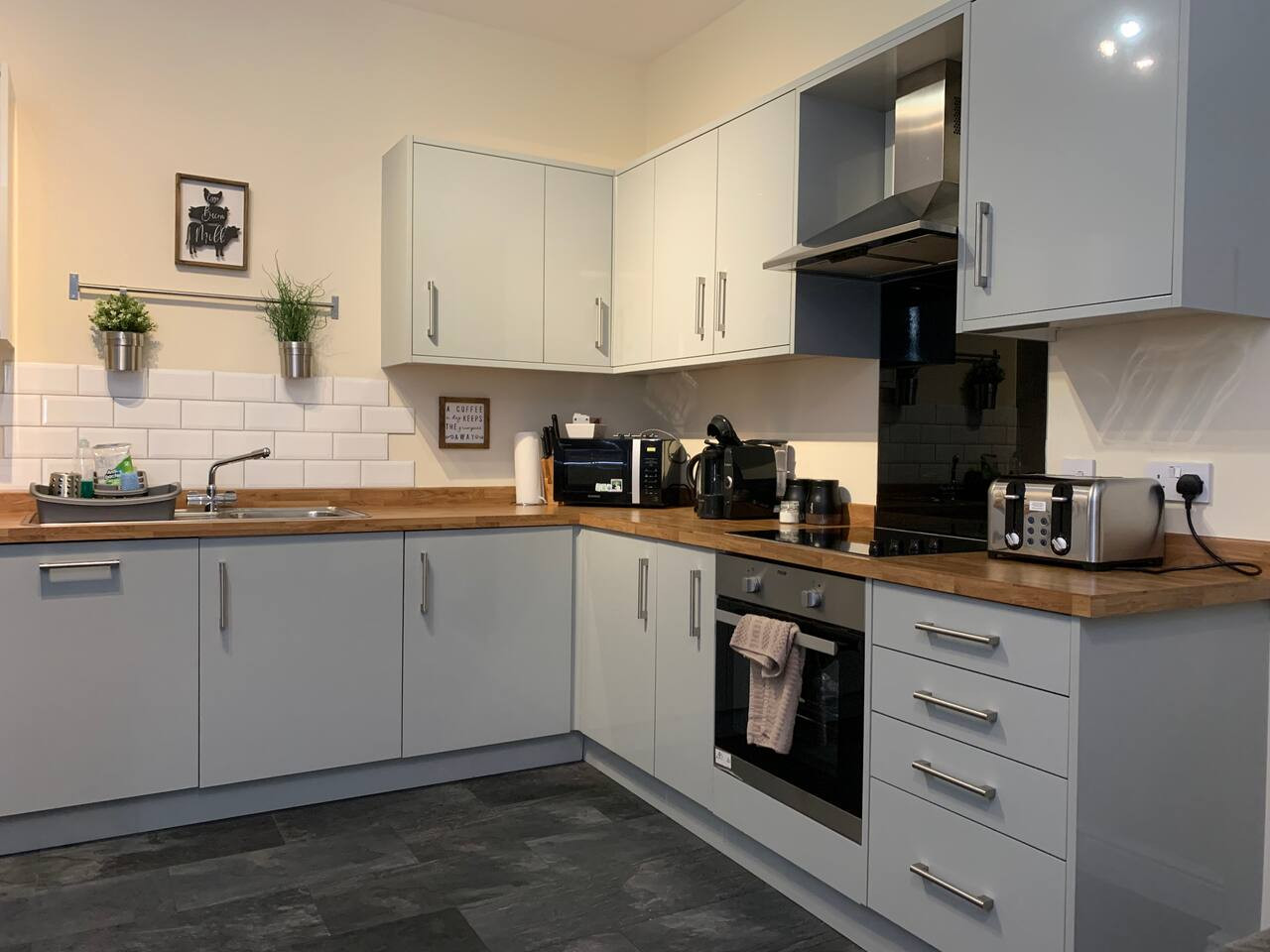
Leek
The Moorlands Suite - 1 Bed Apartment
- Sleeps 4
- 1 bedroom
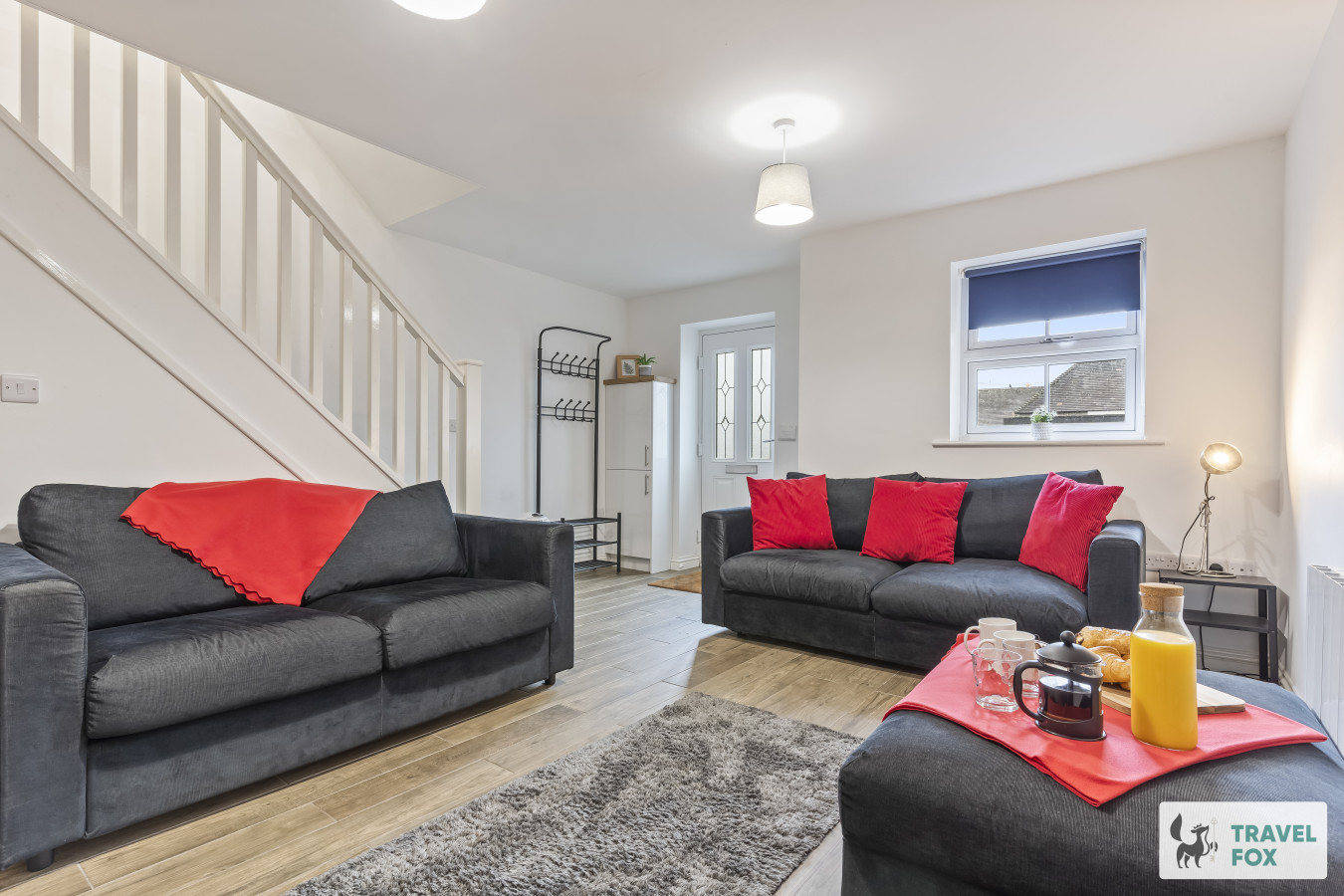
Leek
Amy's House: 20mins Alton Towers
- Sleeps 6
- 2 bedrooms
For homeowners
Own a holiday home near Leek?
We manage holiday lets across the Peak District from 12% commission, charged after cleaning costs, with no lock-in. A co-founder visits before you decide.
Holiday let management in the Peak District →
A guide with a point of view
Written from research. Edited for real journeys.
Use the Official site links for live practical details, then use this guide for context, ideas and room to explore.
Sources
Every place on this page is checked against a published source. Each entry links the record we used and names who publishes it.
- Leek Markets — staffsmoorlands.gov.uk statutory register or public authority
- St Edward the Confessor's Church — historicengland.org.uk statutory register or public authority record not machine-readable; publisher restricts automated access
- Brough Park — staffsmoorlands.gov.uk statutory register or public authority
- The Roaches — staffs-wildlife.org.uk national body or asset manager
- Tittesworth Reservoir — environment.data.gov.uk statutory register or public authority
- Rudyard Lake — rudyardlake.com operator, sector body or destination organisation