
Between the Dove and Manifold
Longnor
A stone-built Staffordshire village on a limestone ridge, with a cobbled market square and hill walks on its doorstep.
- Best for
- Village history and contrasting walks
- Give it
- A half day, or longer for a hill route
- Don't miss
- The old market toll sign
The Fox verdict
A small village with serious walking
Longnor pairs a compact historic centre with routes ranging from a gentle farmland circuit to the Dragon's Back.
Come for the cobbled square, the 1873 Market Hall and St Bartholomew's Norman font; stay for paths beside the Dove and Manifold or a climb over the reef-knoll ridge of Chrome Hill and Parkhouse Hill.
Where to go
Places in Longnor
Every place below is checked against a published source, listed with what it is and how long to give it.
Local signatures
3 placesLongnor Market Hall and Craft Centre
The former Market Hall, built in 1873, now houses a craft centre and coffee shop beside the square's original sign listing market tolls.
- Visit length
- Editorial estimate: allow around 30 minutes, longer if stopping for refreshments
- Locality
- cobbled market square
Ye Olde Cheshire Cheese Inn
Longnor's last surviving pub began as a cheese store in 1464 and serves home-cooked pub food as a Robinsons house.
- Visit length
- Editorial estimate: allow around 90 minutes for a meal
- Locality
- High Street
Dragon's Back loop
A roughly nine-mile circuit over the reef-knoll ridge of Parkhouse Hill and Chrome Hill, where fossils can be seen in the coral-reef limestone.
- Visit length
- Editorial estimate: Allow around 4 hours 25 minutes for the roughly 9-mile loop
- Locality
- Chrome Hill and Parkhouse Hill
- Access
- This is the substantial hill option; choose one of the shorter Longnor walks if a gentler outing suits your group.
Walks & outdoors
1 placeHigh Wheeldon and Manifold circuit
Follow Green Lane towards High Wheeldon, cross the Dove, turn west by Over Boothlow and return to Longnor on a path beside the River Manifold.
- Visit length
- Editorial estimate: allow around 2 hours 30 minutes
- Locality
- Dove and Manifold valleys
History & heritage
1 placeSt Bartholomew's Church
The Grade II* church was built around 1781 on an older site; inside are a 12th-century Norman font and Harry Everington's modern sculpture of St Bertram.
- Visit length
- Editorial estimate: allow around 30 minutes
- Locality
- Longnor village
- Access
- Check locally that the church is open before planning an interior visit.
No places match this filter. Choose All places to reset the list.
Three ways to explore Longnor
Signature outings
Begin at the Market Hall
Look for the original sign listing what buyers and sellers once paid in Longnor's market square.
Look for the Norman font
The present church dates from around 1781, but its 12th-century font points to a much earlier place of worship.
Circle High Wheeldon
Cross the Dove on the way towards High Wheeldon, then return beside the Manifold through the Longnor landscape.
The village story
Longnor Village Guide
Market-town traces, one surviving pub and walking country between two rivers.
A Market Square Between Two Rivers
The cobbled market square at the centre of Longnor still carries its original market sign, the one that lists the tolls a buyer or seller was expected to pay. Longnor was a market town in the 18th and 19th centuries, and the square was the point of it. The Victorian Market Hall built in 1873 now houses the Craft Centre & Coffee Shop, which sells crafts and refreshments out of the same building where the trading used to happen.
The village sits on a limestone ridge between two rivers, the Manifold to the north bank and the Dove, in the Staffordshire Moorlands corner of the Peak District. People often take it for Derbyshire. Stone houses line the narrow streets, and the back lanes wind off quietly behind them.
Seven Inns, One Survivor
Ye Olde Cheshire Cheese Inn is the last pub left in the village, which is worth pausing over: by 1818 Longnor had seven inns. The White Horse, the Bell, the Red Bull, the Horse Shoe, the Swan, the Crewe & Harpur, and the Cheshire Cheese. The Cheshire Cheese is the survivor. It began life as a cheese store in 1464, which the name still reports faithfully, and it is a Robinsons house. The food runs to home-cooked pub cooking with generous portions — scampi with homemade-style chips, fish and chips, homemade puddings. One visitor called it "a lovely pub with excellent food and really friendly staff."
The Crewe & Harpur, a former coaching inn on the London–Buxton route in 1803, no longer pulls pints. It has been converted into self-catering for large groups. It takes its name from the Harpur Crewe family, lords of Longnor Manor since the 15th century.
Ridges, Rivers and an Older Font
The walking is the main reason to be here. Over fifty documented routes start from or pass through the village, from flat riverside strolls along the Dove and Manifold to proper hill climbs. The one people come for is the Dragon's Back — a roughly nine-mile loop, about four and a half hours, over the reef-knoll ridge of Parkhouse Hill and Chrome Hill, coral-reef limestone where fossils sit visible in the rock. If that's more than you want, there's a flat two-mile farmland circular from the free parking at the market square, gentle enough for children.
St Bartholomew's, Grade II* listed, was built around 1781, though a church has stood here far longer — the font is 12th-century Norman. Inside there's a modern sculpture of St Bertram by Harry Everington. Pevsner covered it in his Staffordshire volume.
From Longenalre to the 442
Longnor appears in the Domesday Book of 1086 as Longenalre, and the settlement is thought to date to around 700 AD. A legend holds it was burned during the reign of William II as punishment for poaching deer. John Wesley preached at the Methodist chapel; the chapel closed in 1996.
Buxton is about six miles north, the nearest station, and the High Peak 442 bus links the village to Ashbourne and Buxton via Hartington. You'll want the car for most of it.
Lowry's Wrong County
L.S. Lowry painted the village twice. He called one of them "Longnor, Derbyshire," which the locals would gently correct.
Stay around Peak District
Make a longer stay of it
Travel Fox holiday homes around Peak District, linked directly to their property pages.
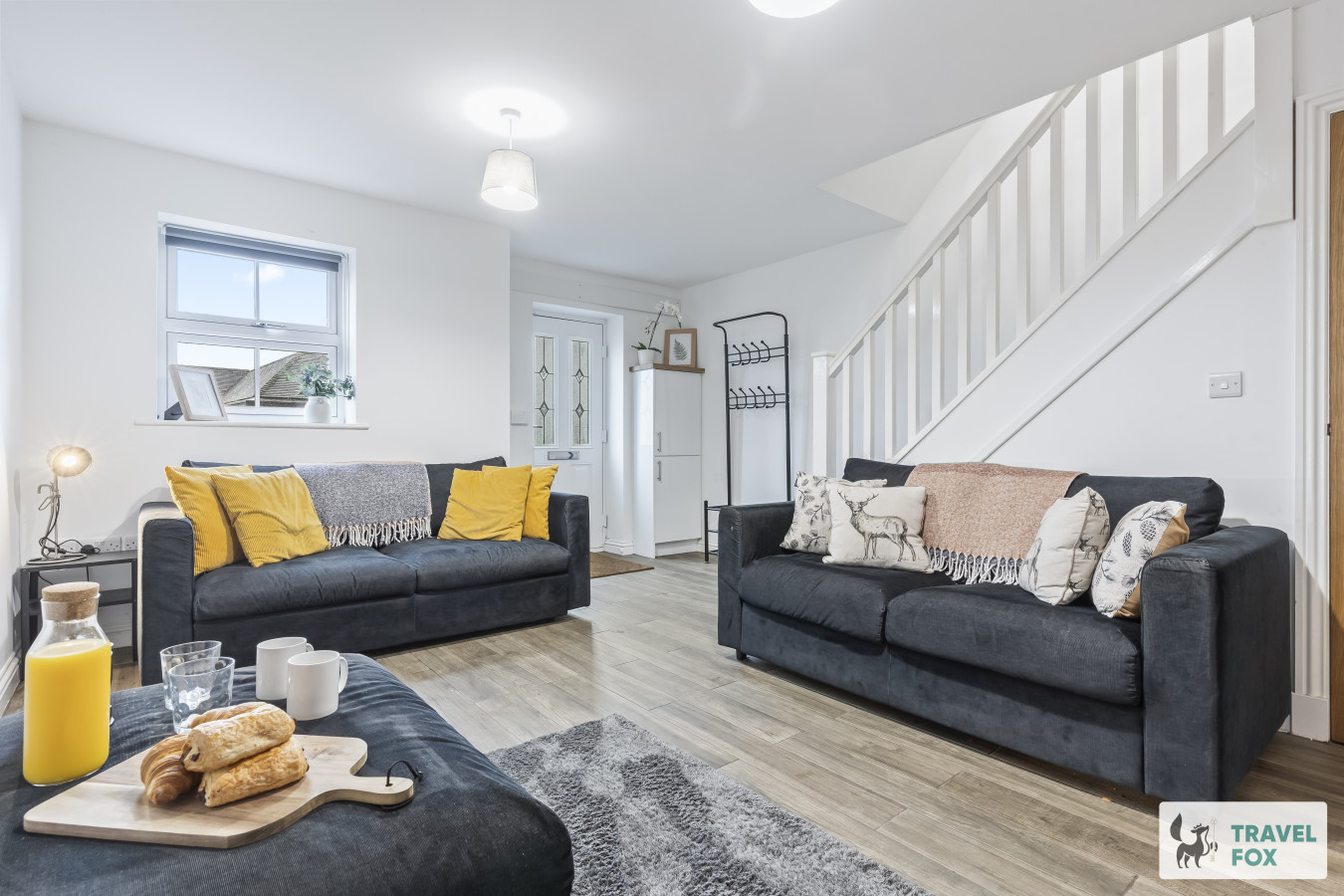
Leek
Lisa's House Leek: 20mins Alton Towers
- Sleeps 6
- 2 bedrooms
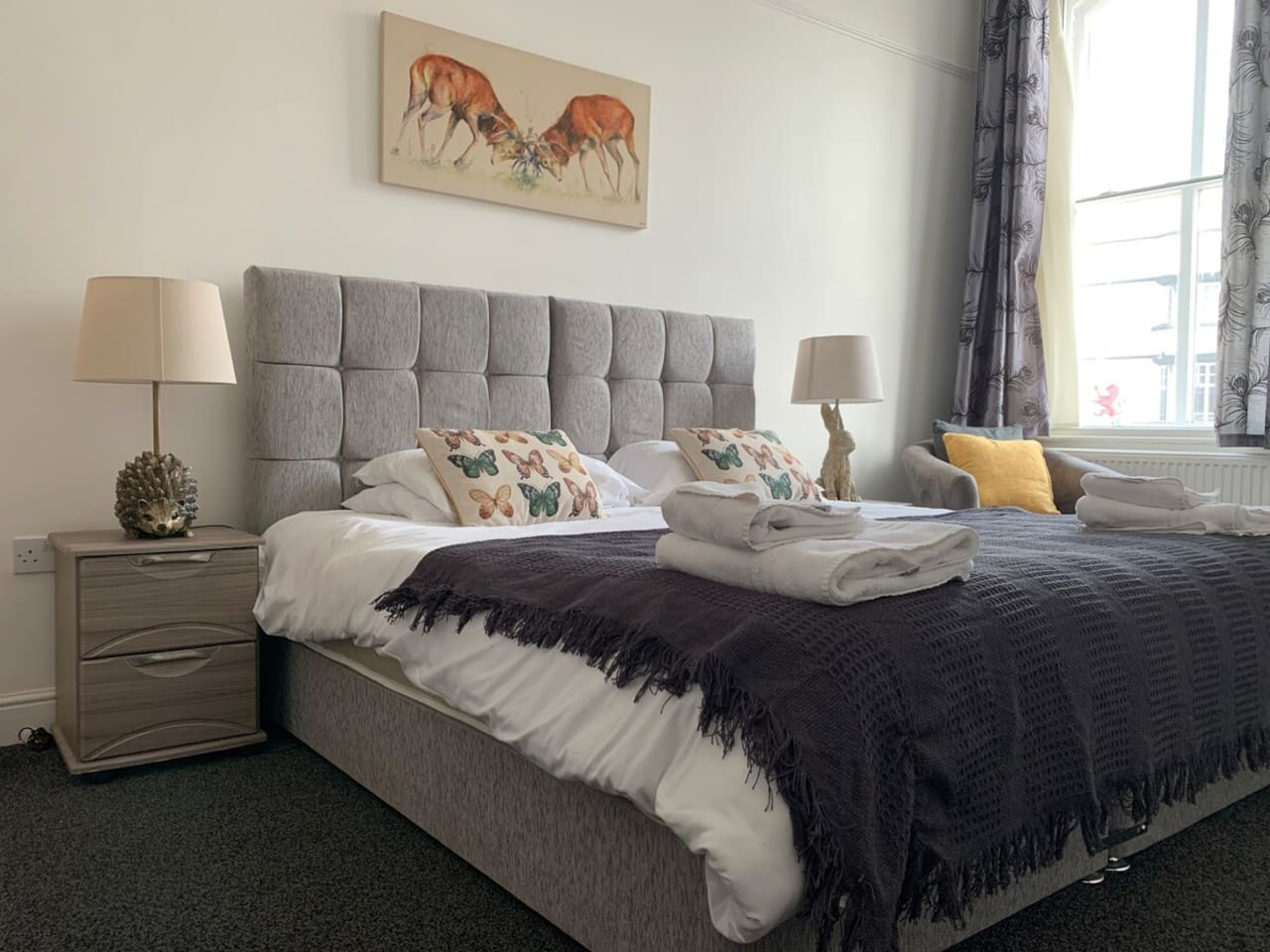
Leek
The Rudyard Suite - Large 1 Bed Apartment
- Sleeps 5
- 1 bedroom
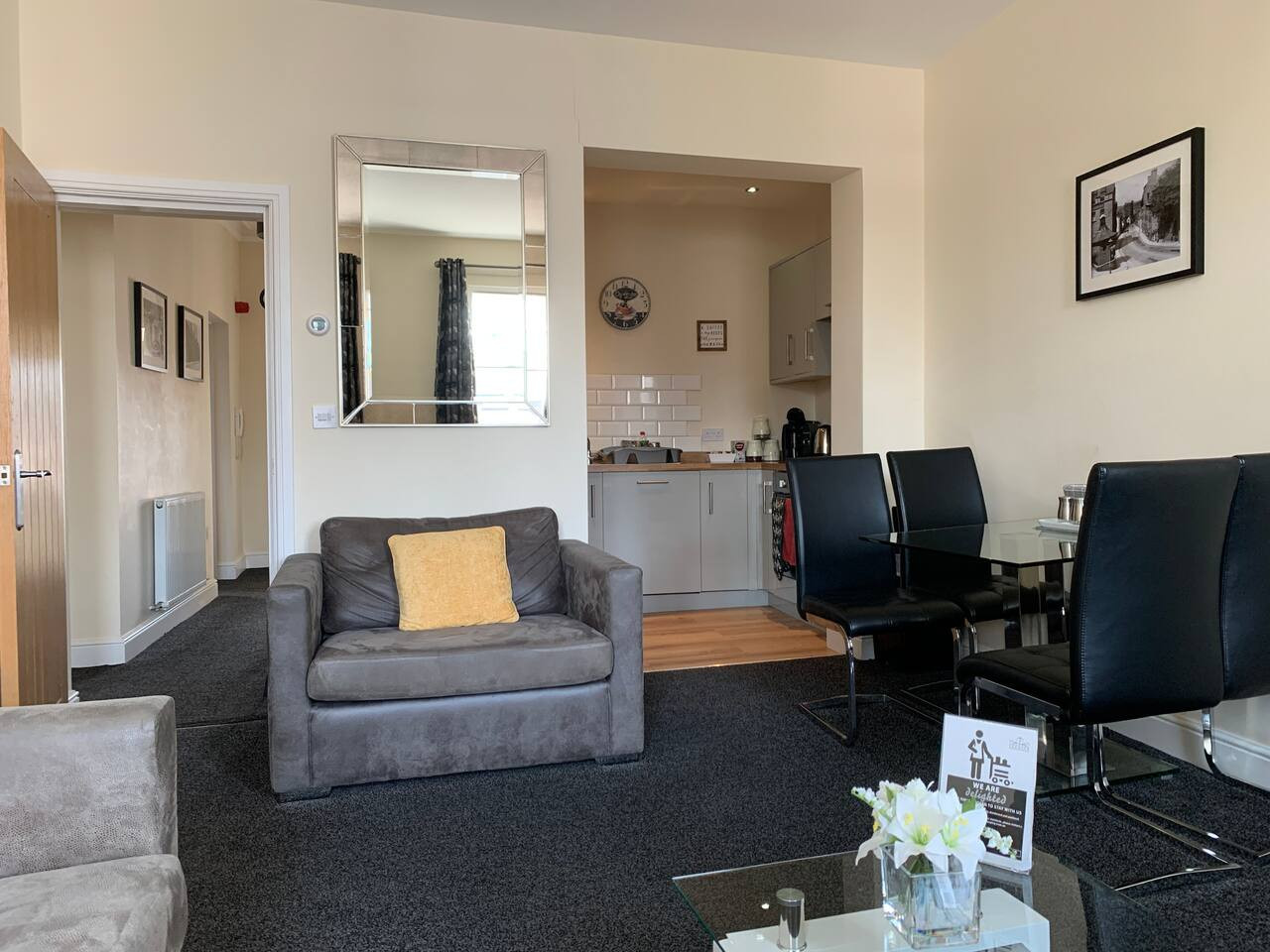
Leek
The Roaches Suite - Large 2 Bedroom Apartment
- Sleeps 7
- 2 bedrooms
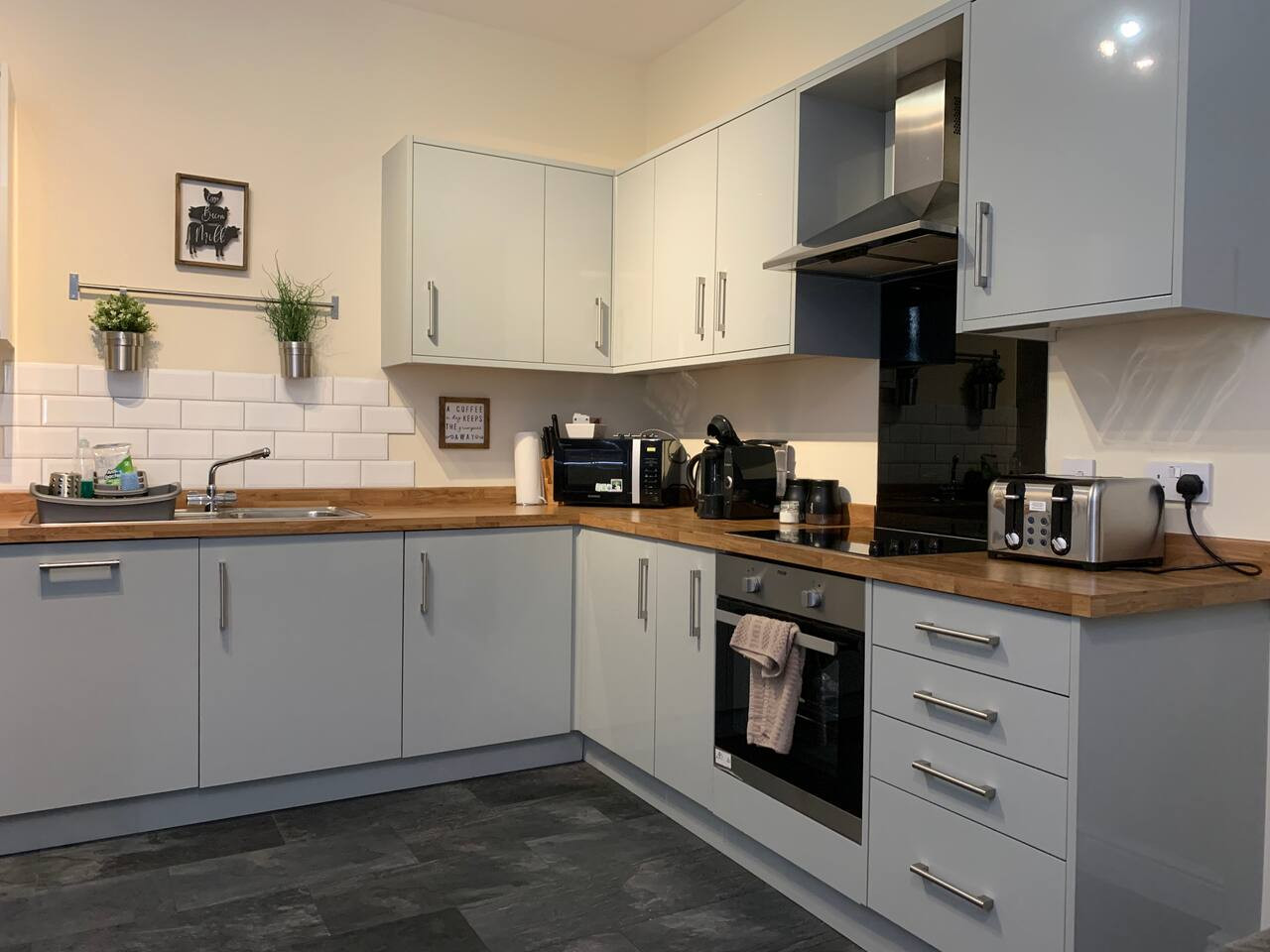
Leek
The Moorlands Suite - 1 Bed Apartment
- Sleeps 4
- 1 bedroom
Leek
Amy's House: 20mins Alton Towers
- Sleeps 6
- 2 bedrooms
For homeowners
Own a holiday home near Longnor?
We manage holiday lets across the Peak District from 12% commission, charged after cleaning costs, with no lock-in. A co-founder visits before you decide.
Holiday let management in the Peak District →
A guide with a point of view
Written from research. Edited for real journeys.
Use the Official site links for live practical details, then use this guide for context, ideas and room to explore.
Sources
Every place on this page is checked against a published source. Each entry links the record we used and names who publishes it.
- Longnor Market Hall and Craft Centre — historicengland.org.uk statutory register or public authority record not machine-readable; publisher restricts automated access
- St Bartholomew's Church — historicengland.org.uk statutory register or public authority record not machine-readable; publisher restricts automated access
- Ye Olde Cheshire Cheese Inn — ratings.food.gov.uk statutory register or public authority
- Dragon's Back loop — peakdistrict.gov.uk statutory register or public authority record not machine-readable; publisher restricts automated access
- High Wheeldon and Manifold circuit — shop.peakdistrict.gov.uk statutory register or public authority