
High above Bradford Dale
Middleton-by-Youlgreave
A compact limestone village where the walking is the reason to come, with clear river pools, little bridges and paths on to Youlgreave.
- Best for
- Walking in Bradford Dale
- Give it
- A walk into the dale and on to Youlgreave
- Don't miss
- The clear pools and packhorse bridges
The Fox verdict
Come for the walking
Middleton-by-Youlgreave trades shops and a village pub for a steep descent into wooded Bradford Dale.
The compact limestone village sits on high ground above the River Bradford. Follow the track into a dale of weirs, clear pools and little bridges, visit the small chapel, then continue to Youlgreave for its three pubs and parish church.
Where to go
Places in Middleton-by-Youlgreave
Every place below is checked against a published source, listed with what it is and how long to give it.
Local signatures
3 placesBradford Dale
A steep-sided, wooded dale where weirs create clear pools along a short stretch with a clapper bridge and three packhorse bridges.
- Visit length
- Editorial estimate: around 2 hours
- Locality
- below Middleton-by-Youlgreave
The Bull's Head
A traditional village pub with a selection of cask ales, fresh-cooked food and a welcoming setting for walkers, dogs and families.
- Visit length
- Editorial estimate: around 75 minutes
- Locality
- Church Street, Youlgreave
The Farmyard Inn
A Main Street pub and inn with rooms and a bar, offering accommodation in Youlgreave.
- Visit length
- Editorial estimate: around 90 minutes
- Locality
- Main Street, Youlgreave
Food & drink
1 placeThe George Hotel
A traditional rural pub with home-cooked, locally produced food and cask ales.
- Visit length
- Editorial estimate: around 90 minutes
- Locality
- Alport Lane, Youlgreave
History & heritage
4 placesSt Michael and All Angels
A small chapel of ease that was disused for many years before restoration in 1899.
- Visit length
- Editorial estimate: around 30 minutes
- Locality
- Middleton-by-Youlgreave
Bateman's Tomb
Thomas Bateman's Grade II listed tomb sits in an iron-railed plot and is topped by a stone replica of a Bronze Age collared or cinerary urn.
- Visit length
- Editorial estimate: around 30 minutes
- Locality
- Middleton-by-Youlgreave
Arbor Low
A great Neolithic henge and stone circle, formed by a ring of recumbent stones inside a bank and ditch.
- Visit length
- Editorial estimate: around 90 minutes
- Locality
- Arbor Low, west of Middleton-by-Youlgreave
All Saints, Youlgreave
The wider parish church for Middleton is All Saints at neighbouring Youlgreave.
- Visit length
- Editorial estimate: around 30 minutes
- Locality
- All Saints Church, Youlgreave
No places match this filter. Choose All places to reset the list.
Three ways to explore Middleton-by-Youlgreave
Signature outings
Descend into Bradford Dale
Walk among the weirs, clear pools, water plants and little bridges below the village.
Find Bateman's urn-topped tomb
The iron-railed tomb echoes Thomas Bateman's barrow excavations with a stone replica Bronze Age urn.
Circle the stones at Arbor Low
About 2.2 miles west of the village in a straight line, recumbent stones form a ring inside the Neolithic henge's bank and ditch.
The village story
Middleton above the Bradford
The accepted Travel Fox article follows the village from its vanished pub and shop into Bradford Dale, Youlgreave and the story of the Batemans.
A village without a pub
Square House sits on the main street where the Bateman's Arms once served as the village pub. Middleton once had a shop too, but neither business remains. The village you arrive in is a compact run of limestone cottages, spaciously laid out on high ground above the River Bradford, with no pub or shop; the Middleton and Smerrill civil parish had 133 residents in the 2021 Census estimate.
What it has instead is the walking, and the walking is the reason to come.
Down into Bradford Dale
A track drops from the village down into Bradford Dale, which runs steep-sided and wooded below. The river here has been interrupted by a succession of weirs — about six — built to encourage trout to breed, so the course is a series of clear pools reflecting the trees. There are beds of watercress, reed, king cups and rush, and if you're patient, kingfishers. A small swimming spot lies along the dale. The dale also holds a clapper bridge and three packhorse bridges, which is a lot of bridges for one short stretch of water. J. B. Frith, writing about it, decided that "for peaceful loveliness and sheer prettiness, nothing in Derbyshire excels it."
For a pub you walk to Youlgreave. Its three pubs are about 1.0 to 1.3 miles from Middleton in a straight line; the walking routes by the tree-lined highway footpath or through Bradford Dale are longer. The Bull's Head on Church St serves a selection of cask ales and fresh-cooked food. The Farmyard Inn on Main Street is a pub and inn with rooms and a bar. The George on Alport Lane is a traditional rural pub serving home-cooked, locally produced food. All three make a good stop after the walk from Middleton.
Chapel, manor and the Barrow Knight
St Michael and All Angels is the village chapel — small, a chapel of ease, disused for years before it was restored in 1899. The parish church proper is at Youlgreave. In the Domesday survey the manor belonged to Henry de Ferrers, came with a mill, and was worth sixteen shillings.
The name to know here is Bateman. In the 1820s the architect Thomas Bateman rebuilt most of the village, reusing the old mullioned windows so it kept its face, and made Middleton Hall his home. His grandson, another Thomas, grew up in that hall and became the county's most famous antiquary — the Barrow Knight, who opened 38 Bronze Age barrows in 1845 alone and over 500 across his life. He left instructions to be buried in unconsecrated ground on a hillside behind the former Congregational chapel. His tomb, iron-railed, is topped with a stone replica of a Bronze Age urn, echoing the barrows he had spent his life opening.
Castle, bus and railway
Middleton Castle, now in ruins, is where in 1643 the Royalist Sir Christopher Fulwood raised local lead miners for the King and was shot hiding in a cliff crevice. The bus stop is at The Square; route 172 runs through to Bakewell and Matlock. Matlock has the nearest railway station.
Well dressing in May
In May, the village dresses its wells, a tradition revived in 1977, and adds music. For a place with no pub, it keeps busy enough.
Stay around Peak District
Make a longer stay of it
Travel Fox holiday homes around Peak District, linked directly to their property pages.
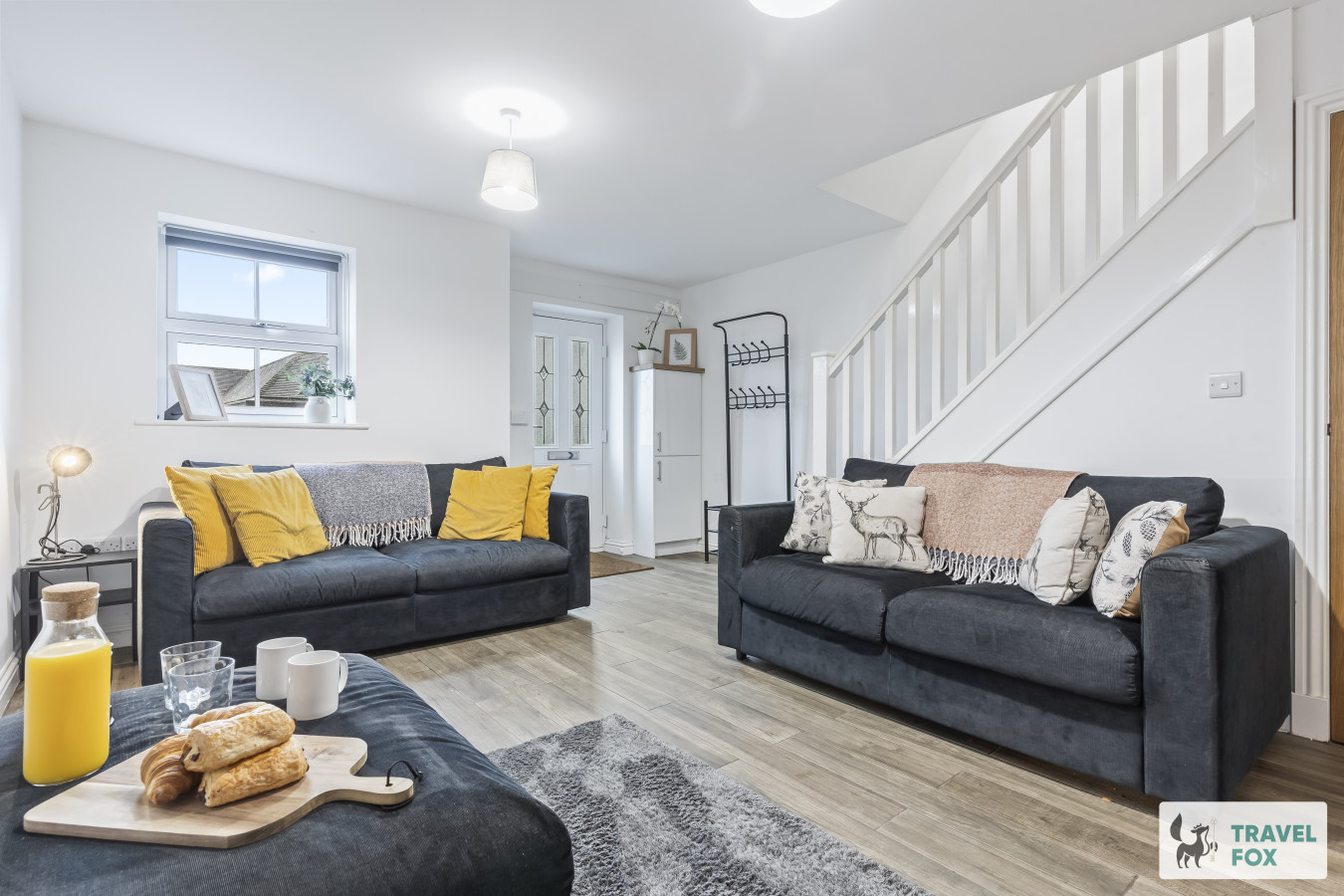
Leek
Lisa's House Leek: 20mins Alton Towers
- Sleeps 6
- 2 bedrooms
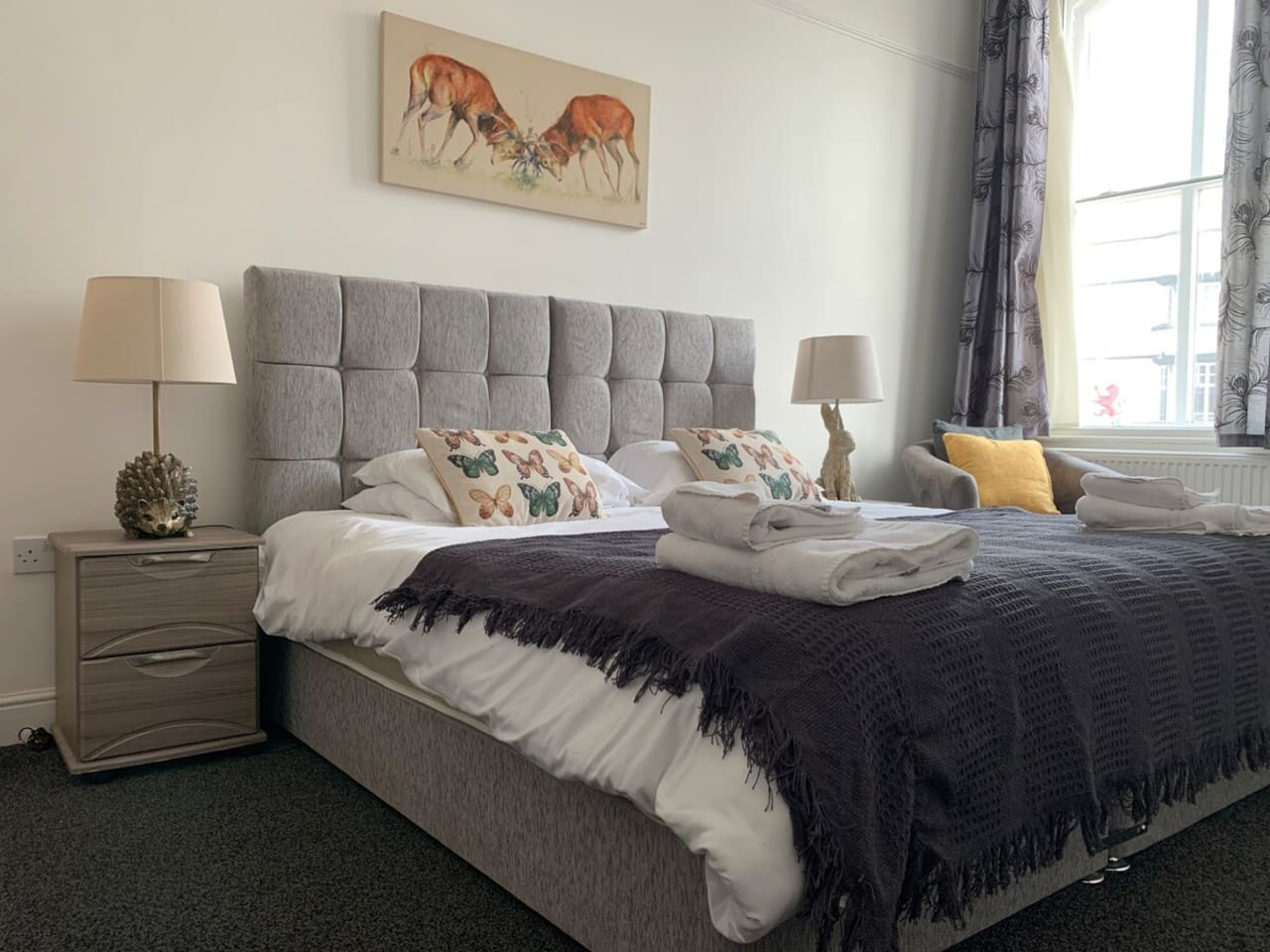
Leek
The Rudyard Suite - Large 1 Bed Apartment
- Sleeps 5
- 1 bedroom
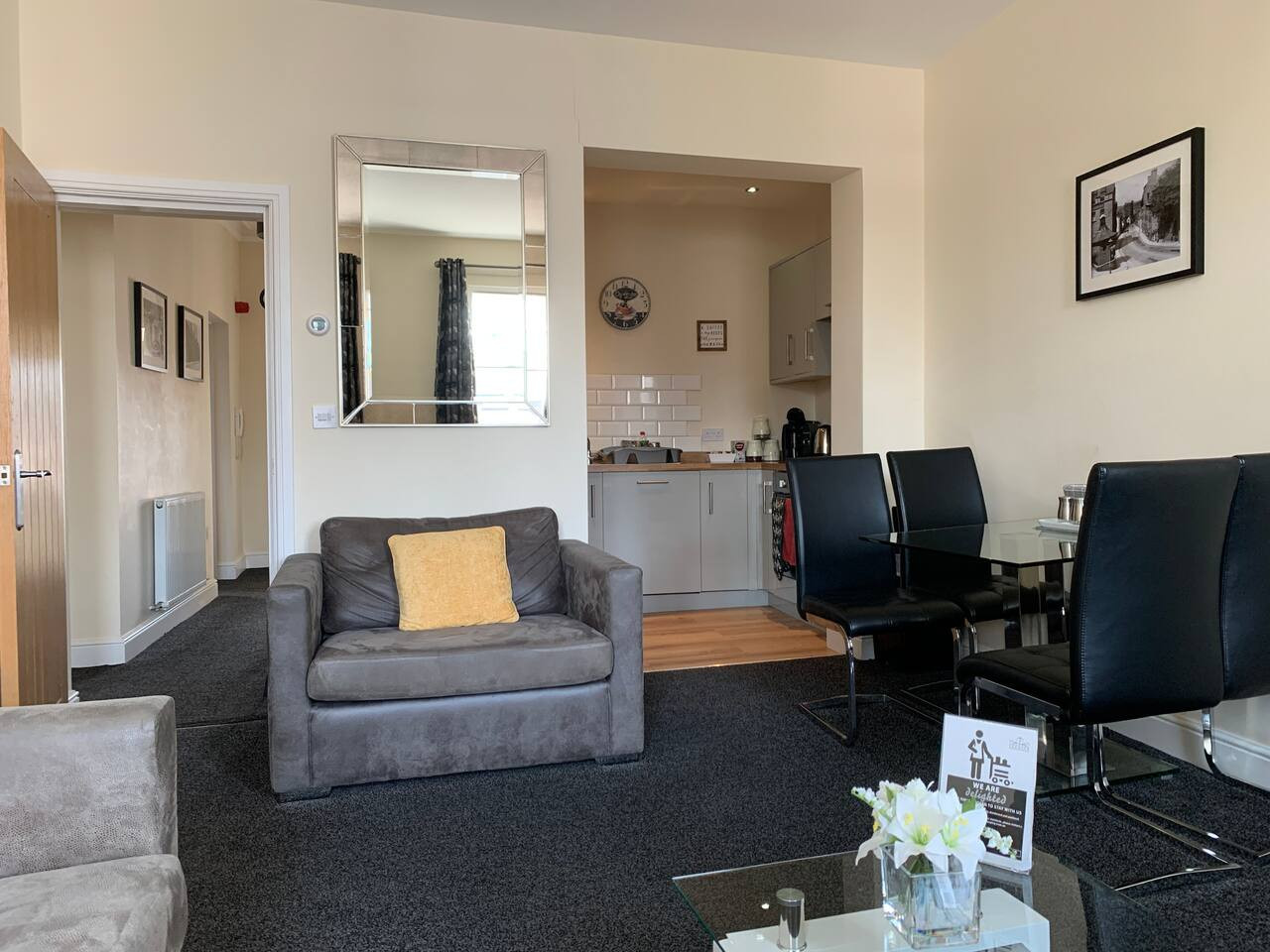
Leek
The Roaches Suite - Large 2 Bedroom Apartment
- Sleeps 7
- 2 bedrooms
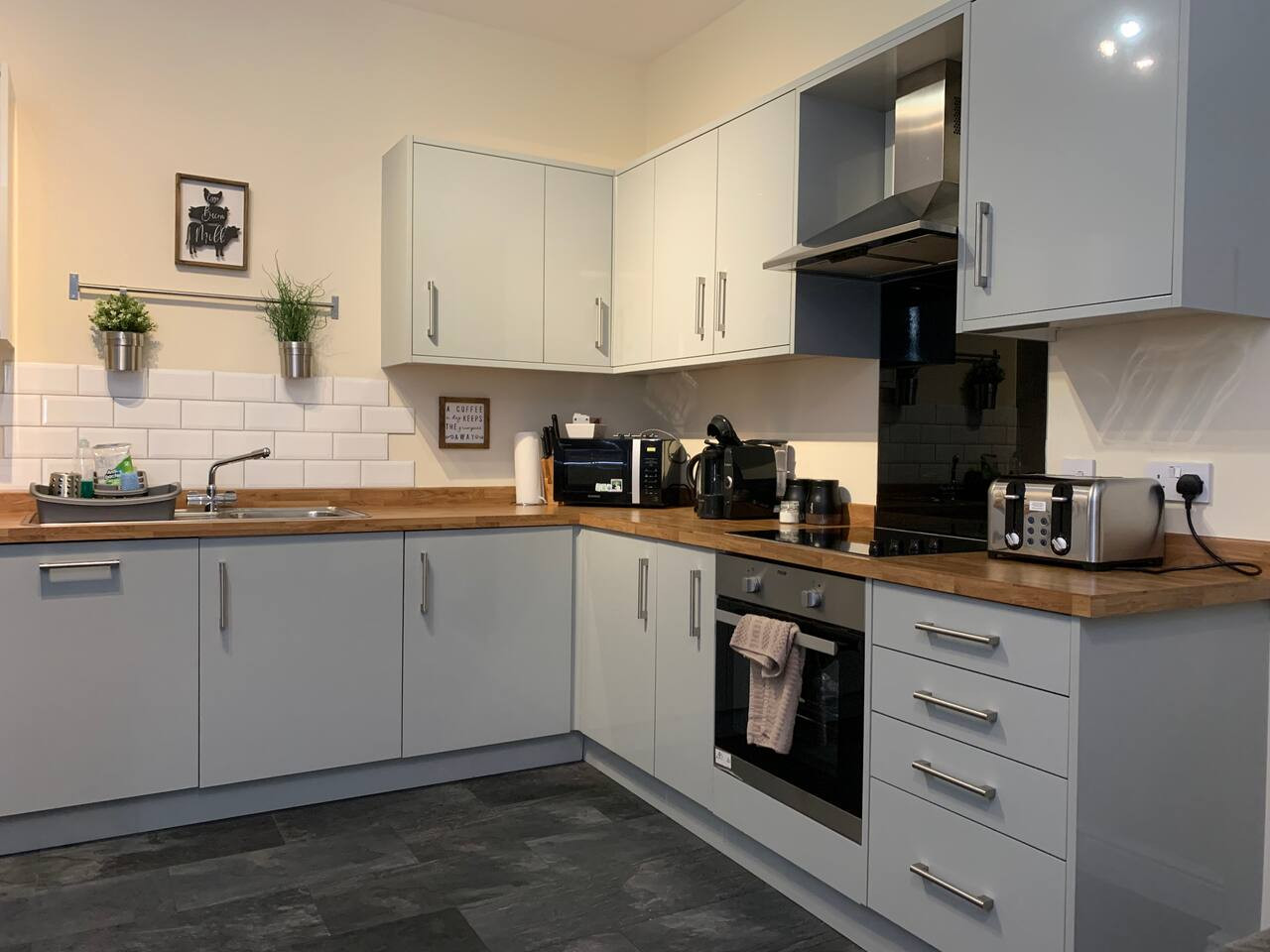
Leek
The Moorlands Suite - 1 Bed Apartment
- Sleeps 4
- 1 bedroom
Leek
Amy's House: 20mins Alton Towers
- Sleeps 6
- 2 bedrooms
For homeowners
Own a holiday home near Middleton-by-Youlgreave?
We manage holiday lets across the Peak District from 12% commission, charged after cleaning costs, with no lock-in. A co-founder visits before you decide.
Holiday let management in the Peak District →
A guide with a point of view
Written from research. Edited for real journeys.
Use the Official site links for live practical details, then use this guide for context, ideas and room to explore.
Sources
Every place on this page is checked against a published source. Each entry links the record we used and names who publishes it.
- Bradford Dale — peakdistrict.gov.uk statutory register or public authority record not machine-readable; publisher restricts automated access
- St Michael and All Angels — achurchnearyou.com national body or asset manager
- The Bull's Head — thebullsheadyoulgreave.com operator, sector body or destination organisation
- The Farmyard Inn — camra.org.uk operator, sector body or destination organisation
- The George Hotel — georgehotelyoulgrave.co.uk operator, sector body or destination organisation
- Bateman's Tomb — historicengland.org.uk statutory register or public authority record not machine-readable; publisher restricts automated access
- Arbor Low — english-heritage.org.uk national body or asset manager
- All Saints, Youlgreave — achurchnearyou.com national body or asset manager