
At the head of Lathkill Dale
Monyash
A White Peak village shaped by scarce standing water, long walks and the sole survivor of its five pubs.
- Best for
- White Peak walks, Norman details and a pub-and-café pause
- Give it
- A village visit or one of two circular walks
- Don't miss
- Fere Mere, the last of five village meres
The Fox verdict
A walking village with water at its roots
Monyash brings together two circular walks, a notably large Norman-rooted church and an unusually practical pub-and-café pairing.
Come for the White Peak uplands and Lathkill Dale, then look closer at the village that grew where an Ice Age clay band held water in limestone country. Fere Mere, St Leonard's and the last of five pubs give a compact visit its own character.
Where to go
Places in Monyash
Every place below is checked against a published source, listed with what it is and how long to give it.
Local signatures
3 placesThe Old Smithy
A family-run café in the former blacksmith's shop on the village green, serving all-day breakfasts, homemade cakes and locally sourced food.
- Visit length
- Editorial estimate: Allow around 45 minutes
- Locality
- on the village green
- Access
- Reached from the village green, beside the Bull's Head.
St Leonard's Church
A Grade II* church with an octagonal spire, a late-12th-century sedilia and piscina, and a 15th-century font carved with a lion and lamb.
- Visit length
- Editorial estimate: Allow around 40 minutes
- Locality
- Monyash
Monyash, Arbor Low and Lathkill Dale Circular
A moderate circuit from Monyash through Lathkill Dale, climbing over fields to Arbor Low stone circle before returning to the village.
- Visit length
- Editorial estimate: Allow around 210 minutes
- Locality
- from the Bull's Head via Lathkill Dale
Food & drink
1 placeThe Bull's Head
A Grade II listed village pub with home-cooked food, traditional ales and a beer garden.
- Visit length
- Editorial estimate: Allow around 60 minutes
- Locality
- Church Street
- Access
- Dogs are welcome in the bar, pool room and beer garden, but not in the dining rooms.
Walks & outdoors
2 placesFere Mere
The only survivor of five meres formed where an unusual Ice Age clay band trapped standing water in the White Peak limestone.
- Visit length
- Editorial estimate: Allow around 20 minutes
- Locality
- behind the Primary School
Lathkill Dale Short Circular Walk
A 4.4-mile circuit from Lathkill Dale parking on Church Street, passing disused Ricklow Quarry on a high path before returning through the dale.
- Visit length
- Editorial estimate: Allow around 150 minutes
- Locality
- from Lathkill Dale parking on Church Street
- Access
- The higher path includes a steep descent and may not suit young children.
History & heritage
1 placeArbor Low Stone Circle and Henge
A Neolithic henge and stone circle dating to about 2000 BC and sometimes called the Stonehenge of the North.
- Visit length
- Editorial estimate: Allow around 60 minutes
- Locality
- about 2.8 miles from Monyash
- Access
- Approach is through a working farm and fields with gates or stiles; a landowner access charge applies.
No places match this filter. Choose All places to reset the list.
Three ways to explore Monyash
Signature outings
The Last of Five Pubs
Stop at the Bull's Head for traditional ales and a beer garden.
Arbor Low
Visit the Neolithic henge and stone circle about 2.8 miles from Monyash, sometimes called the Stonehenge of the North.
The Short Dale Circuit
Follow the 4.4-mile Ricklow Quarry circuit from Church Street, returning through Lathkill Dale.
The village story
Monyash Village Guide
Walks, water and the village institutions that remain at the head of Lathkill Dale.
The Last of Five Pubs
The Bull's Head has a large beer garden. It makes a natural pause for walkers returning from Lathkill Dale and for families spending time on the green.
The Grade II listed pub has a late-17th-century core, and the same family has run it for more than two decades. Dogs are welcome in the bar and pool room, while the dining rooms are dog-free. The pub serves home-cooked food and traditional ales, including beers from local breweries. It is the survivor of the five pubs Monyash had in the 19th century.
Smithy Breakfasts and the Water Village
On the village green, the family-run Old Smithy occupies the former blacksmith's shop. Its all-day breakfast and homemade cakes give walkers and cyclists a place to pause after the dales.
Monyash owes its existence to water. At the head of Lathkill Dale, an Ice Age clay band held standing water in limestone country where it is unusual. Villagers fashioned five meres and drew on more than twenty wells for themselves, their livestock and passing drovers. Fere Mere, behind the primary school, is the remaining mere, and the village's well dressing tradition recalls that history.
White Peak Walks and Norman Stonework
Two circular walks show different sides of the dale. A 7.4-mile route starts outside the Bull's Head, follows Lathkill Dale, climbs toward Arbor Low and returns to Monyash. The 4.4-mile Ricklow Quarry circuit starts at the Lathkill Dale parking area on Church Street, follows a higher path above the dale and returns beside the river.
St Leonard's was built before 1200 and grew into a large church with an octagonal spire. Its chancel has a late-12th-century sedilia and piscina, while the 15th-century font is carved with a lion and lamb. The church is Grade II* listed.
What Monyash Lost — and How to Arrive
Lead mining ended, and many of the trades and shops that once served Monyash disappeared. Limestone quarrying and marble polishing also belonged to its earlier economy. The former Quaker meeting house on Chapel Street survives as a Grade II listed building, although meeting use ended in 1892. John Gratton lived in Monyash for decades; accounts differ on whether he left the cottage to the Friends or sold it before moving away.
Bakewell is about five miles from Monyash, and High Peak's 58 bus route includes a stop by the Bull's Head. On the green, the King and Queen trees commemorate George V and Queen Mary.
Stay around Peak District
Make a longer stay of it
Travel Fox holiday homes around Peak District, linked directly to their property pages.
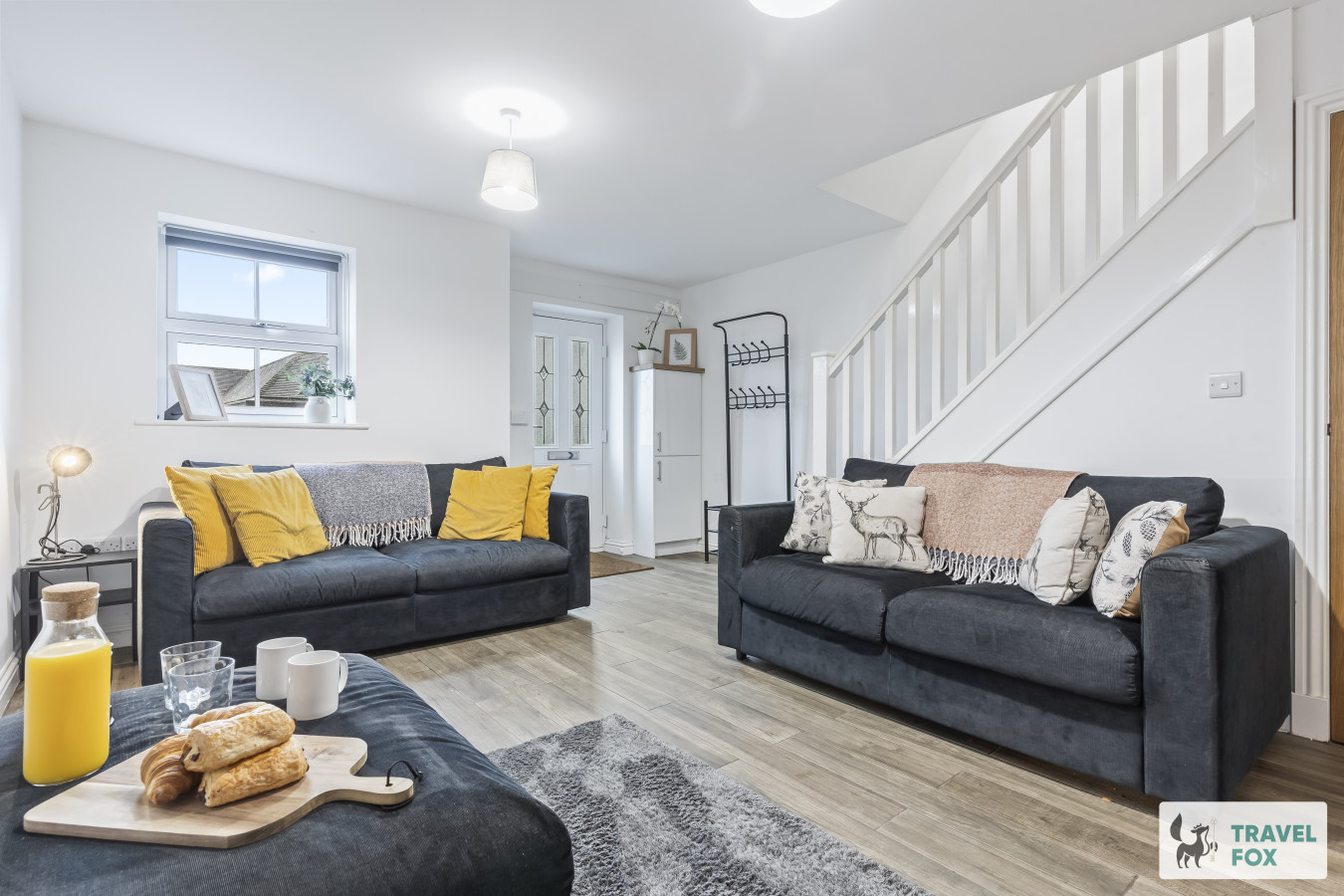
Leek
Lisa's House Leek: 20mins Alton Towers
- Sleeps 6
- 2 bedrooms
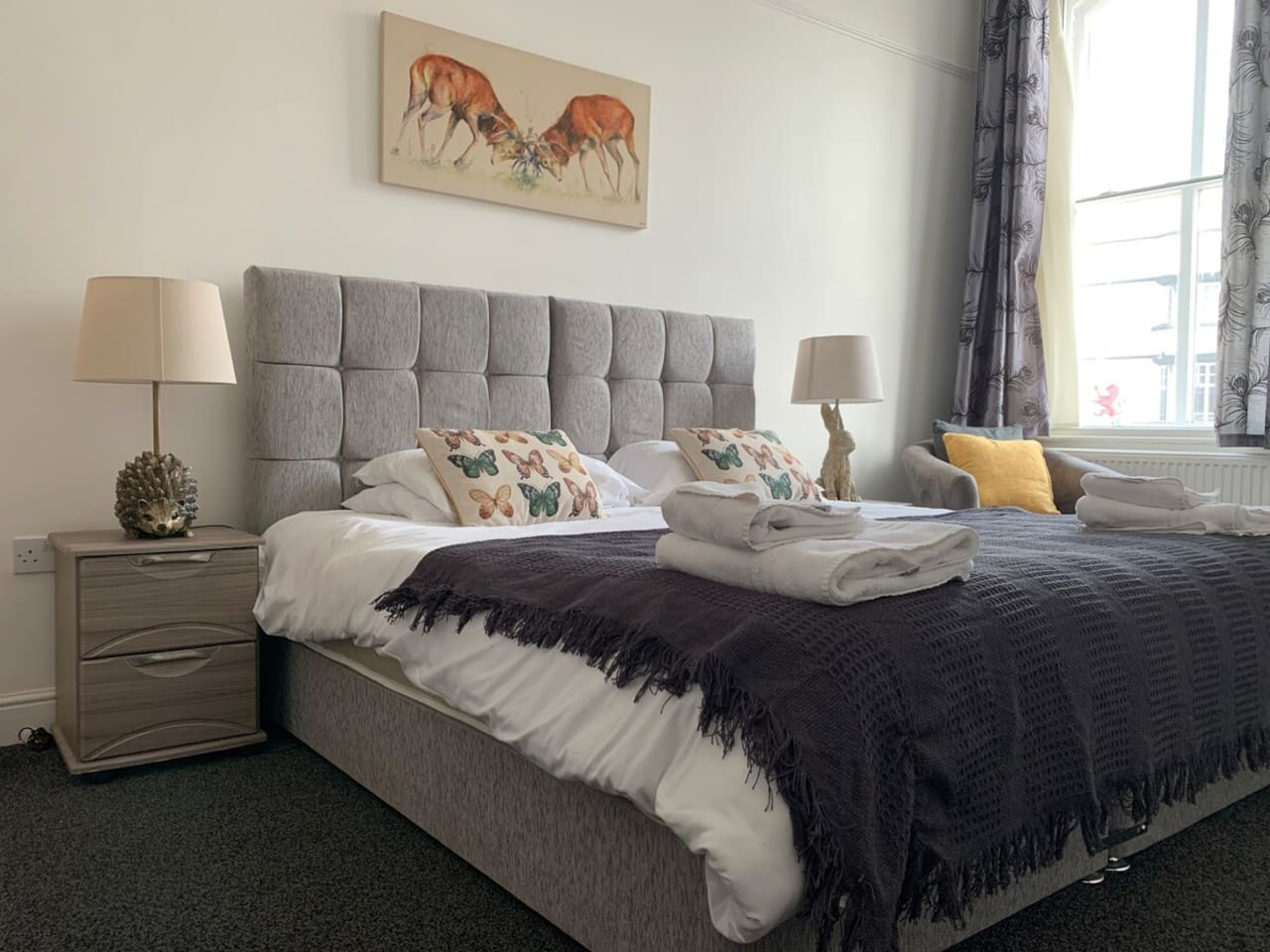
Leek
The Rudyard Suite - Large 1 Bed Apartment
- Sleeps 5
- 1 bedroom
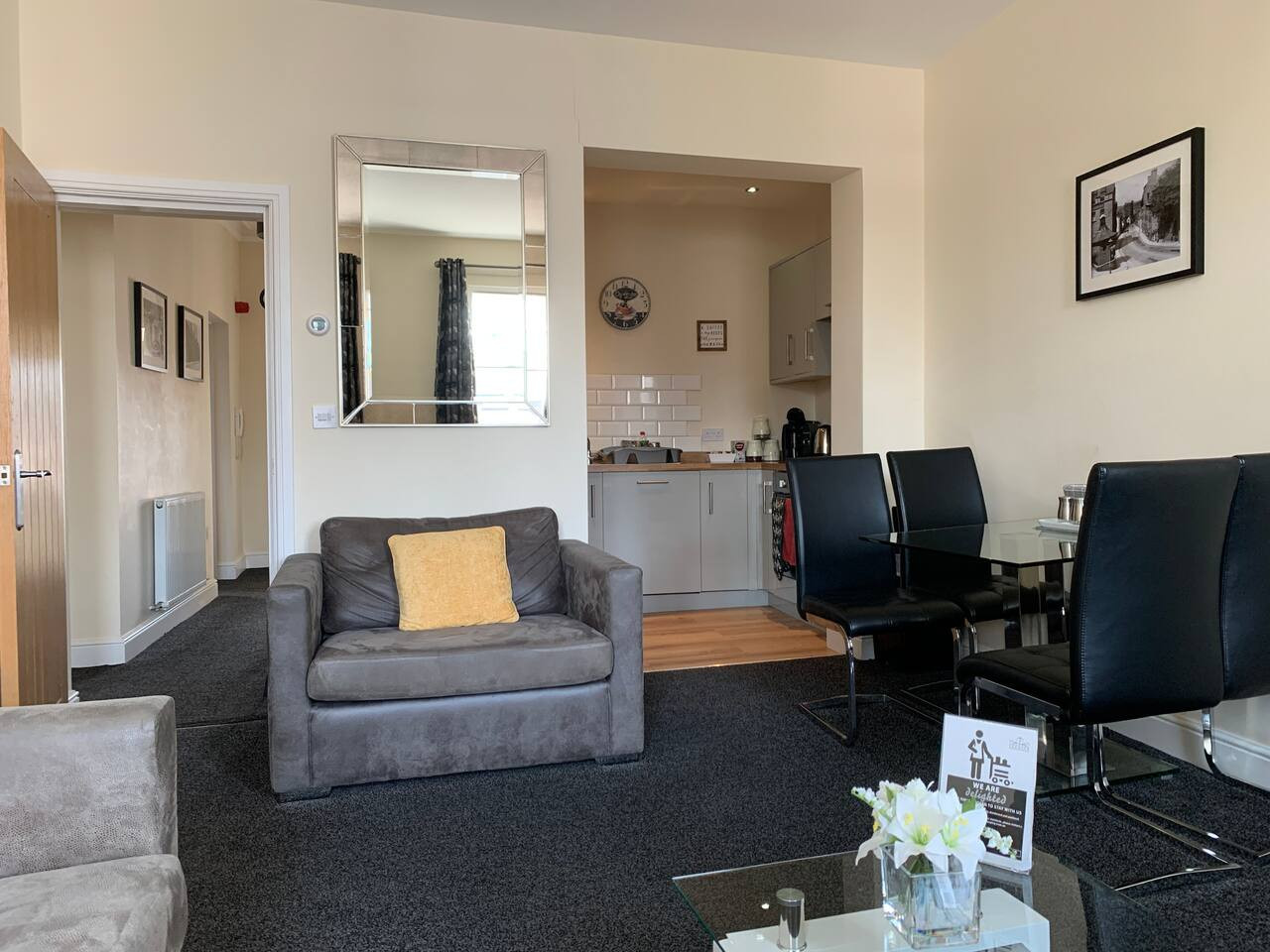
Leek
The Roaches Suite - Large 2 Bedroom Apartment
- Sleeps 7
- 2 bedrooms
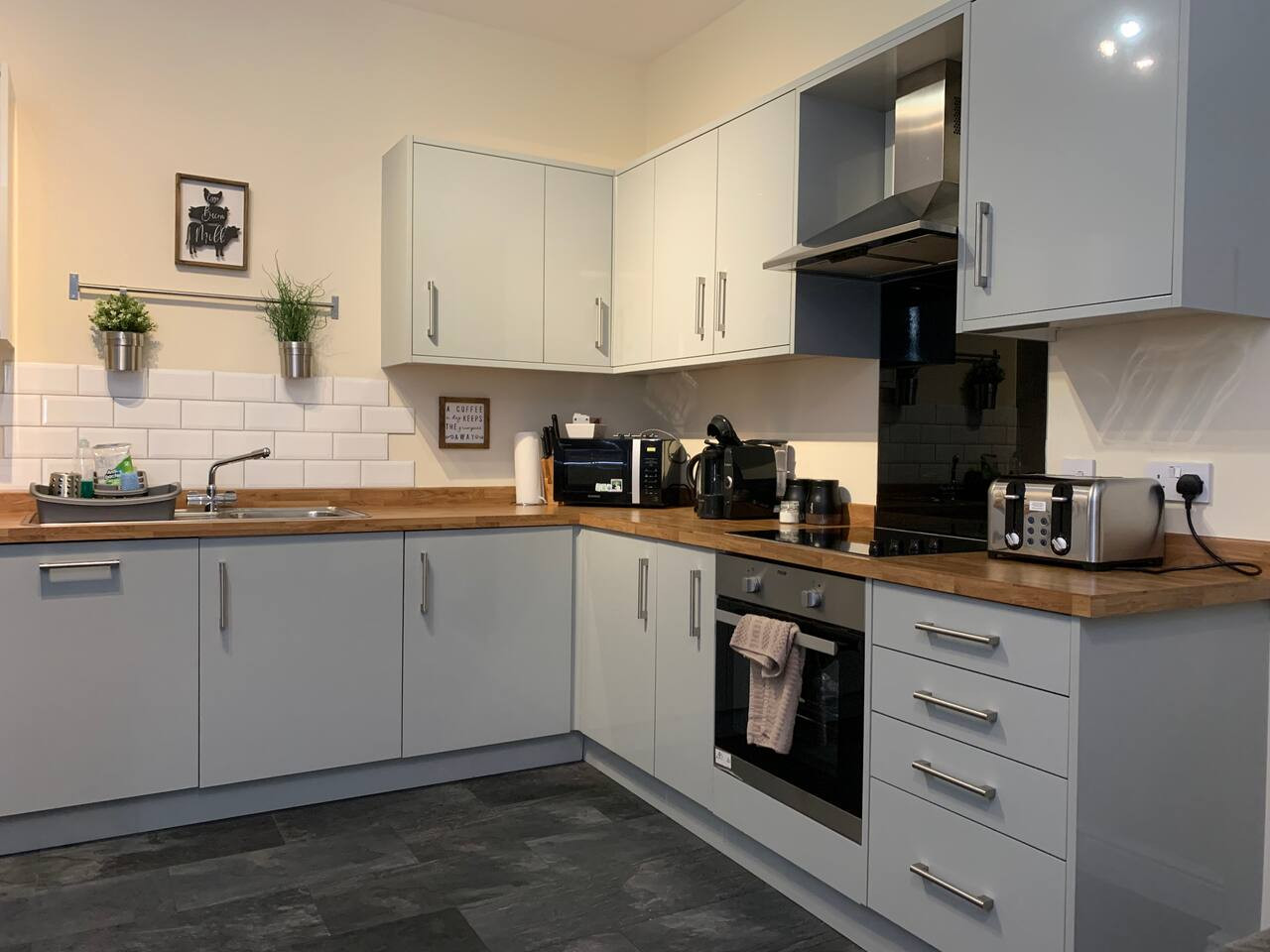
Leek
The Moorlands Suite - 1 Bed Apartment
- Sleeps 4
- 1 bedroom
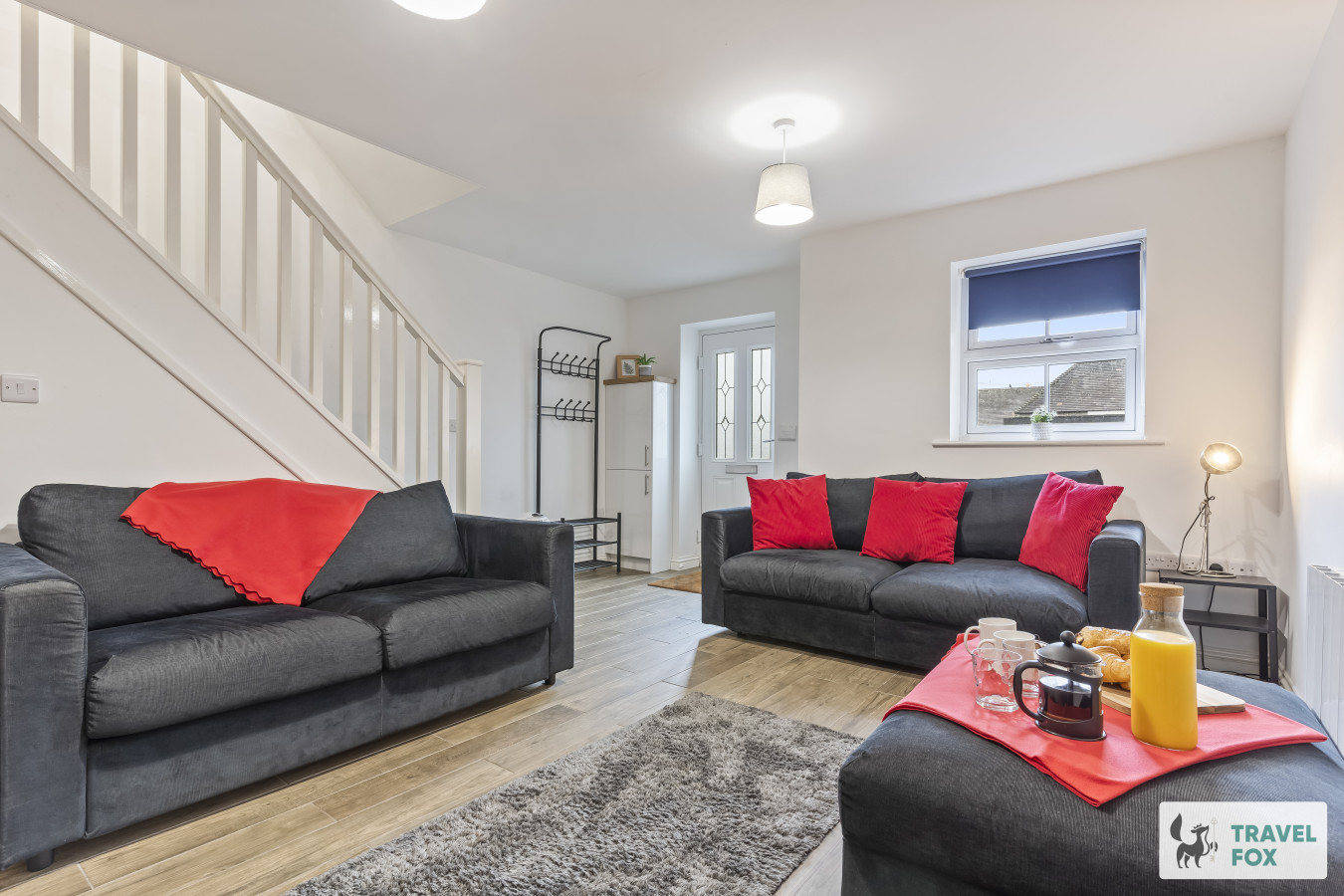
Leek
Amy's House: 20mins Alton Towers
- Sleeps 6
- 2 bedrooms
For homeowners
Own a holiday home near Monyash?
We manage holiday lets across the Peak District from 12% commission, charged after cleaning costs, with no lock-in. A co-founder visits before you decide.
Holiday let management in the Peak District →
A guide with a point of view
Written from research. Edited for real journeys.
Use the Official site links for live practical details, then use this guide for context, ideas and room to explore.
Sources
Every place on this page is checked against a published source. Each entry links the record we used and names who publishes it.
- The Bull's Head — monyash.info other published source
- The Old Smithy — oldsmithymonyash.com operator, sector body or destination organisation
- St Leonard's Church — historicengland.org.uk statutory register or public authority record not machine-readable; publisher restricts automated access
- Fere Mere — monyash.info other published source
- Arbor Low Stone Circle and Henge — english-heritage.org.uk national body or asset manager
- Lathkill Dale Short Circular Walk — Peak District Walks other published source
- Monyash, Arbor Low and Lathkill Dale Circular — Sheffield Walking Group operator, sector body or destination organisation