
Staffordshire Moorlands
Onecote
A small Hamps Valley village with a river running through its pub garden, high moorland at the door and family days out close by.
- Best for
- Pub lunches and moorland walks
- Give it
- A relaxed half day
- Don't miss
- The River Hamps in the pub garden
The Fox verdict
Come for a compact village with a surprisingly big horizon
Onecote puts a restored country pub, an 18th-century church and open moorland walking within one small village, then adds wildlife and waterside choices nearby.
This is a place for choosing a few strong stops rather than chasing a long checklist: walk up towards Morridge, look closely inside St Luke's if it is open and finish beside the River Hamps at the Jervis Arms.
Where to go
Places in Onecote
Every place below is checked against a published source, listed with what it is and how long to give it.
Local signatures
3 placesThe Jervis Arms
A family-run 17th-century village pub serving home-cooked food and daily specials, with dogs welcome in the bar and lounge and the River Hamps flowing through the beer garden.
- Visit length
- Editorial estimate: Allow around 1 hour 15 minutes
- Locality
- Onecote
Peak Wildlife Park
A family wildlife park with polar bears and penguins, close enough to pair with a shorter village stop.
- Visit length
- Editorial estimate: Allow around 2 hours 30 minutes
- Locality
- Winkhill
Manifold Way
A level, surfaced walking and cycling trail that is suitable for wheelchairs and prams, offering a gentler alternative to the high moor.
- Visit length
- Editorial estimate: Allow around 1 hour 30 minutes
- Locality
- Manifold Valley
Walks & outdoors
1 placeMerryton Low and Morridge Walk
A typical eight-mile circuit from the village climbs towards Morridge, with Merryton Low's 489-metre trig point and Bronze Age barrow as the high-moor landmarks.
- Visit length
- Editorial estimate: Allow around 3 hours
- Locality
- Morridge and Merryton Low
History & heritage
2 placesChurch of St Luke
An ashlar church built in the earlier 1750s, with a George II coat of arms, an 18th-century pulpit and a painted Commandment Board depicting Moses, Aaron and Joshua.
- Visit length
- Editorial estimate: Allow around 35 minutes
- Locality
- Onecote
Churnet Valley Railway
A heritage steam railway at Kingsley & Froghall, adding a substantial historic outing to a village-focused day.
- Visit length
- Editorial estimate: Allow around 2 hours
- Locality
- Kingsley & Froghall
Things to do
1 placeTittesworth Water
A nearby reservoir stop with a visitor centre, café and children's play area, useful for an easy family outing.
- Visit length
- Editorial estimate: Allow around 1 hour 30 minutes
- Locality
- Meerbrook
No places match this filter. Choose All places to reset the list.
Three ways to explore Onecote
Signature outings
Gain the Morridge skyline
Take the village track towards the high moorland road, with Merryton Low's trig point and Bronze Age barrow as the high-country draw.
Read the church interior
If St Luke's is open, look for its dated pulpit, George II coat of arms and painted Commandment Board from the church's earliest years.
Pair water with play
Use Tittesworth Water for a gentler nearby stop built around the reservoir, visitor centre, café and children's play area.
The village story
A river, a ridge and a village with long memories
The original Travel Fox story moves from the Jervis Arms and village practicalities to St Luke's, Onecote's literary thread and the open moorland above.
A river through the pub garden
The River Hamps runs through the beer garden of the Jervis Arms, which you now reach from the car park over a new wooden footbridge. It tells you where you are: a moorland village where the pub garden has a river in it and someone had to build a bridge to get a drink there.
The pub is 17th-century and family-run, and for a while it was neither open nor certain to reopen. It closed through the Covid lockdowns and then through staffing shortages, and stayed shut until Richard and Kirsten took the keys in March 2024. They spent four months on a major refurbishment and opened the doors again that July.
The kitchen does home-cooked food with daily specials. Starters run to pressed ham hock at £7.95 and handmade duck spring rolls at £9.50. The mains include a mixed bean cottage pie, a pork belly special, roast rump of lamb, and the "Jervis Proper Pie" of chicken, ham and leek. Friday is fish and chips. Moorlands Eater called the dishes "generously portioned" with "great flavours — the sort of thing I want to eat in a pub on a chilly autumn evening."
Ale and the admiral
There are five hand pumps, J.W. Lees Bitter among them at £4.60 a pint, and the place took CAMRA's Staffordshire Moorlands Pub of the Season in spring 2019. Dogs are welcome in the bar and lounge. A 70-seat dining room at the rear can be hired out.
The pub is named after Admiral John Jervis, Earl St Vincent, born a few miles away at Meaford in 1734.
Practicalities and St Luke's
There is no shop, no butcher, no farm shop. For those you go to Leek, about four miles down the B5053. The bus is a bookable, demand-responsive service covering Leek, Ashbourne and Buxton, with no fixed timetable — which is another way of saying you'll want a car.
The Church of St Luke is a listed building put up in the earlier 1750s, ashlar-built and paid for by public subscription. Inside there is a pulpit with a tester dated 1753–5, a George II Coat of Arms of 1754, and a painted Commandment Board from 1755 showing Moses, Aaron and Joshua. The parish registers begin the same year.
Anecote and the Bleak House link
Onecote is not in the Domesday Book. The name first turns up in 1199 as "Anecote," which the record has as "a hut or cottage on its own." The settlement grew up afterwards, where the Hamps meets the Westbrook.
The village has one literary claim. A Leek solicitor, William Challinor, drew on a real local inheritance dispute — rooted in the 1816 will of Thomas Cook of Lane Ends Farm — for an 1849 pamphlet on the failings of the Court of Chancery, which he sent to Charles Dickens. Dickens acknowledged him when Bleak House came out in book form.
Morridge, the hall and polar bears
The walking starts at the door. The track climbs to the high moorland road of Morridge, and a typical circuit runs about eight miles past Upper Green Farm and Mixon. Merryton Low, to the north, has a trig point at 1,604 feet and a Bronze Age barrow.
The schoolhouse of 1870 is now the village hall. The census counted 220 people in 2011, scattered across a parish seven miles long. About 2.2 miles from Onecote in a straight line, at Peak Wildlife Park, there are polar bears.
Stay around Peak District
Make a longer stay of it
Travel Fox holiday homes around Peak District, linked directly to their property pages.
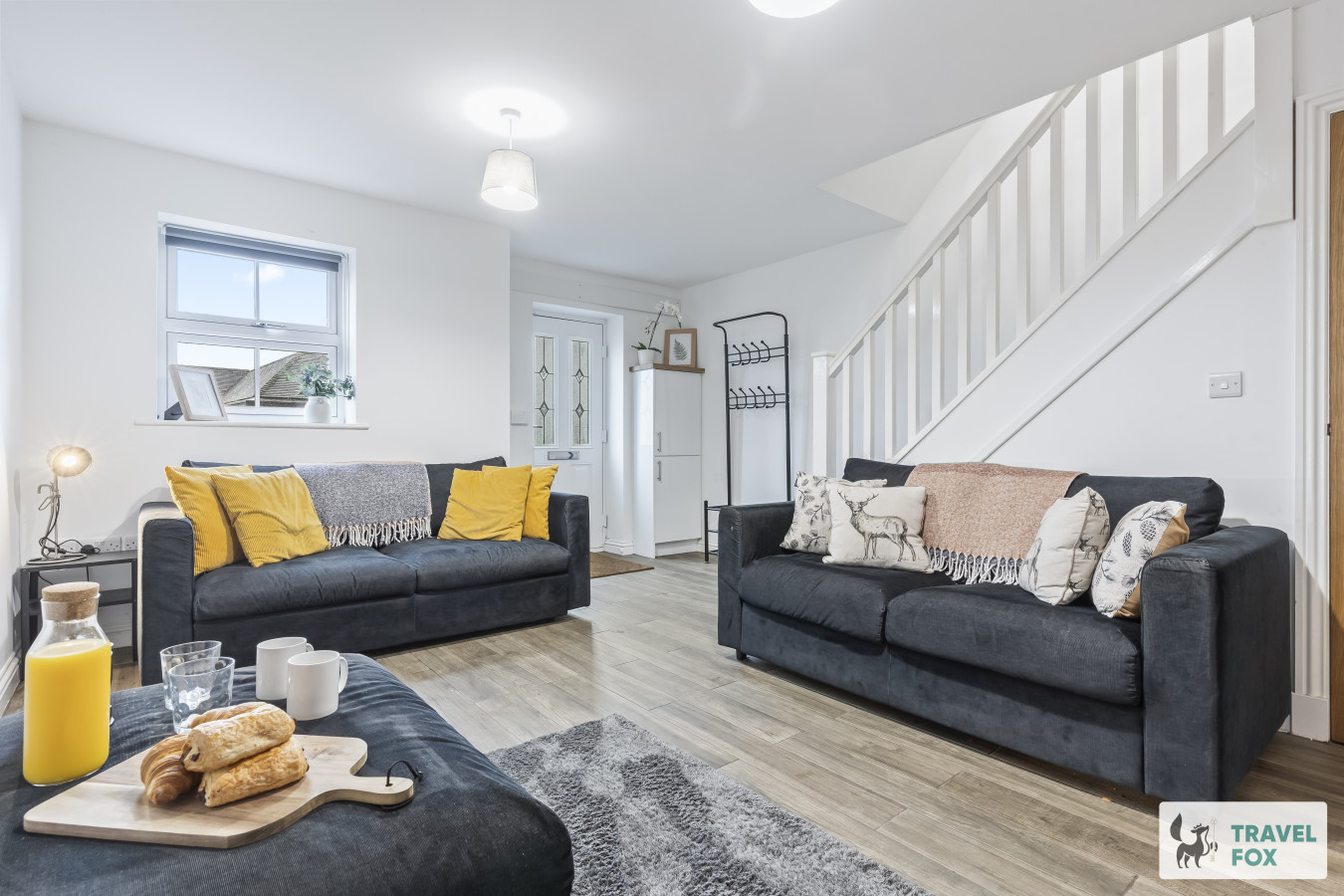
Leek
Lisa's House Leek: 20mins Alton Towers
- Sleeps 6
- 2 bedrooms
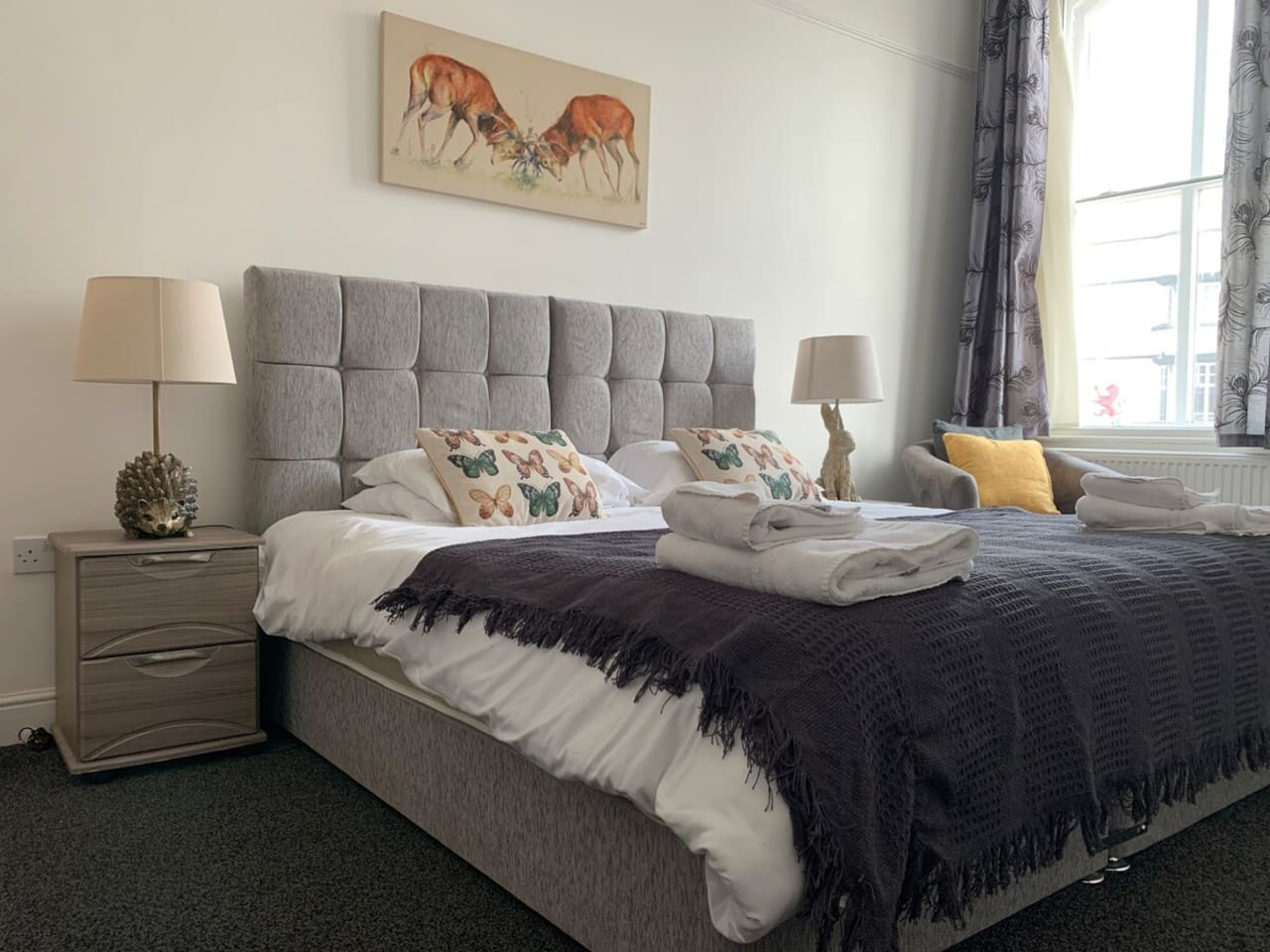
Leek
The Rudyard Suite - Large 1 Bed Apartment
- Sleeps 5
- 1 bedroom
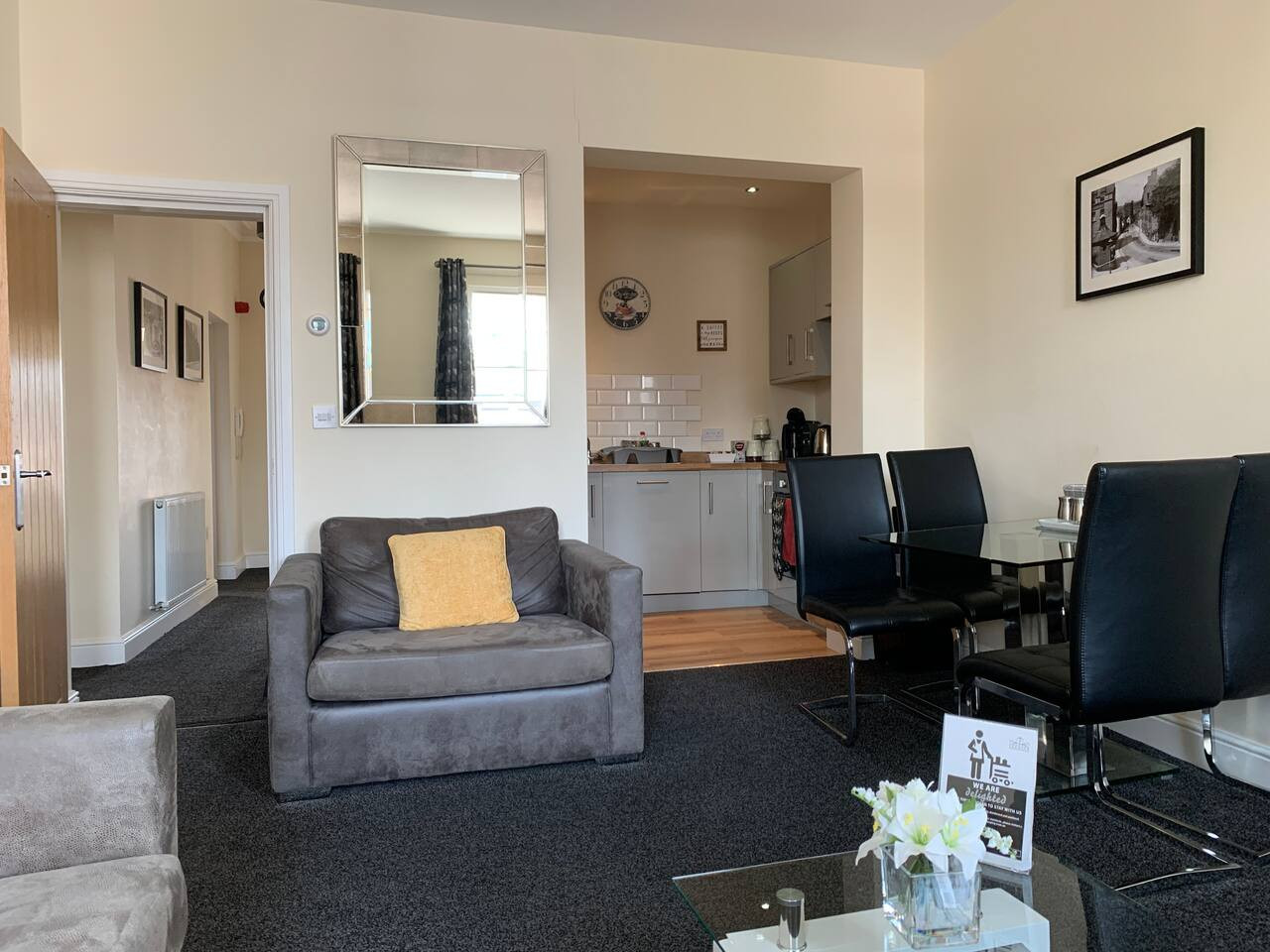
Leek
The Roaches Suite - Large 2 Bedroom Apartment
- Sleeps 7
- 2 bedrooms
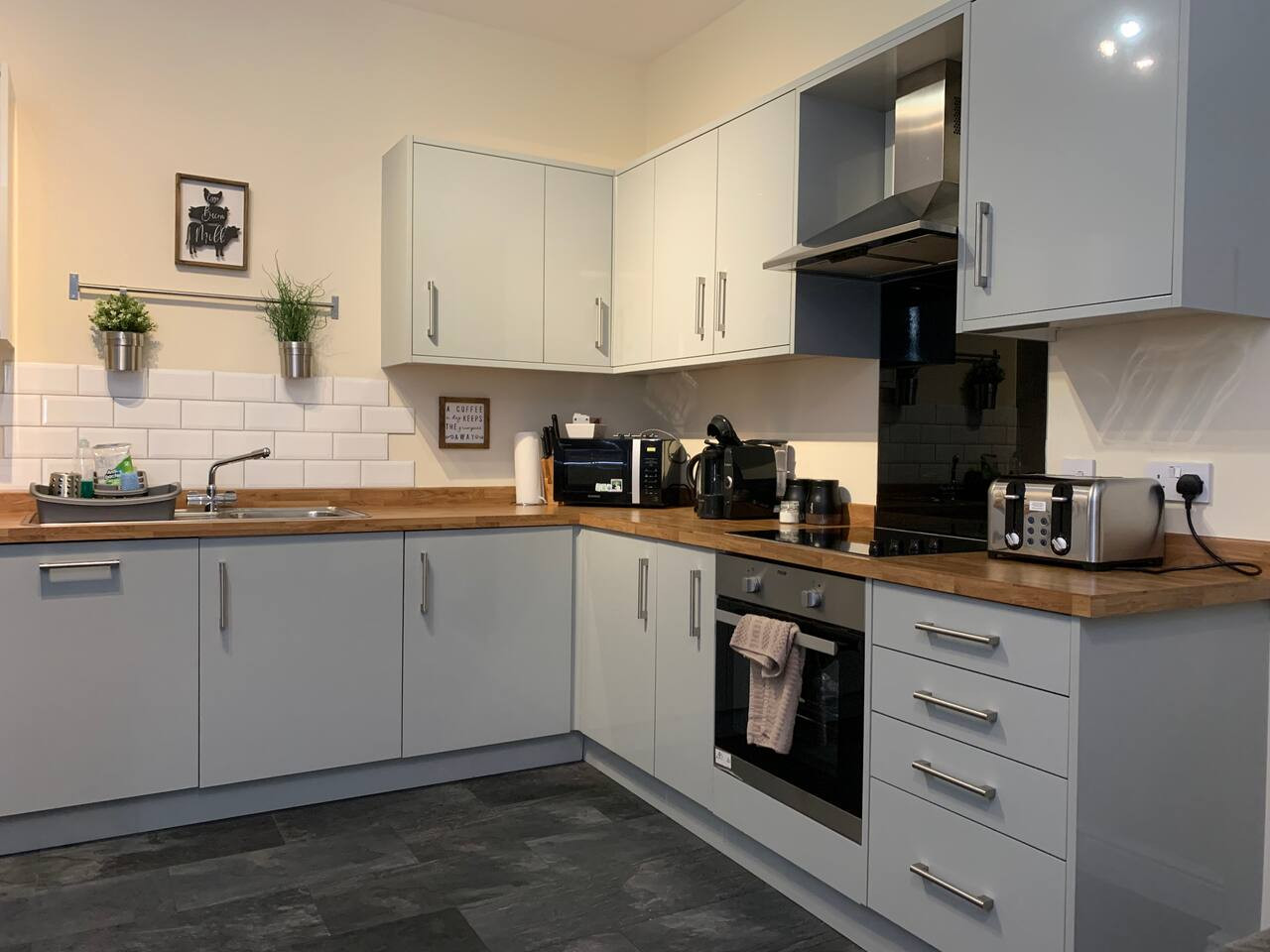
Leek
The Moorlands Suite - 1 Bed Apartment
- Sleeps 4
- 1 bedroom
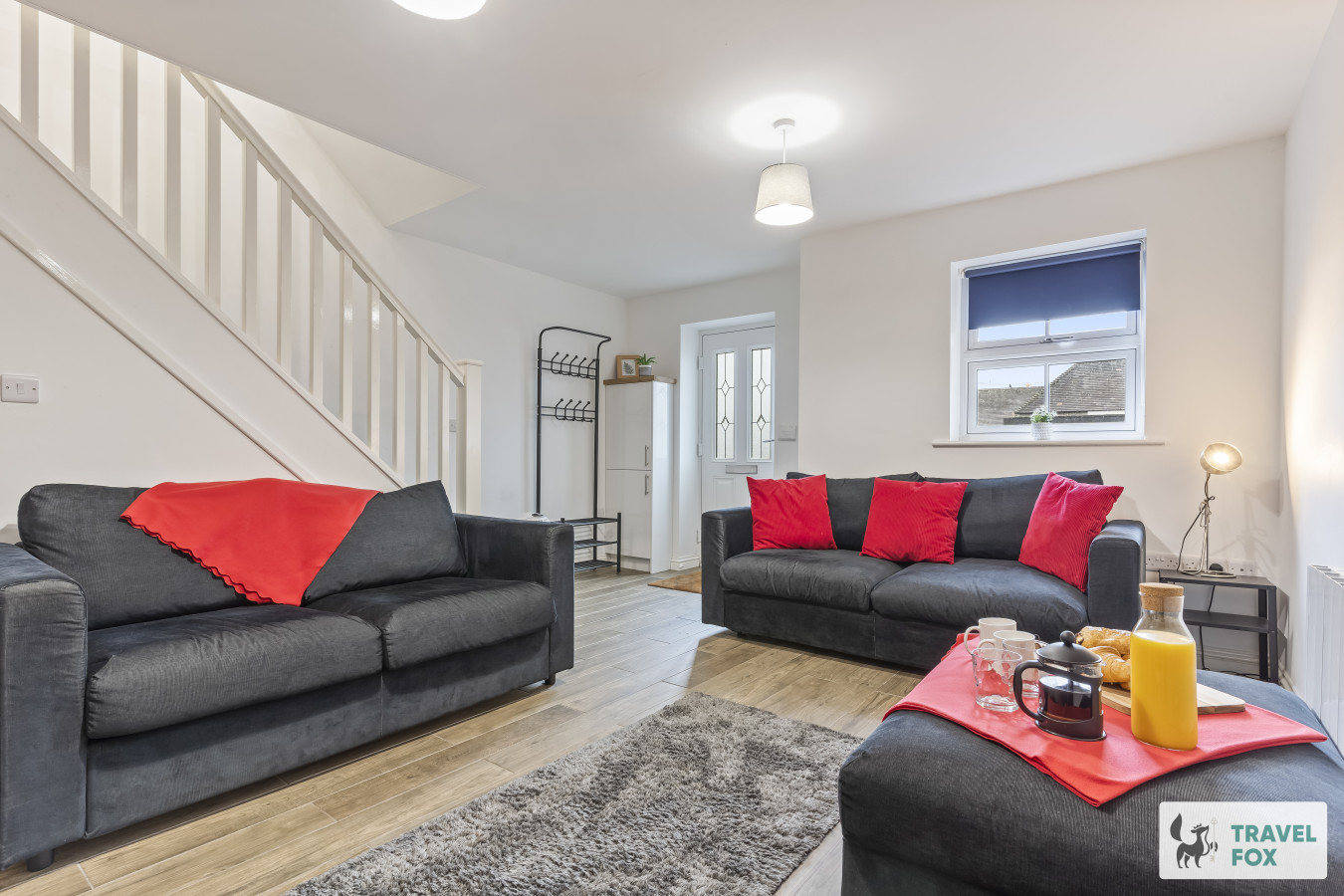
Leek
Amy's House: 20mins Alton Towers
- Sleeps 6
- 2 bedrooms
For homeowners
Own a holiday home near Onecote?
We manage holiday lets across the Peak District from 12% commission, charged after cleaning costs, with no lock-in. A co-founder visits before you decide.
Holiday let management in the Peak District →
A guide with a point of view
Written from research. Edited for real journeys.
Use the Official site links for live practical details, then use this guide for context, ideas and room to explore.
Sources
Every place on this page is checked against a published source. Each entry links the record we used and names who publishes it.
- The Jervis Arms — jervisarms.com operator, sector body or destination organisation
- Church of St Luke — historicengland.org.uk statutory register or public authority record not machine-readable; publisher restricts automated access
- Merryton Low and Morridge Walk — historicengland.org.uk statutory register or public authority record not machine-readable; publisher restricts automated access
- Peak Wildlife Park — peakwildlifepark.co.uk operator, sector body or destination organisation
- Tittesworth Water — stwater.co.uk operator, sector body or destination organisation
- Manifold Way — peakdistrict.gov.uk statutory register or public authority record not machine-readable; publisher restricts automated access
- Churnet Valley Railway — churnetvalleyrailway.co.uk operator, sector body or destination organisation record not machine-readable; publisher restricts automated access