
White Peak village
Parwich
A limestone village gathered around an open green and stream, with walking routes through the parish and nearby countryside.
- Best for
- Walking and village history
- Give it
- A village visit or a longer trail day
- Don't miss
- The Norman doorway at St Peter's Church
The Fox verdict
A White Peak base for village history and walking
Parwich brings together a village pub and shop, medieval church fabric and several routes through the limestone landscape.
The Sycamore Inn serves home-cooked food and houses the village shop, while St Peter's Church retains a Norman doorway, carved tympanum and chancel arch. Nearby walking ranges from the traffic-free Tissington Trail to the archaeological landscape of Roystone Grange, with Dovedale and Carsington Water offering further options.
Where to go
Places in Parwich
Every place below is checked against a published source, listed with what it is and how long to give it.
Local signatures
3 placesThe Sycamore Inn
A traditional country pub serving home-cooked food and cask ales, with the village shop inside.
- Visit length
- Editorial estimate: Allow around 75 minutes
- Locality
- heart of the village
St Peter's Church
A Grade II* church rebuilt in the 1870s, incorporating a Norman doorway, carved tympanum and chancel arch. Three coffin lids are set into the tower's south wall.
- Visit length
- Editorial estimate: Allow around 40 minutes
- Locality
- Parwich
Tissington Trail
A 13-mile traffic-free route from Ashbourne to Parsley Hay along the former Buxton–Ashbourne railway, which ceased operating for the most part by 1967. The trail opened in 1971.
- Visit length
- Editorial estimate: Allow around 120 minutes
- Locality
- near the village
Walks & outdoors
2 placesDovedale
An iconic Peak District dale for walking, known for its stepping stones and Thorpe Cloud.
- Visit length
- Editorial estimate: Allow around 120 minutes
- Locality
- a few miles west
Carsington Water
A nearby reservoir for walking, cycling, birdwatching, sailing and watersports.
- Visit length
- Editorial estimate: Allow around 120 minutes
- Locality
- nearby reservoir
History & heritage
1 placeRoystone Grange Trail
A nearby archaeological landscape with a Bronze Age bowl barrow, Romano-British farmsteads and a medieval Cistercian grange excavated by Sheffield University.
- Visit length
- Editorial estimate: Allow around 90 minutes
- Locality
- nearby archaeological landscape
No places match this filter. Choose All places to reset the list.
Three ways to explore Parwich
Signature outings
Find the Norman doorway
At St Peter's Church, look for the retained Norman doorway, carved tympanum and chancel arch.
Take the stepping stones
Walk in Dovedale for its stepping stones and views of Thorpe Cloud.
Walk, cycle or birdwatch
Carsington Water combines reservoir walking, cycling and birdwatching with sailing and watersports.
The village story
Parwich Village Guide
A White Peak village of pub life, long-distance paths, Norman stonework and an enduring procession.
The pub, shop and kitchen
The Sycamore Inn contains Parwich's village shop. After the previous shop closed in 2008, the pub's licensee set up a replacement with local support. You can pick up everyday essentials alongside a pint of cask ale.
The kitchen serves home-cooked food alongside cask ales, making the inn a place to pause after a walk.
Village life around the green
Well-behaved dogs are welcome indoors and out. There is a beer garden and a sheltered rear terrace, plus darts, quiz nights and live music. The pub's phone number is 01335 390212.
Parwich gathers around an open green and brook, with stone houses, fields and hills beyond. It lies in White Peak country about seven miles north of Ashbourne.
Walking routes and arrival
The walking is the main reason to be here. The Tissington Trail follows a disused railway for thirteen traffic-free miles between Ashbourne and Parsley Hay; the Ashbourne–Buxton line ceased operating for the most part by 1967, and the trail opened in 1971. You can join it near the village. The Limestone Way crosses the parish west to east, and the Peak District Boundary Walk runs through north to south. For a shorter loop, a four-mile circuit visits Tissington via the Bletch Valley and Tissington Trail, then returns through the valley by a different route. Dovedale, with its stepping stones and Thorpe Cloud, is a few miles west.
Parwich sits about a mile from the B5056, reached by a lane from the east. The publicly accessible Nethergreen car park lies on that approach. There is no railway station in the village.
Church fabric and medieval record
St Peter's Church was rebuilt in the 1870s and opened in October 1873. The new building incorporated the earlier church's Norman doorway, carved tympanum and chancel arch. Inside the tower, three coffin lids are set into its south wall.
Domesday Book recorded Parwich as Pevrewic, part of a royal manor, with six villagers, two smallholders and three ploughs. The manor later passed through the Earls of Derby and the Duchy of Lancaster to the Cokayne family. The Levinges subsequently acquired it and refaced Parwich Hall in brick in 1747.
Quarrels and procession
In the preparations for George V's coronation, the vicar, Claude Lewis, refused to let villagers use the school for celebrations. Some villagers burned an effigy of him in view of the church porch.
At Parwich Wakes, the Oddfellows carry banners and white wands through the village in an anniversary procession. The walk leads to a church service, with a meal afterward at the Memorial Hall.
Stay around Peak District
Make a longer stay of it
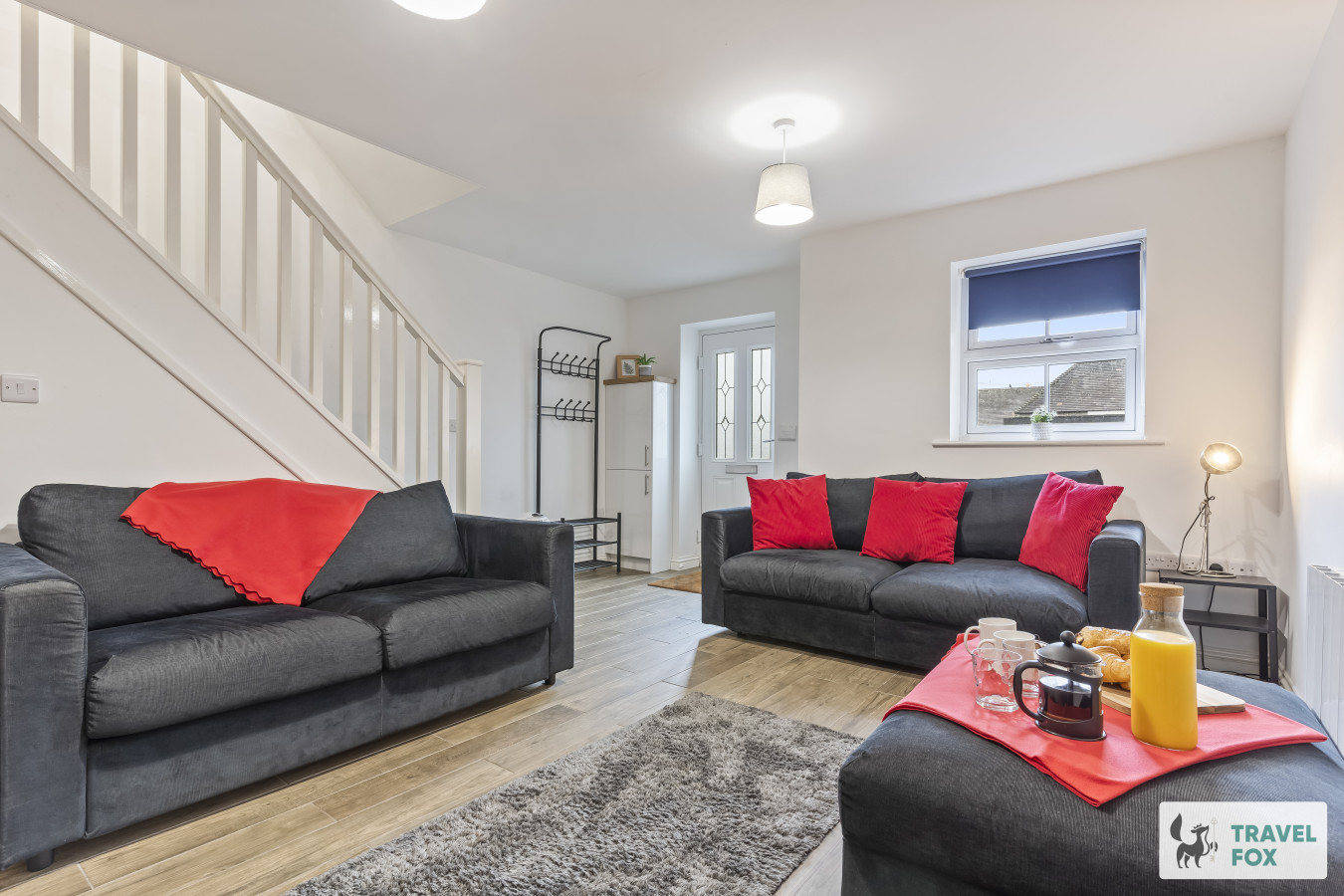
Travel Fox holiday homes around Peak District, linked directly to their property pages.
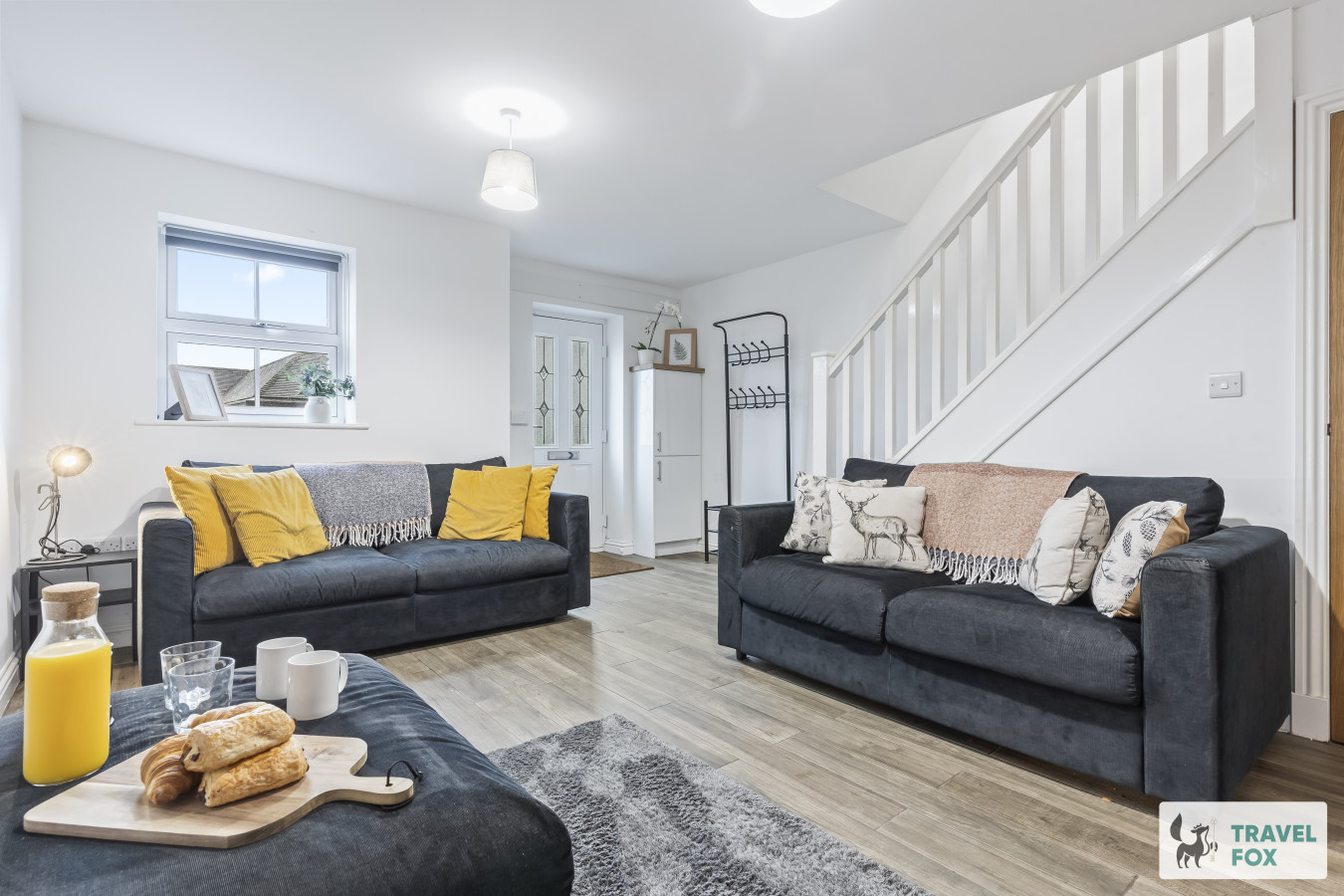
Leek
Lisa's House Leek: 20mins Alton Towers
- Sleeps 6
- 2 bedrooms
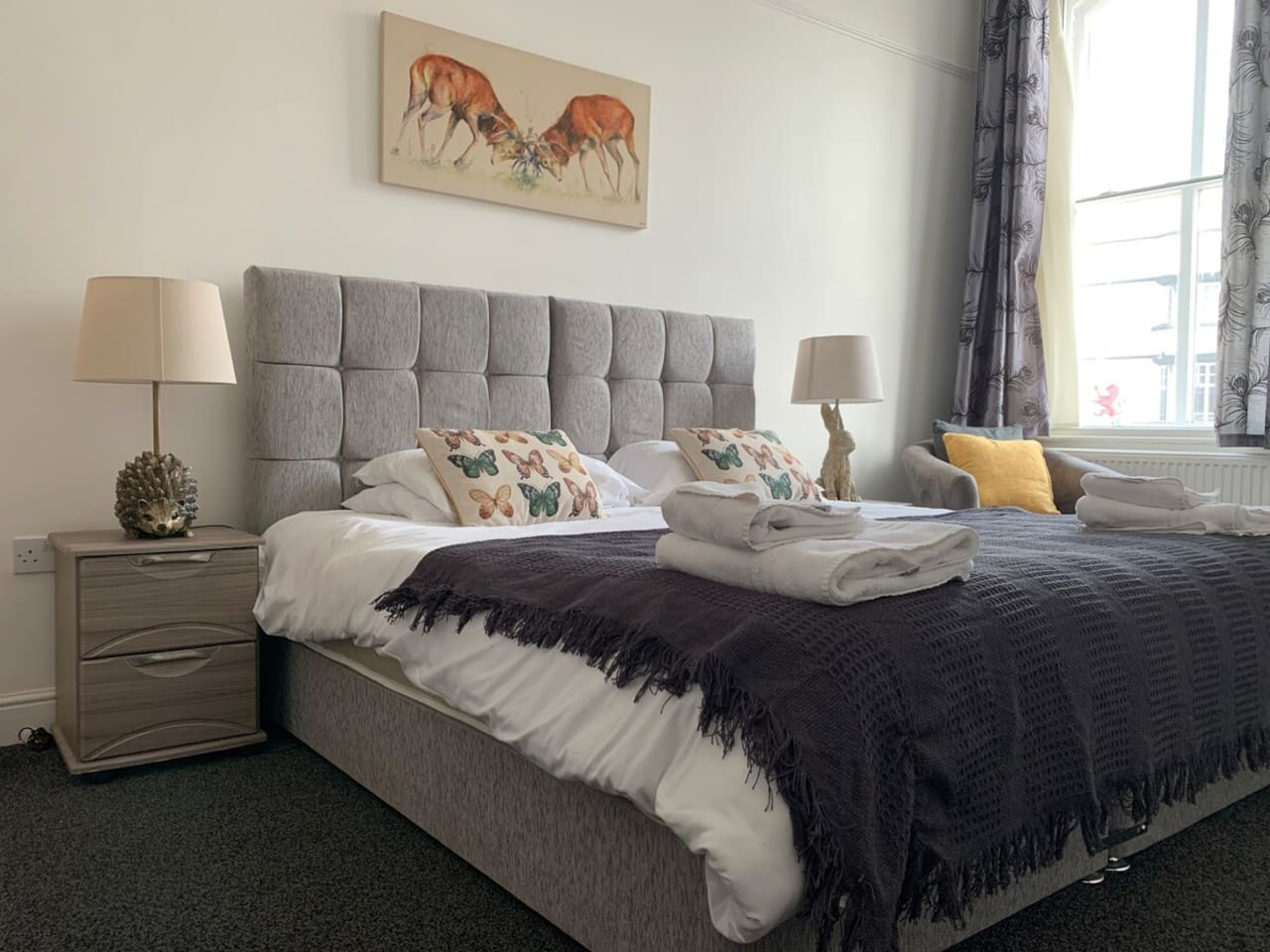
Leek
The Rudyard Suite - Large 1 Bed Apartment
- Sleeps 5
- 1 bedroom
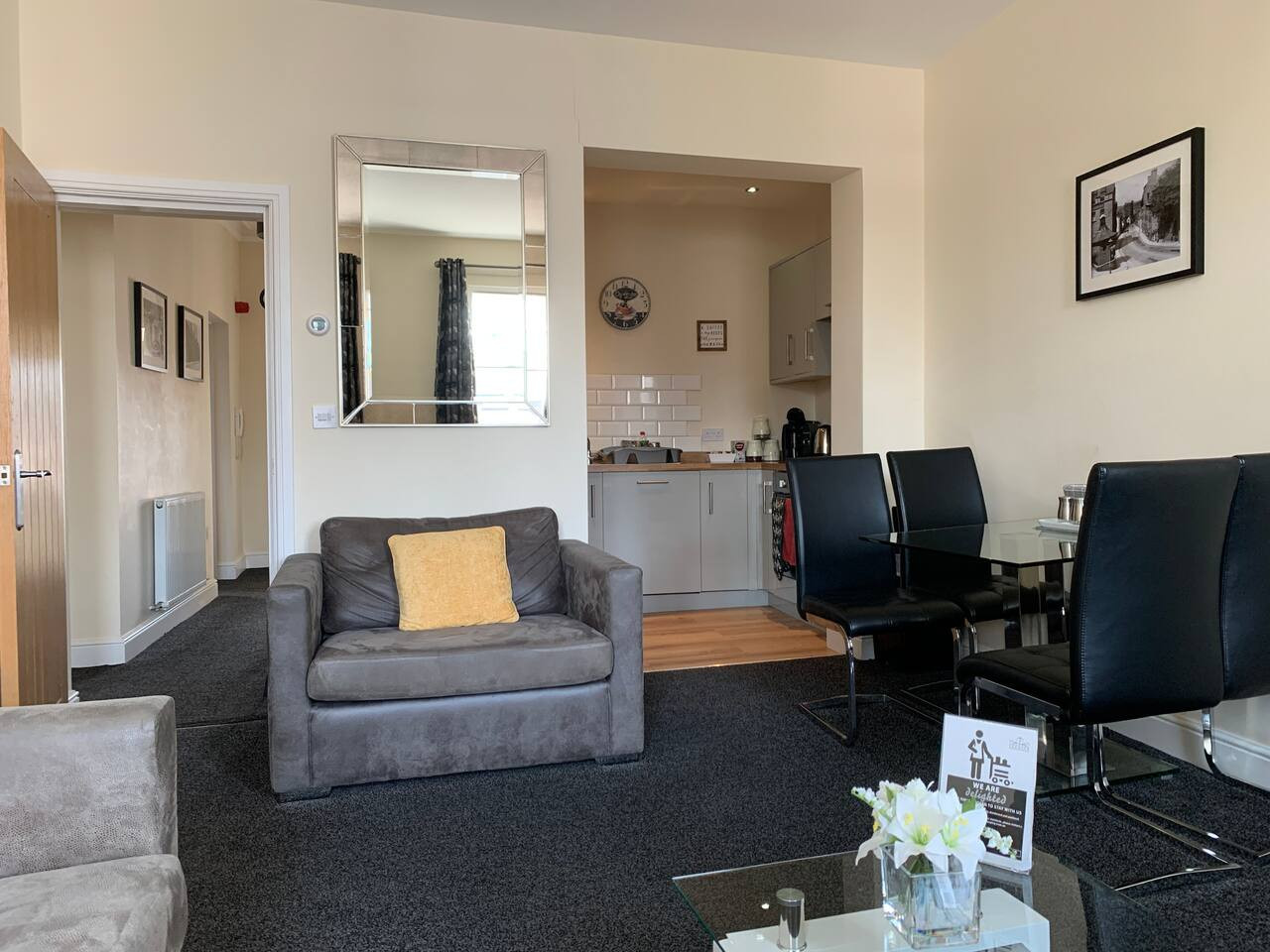
Leek
The Roaches Suite - Large 2 Bedroom Apartment
- Sleeps 7
- 2 bedrooms
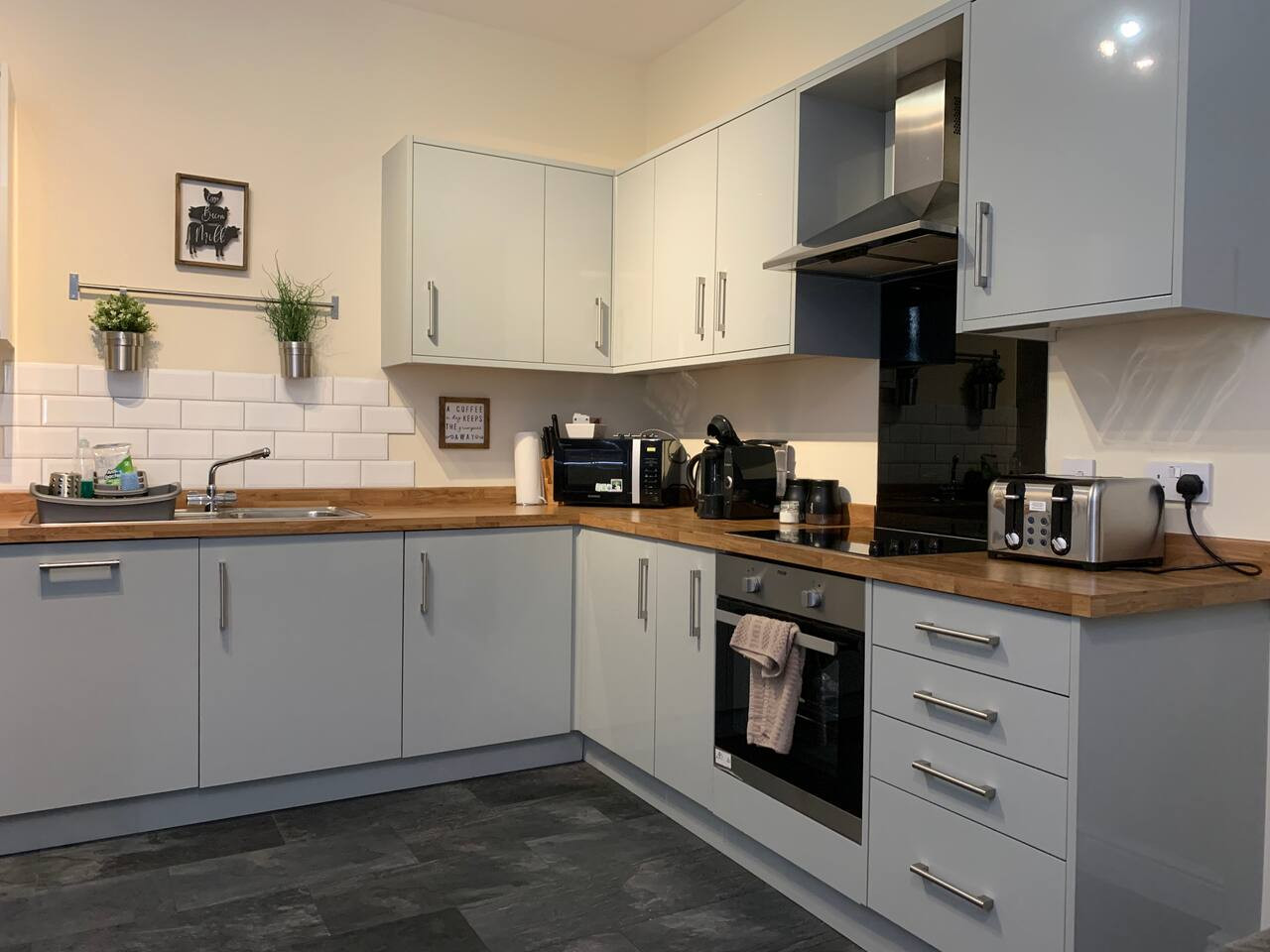
Leek
The Moorlands Suite - 1 Bed Apartment
- Sleeps 4
- 1 bedroom
Leek
Amy's House: 20mins Alton Towers
- Sleeps 6
- 2 bedrooms
For homeowners
Own a holiday home near Parwich?
We manage holiday lets across the Peak District from 12% commission, charged after cleaning costs, with no lock-in. A co-founder visits before you decide.
Holiday let management in the Peak District →
A guide with a point of view
Written from research. Edited for real journeys.
Use the Official site links for live practical details, then use this guide for context, ideas and room to explore.
Sources
Every place on this page is checked against a published source. Each entry links the record we used and names who publishes it.
- The Sycamore Inn — robinsonsbrewery.com operator, sector body or destination organisation
- St Peter's Church — historicengland.org.uk statutory register or public authority
- Tissington Trail — peakdistrict.gov.uk statutory register or public authority
- Roystone Grange Trail — historicengland.org.uk statutory register or public authority record not machine-readable; publisher restricts automated access
- Dovedale — nationaltrust.org.uk national body or asset manager
- Carsington Water — stwater.co.uk operator, sector body or destination organisation