
Between the Wye and the Derwent
Rowsley
A Peak District village of estate architecture, heritage rail and a walk to Stanton Moor.
- Best for
- Railway heritage, estate architecture and moorland walking
- Give it
- Three to four hours for the Stanton Moor circuit
- Don’t miss
- Nine Ladies Stone Circle and Peak Rail
The Fox verdict
Railway, estate and moorland history in one village
Rowsley links a former railway-station site with estate architecture and walks west to Stanton Moor.
The Wye flows into the Derwent here, while the village’s Manners-family buildings, old railway story and two contrasting inns give a visit several distinct threads. Peak Rail runs from nearby Rowsley South, and the moor circuit reaches the Bronze Age Nine Ladies Stone Circle.
Where to go
Places in Rowsley
Every place below is checked against a published source, listed with what it is and how long to give it.
Local signatures
3 placesPeak Village
A shopping and leisure outlet on the former station site, with branded and independent stores, cafés, free parking and a small nature reserve.
- Visit length
- Editorial estimate: allow around 60 minutes
- Locality
- On the former railway-station site
Peak Rail
A heritage steam railway offering family train rides from Rowsley South towards Matlock.
- Visit length
- Editorial estimate: allow around 90 minutes
- Locality
- Rowsley South
Haddon Hall
One of England’s best-preserved medieval and Tudor manor houses, associated with the Manners family.
- Visit length
- Editorial estimate: allow around 2 hours
- Locality
- Nether Haddon, near Rowsley
- Access
- Use Haddon Hall’s dedicated car park on the A6. The walk to the hall is about 366 metres and crosses the road.
Food & drink
2 placesThe Peacock at Rowsley
A Grade II* heritage inn built in 1652, now a Michelin Guide fine-dining hotel with seasonal menus and afternoon tea.
- Visit length
- Editorial estimate: allow around 90 minutes
- Locality
- Rowsley
The Grouse & Claret
An 18th-century country pub and hotel serving pub classics, burgers and steaks, with cask ales, a children’s menu and a beer garden.
- Visit length
- Editorial estimate: allow around 90 minutes
- Locality
- Rowsley
Walks & outdoors
1 placeRowsley–Stanton Moor–Nine Ladies Circuit
A 5.5-mile circuit from Rowsley climbing onto Stanton Moor and passing the Bronze Age Nine Ladies Stone Circle.
- Visit length
- Editorial estimate: allow around three to four hours for the 5.5-mile circuit
- Locality
- Stanton Moor
History & heritage
1 placeSt Katherine’s Church
A Grade II Neo-Norman church built in 1855 and extended in 1859; the chapel’s carved effigies bear an 1862 signature.
- Visit length
- Editorial estimate: allow around 45 minutes
- Locality
- Rowsley
No places match this filter. Choose All places to reset the list.
Three ways to explore Rowsley
Signature outings
The former station site
The former railway-station site now combines shops, cafés and a small nature reserve.
Nine Ladies Stone Circle
Approach paths cross fields and woodland with gates, stiles and uneven ground. There are no facilities at the stone circle.
The church’s Anglo-Saxon stone
St Katherine’s north aisle contains a mid-ninth-century Anglo-Saxon cross-head and an eighteenth-century charity tablet.
The village story
Rivers, Rails and Stanton Moor in Rowsley
Follow Rowsley’s rivers, inns, railway history, moorland and estate buildings.
The Peacock and the Grouse & Claret
The Peacock at Rowsley connects the village’s estate history with its rivers. Hotel residents and guided guests can arrange separate day tickets for fishing on the Haddon Estate’s Wye and Derwent waters. The Grade II* building dates from 1652, when it was built for John Stevenson, steward to Haddon Hall. It became a hotel in 1832 and now offers seasonal dining and afternoon tea.
For a more casual meal, the Grouse & Claret occupies an eighteenth-century building and serves classics such as burgers, steaks and homemade kebabs, alongside a children’s menu and cask ales. Dogs are welcome in the bar and beer garden.
Village links and railway legacy
Rowsley sits where the Wye flows into the Derwent, on the A6 between Matlock and Bakewell. Bakewell is three miles north, Matlock five miles south and the nearest railway station. The TransPeak and the TrentBarton Sixes both stop in the village, though a car helps.
Peak Village occupies Rowsley’s former station site, where an old station building survives among the shops. The Midland Railway reached Rowsley in 1849. Peak Rail preserves part of the railway story with heritage trains between nearby Rowsley South and Matlock.
Stanton Moor and St Katherine’s
The Rowsley–Stanton Moor–Nine Ladies circuit starts at a roadside pull-in by the Recreation Ground on the road to Stanton, then climbs west onto Stanton Moor. The 5.5-mile circuit passes the Bronze Age Nine Ladies Stone Circle. Despite its name, the circle contains ten stones, one lying flat.
St Katherine’s Church was built in 1855 in a Neo-Norman style and extended in 1859. Its north aisle holds an Anglo-Saxon cross-head, while the chapel contains a monument associated with the Manners family.
Domesday Rowsley and the Manners legacy
Rowsley appears in Bakewell’s Domesday entry, which covers several settlements. The household figure is therefore an estimate for the wider entry rather than a standalone count for Rowsley.
The Manners family shaped Rowsley as an estate village, providing the church, school, village hall, playing fields and other notable buildings. Their influence remains part of the village’s character alongside its rivers, railway history and moorland walks.
Stay around Peak District
Make a longer stay of it
Travel Fox holiday homes around Peak District, linked directly to their property pages.
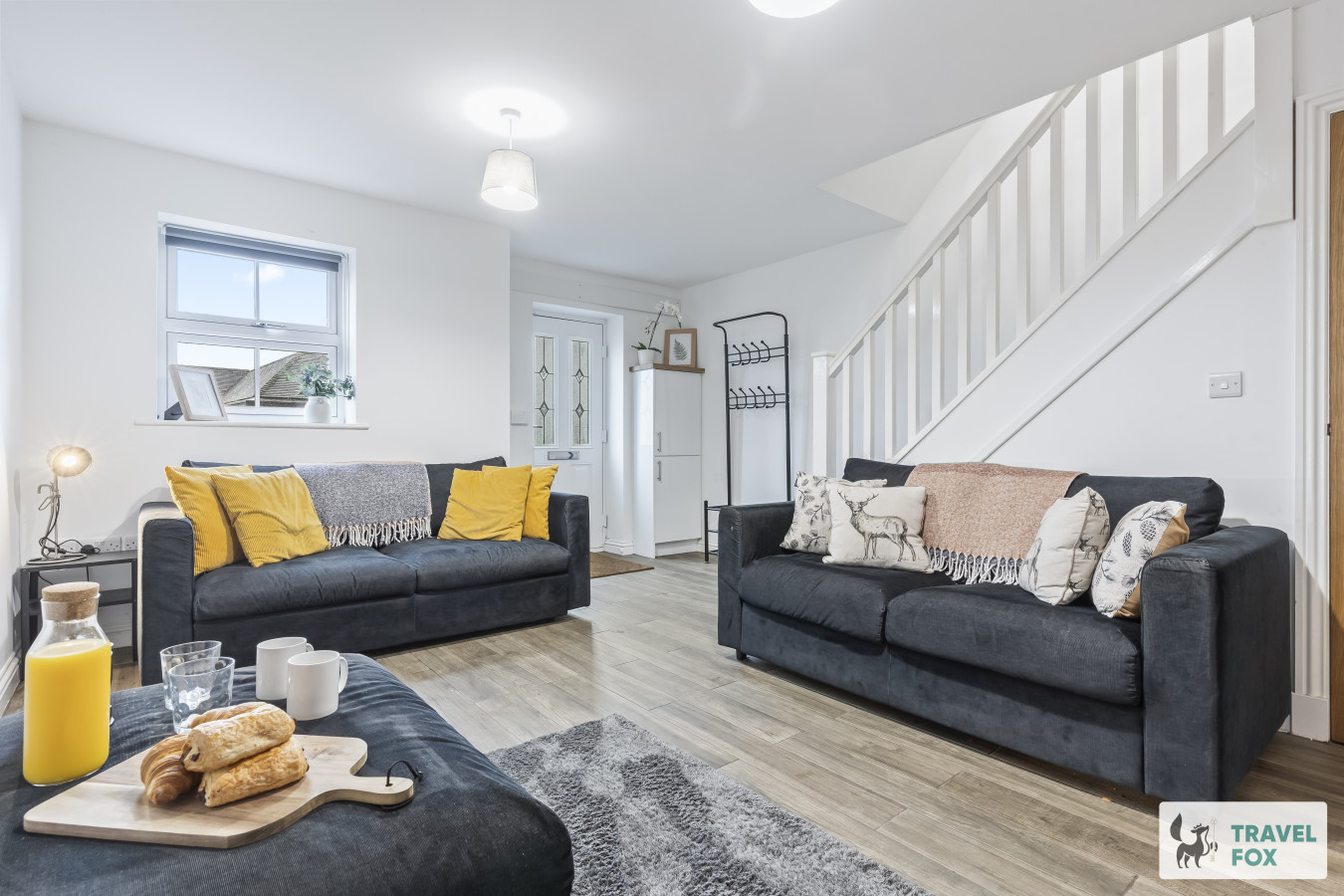
Leek
Lisa's House Leek: 20mins Alton Towers
- Sleeps 6
- 2 bedrooms
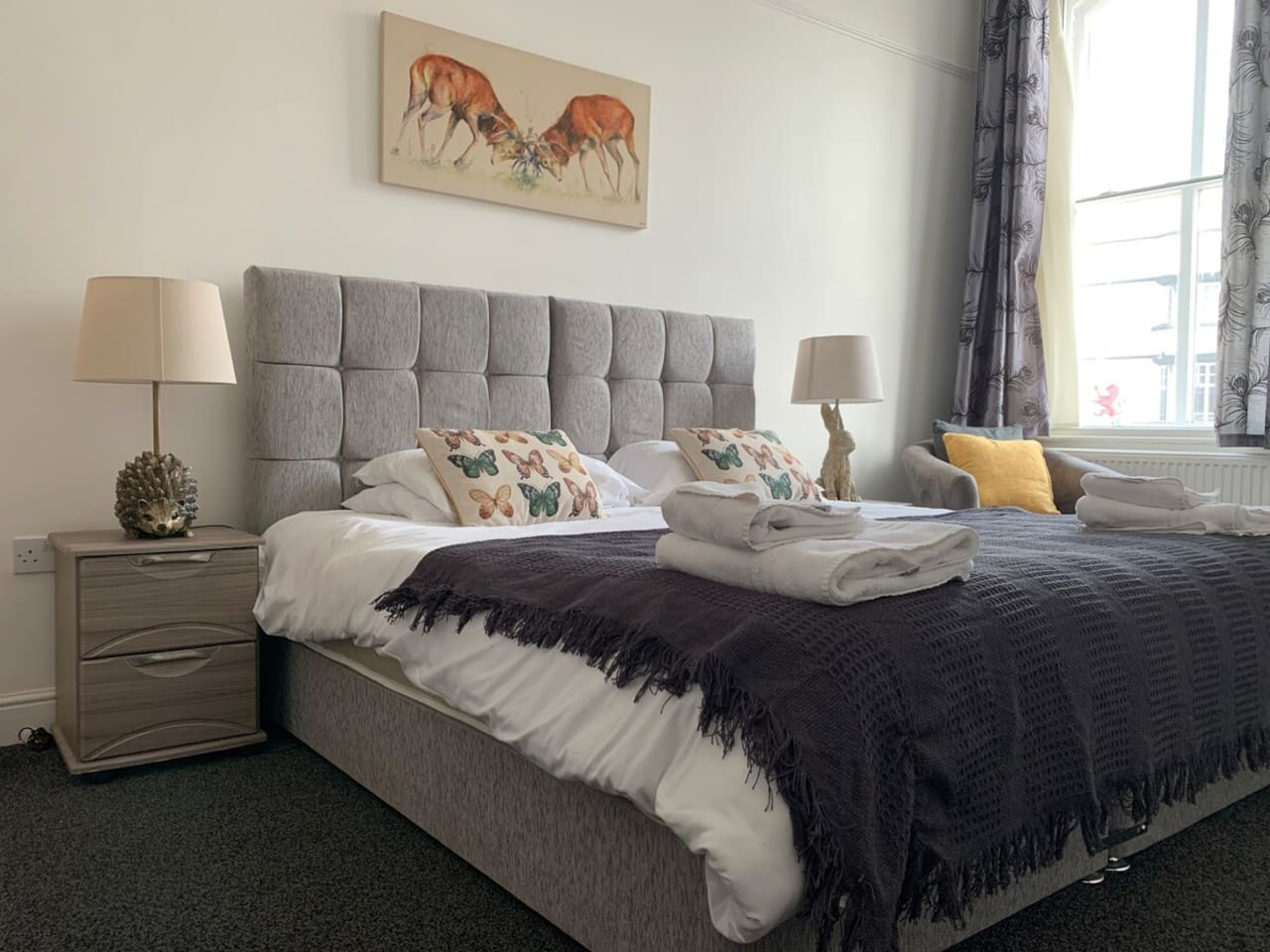
Leek
The Rudyard Suite - Large 1 Bed Apartment
- Sleeps 5
- 1 bedroom
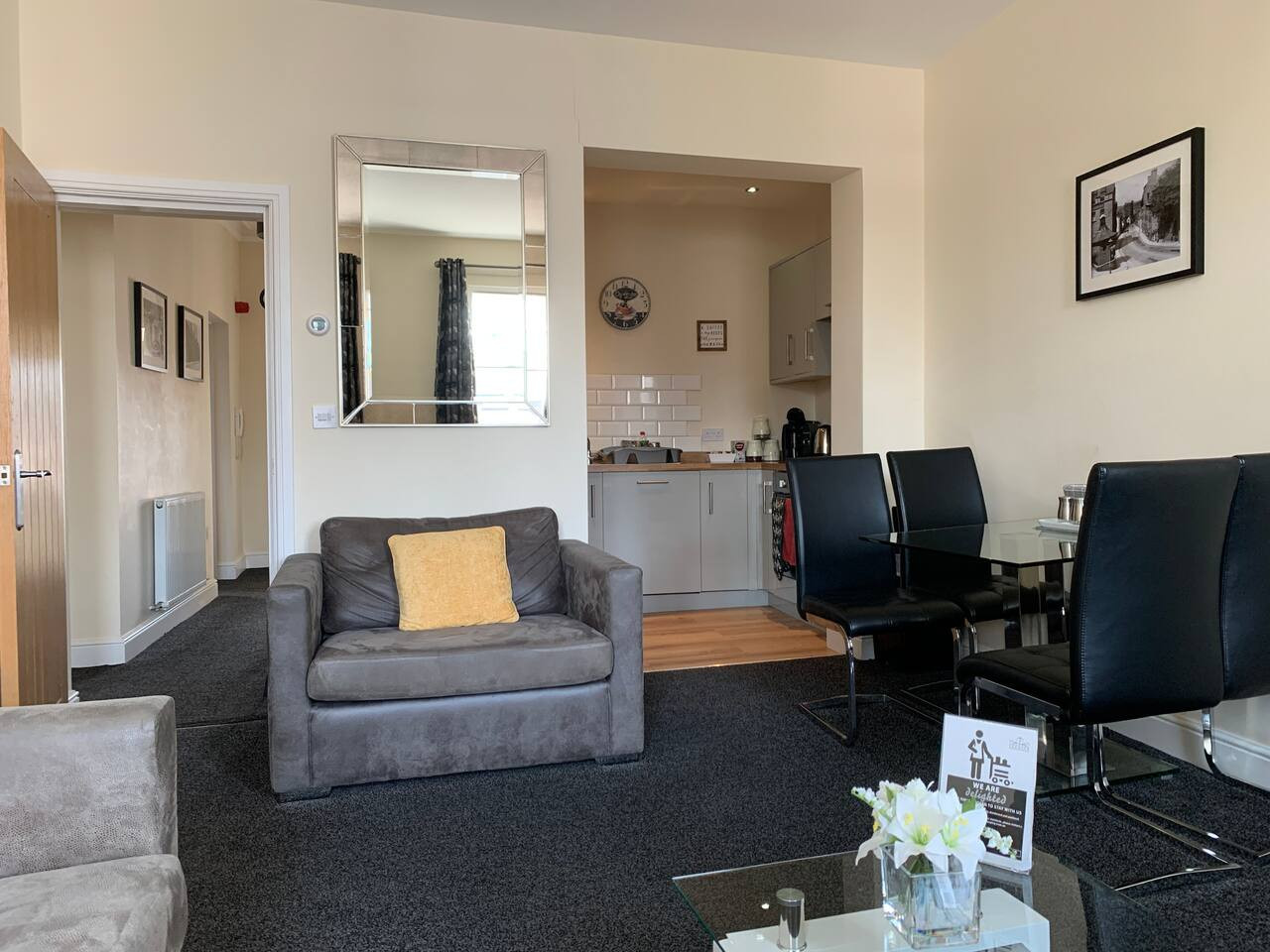
Leek
The Roaches Suite - Large 2 Bedroom Apartment
- Sleeps 7
- 2 bedrooms
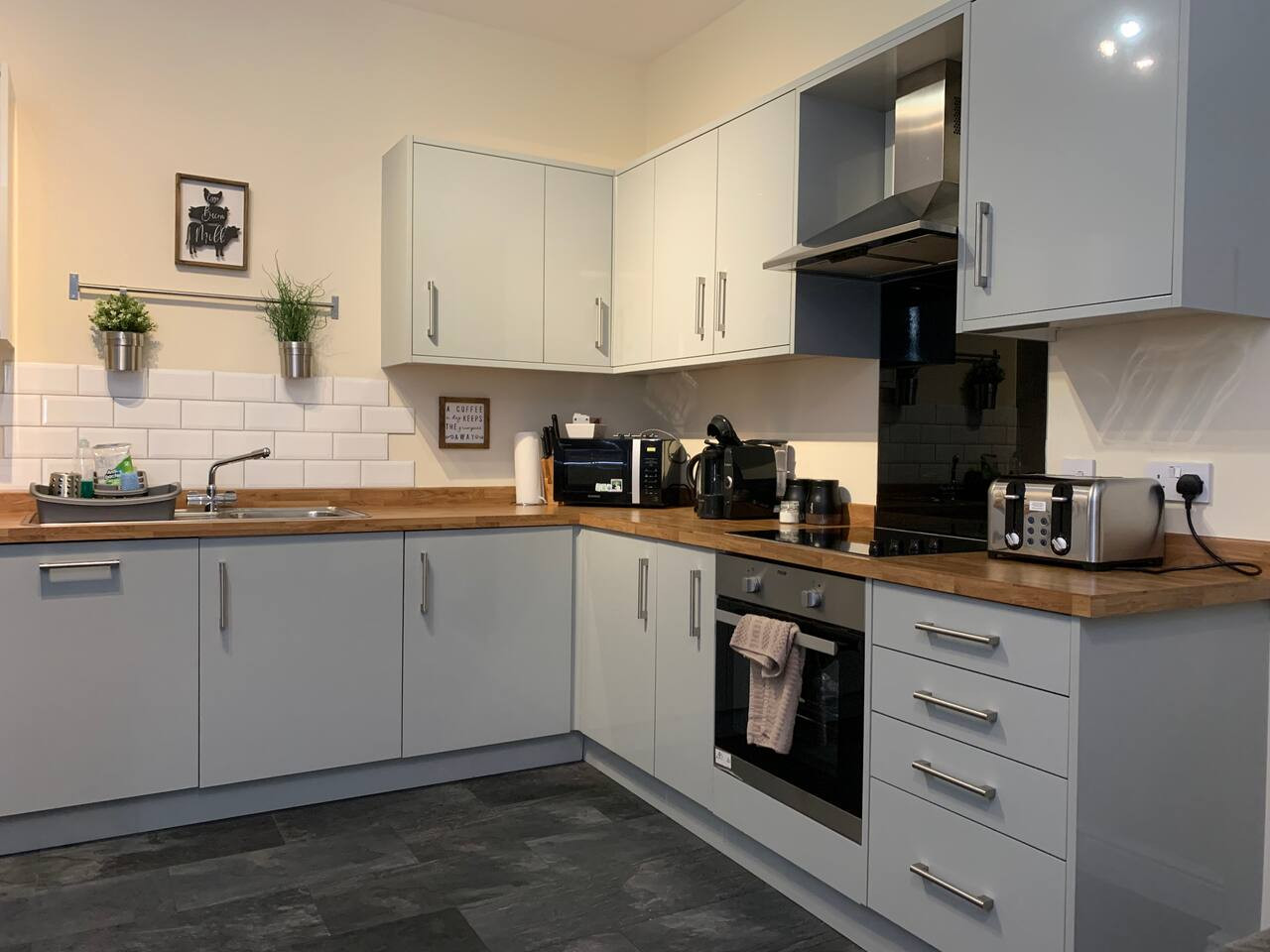
Leek
The Moorlands Suite - 1 Bed Apartment
- Sleeps 4
- 1 bedroom
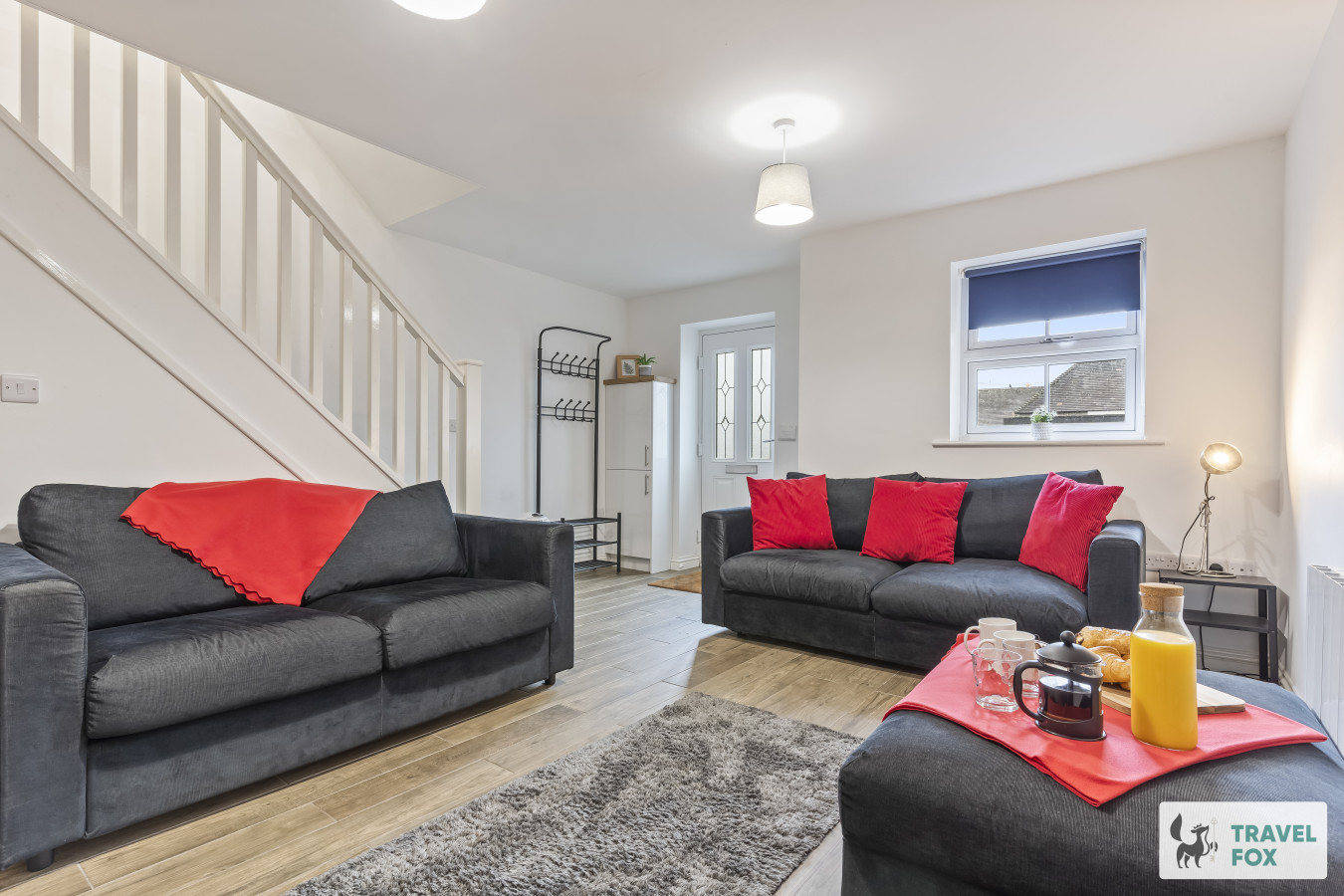
Leek
Amy's House: 20mins Alton Towers
- Sleeps 6
- 2 bedrooms
For homeowners
Own a holiday home near Rowsley?
We manage holiday lets across the Peak District from 12% commission, charged after cleaning costs, with no lock-in. A co-founder visits before you decide.
Holiday let management in the Peak District →
A guide with a point of view
Written from research. Edited for real journeys.
Use the Official site links for live practical details, then use this guide for context, ideas and room to explore.
Sources
Every place on this page is checked against a published source. Each entry links the record we used and names who publishes it.
- The Peacock at Rowsley — thepeacockatrowsley.com operator, sector body or destination organisation
- The Grouse & Claret — grouseclaretpub.co.uk operator, sector body or destination organisation
- Peak Village — peakvillage.co.uk operator, sector body or destination organisation
- St Katherine’s Church — historicengland.org.uk statutory register or public authority
- Rowsley–Stanton Moor–Nine Ladies Circuit — derbyshireandthepeakdistrict.co.uk operator, sector body or destination organisation
- Peak Rail — peakrail.co.uk operator, sector body or destination organisation
- Haddon Hall — haddonhall.co.uk operator, sector body or destination organisation