
Gritstone village below Stanton Moor
Stanton in Peak
Gritstone cottages, a historic country inn and a moorland circuit through prehistoric stones and a Reform Act tower.
- Best for
- Moorland walks, prehistoric monuments and a historic inn
- Give it
- A village-and-moor visit
- Don't miss
- The Nine Ladies and its outlying King Stone
The Fox verdict
A small village with a deep moorland story
Stanton in Peak pairs a gritstone village shaped by Stanton Hall with the prehistoric monuments of Stanton Moor.
The Flying Childers Inn is a village food stop, while Holy Trinity Church offers an exterior view of the Thornhill legacy. On Stanton Moor, a walking route links the Cork Stone, Earl Grey Tower and Nine Ladies.
Where to go
Places in Stanton in Peak
Every place below is checked against a published source, listed with what it is and how long to give it.
Local signatures
3 placesHoly Trinity Church
A Grade II-listed nineteenth-century gritstone church built for William Pole Thornhill on Main Road.
- Visit length
- Editorial estimate: allow around 30 minutes
- Locality
- Main Road
- Access
- Entry is limited to worship services; view the exterior at other times.
Nine Ladies Stone Circle
A Bronze Age circle of ten millstone-grit stones about eleven metres across, with the outlying King Stone and a legend about dancing on the Sabbath.
- Visit length
- Editorial estimate: allow around 45 minutes
- Locality
- Stanton Moor
- Access
- A popular free open-access spot for family walks.
Earl Grey / Reform Tower
A gritstone tower built in 1832 for the Thornhill family to honour Earl Grey and commemorate the Reform Bill.
- Visit length
- Editorial estimate: allow around 20 minutes
- Locality
- Stanton Moor
Food & drink
1 placeThe Flying Childers Inn
A late eighteenth-century gritstone pub with a historic snug, a beer garden, hearty homemade food and a selection of real ales.
- Visit length
- Editorial estimate: allow around 60 minutes
- Locality
- Main Road
- Access
- Dogs are welcome, and there is a beer garden.
Walks & outdoors
1 placeCork Stone
A natural sandstone pillar around fifteen feet high beside the Stanton Moor walking route.
- Visit length
- Editorial estimate: allow around 20 minutes
- Locality
- Stanton Moor
No places match this filter. Choose All places to reset the list.
Three ways to explore Stanton in Peak
Signature outings
A pint among pub history
The pub's racehorse name and WPT doorway lintels tell two local stories; its hearty homemade food and selection of real ales offer a reason to linger.
Nine Ladies on the moor
Footpaths to the Nine Ladies cross fields and woodland, with gates, stiles and uneven surfaces. The outlying King Stone stands near the circle.
The weathered Cork Stone
Make the Cork Stone your first stop on the Stanton Moor audio walk, then follow the trail towards the tower and Nine Ladies.
The village story
Racehorses, reform and rings of stone
Follow Stanton in Peak from its historic inn and gritstone streets to Holy Trinity Church and the Bronze Age monuments of Stanton Moor.
The Flying Childers and village provisions
The Flying Childers Inn takes its name from a racehorse owned by the fourth Duke of Devonshire. The gritstone pub occupies a late eighteenth-century building, and the WPT initials on its doorway lintels refer to William Pole Thornhill of Stanton Hall. The Thornhill family still owns the inn.
The pub serves hearty homemade food and a selection of real ales. It has a beer garden and a historic snug, and dogs are welcome.
For provisions beyond the pub, plan ahead before arriving in Stanton in Peak. The village is small, and the historic inn makes a useful pause during a walk.
From the gritstone village to the Nine Ladies
Stanton in Peak climbs a steep slope beneath Stanton Moor. Gritstone buildings give way to the moor's heather, woodland and weathered sandstone pillars.
Walk onto the moor and you reach the Nine Ladies, a Bronze Age circle about eleven metres across. Despite the name, it contains ten stones, including one that lies flat. In local legend, the outlying King Stone is the fiddler who played for nine women turned to stone for dancing on the Sabbath. The Cork Stone is a natural sandstone pillar about fifteen feet high, and the moorland route also reaches the Earl Grey Tower.
Cricket and the Thornhill legacy
Stanton has a cricket ground as well as a community hall, church and pub. These gathering places sit among the village buildings on the slope beneath Stanton Moor.
The Thornhill family's mark is visible in Holy Trinity Church, built for William Pole Thornhill on Main Road, and in the gritstone tower raised on Stanton Moor to honour Earl Grey. Entry is limited to worship services, so the church is an exterior stop at other times.
Holly House and Stanton's deeper record
Holly House on Main Street dates from the late seventeenth century and was raised and refronted in the early eighteenth. It has several blocked mullioned windows among its period details.
Stanton in Peak appears in the Domesday Book of 1086, which records ten households here. That surviving entry reaches much further back than the gritstone buildings visible in the village today.
Reaching the village and returning to the inn
The 172 bus calls on Main Road, linking Stanton in Peak with Bakewell and Matlock. From the village, footpaths lead towards Stanton Moor; approaches to the stone circle can involve gates, stiles and uneven surfaces.
After the moorland walk, finish at the historic inn with welcoming rooms, real ales and a beer garden.
Stay around Peak District
Make a longer stay of it
Travel Fox holiday homes around Peak District, linked directly to their property pages.
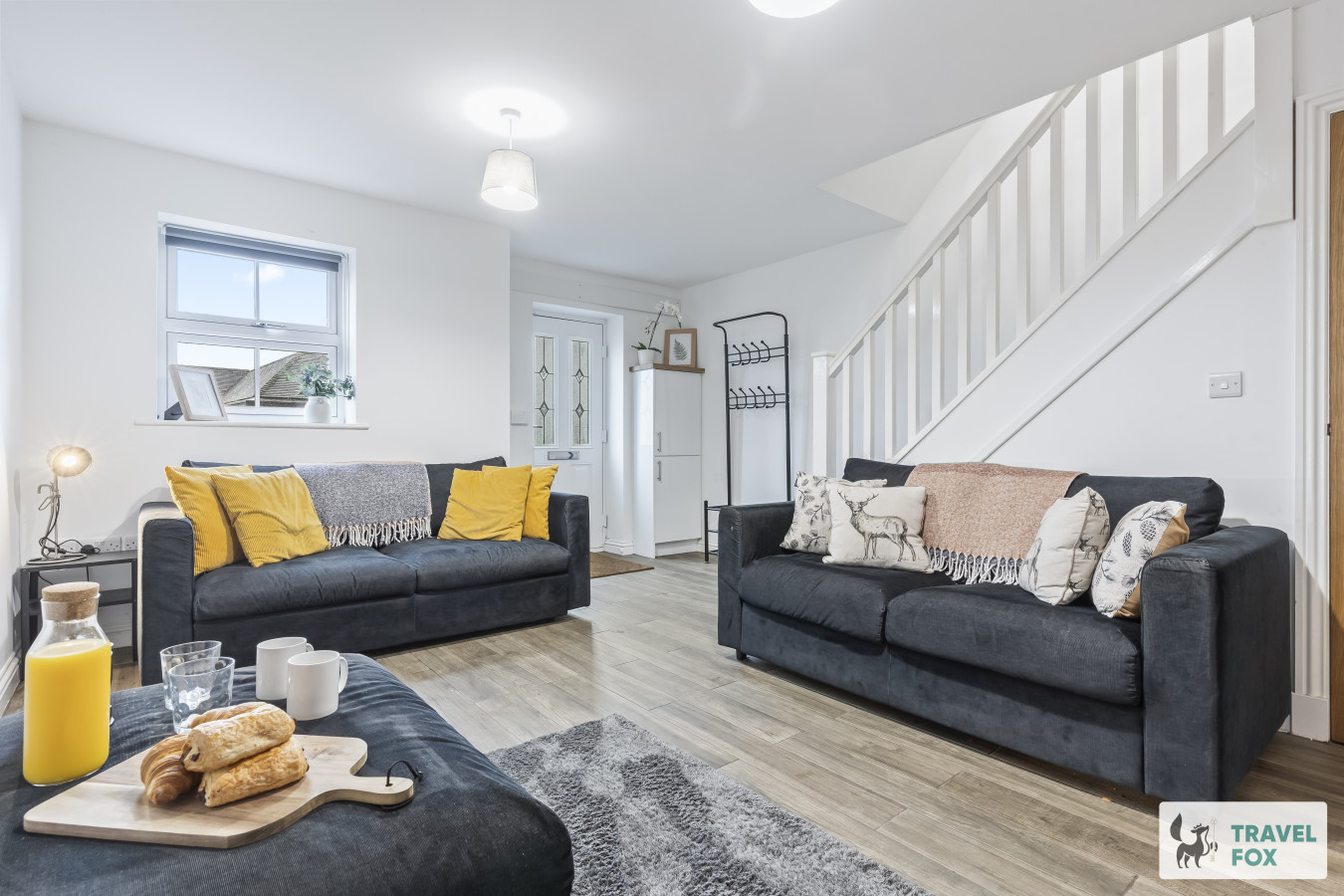
Leek
Lisa's House Leek: 20mins Alton Towers
- Sleeps 6
- 2 bedrooms
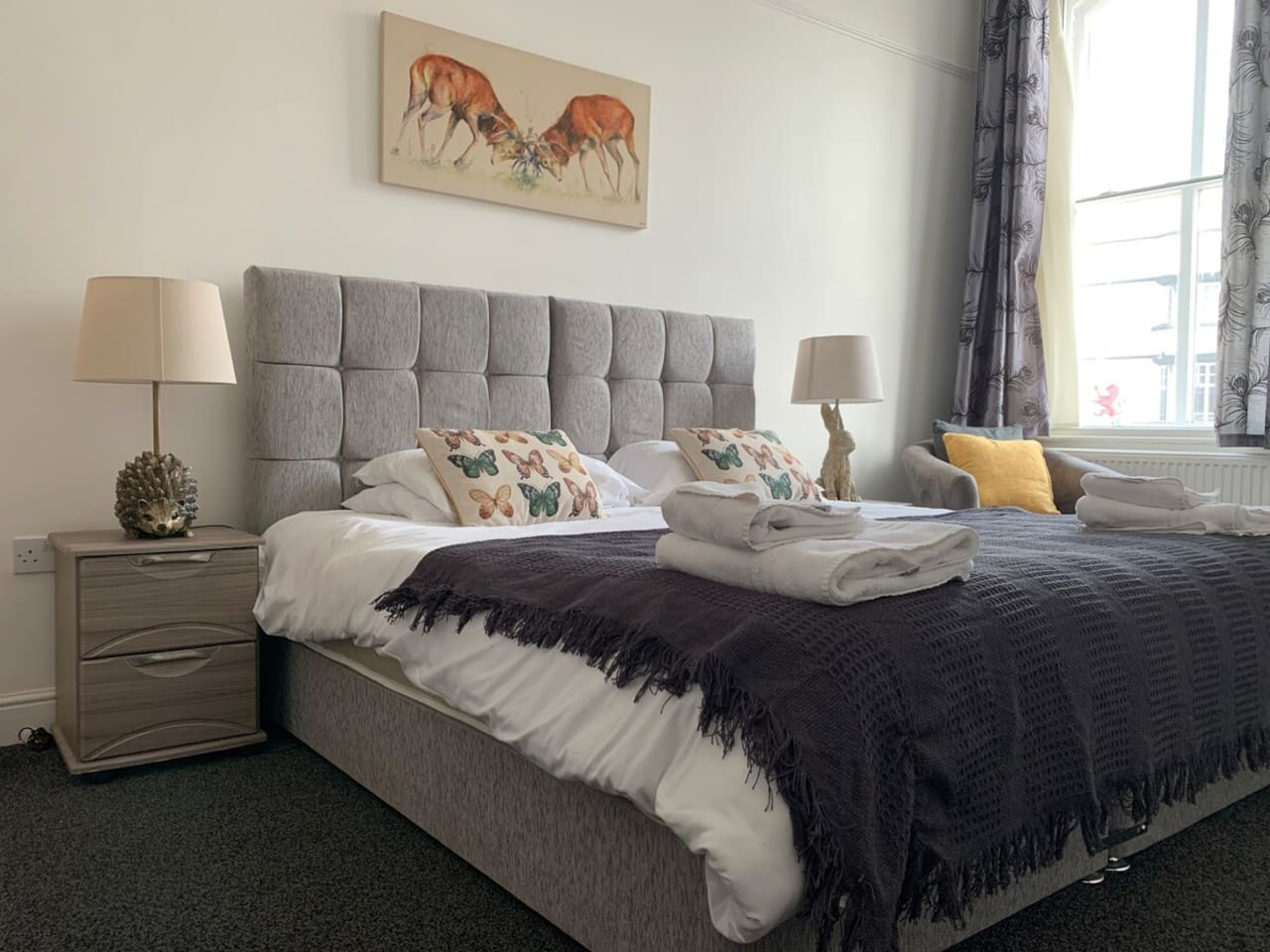
Leek
The Rudyard Suite - Large 1 Bed Apartment
- Sleeps 5
- 1 bedroom
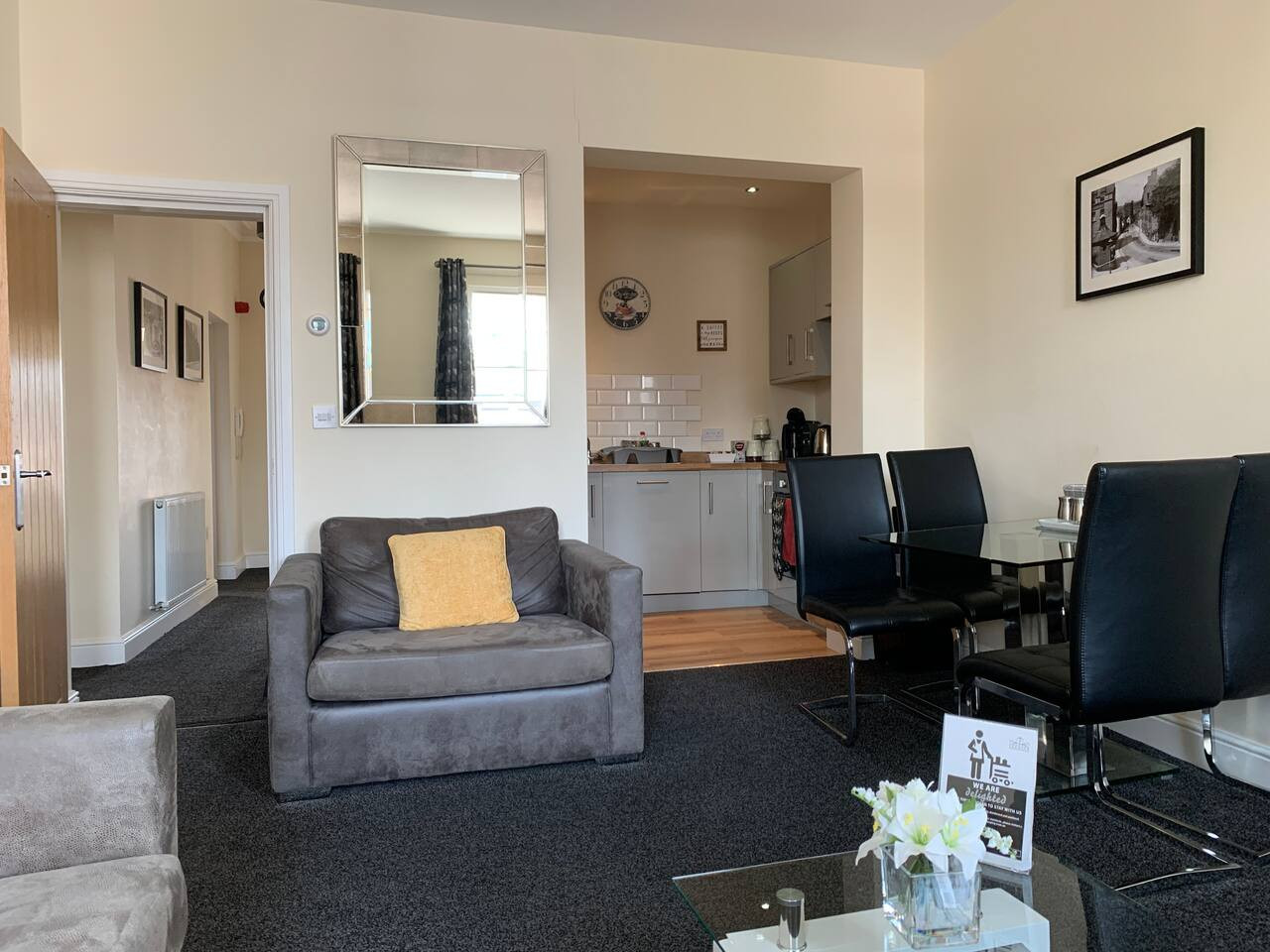
Leek
The Roaches Suite - Large 2 Bedroom Apartment
- Sleeps 7
- 2 bedrooms
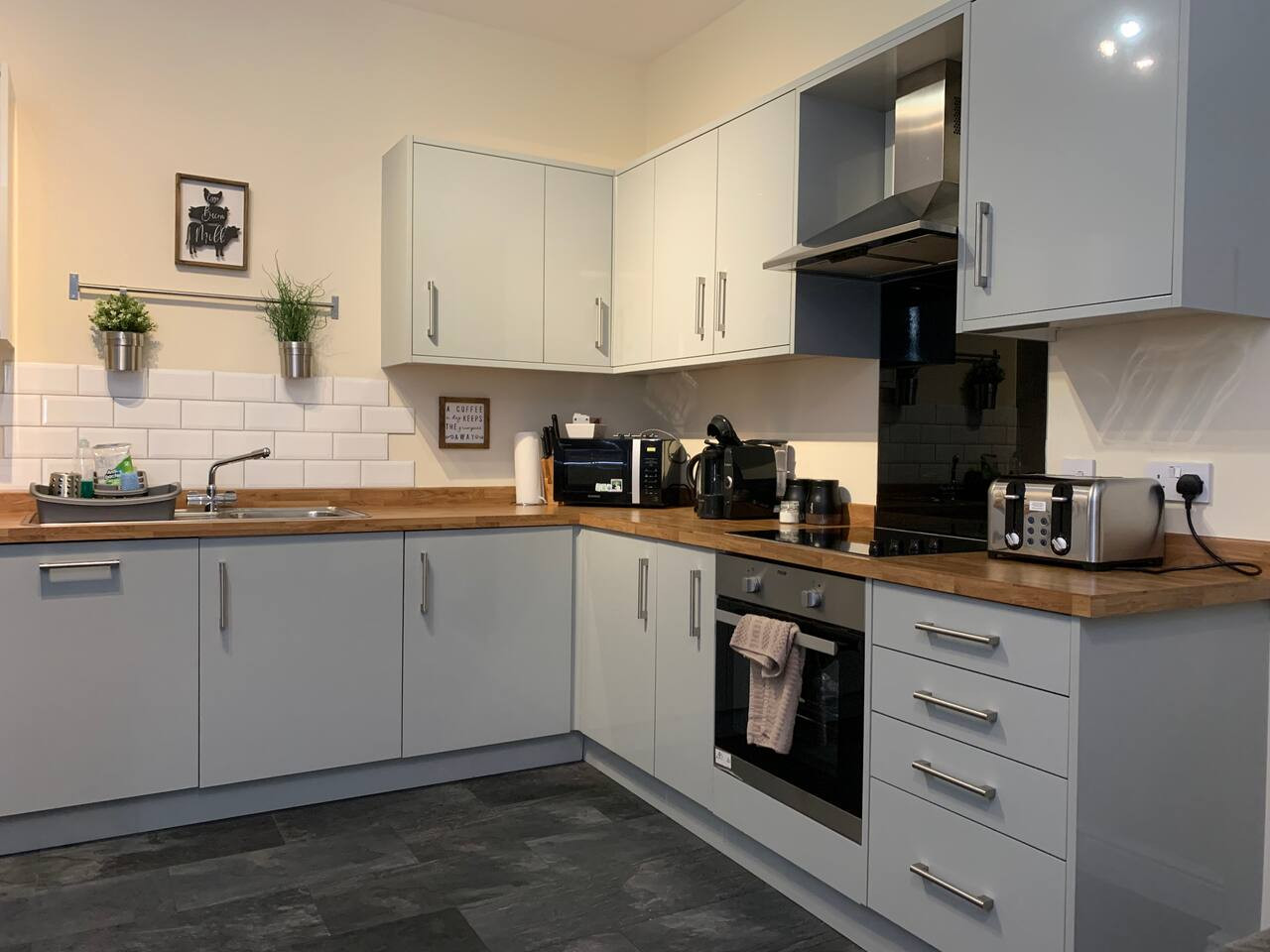
Leek
The Moorlands Suite - 1 Bed Apartment
- Sleeps 4
- 1 bedroom
Leek
Amy's House: 20mins Alton Towers
- Sleeps 6
- 2 bedrooms
For homeowners
Own a holiday home near Stanton in Peak?
We manage holiday lets across the Peak District from 12% commission, charged after cleaning costs, with no lock-in. A co-founder visits before you decide.
Holiday let management in the Peak District →
A guide with a point of view
Written from research. Edited for real journeys.
Use the Official site links for live practical details, then use this guide for context, ideas and room to explore.
Sources
Every place on this page is checked against a published source. Each entry links the record we used and names who publishes it.
- The Flying Childers Inn — flyingchilders.com operator, sector body or destination organisation
- Holy Trinity Church — historicengland.org.uk statutory register or public authority record not machine-readable; publisher restricts automated access
- Nine Ladies Stone Circle — english-heritage.org.uk national body or asset manager
- Cork Stone — peakdistrict.gov.uk statutory register or public authority record not machine-readable; publisher restricts automated access
- Earl Grey / Reform Tower — historicengland.org.uk statutory register or public authority record not machine-readable; publisher restricts automated access