
A limestone village of octagons and old stories
Stoney Middleton
At the foot of Middleton Dale, Stoney Middleton pairs cliff-lined walks with an octagonal church and toll-house chip shop, a failed spa and the village's last pub.
- Best for
- Limestone walks and village history
- Give it
- A heritage trail and a meal
- Don't miss
- The octagonal toll-house chip shop
The Fox verdict
Come for a small village with unusually big stories
Stoney Middleton rewards a close look: an 1840 toll house still frying fish, a church with an octagonal nave, limestone paths and traces of an attempted spa.
Pair the village's heritage points with Coombs Dale, then choose between fish and chips and the last remaining pub. The appeal is the contrast between compact village history and the cliffs rising above it.
Where to go
Places in Stoney Middleton
Every place below is checked against a published source, listed with what it is and how long to give it.
Local signatures
3 placesThe Moon Inn
The village's last remaining pub is a traditional freehouse with rooms, homemade pub classics, real ales and a large enclosed beer garden.
- Visit length
- Editorial estimate: allow around 1 hour.
- Locality
- Stoney Middleton village centre
The Roman Baths
See the remains of the 19th-century bath house built over a warm spring for Thomas Denman's unsuccessful attempt to establish a spa.
- Visit length
- Editorial estimate: allow around 25 minutes.
- Locality
- Stoney Middleton
Lovers Leap
The rock-built restaurant and café carries the name of Hannah Baddeley, whose petticoats caught in brambles after her 1762 leap from the cliff.
- Visit length
- Editorial estimate: allow around 30 minutes.
- Locality
- Stoney Middleton
Food & drink
1 placeToll Bar Fish & Chips
Order fish and chips from the tiny 1840 octagonal former toll house, the country's only Grade II listed fish and chip shop.
- Visit length
- Editorial estimate: allow around 40 minutes.
- Locality
- Stoney Middleton village centre
Walks & outdoors
1 placeCoombs Dale Circular
Follow well-made paths through a quiet, dry limestone dale and Site of Special Scientific Interest, with some uneven terrain and steps but no steep ascents.
- Visit length
- Editorial estimate: allow around 2 hours 30 minutes.
- Locality
- Coombs Dale
History & heritage
2 placesSt Martin's Church
Look for the surviving 15th-century tower and James Paine's unusual octagonal nave, rebuilt after the 1757 fire with every pew facing the centre.
- Visit length
- Editorial estimate: allow around 30 minutes.
- Locality
- Stoney Middleton
Stoney Middleton Heritage Trails
Use the village heritage trails to connect more than 20 points of interest across Stoney Middleton.
- Visit length
- Editorial estimate: allow around 1 hour 15 minutes.
- Locality
- Within Stoney Middleton
No places match this filter. Choose All places to reset the list.
Three ways to explore Stoney Middleton
Signature outings
Eat inside an 1840 toll house
The octagonal Toll Bar building deliberately echoes the church and has housed a chip shop since 1926.
Read the church's two shapes
St Martin's pairs a surviving 15th-century tower with James Paine's octagonal nave of 1759.
Follow Black Harry into the dale
The 4.75-mile Coombs Dale circular reaches Black Harry Gate through a quiet, dry limestone dale.
The village story
Octagons, cliff legends and a village that kept making
The accepted article moves from the toll-house chip shop and Lovers Leap through the last pub, boot making, church, dale, transport and well dressing.
A toll house beneath the cliffs
The fish and chip shop is an octagonal stone building put up in 1840 as a toll house, and it is the only Grade II listed chip shop in the country. The stonemason, William Morton, built it octagonal on purpose, to echo the shape of the church up the road. It cost £144. A chip shop moved in in 1926, and it has been frying ever since — Herbert Ford, then Elenor Hall until 1970, then Barry Ridgeway, who cooked in ground-nut oil, and since 2010 Wayne and Rachel Jagger, who won a Best Fish and Chip Shop award in 2014. It is a tiny place, much loved by walkers coming off the dale.
The village sits at the foot of Middleton Dale, a limestone gorge on the A623, with cliffs rising straight up above the houses. One building, Lovers Leap, is built onto the rock itself. It takes its name from Hannah Baddeley, who in 1762 threw herself off the cliff after being jilted and was saved when her petticoats caught in the brambles. She survived with cuts and bruises and died two years later of natural causes, still unmarried.
The last pub and the last boot factory
The Moon Inn is the last pub left. It's a freehouse with rooms, run now by the former landlord's three grown-up children after he passed away. The menu is homemade pub classics, pizzas, chargrilled steaks, burgers, pies and seafood, with Sunday roasts from local ingredients and a specials board that changes. Reviewers keep mentioning the steak and onion rolls. There are gluten-free, vegetarian and vegan options, an ever-changing choice of real ales, and a large enclosed beer garden. Dogs are welcome and turn up often. One TripAdvisor headline calls it the best pub in the Peak District.
Down in the Old Corn Mill, William Lennon & Co has been making heavy leather boots since 1904. It's a fourth-generation family firm and the only heavy-duty leather boot maker left in England. The village once had four boot factories; by the heritage society's account, Lennon's "can truly be said to be the 'sole' survivors of this village tradition."
Octagons, dales and neighbours
St Martin's Church has a 15th-century tower and an octagonal nave, rebuilt in 1759 by James Paine after a fire two years earlier. All the pews face the centre. Pevsner called it "a rarity, if not a visually very satisfying one," and grumbled that the lantern roof sits almost as high as the tower. The original church is said to have been built by Joan Eyre to mark her husband's safe return from Agincourt.
For walking, the Coombs Dale circular runs about 4.75 miles out to Black Harry Gate, once the patch of a highwayman, and back by lanes and field paths through a quiet limestone dale. Eyam, the plague village that quarantined itself in 1665, is a mile away; during the outbreak Stoney Middleton left food for its neighbours.
Arriving, then dressing the well
Grindleford station is three miles off on the Hope Valley line, with the number 65 bus covering the gap in about seventeen minutes. Bakewell is a quarter of an hour by car.
Every summer the village dresses its well with flowers and leaves, a thanksgiving for the warm spring, as it has done since before anyone was counting.
Stay around Peak District
Make a longer stay of it
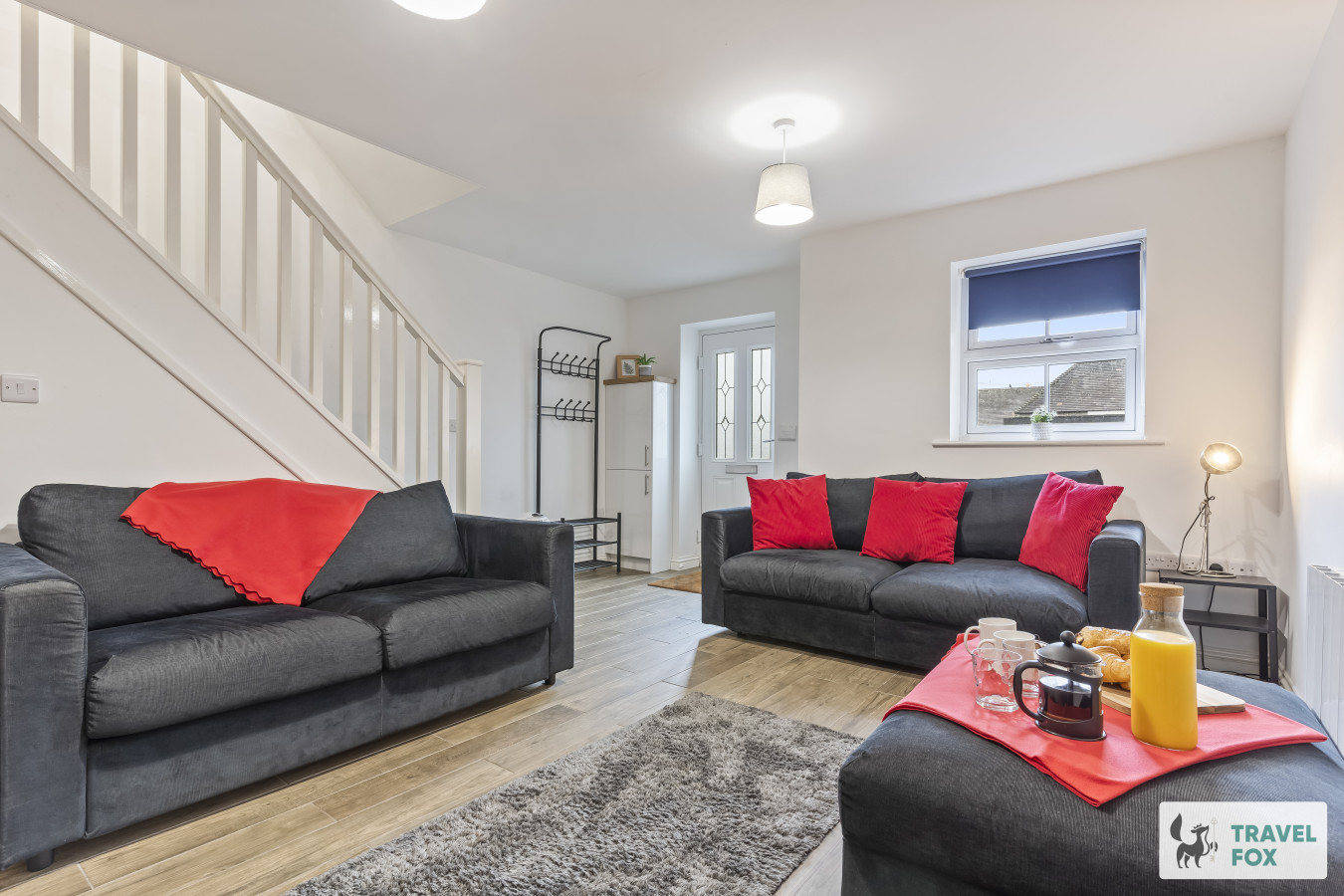
Travel Fox holiday homes around Peak District, linked directly to their property pages.
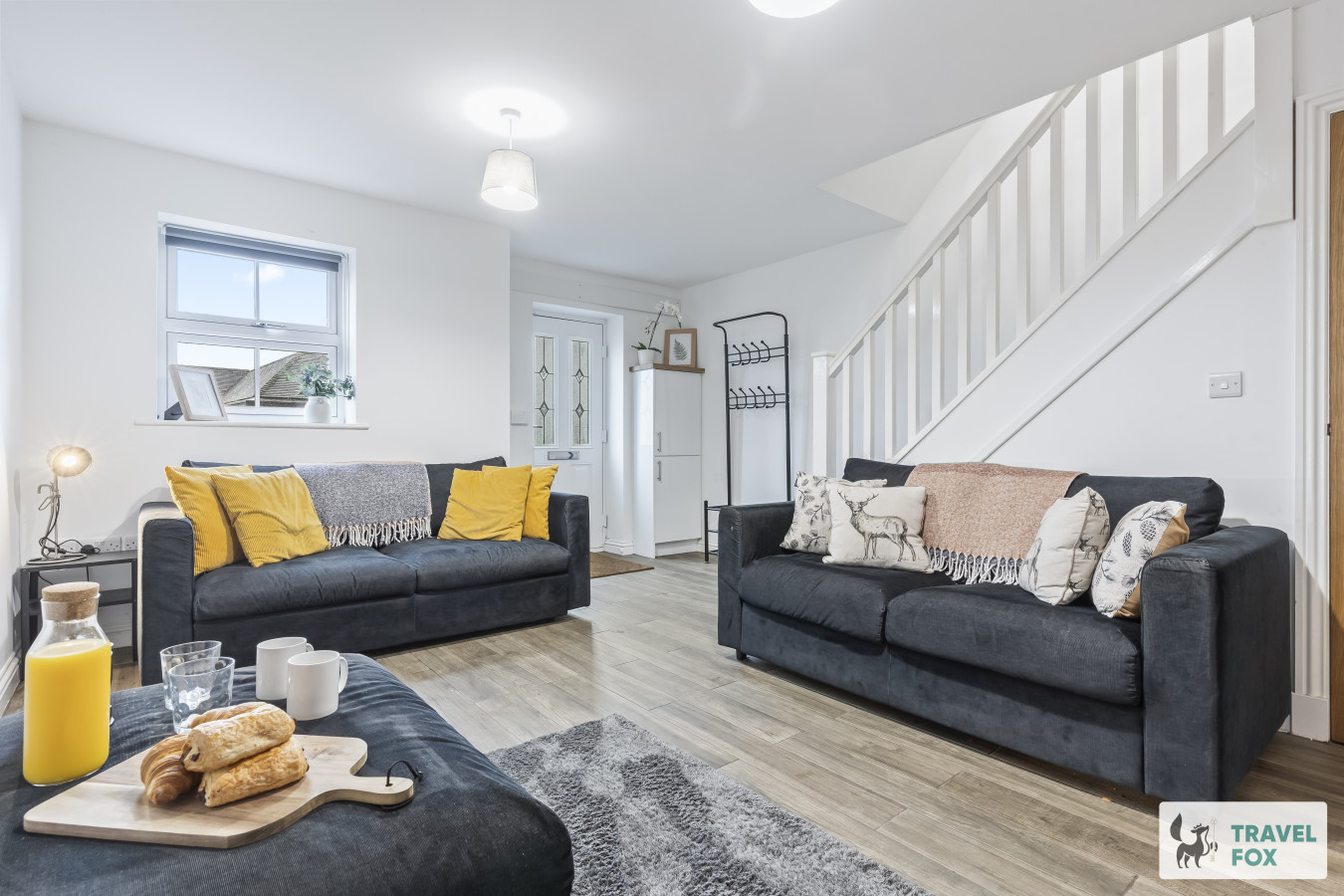
Leek
Lisa's House Leek: 20mins Alton Towers
- Sleeps 6
- 2 bedrooms
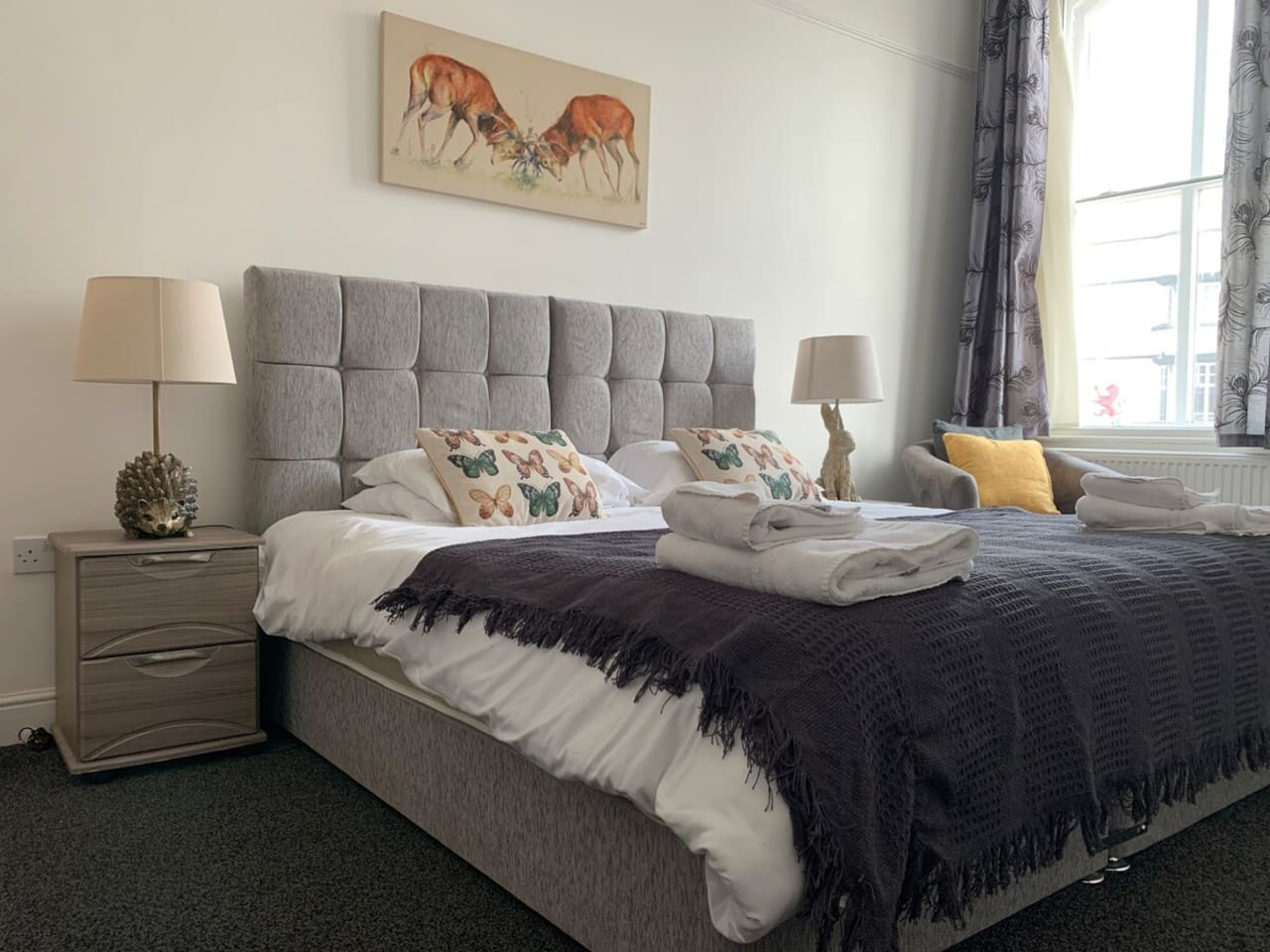
Leek
The Rudyard Suite - Large 1 Bed Apartment
- Sleeps 5
- 1 bedroom
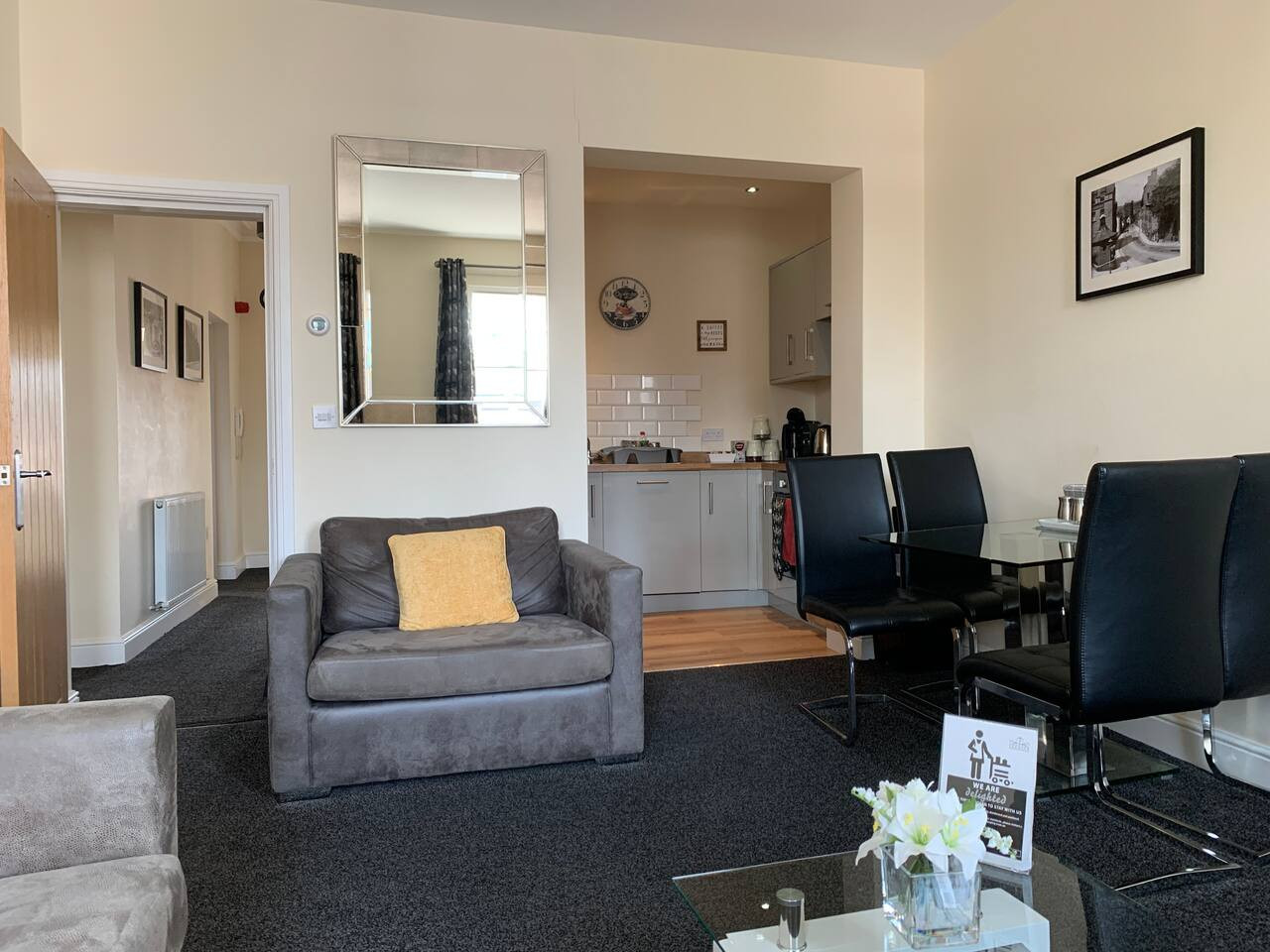
Leek
The Roaches Suite - Large 2 Bedroom Apartment
- Sleeps 7
- 2 bedrooms
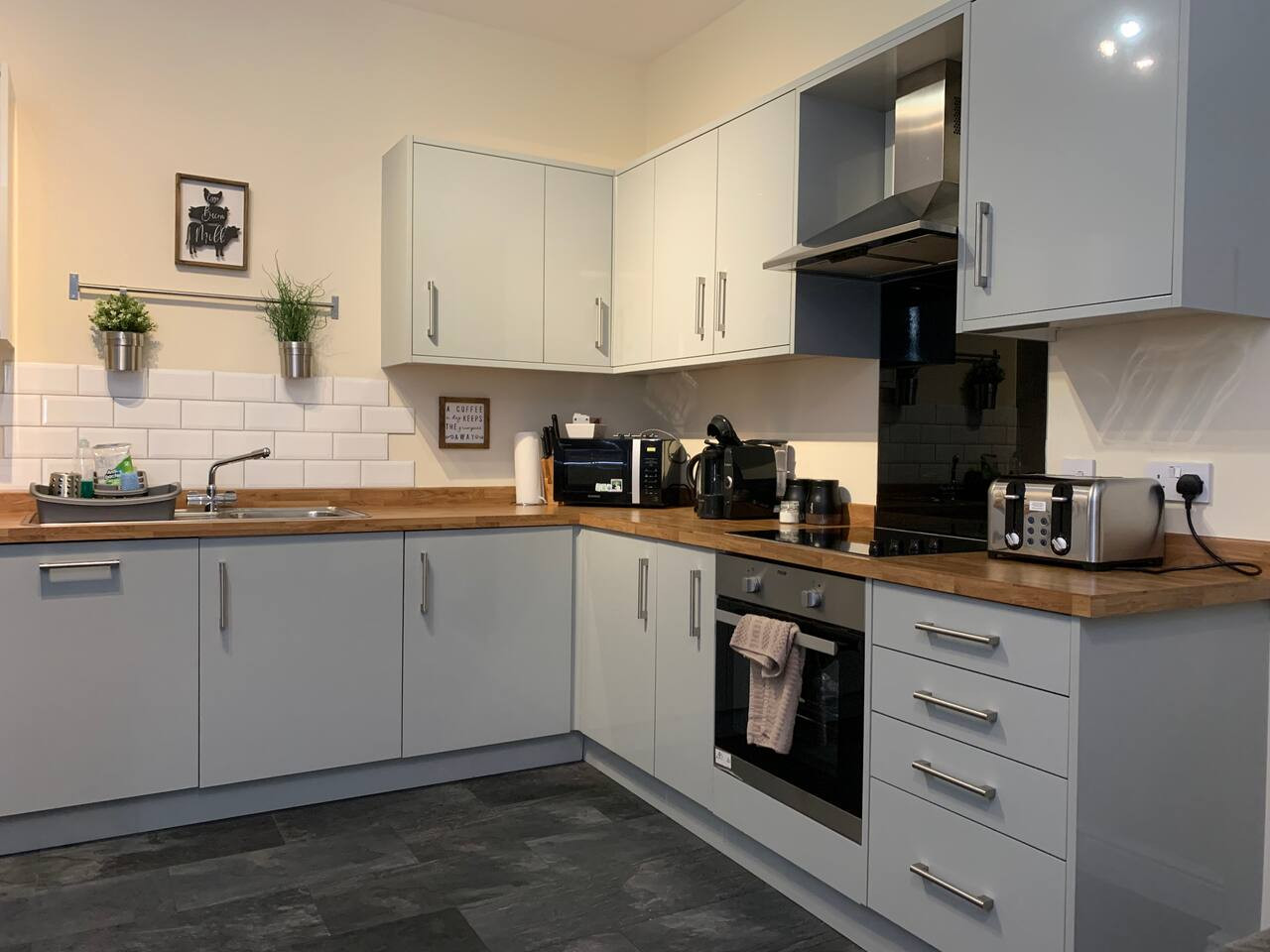
Leek
The Moorlands Suite - 1 Bed Apartment
- Sleeps 4
- 1 bedroom
Leek
Amy's House: 20mins Alton Towers
- Sleeps 6
- 2 bedrooms
For homeowners
Own a holiday home near Stoney Middleton?
We manage holiday lets across the Peak District from 12% commission, charged after cleaning costs, with no lock-in. A co-founder visits before you decide.
Holiday let management in the Peak District →
A guide with a point of view
Written from research. Edited for real journeys.
Use the Official site links for live practical details, then use this guide for context, ideas and room to explore.
Sources
Every place on this page is checked against a published source. Each entry links the record we used and names who publishes it.
- Toll Bar Fish & Chips — historicengland.org.uk statutory register or public authority record not machine-readable; publisher restricts automated access
- The Moon Inn — themooninn.com operator, sector body or destination organisation
- St Martin's Church — achurchnearyou.com national body or asset manager
- The Roman Baths — historicengland.org.uk statutory register or public authority record not machine-readable; publisher restricts automated access
- Coombs Dale Circular — peakdistrict.gov.uk statutory register or public authority record not machine-readable; publisher restricts automated access
- Stoney Middleton Heritage Trails — peakdistrict.gov.uk statutory register or public authority record not machine-readable; publisher restricts automated access
- Lovers Leap — historicengland.org.uk statutory register or public authority record not machine-readable; publisher restricts automated access