
Between Dove and Manifold
Sheen
A farming village on a ridge between the Dove and Manifold valleys, with a historic church and paths through the surrounding countryside.
- Best for
- Walking, cycling and nature
- Give it
- The ridge paths and Manifold Track
- Don't miss
- The ridge setting between the Dove and Manifold valleys
The Fox verdict
A tiny hamlet made for walkers
Sheen’s appeal lies in its ridge paths, older village history and Victorian church.
The village stretches along a farming ridge between the Dove and Manifold valleys. Paths lead towards Hartington and Brund, while Pilsbury Castle’s medieval earthworks offer a separate outing. The Manifold Track begins at Hulme End.
Where to go
Places in Sheen
Every place below is checked against a published source, listed with what it is and how long to give it.
Local signatures
3 placesPilsbury Castle Hills
A medieval motte-and-bailey castle overlooking the River Dove, with a mound, three baileys, ramparts and ditches still visible in the earthworks.
- Visit length
- Editorial estimate: allow around 30 minutes to view the earthworks during a wider walk
- Locality
- Pilsbury Castle Hills, north of Sheen
Manifold Track
The mainly traffic-free Manifold Track follows a former railway from Hulme End to Waterhouses through the Manifold and Hamps valleys. The surfaced, mainly level route suits walking and family cycling.
- Visit length
- Editorial estimate: allow around 90 minutes for a walking or cycling section
- Locality
- Hulme End; northern starting point of the Manifold Track
Hartington Cheese Shop
Hartington’s cheese shop has been established for approximately 50 years and specialises in English and UK cheeses, including cheeses from local artisan producers.
- Visit length
- Editorial estimate: allow around 30 minutes
- Locality
- Hartington, around 2 miles from Sheen
Walks & outdoors
1 placeSheen Hill
Sheen Hill is a prominent hill above the village, with the Dove valley to the east and the Manifold valley beyond the ridge to the west.
- Visit length
- Editorial estimate: allow around 5 minutes to take in the landscape context; this listing does not describe a current route onto the hill.
- Locality
- Sheen Hill, above the village
History & heritage
1 placeChurch of St Luke
This Grade II* church retains 14th-century stonework in the north wall of its nave. Much of the building dates from the 1850–52 rebuilding, with work by William Butterfield on the chancel, vestry and spire.
- Visit length
- Editorial estimate: allow around 30 minutes
- Locality
- Sheen
No places match this filter. Choose All places to reset the list.
Three ways to explore Sheen
Signature outings
Sheen Hill
Sheen Hill rises above the ridge between the Dove and Manifold valleys; stone from the hill was used in the church that preceded today’s building.
Gargoyles and an Effigy
Look for gargoyles by the west tower and a recumbent effigy outside the east end of St Luke’s.
Hartington Cheese Shop
Browse locally produced cheeses, then pause in the shop’s garden before returning to Sheen.
The village story
Sheen Between the Dove and Manifold
A ridge village between two valleys, with medieval traces, gritstone walls and a Victorian church.
Village Street History
Sheen is a one-street hamlet on a farming ridge, with cottages and gritstone walls beside the village street.
In the mid-19th century, Beresford-Hope shaped the village by bringing William Butterfield to Sheen and funding a school and reading room; the reading room operated from 1856 to 1889.
A One-Street Hamlet
Hartington lies about two miles to the east, where Hartington Cheese Shop specialises in English and locally produced cheeses.
Sheen Hill rises beyond the village. An old footpath leads southeast towards Hartington across the Dove at Posh Hall Bridge; another heads west towards Brund and the Manifold crossing at Brund Mill. North of Sheen, Pilsbury Castle’s medieval earthworks overlook the Dove.
The Village Street and St Luke’s
An extensive network of east–west footpaths crosses the village, and a bridleway runs between Hartington and Brund.
St Luke’s is Grade II* listed. Its north nave wall retains 14th-century stonework, while much of the church dates from the 1850–52 rebuilding. William Butterfield worked on the church’s chancel, vestry and spire.
The Old Rectory and Earlier Sheen
Butterfield’s Old Rectory, built for the curate, was the last building Nikolaus Pevsner visited on his final Buildings of England tour in 1970. It stands among the Victorian buildings that Beresford Hope brought to this small ridge village.
Sheen appears in the Domesday Book as land described as ‘in waste’. Documentary evidence records a chapel here by 1185. The older name Sceon has been interpreted as ‘beautiful’ or ‘the shining one’.
The Manifold Track
For an outing beyond Sheen, the Manifold Track starts at Hulme End and follows the former railway south towards Waterhouses. Sheen’s westward bridleway leads towards Brund and the Manifold crossing at Brund Mill as a separate outing.
Stay around Peak District
Make a longer stay of it
Travel Fox holiday homes around Peak District, linked directly to their property pages.
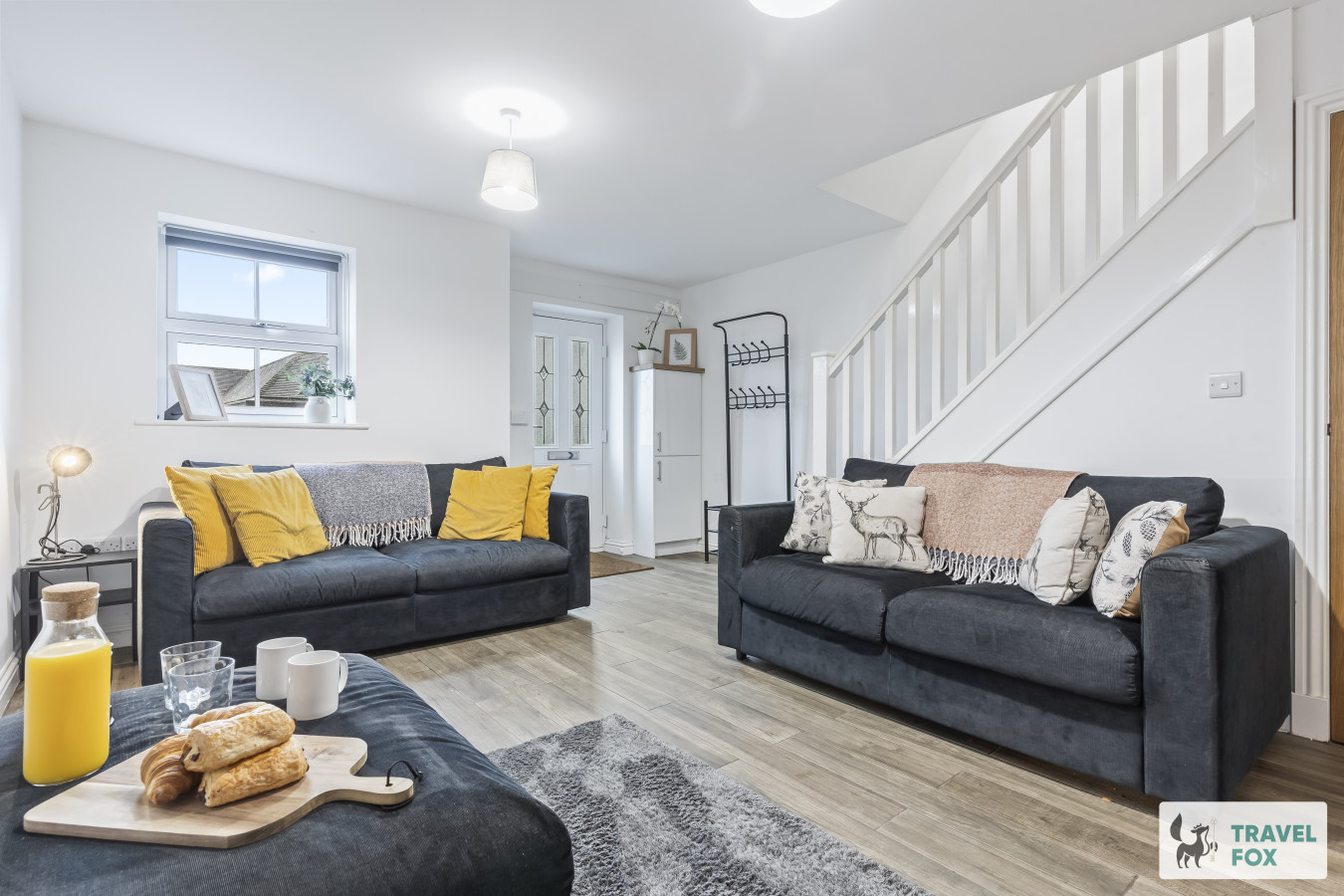
Leek
Lisa's House Leek: 20mins Alton Towers
- Sleeps 6
- 2 bedrooms
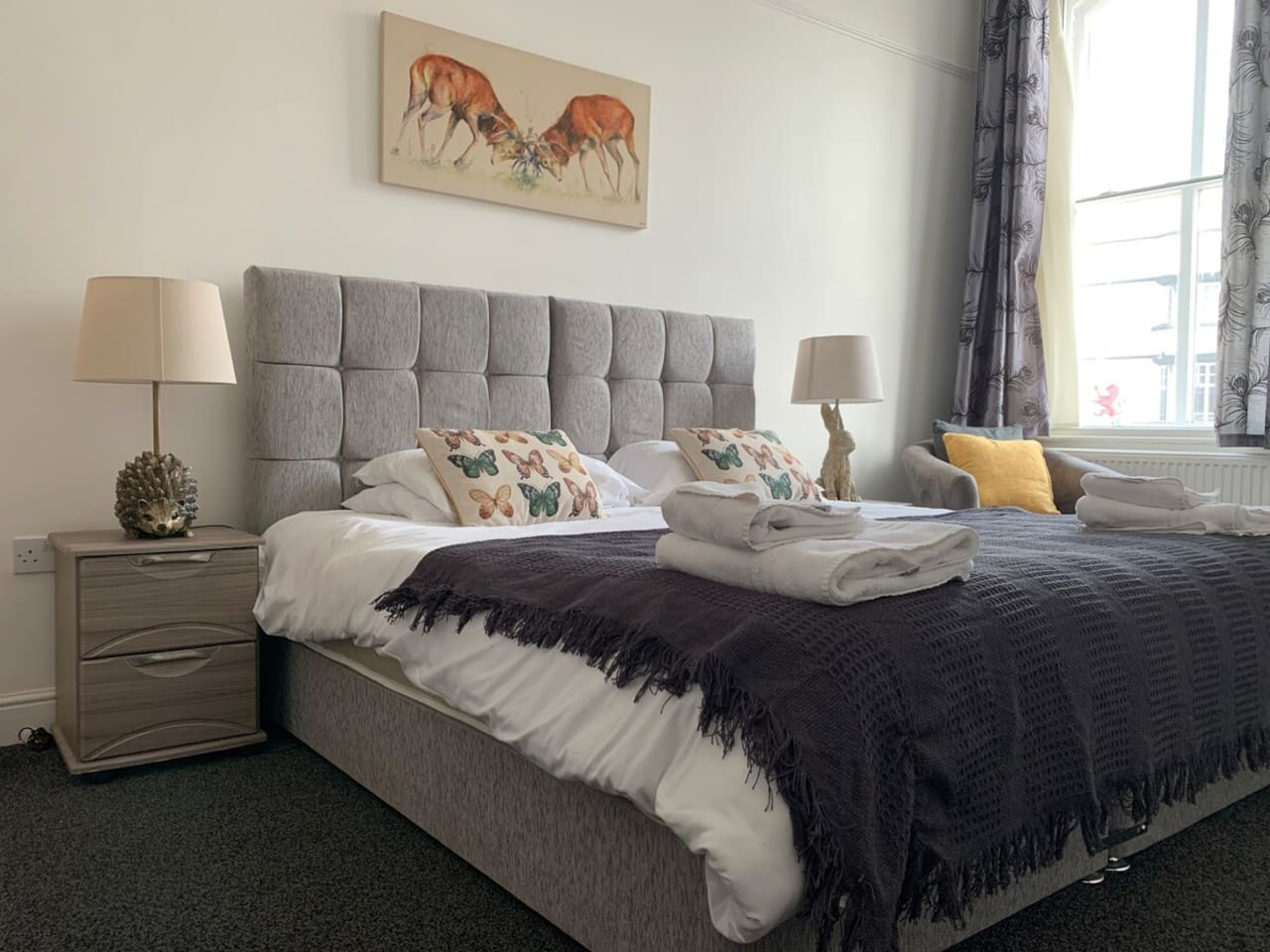
Leek
The Rudyard Suite - Large 1 Bed Apartment
- Sleeps 5
- 1 bedroom
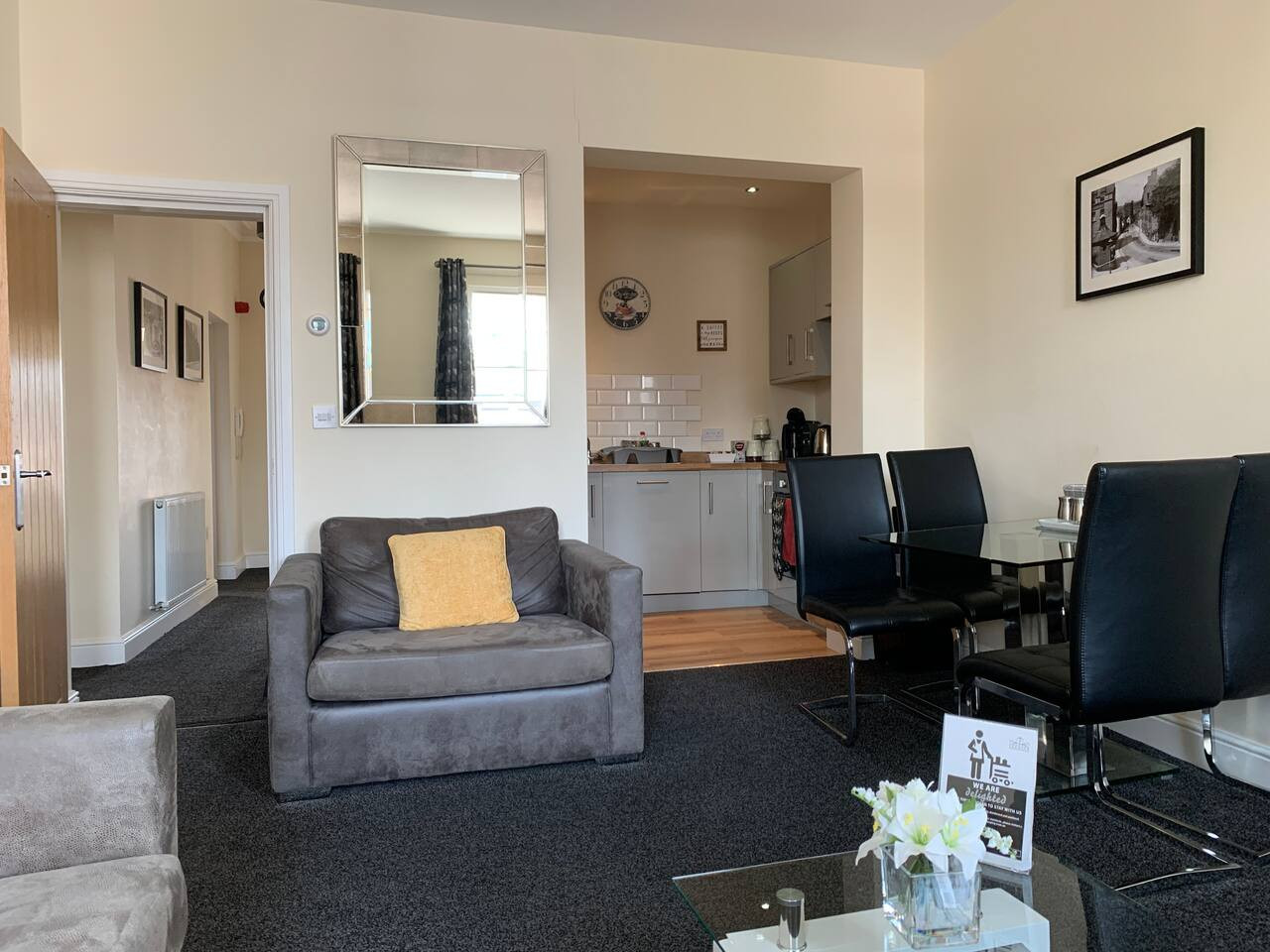
Leek
The Roaches Suite - Large 2 Bedroom Apartment
- Sleeps 7
- 2 bedrooms
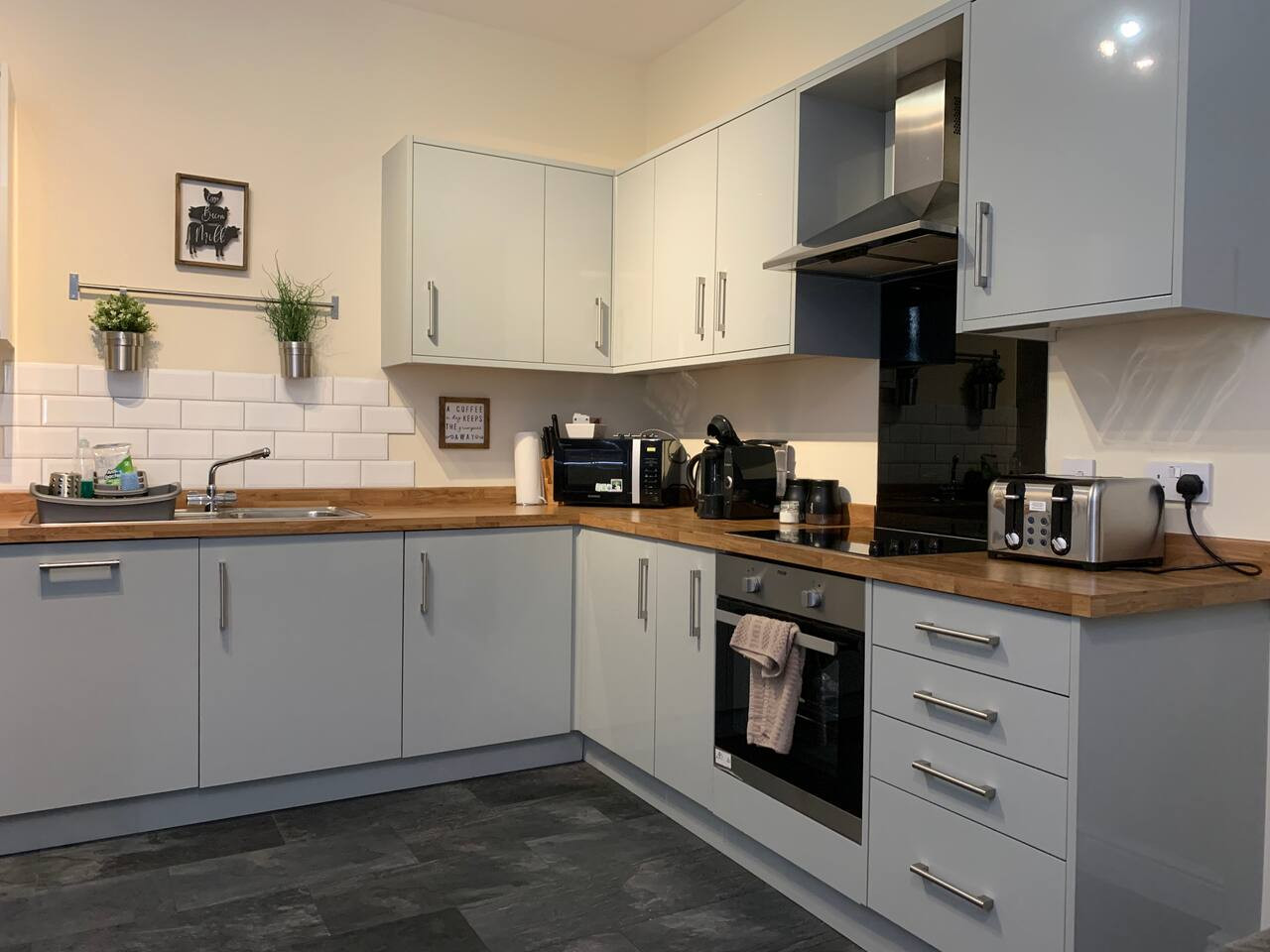
Leek
The Moorlands Suite - 1 Bed Apartment
- Sleeps 4
- 1 bedroom
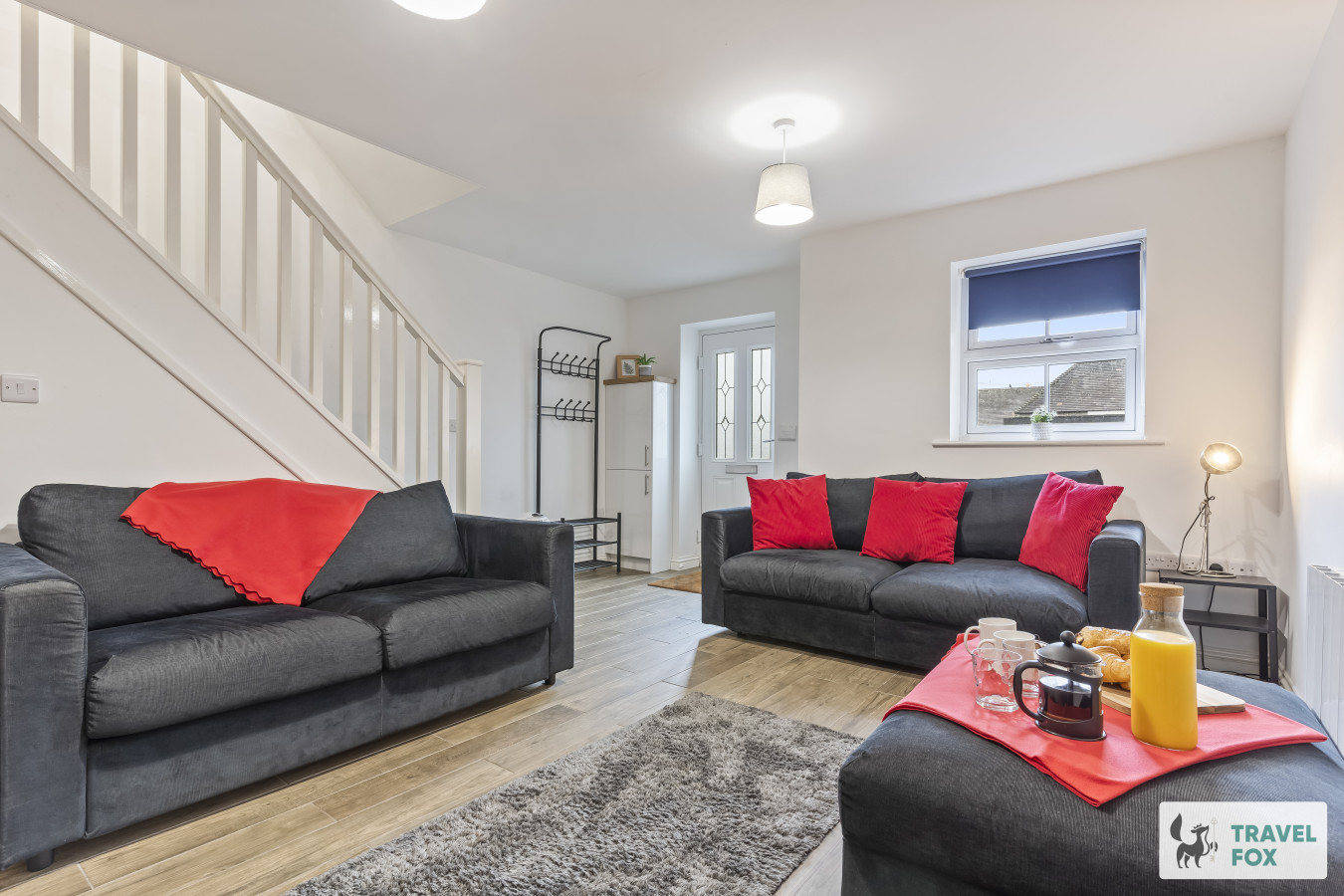
Leek
Amy's House: 20mins Alton Towers
- Sleeps 6
- 2 bedrooms
For homeowners
Own a holiday home near Sheen?
We manage holiday lets across the Peak District from 12% commission, charged after cleaning costs, with no lock-in. A co-founder visits before you decide.
Holiday let management in the Peak District →
A guide with a point of view
Written from research. Edited for real journeys.
Use the Official site links for live practical details, then use this guide for context, ideas and room to explore.
Sources
Every place on this page is checked against a published source. Each entry links the record we used and names who publishes it.
- Church of St Luke — historicengland.org.uk statutory register or public authority record not machine-readable; publisher restricts automated access
- Sheen Hill — peakdistrict.gov.uk statutory register or public authority record not machine-readable; publisher restricts automated access
- Pilsbury Castle Hills — historicengland.org.uk statutory register or public authority record not machine-readable; publisher restricts automated access
- Manifold Track — peakdistrict.gov.uk statutory register or public authority record not machine-readable; publisher restricts automated access
- Hartington Cheese Shop — hartingtoncheeseshop.co.uk operator, sector body or destination organisation