
White Peak stories
Sheldon
A tiny limestone village above the Wye, where field paths lead to Derbyshire's last working lead mine and its enduring Widows' Curse.
- Best for
- Lead-mining history and field-path walking
- Give it
- A village visit paired with a walk or nearby stop
- Don't miss
- Magpie Mine's Cornish-style engine house
The Fox verdict
Small village, deep seams of history
Sheldon has one lane, one pub and no shop, but its church, mine and field paths give a visit a strong sense of place.
Come for the contrast between the compact limestone village and the industrial remains at Magpie Mine. The mine's engine house, deadly 1833 dispute and alleged Widows' Curse give the surrounding White Peak landscape an unusually vivid human story.
Where to go
Places in Sheldon
Every place below is checked against a published source, listed with what it is and how long to give it.
Local signatures
3 placesAshford-in-the-Water to Magpie Mine Circular
A 5.5-mile circular beside the River Wye, through Little Shacklow Woods and uphill to Sheldon before reaching Magpie Mine at the walk's high point.
- Visit length
- Editorial estimate: allow around 3 hours
- Locality
- Ashford-in-the-Water to Magpie Mine via Sheldon
Bakewell
The nearby market town for shops, bakeries and food, known for the Bakewell pudding or tart, its riverside and Monday market.
- Visit length
- Editorial estimate: allow around 90 minutes
- Locality
- Bakewell
Haddon Hall
A medieval and Tudor fortified manor house near Bakewell.
- Visit length
- Editorial estimate: allow around 2 hours 30 minutes
- Locality
- near Bakewell
Walks & outdoors
1 placeMonsal Head
An iconic Peak District viewpoint over Monsal Dale and Headstone Viaduct, which carries the Monsal Trail below.
- Visit length
- Editorial estimate: allow around 45 minutes
- Locality
- Monsal Head
History & heritage
4 placesSt Michael and All Angels
A Grade II limestone church built in 1864, with a rounded east end, west bellcote and the churchyard memorial to Ephraim Brocklehurst.
- Visit length
- Editorial estimate: allow around 30 minutes
- Locality
- Sheldon
Magpie Mine
A Scheduled Ancient Monument and the most complete lead mine remaining in the Peak District, with a Cornish-style engine house and the story of the Widows' Curse.
- Visit length
- Editorial estimate: allow around 60 minutes
- Locality
- Sheldon outskirts
Ashford-in-the-Water
A nearby village known for the medieval Sheepwash Bridge and well dressings.
- Visit length
- Editorial estimate: allow around 45 minutes
- Locality
- Ashford-in-the-Water
Chatsworth House
The seat of the Duke of Devonshire, with a house, gardens and parkland.
- Visit length
- Editorial estimate: allow around 3 hours
- Locality
- Chatsworth
No places match this filter. Choose All places to reset the list.
Three ways to explore Sheldon
Signature outings
Magpie Mine
See the Cornish-style engine house at Derbyshire's last working lead mine and connect the ruins with the 1833 dispute and alleged Widows' Curse.
The Brocklehurst memorial
Find the churchyard memorial to Ephraim Brocklehurst, killed at Magpie Mine at the age of twenty-five in 1860.
Monsal Head
Take in the view from Monsal Head over Monsal Dale and Headstone Viaduct, which carries the Monsal Trail below.
The village story
Sheldon Village Guide
One pub, one lane and a remarkable concentration of church, mining and folklore stories above the Wye.
A pub that plays with time
The bar of the Cock and Pullet is a single low-ceilinged room hung with many clocks, which chime together at the top of the hour. There's an open fire, and one reviewer called it a "quaint old-style pub." It looks like it has stood for centuries. It was built in 1995.
The site was a barn where cockerels and pullets ran around out front, which is where the name comes from. The pub replaced the village's original, the Devonshire Arms, now a private house. The food is plain and cheap — most meals land around £8 or £9 — and the steak and ale pie gets the most praise. There's also lasagne, plaice, gammon and chips, baguette sandwiches, vegetarian options and daily specials. Three regular real ales, one of them Timothy Taylor Landlord. Dogs are welcome, and there's a garden.
One lane above the Wye
That is the whole of the village's commerce. Sheldon has no shop, no butcher, no farm shop; for anything you'll need Bakewell, four miles east. The population is around eighty people and the houses run mostly along one lane.
It sits high above the Wye, roughly 1,050 feet above sea level, on White Peak limestone. Let's Go Peak District describes it as "a cluster of characterful stone cottages on a hill, mostly built along one single lane," which is a fair account of what you see when you arrive. Sheldon is too small to have a parish council; its affairs are settled by a parish meeting.
Church, mine and curse
The church, St Michael and All Angels, went up in 1864 from stone salvaged out of the partly Norman chapel that was demolished the following year. It's a single limestone cell with a rounded east end and a bellcote on the west gable, and it seats 140. In the churchyard is a memorial to Ephraim Brocklehurst, killed at Magpie Mine at twenty-five in 1860, inscribed "THERE IS BUT ONE STEP BETWEEN ME AND DEATH." The parish records also note a 1753 marriage between a fourteen-year-old boy and an eighty-year-old widow.
Magpie Mine is the reason for most of that. Just outside the village, worked from around 1740, it closed in 1958 as the last working lead mine in Derbyshire and is now the most complete lead mine left in the Peak District, Cornish engine house and all. In 1833 miners from Magpie and the rival Maypitt mine, both after the same vein, lit fires underground to smoke each other out; three Maypitt men suffocated, twenty-four Magpie miners were tried for murder and all acquitted. The dead men's widows are said to have cursed the mine, which never turned a profit again.
Field paths and the Duck Tree
The walking runs out to it on field paths — a 5.5-mile circular from Ashford-in-the-Water climbs through Little Shacklow Woods to the village and on to the mine, with a longer eight-mile version through Deep Dale and Monsal Dale. There's no railway; access is by road, off the A6, between Ashford and Monyash, with the kind of bus service best described as limited.
There is also the duck. In 1601 villagers watched one fly into an ash tree and never saw it leave. When the tree was felled some three hundred years later, the boards were said to show the markings of a full-sized duck. They ended up as a mantelpiece.
Stay around Peak District
Make a longer stay of it
Travel Fox holiday homes around Peak District, linked directly to their property pages.
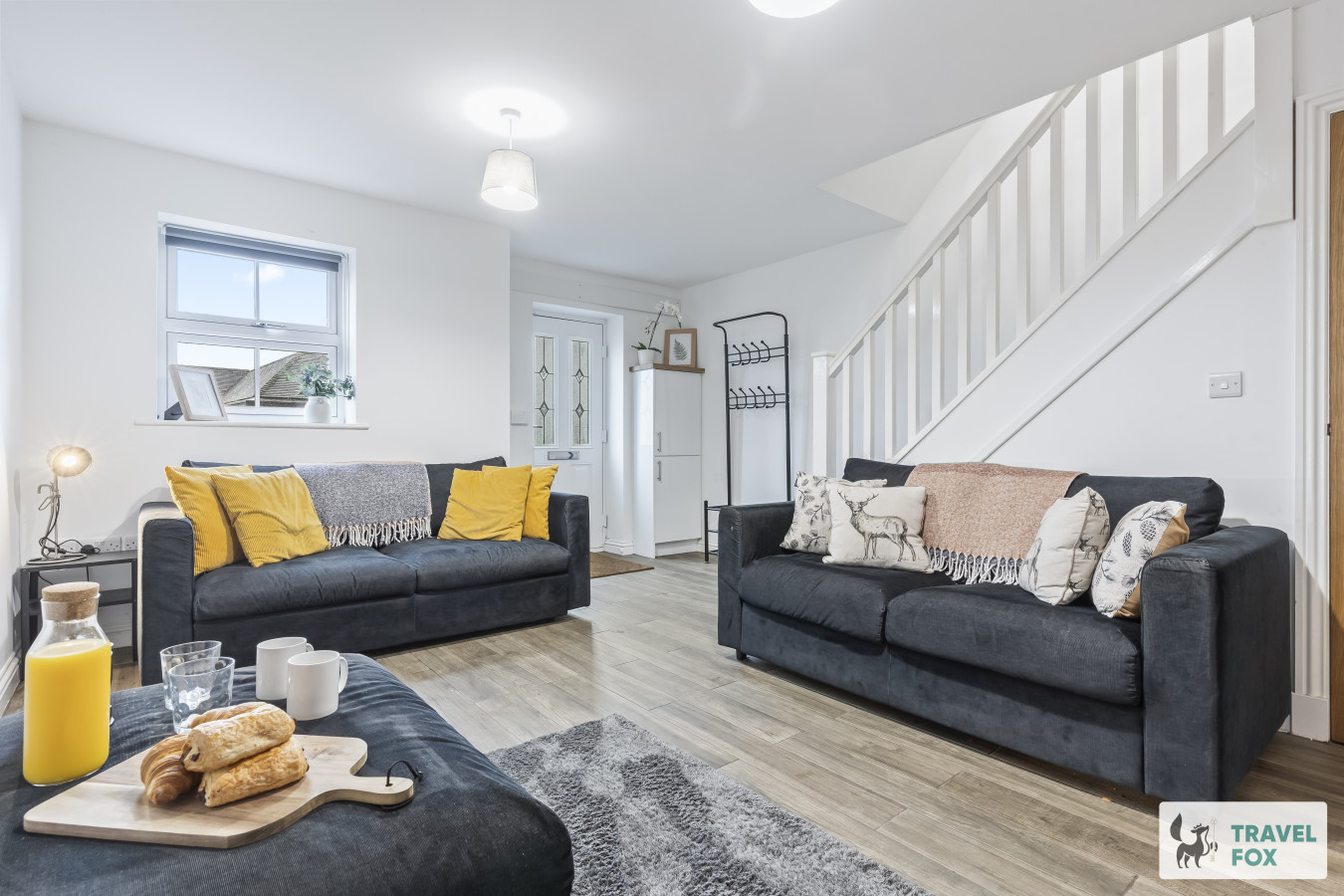
Leek
Lisa's House Leek: 20mins Alton Towers
- Sleeps 6
- 2 bedrooms
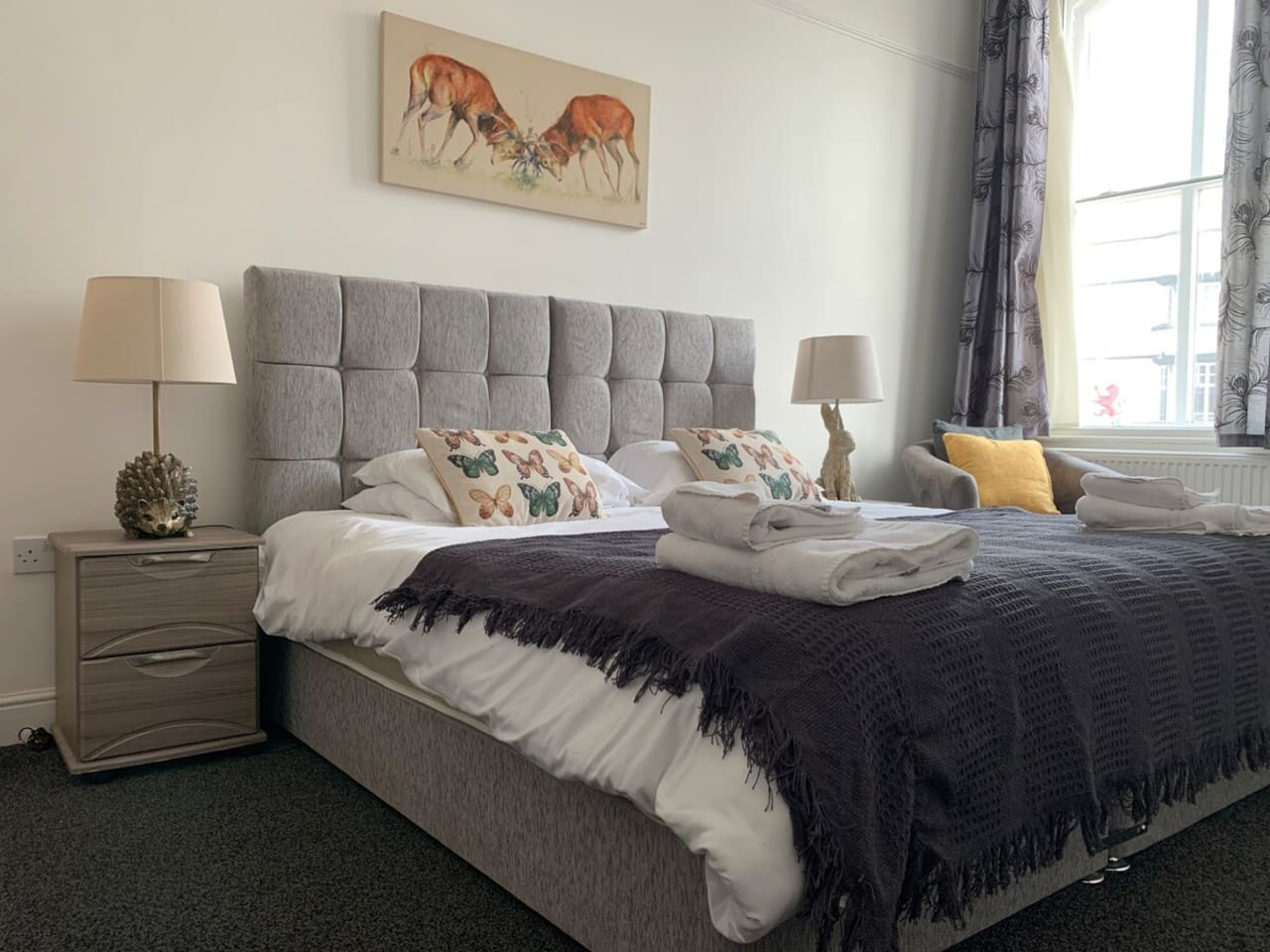
Leek
The Rudyard Suite - Large 1 Bed Apartment
- Sleeps 5
- 1 bedroom
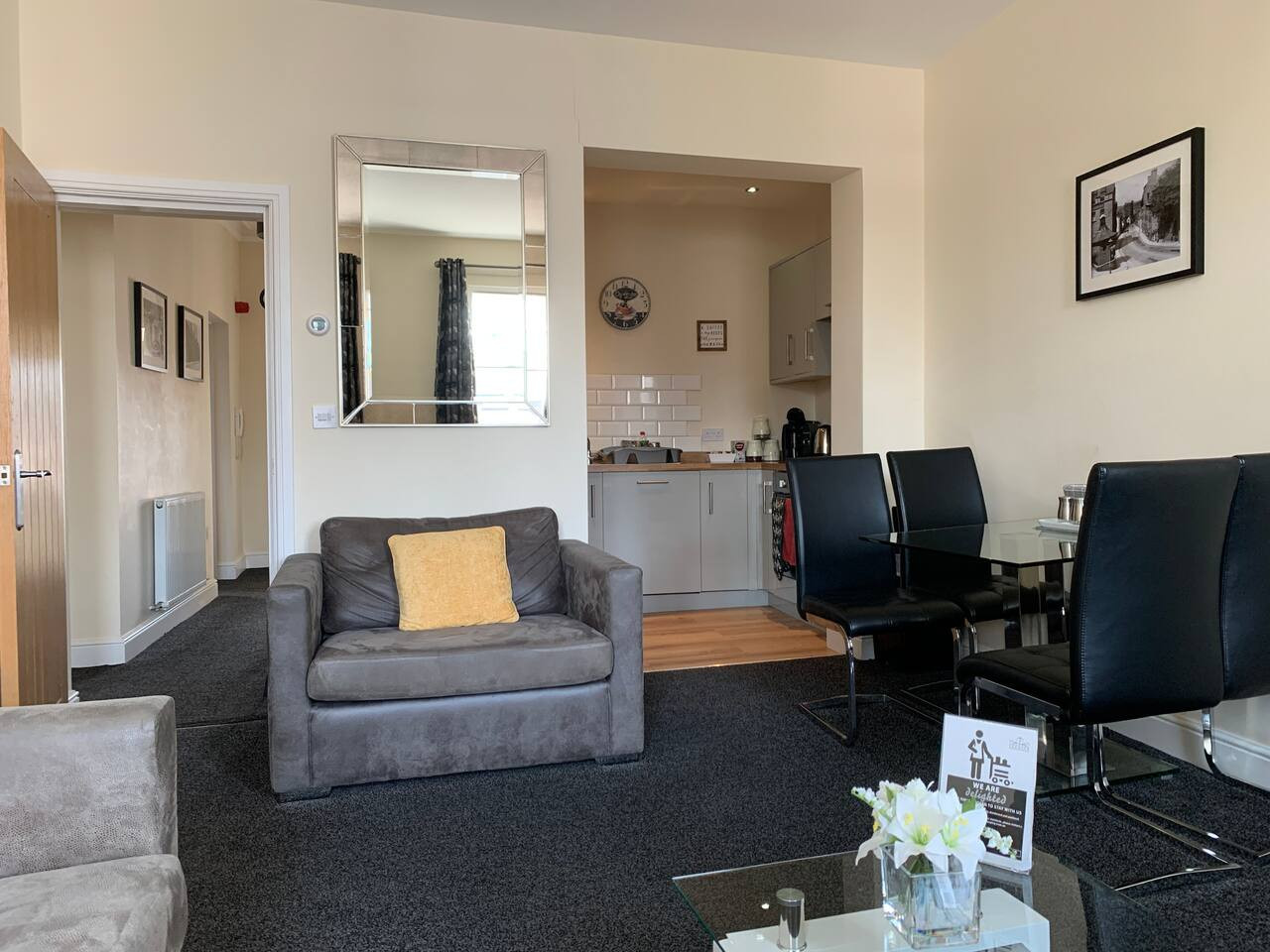
Leek
The Roaches Suite - Large 2 Bedroom Apartment
- Sleeps 7
- 2 bedrooms
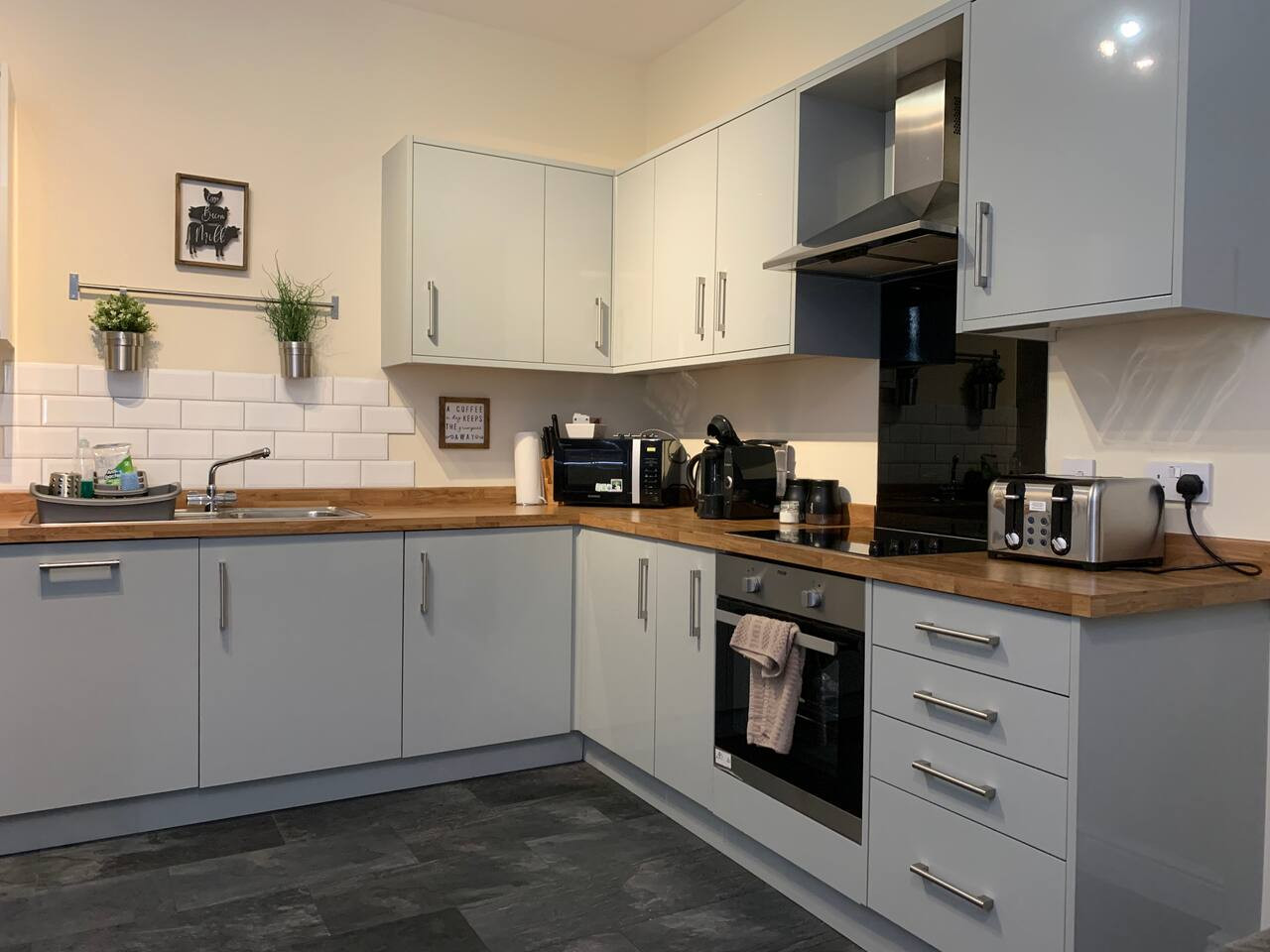
Leek
The Moorlands Suite - 1 Bed Apartment
- Sleeps 4
- 1 bedroom
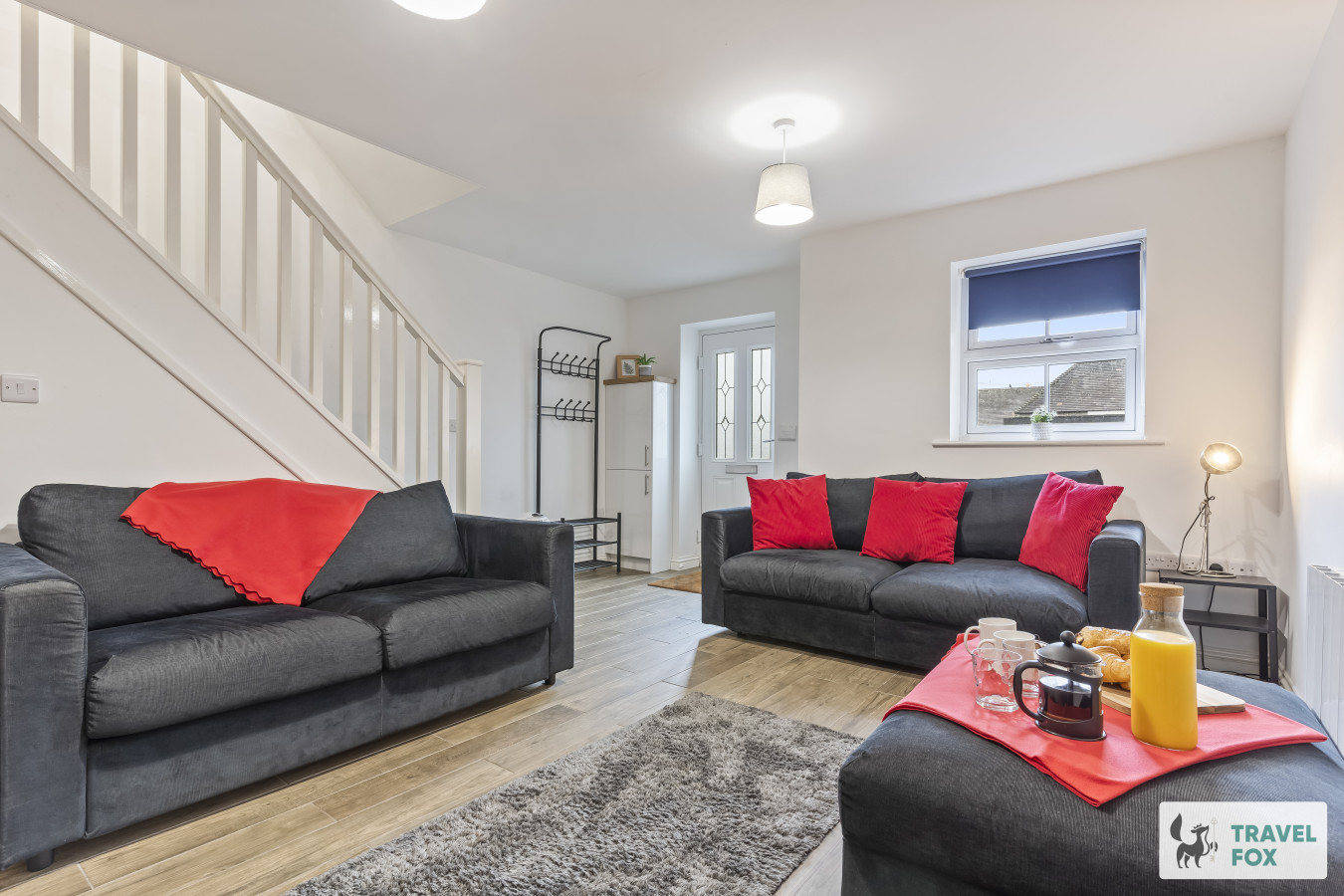
Leek
Amy's House: 20mins Alton Towers
- Sleeps 6
- 2 bedrooms
For homeowners
Own a holiday home near Sheldon?
We manage holiday lets across the Peak District from 12% commission, charged after cleaning costs, with no lock-in. A co-founder visits before you decide.
Holiday let management in the Peak District →
A guide with a point of view
Written from research. Edited for real journeys.
Use the Official site links for live practical details, then use this guide for context, ideas and room to explore.
Sources
Every place on this page is checked against a published source. Each entry links the record we used and names who publishes it.
- St Michael and All Angels — achurchnearyou.com national body or asset manager
- Magpie Mine — historicengland.org.uk statutory register or public authority record not machine-readable; publisher restricts automated access
- Ashford-in-the-Water to Magpie Mine Circular — peakdistrict.gov.uk statutory register or public authority record not machine-readable; publisher restricts automated access
- Bakewell — visitpeakdistrict.com operator, sector body or destination organisation
- Ashford-in-the-Water — visitpeakdistrict.com operator, sector body or destination organisation
- Monsal Head — visitpeakdistrict.com operator, sector body or destination organisation
- Haddon Hall — haddonhall.co.uk operator, sector body or destination organisation
- Chatsworth House — chatsworth.org operator, sector body or destination organisation