
White Peak village
Peak Forest
A high limestone village where long-distance paths, royal-forest history and a singular church meet below Tideswell Moor.
- Best for
- White Peak walking and unusual church history
- Give it
- A half day with a pub stop
- Don't miss
- The Charles I window and Eldon Hole story
The Fox verdict
A small village with paths and peculiar history
Come for direct access to White Peak walking, then stay for a church tied to runaway marriages and a former coaching inn.
Peak Forest is compact, but the Limestone Way and Pennine Bridleway give it real walking weight. The church's Charles I dedication and marriage-licence history add a story unlike its neighbours, while the Devonshire Arms supplies the village's principal food and drink stop.
Where to go
Places in Peak Forest
Every place below is checked against a published source, listed with what it is and how long to give it.
Local signatures
3 placesLimestone Way at Peak Forest
The 46-mile route passes through Peak Forest between Cave Dale and Peveril Castle in one direction and Hay Dale and Peter Dale in the other.
- Visit length
- Editorial estimate: around 2 hours for a local section
- Locality
- running directly through Peak Forest
Eldon Hill and Eldon Hole circular
A circular north of the village reaches Eldon Hill and Eldon Hole, Derbyshire's deepest natural pothole and one of Thomas Hobbes's Seven Wonders of the Peak.
- Visit length
- Editorial estimate: around 2 hours 30 minutes
- Locality
- north of Peak Forest
Peveril Castle
The Castleton castle from which the medieval Royal Forest of the Peak was administered.
- Visit length
- Editorial estimate: around 90 minutes
- Locality
- in Castleton
Food & drink
1 placeThe Devonshire Arms
A former 16th-century coaching inn and independent free house serving home-cooked pub food from Thursday to Sunday and regularly changing guest beers.
- Visit length
- Editorial estimate: around 90 minutes
- Locality
- on the A623 in Peak Forest
Walks & outdoors
1 placePennine Bridleway at Peak Forest
A section of the Pennine Bridleway passes the village and climbs from Old Dam Lane toward Monksdale House.
- Visit length
- Editorial estimate: around 90 minutes for a local section
- Locality
- passing Peak Forest
History & heritage
2 placesChurch of King Charles the Martyr
A Grade II church built in 1876–77 to replace a 17th-century chapel, with a stained-glass window depicting Charles I beside the execution block and axe.
- Visit length
- Editorial estimate: around 45 minutes
- Locality
- in Peak Forest
Church of St John the Baptist, Tideswell
Tideswell's Church of St John the Baptist, identified in the brief as the Cathedral of the Peak.
- Visit length
- Editorial estimate: around 45 minutes
- Locality
- in Tideswell
No places match this filter. Choose All places to reset the list.
Three ways to explore Peak Forest
Signature outings
Home-cooked food at the Devonshire Arms
Choose from homemade pies, burgers, breakfasts and a specials board at Peak Forest's main food-and-drink stop.
Charles I in stained glass
Look for the window that depicts Charles I beside the execution block and axe in a church dedicated to the executed king.
Eldon Hill and Eldon Hole
Follow the circular north of Peak Forest to the hillside pothole that folklore made the Devil's abode.
The village story
Peak Forest Village Guide
A former coaching inn, two long-distance paths and a church with an extraordinary marriage-licence history anchor this small White Peak village.
The inn that feeds the village
The Devonshire Arms sits on the A623, a former 16th-century coaching inn that belonged to the Duke of Devonshire, hence the name. It is now an independent free house with seven en-suite rooms, a log burner, and two handpumps serving guest beers that change often. The kitchen runs Thursday to Sunday: homemade pies — steak and Stilton, chicken and mushroom — burgers, breakfasts made with local ingredients, and homemade chips, off a small main menu with a specials board. Dogs are welcome in the bar and outside.
Behind the pub there is a beer garden, a camping field, and a motorhome stopover. That is the food and drink here. Peak Forest has about 335 people and no butcher, deli, or farm shop, so the Devonshire Arms does the work of all three.
Arriving where the walking begins
The village shelters in a dip below Tideswell Moor, in limestone White Peak country at roughly 300 metres, with rolling fields split by drystone walls all around. The A623 runs Chapel-en-le-Frith to Chesterfield straight through it. There is no station; the nearest running trains are at Buxton or Dove Holes, and the buses are the kind you plan a day around, so bring a car.
The walking starts in the village. The Limestone Way comes down off Cave Dale and Peveril Castle, passes through the village, and carries on into Hay Dale and Peter Dale. The Pennine Bridleway climbs from Old Dam Lane on ground secure enough to let a dog off the lead.
A royal church and runaway marriages
The church is dedicated to King Charles the Martyr — Charles I, executed in 1649 — one of very few anywhere. A stained-glass window depicts him alongside the execution block and axe. The present building went up in 1876–77, replacing a chapel of 1657 that Christiana, Dowager Countess of Devonshire, founded "in defiance of Parliament" for the Royal Foresters. "Because the size of the nave is far too big for the number of people from the village who normally make up the congregation, we conduct most of our services in a side chapel," the churchwarden David Pearson told Great British Life.
That old chapel gave Peak Forest a peculiar sideline. Being extra-parochial and extra-episcopal, its minister could grant marriage licences to anyone, at any time, without banns or witnesses, which made this Derbyshire's Gretna Green. Runaway couples arrived at around sixty a year until the 1753 Marriage Act, and the incumbent carried the title "Principal Official and Judge in Spiritualities in the Peculiar Court of Peak Forest."
Eldon Hole and village traditions
Above the village is Eldon Hole, the deepest natural pothole in Derbyshire at about 245 feet, named one of the Seven Wonders of the Peak by Thomas Hobbes in 1636. Folklore made it the Devil's front door.
The hamlet of Old Dam adjoins the village, a cluster of cottages that once had a pond and a corn mill, both long gone. The old water pump is still there. Every July the village dresses its well — Emma Fox, Helen Shaw-Croft, Sarah Thompson, and Sally Baker among the craftspeople in recent years — and Wakes Week brings a scarecrow competition, a beetle drive, a picnic, and a 10km fell race up the same hills the walkers came to walk.
Stay around Peak District
Make a longer stay of it
Travel Fox holiday homes around Peak District, linked directly to their property pages.
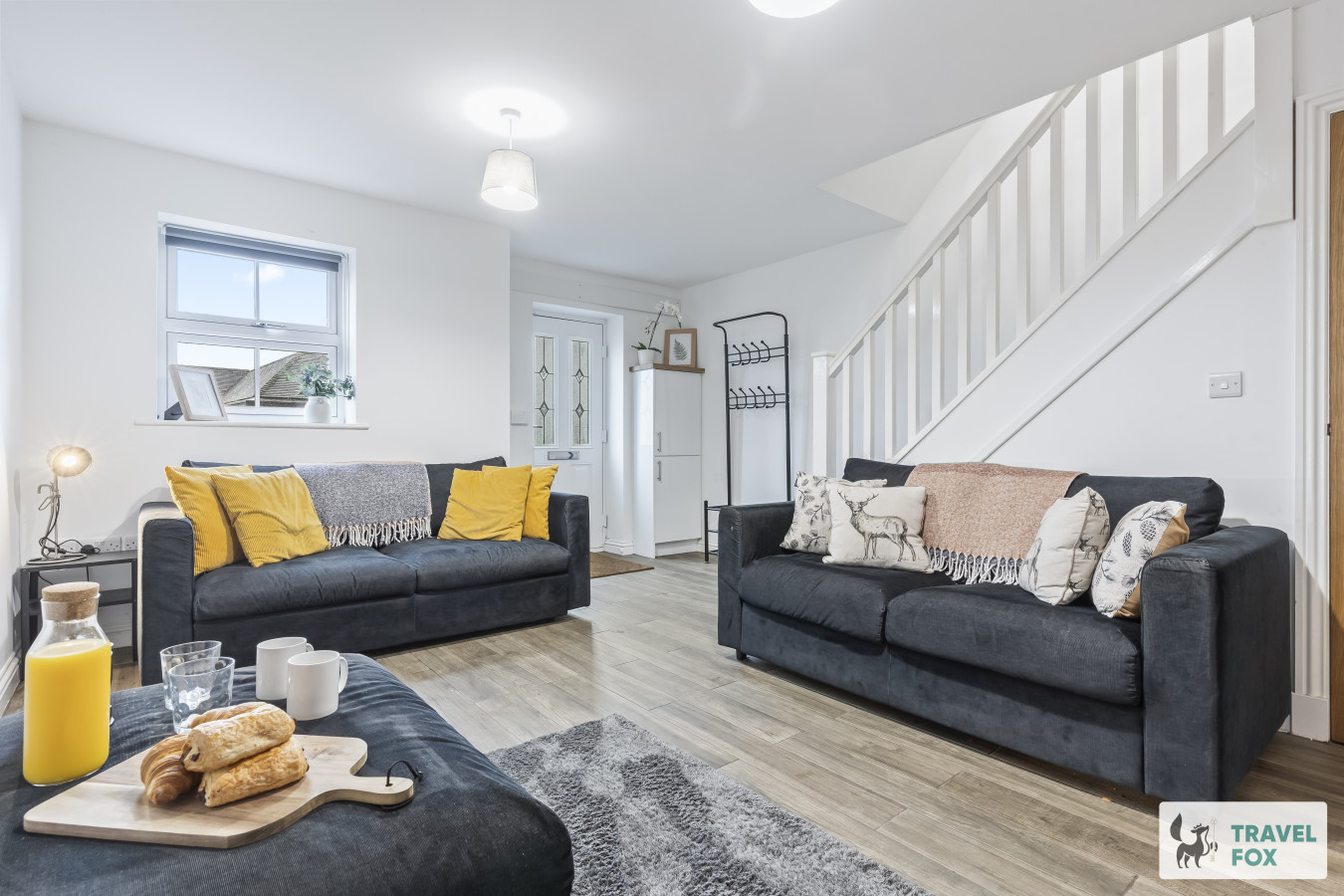
Leek
Lisa's House Leek: 20mins Alton Towers
- Sleeps 6
- 2 bedrooms
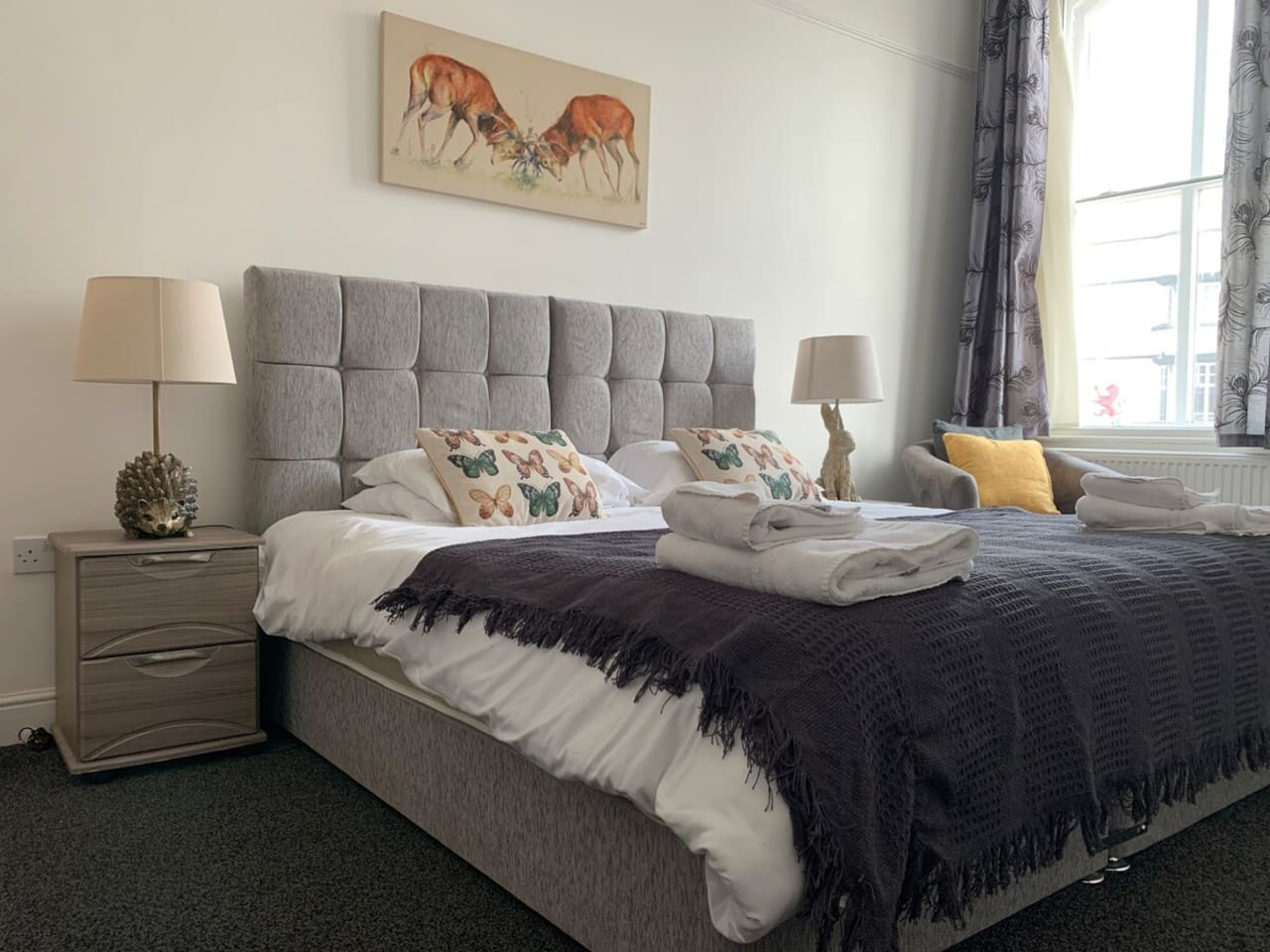
Leek
The Rudyard Suite - Large 1 Bed Apartment
- Sleeps 5
- 1 bedroom
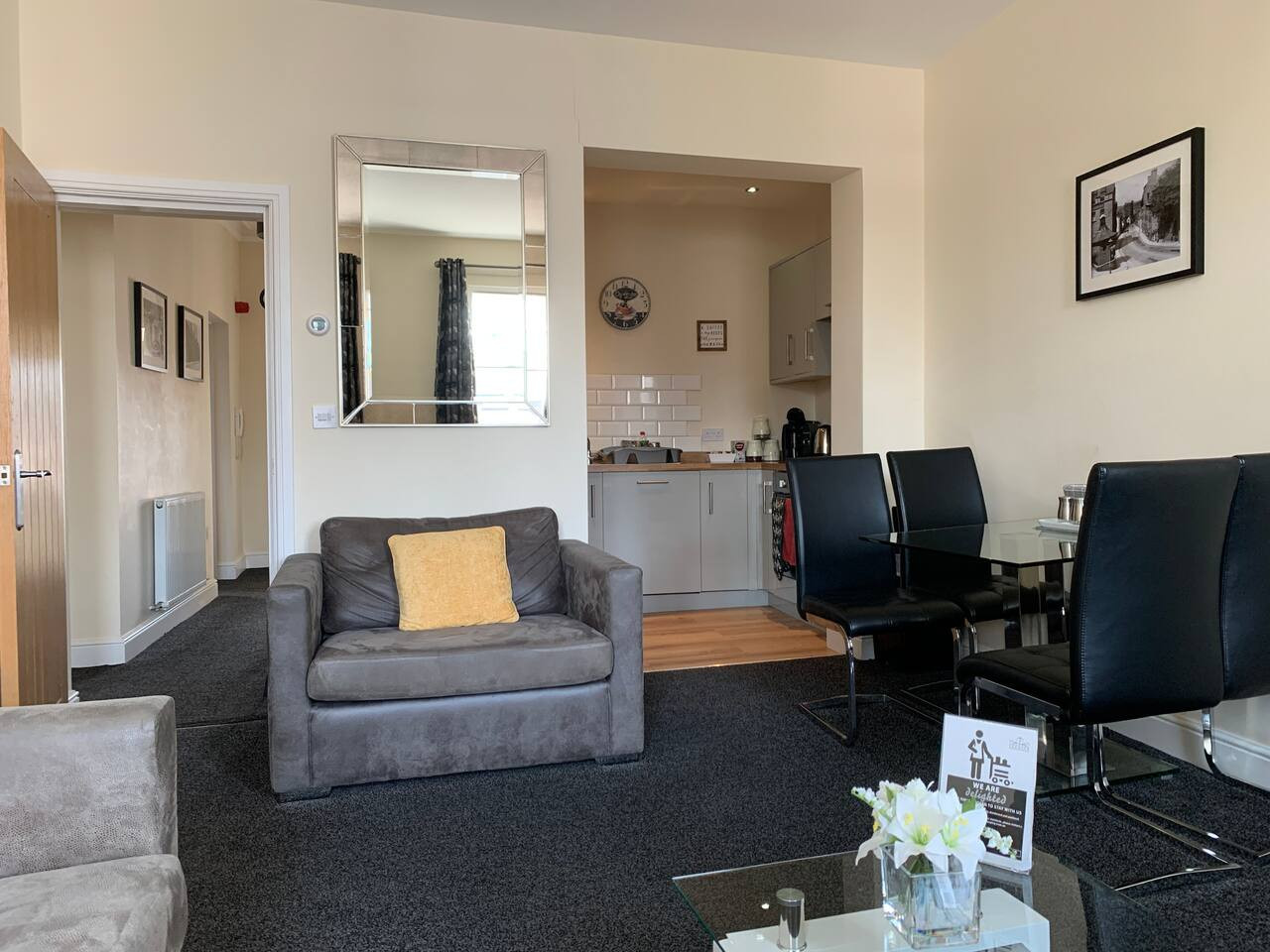
Leek
The Roaches Suite - Large 2 Bedroom Apartment
- Sleeps 7
- 2 bedrooms
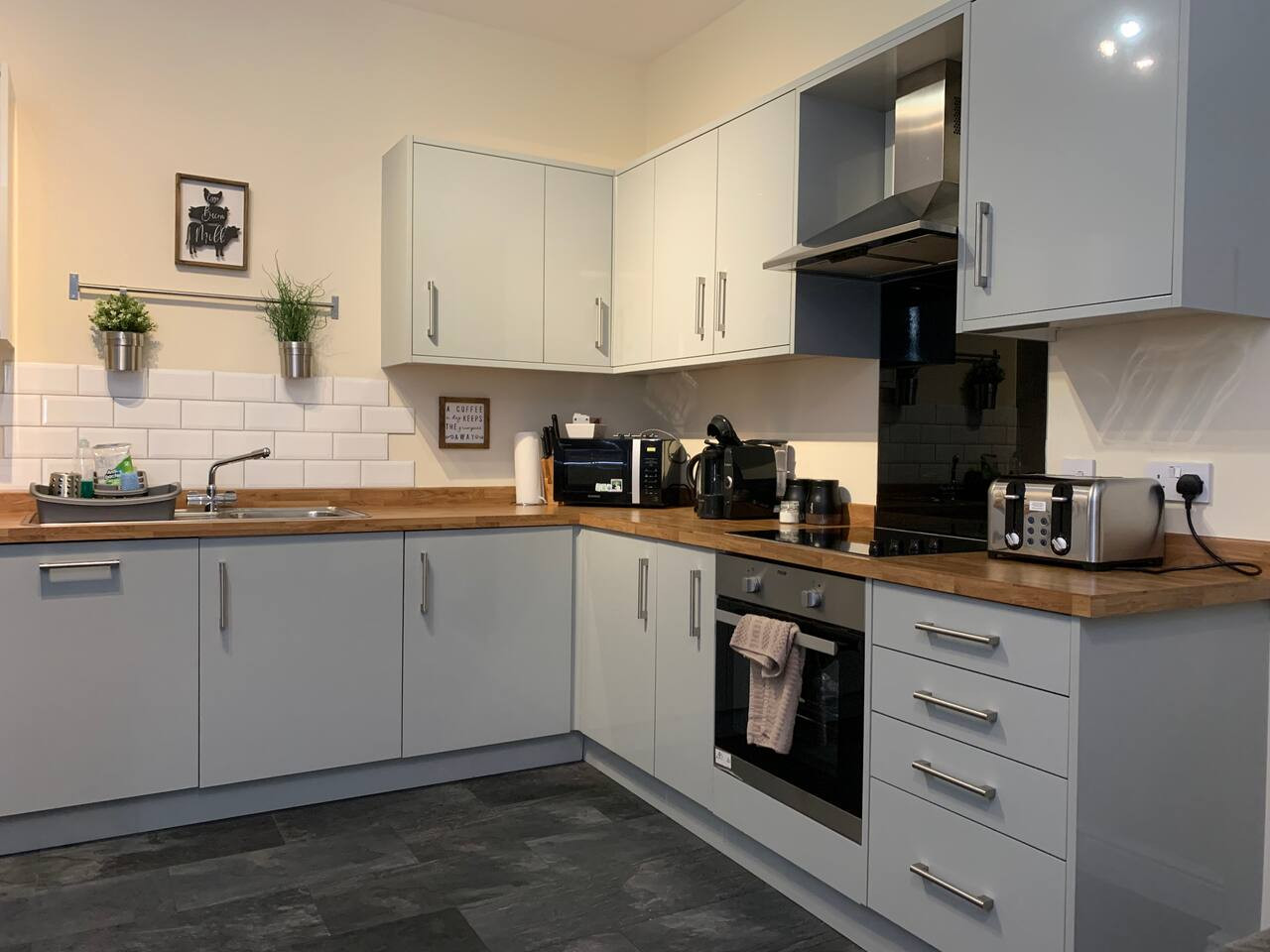
Leek
The Moorlands Suite - 1 Bed Apartment
- Sleeps 4
- 1 bedroom
Leek
Amy's House: 20mins Alton Towers
- Sleeps 6
- 2 bedrooms
For homeowners
Own a holiday home near Peak Forest?
We manage holiday lets across the Peak District from 12% commission, charged after cleaning costs, with no lock-in. A co-founder visits before you decide.
Holiday let management in the Peak District →
A guide with a point of view
Written from research. Edited for real journeys.
Use the Official site links for live practical details, then use this guide for context, ideas and room to explore.
Sources
Every place on this page is checked against a published source. Each entry links the record we used and names who publishes it.
- The Devonshire Arms — thedevarms.com other published source
- Church of King Charles the Martyr — historicengland.org.uk statutory register or public authority record not machine-readable; publisher restricts automated access
- Limestone Way at Peak Forest — peakdistrict.gov.uk statutory register or public authority record not machine-readable; publisher restricts automated access
- Pennine Bridleway at Peak Forest — gov.uk statutory register or public authority
- Eldon Hill and Eldon Hole circular — peakdistrict.gov.uk statutory register or public authority record not machine-readable; publisher restricts automated access
- Peveril Castle — english-heritage.org.uk national body or asset manager
- Church of St John the Baptist, Tideswell — achurchnearyou.com national body or asset manager