
At the head of Dovedale
Milldale
A dozen or so grey limestone cottages gathered beside the River Dove and a narrow medieval packhorse bridge.
- Best for
- Dovedale walking and village history
- Give it
- About 1.5 hours to reach the stepping stones
- Don't miss
- Viator's medieval packhorse bridge
The Fox verdict
A tiny limestone hamlet with the dale on its doorstep
Milldale pairs a narrow medieval crossing with walks south through Dovedale and north into Wolfscote Dale.
Come for the River Dove, Viator's Bridge and the story of the mills that gave Milldale its name. The village information barn occupies converted corn-mill stables, while the main pub is about 1.1 miles away in a straight line, in Hopedale; the walking route is longer.
Where to go
Places in Milldale
Every place below is checked against a published source, listed with what it is and how long to give it.
Local signatures
3 placesNational Trust Information Barn
An information hut in the converted 17th- to 18th-century stables of Milldale's former corn mill.
- Visit length
- Editorial estimate: Suggested planning allowance: around 15 minutes
- Locality
- Milldale
- Access
- The information hut has toilets and a water tap.
Watts Russell Arms
An 18th-century stone freehouse serving changing, tapas-style small plates, Thornbridge ales and local flat cider, with a beer garden and dogs welcome.
- Visit length
- Editorial estimate: Suggested planning allowance: around 90 minutes
- Locality
- Hopedale
- Access
- Children under 10 are not permitted inside, and opening hours are limited.
Ilam Park
A 158-acre National Trust estate with Italianate gardens, riverside walks and a tearoom.
- Visit length
- Editorial estimate: Suggested planning allowance: around 90 minutes
- Locality
- Ilam
Walks & outdoors
2 placesDovedale Stepping Stones
Mid-19th-century stepping stones reached along Dovedale from Milldale.
- Visit length
- Editorial estimate: Allow about 1.5 hours from Milldale
- Locality
- at the southern end of the dale
Wolfscote Dale
Follow the River Dove path north from Viator's Bridge into Wolfscote Dale and onward toward Hartington.
- Visit length
- Editorial estimate: Suggested planning allowance: around 90 minutes
- Locality
- north from Viator's Bridge
History & heritage
2 placesViator's Bridge
A narrow medieval packhorse bridge, originally built without side walls so panniered horses carrying silk and flax could cross.
- Visit length
- Editorial estimate: Suggested planning allowance: around 30 minutes
- Locality
- at the northern head of Dovedale
St Peter's Church, Alstonefield
A Grade I church with 12th-century origins, a Norman chancel arch and south door, a Perpendicular clerestory and tower, and Anglo-Saxon crosses found on the site.
- Visit length
- Editorial estimate: Suggested planning allowance: around 45 minutes
- Locality
- Alstonefield
Things to do
1 placeTissington Trail
A traffic-free, 13-mile trail between Parsley Hay and Ashbourne, identified in the research for family cycling.
- Visit length
- Editorial estimate: Suggested planning allowance: around 2 hours
- Locality
- between Parsley Hay and Ashbourne
No places match this filter. Choose All places to reset the list.
Three ways to explore Milldale
Signature outings
Viator's narrow bridge
The medieval packhorse bridge carried silk and flax from Wetton and Alstonefield and took its present name from a traveller in The Compleat Angler.
Reach the stepping stones
The route from Milldale runs about two and a half miles one way through Dovedale before reaching the mid-19th-century stones.
Trace Alstonefield's church
St Peter's has 12th-century origins, Norman work, a Perpendicular clerestory and tower, and Anglo-Saxon crosses found on the site.
The village story
Milldale Village Guide
A source-locked story of a tiny limestone hamlet, its vanished mills, famous bridge and paths through the dales.
Cottages, bridge and the Hopedale pub
In the middle of Milldale a wooden signpost reads "Pub 1m" and points up the lane. The pub is about 1.1 miles away in a straight line, in Hopedale; the walking route is longer. The village itself is a dozen or so grey limestone cottages, most of them 18th-century, set at the head of Dovedale where the River Dove is crossed by a narrow packhorse bridge. Ducks have the run of the place. There is no phone signal and no internet.
The pub the sign points to is the Watts Russell Arms, an 18th-century stone freehouse named after James Watts Russell, a wealthy local businessman. The kitchen does tapas-style small plates, made from scratch with local suppliers and changing with whatever's in, with vegetarian and gluten-free options. The ales are a reason to make the trip: an ever-changing Thornbridge range including Jaipur, plus a local flat cider. There's a beer garden and dogs are welcome. Children under ten are not permitted inside. The hours are limited enough that you should check before setting off.
The mill barn
The other building of note is the National Trust information barn, which has toilets and a water tap and occupies the converted stables of the corn mill that gave the village half its name.
Lost mills and Viator's Bridge
The mills are gone now. Milldale was named for two of them. The corn mill stood until the mid-19th century, and the Ochre Mill, on a small island in the Dove, ground powder for red-lead paint until it was demolished around the same time. Its foundations and a millstone remain. Upstream, at the entry to Wolfscote Dale, Lode Mill ground corn until 1929.
The bridge is the thing everyone photographs. Viator's Bridge is a medieval packhorse crossing, built without side walls so panniered horses could get across, and it carried silk and flax from Wetton and Alstonefield for centuries. It takes its name from Viator — "traveller" — a character in Izaak Walton and Charles Cotton's *The Compleat Angler*, which made Dovedale famous. Viator's verdict on the bridge, in the book: "Why! A mouse can hardly go over it: 'tis not twelve fingers broad."
Walking the dales and getting there
From here the walking is the main event. It's about two and a half miles through the limestone valley to the Dovedale stepping stones. The path north leads into Wolfscote Dale and on toward Hartington. A national park car park serves Milldale.
There's no station close to Milldale; Ashbourne is the gateway town, reached along remote lanes.
Temperance and bridge-side refreshment
In 1898 William Hambleton was refused a drinks licence and opened a temperance hotel instead. Decades later, Nancy Bennington sold mineral waters, sweets and postcards by the bridge, and the Manchester Evening News called her "the grand old woman of Dovedale."
Stay around Peak District
Make a longer stay of it
Travel Fox holiday homes around Peak District, linked directly to their property pages.
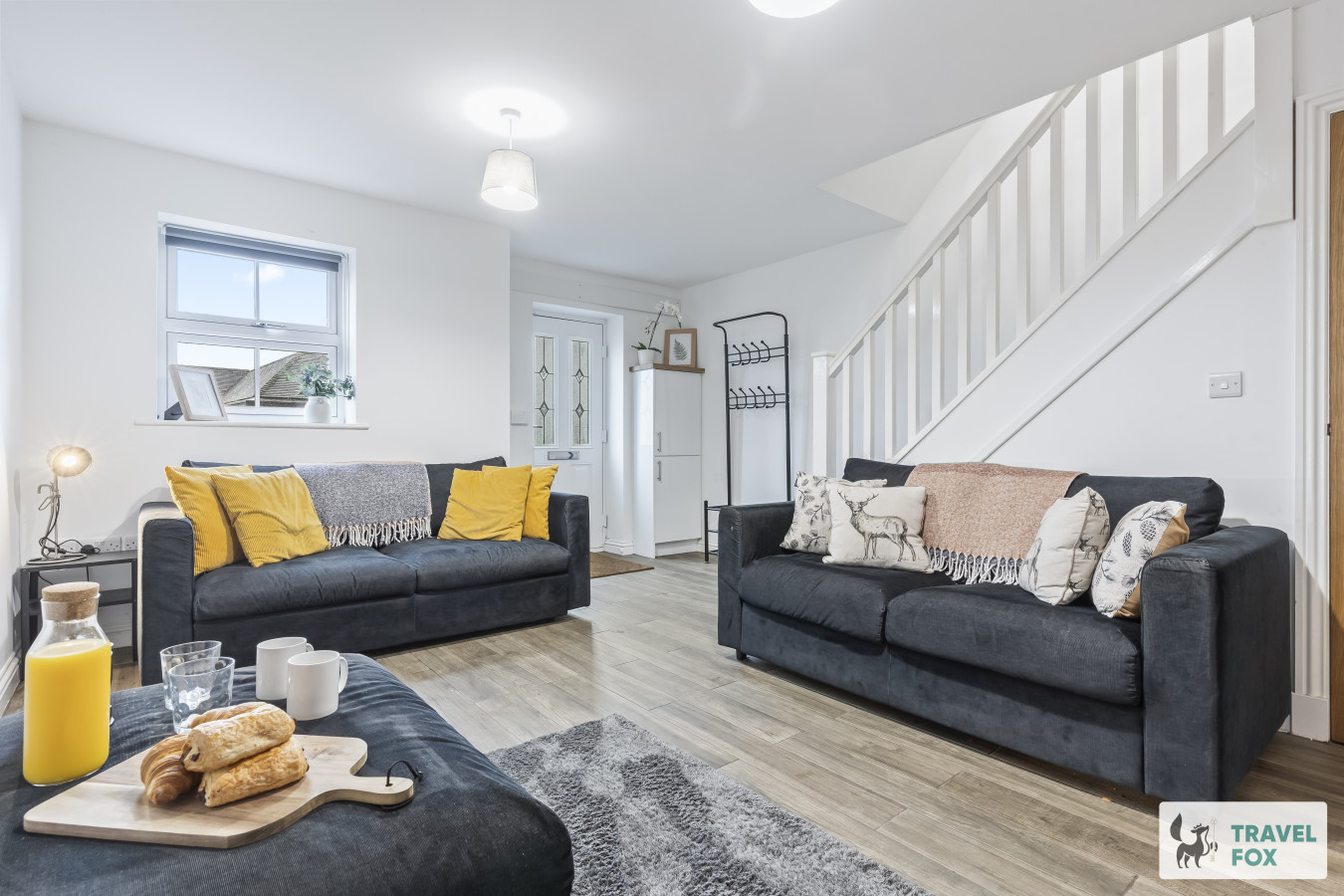
Leek
Lisa's House Leek: 20mins Alton Towers
- Sleeps 6
- 2 bedrooms
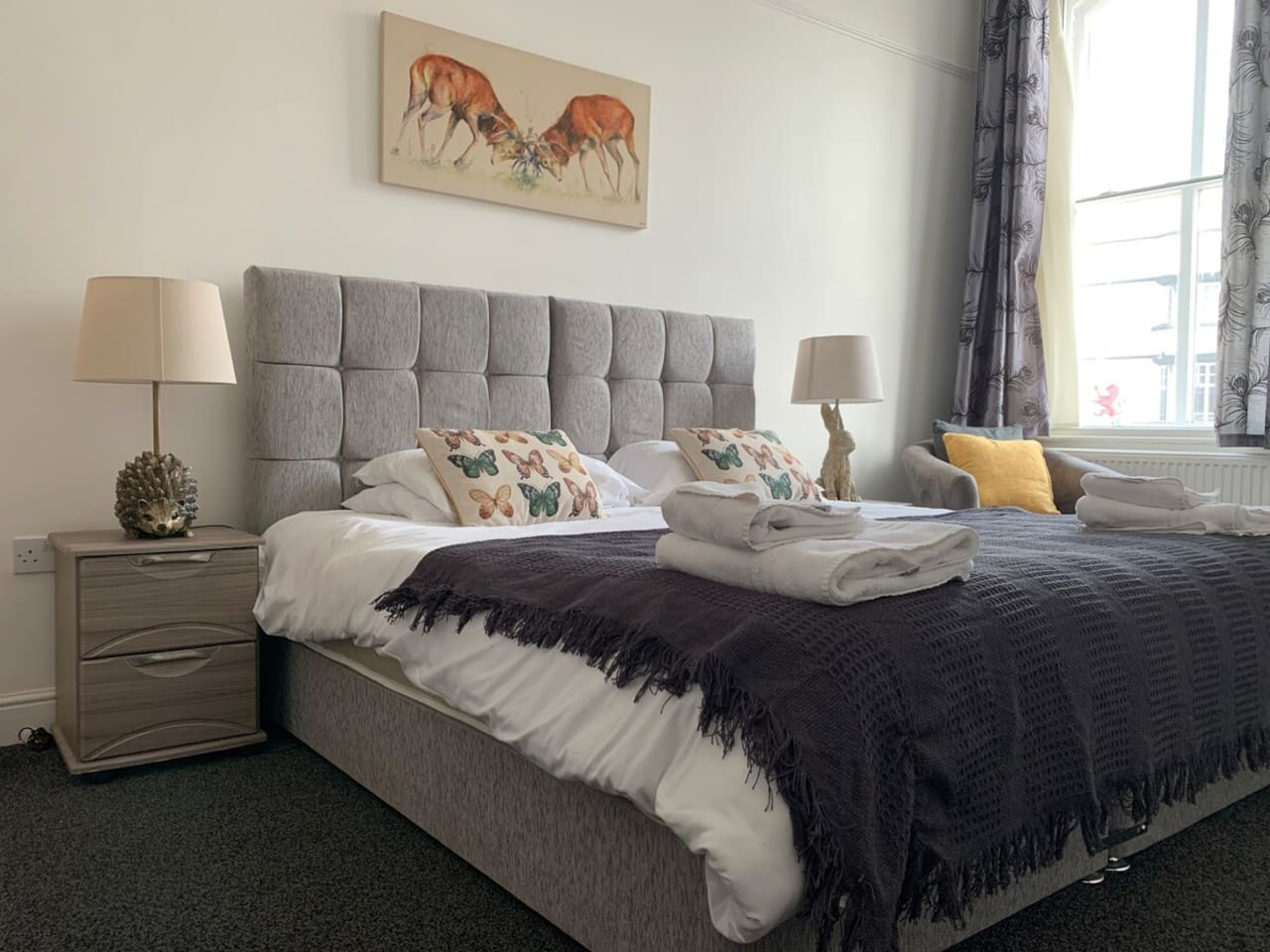
Leek
The Rudyard Suite - Large 1 Bed Apartment
- Sleeps 5
- 1 bedroom
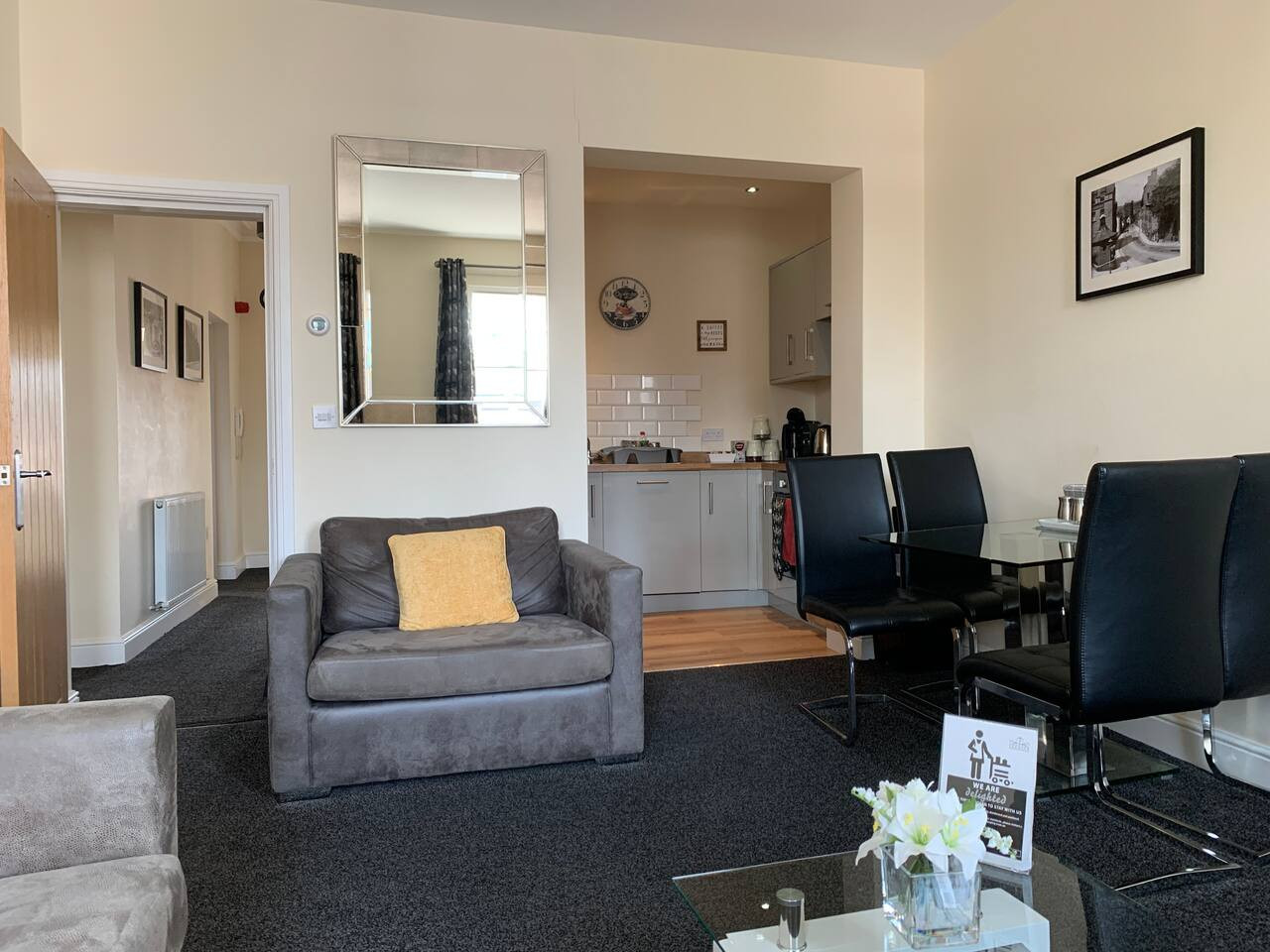
Leek
The Roaches Suite - Large 2 Bedroom Apartment
- Sleeps 7
- 2 bedrooms
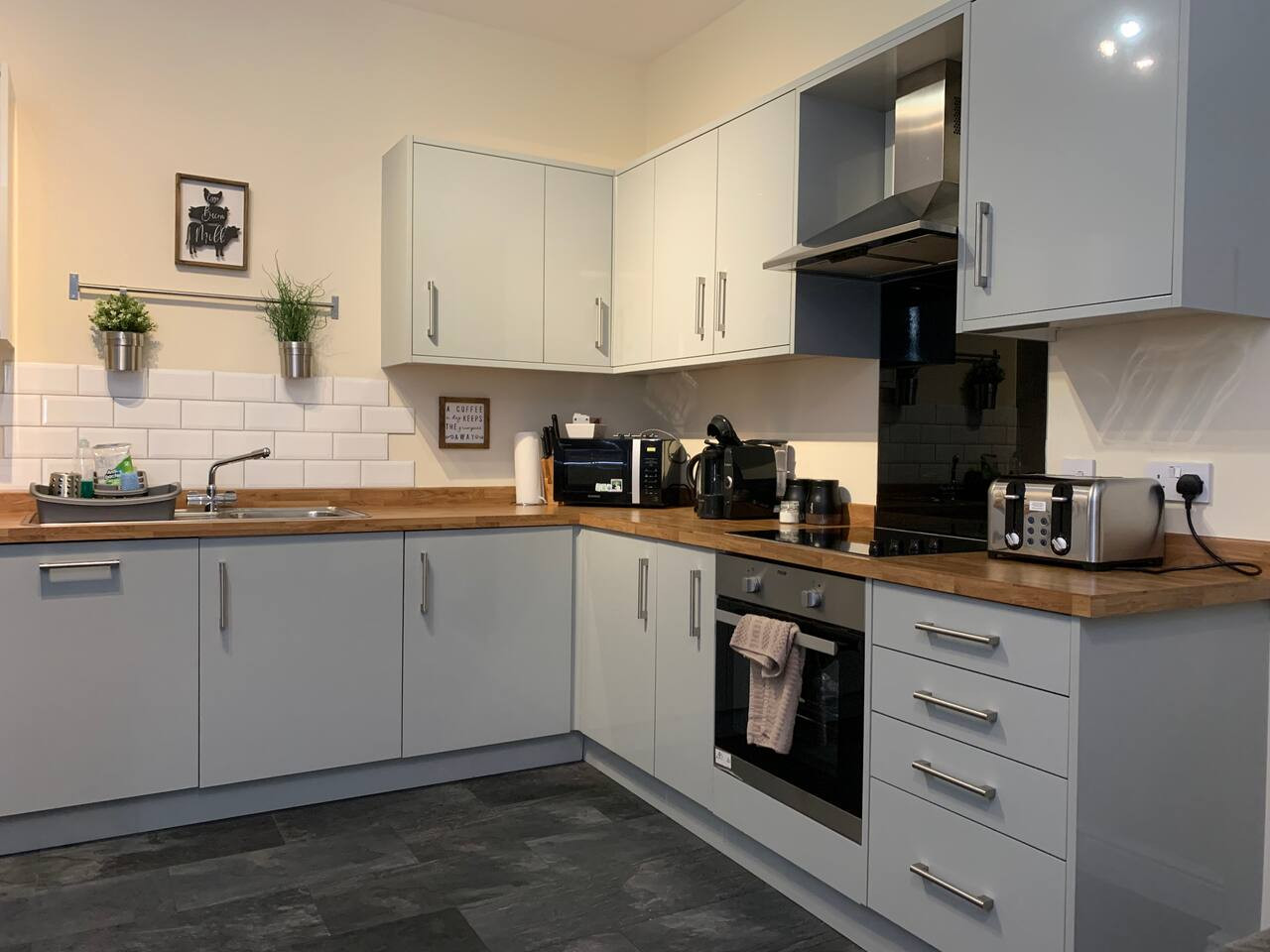
Leek
The Moorlands Suite - 1 Bed Apartment
- Sleeps 4
- 1 bedroom
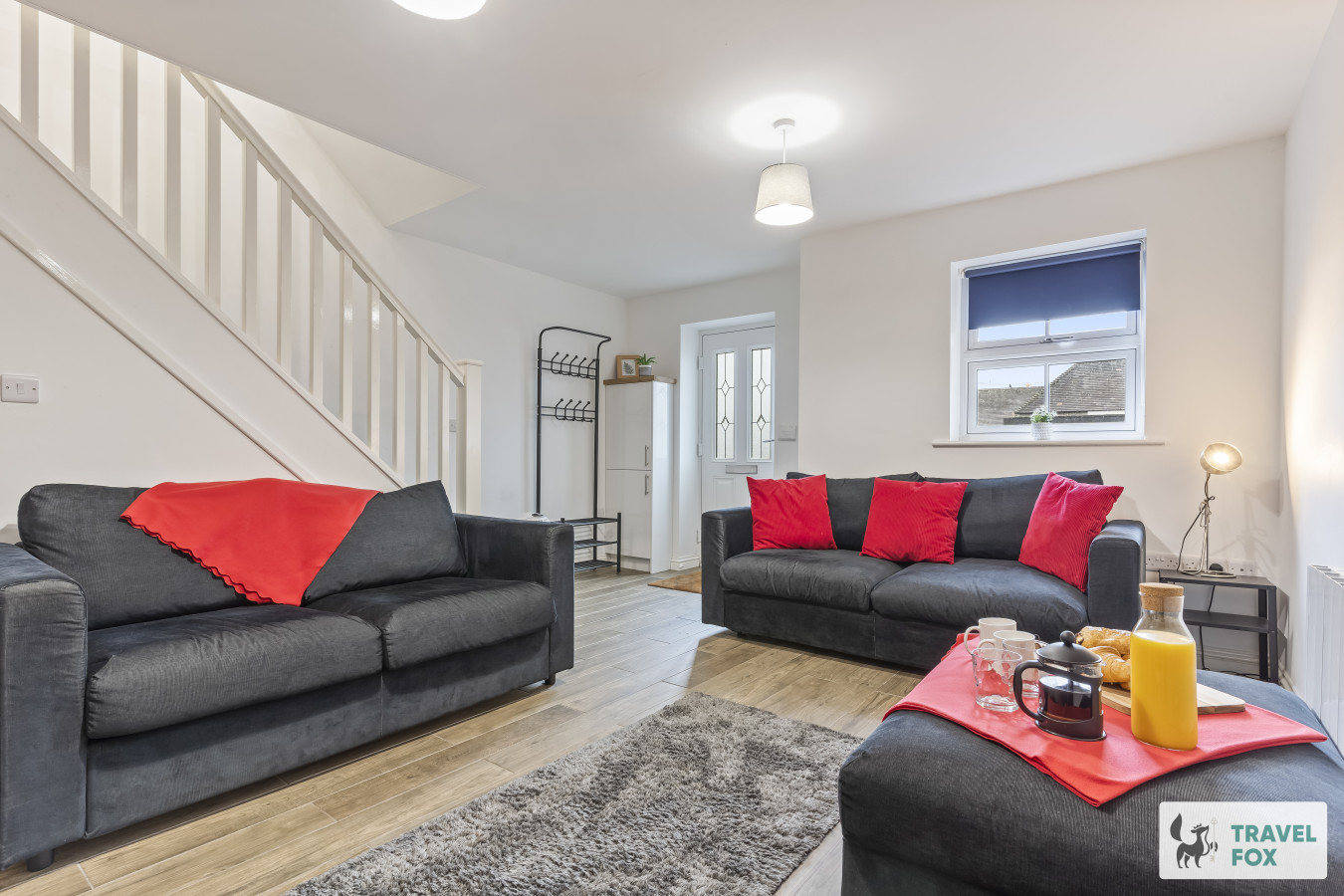
Leek
Amy's House: 20mins Alton Towers
- Sleeps 6
- 2 bedrooms
For homeowners
Own a holiday home near Milldale?
We manage holiday lets across the Peak District from 12% commission, charged after cleaning costs, with no lock-in. A co-founder visits before you decide.
Holiday let management in the Peak District →
A guide with a point of view
Written from research. Edited for real journeys.
Use the Official site links for live practical details, then use this guide for context, ideas and room to explore.
Sources
Every place on this page is checked against a published source. Each entry links the record we used and names who publishes it.
- Viator's Bridge — historicengland.org.uk statutory register or public authority record not machine-readable; publisher restricts automated access
- National Trust Information Barn — heritagerecords.nationaltrust.org.uk operator, sector body or destination organisation
- Watts Russell Arms — wattsrussell.co.uk operator, sector body or destination organisation
- Dovedale Stepping Stones — nationaltrust.org.uk national body or asset manager
- Wolfscote Dale — visitpeakdistrict.com operator, sector body or destination organisation
- St Peter's Church, Alstonefield — historicengland.org.uk statutory register or public authority record not machine-readable; publisher restricts automated access
- Ilam Park — nationaltrust.org.uk national body or asset manager
- Tissington Trail — peakdistrict.gov.uk statutory register or public authority record not machine-readable; publisher restricts automated access