
Rails into limestone
Miller's Dale
Twin viaducts, a former station and old lime kilns frame a small River Wye village made for walking.
- Best for
- Walking and cycling from the old station
- Give it
- A day shaped around the dales
- Don't miss
- Chee Dale's stepping stones beneath sheer cliffs
The Fox verdict
A railway village reclaimed by walkers
Come for the former trackbed, then drop into limestone gorges, trace the old industry and finish beside the River Wye.
Miller's Dale grew after the railway arrived, and that infrastructure still shapes a visit: the original southern viaduct carries the Monsal Trail, the former station offers a café and visitor information, and the nearby quarry is now a nature reserve. Chee Dale, Monk's Dale, St Anne's and the Angler's Rest add reasons to linger.
Where to go
Places in Miller's Dale
Every place below is checked against a published source, listed with what it is and how long to give it.
Local signatures
3 placesMiller's Dale Station café and visitor hub
The former station has a café and accessible toilets. Its renovated Goods Shed provides visitor information and an exhibition about the railway and local wildlife.
- Visit length
- Editorial estimate: 45 minutes
- Locality
- at the former Miller's Dale Station
Chee Dale Stepping Stones circular
A circular dropping from the Monsal Trail into a steep, moss- and fern-filled limestone gorge, crossing the River Wye on stones set against sheer cliffs.
- Visit length
- Editorial estimate: 150 minutes
- Locality
- from Miller's Dale station car park
- Access
- The stepping stones are often submerged after rain; the route is muddy and uneven in places.
Monsal Trail
A former railway trackbed for walking and cycling, passing through Miller's Dale and lit tunnels on its route towards Bakewell.
- Visit length
- Editorial estimate: 90 minutes
- Locality
- running through Miller's Dale
- Access
- The trail is level and traffic-free, with surfaces suitable for pushchairs and cycles. Its longer tunnels are lit during daylight hours.
Food & drink
1 placeThe Angler's Rest
An 18th-century inn beside the River Wye, with traditional pub food, cask ales, a Hikers' Bar, a garden and a real fire.
- Visit length
- Editorial estimate: 90 minutes
- Locality
- down a narrow lane beside the River Wye
- Access
- Walking boots and dogs are welcome in the Hikers' Bar.
Walks & outdoors
2 placesMiller's Dale Quarry nature reserve
A reclaimed former quarry that is now a Derbyshire Wildlife Trust reserve, with limestone wildflowers and wildlife.
- Visit length
- Editorial estimate: 60 minutes
- Locality
- on the valley sides
Monk's Dale
A quiet limestone side-valley and national nature reserve reached on foot from Miller's Dale.
- Visit length
- Editorial estimate: 120 minutes
- Locality
- a limestone side-valley
History & heritage
2 placesSt Anne's Church
A Grade II church built in 1879 as a school-chapel, in coursed limestone with gritstone dressings, a square west tower and Welsh slate roofs.
- Visit length
- Editorial estimate: 30 minutes
- Locality
- Miller's Dale
East Buxton lime kilns
Two large kilns built by the East Buxton Lime Company in 1880 produced around 50 tons of quicklime a day before falling out of use in 1944.
- Visit length
- Editorial estimate: 45 minutes
- Locality
- on the Monsal Trail west of the station
No places match this filter. Choose All places to reset the list.
Three ways to explore Miller's Dale
Signature outings
Take the Chee Dale stones
High water can submerge the stones; the circular route returns to Miller's Dale station through a trail tunnel.
Walk up to the lime kilns
Walk west from the station and stand below the two East Buxton kilns; the railway once carried coal in and quicklime away.
Finish at the Angler's Rest
Settle into the riverside inn for traditional pub food or a cask ale; walking boots and dogs are welcome in the Hikers' Bar.
The village story
Miller's Dale: Rails, Dales and Lime Kilns
The railway made Miller's Dale; its viaducts, station, dales and industrial remains now shape a walking village beside the Wye.
Viaducts, station and trail
Two railway viaducts cross the gorge here. The original southern viaduct was built in 1862–63; the parallel northern viaduct followed in 1905 as the line expanded. The station closed in 1967 and the line in 1968. Today the Monsal Trail carries walkers and cyclists over the southern viaduct.
The old station buildings and platforms survive. There is a café and accessible toilets, while the renovated Goods Shed offers visitor information and an exhibition about the railway and local wildlife. From the station, the Monsal Trail follows the former railway for 8.5 traffic-free miles between Blackwell Mill in Chee Dale and Coombs Road in Bakewell, passing through tunnels lit during daylight hours. A car park provides direct access to the trail.
The riverside inn and its table
The Angler's Rest stands beside the River Wye, close to the Monsal Trail. The inn dates from the 18th century. Inside are rooms for a drink or a meal, including a Hikers' Bar where walking boots and dogs are welcome; there is also a garden and a real fire.
The pub serves traditional food and cask ales, including local guest beers, making it a useful stop after a walk on the nearby trail.
Gorge paths and the school-chapel
A Chee Dale circular leaves the Monsal Trail for a steep limestone gorge beside the Wye, with stepping stones beneath the cliffs. High water can submerge the stones, and the paths can be muddy and uneven. A footpath by St Anne's leads towards Monk's Dale, part of a national nature reserve; Tideswell Dale offers another walking link.
The church is St Anne's, built in 1879 as a school-chapel — records call it "a handsome little school-chapel" where "the young may be instructed in the truths of Christ's holy religion." Coursed limestone with gritstone dressings, a square west tower, a Welsh slate roof.
Kilns, quarrymen and Wormhill
The railway's arrival in 1863 encouraged quarrying and new homes in Miller's Dale. Two distinct kiln groups remain: a bank of four at the Miller's Dale limeworks, built in 1878 and closed in 1930, and the two East Buxton kilns west of the station, built in 1880 and used until 1944. The quarry closed after a landslip in 1967. Part of the former quarry is now a nature reserve.
Wormhill, north of the dale, appears in the Domesday record under the name Wruenele. Henry de Ferrers held land there in 1086. Its much older record offers a contrast to Miller's Dale's railway-era growth.
When the stepping stones vanish
If high water covers the Chee Dale stepping stones, choose a walk on the level Monsal Trail instead.
Stay around Peak District
Make a longer stay of it
Travel Fox holiday homes around Peak District, linked directly to their property pages.
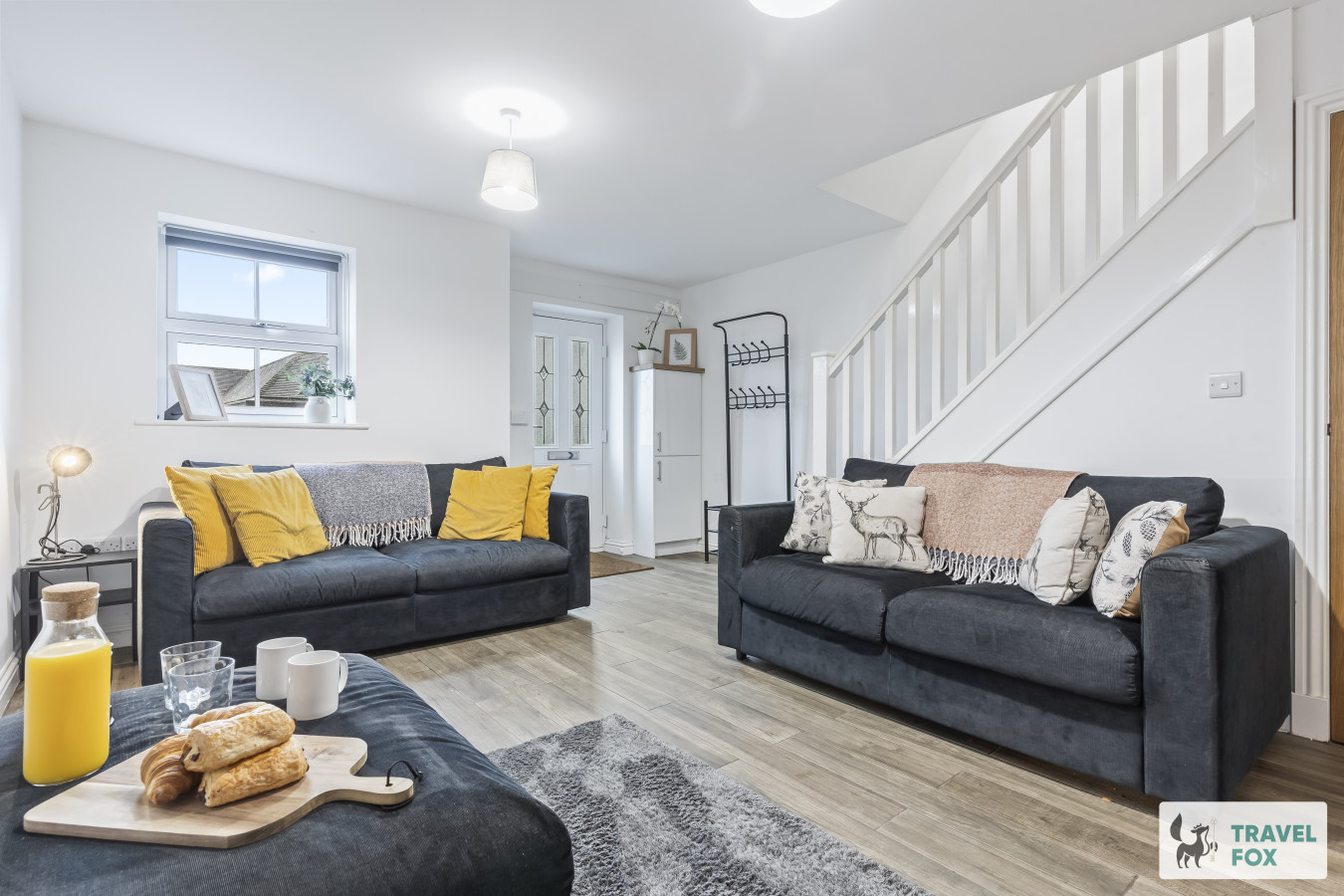
Leek
Lisa's House Leek: 20mins Alton Towers
- Sleeps 6
- 2 bedrooms
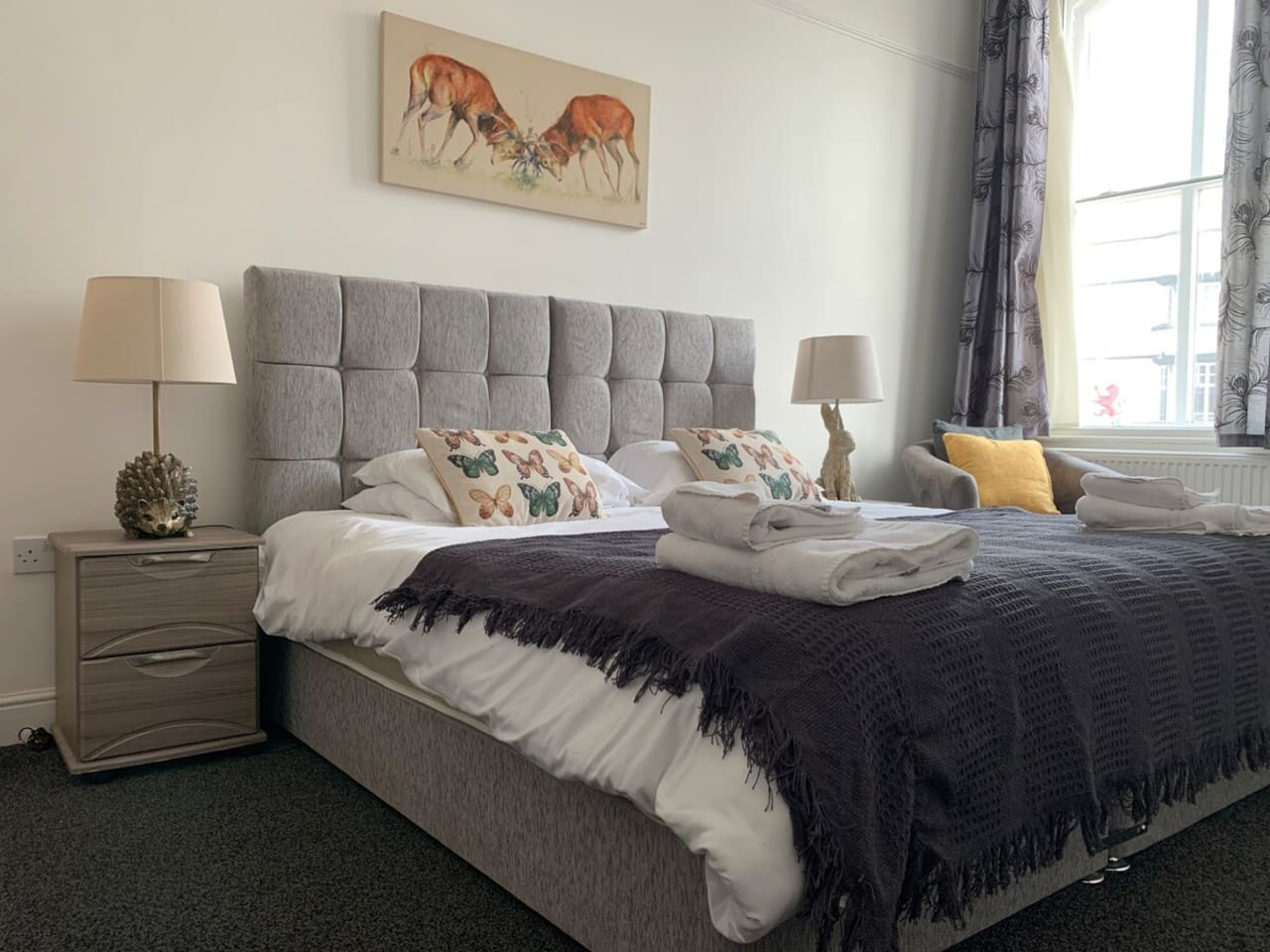
Leek
The Rudyard Suite - Large 1 Bed Apartment
- Sleeps 5
- 1 bedroom
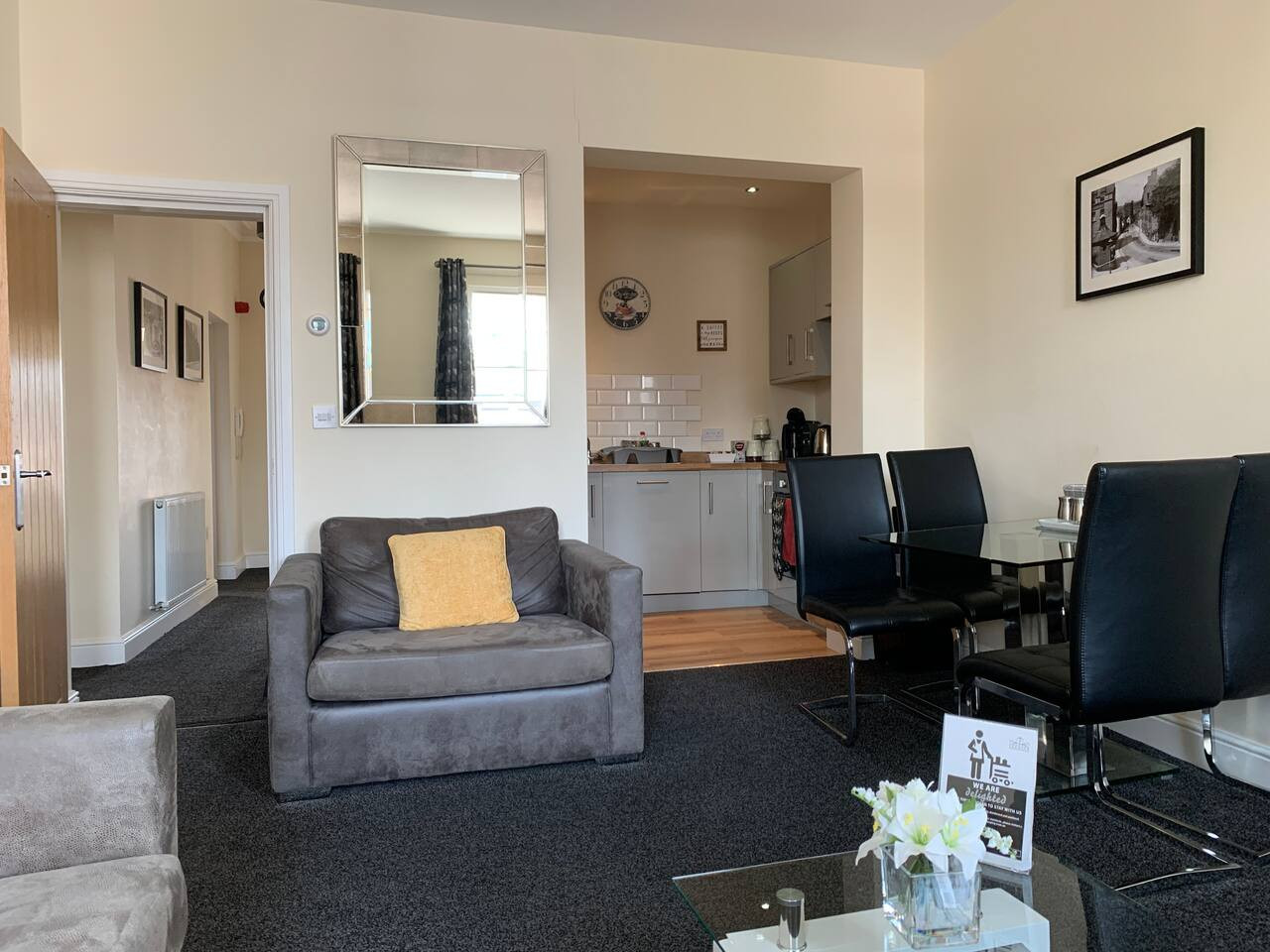
Leek
The Roaches Suite - Large 2 Bedroom Apartment
- Sleeps 7
- 2 bedrooms
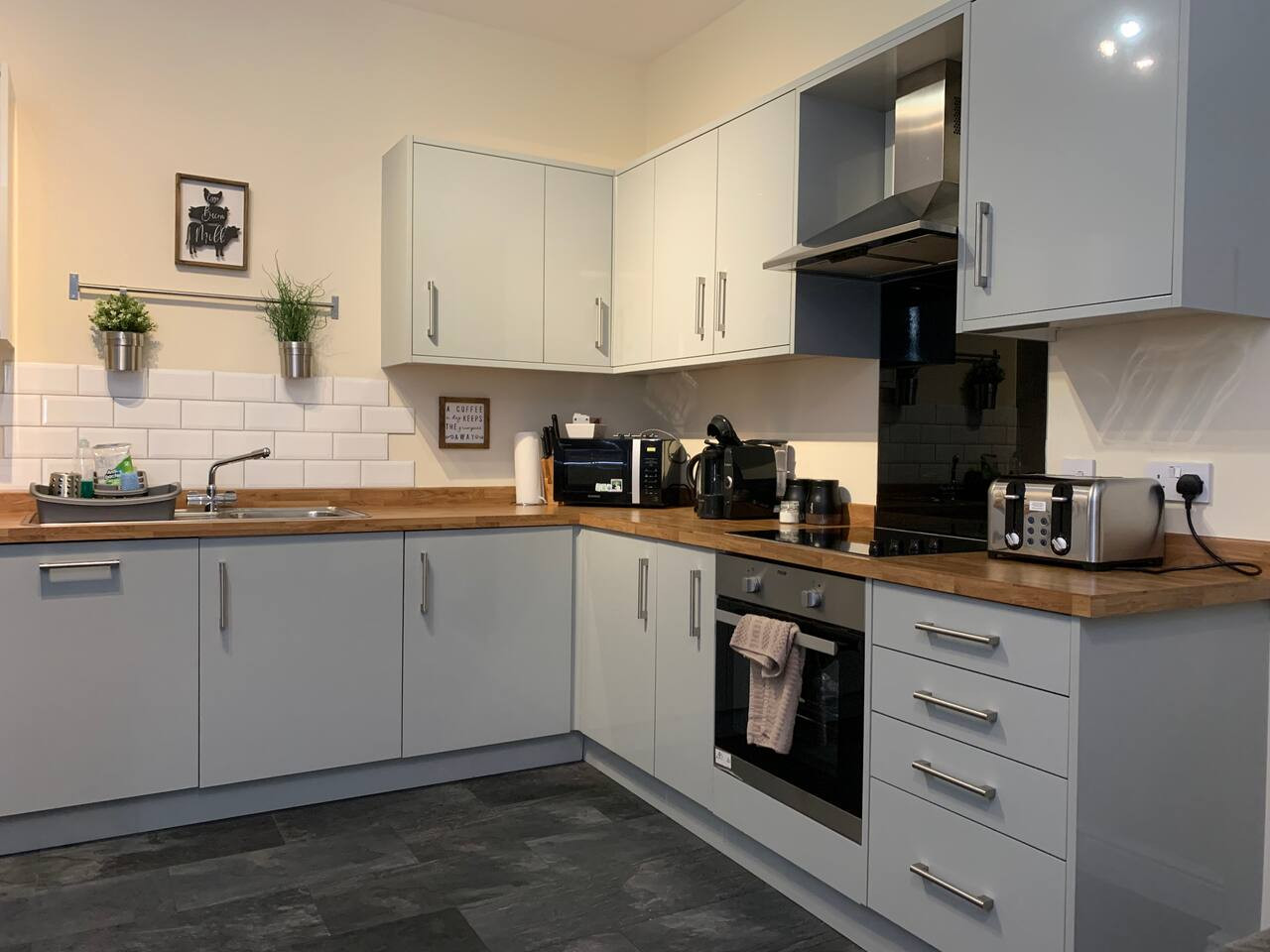
Leek
The Moorlands Suite - 1 Bed Apartment
- Sleeps 4
- 1 bedroom
Leek
Amy's House: 20mins Alton Towers
- Sleeps 6
- 2 bedrooms
For homeowners
Own a holiday home near Miller's Dale?
We manage holiday lets across the Peak District from 12% commission, charged after cleaning costs, with no lock-in. A co-founder visits before you decide.
Holiday let management in the Peak District →
A guide with a point of view
Written from research. Edited for real journeys.
Use the Official site links for live practical details, then use this guide for context, ideas and room to explore.
Sources
Every place on this page is checked against a published source. Each entry links the record we used and names who publishes it.
- Miller's Dale Station café and visitor hub — peakdistrict.gov.uk statutory register or public authority record not machine-readable; publisher restricts automated access
- The Angler's Rest — historicengland.org.uk statutory register or public authority record not machine-readable; publisher restricts automated access
- St Anne's Church — historicengland.org.uk statutory register or public authority record not machine-readable; publisher restricts automated access
- Chee Dale Stepping Stones circular — derbyshirewildlifetrust.org.uk national body or asset manager
- Monsal Trail — peakdistrict.gov.uk statutory register or public authority record not machine-readable; publisher restricts automated access
- Miller's Dale Quarry nature reserve — derbyshirewildlifetrust.org.uk national body or asset manager
- East Buxton lime kilns — peakdistrict.gov.uk statutory register or public authority record not machine-readable; publisher restricts automated access
- Monk's Dale — gov.uk statutory register or public authority