

Steam, stories and a wooded vale
Waunfawr
Follow waymarked walks from Y Ganolfan, ride the Welsh Highland Railway and watch the trains from Waunfawr's own brewpub.
- Best for
- Waymarked walks and heritage trains
- Start at
- Y Ganolfan for the waymarked routes
- Don't miss
- A locally brewed pint beside the railway
Photo: foundin_a_attic · CC BY 2.0 · cropped
The Fox verdict
A walking village with steam at the bar
Waunfawr brings together a wooded valley, waymarked circular walks, a restored narrow-gauge railway and a brewpub beside the platform.
Choose a route for the village, river, quarrying country or longer moorland, then finish where Snowdonia Parc's gardens and patio overlook the Welsh Highland Railway. The landscape also carries the stories of mapmaker John Evans, Kate Roberts and the vanished Marconi station on Cefn Du.
Where to go
Places in Waunfawr
Every place below is checked against a published source, listed with what it is and how long to give it.
Local signatures
3 placesSnowdonia Parc Brewpub
A village free-house with ales brewed in its own two-barrel brewhouse, home-cooked food, gardens and a patio overlooking the railway.
- Visit length
- Editorial estimate: allow around 90 minutes
- Locality
- right beside Waunfawr station
- Access
- Dogs are welcome in the pub.
Yr Hen Waun Walk
The short waymarked village walk in Waunfawr's series of circular routes.
- Visit length
- Editorial estimate: allow around 60 minutes
- Locality
- starting at Y Ganolfan
Waun Bant Walk
A long moorland walk taking in farmland and Betws Garmon's historic church.
- Visit length
- Editorial estimate: allow around 3 hours
- Locality
- starting at Y Ganolfan
Walks & outdoors
4 placesHafod Olau Walk
A longer route passing the 18th-century home of mapmaker John Evans, with remnants of medieval cultivation strips visible.
- Visit length
- Editorial estimate: allow around 2 hours
- Locality
- starting at Y Ganolfan
Y Groeslon Walk
A route through the hamlet that served early quarrying, passing near the Marconi transmission sites.
- Visit length
- Editorial estimate: allow around 90 minutes
- Locality
- from Y Ganolfan through Y Groeslon
Y Bompren Walk
This waymarked route crosses the Afon Gwyrfai on a metal bridge where an earlier wooden bridge stood. Local children once swam in the pool below.
- Visit length
- Editorial estimate: allow around 2 hours
- Locality
- starting at Y Ganolfan
Moel Smytho Walk
An extended waymarked route through Kate Roberts' country, with wide views.
- Visit length
- Editorial estimate: allow around 3 hours
- Locality
- starting at Y Ganolfan
Things to do
1 place
Waunfawr Station
The village station on the narrow-gauge Welsh Highland Railway between Caernarfon and Porthmadog, with steam trains passing Snowdonia Parc.
- Visit length
- Editorial estimate: allow around 90 minutes
- Locality
- immediately beside Snowdonia Parc
No places match this filter. Choose All places to reset the list.
Three ways to explore Waunfawr
Signature outings
Pints beside steam trains
Drink an ale brewed on the premises while Welsh Highland Railway trains pull in beside Snowdonia Parc.
Steam from Waunfawr
Board the narrow-gauge Welsh Highland Railway at Waunfawr station for the line between Caernarfon and Porthmadog.
The Gwyrfai at Y Bompren
Take the Y Bompren circuit for views over Waunfawr and towards Caernarfon Castle before crossing the Gwyrfai on the present metal bridge.
The town story
Waunfawr: steam trains and valley walks
Steam, locally brewed ales, wooded-valley walks and the people who connected Waunfawr with the wider world.
Brewing beside the railway
At Snowdonia Parc, you can watch Welsh Highland Railway trains from the beer garden beside Waunfawr station while drinking beer brewed at the pub. Brewing began in 1998 in a two-barrel brewhouse, with owner Carmen Pierce as the brewer. The pub was named local Pub of the Year in 2012, 2013, 2014 and 2015.
The pub serves home-cooked food and offers a children's menu and playground. The beer gardens overlook the railway, so visitors can watch trains over a meal or drink.
Welsh voices and village links
Welsh remains a strong presence locally: the 2021 census recorded 73.6% of people aged three or over in the Waunfawr neighbourhood as able to speak Welsh.
Caernarfon, around four miles away, offers a wider choice of shops. The S3 bus links Waunfawr with Caernarfon and Beddgelert.
Wooded walks and wireless remains
The waymarked walks start from Y Ganolfan, the community centre. Waunfawr was once open heath — the name means "the big moor" — but is now an increasingly wooded vale where woodpeckers and flycatchers reign supreme. Yr Hen Waun circles the old village. Y Bompren crosses the Afon Gwyrfai on the present metal bridge, where an earlier wooden crossing stood. Moel Smytho leads into the country of the writer Kate Roberts. Above the village is Cefn Du, site of Marconi's wireless station.
The station began operating in 1914 and became Britain's most important long-wave transmitter, carrying imperial, financial and press traffic until November 1938. Its masts were removed after closure, but concrete mast bases and guy-wire anchors remain on the hillside.
John Evans and the Missouri
John Evans was born in Waunfawr in 1770 and travelled to America in search of the supposed Welsh-speaking descendants of Madog. Detained for a time in St Louis as a suspected spy, he later joined a Spanish-backed expedition up the Missouri and spent a winter among the Mandan. His mapping of the river helped Lewis and Clark prepare for their expedition.
Quarry hamlets and Antur
Waunfawr grew from hamlets shaped by chapel life and quarrying. Antur Waunfawr was founded in 1984 and provides employment and training for adults with learning disabilities in their own community. The social enterprise employs more than 100 staff and supports over 65 adults.
Stay around Snowdonia
Make a longer stay of it
Travel Fox holiday homes around Snowdonia, linked directly to their property pages.
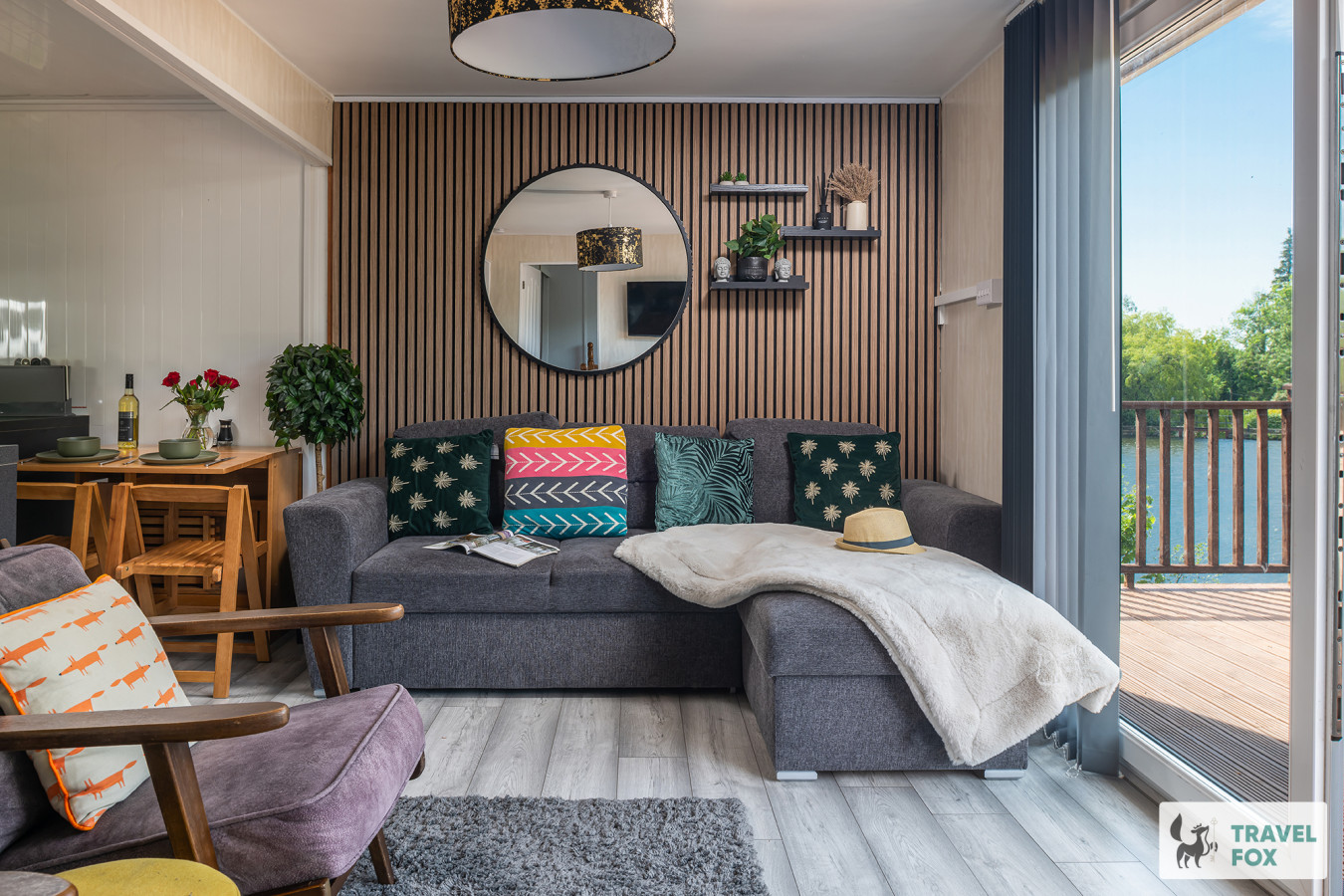
Waunfawr
Lakeside Lodge
- Sleeps 6
- 2 bedrooms
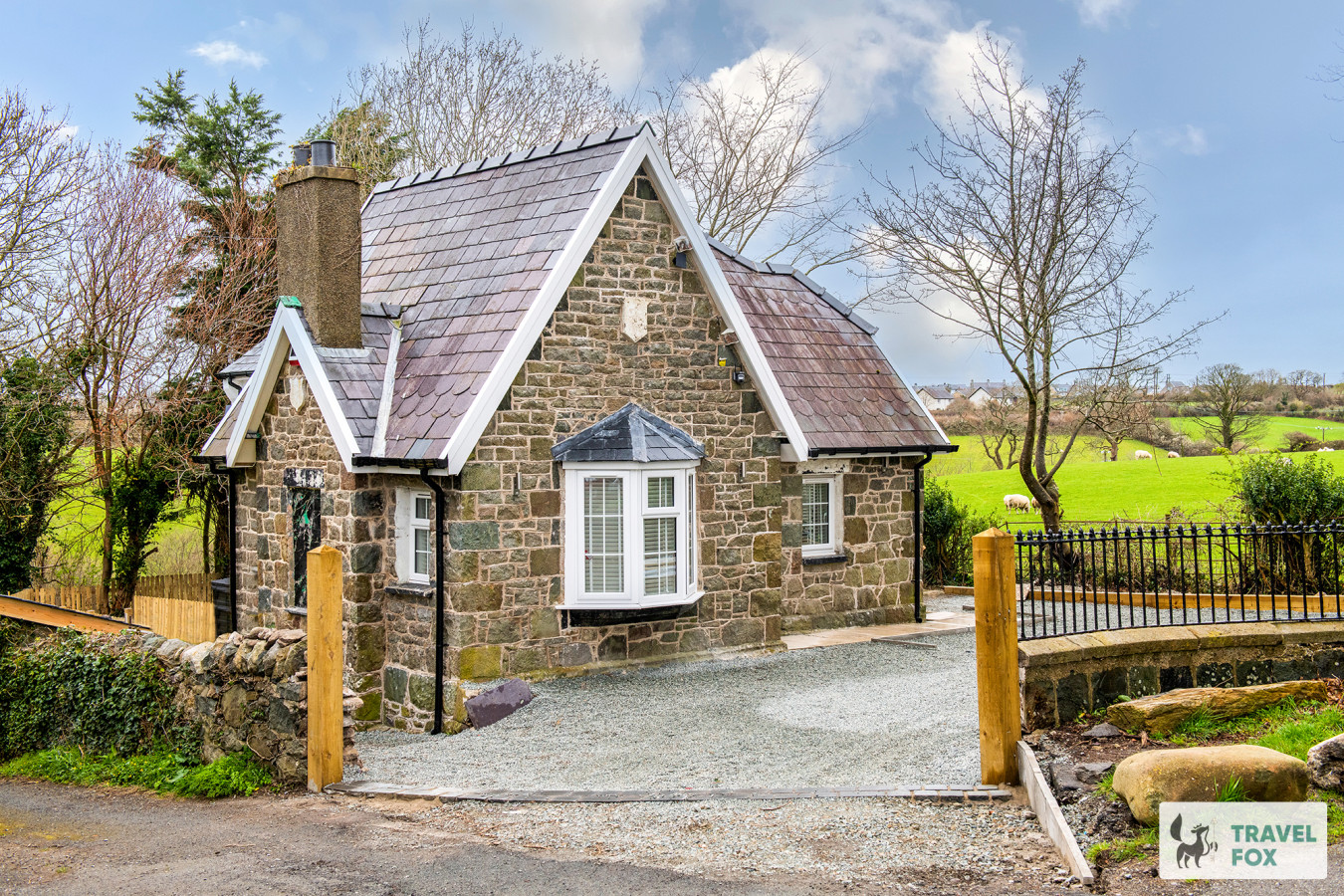
Caernarfon
Katie's Cottage & Hot Tub - Snowdon 20mins drive
- Sleeps 9
- 3 bedrooms
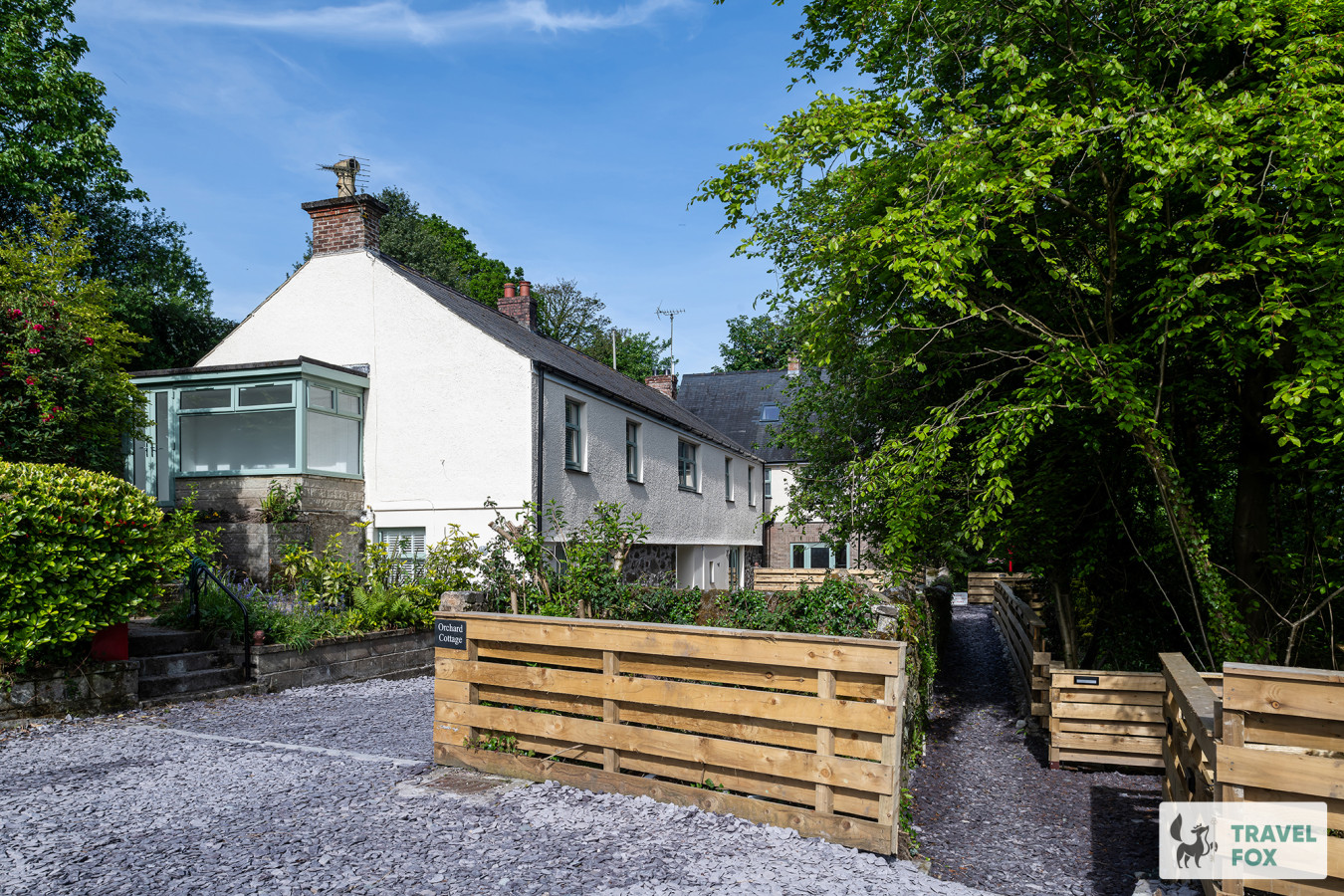
Caernarfon
Orchard Cottage and Hot Tubs
- Sleeps 25
- 8 bedrooms
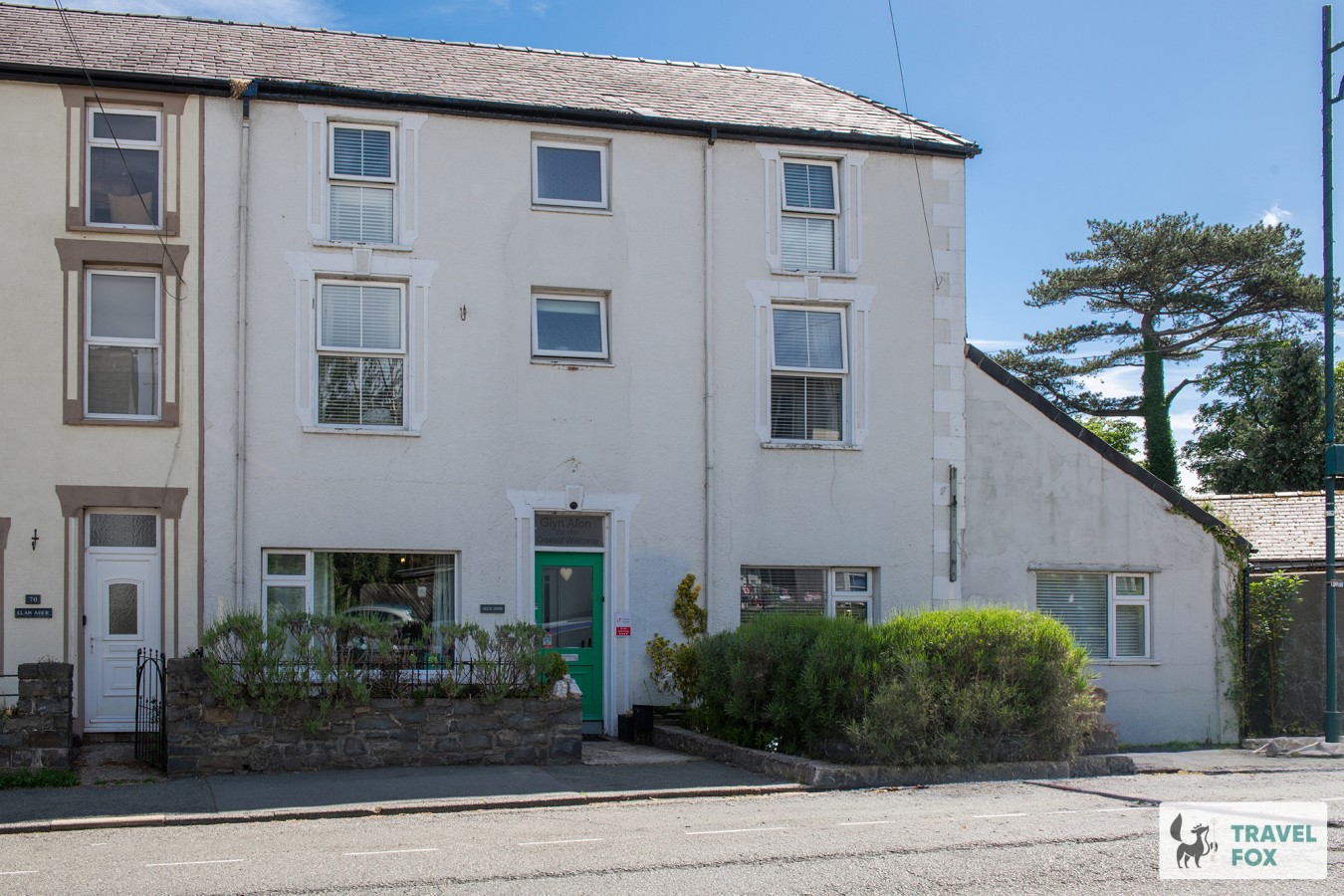
Llanberis
Glyn Afon: At the foot of Mount Snowdon!
- Sleeps 16
- 9 bedrooms
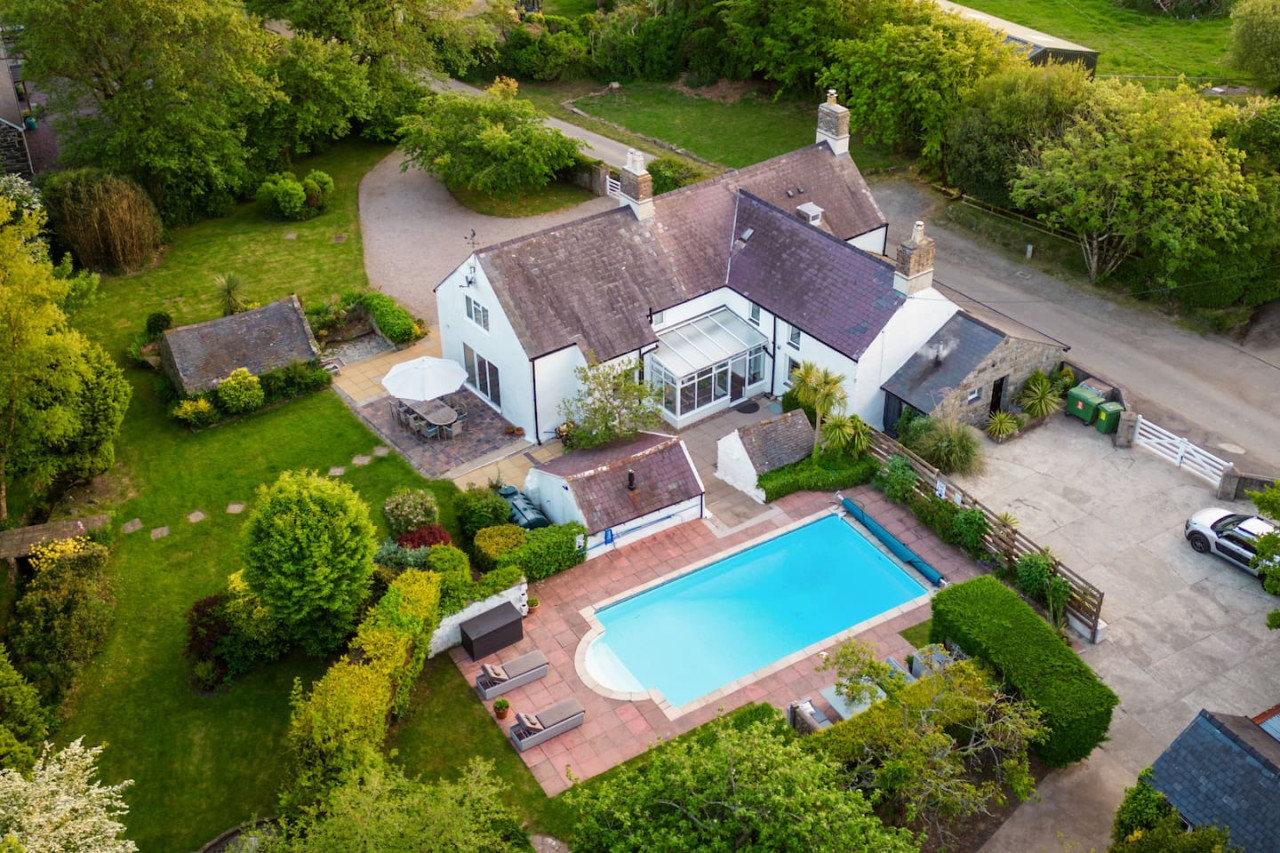
Aberdaron
Plas Newydd with Swimming Pool
- Sleeps 16
- 7 bedrooms
For homeowners
Own a holiday home near Waunfawr?
We manage holiday lets across Gwynedd from 12% commission, charged after cleaning costs, with no lock-in. A co-founder visits before you decide.
Holiday let management in Gwynedd →
A guide with a point of view
Written from research. Edited for real journeys.
Use the Official site links for live practical details, then use this guide for context, ideas and room to explore.
Photography credits & licences
Third-party photographs are credited to their named creators and reused under the linked Creative Commons licence or public-domain dedication. Travel Fox stores an optimised local copy; the file-specific changes and any browser-applied display crop are disclosed below. Reused photographs link both to the Wikimedia Commons source record and to the declared source image; Travel Fox's own photographs carry no such record and are marked as ours. These image licences do not cover Travel Fox text, branding or page design.
- File:WHR Waunfawr station early 2000s.jpg — photograph by foundin_a_attic; https://www.flickr.com/photos/foundin_a_attic/49468118261/. Source record on Wikimedia Commons. Declared source image. Licence: CC BY 2.0. File changes: Downloaded from Wikimedia Commons, resized to a maximum 1920px edge and encoded as an optimised JPEG. Display changes: Displayed with responsive CSS cropping.
Sources
Every place on this page is checked against a published source. Each entry links the record we used and names who publishes it.
- Snowdonia Parc Brewpub — snowdonia-park.co.uk operator, sector body or destination organisation
- Waunfawr Station — festrail.co.uk other published source
- Yr Hen Waun Walk — anturwaunfawr.org operator, sector body or destination organisation
- Hafod Olau Walk — anturwaunfawr.org other published source
- Y Groeslon Walk — anturwaunfawr.org other published source
- Y Bompren Walk — anturwaunfawr.org other published source
- Waun Bant Walk — anturwaunfawr.org operator, sector body or destination organisation
- Moel Smytho Walk — anturwaunfawr.org other published source